 BuddhaJones Archive ProjectFree Nichiren Buddhism
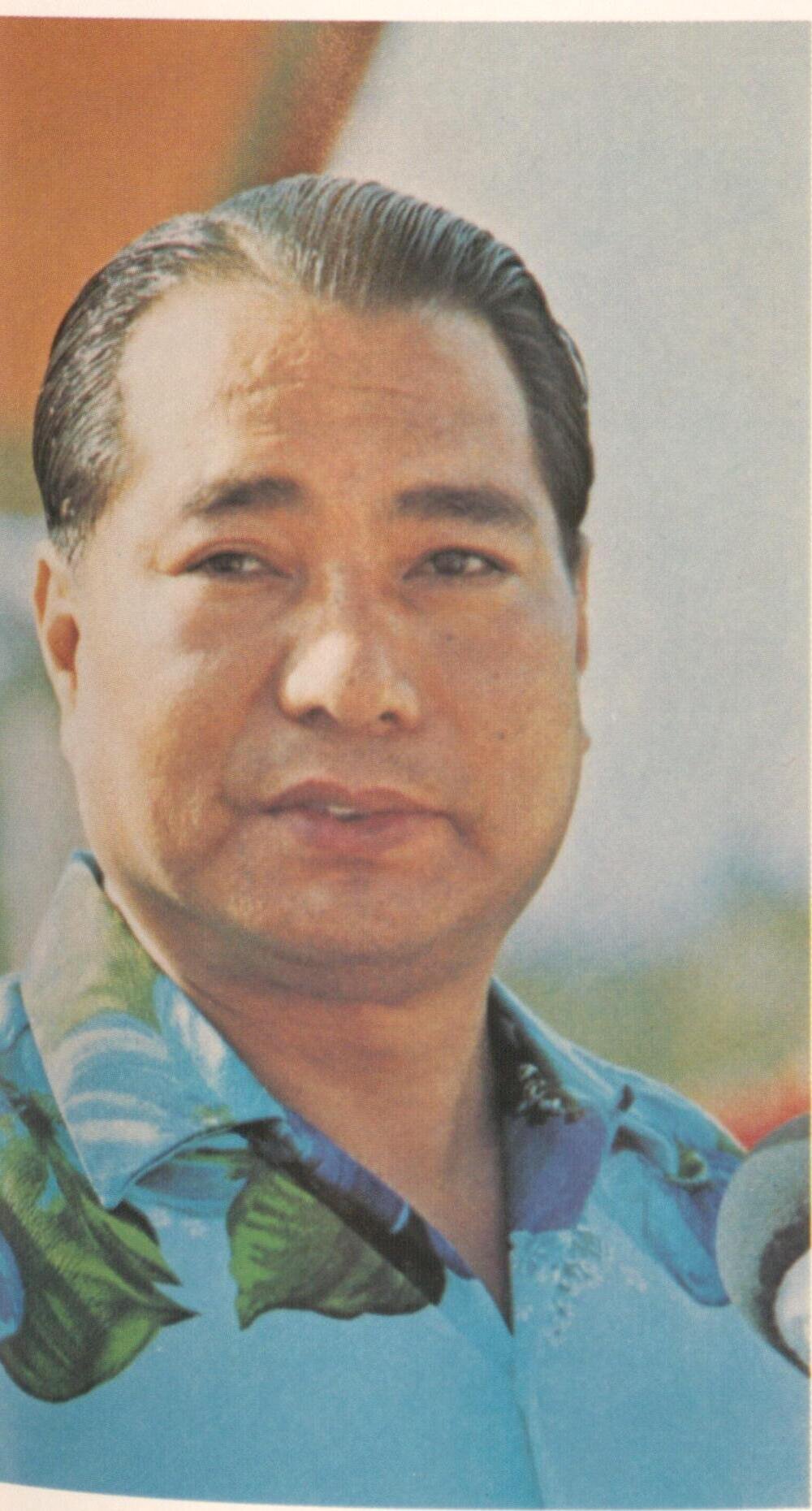
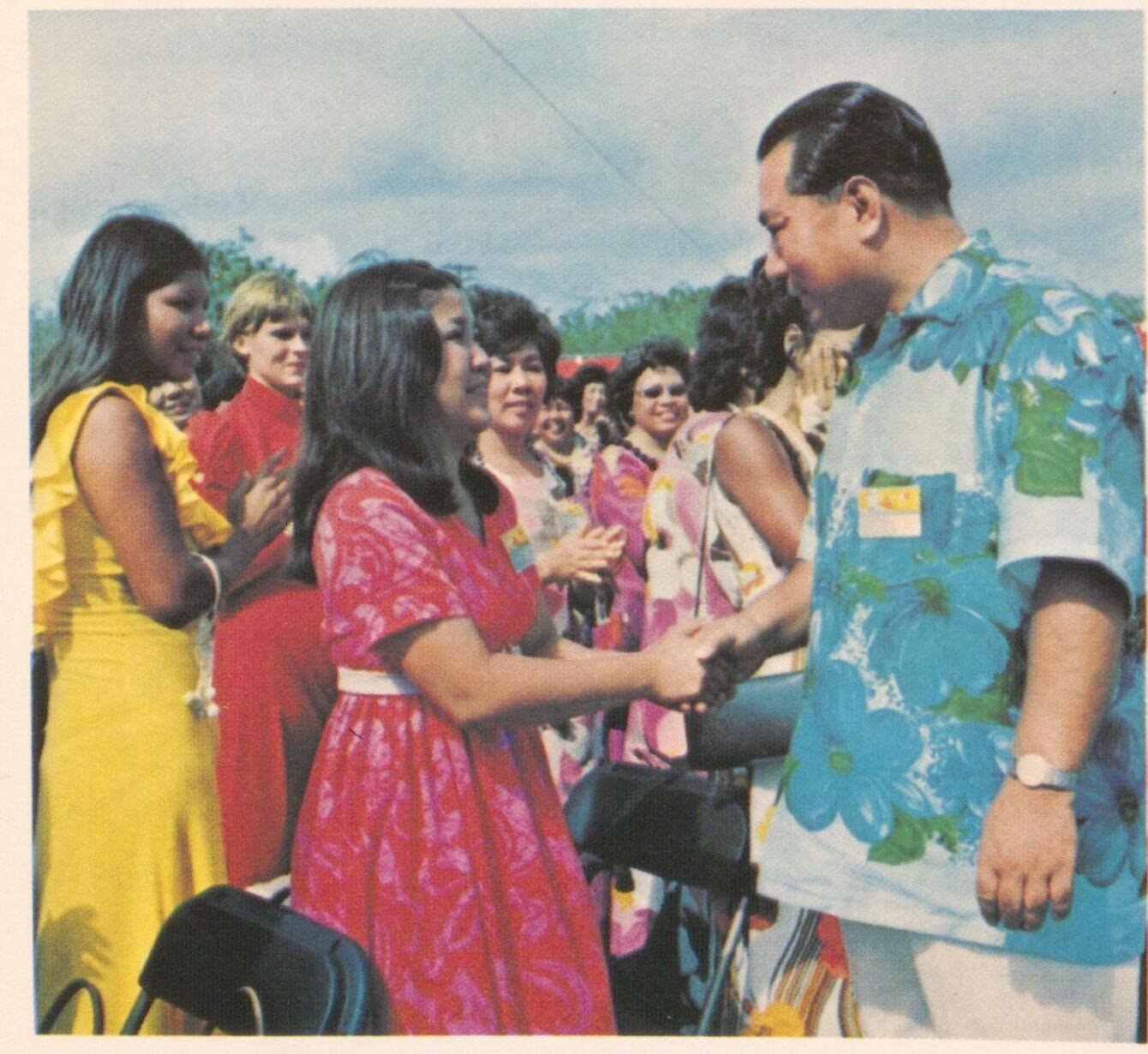
A series of important events in August of 1973 brought President Ikeda to Hawaii. In addition to the opening of several new buildings, the groundbreaking for a Nichiren Shoshu Temple and several cultural activities, the formation of the Pan-American Nichiren Shoshu League was announced during his stay.
For several months, Hawaii members worked tirelessly to prepare a newly acquired community center on Maui Island and to ready the site for construction of a temple and community center at Waimea Bay on the Island of Oahu. Hawaii is only one major center of NSA activities. Throughout the Western Hemisphere and in the Pacific, this dynamic movement of humanism is growing.
As its members develop their lives, they demonstrate a fresh enthusiasm for living to their neighbors and co-workers. Spreading hope and confidence on a person-to-person basis is the true objective of the Nichiren Shoshu Academy. Like the Academy of Athens, the Nichiren Shoshu Academy is an open forum, where people seek the teaching of a master in order to live happy, fulfilled lives.
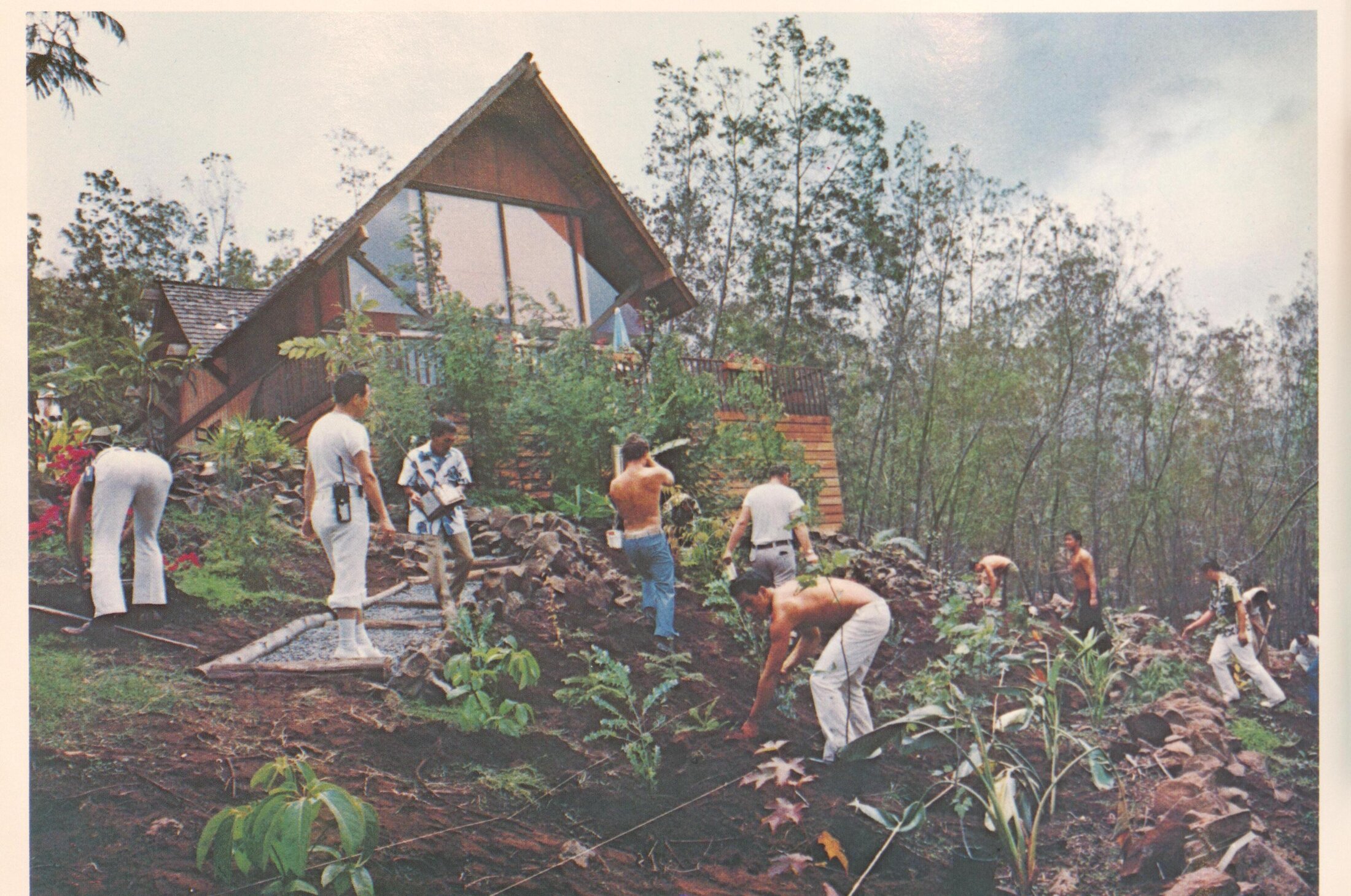
The Maui Community Center, located on the slopes of Mt. Haleakala, was opened on August 15, 1973.
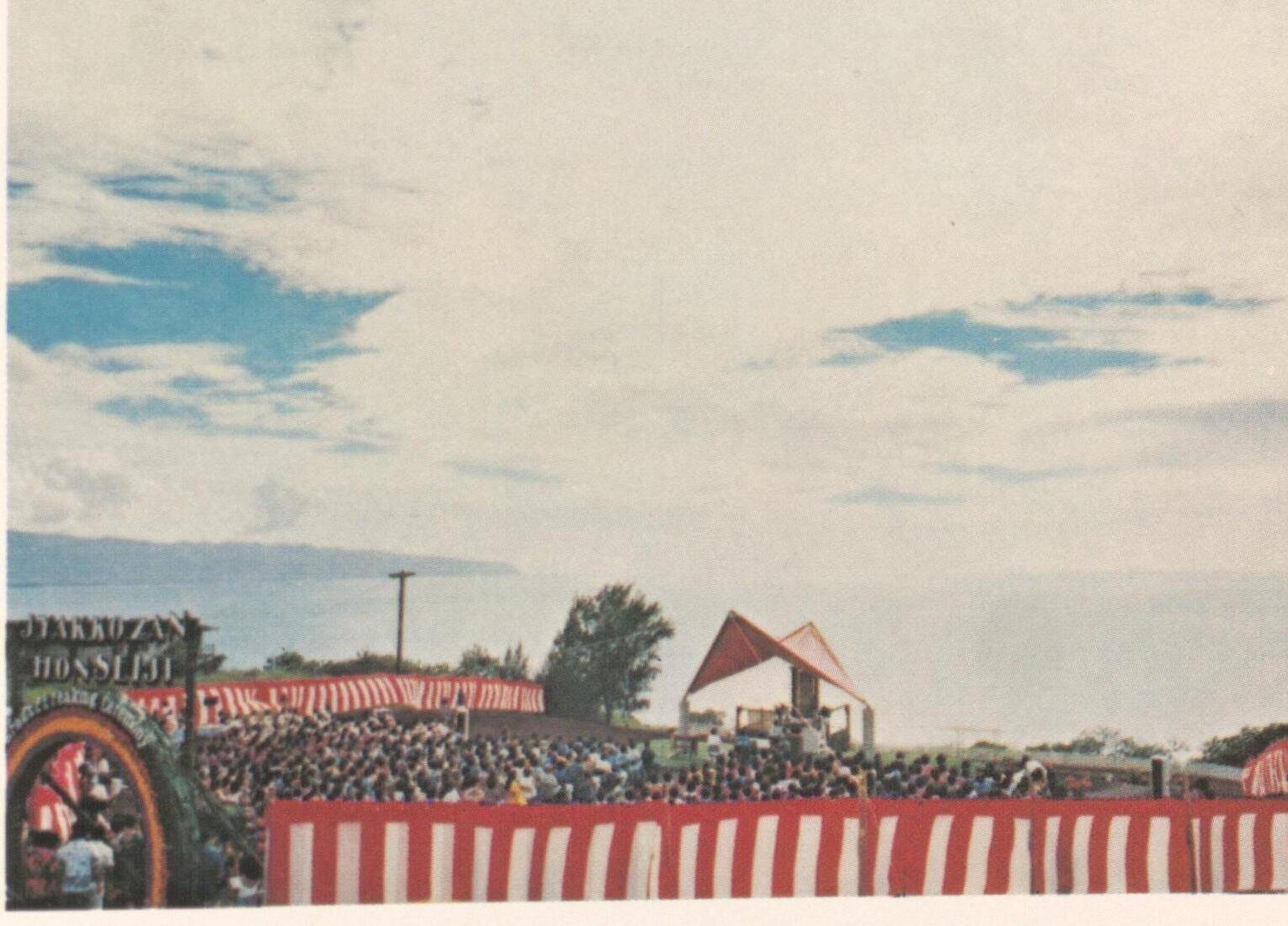
The Groundbreaking Ceremony for the temple and community center at Waimea on Oahu — August 12, 1973.
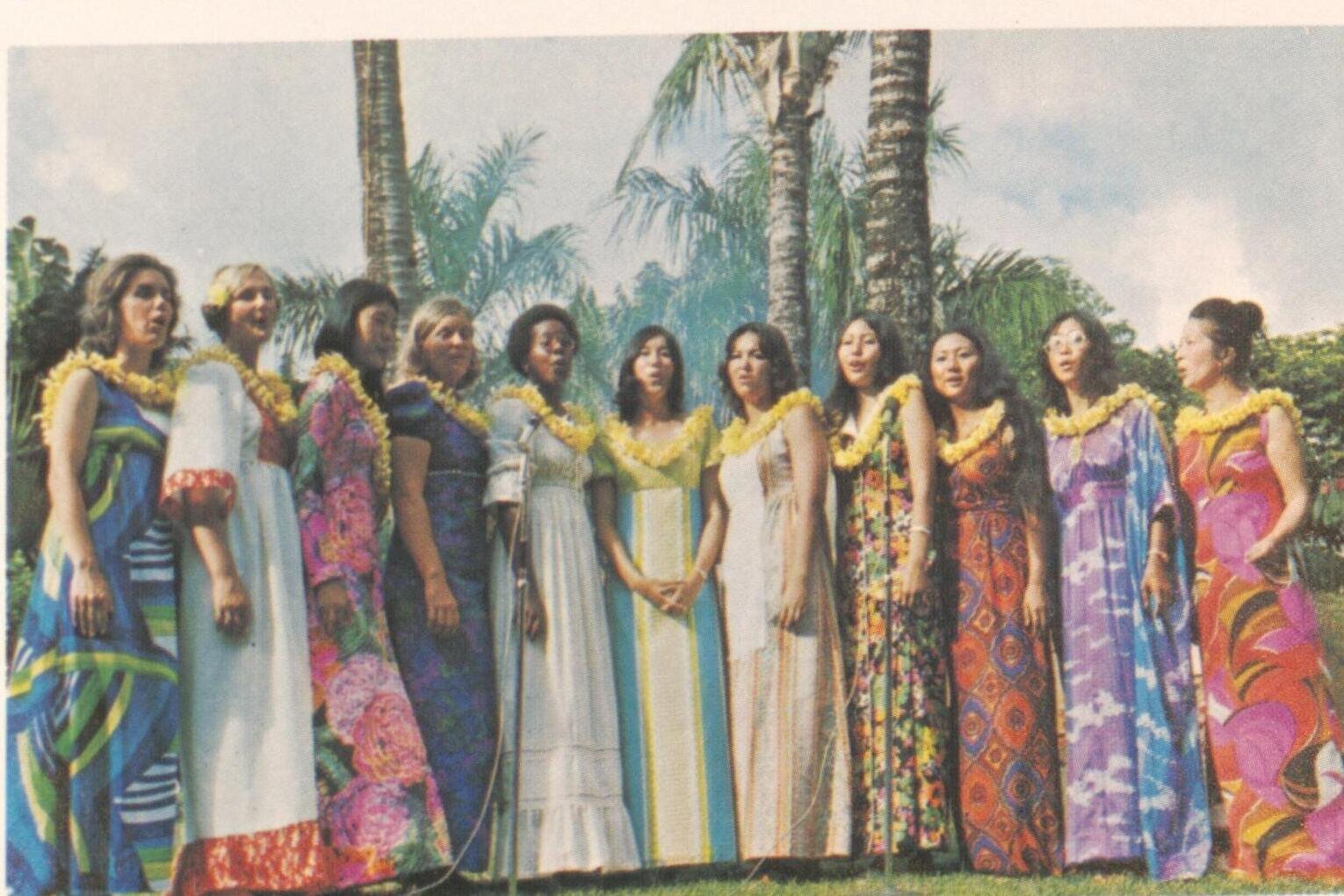
A garden party at the Hawaii Community Center in Honolulu.
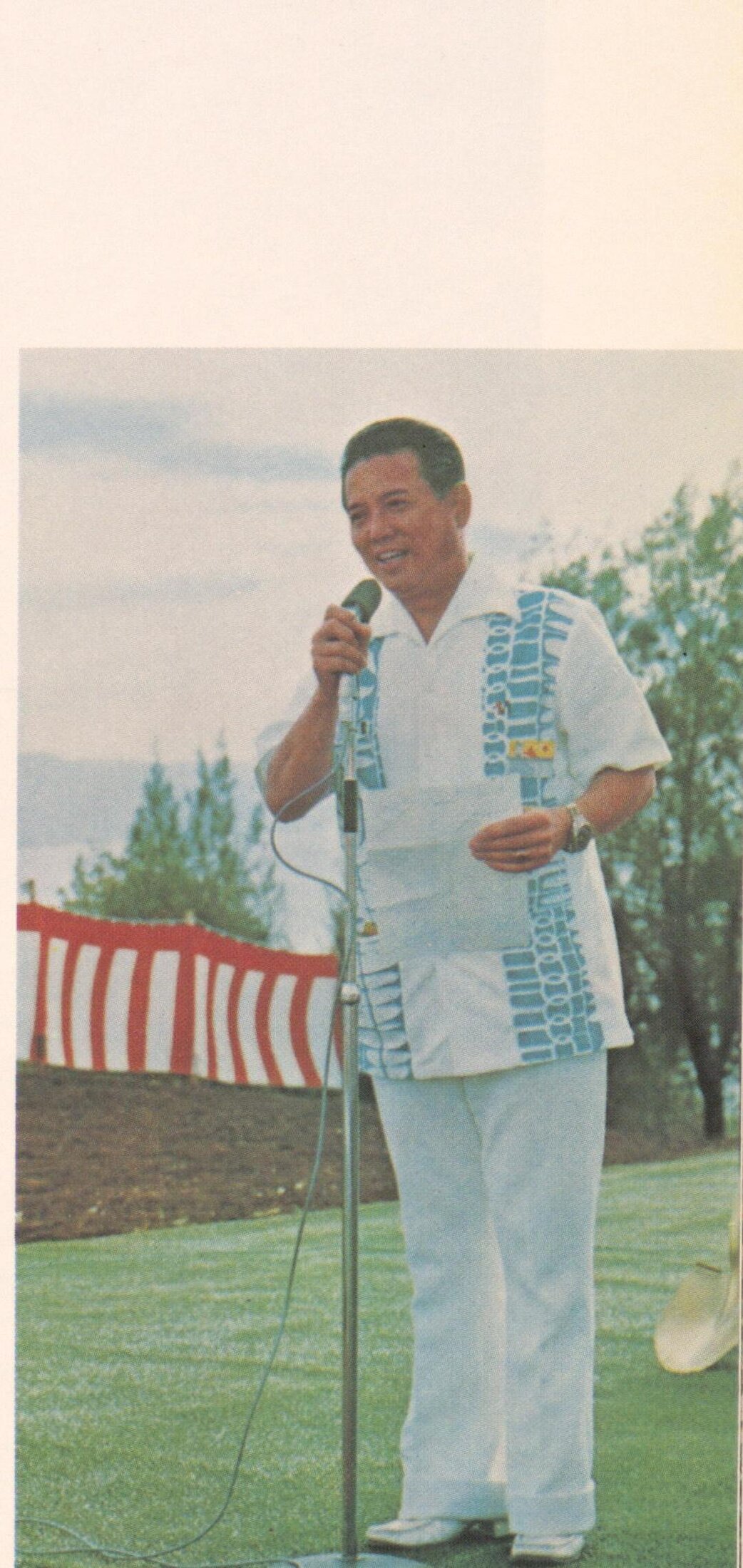
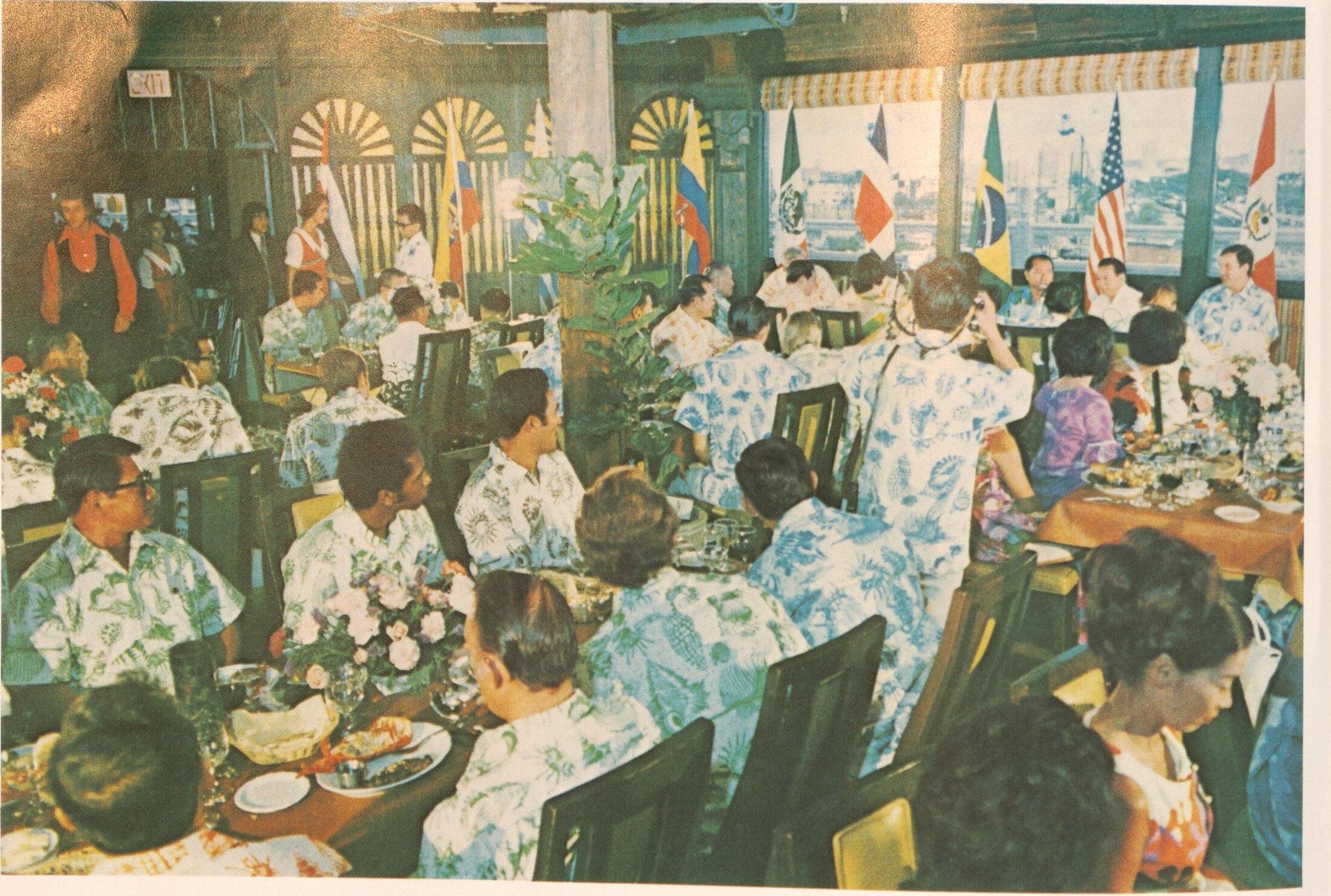
An international confederation of the Nichiren Shoshu organizations of thirty nations was formalized at a conference on August 18, 1973. The proceedings were attended by fifty top leaders who responded to President Ikeda’s encouragement to forge ahead in the campaign to bring peace and harmony to the world.
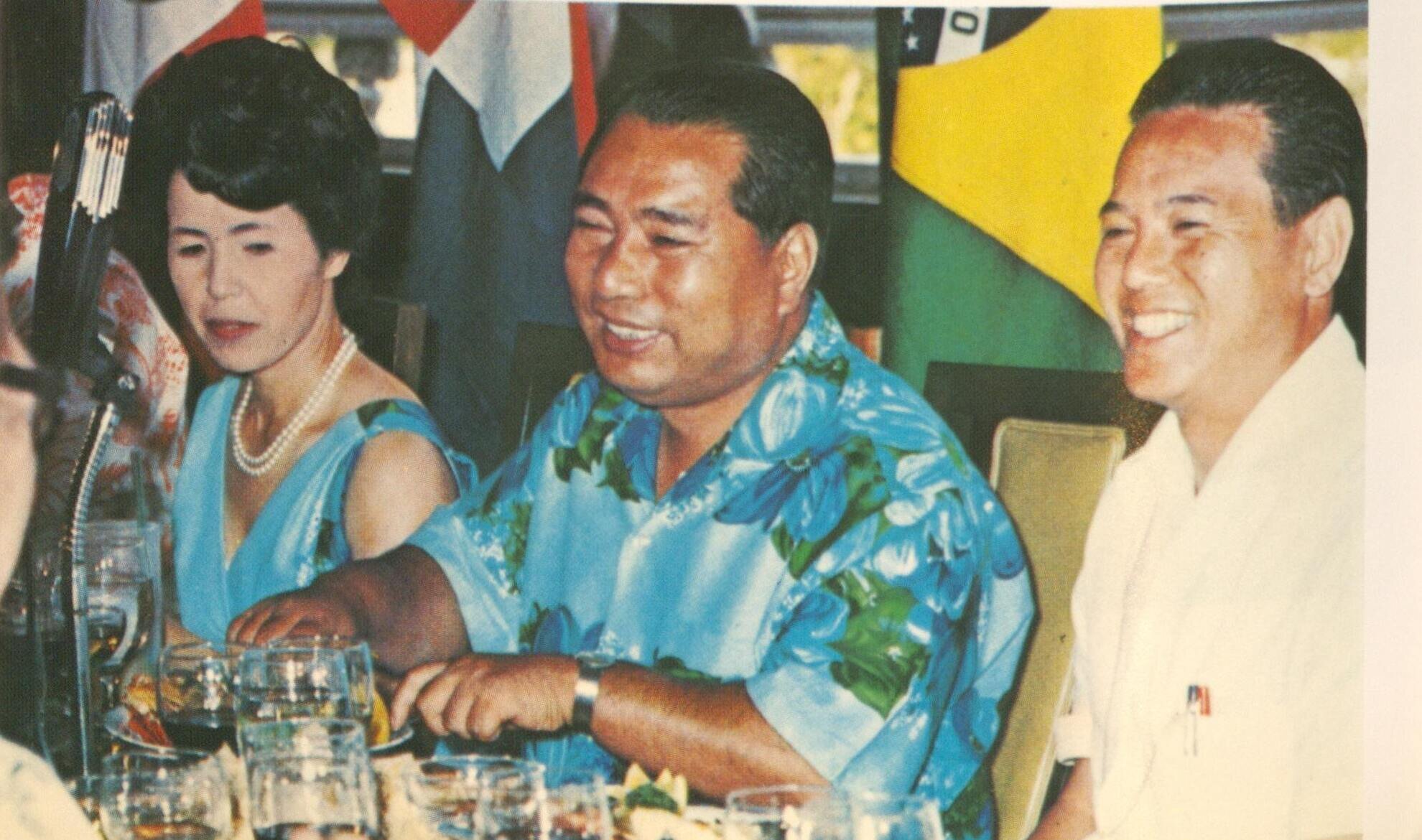
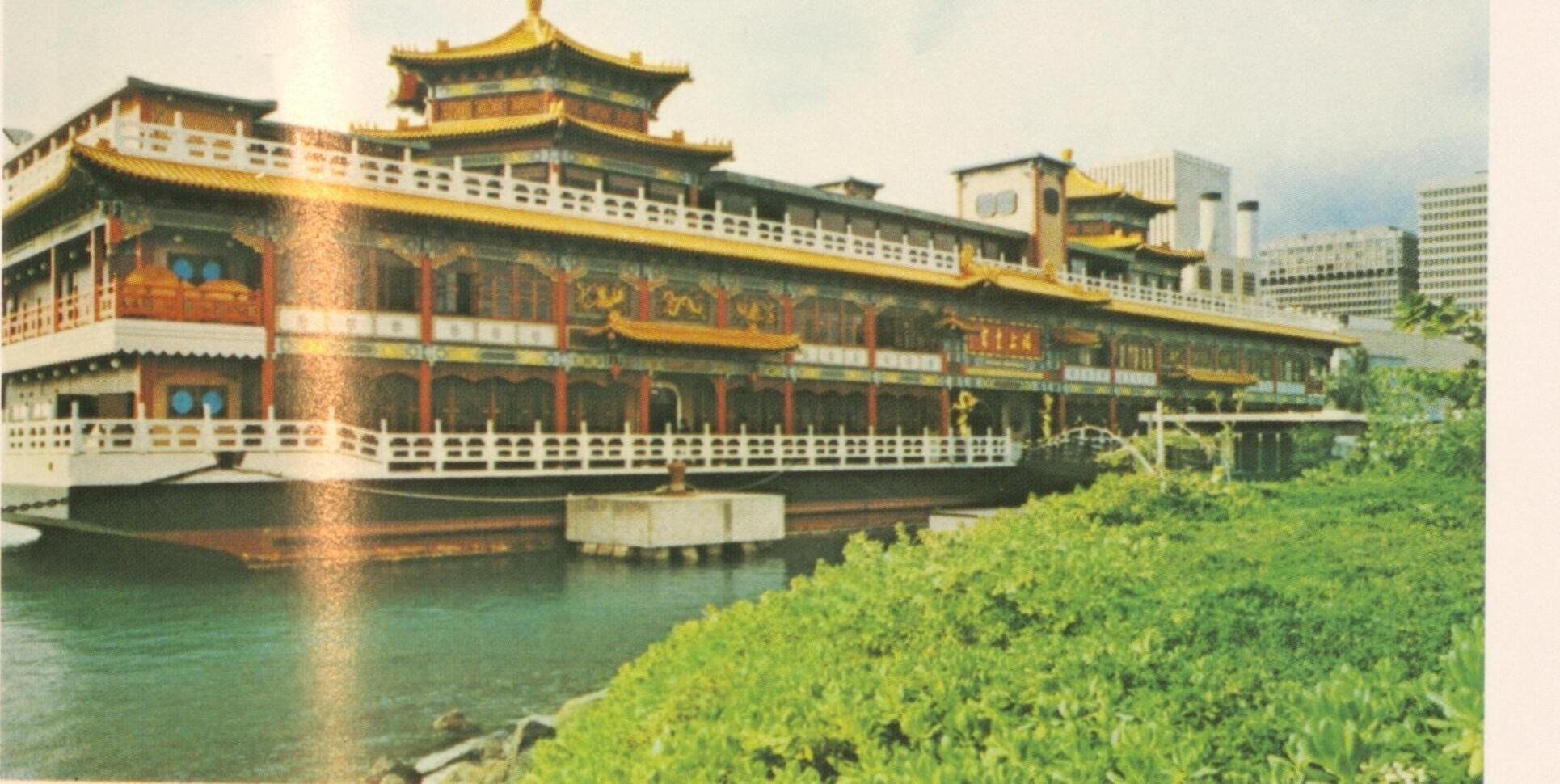
The floating restaurant “Oceana” in Honolulu, site of the Pan-American Nichiren Shoshu League conference.
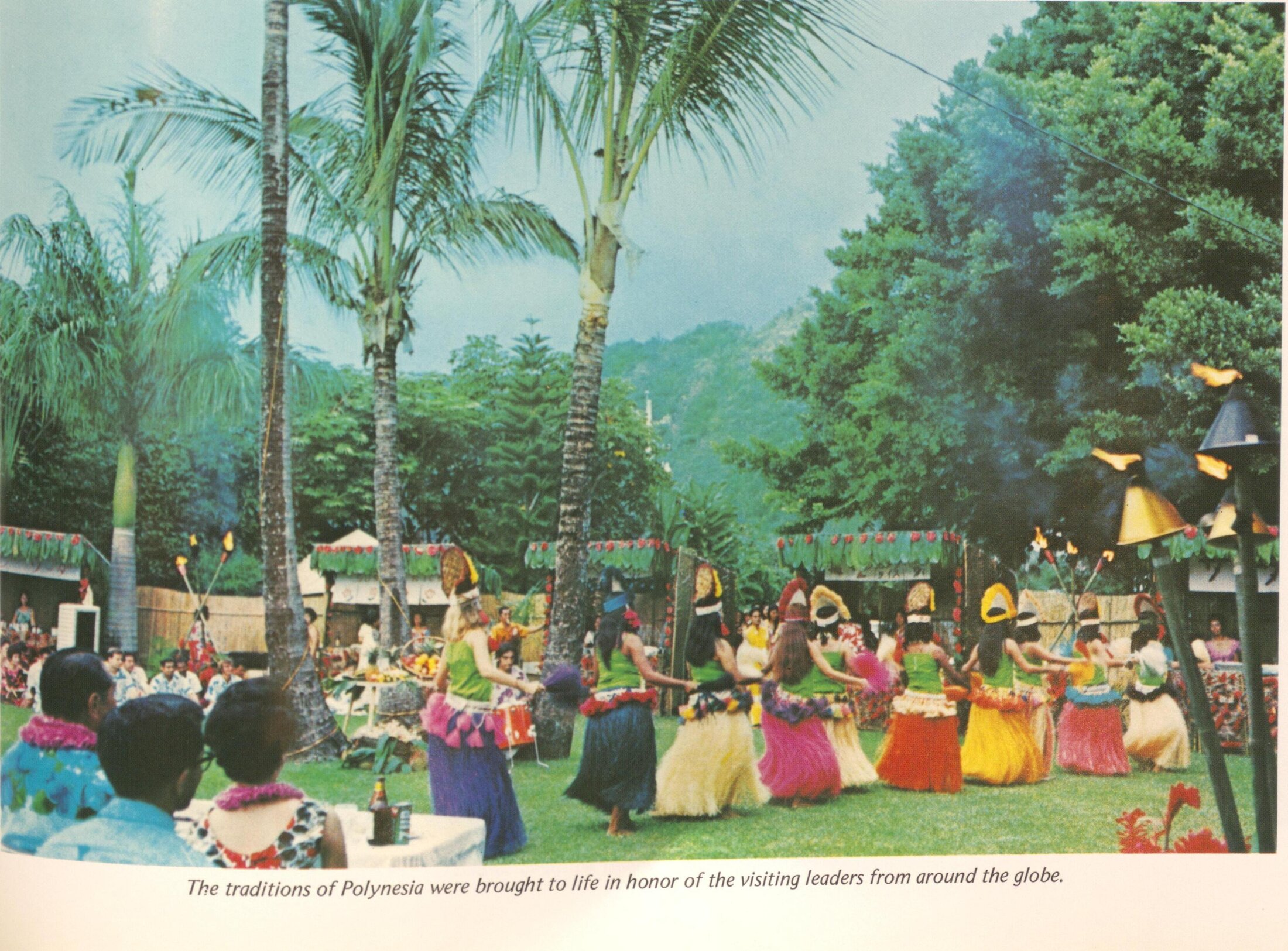
The traditions of Polynesia were brought to life in honor of the visiting leaders from around the globe.
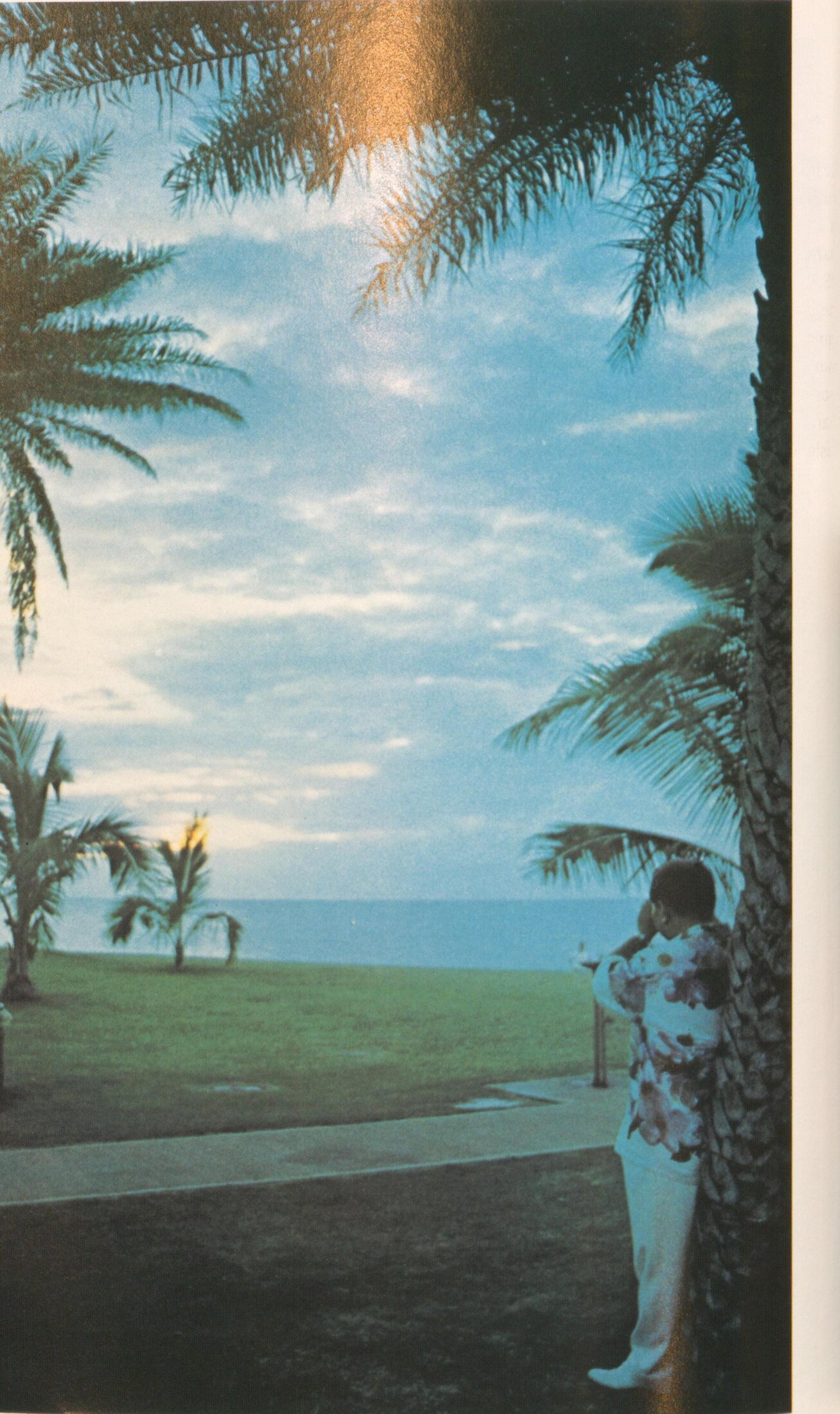
President Ikeda photographs an island sunset.
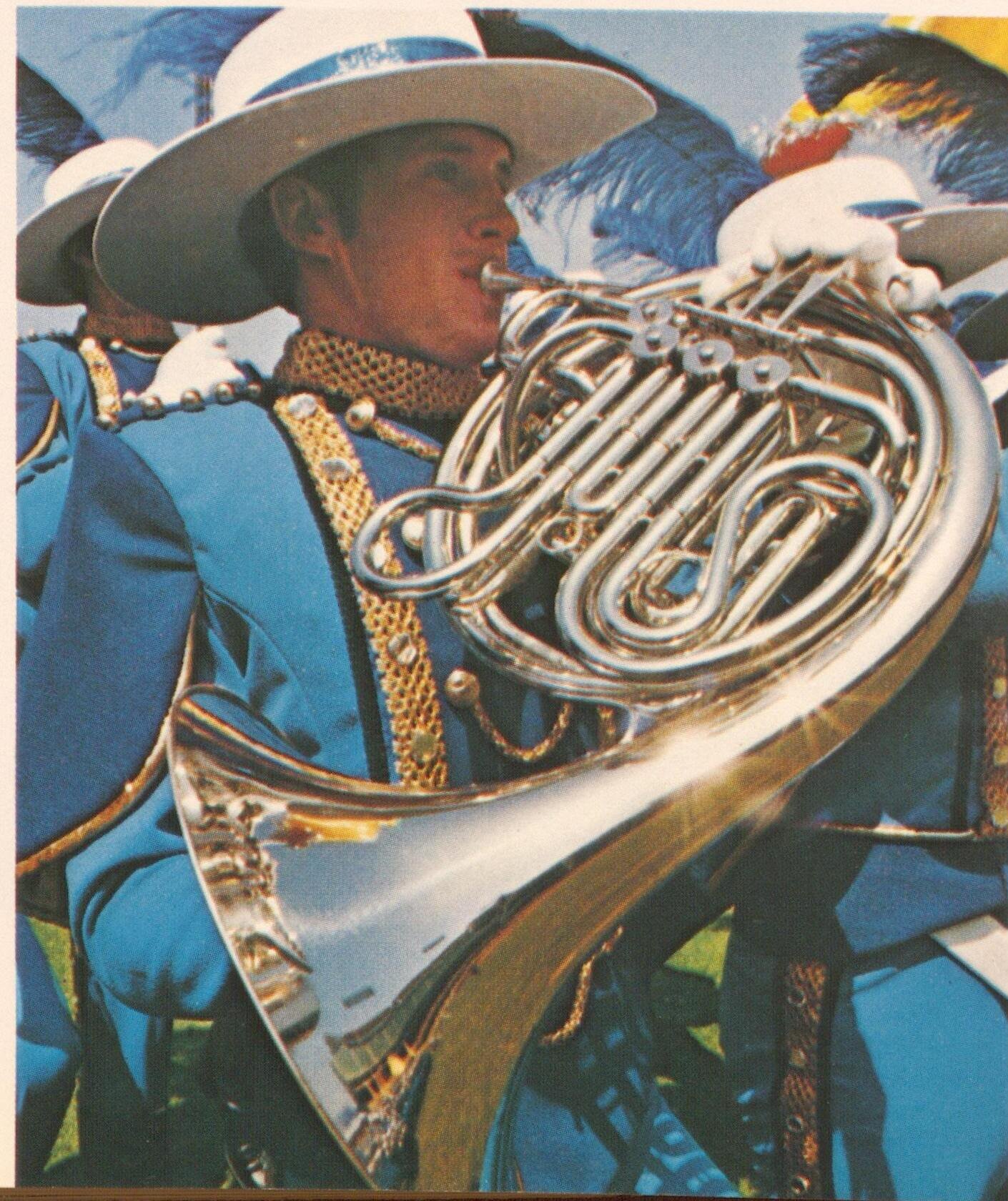
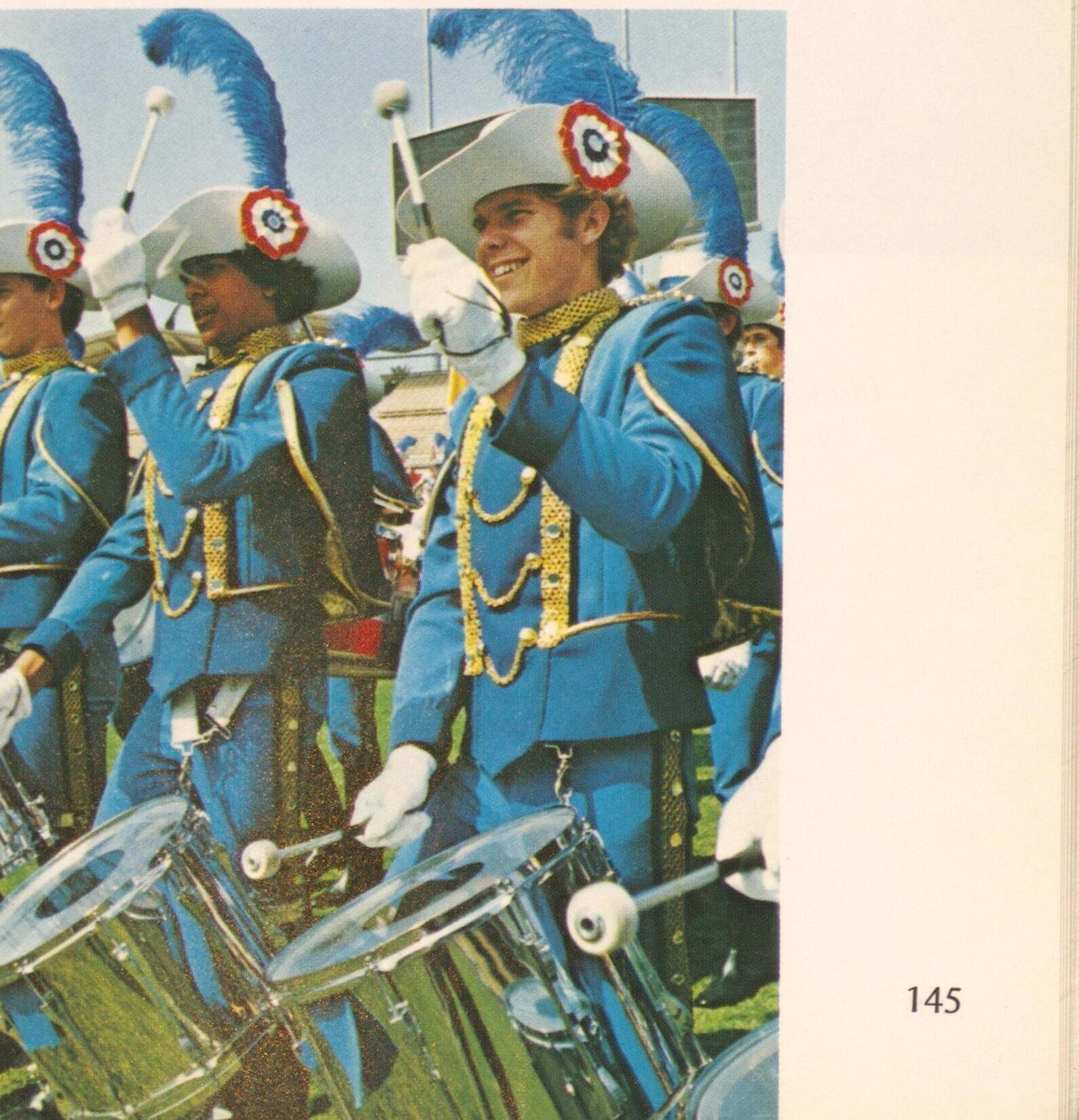
Nearly forty thousand baseball fans were thrilled by the largest pre-game show ever held in Dodger Stadium. The early evening performance of September 1, 1973 was staged by NSA as a public service. Among the fans in the stands were thousands of NSA members who came to watch the show and root for the Dodgers, four of whom are NSA members. It was the most exciting “double-header” of the season. The marching bands on the field were sporting uniforms designed for the Sho-Hondo Convention only one month away. High powered precision performances by NSA’s Brass Band, the Golden Eagle Bagpipe Corps and a drill-team aptly called the “paper-people” filled Dodger Stadium with a kaleidoscope of color, sound and fast action.
Musical numbers such as “Cabaret,” “Fiddler on the Roof,” “Take Me Out to the Ball Game” and “Stars and Stripes Forever” displayed not only the performers’ musical versatility, but their joyous and passionate hope to share the universal message of peace and unity through music. The finale was “The Impossible Dream” and the entire stadium filled with the moving lyrics and melody of this song depicting a man striving for justice and happiness for mankind.
Among the dignitaries present at this gala event were United States Congressman Alphonzo Bell and Mrs. Bell and Dodger Chairman of the Board Walter O’Malley, who called the spectacle, “the best show ever to be seen in the history of Dodger Stadium.” He then extended an open invitation to NSA to return anytime.
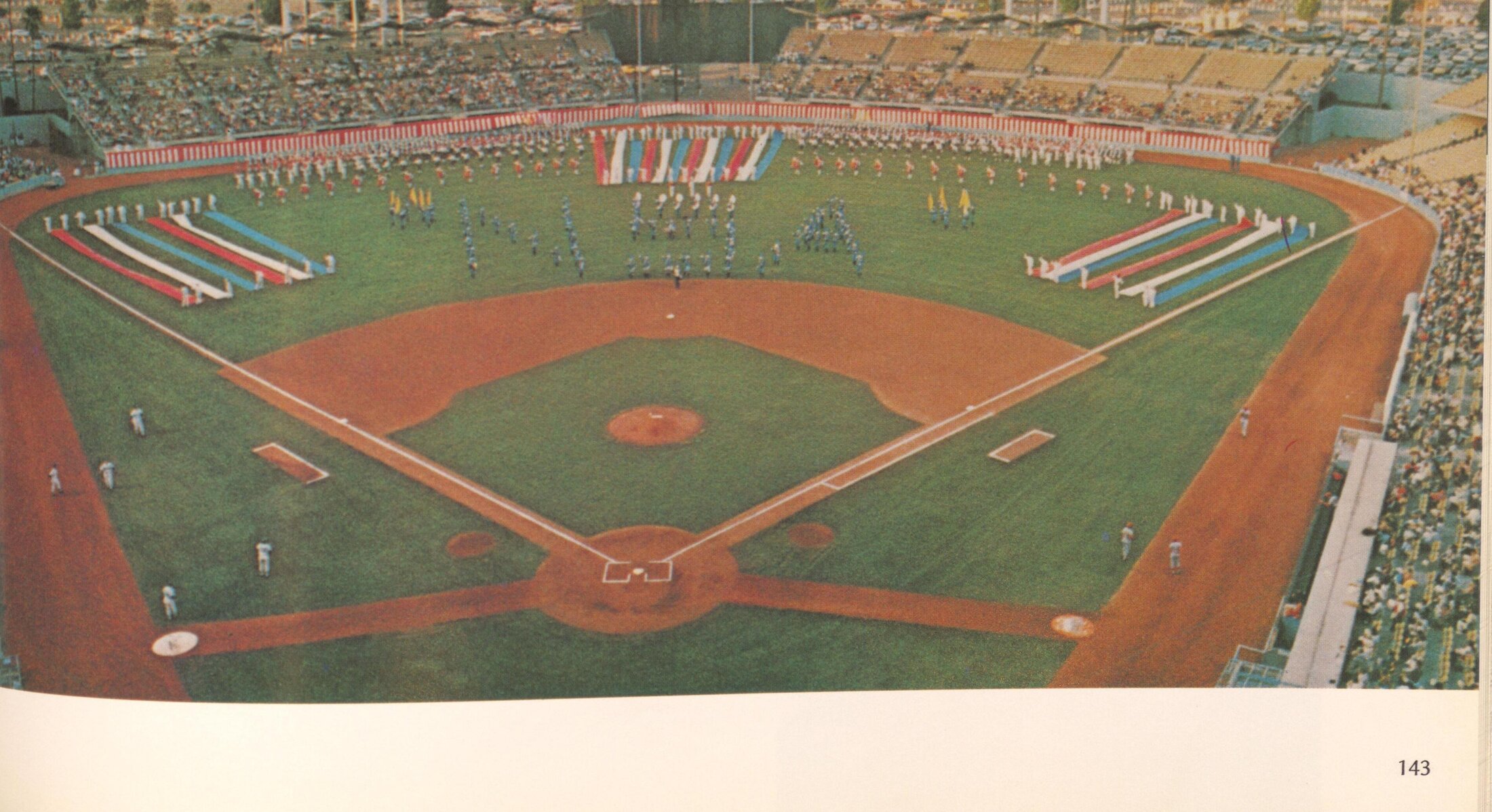
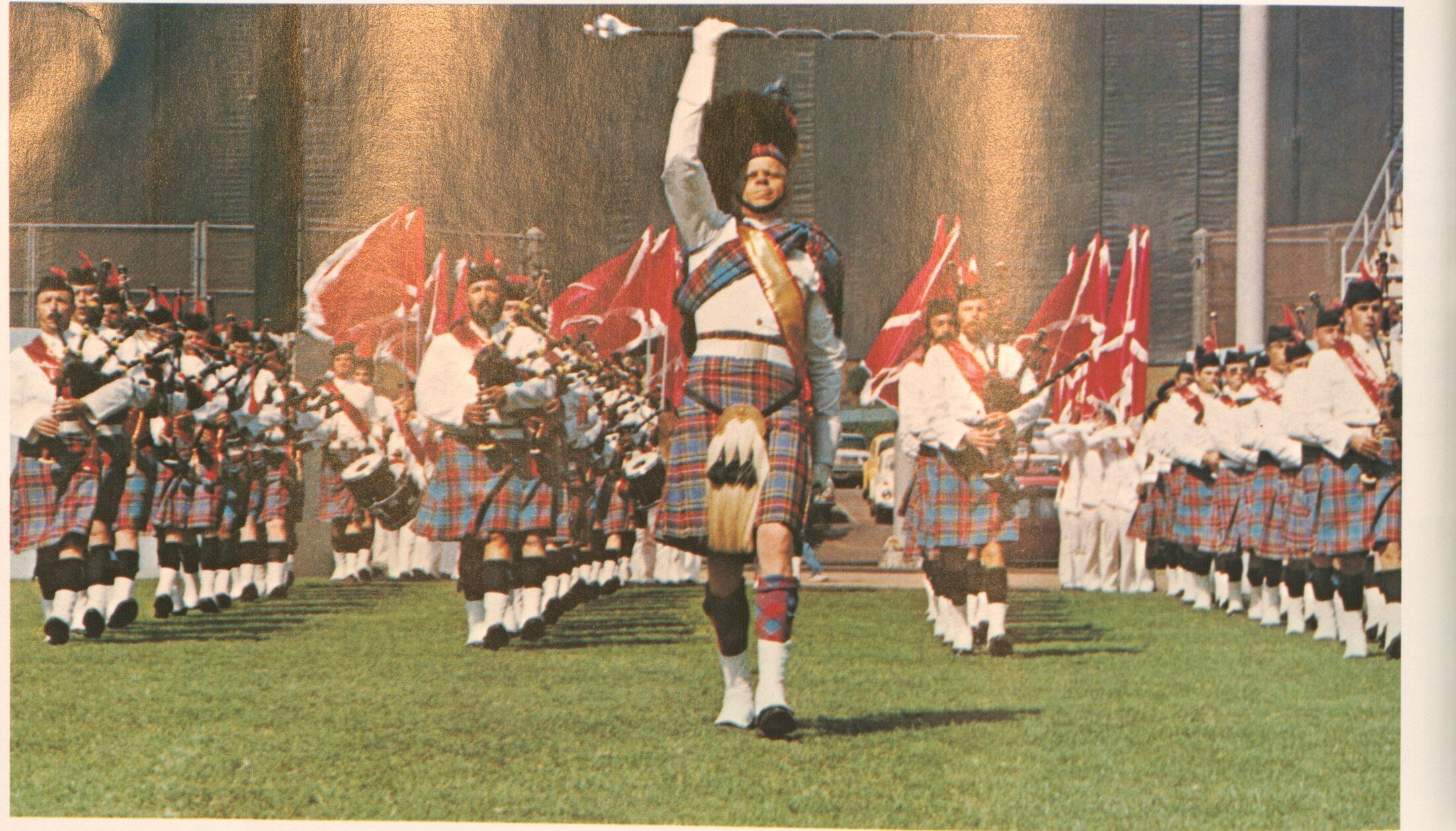
The spirited call of “Scotland the Brave” heralded the proud entrance of the Golden Eagle Bagpipers onto the field. Amidst the cheers of thousands of fans in the stands the NSA Brass Band offered a precision-drill number that left the audience applauding for more.
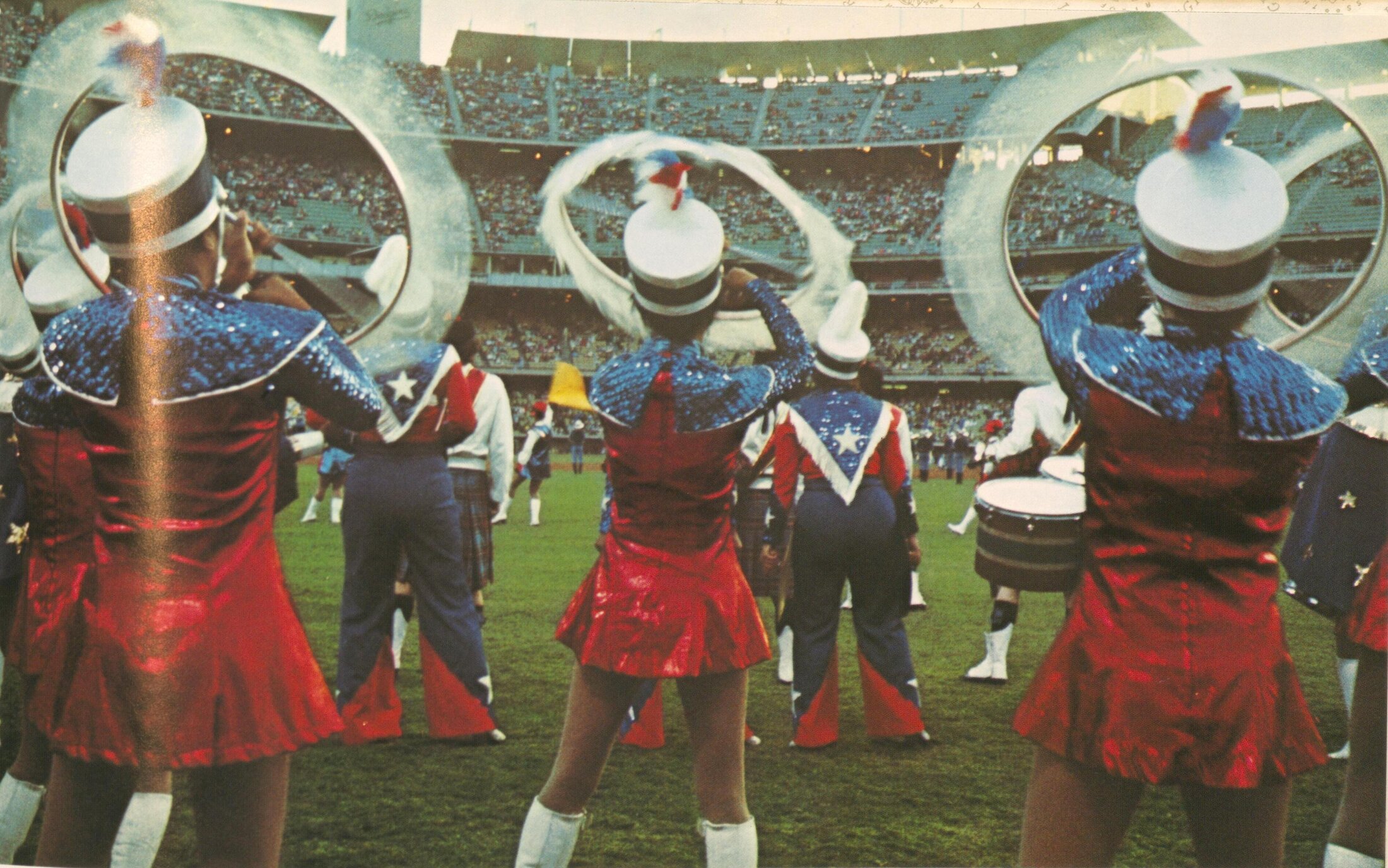
Tiny-mirrors, sewn into the uniforms of the Fife and Drum Corps members, added a dazzling array of light and color to their baton and hoop routine.
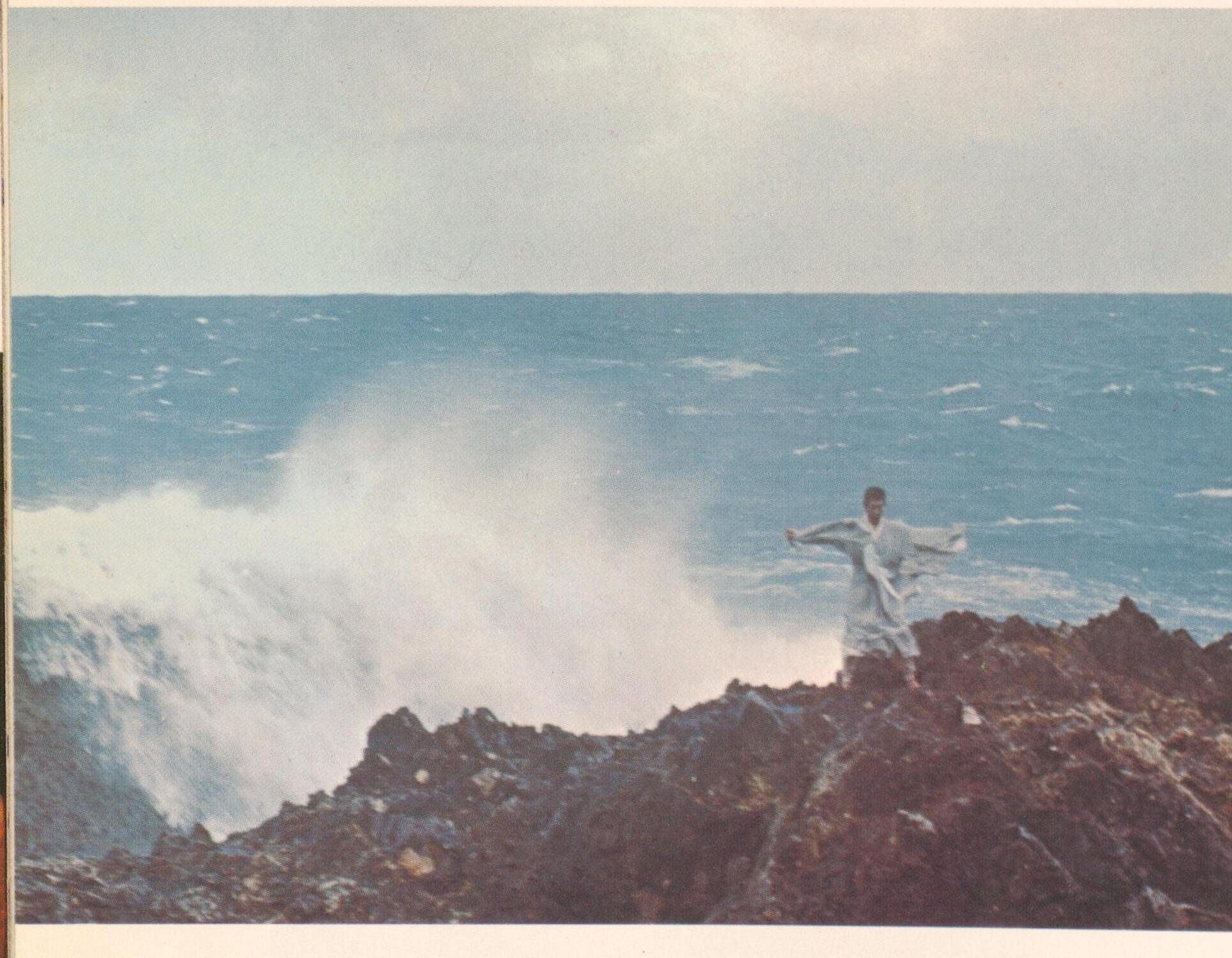
In a dynamic scene from The Human Revolution, Nichiren Daishonin’s unbreakable determination to found true Buddhism is portrayed with a raging sea as a backdrop.
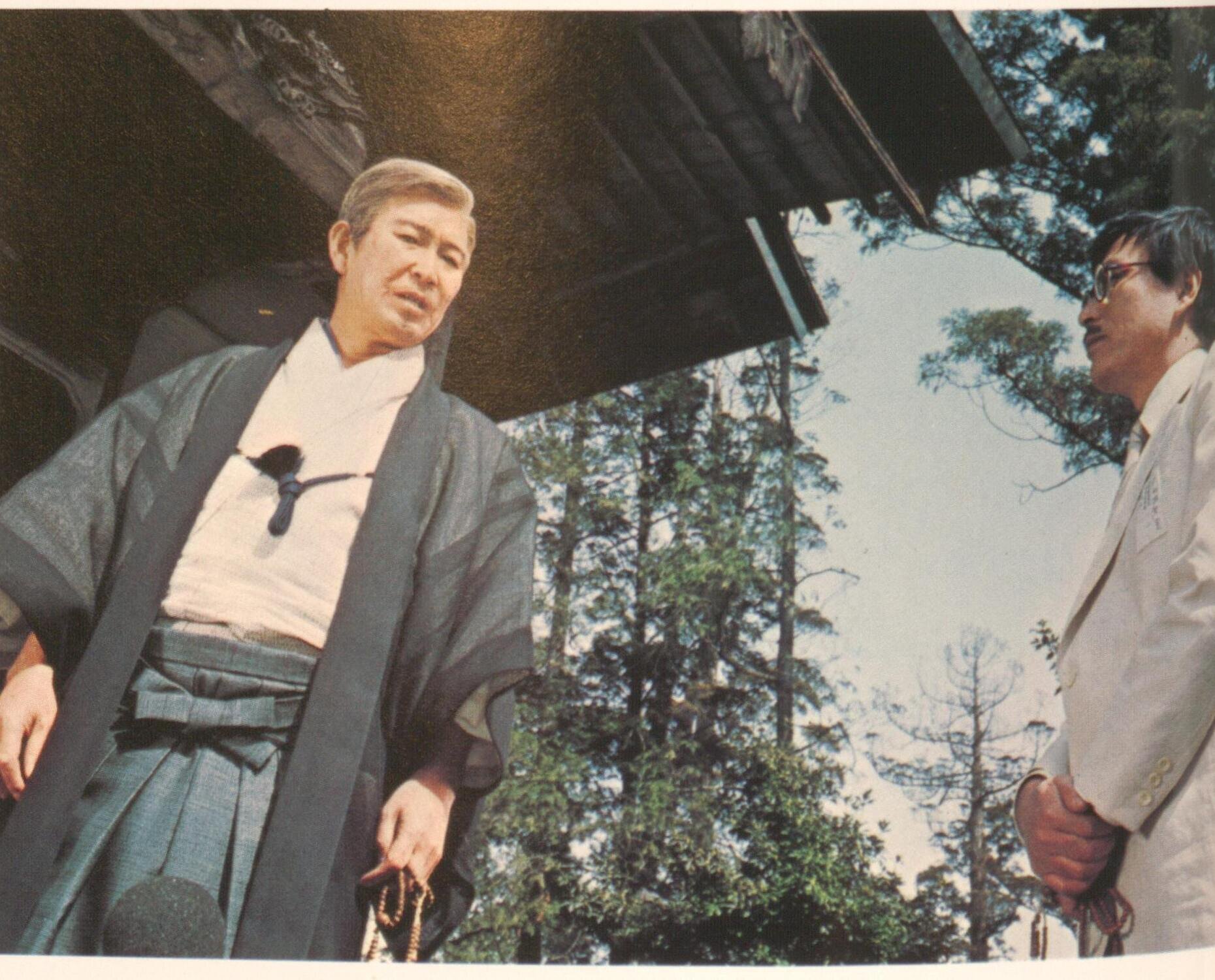
The strong bond of master and disciple is displayed in this poignant scene between the first President Makiguchi (left) and Josei Toda.
Tetsuro Tamba, who plays the lead role of Josei Toda, cheerfully addresses the audience prior to the screening of the film on opening night in Honolulu on January 12, 1974.
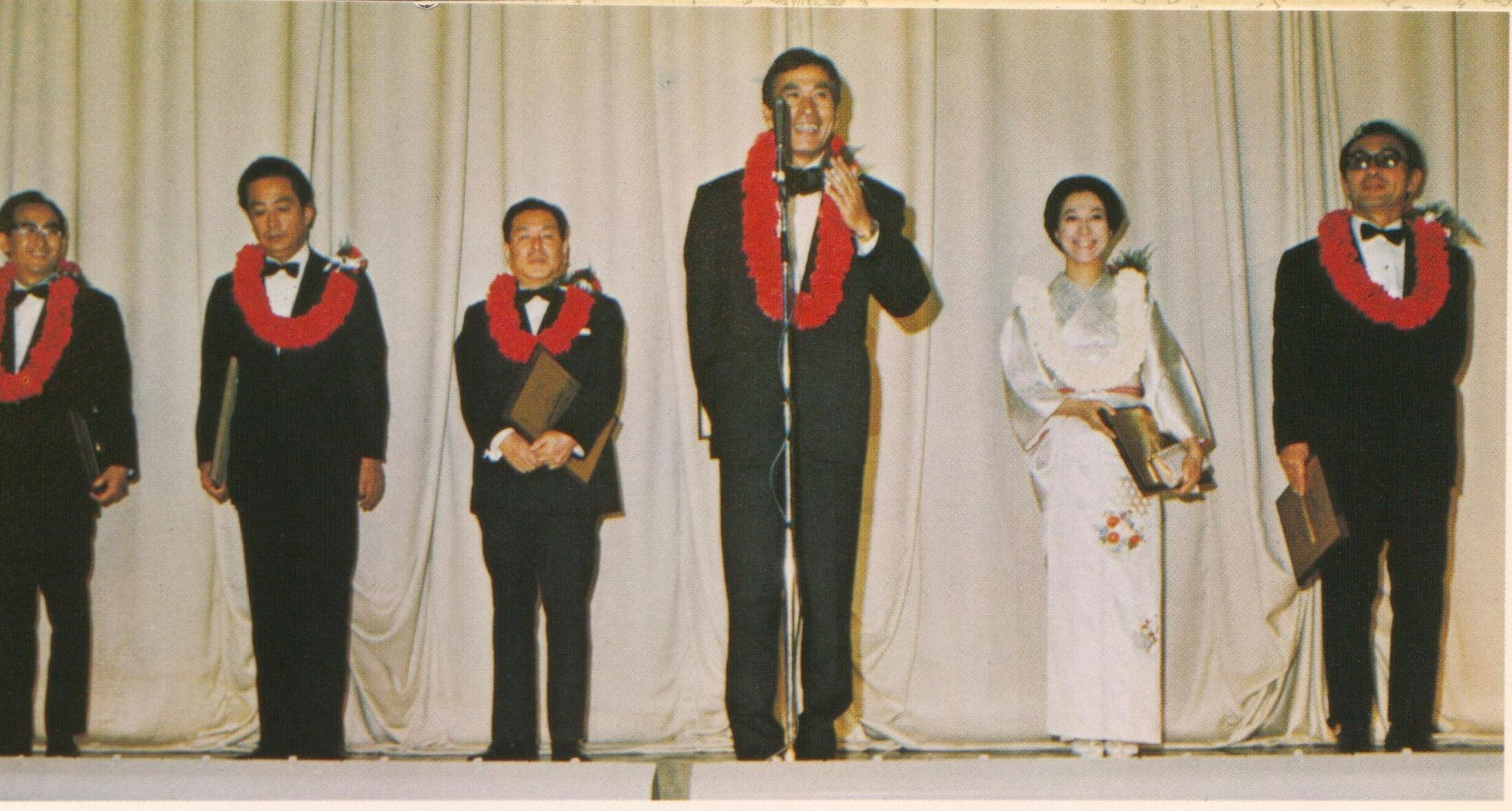
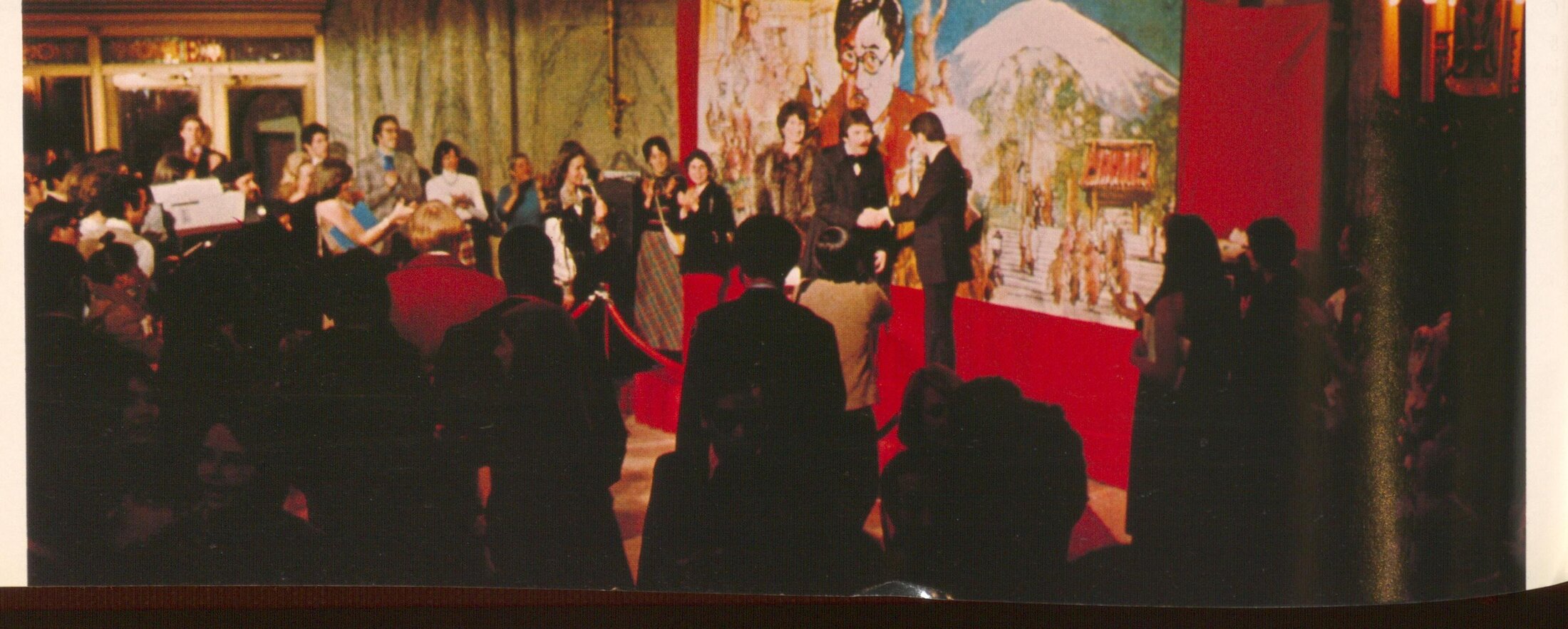
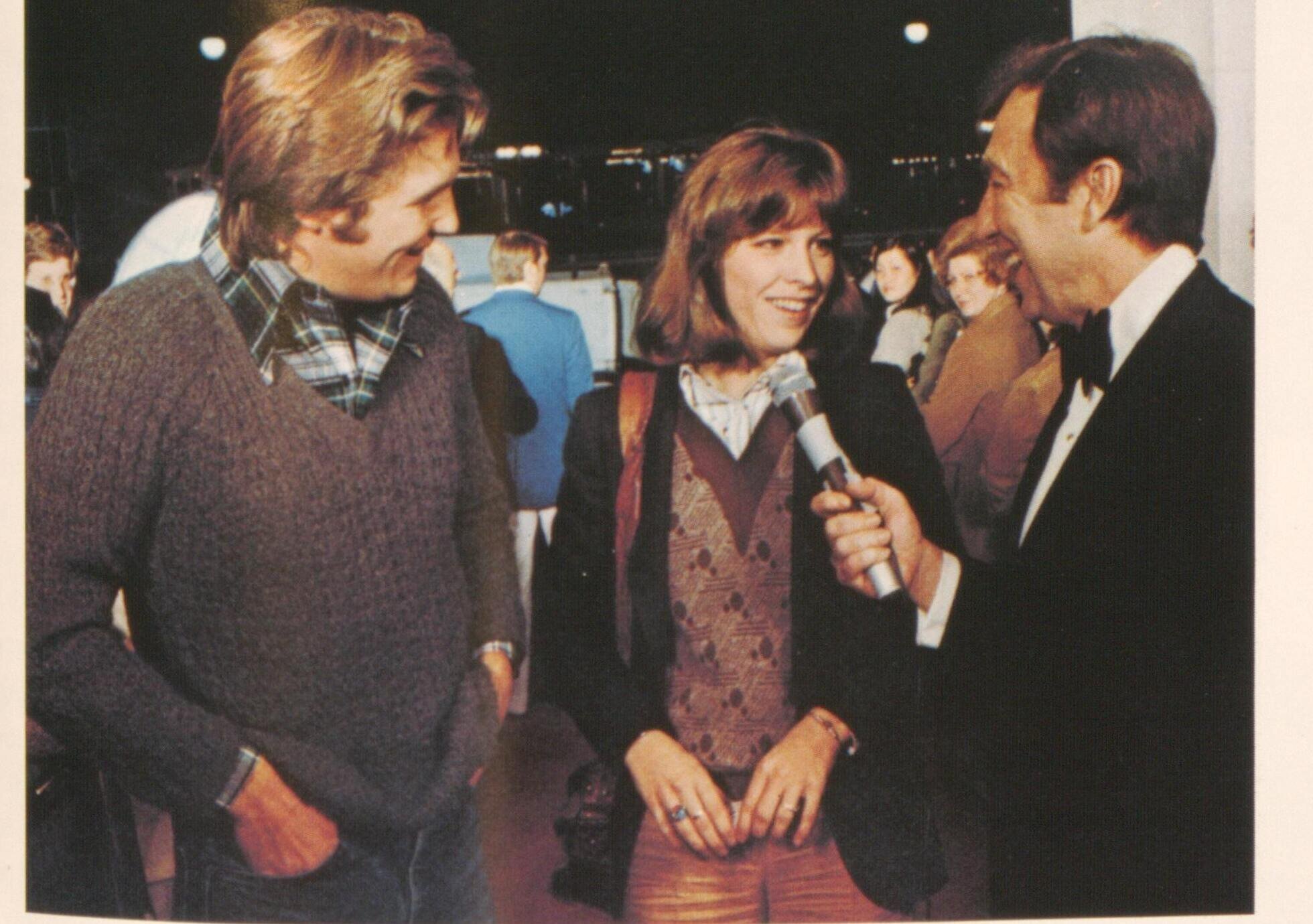
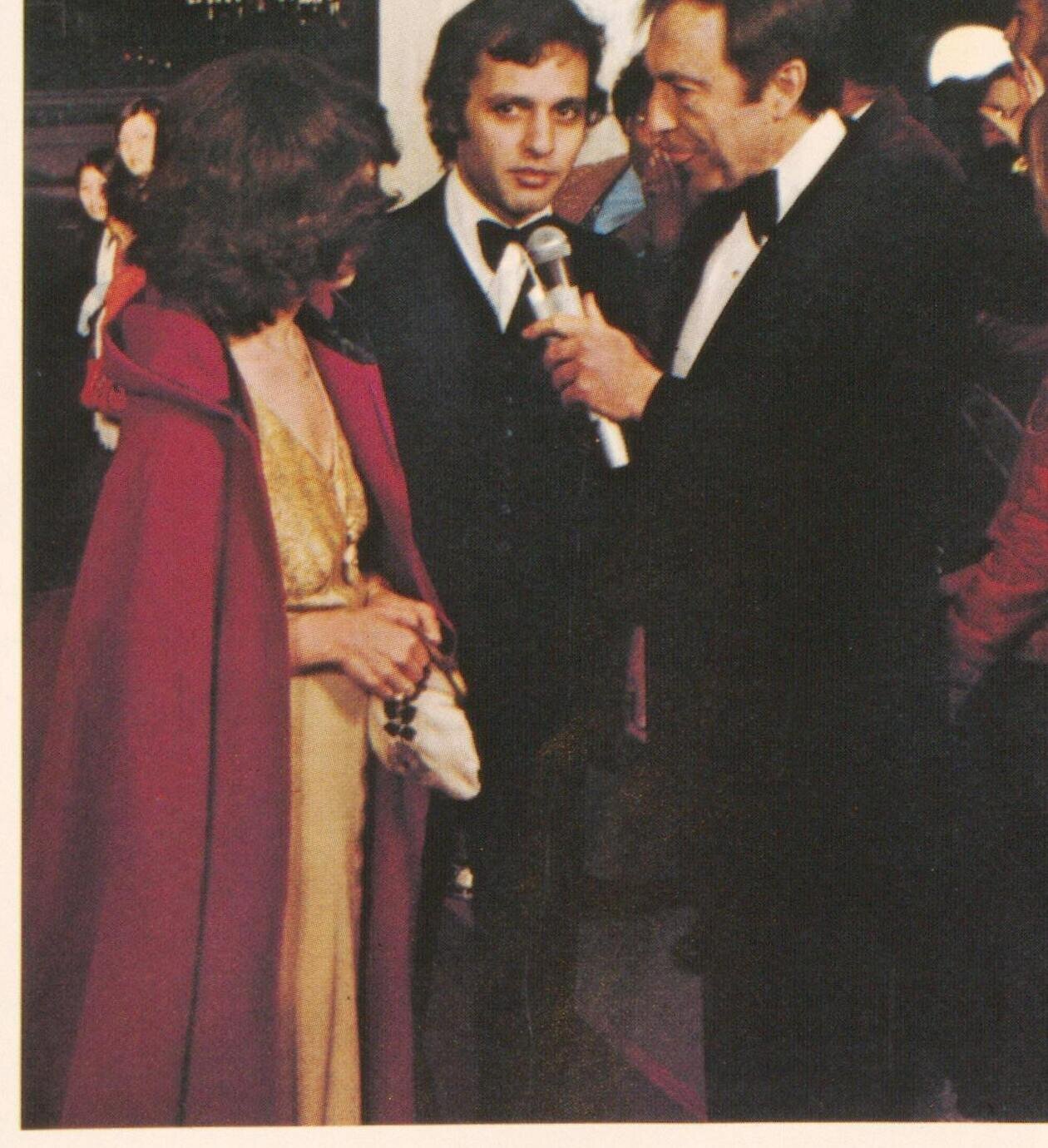
Screen stars, Tetsuro Tamba and Michiyo Aratama, along with the director, producer and screenwriter attended the premiere at the Century City Theater on January 11, 1974. In true Hollywood tradition, opening night was replete with spotlights and stars such as Jeff Bridges, Candy Clark and Sal Mineo.
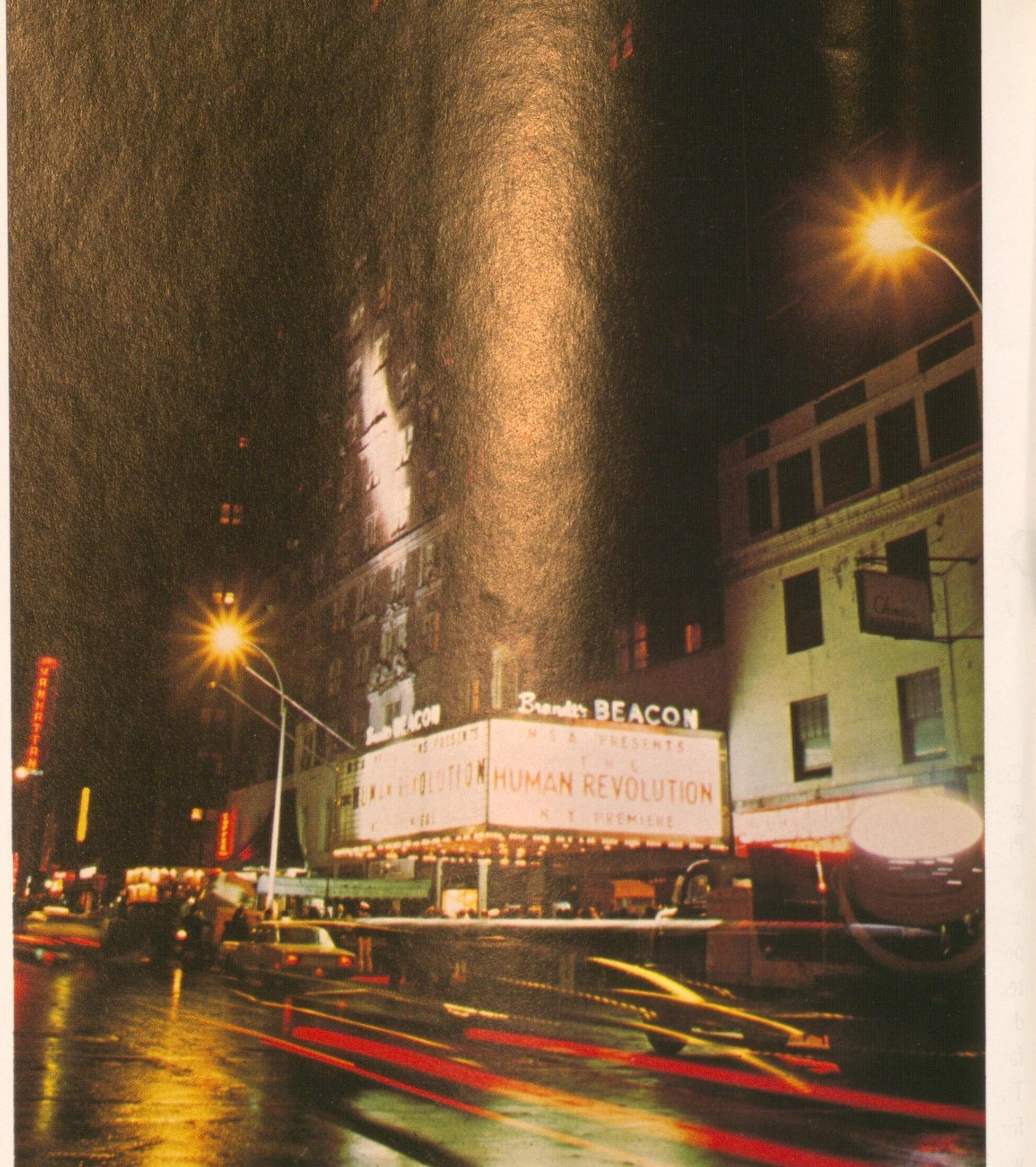
Opening night — New York’s Beacon Theatre.

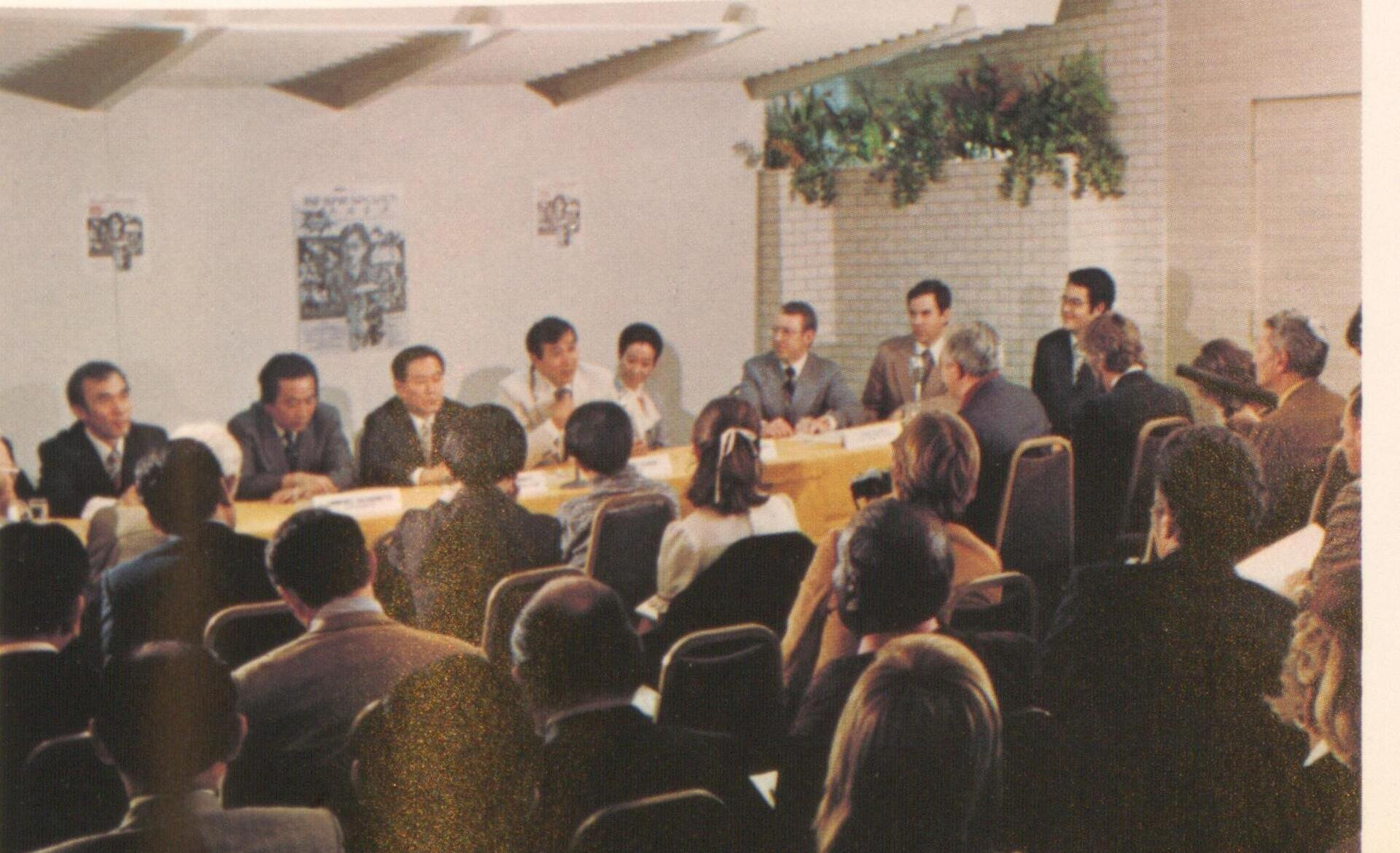
At a press conference at the Hilton Hotel, the stars and staff of Toho Films express their feelings about working in a film that so vividly depicts the value and dignity of human life.
It is July 3, 1945 and Josei Toda stands in the courtyard of Toyotama Prison, a free man for the first time in two years. For Toda, the war destroyed almost everything — his business, his health, and the humanistic movement he helped found. Although Toda’s “Value Creation Education Society” (Soka Kyoiku Gakkai) members are completely scattered and disheartened, his faith in Nichiren Shoshu Buddhism still remains. Strengthened by his experience in prison and the coming of peace, Toda resolved to begin the task of rebuilding his personal life and the Society. Standing alone, he accepts this as his mission and realizes that life beckons him to begin his own personal “human revolution.” With a handful of people this one man begins the entire reconstruction of the Nichiren Shoshu lay organization. With determined success, Toda would realize, within his lifetime, his dream of a membership of 750,000 families and fifteen years later, 20 million.
At the conclusion of “The Human Revolution” the future is just beginning — a future begun by one man who vows to spread a universal life-philosophy which will relieve the suffering of humanity the world over.
Across the nation the documentary of Josei Toda’s life was praised for its relevance and importance to members and non-members alike. “The Human Revolution” opened with gala premieres in Los Angeles, New York and Honolulu.
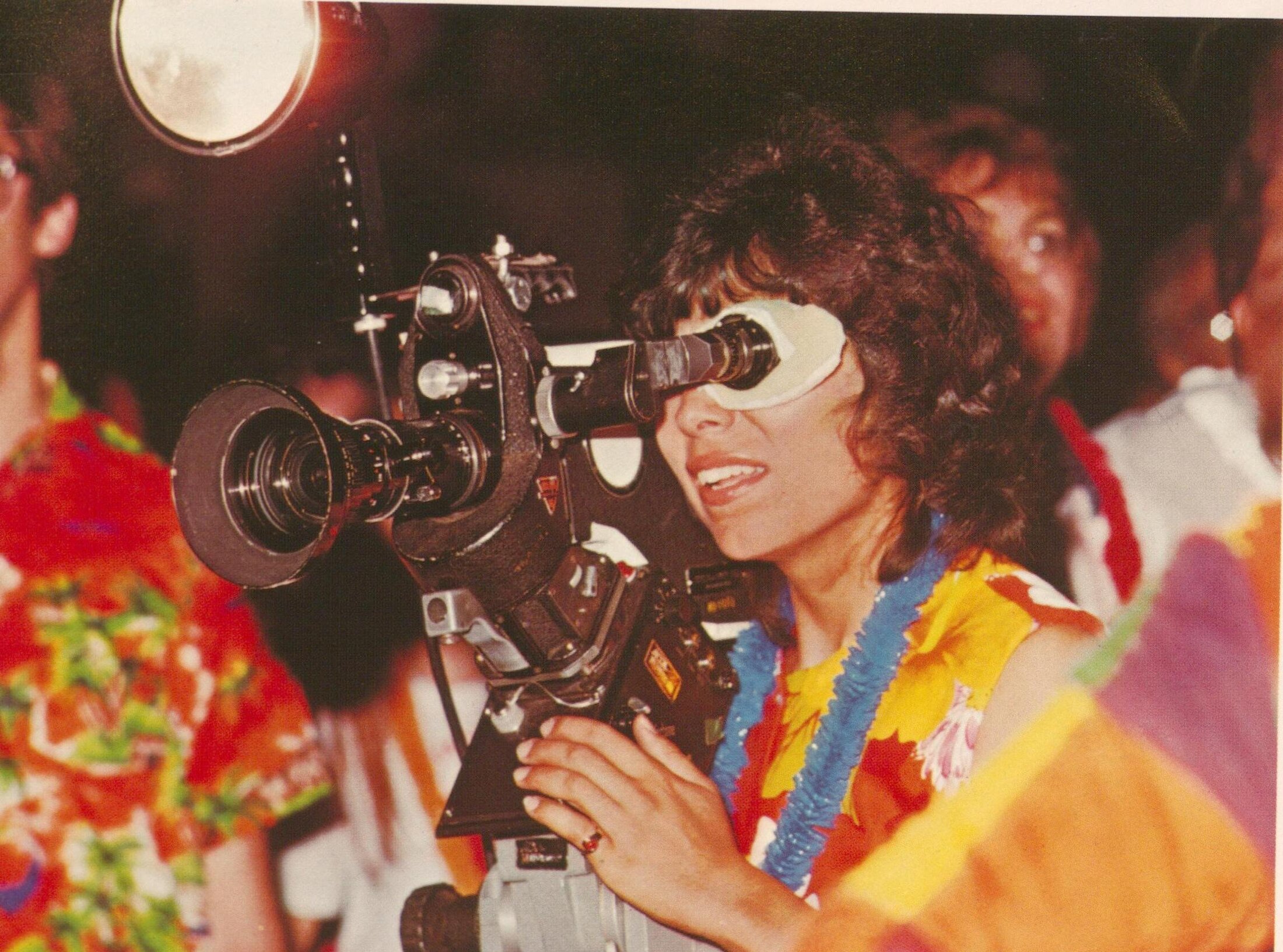
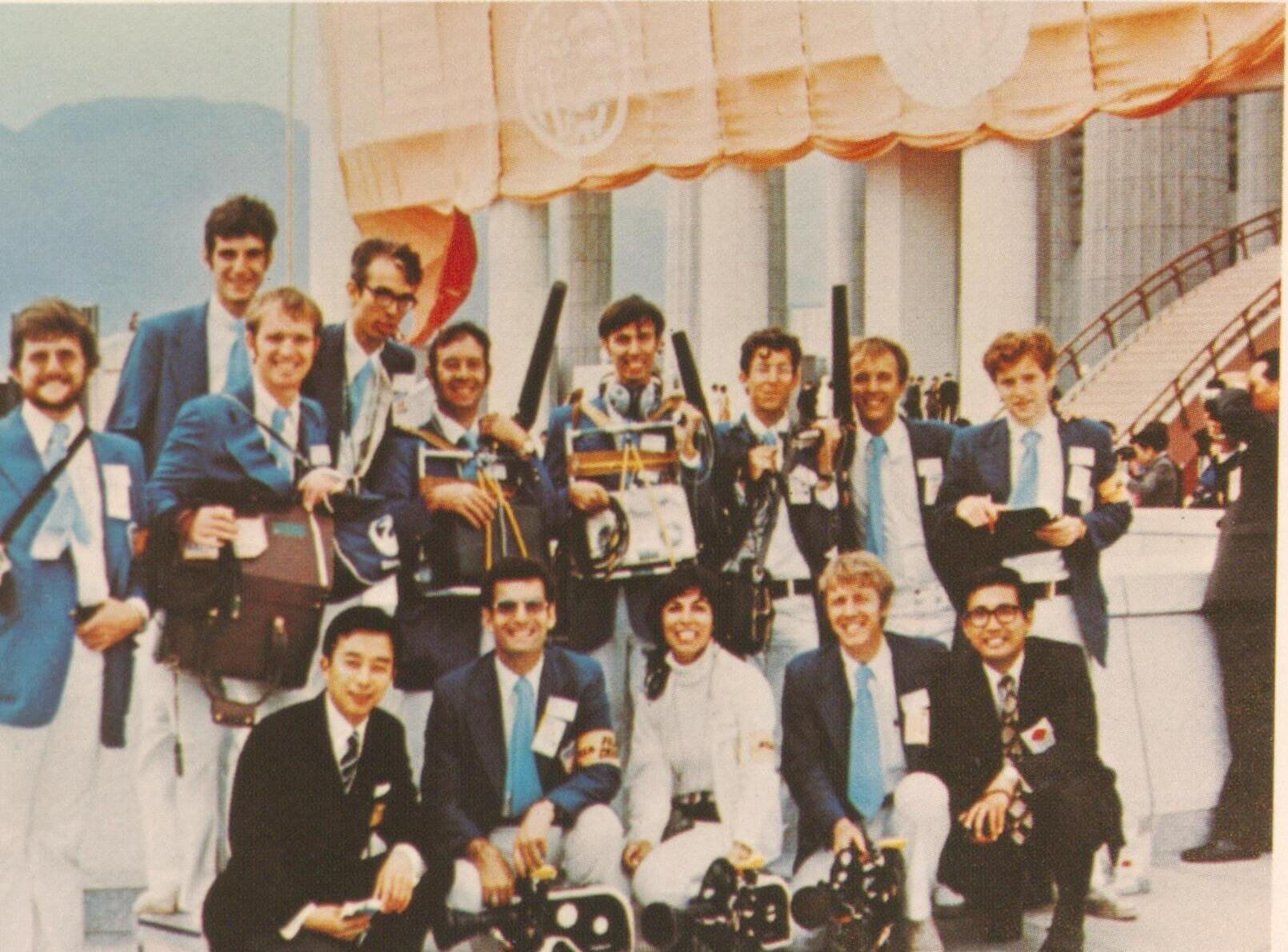
Creating a pictorial record of NSA’s growth keeps the film crews of NSA Productions on the move. Before work on one project is complete, another is begun. These dedicated people, with their high degree of technical expertise have made documentaries of virtually every facet of NSA activity.
The films are shown at meetings for the benefit of those members who could not be present at some of the major events. Requests for screenings often come from outside the organization. They have been shown at schools and colleges as a part of NSA seminars and for the benefit of classes studying contemporary religious movements. Civic officials and community groups have taken great interest in the NSA movement through the NSA Productions movies.
Unlike the majority of news or documentary films one sees, NSA Productions depict a bright, constructive phenomena instilling audiences with hope instead of despair.
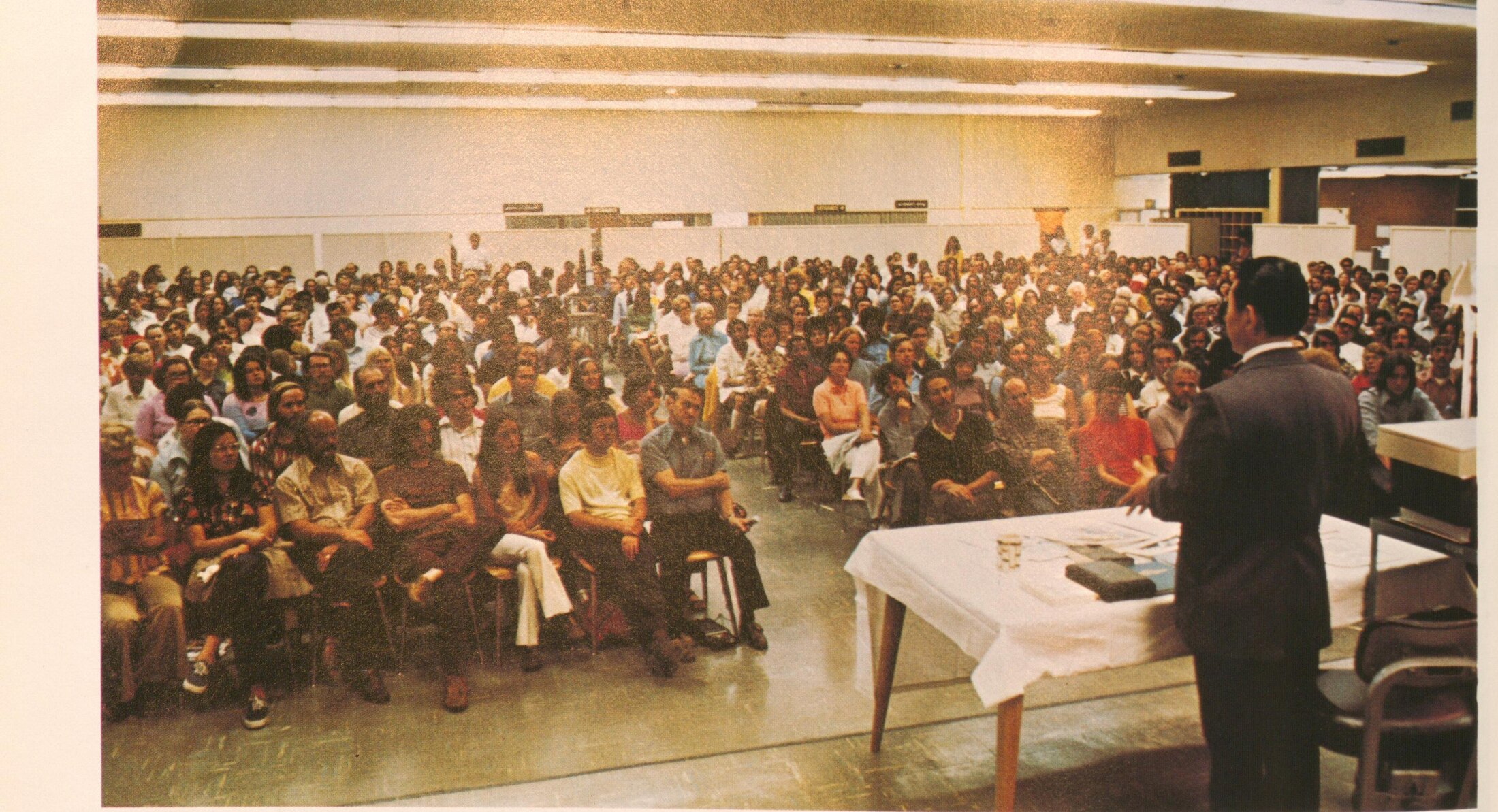
American River College — April, 1973
More than any other single institution in the United States, the university has witnessed tumultuous changes in the values and directions of its occupant: the student. Amidst widespread searching for new directions and philosophies, the late 60’s and early 70’s saw the appearance of a “new” and workable philosophy being introduced to these seeking students in the form of the NSA seminar conducted personally by Professor George M. Williams. The university student in this period had travelled a long road, searching and trying to discover relevancy academically as well as in his personal daily life. Worldwide student activism reached heights never before seen and too often became a scene of violent confrontation. Students began to disrupt and destroy their academic environment as they rejected the value system of their elders. Their search attempted to discover new alternatives, from communes and pacifism to drugs and self-exile.
Dissatisfaction with the world as they saw it stimulated an interest in Buddhism. The critical eye of youth was focused on data or theoretical values. They were totally dedicated to involving the students in a real, practical life-philosophy. They communicate the spirit of Nichiren Daishonin’s Buddhism and its applicability to today’s world. For many, these seminars have become the starting point from which they were able to reaffirm the intrinsic value of their own lives and to find a new source of faith and idealism.
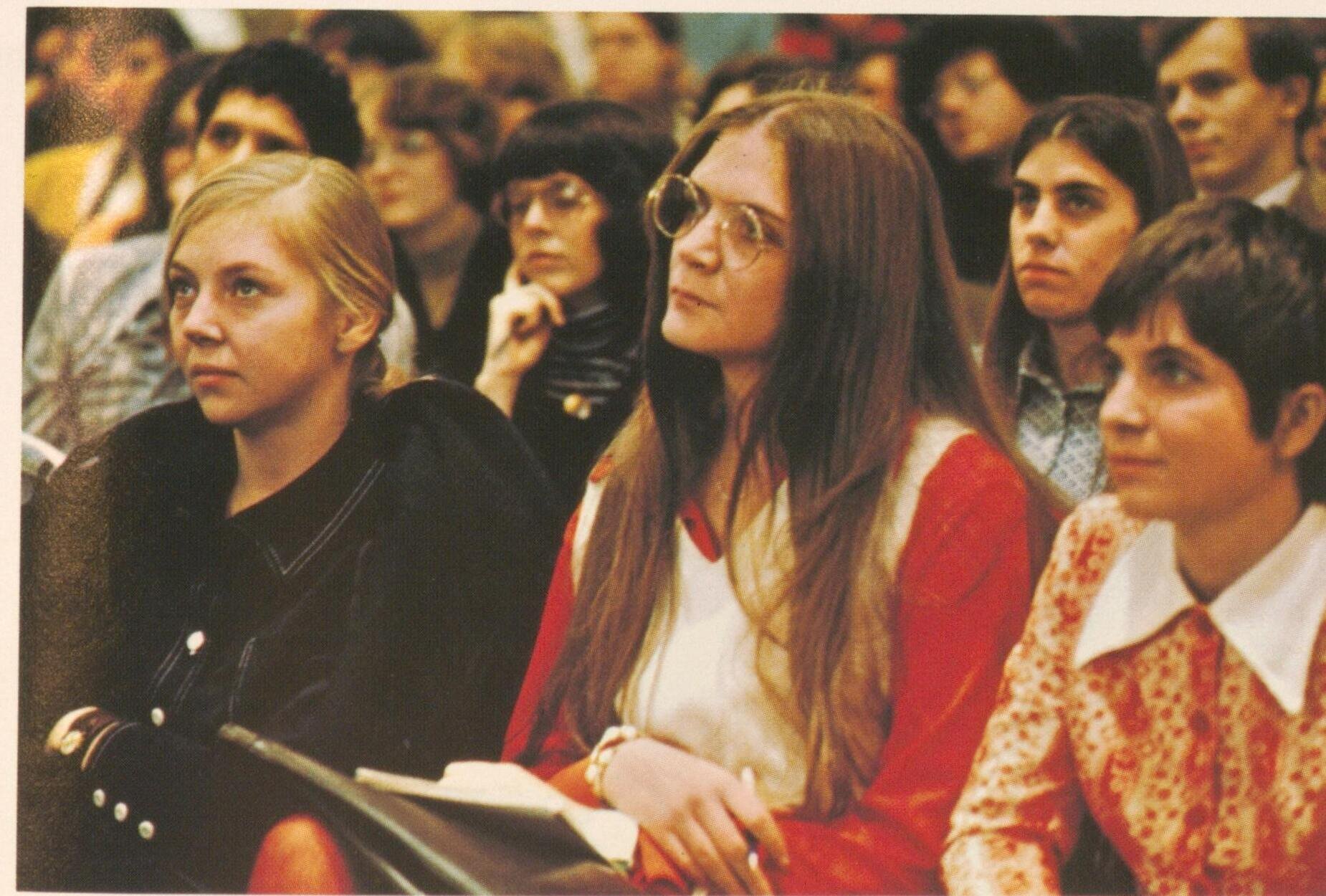
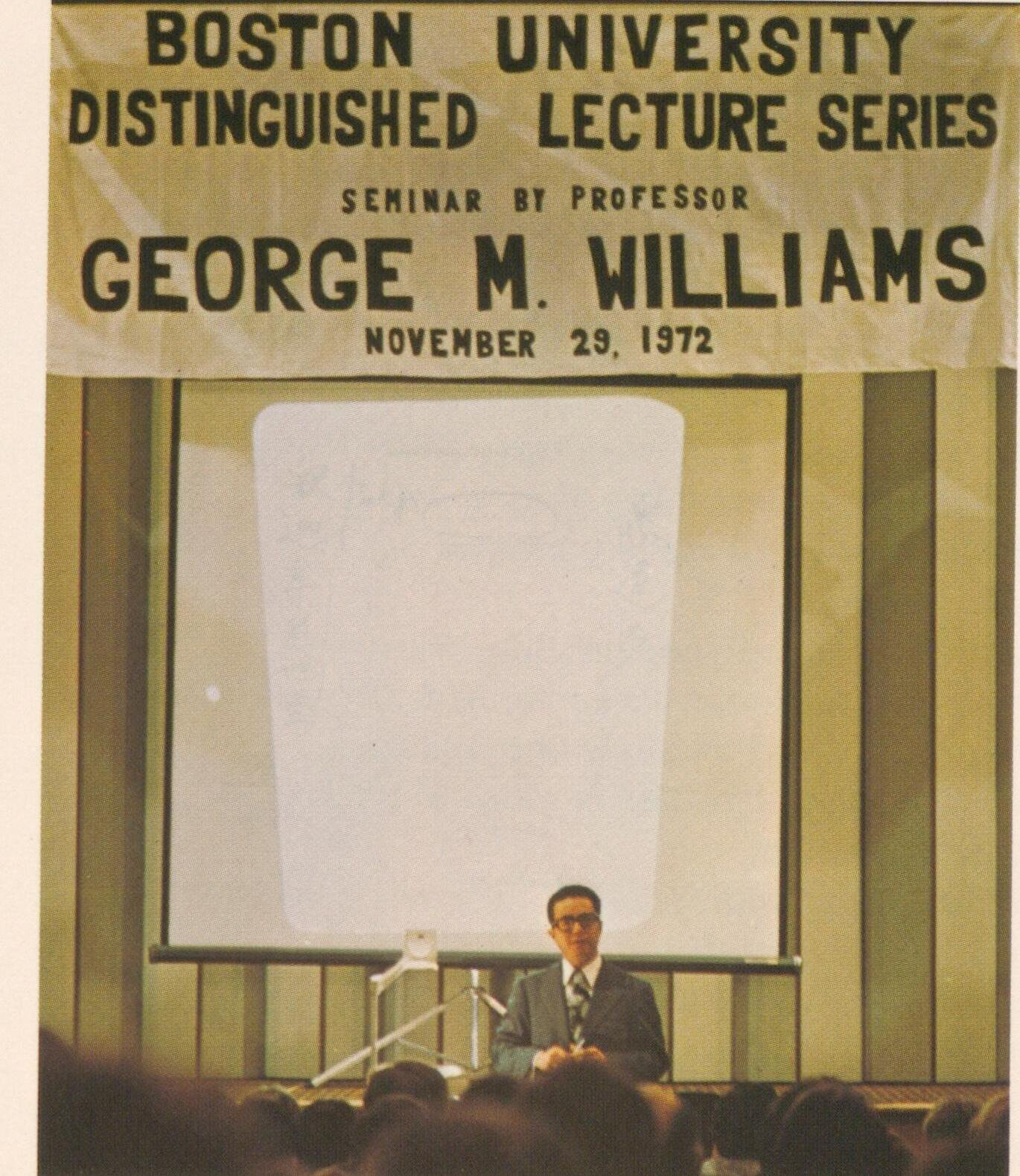
Boston University — February, 1969
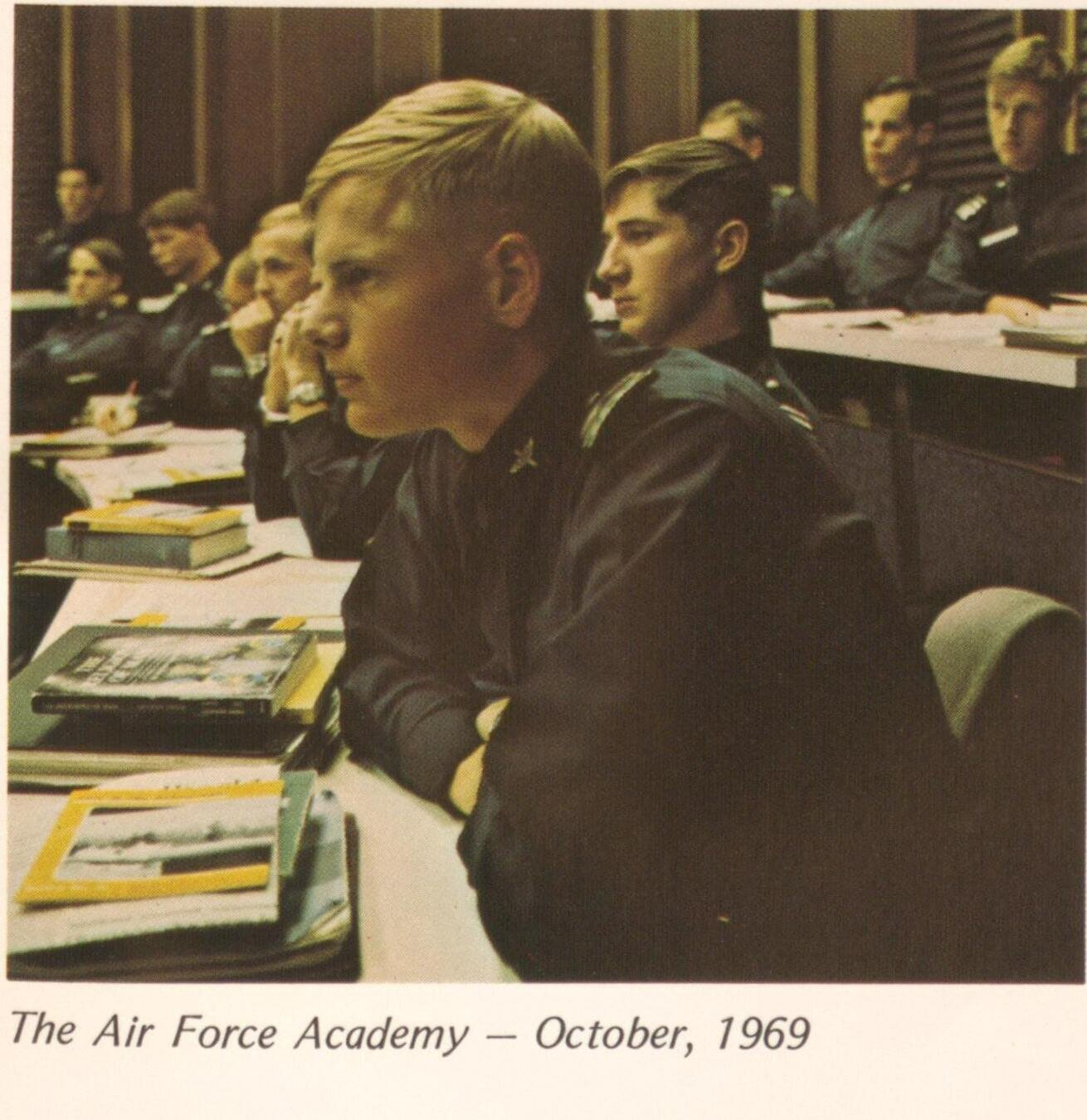
The Air Force Academy — October, 1969
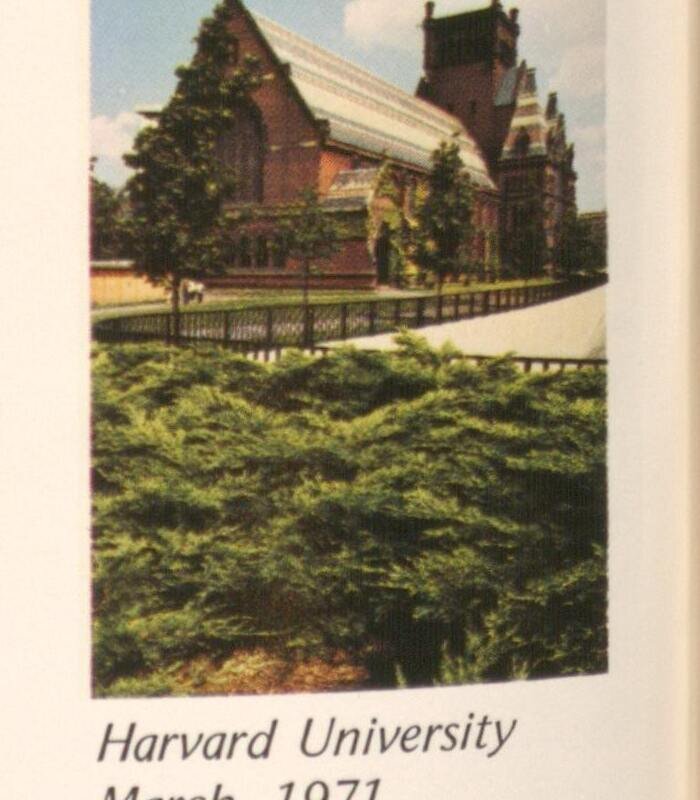
Harvard University
March, 1971
Studying the profound Buddhist philosophy is of prime importance to the practice of every NSA member. A deeper understanding of its teachings allows an individual to put useful principles into action in his daily life.
The practice of Nichiren Daishonin’s life-philosophy effects change and awakens a person to the inherent value of his own life, and the study of this philosophy gives that person direction in which to channel the constructive changes.
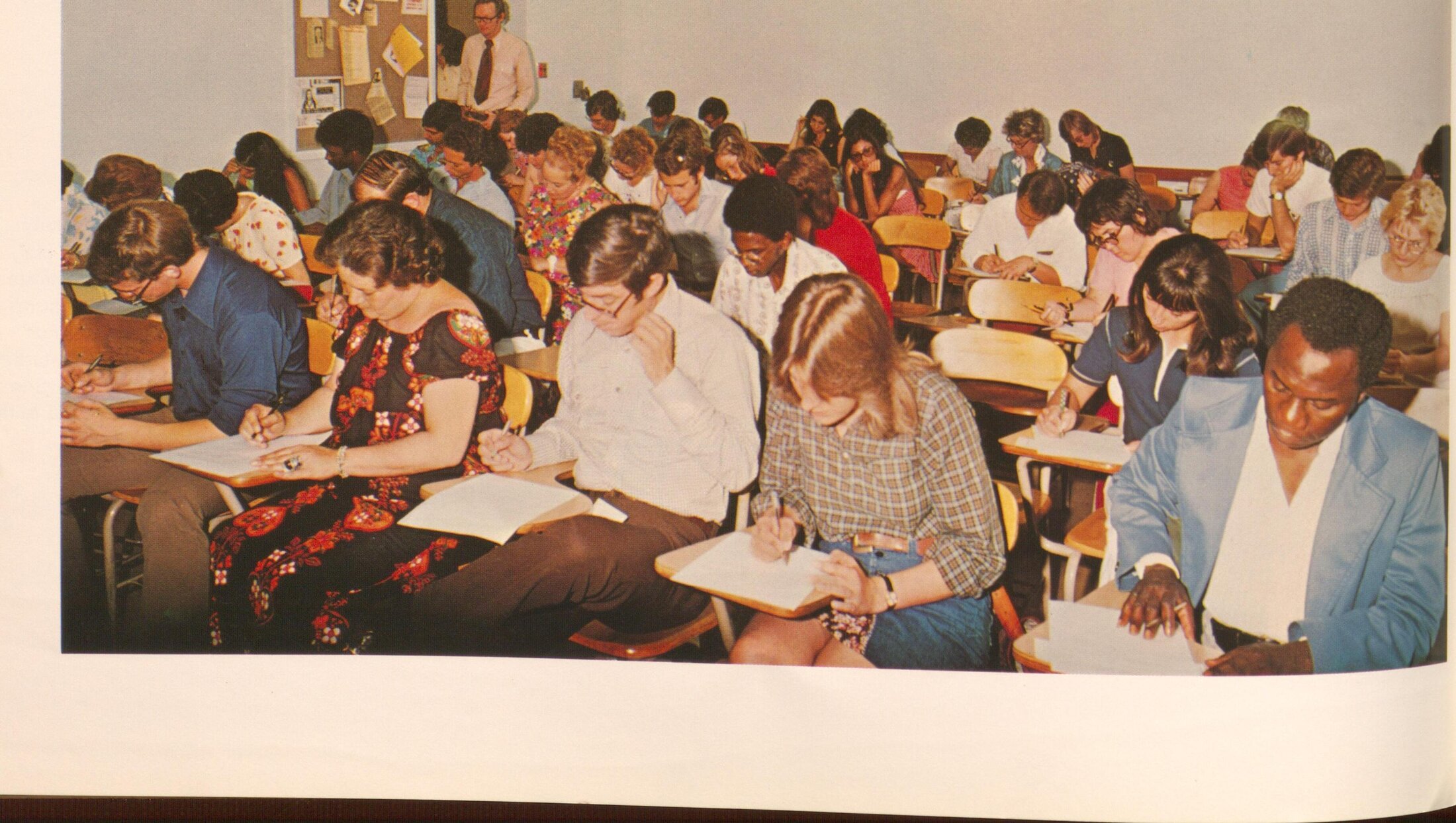
Yearly exams coupled with frequent study meetings afford anyone the opportunity to test his knowledge and advance in the Academy’s Study Department. The primary goal of NSA is to spread happiness to as many people as possible, and the Study Department is nurturing members with the wisdom to help others understand and apply this valuable life-philosophy.
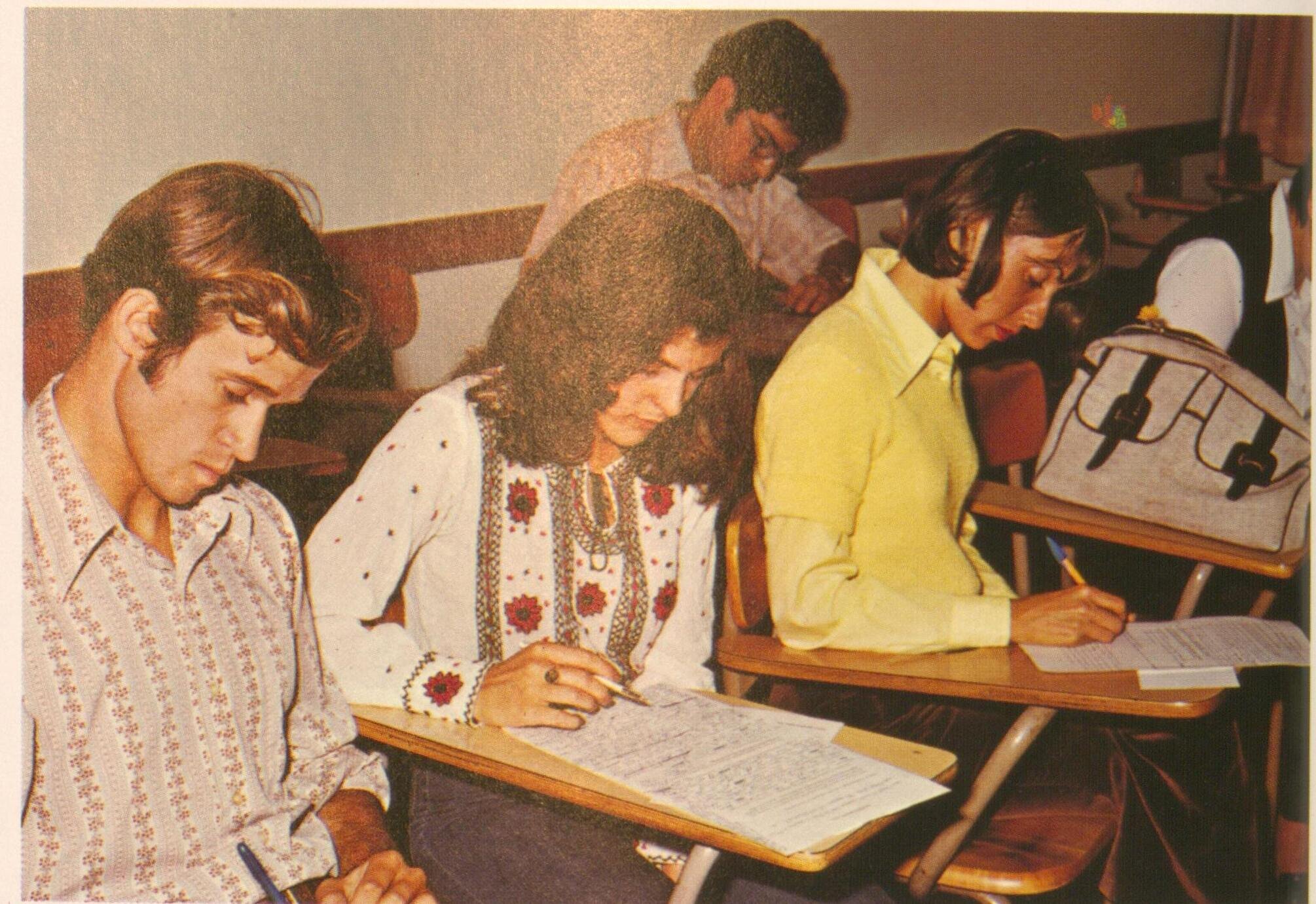
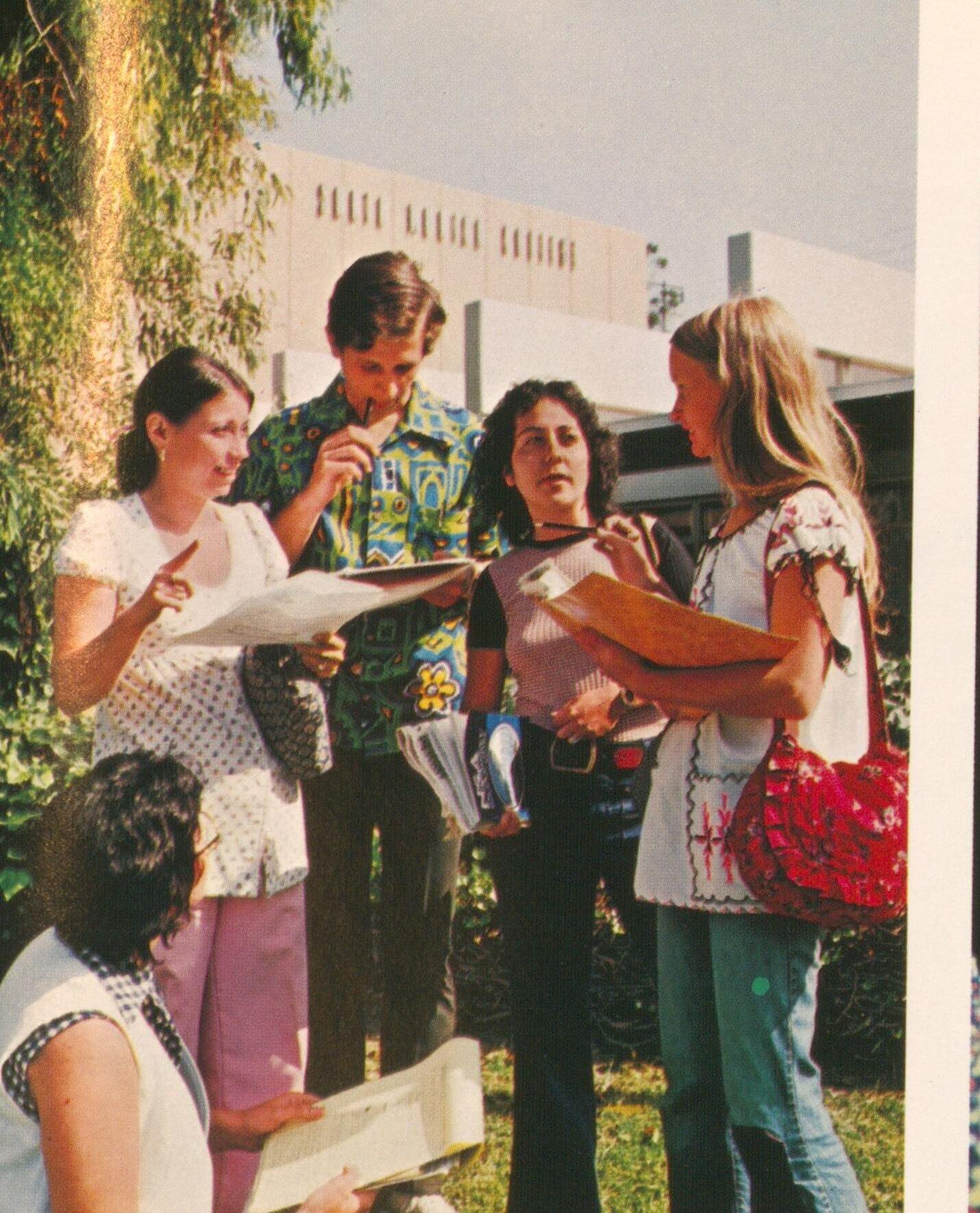
Santa Monica City College
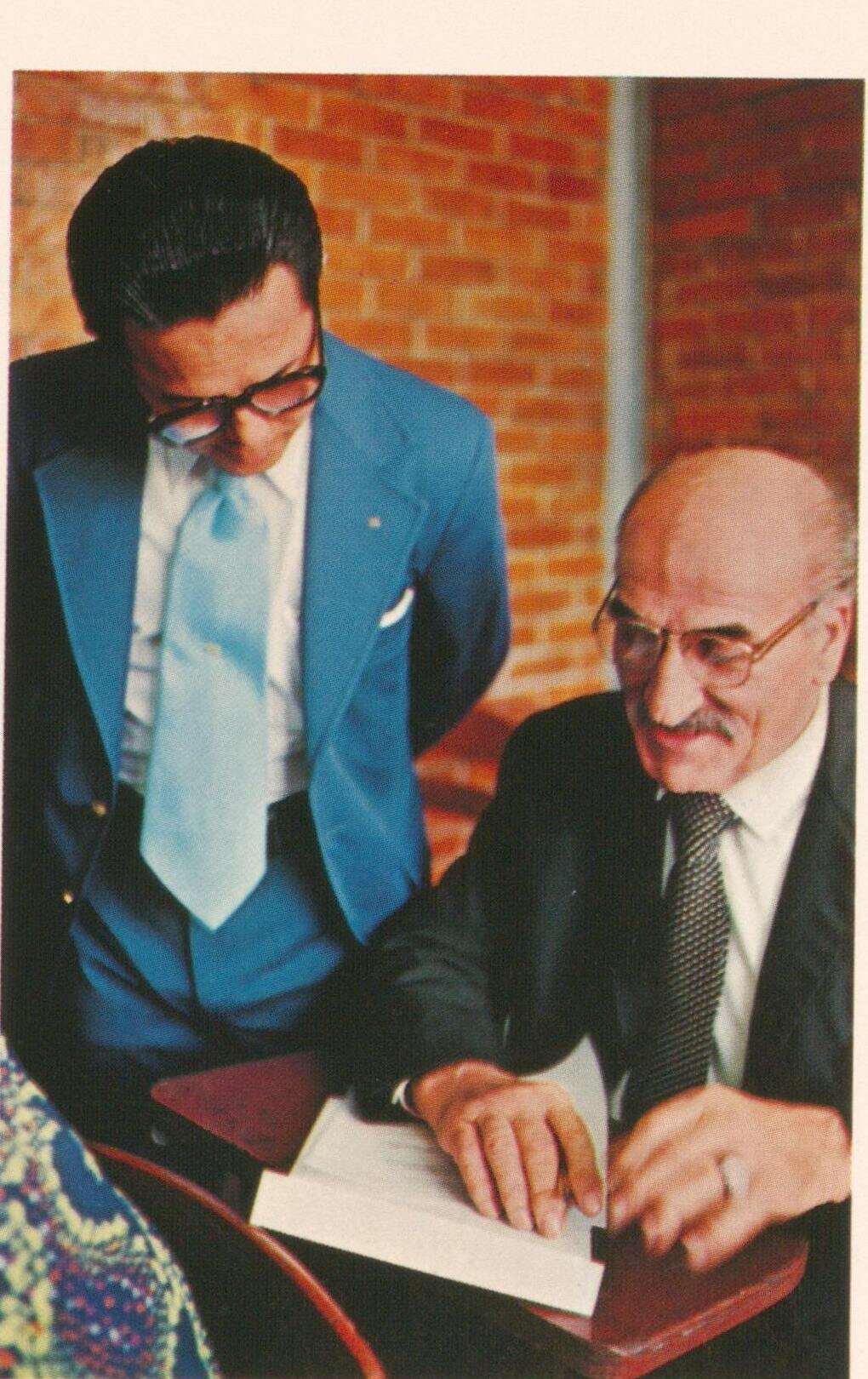
Mexico City
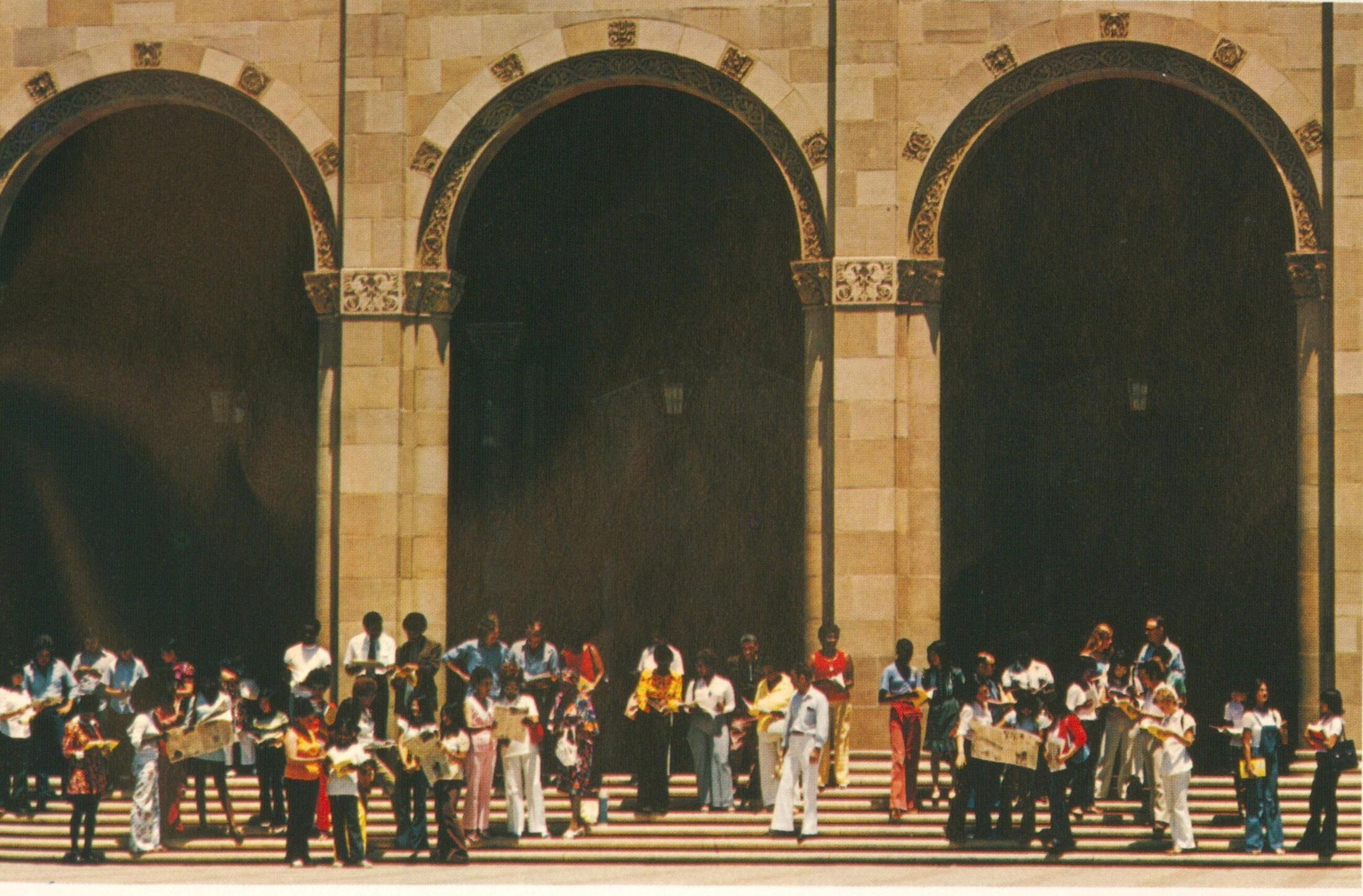
Royce Hall — UCLA
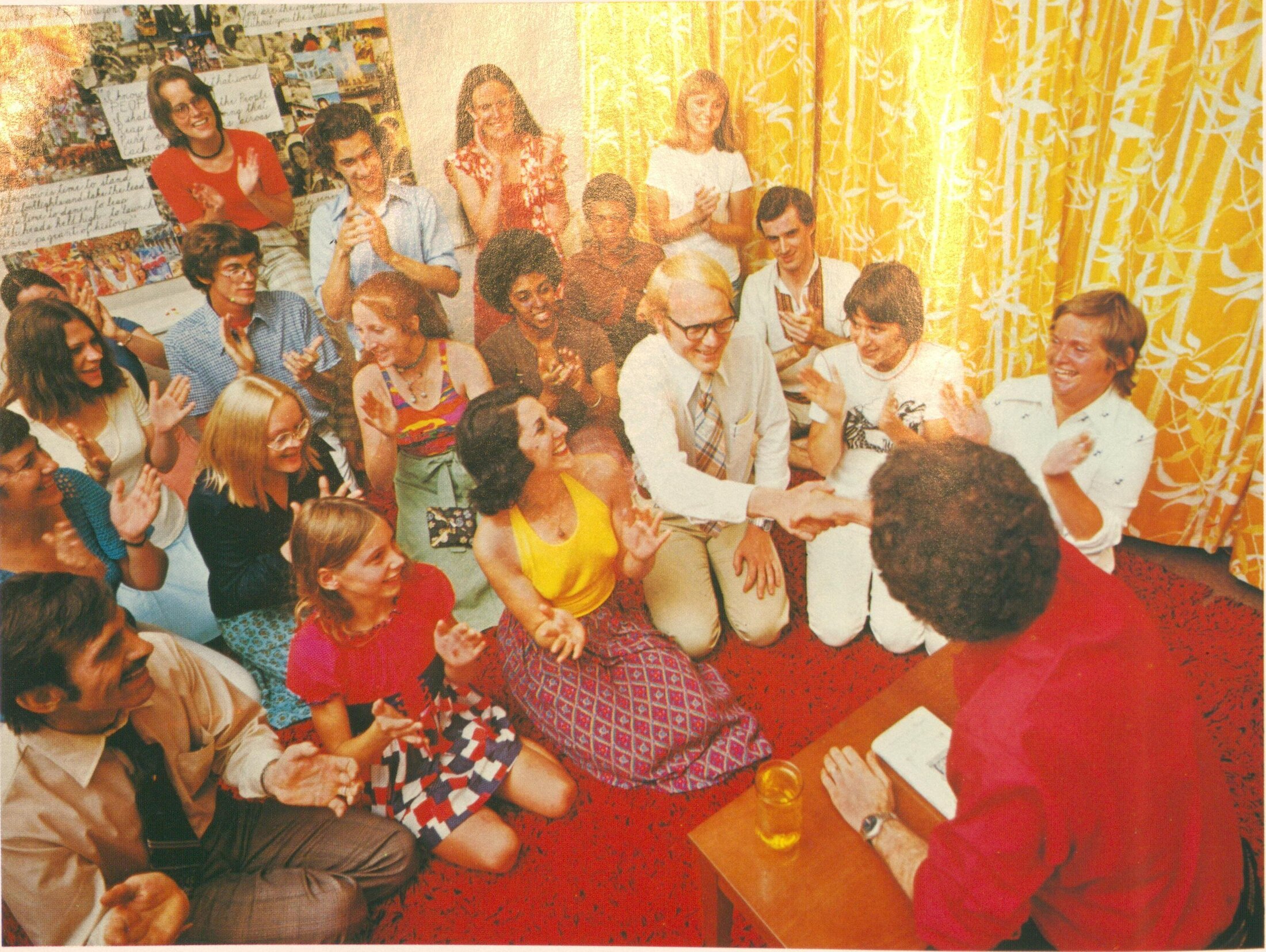
The primary activity of NSA is the evening discussion meeting held several times a week in thousands of homes throughout the country. People gather at these meetings to discuss the life-philosophy of true Buddhism in an open and refreshing atmosphere, and here, newcomers may ask questions and learn the practice of Nichiren Shoshu.
Members at these discussion meetings relate, in their personal experiences, the benefits they have received through their basic practice of chanting to the Gohonzon and through their participation in NSA campaigns. Because Nichiren Shoshu is a practical philosophy of daily life, these benefits, in the form of hardships overcome and problems solved, are encouragement for everyone that attends. In an age of alienation, distrust and misunderstanding, these gatherings offer a vision of harmony and humanism. The unity of all peoples and the prosperity of every community will eventually become a reality.
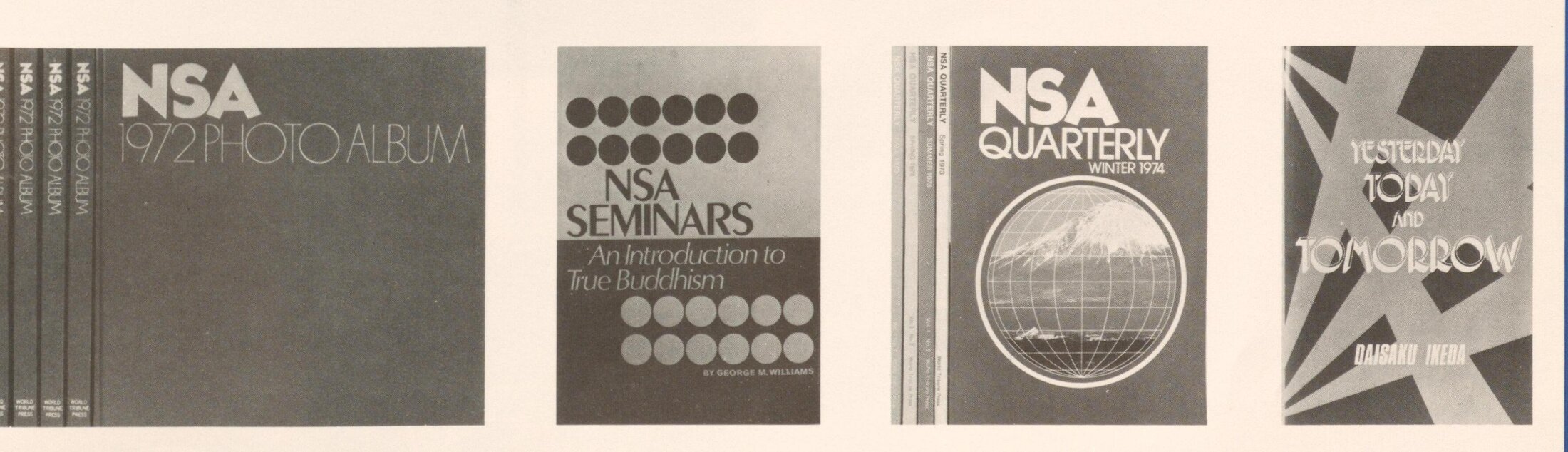
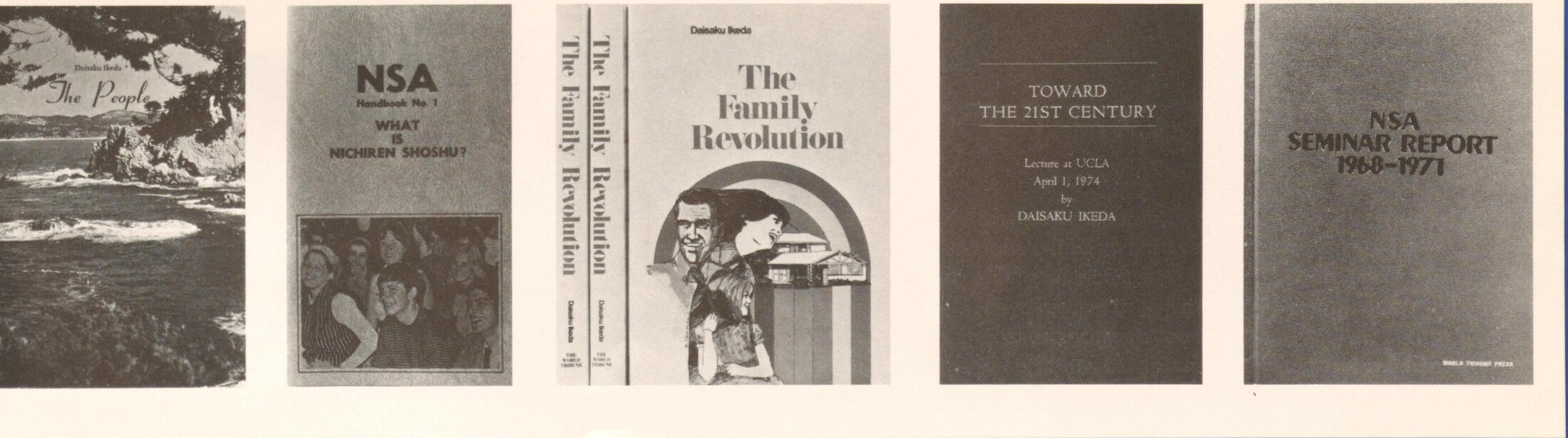
NSA publishes a wide variety of reading material for those who either are interested in the organization and it’s philosophy or for those who are practicing members. The World Tribune is a newspaper that appears three times weekly and has a current circulation of 60,000. The NSA Quarterly with a readership of 25,000 offers a thorough examination of true Buddhism and includes important speeches and essays of President Daisaku Ikeda.
Dallas
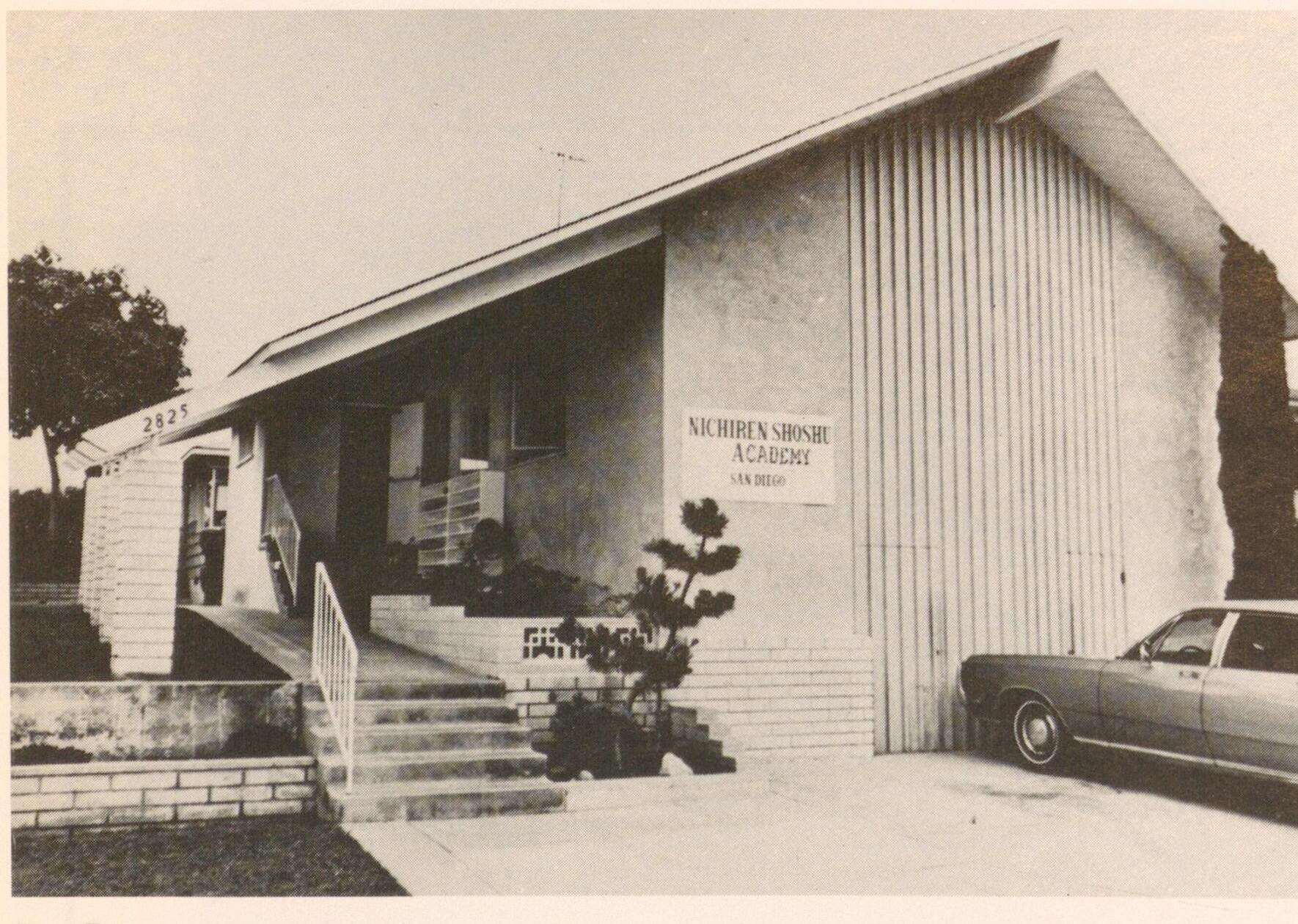
San Diego

Panama City
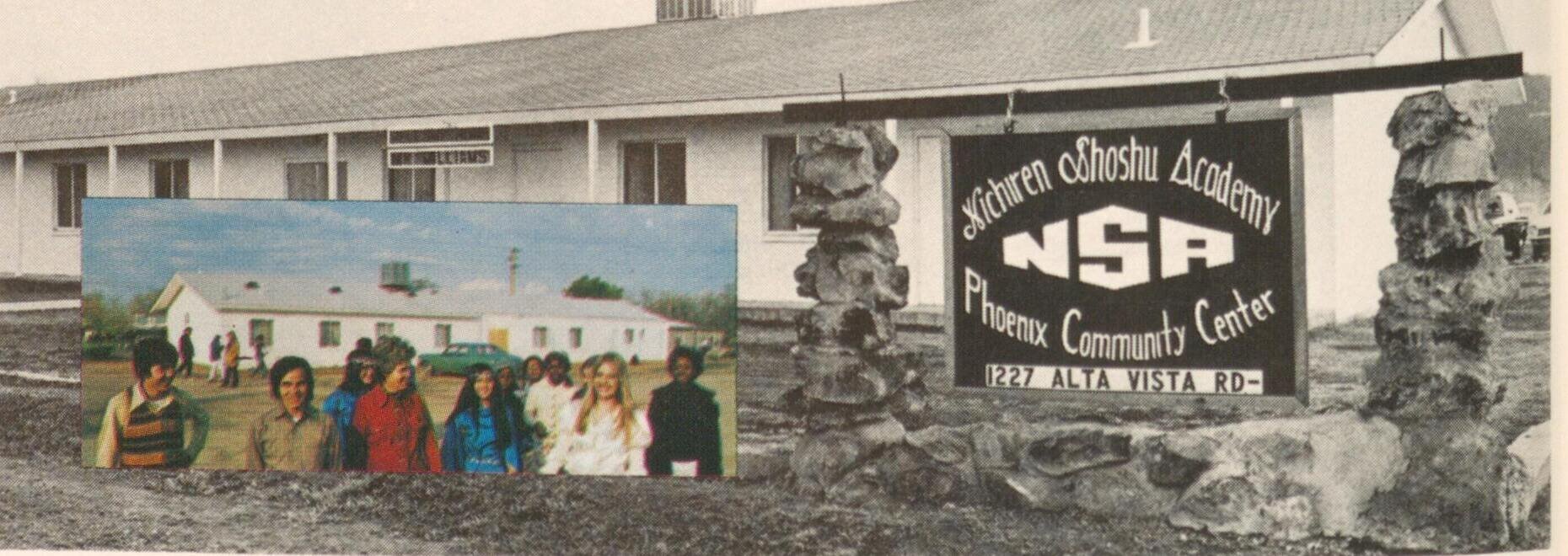
Phoenix
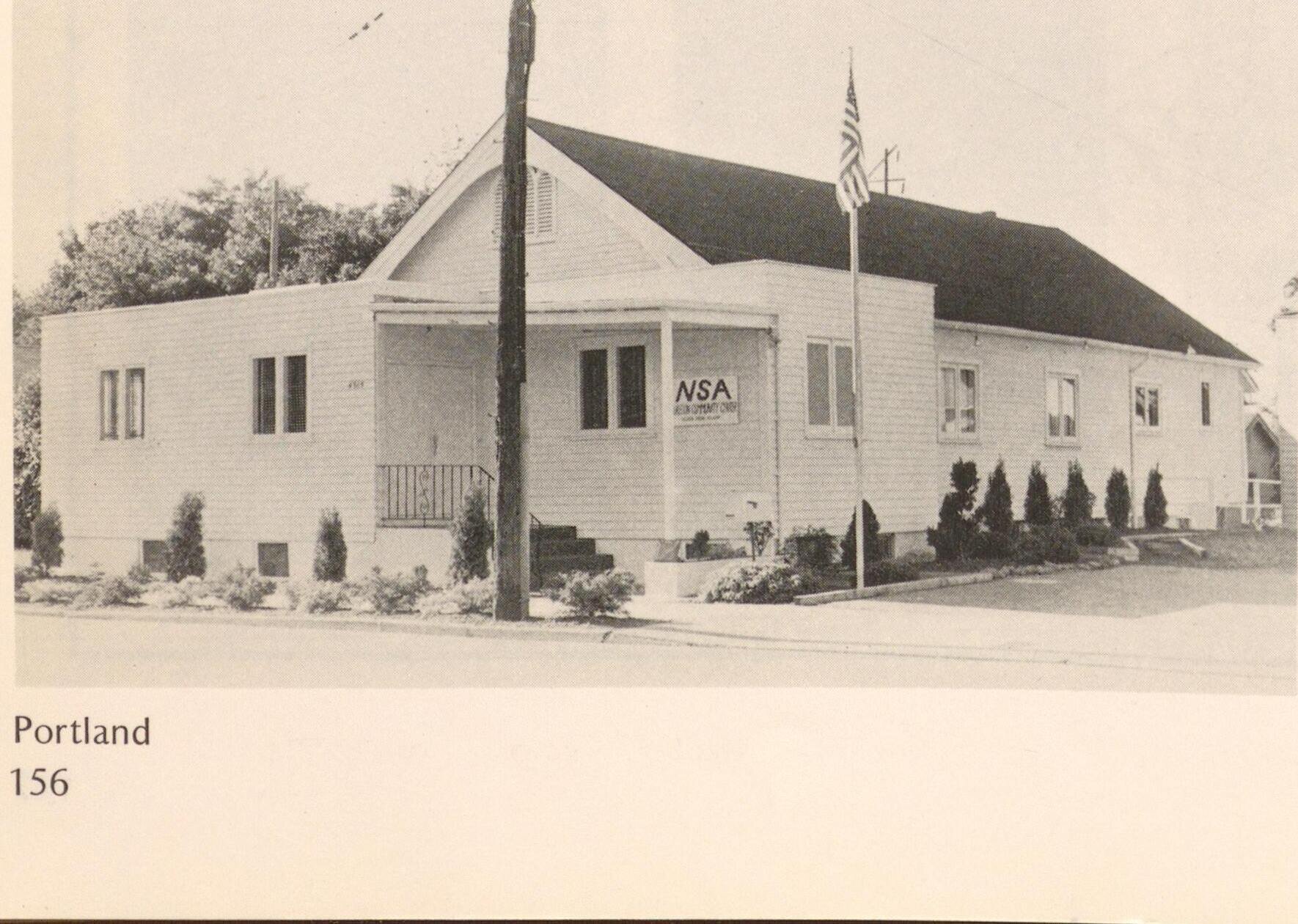
Portland

Santo Domingo, Dominican Republic
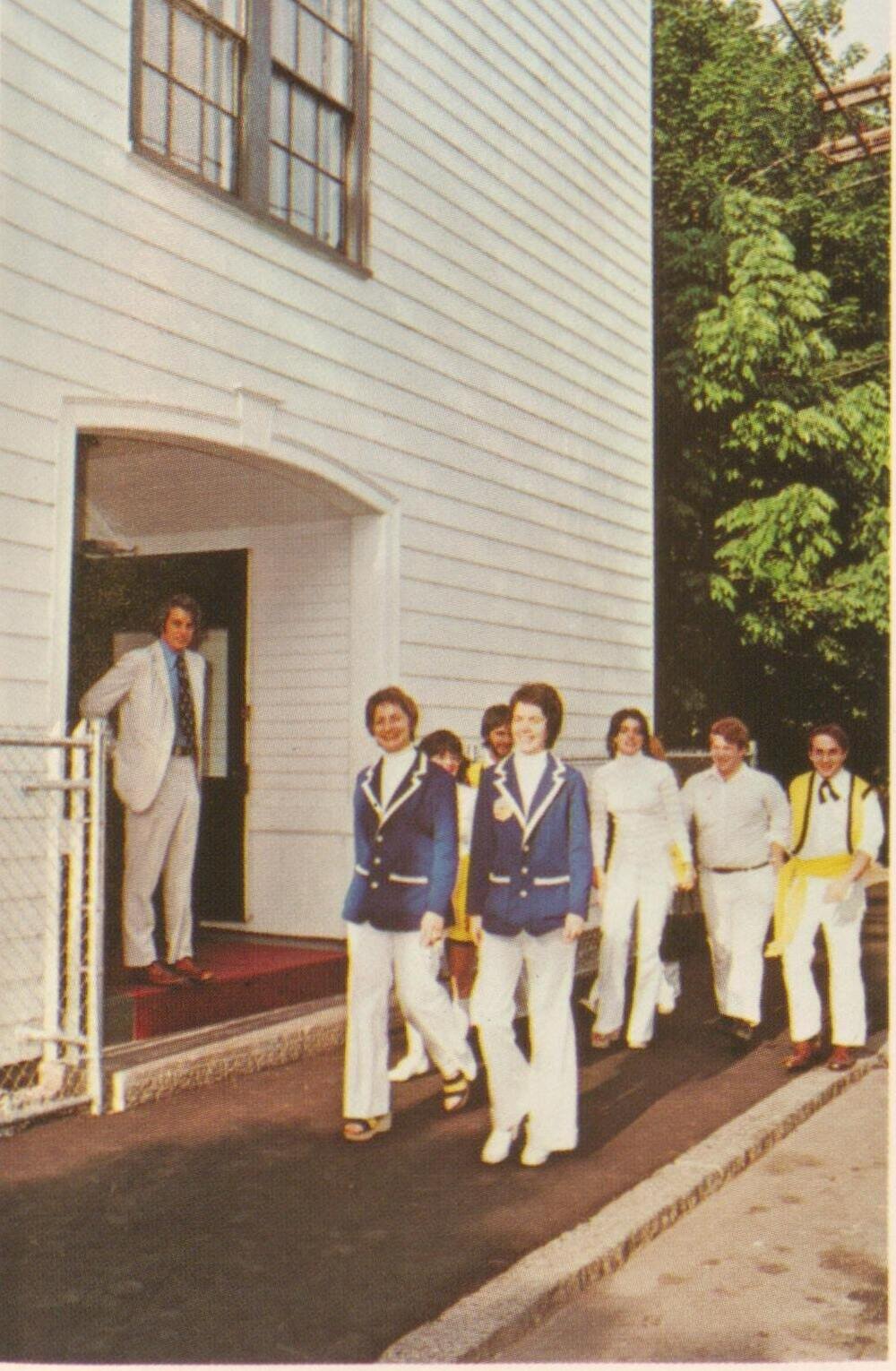
Boston
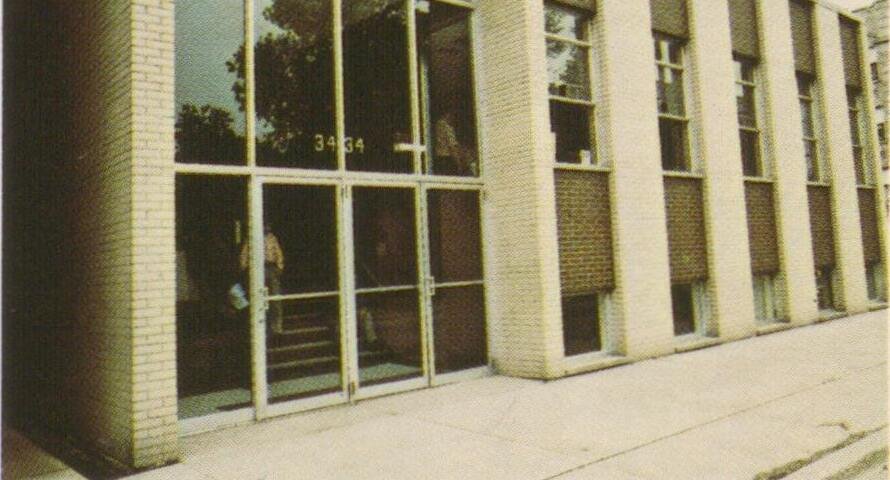
Chicago
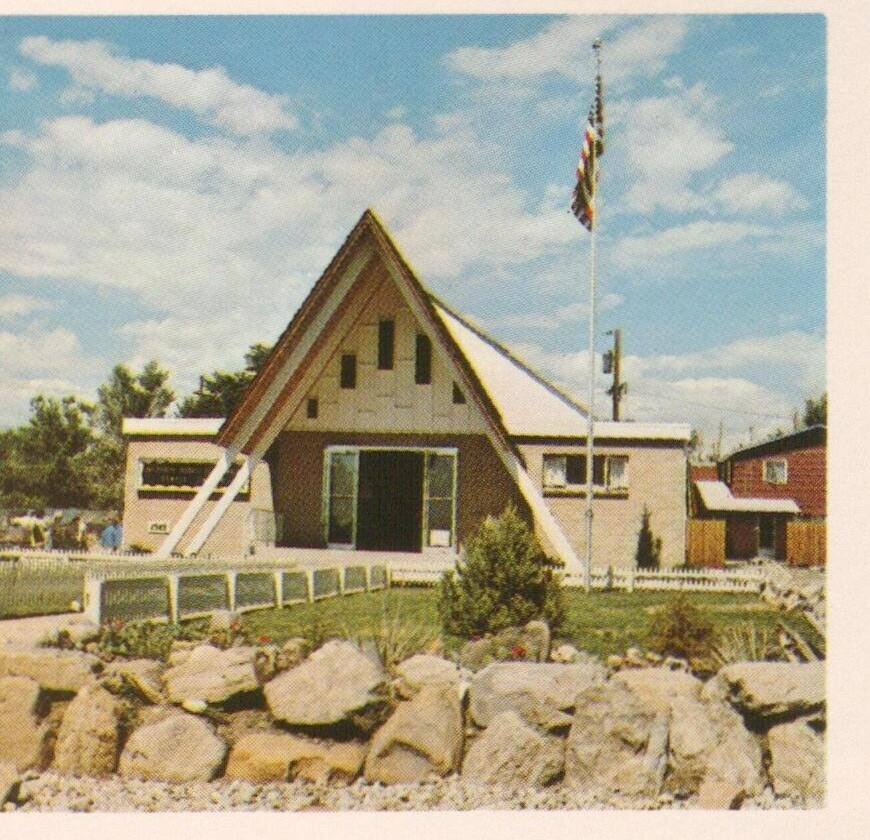
Denver

Culver City, California

Montebello, California

Ashuzan Myosenji Temple, Washington, D.C.
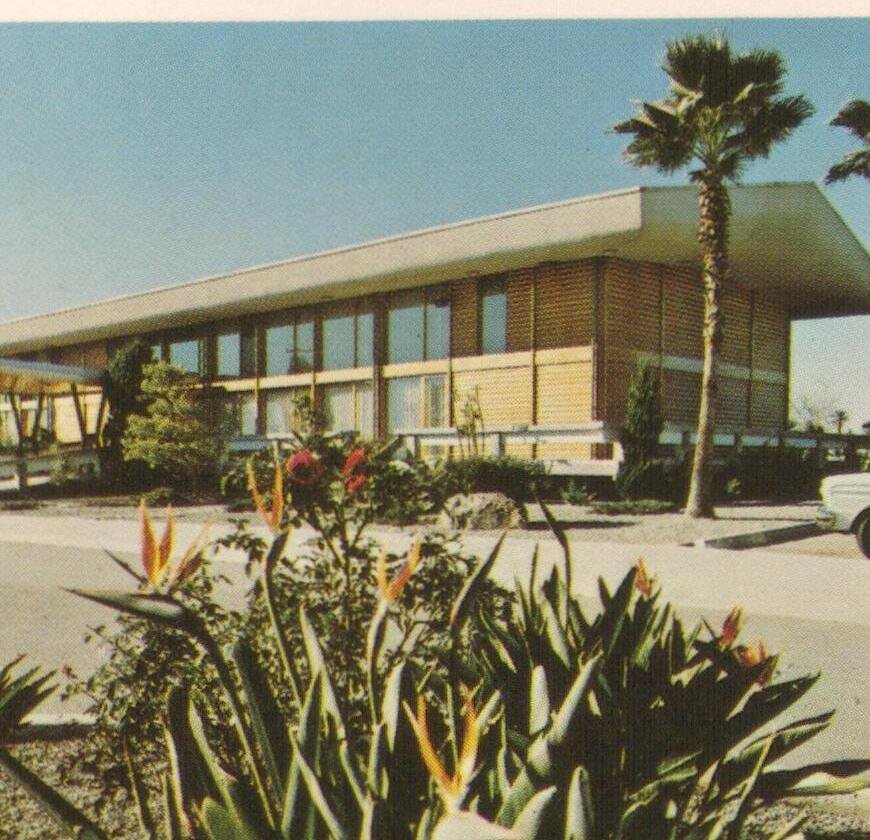
Enichizan Myohoji Temple, Los Angeles
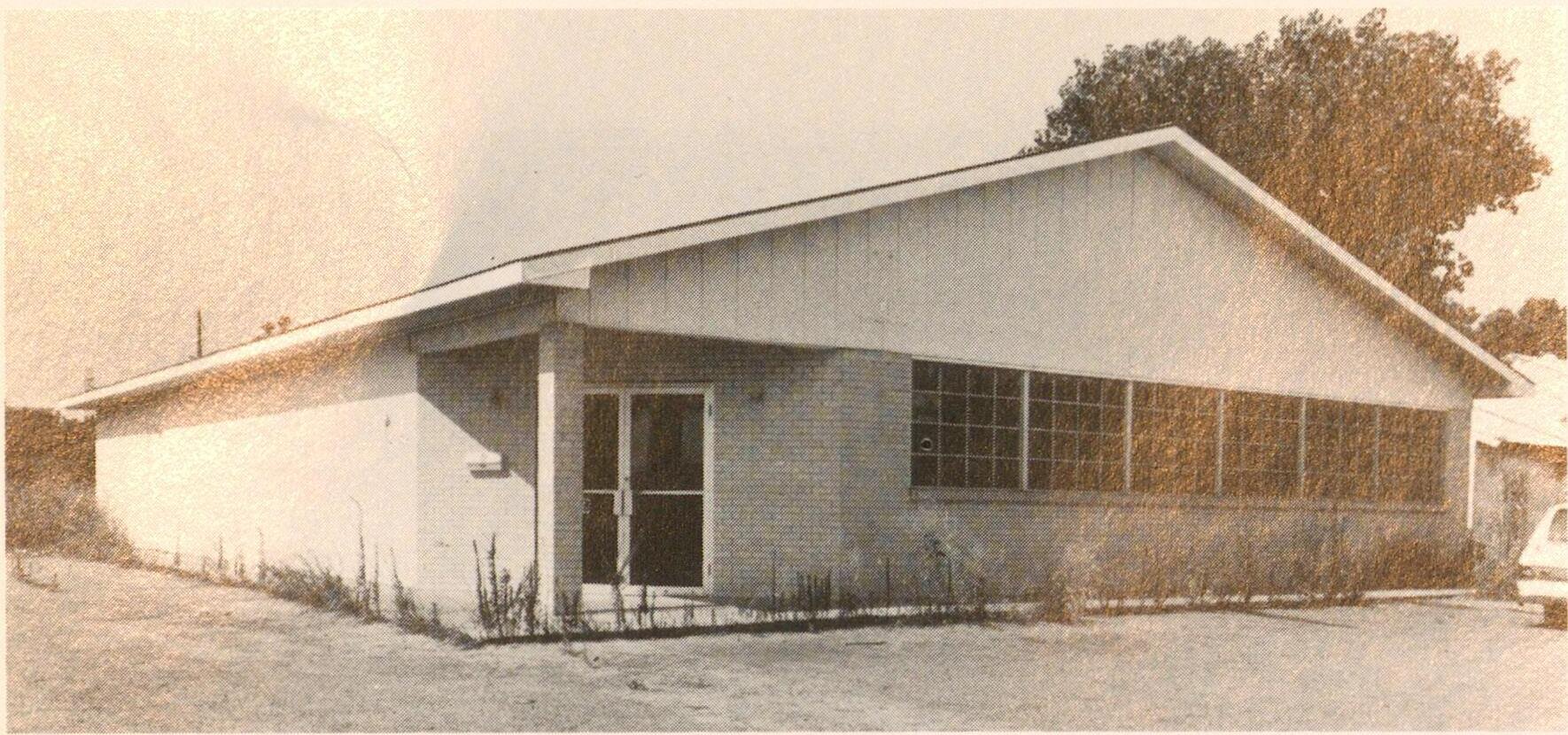
The community centers in several dozen cities serve as the hub of NSA activities. As evening approaches, they come alive. Some nights there are study meetings, rehearsals for one of the musical groups, or a more formal meeting. A community center is a place where people come for encouragement and to encourage. Leaders and members work together to make a positive contribution to society.
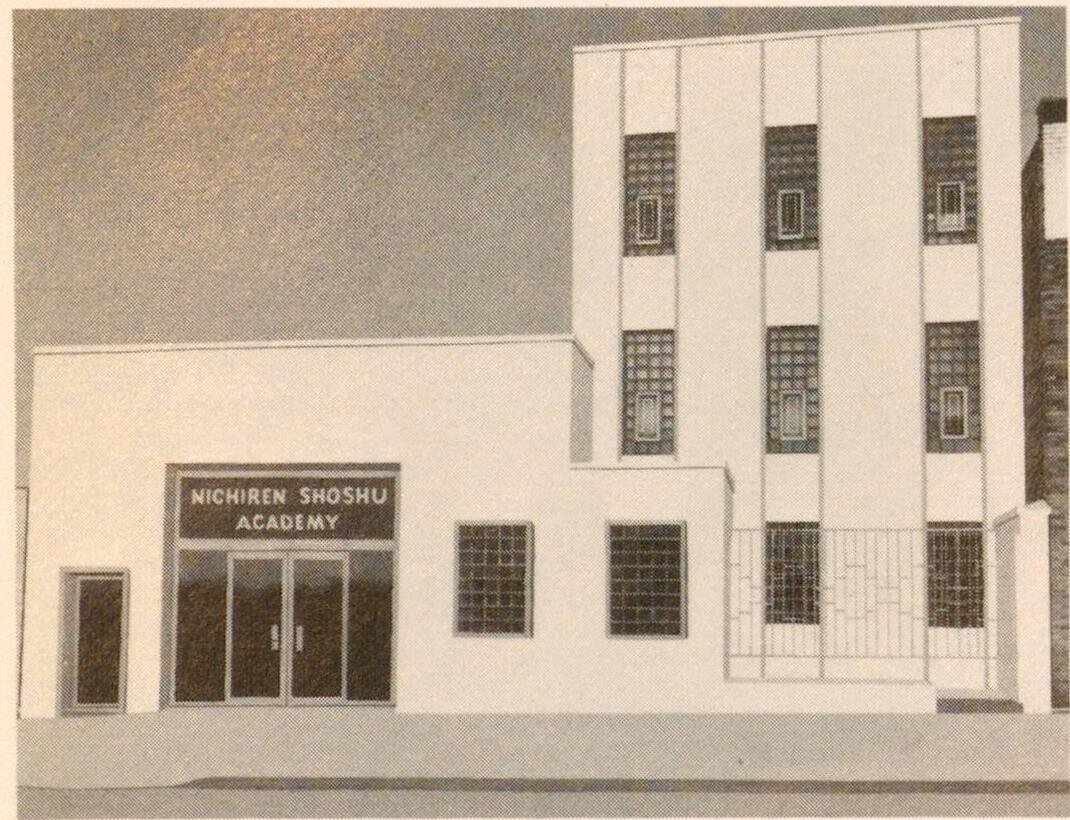
New York
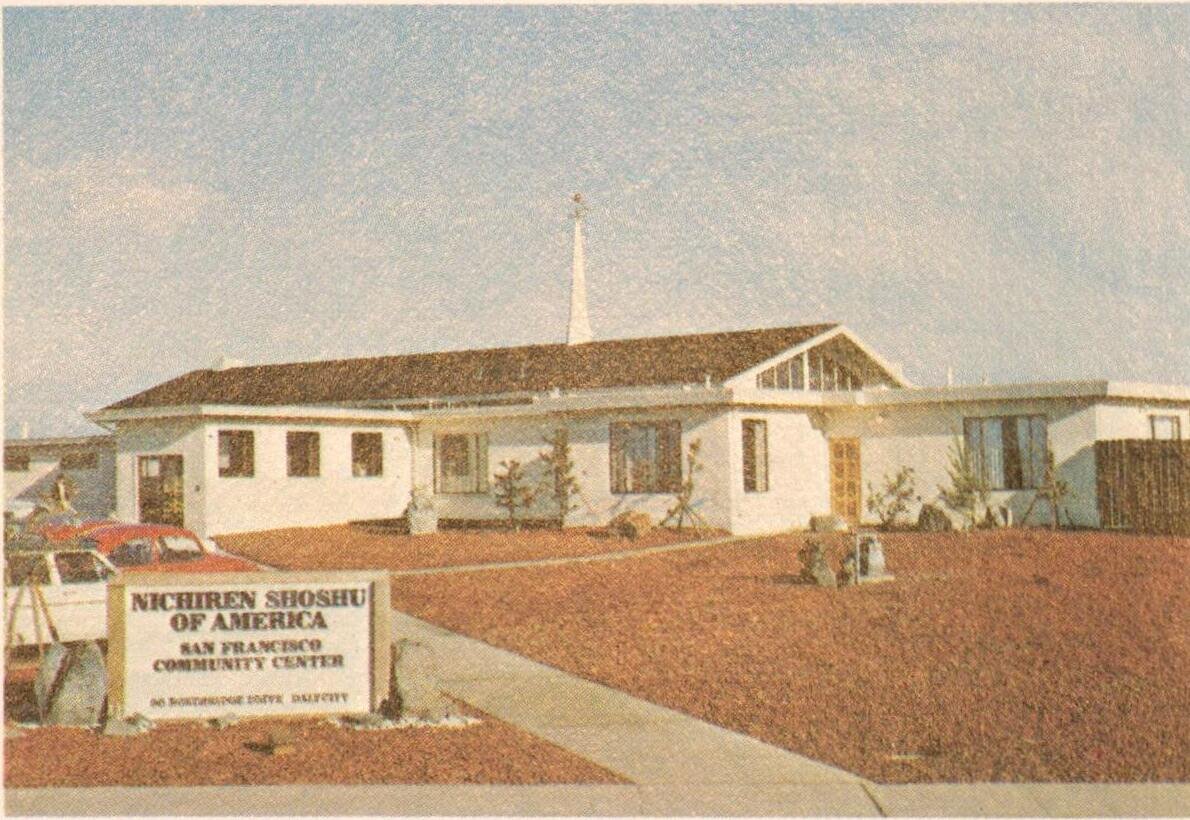
San Francisco
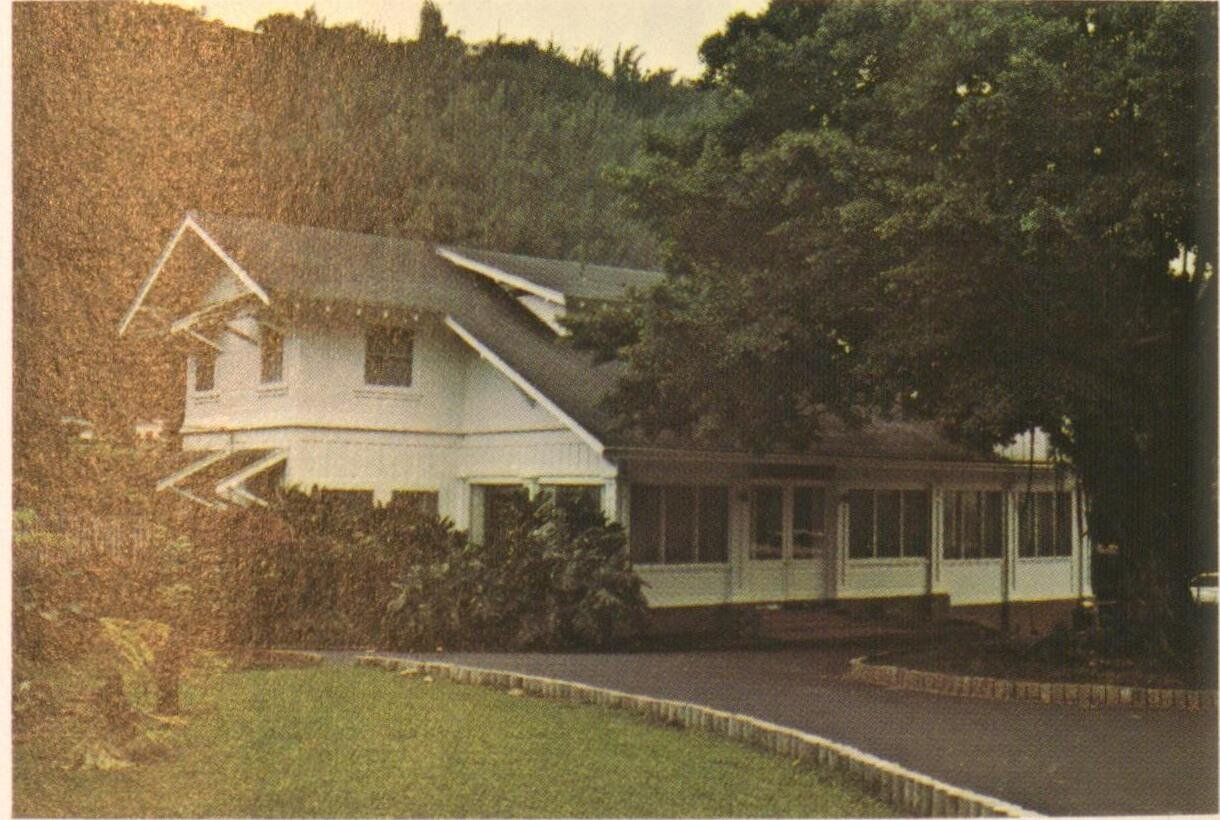
Hawaii
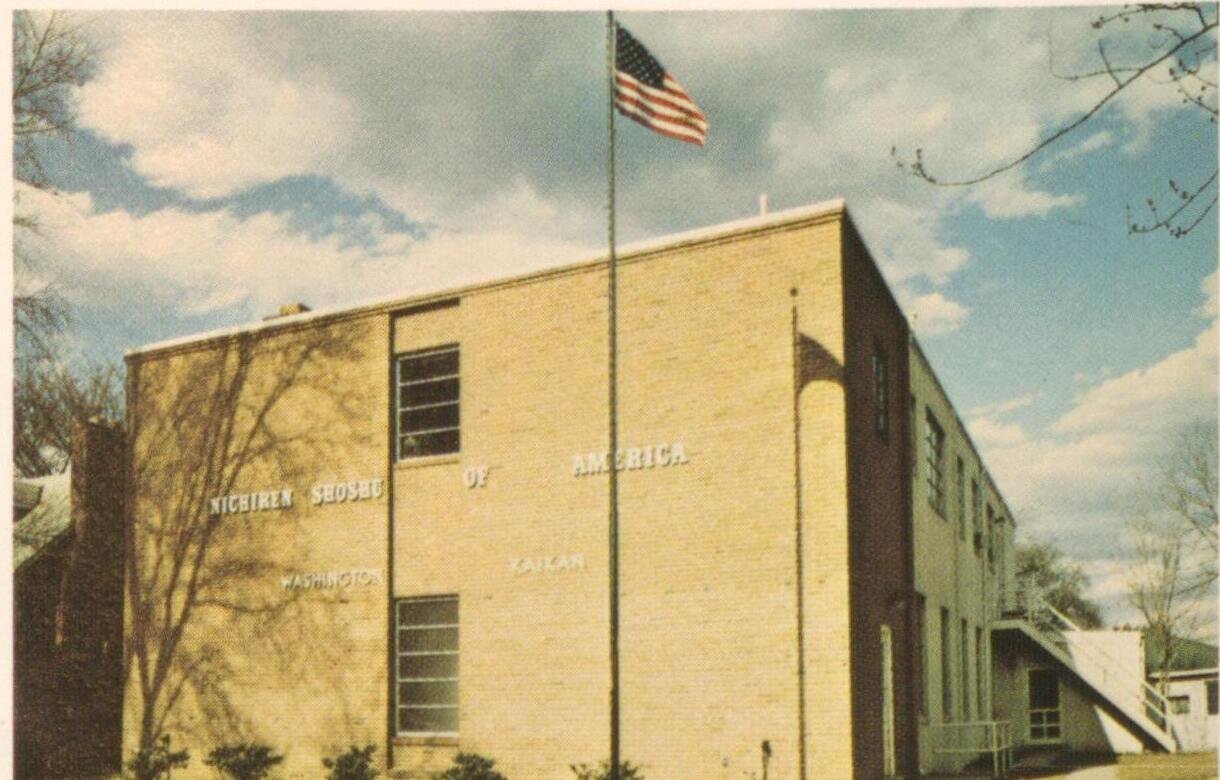
Washington, D.C.
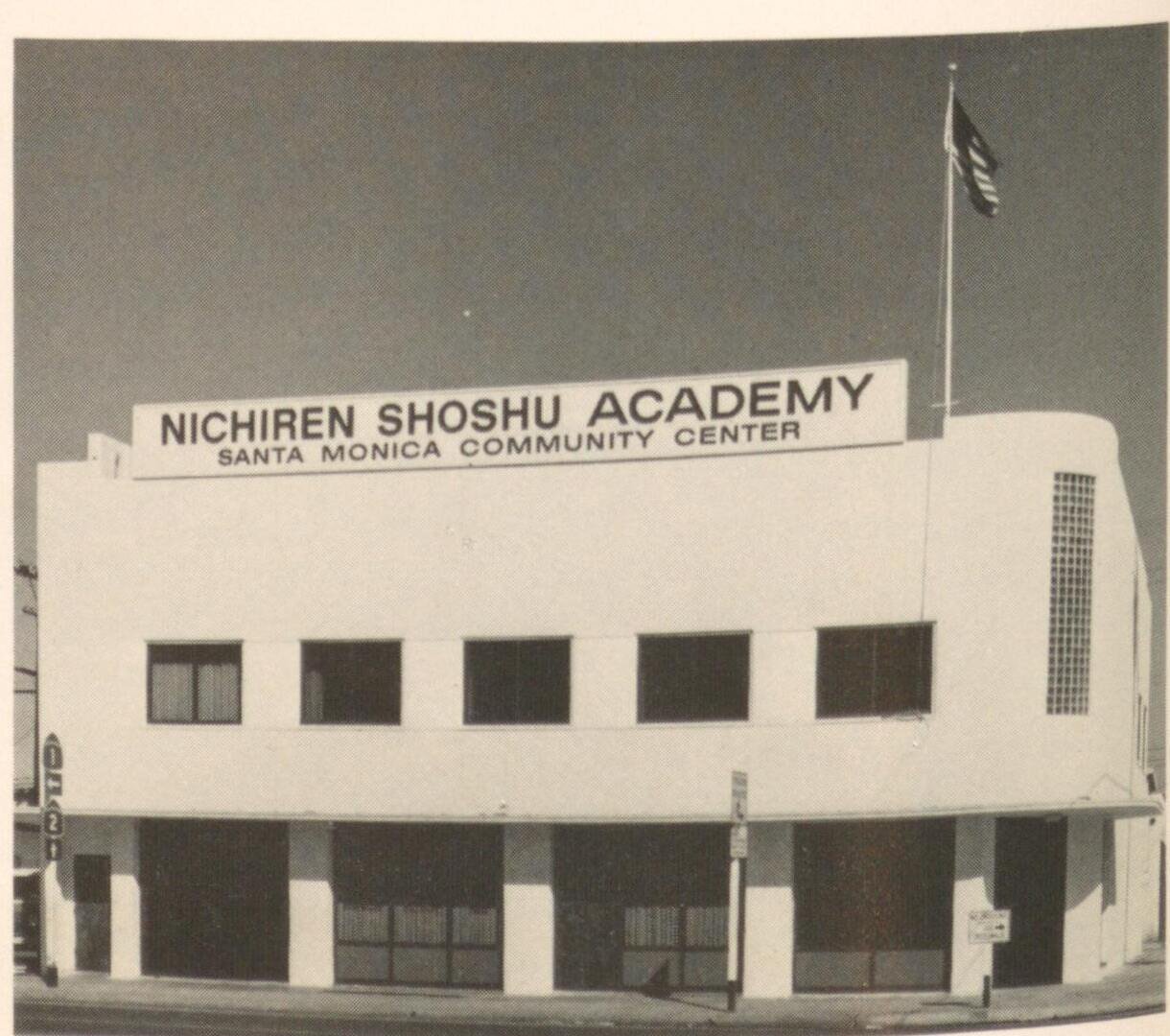
Santa Monica, California
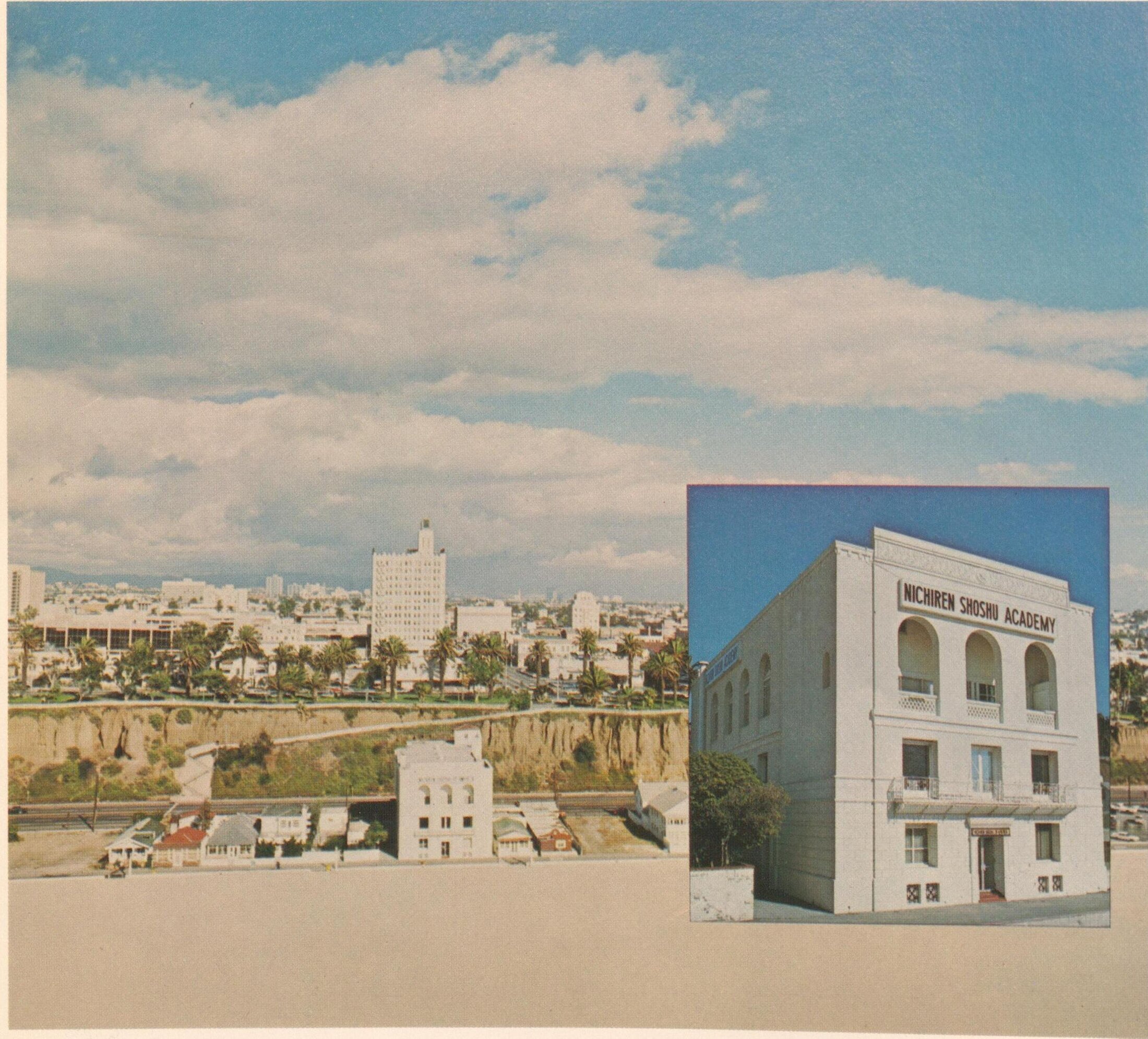
America Headquarters, California
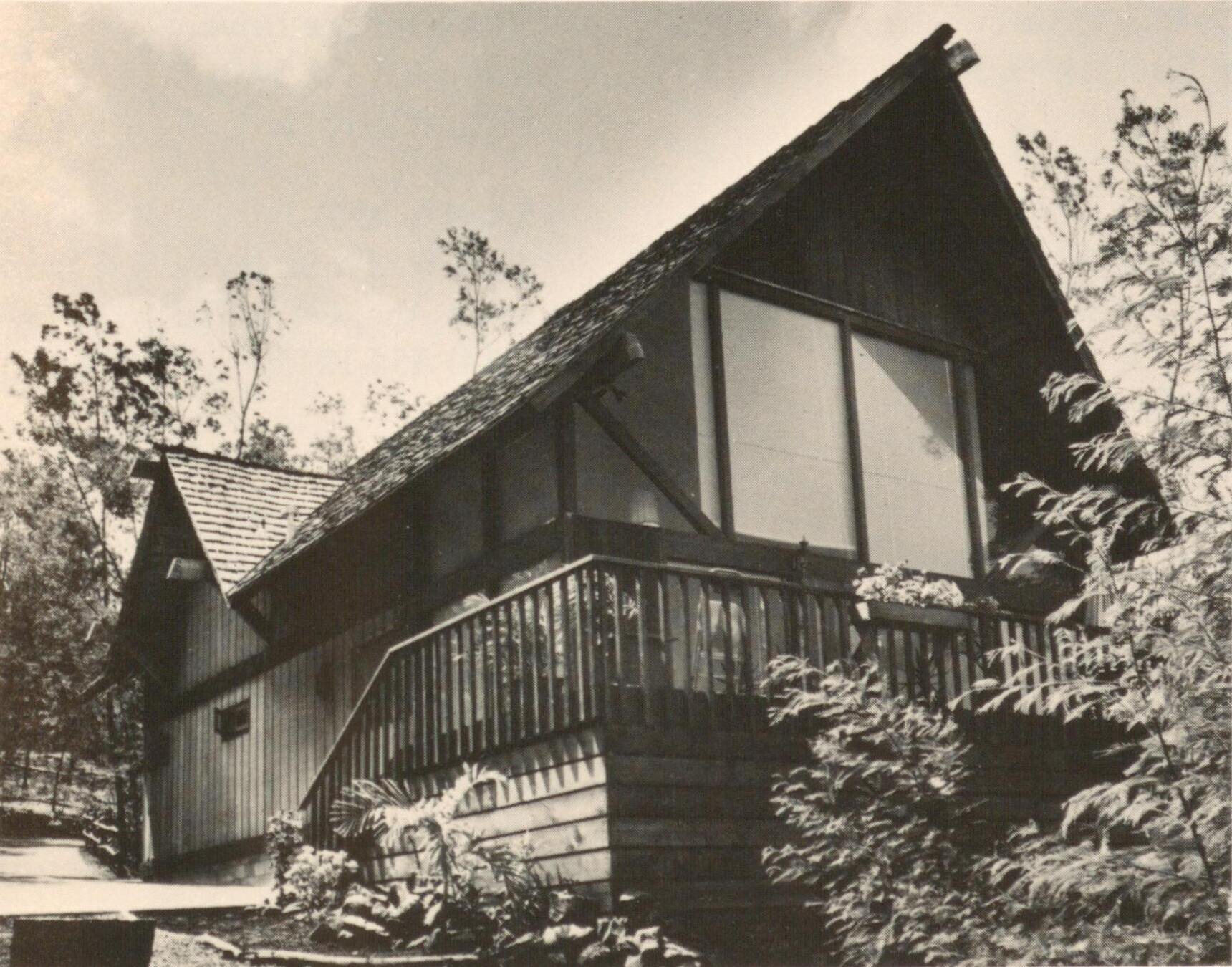
Maui
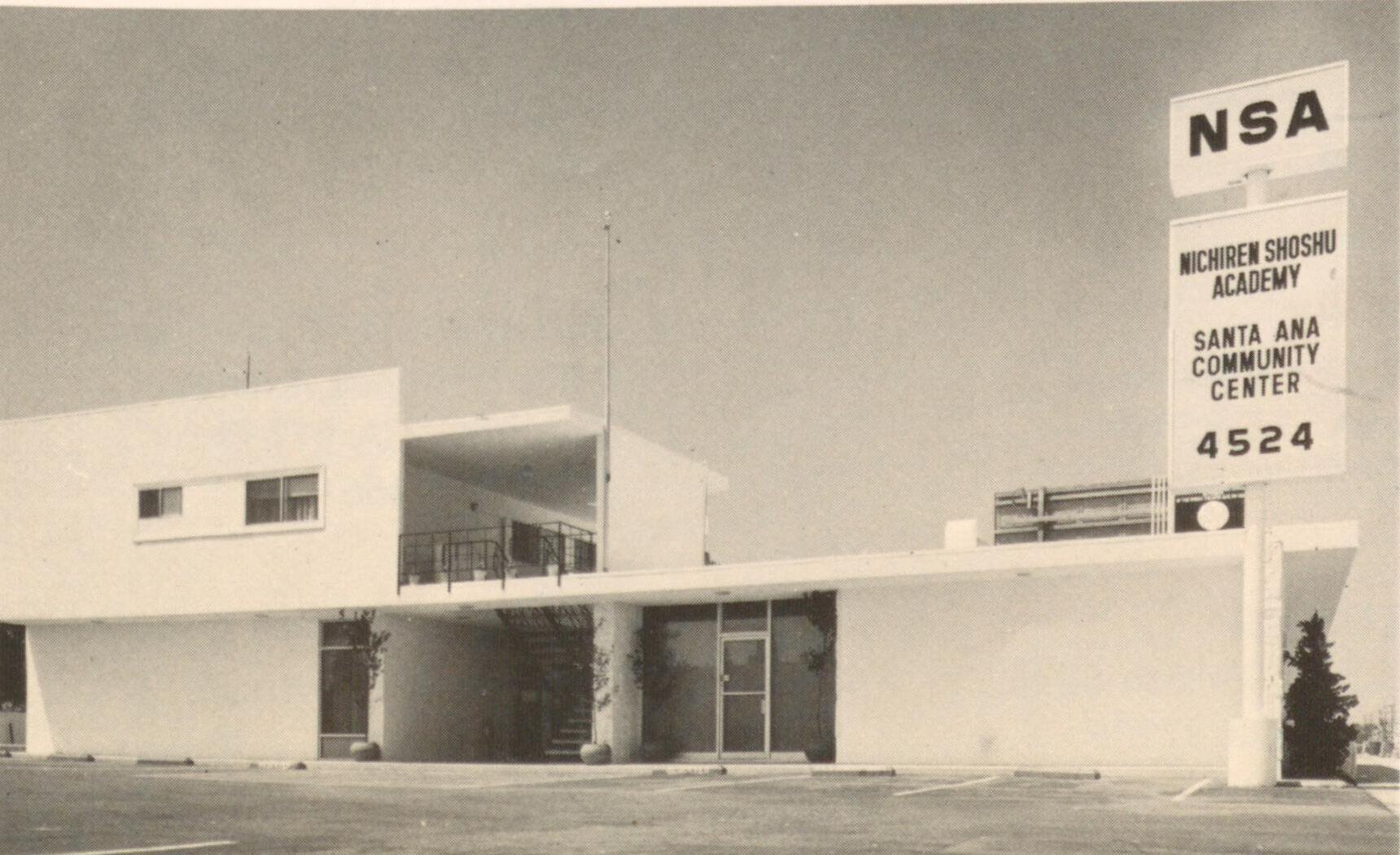
Santa Ana, California
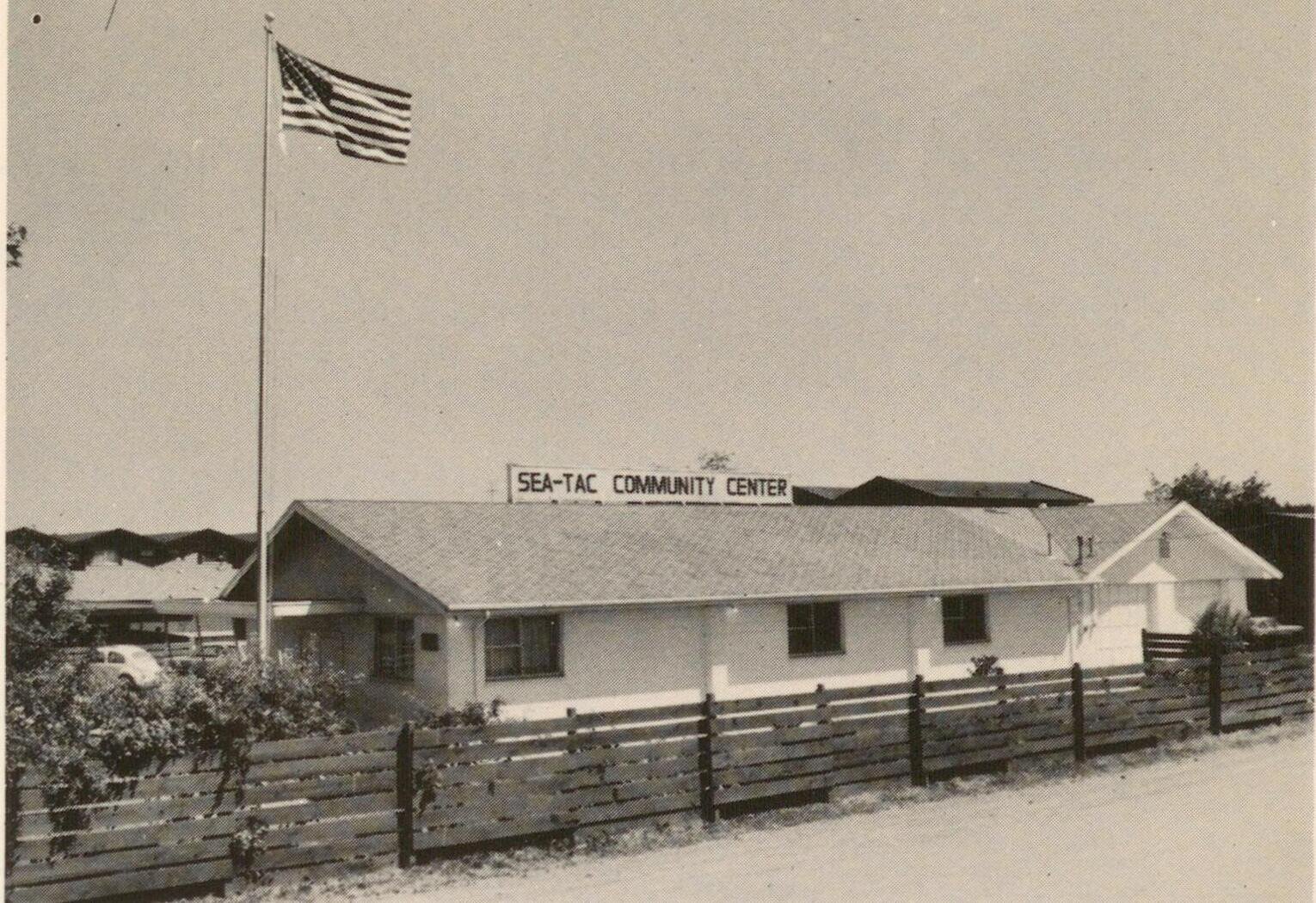
Seattle-Tacoma
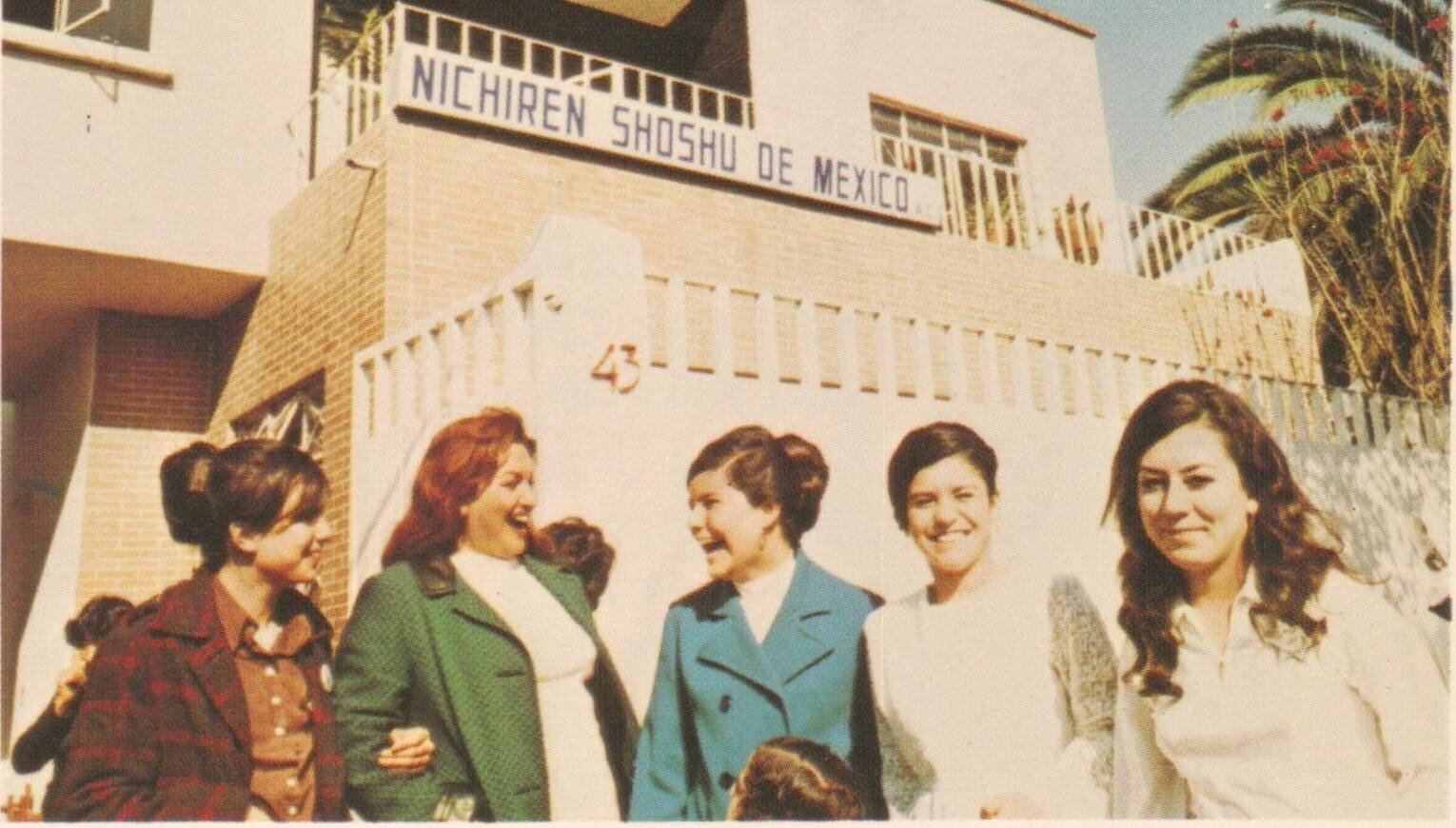
Mexico City
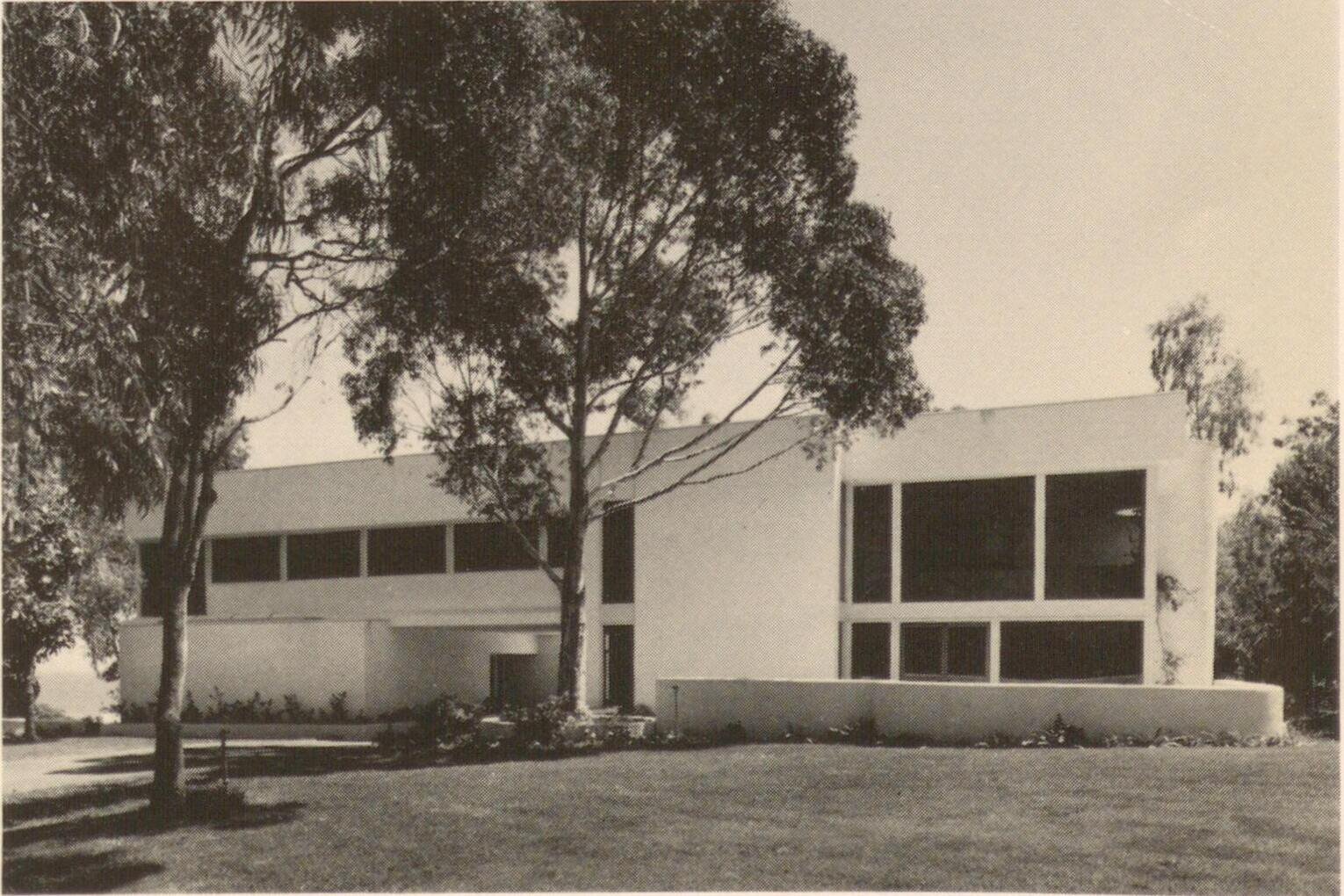
Malibu, California
BuddhaJones Archive Projectarchive @ buddhajones.orgAbout this project. BuddhaJones Archive Project seeks to collect and preserve information related to Nichiren Buddhism in America. All copyrighted content is presented here without permission under Fair Use guidelines, explicitly for the purposes of research, teaching, criticism, comment, and news reporting. This is a nonprofit, educational site unaffiliated with any religious organization or corporation.