Nichiren Shoshu of America Collection
NSA 1972 Photo Album  |  Sec 1: President Ikeda in America Sec 2: Los Angeles Convention Sec 3: President Ikeda Closeup Sec 4: NSA Activities
4
NSA Activities
Pilgrimage to Daisekiji

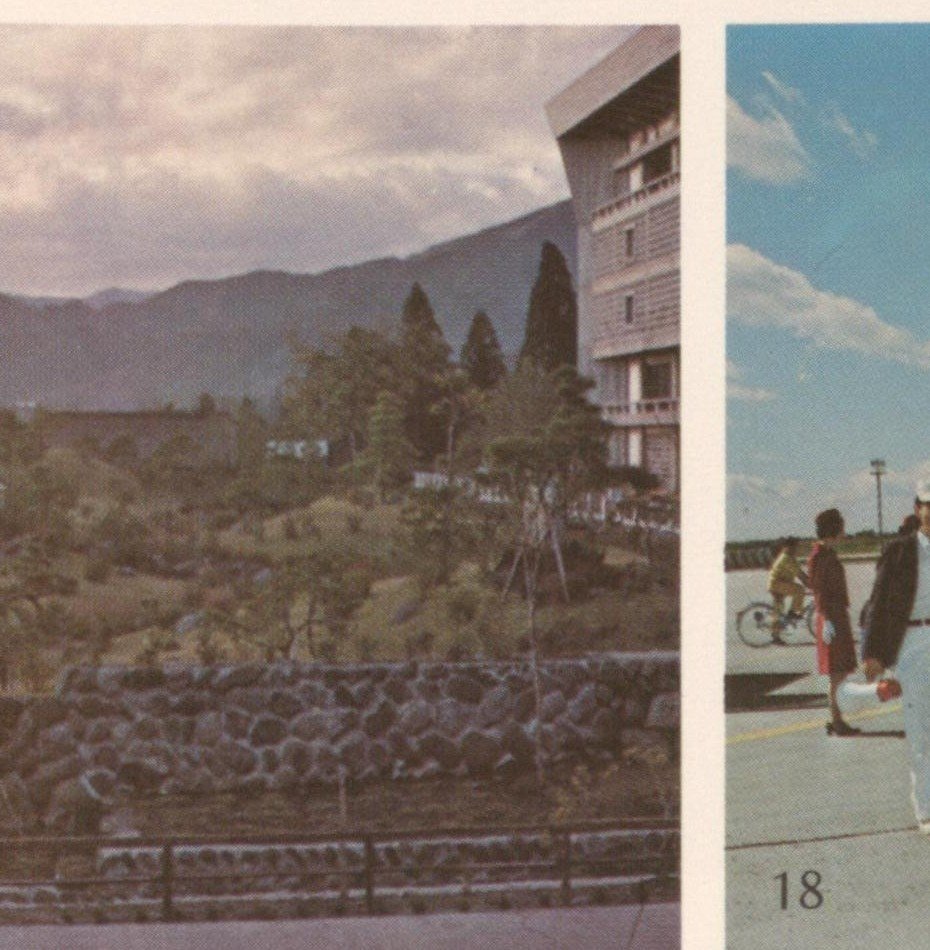
Ever since the first pilgrimage in November of 1961, NSA members have been participating yearly in this important faith-developing journey to the Head Temple Daisekiji near Mt. Fuji. It is on this occasion that members deepen their understanding of Nichiren Daishonin's life-philosophy by worshipping the Dai-Gohonzon and meeting President Daisaku Ikeda.

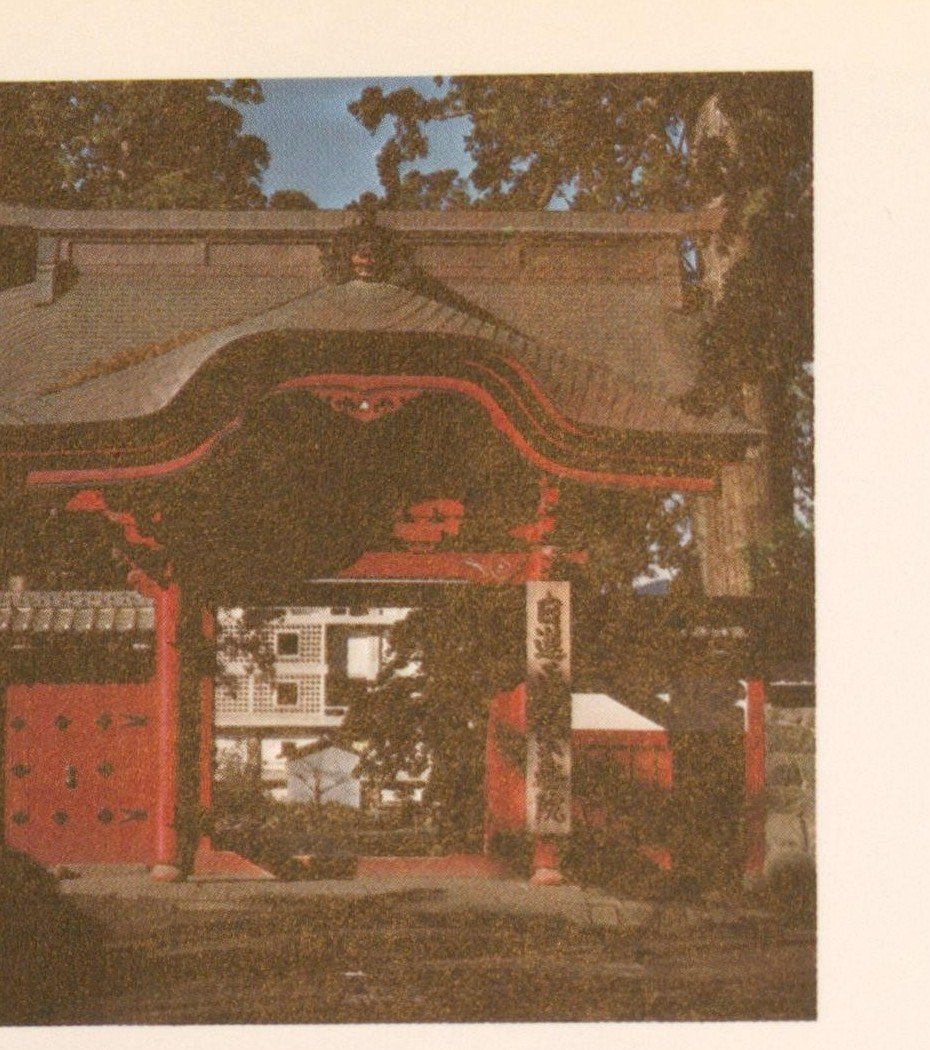
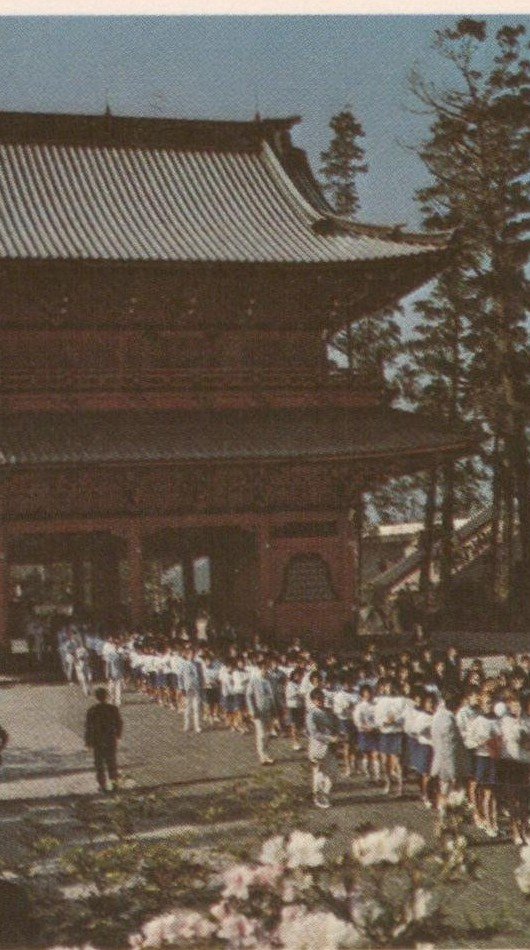
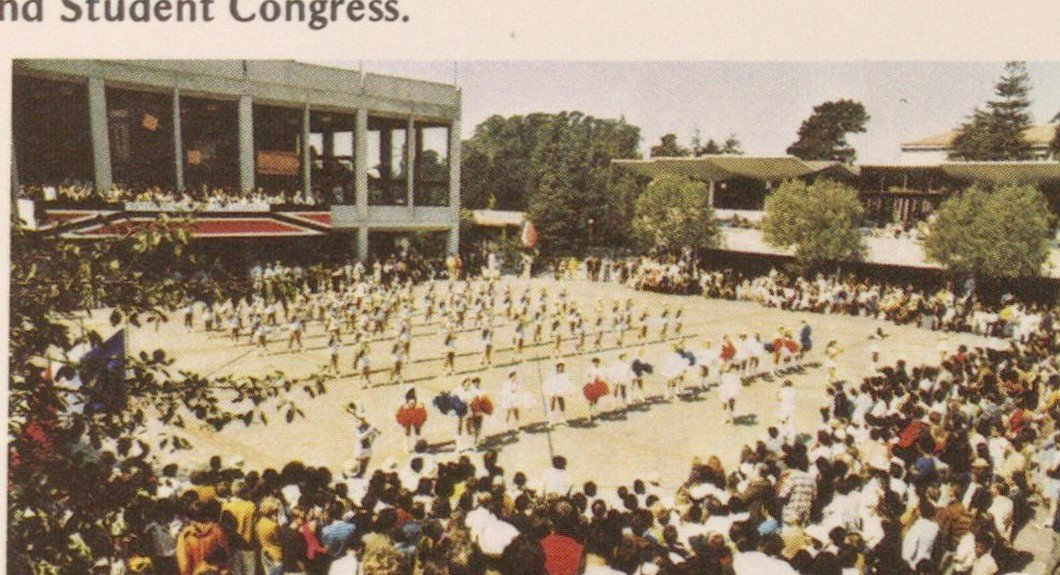
Nestled in the lush green scenery of rolling hills and fertile farmlands, the temple complex is a place of beauty and serenity where pilgrims refresh their practice of Buddhism. Pictured here is the Sanmon Gate, main entrance to Daisekiji, where the NSA Fife and Drum Corps is seen performing for Japanese members.
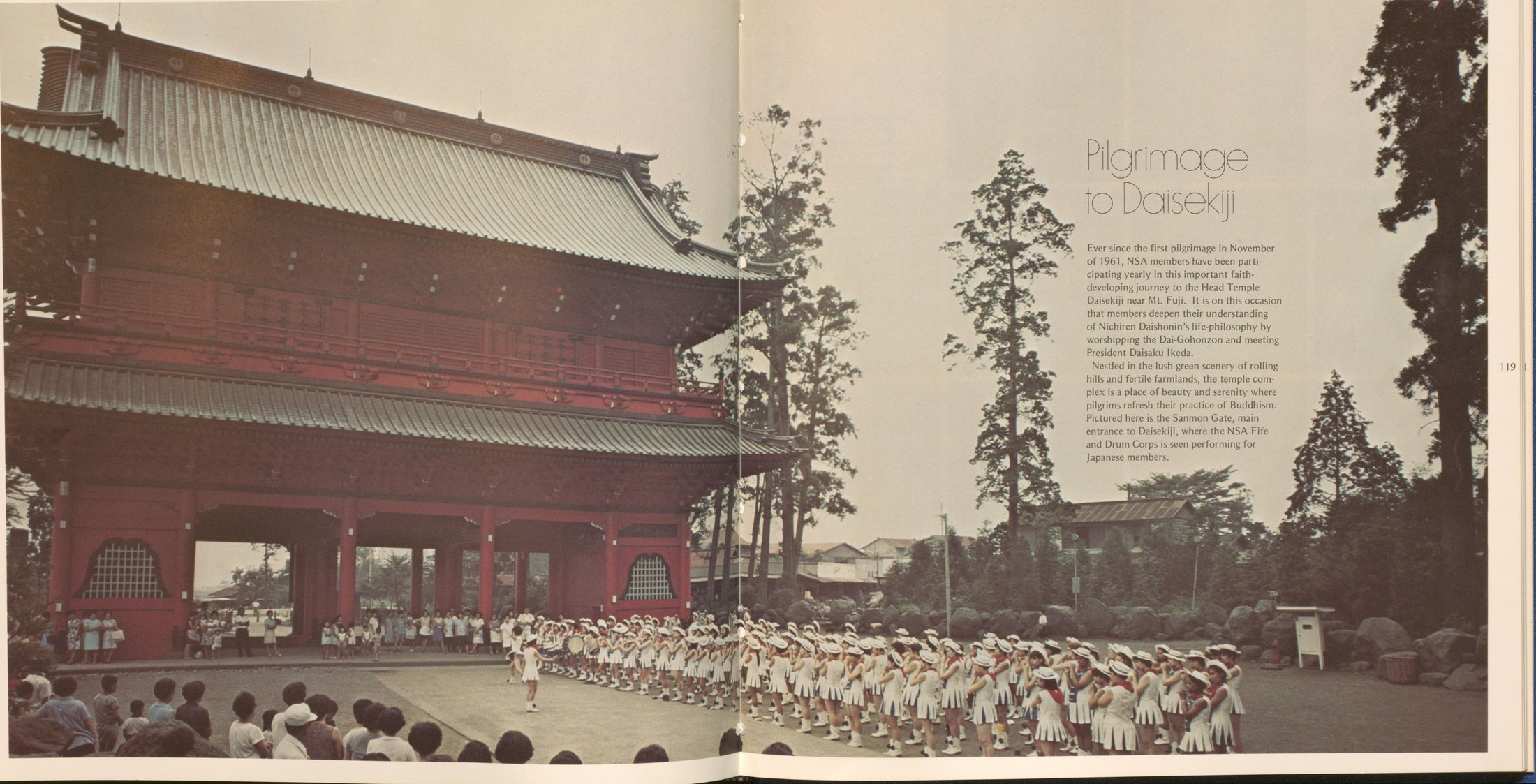
The red and green Sanmon Gate at Daisekiji temple, with the NSA Fife and Drum Corps performing outside for a crowd, surrounded by tall trees.

118–119


Pages 120–121 in the original book are a numbered photo diary: small numbered snapshots cross-referenced against a shared caption list, the way an index works. The photos below are shown in their printed grid position with whatever number was legible; a few of the tiniest numbers were ambiguous in the scan, so treat the numbering as best-effort and cross-reference by content where in doubt.
Photo 1 from the pilgrimage diary.
1
Photo 2 from the pilgrimage diary.
2
Photo 3 from the pilgrimage diary.
3
Photo 4 from the pilgrimage diary.
4
Photo 5 from the pilgrimage diary.
5
Photo 6 from the pilgrimage diary.
6
Photo 7 from the pilgrimage diary.
7
Photo 8 from the pilgrimage diary.
8
Photo 9 from the pilgrimage diary.
9
Photo 10 from the pilgrimage diary.
10
Photo 11 from the pilgrimage diary.
11
Photo 12 from the pilgrimage diary.
12
Photo 13 from the pilgrimage diary.
13
Photo 14 from the pilgrimage diary.
14
Photo 15 from the pilgrimage diary.
15
Photo 16 from the pilgrimage diary.
16
Photo 17 from the pilgrimage diary.
17
Photo 18 from the pilgrimage diary.
18
Photo 19 from the pilgrimage diary.
19
Photo 20 from the pilgrimage diary.
20
Photo 21 from the pilgrimage diary.
21
Photo 22 from the pilgrimage diary.
22

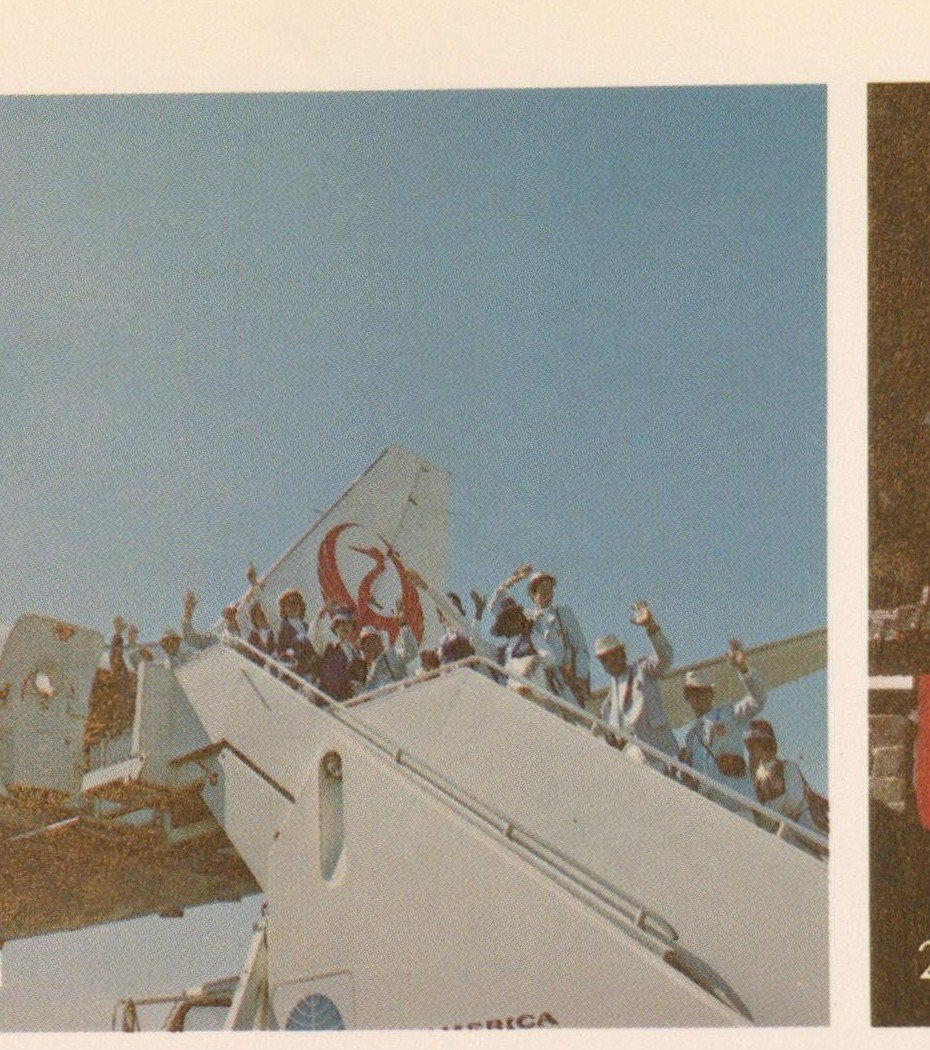
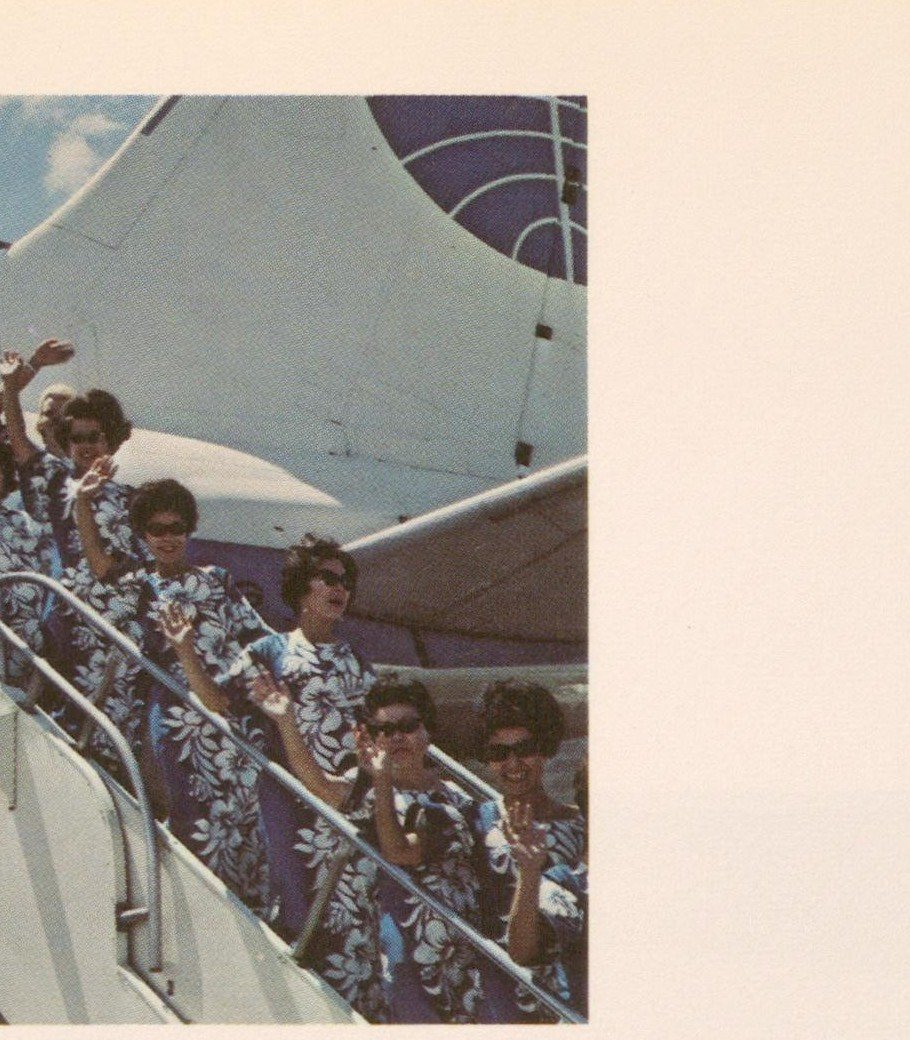
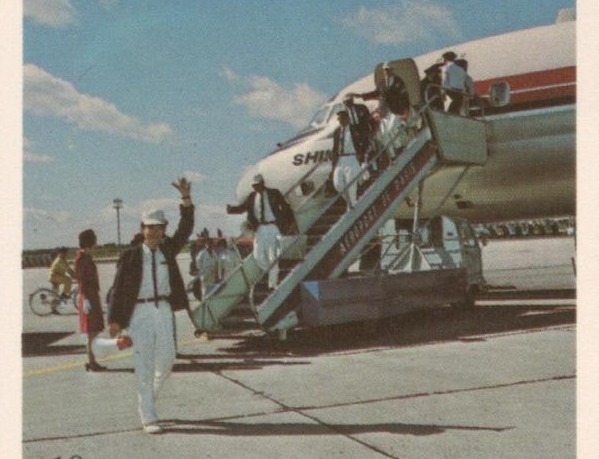
1. Smart uniforms distinguish each flight.

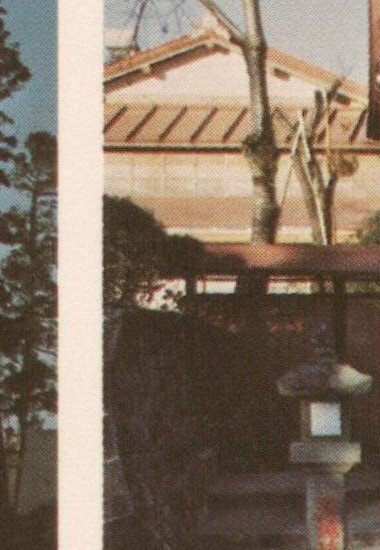
2. The Ashimon, an ancient gate in Daisekiji.

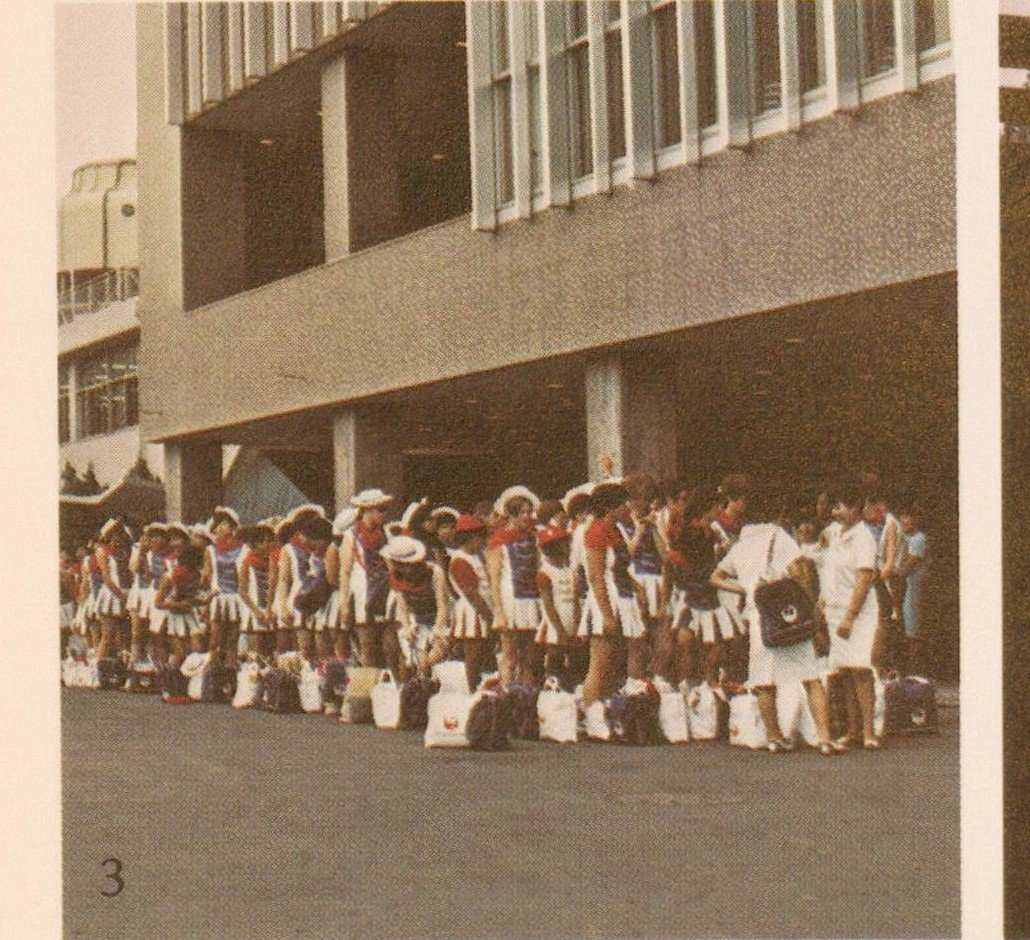
3. Olympic Village, a stopping-off point in Tokyo.

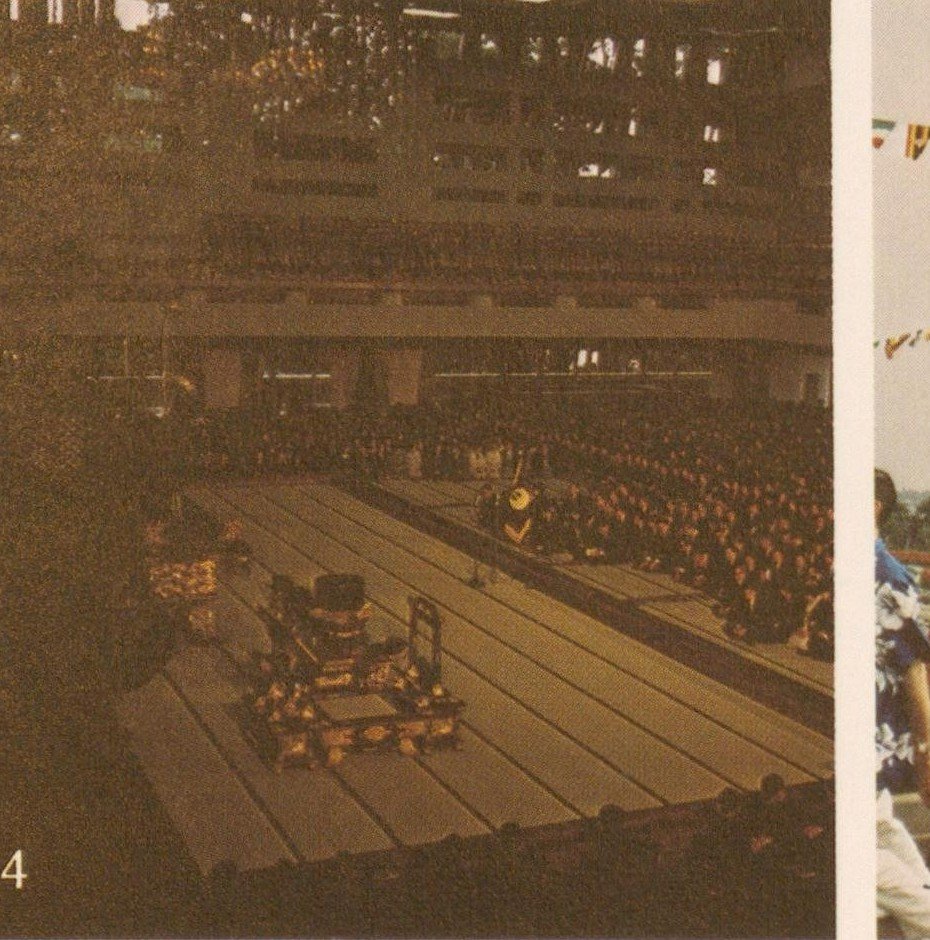
4. Inside the awesome Grand Reception Hall.

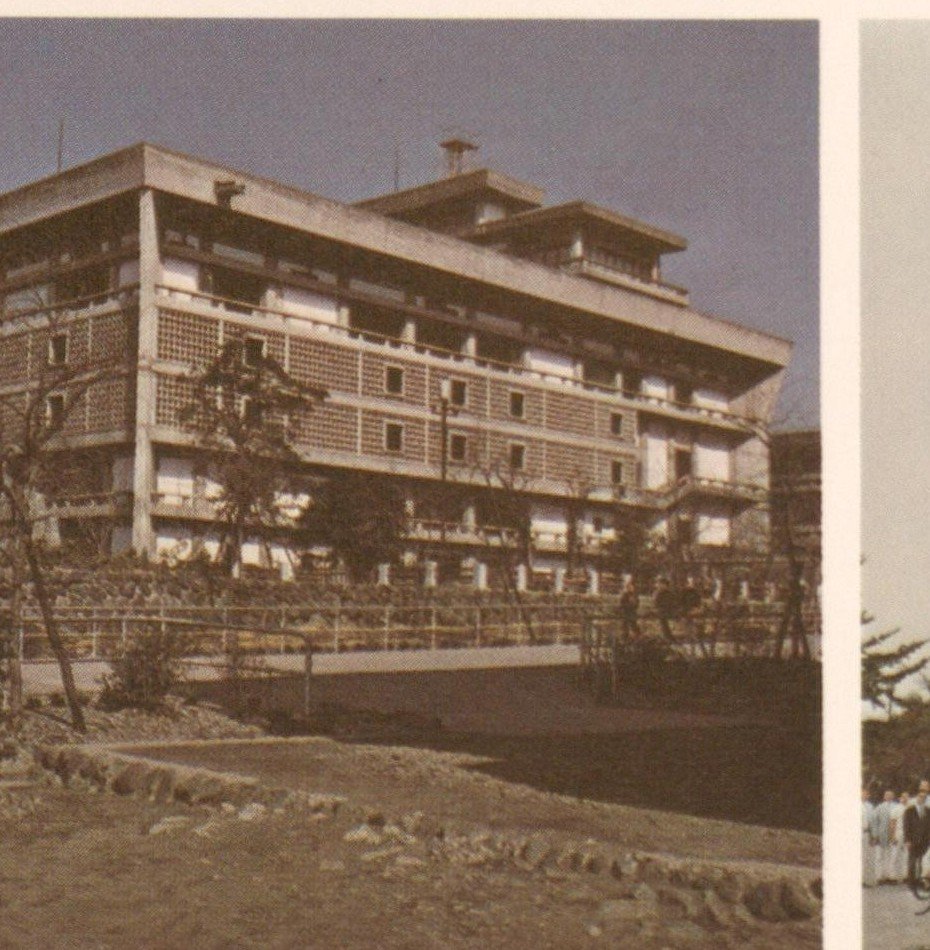
5. The General Lodging Quarters of Daisekiji.

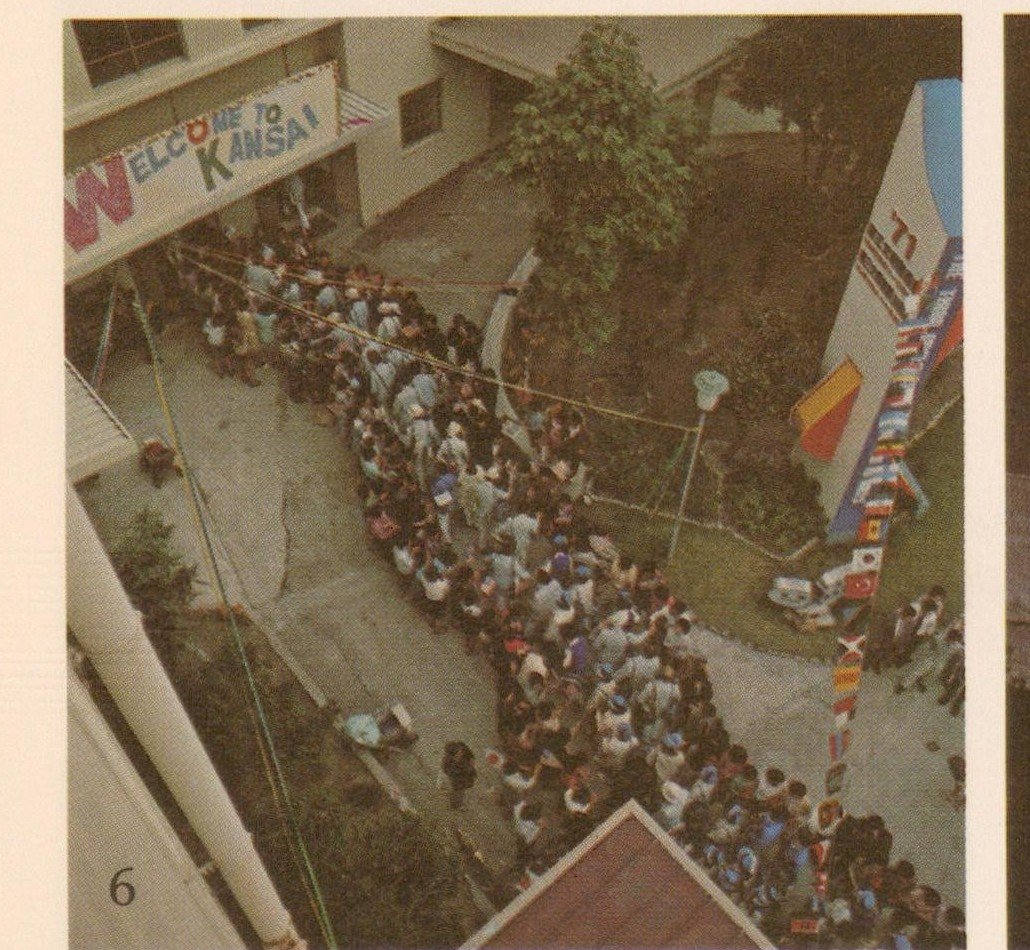
6. Osaka's Kansai Center serves as a temporary home.

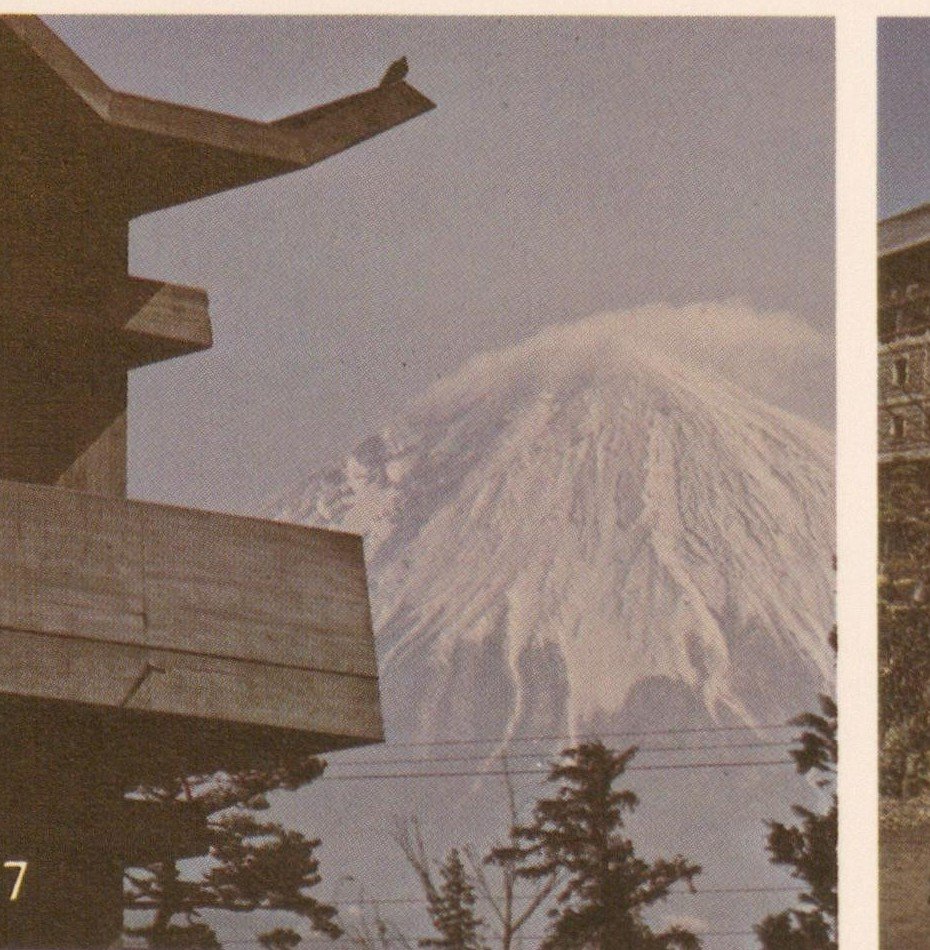
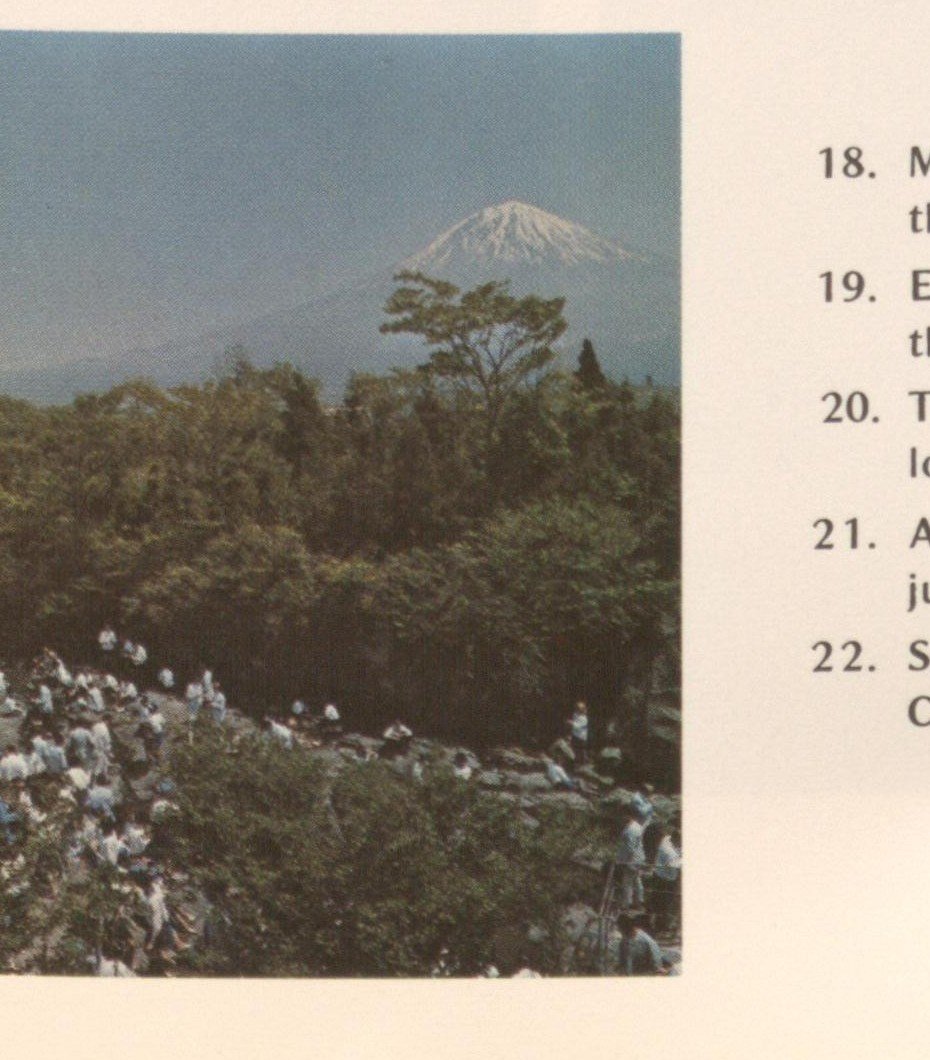
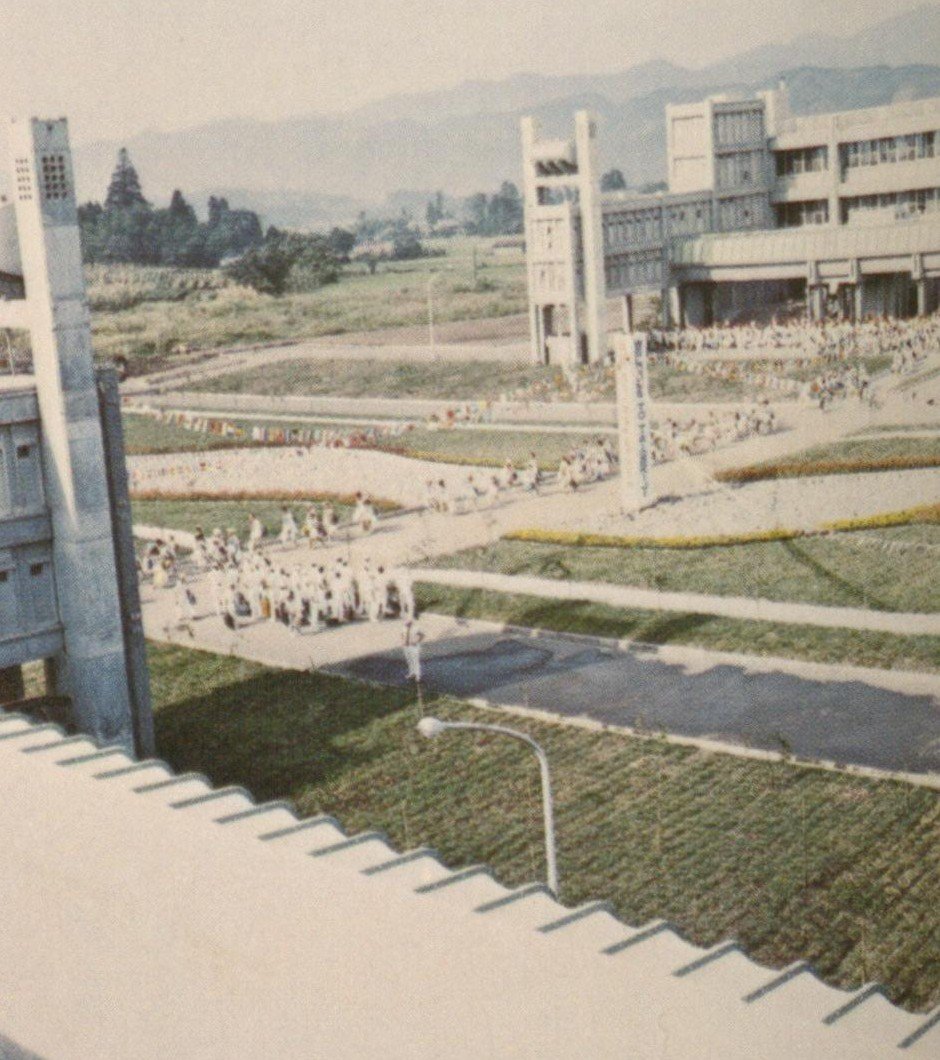
7. Striking modern temple architecture framed against Fuji.

8. The Grand Lecture Hall.

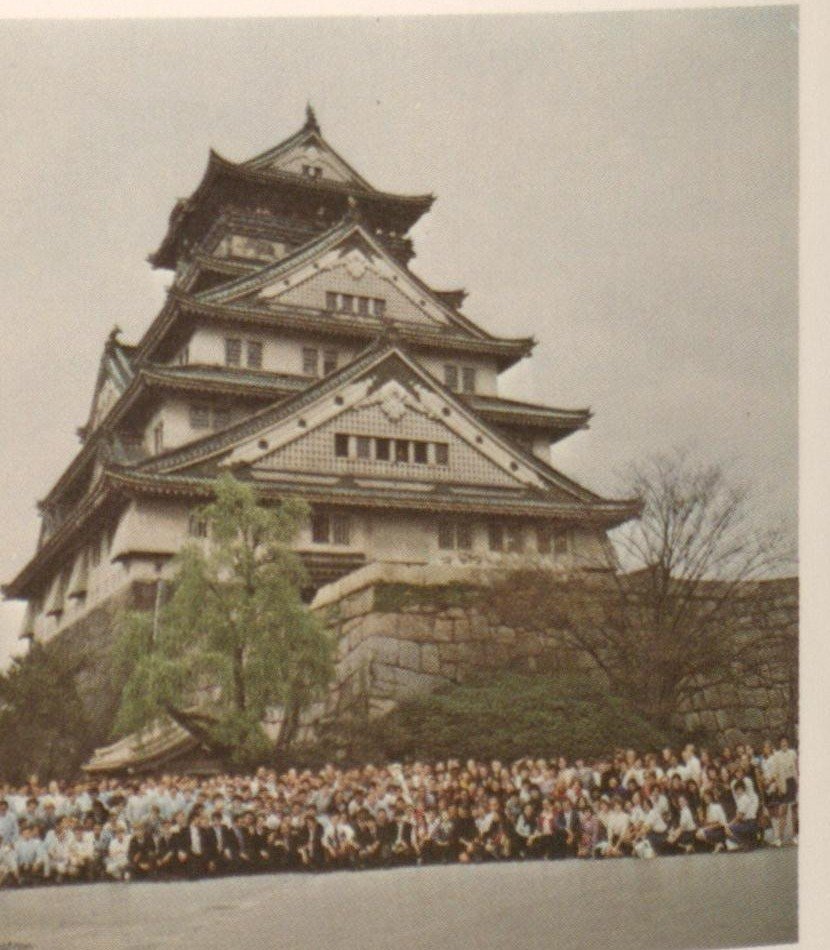
9. Touring Osaka Castle.

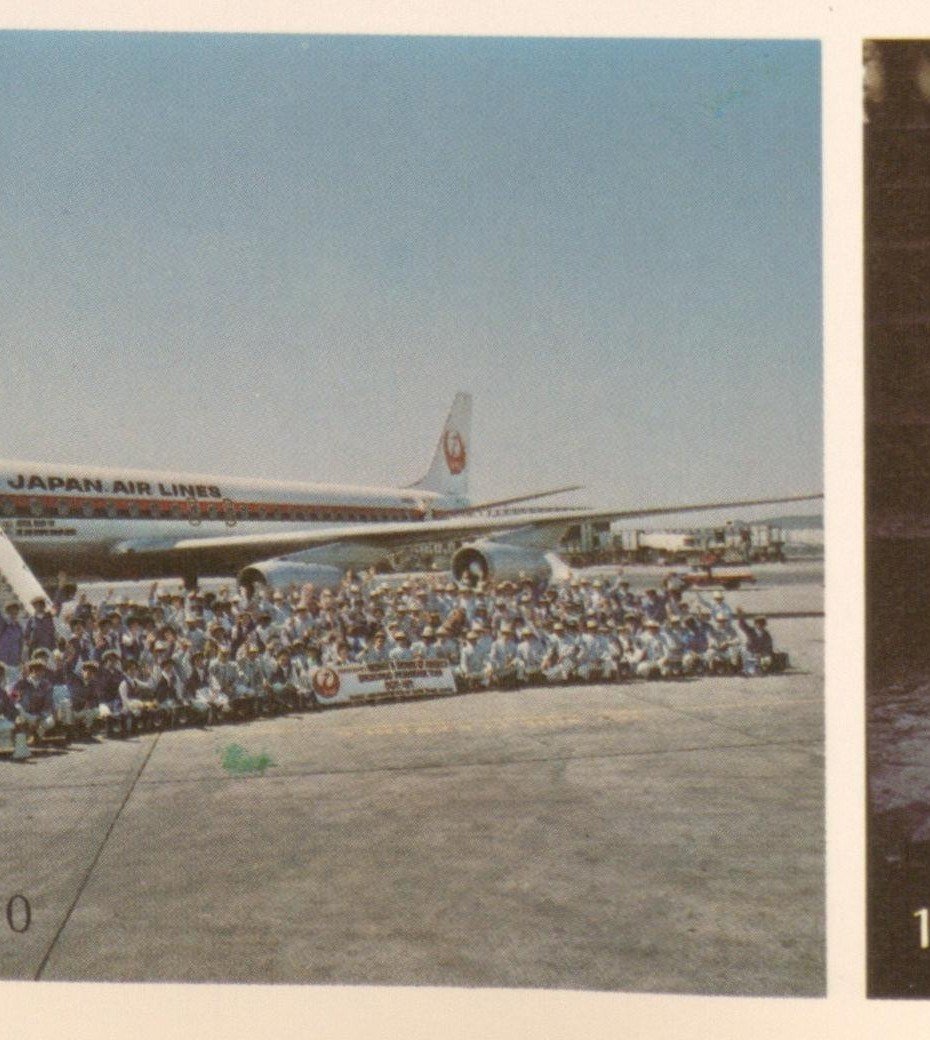
10. A last photograph before taking off.

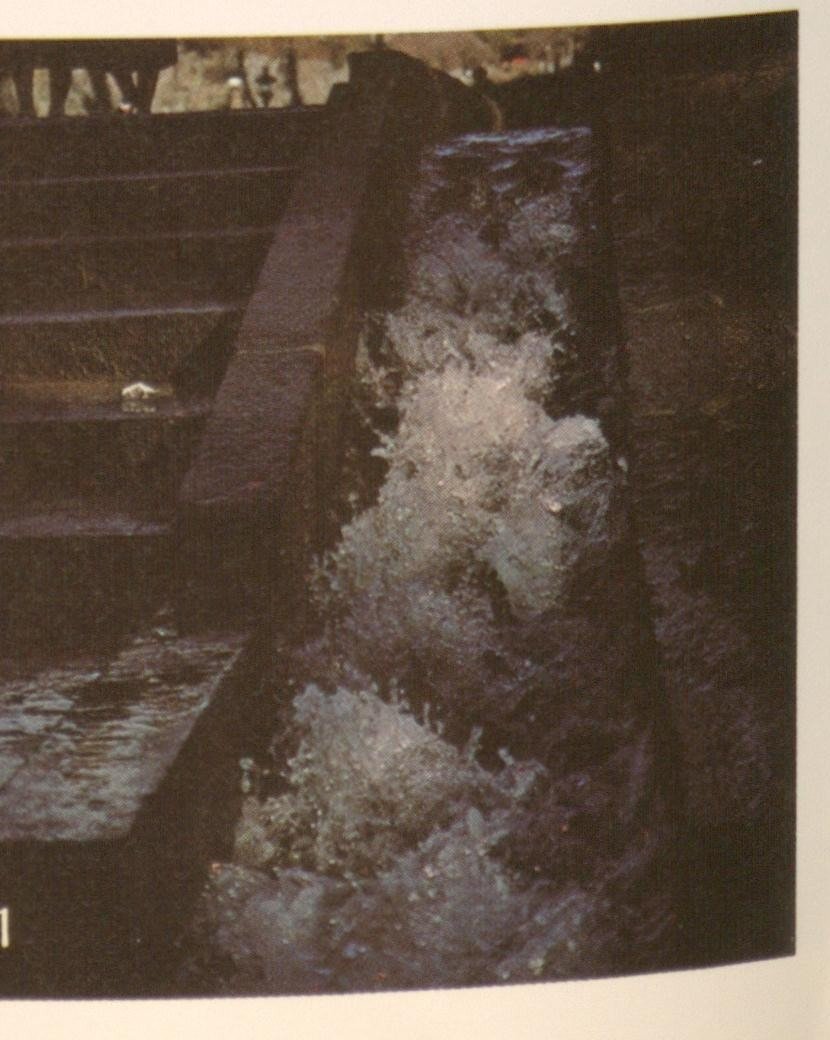
11. Mountain waters cascade along the main pathway.

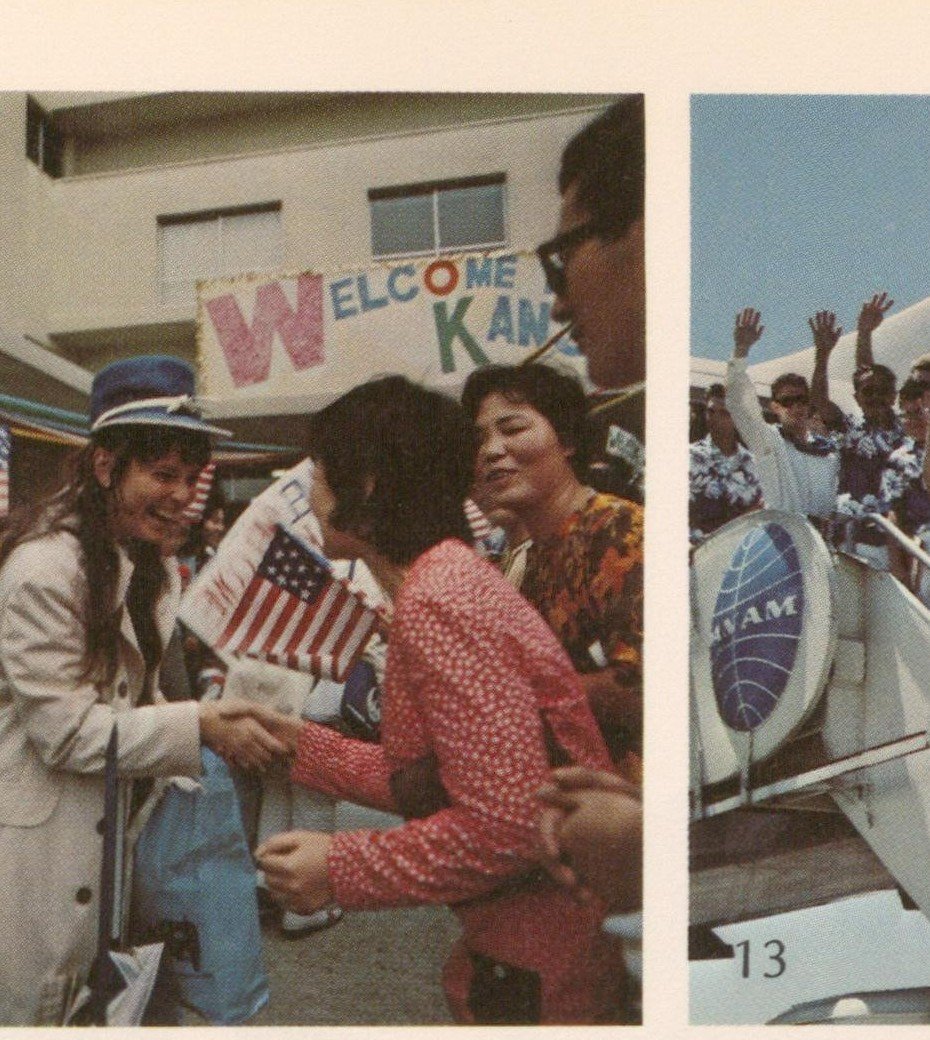
12. A warm welcome in Kansai.

13. Two weeks before the Hawaii Convention, a group leaves for Japan.

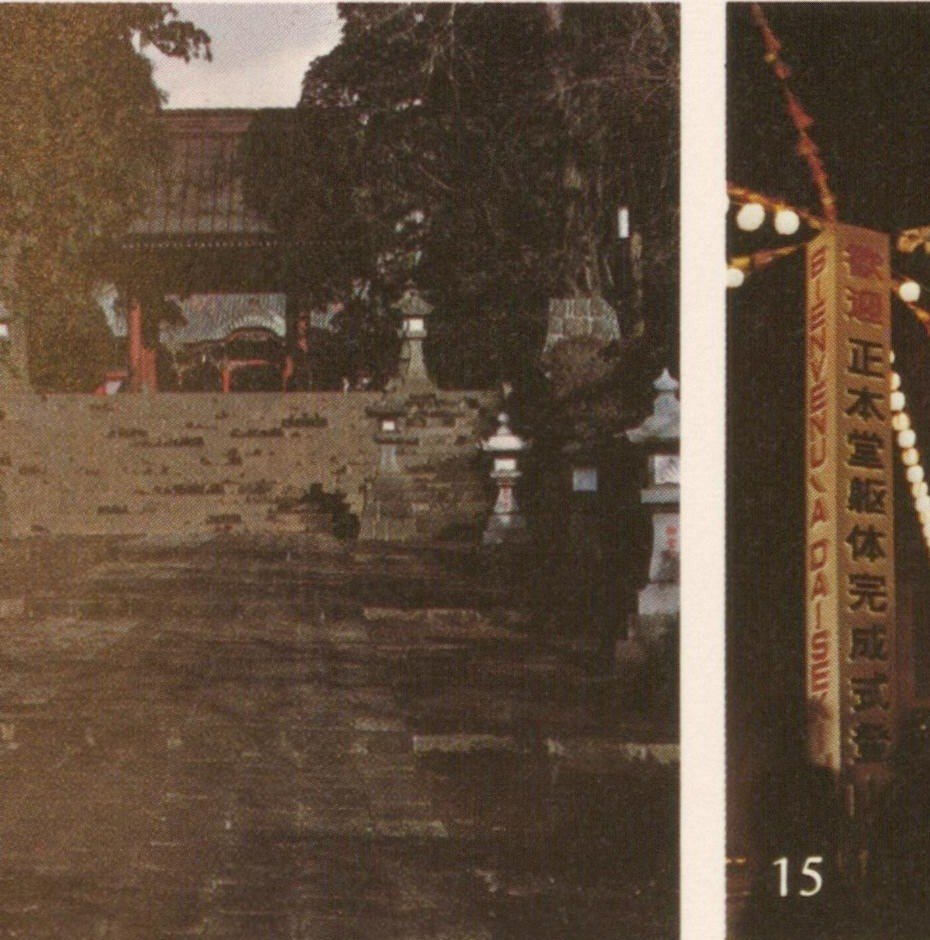
14. Worn with age, Tatchu Pathway and Twin Heavened Gate.

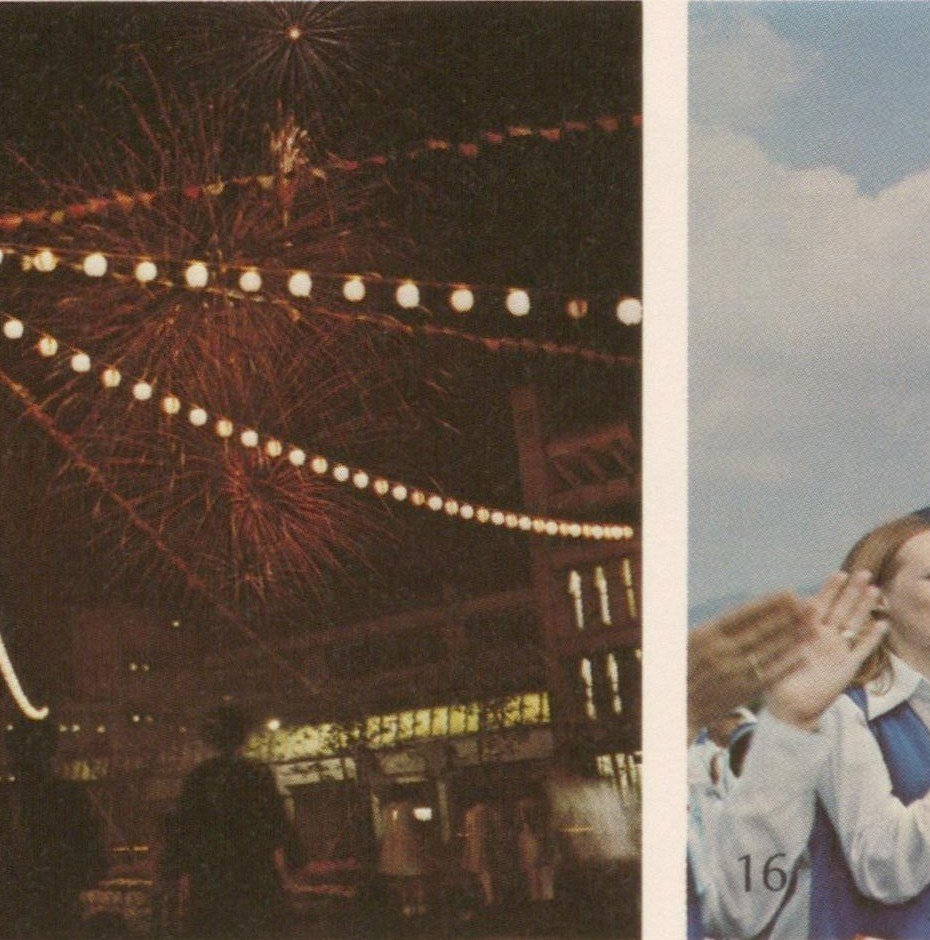
15. Daisekiji's skies are lit by fireworks.

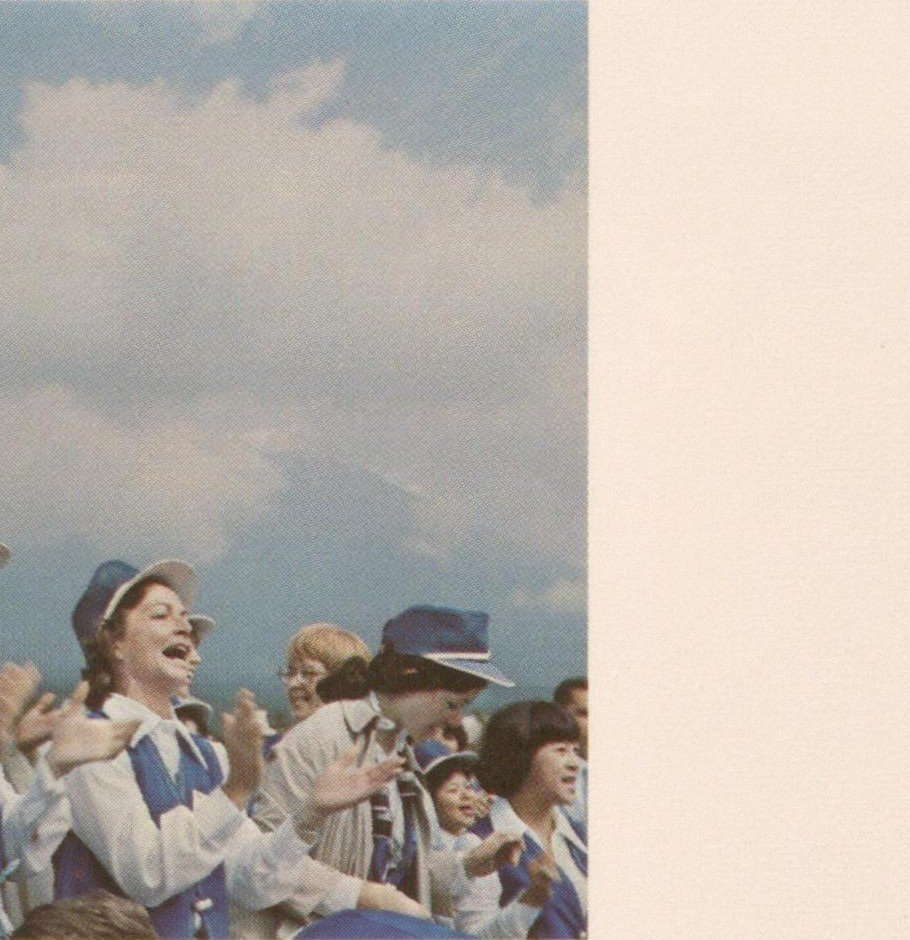
16. On a rural plain near Mt. Fuji.

17. A quaint oriental garden near the Grand Lecture Hall.

18. Members on the 1966 Around the World Pilgrimage.

19. Entering the temple compounds through the Sanmon Gate.

20. The Rikyobo, a traditional lodging quarters.

21. A brief pause at Shiraito Falls just north of Daisekiji.

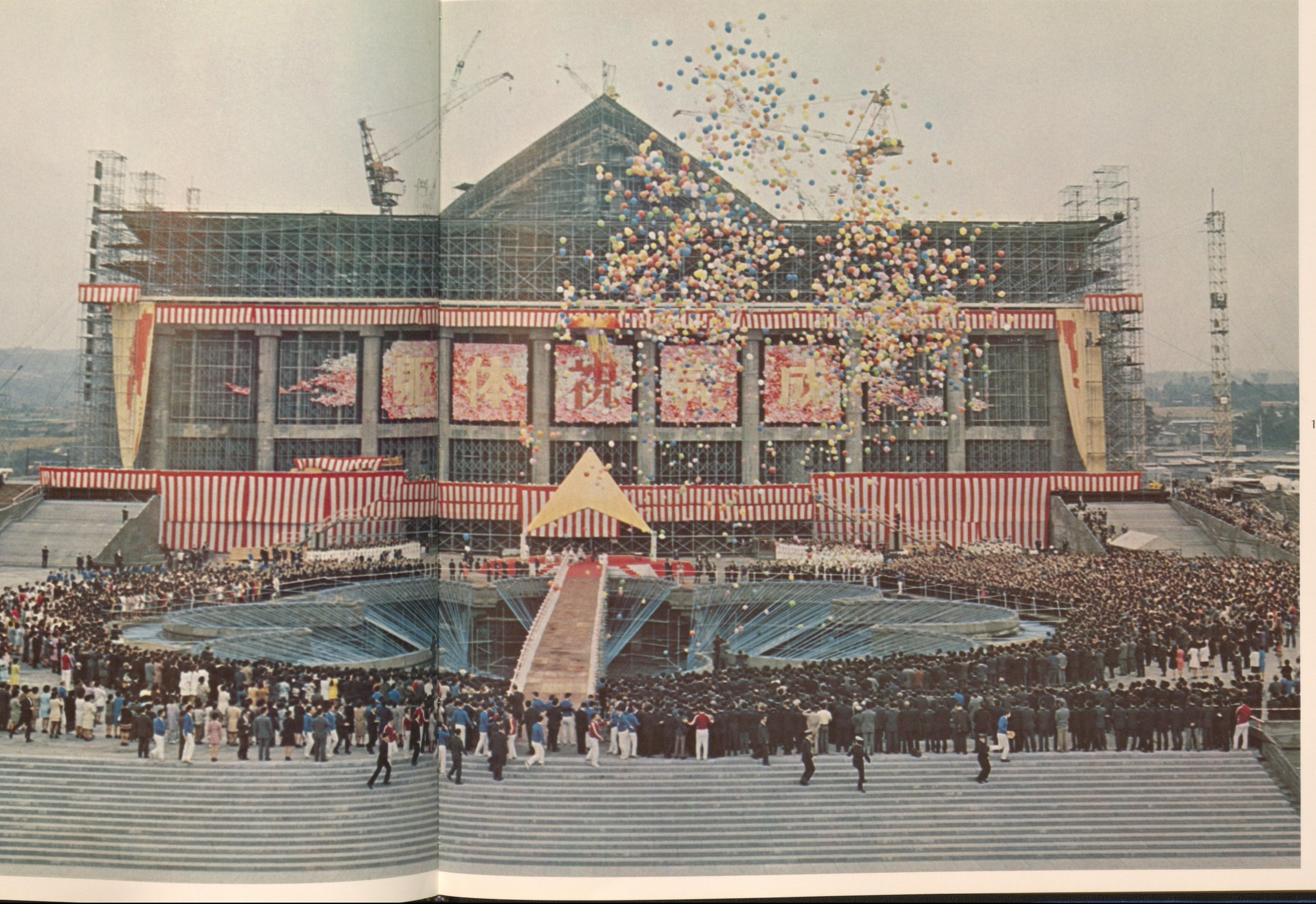
22. Sho-Hondo Exterior Completion Ceremony, October 12, 1971.

120–121
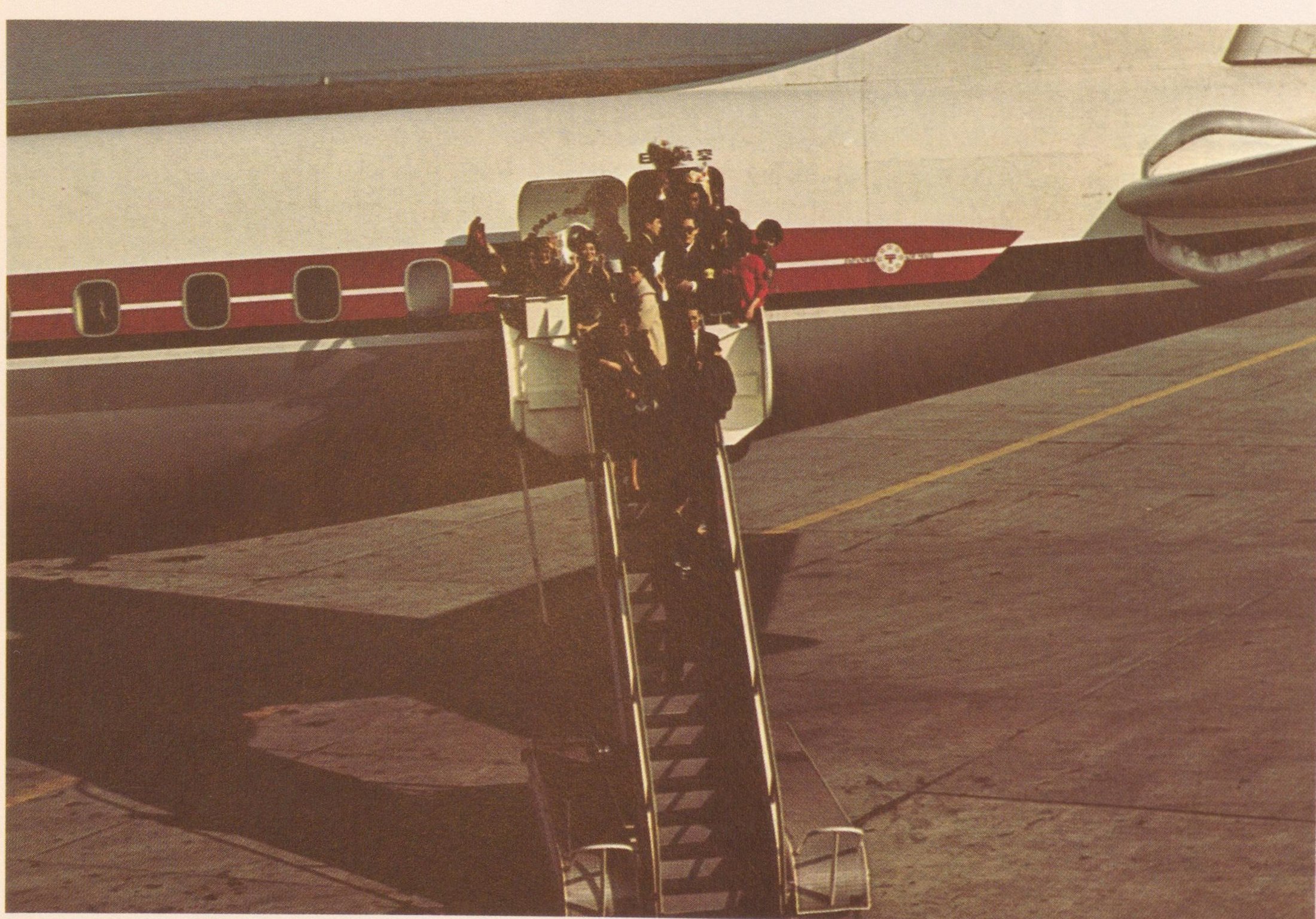

History of U.S. Pilgrimages
November 1961
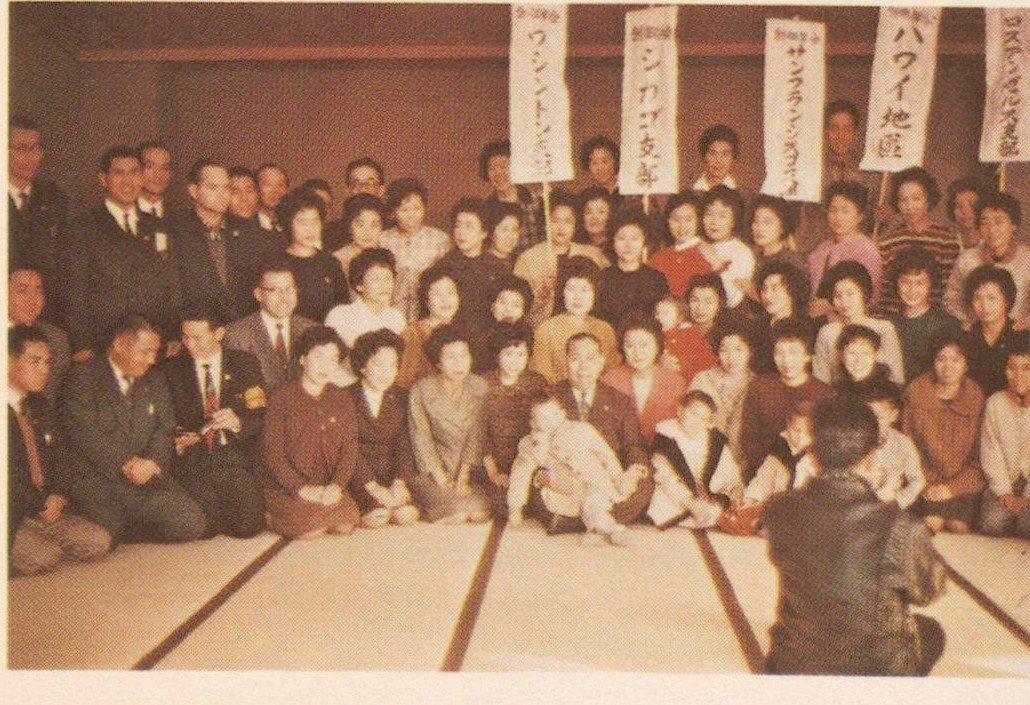
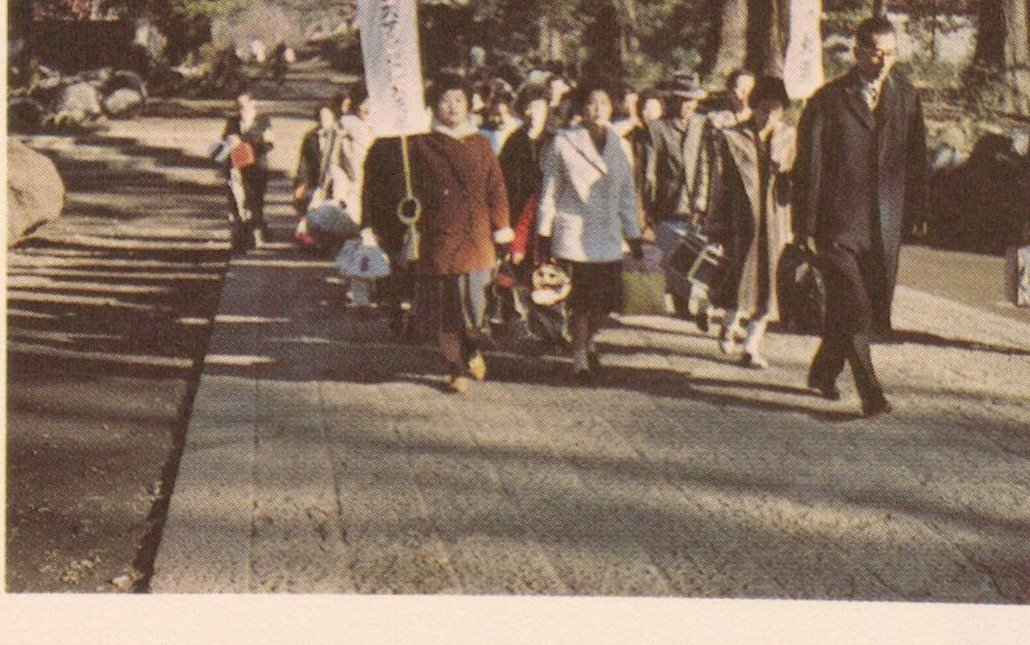
The first NSA pilgrimage flight left for the Head Temple Daisekiji on November 21, 1961. This historical flight departed from Seattle International Airport with 68 representatives. President Ikeda greeted the overjoyed pioneers with warm consideration and encouragement which acted as a stimulus for many members who were to follow in years to come.
Close-up of luggage being loaded onto an airplane.
A group photo indoors, seated on tatami mats.A group walking outdoors carrying banners.
August 1964
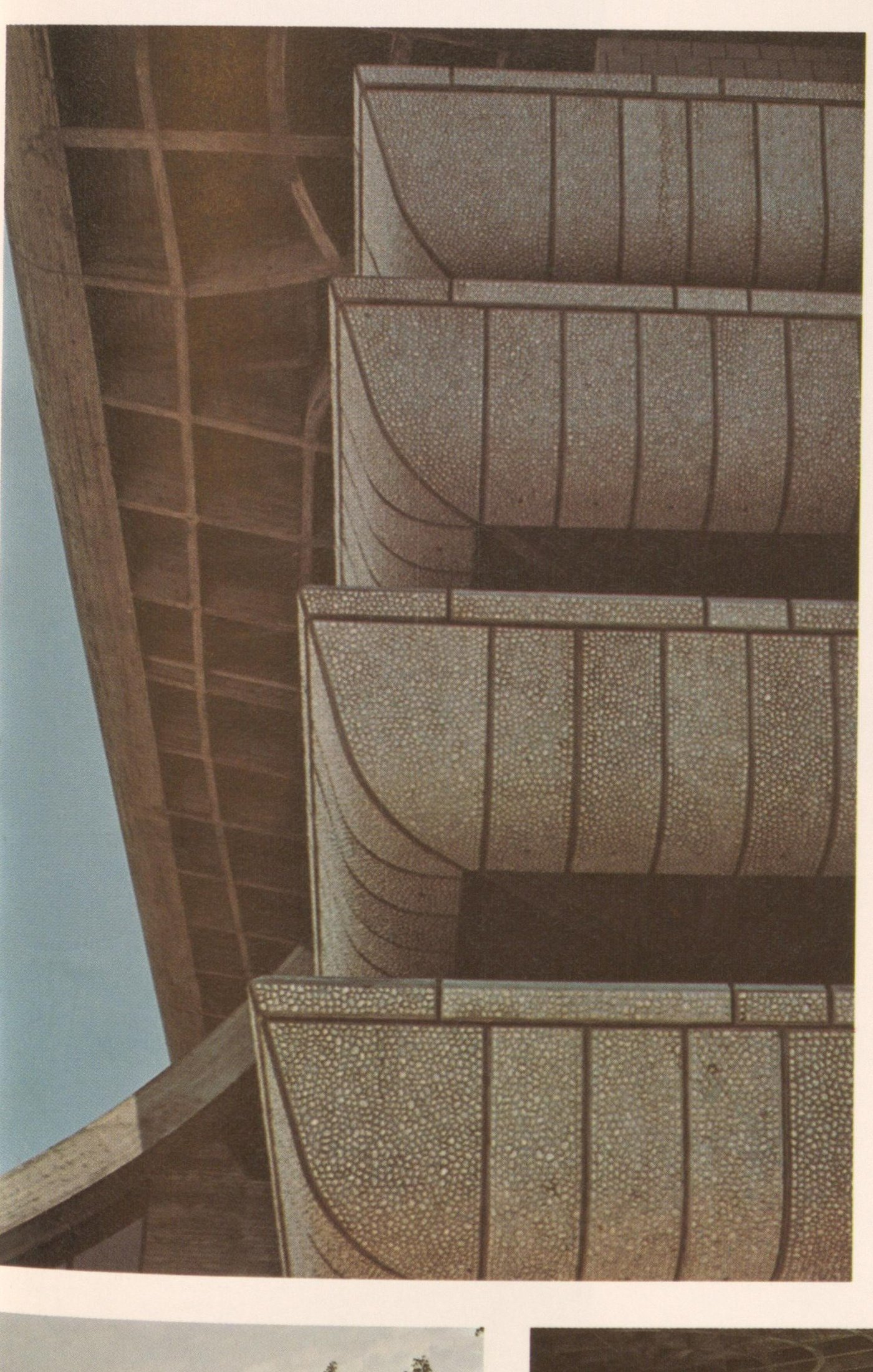
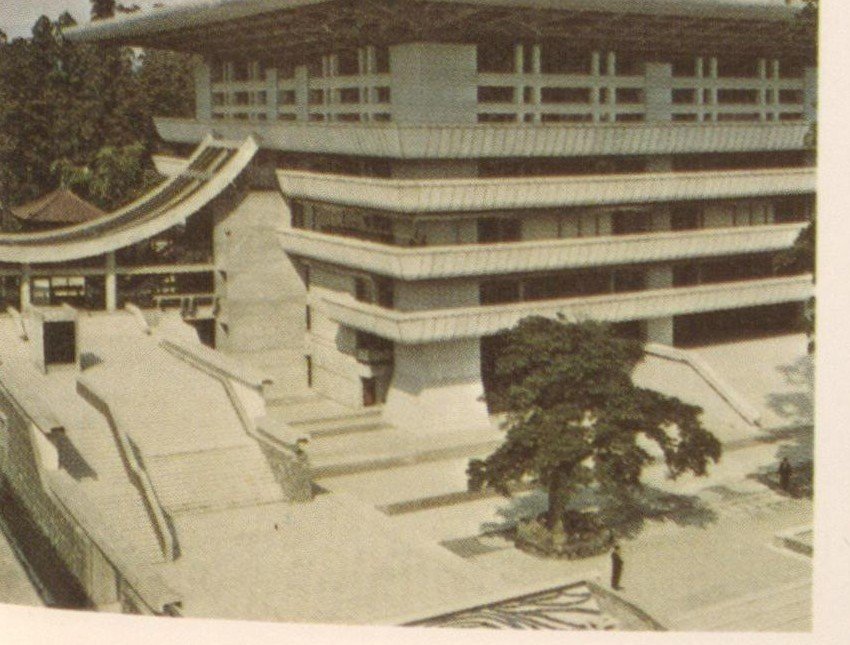
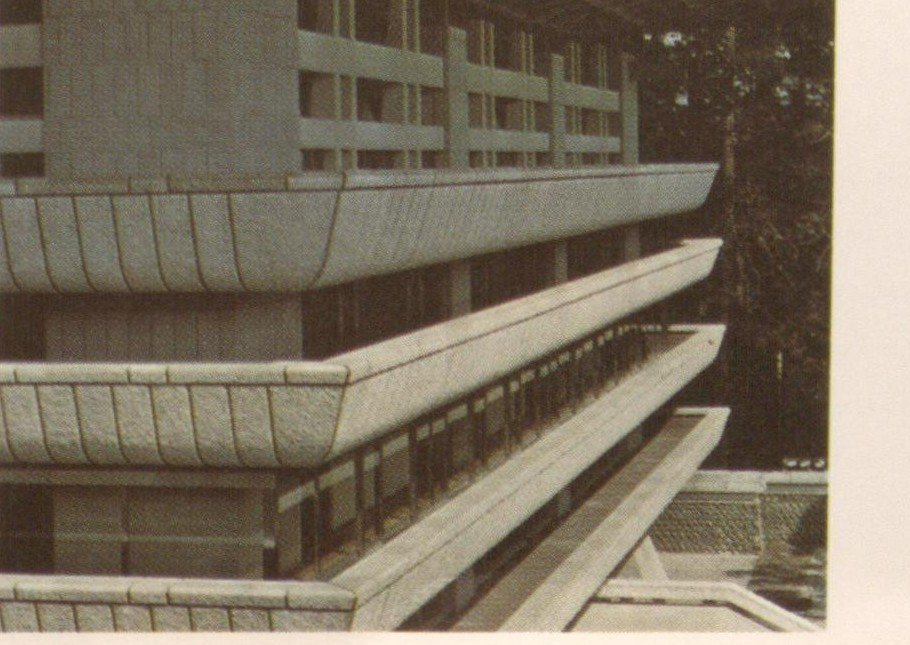
In April of 1964, seven chartered jets arrived at Haneda International Airport in Tokyo to kick off the 'Three Million Tozan' of that year. While in Daisekiji, the American pilgrims participated in the completion ceremony for the Grand Reception Hall. By the end of the year, a total of ten chartered flights had arrived from America.
A detail view of modern temple architecture, tiered concrete balconies.
A modern building exterior.Another modern building exterior.
August 1966
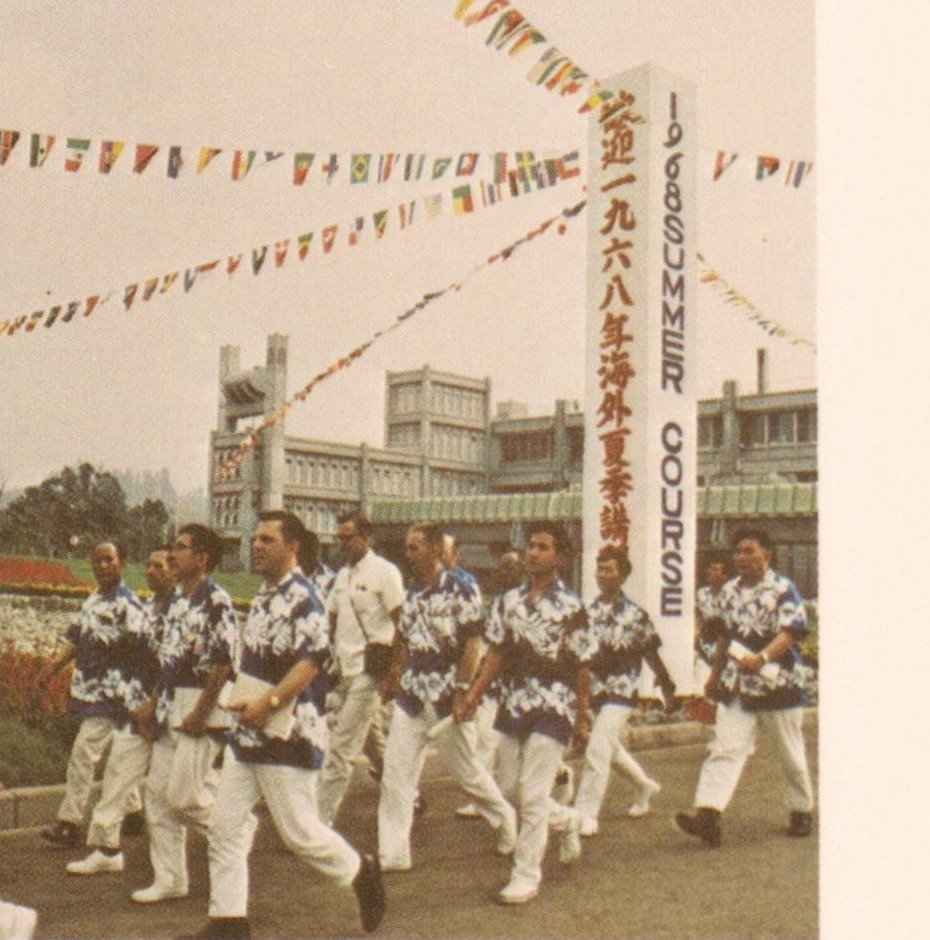
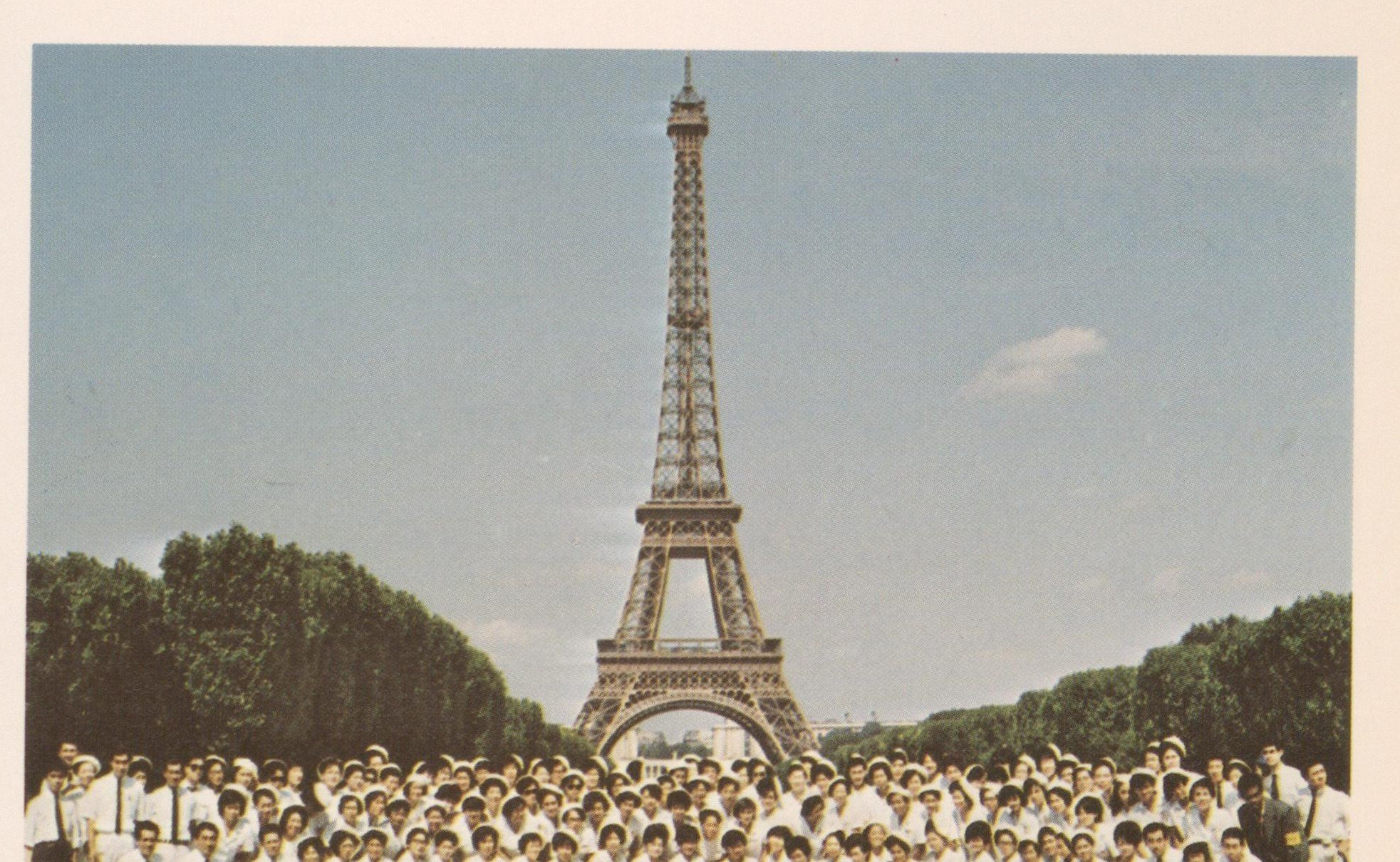
Four hundred thirty-three members of the America Headquarters arrived in Japan on three chartered jets in August of 1966. Under the leadership of America Headquarters Chief, M. Sadanaga, the pilgrims enjoyed a rigorous schedule to complete the annual Summer Course at the Head Temple Daisekiji. What made this pilgrimage unique was that it took a 'round the world' route with a stopover in Paris.
A large group of members in white uniforms posing before the Eiffel Tower in Paris.
A large crowd seated at an outdoor ceremony.

122–123


August 1967
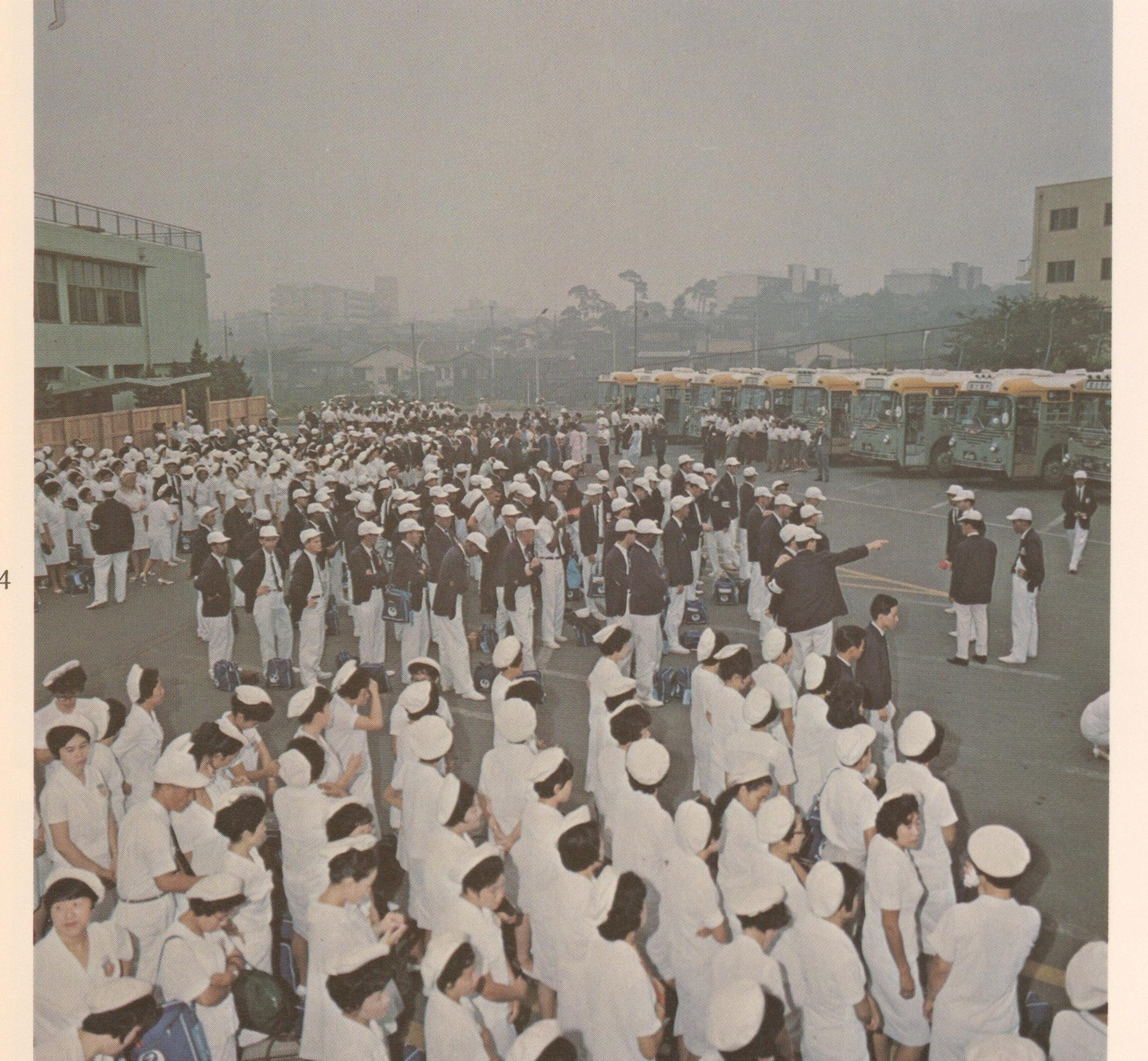
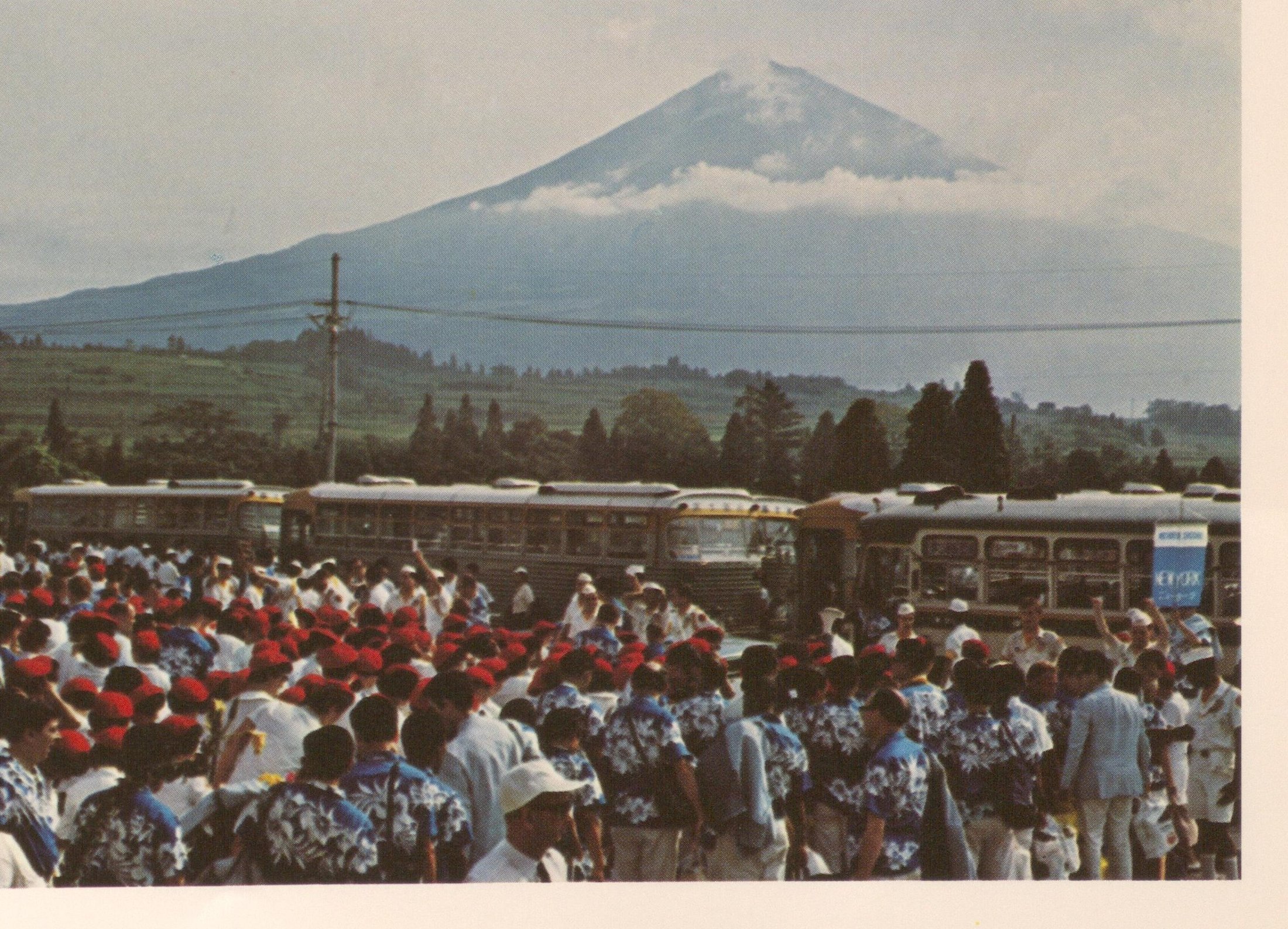
Nine chartered jets arrived in Japan with more than 1,200 NSA members eager to participate in the annual Summer Course at Head Temple Daisekiji. Pilgrims here anxiously await the signal to board buses in Tokyo for the train station and then onto the Mt. Fuji area.
A large crowd of members in white uniforms waiting near buses.
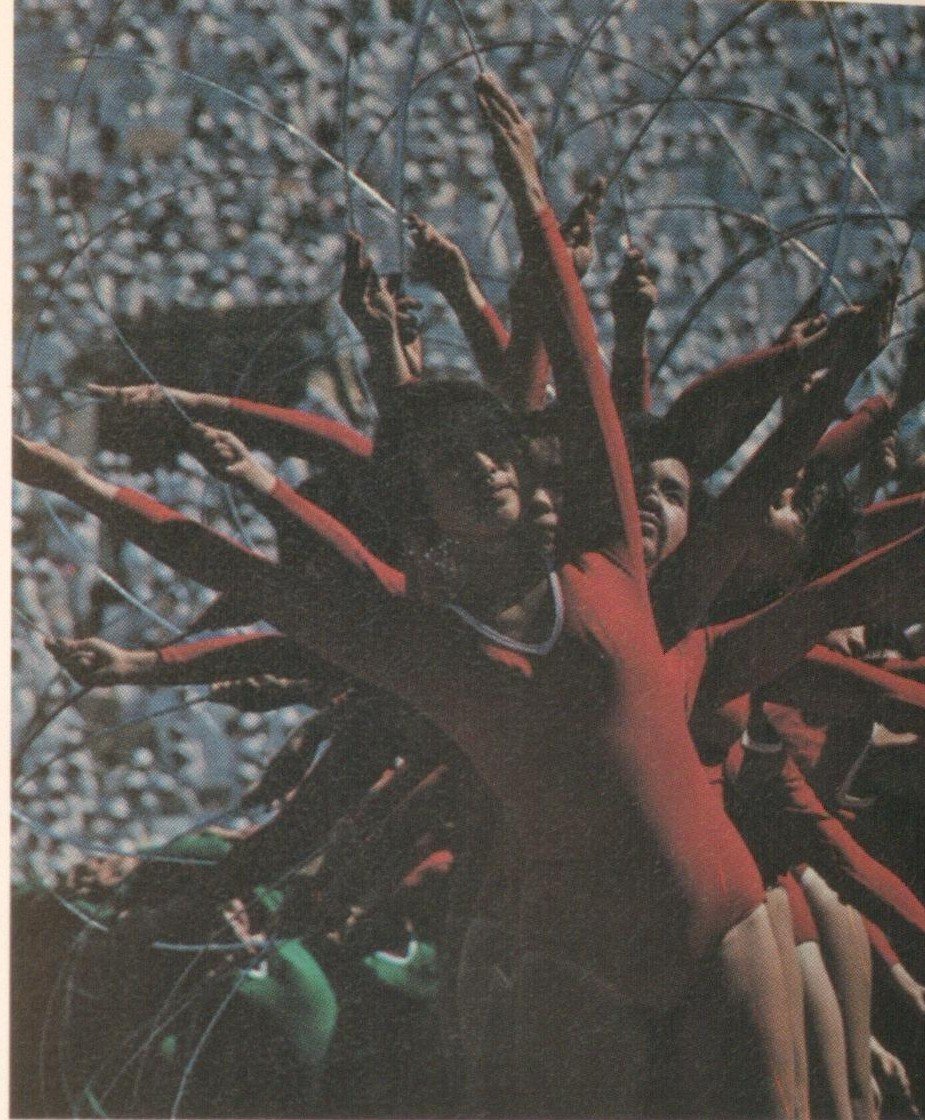
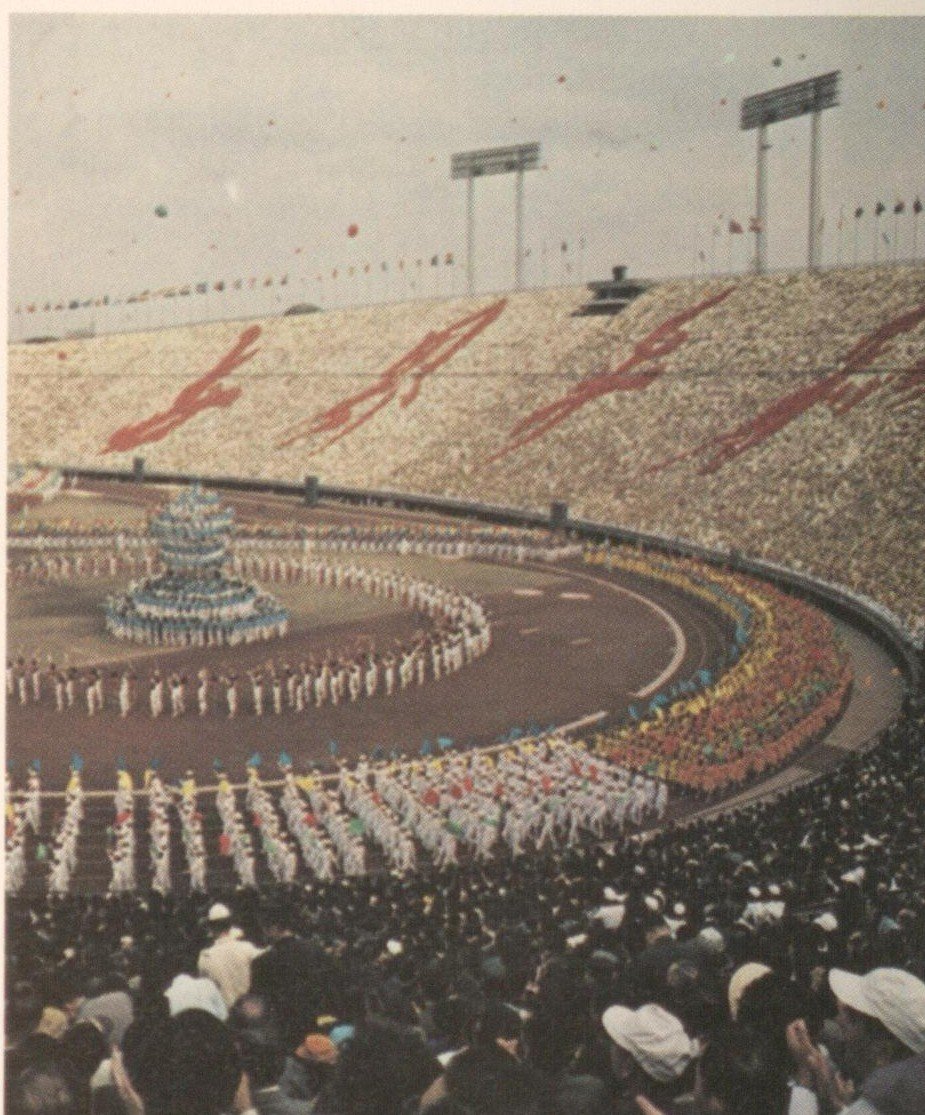
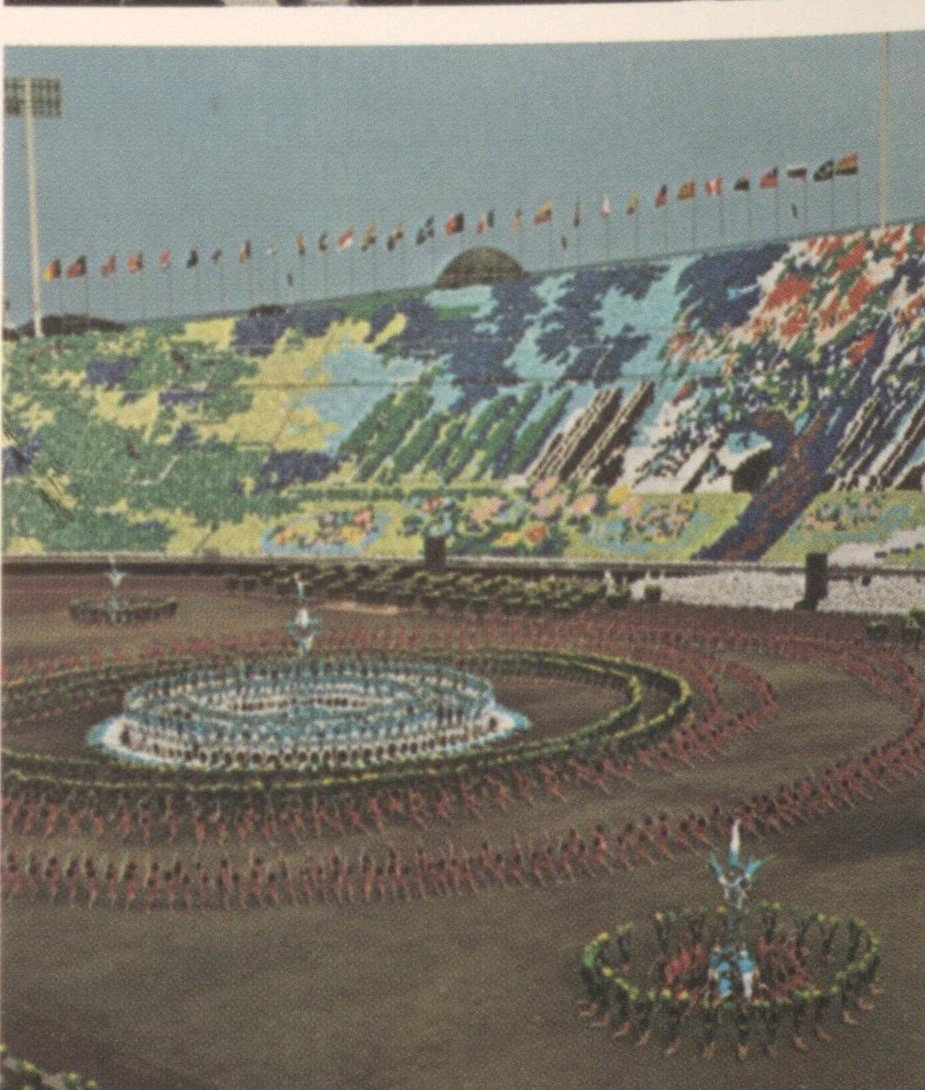
A dramatic red flower-shaped stage prop at a stadium.An aerial view of a stadium with performers forming patterns.A colorful stadium formation with a fountain.
October 1967
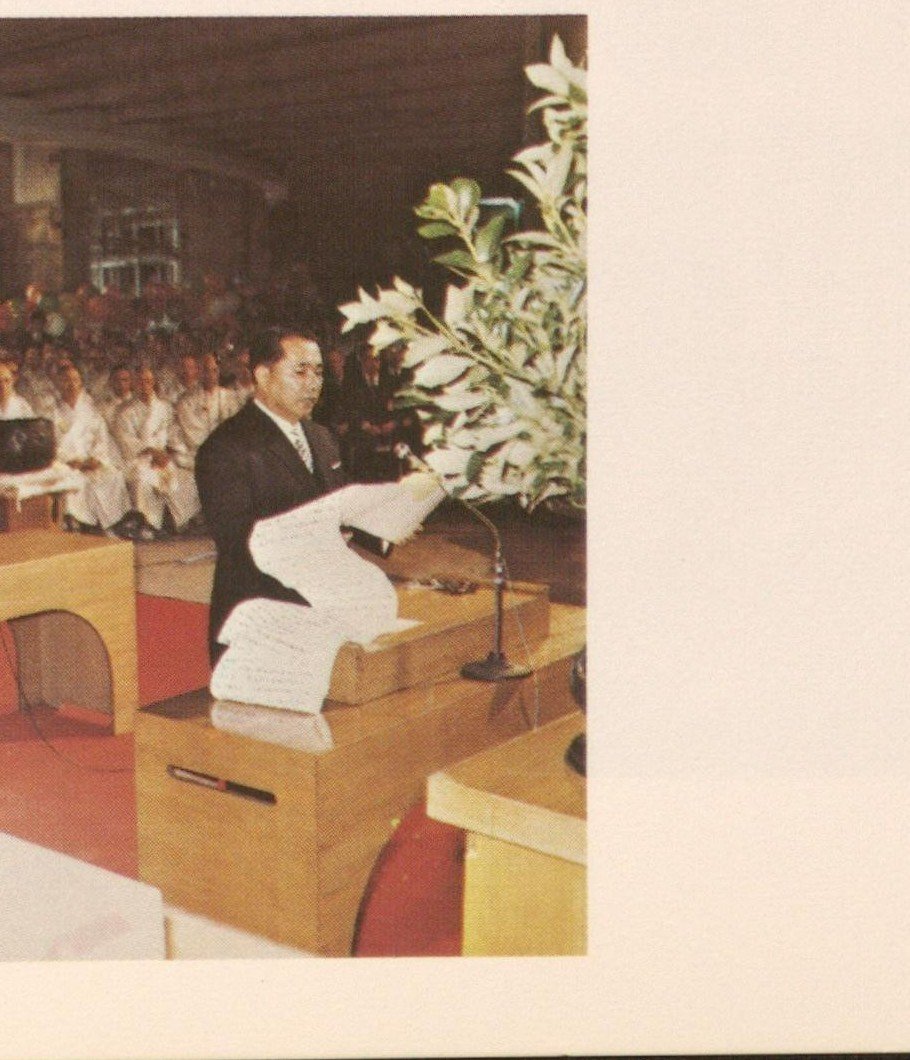
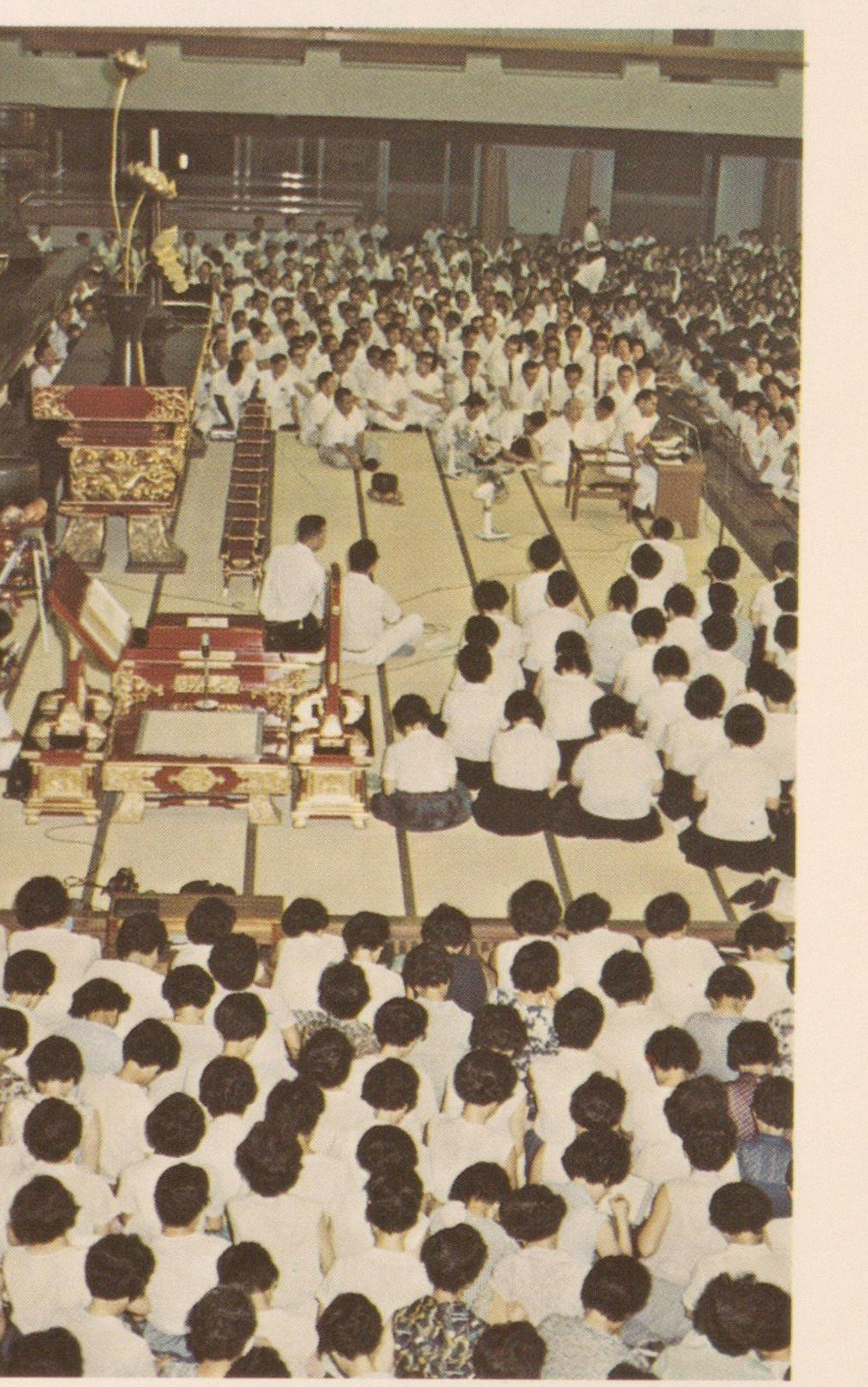
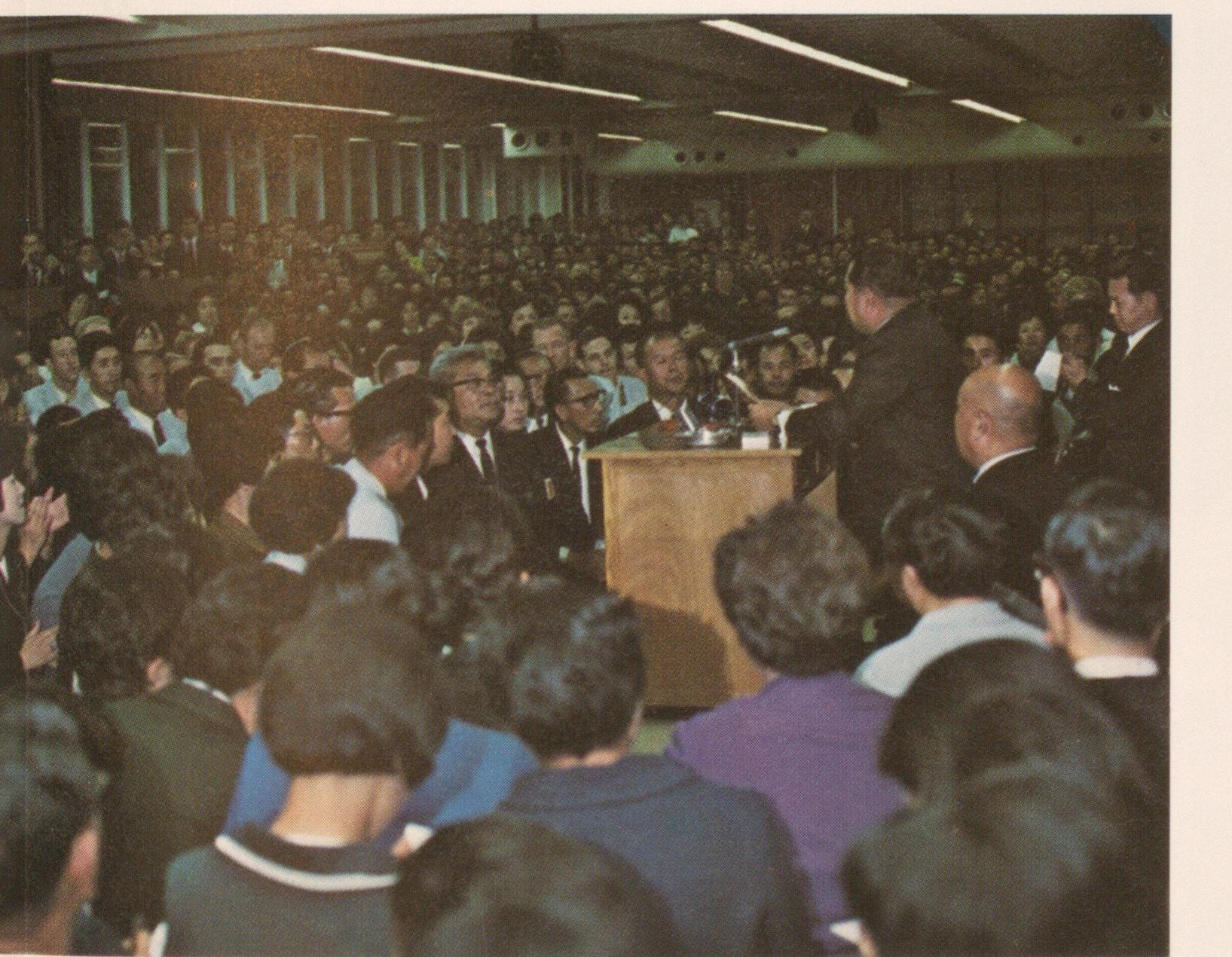
In early October, 226 American members arrived in Japan to participate in the Invocation Ceremony for the Sho-Hondo at Head Temple Daisekiji. This historic event was later celebrated by a colossal Culture Festival held in Tokyo's National Stadium. This dynamic and colorful display of humanism was viewed by 100,000 spectators who were awed by card stunts and mass dance numbers performed by 62,000 Japanese members.
A crowd gathered indoors before a speaker at a podium.
August 1968
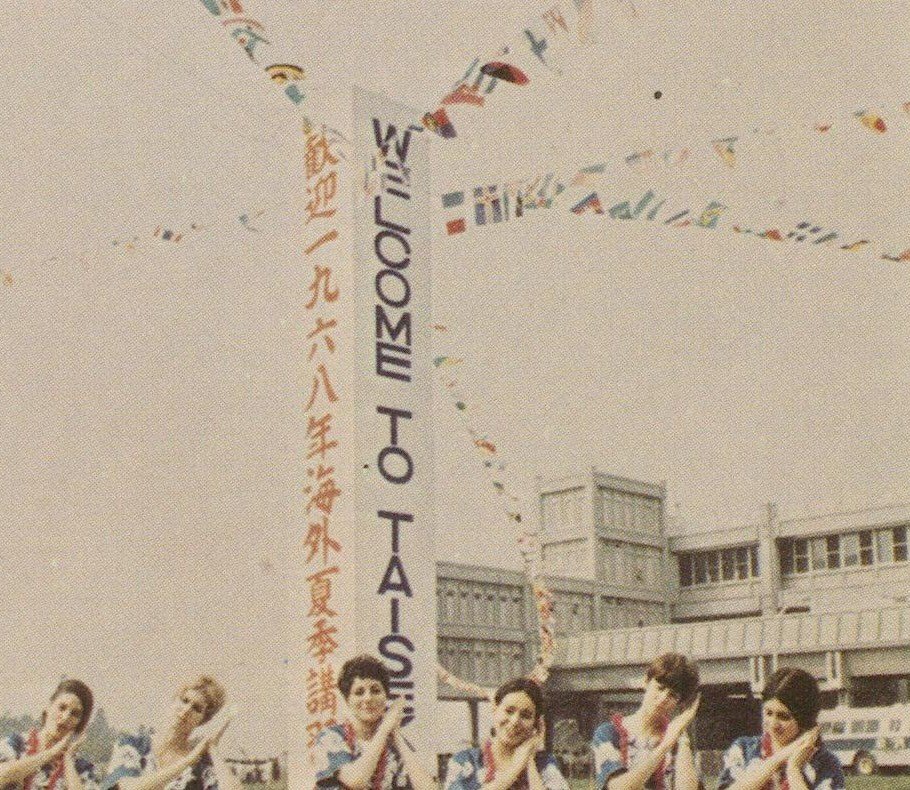
Dressed in colorful blue and white flowered Aloha shirts and muumuus, NSA members departed from the Head Temple following the annual Summer Course there. On the way home from the pilgrimage, they attended the Hawaii Convention in Honolulu.
A group of women in blue and white floral muumuus performing.
A crowd with buses in front of Mt. Fuji.

124–125


May 1970
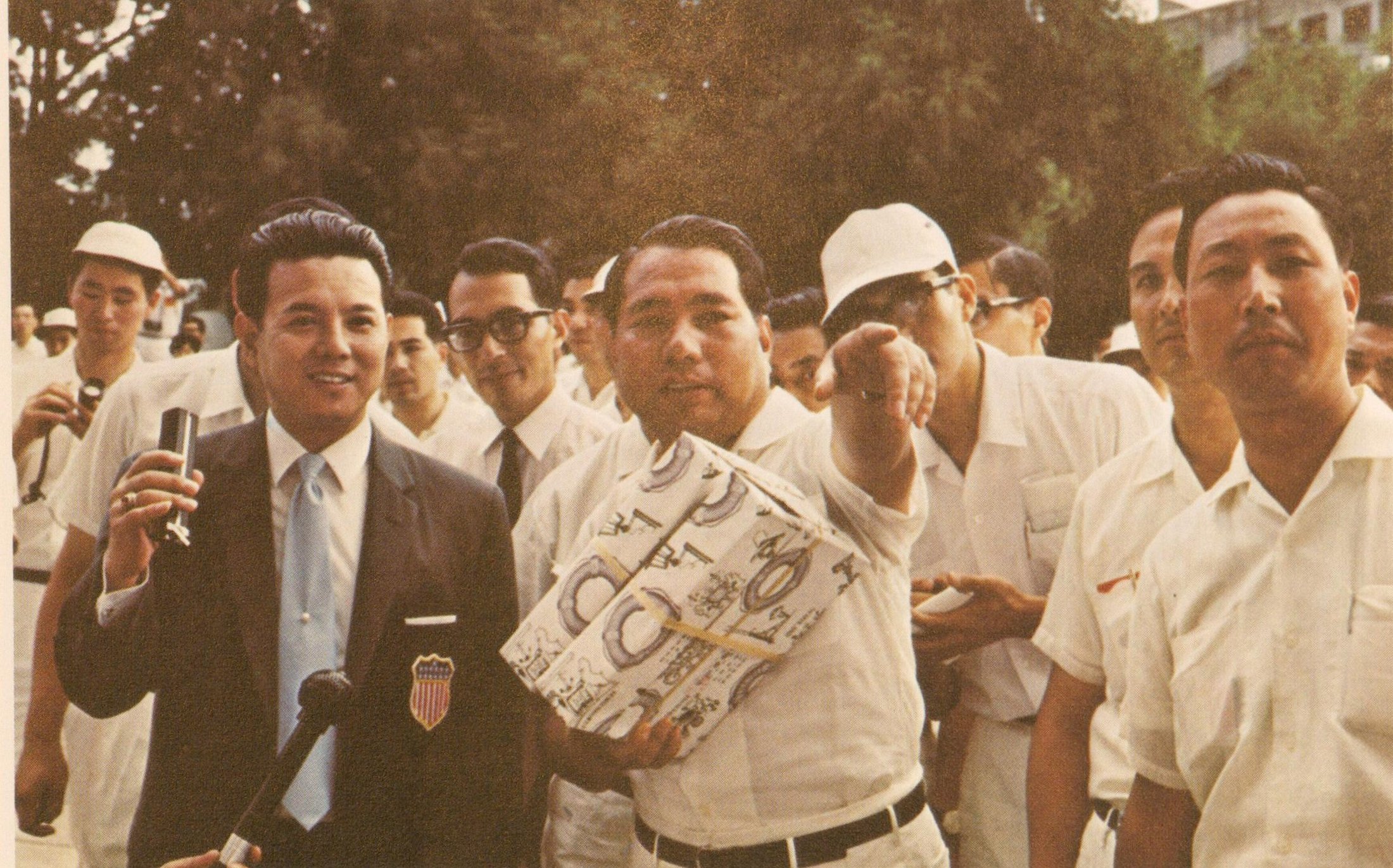
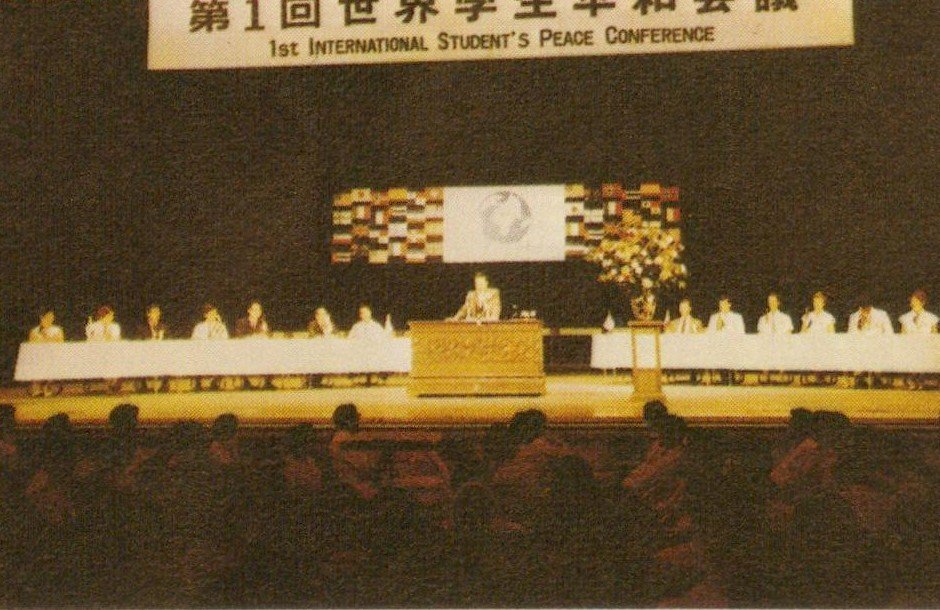
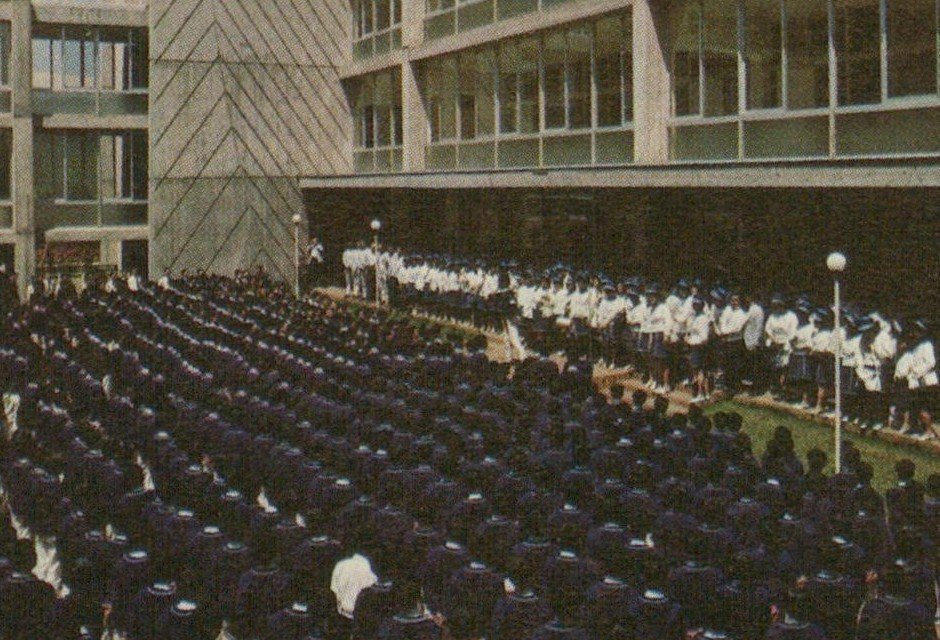
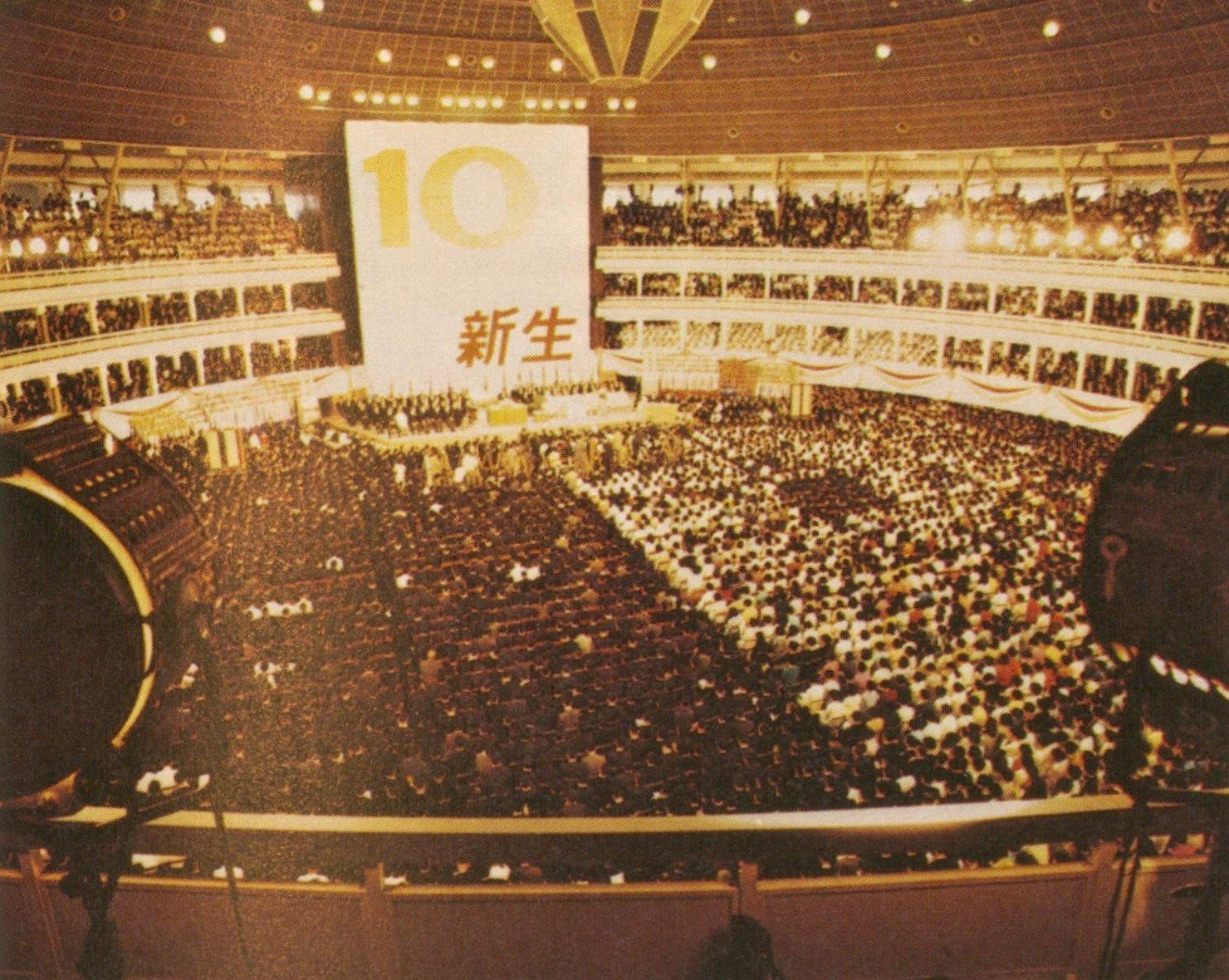
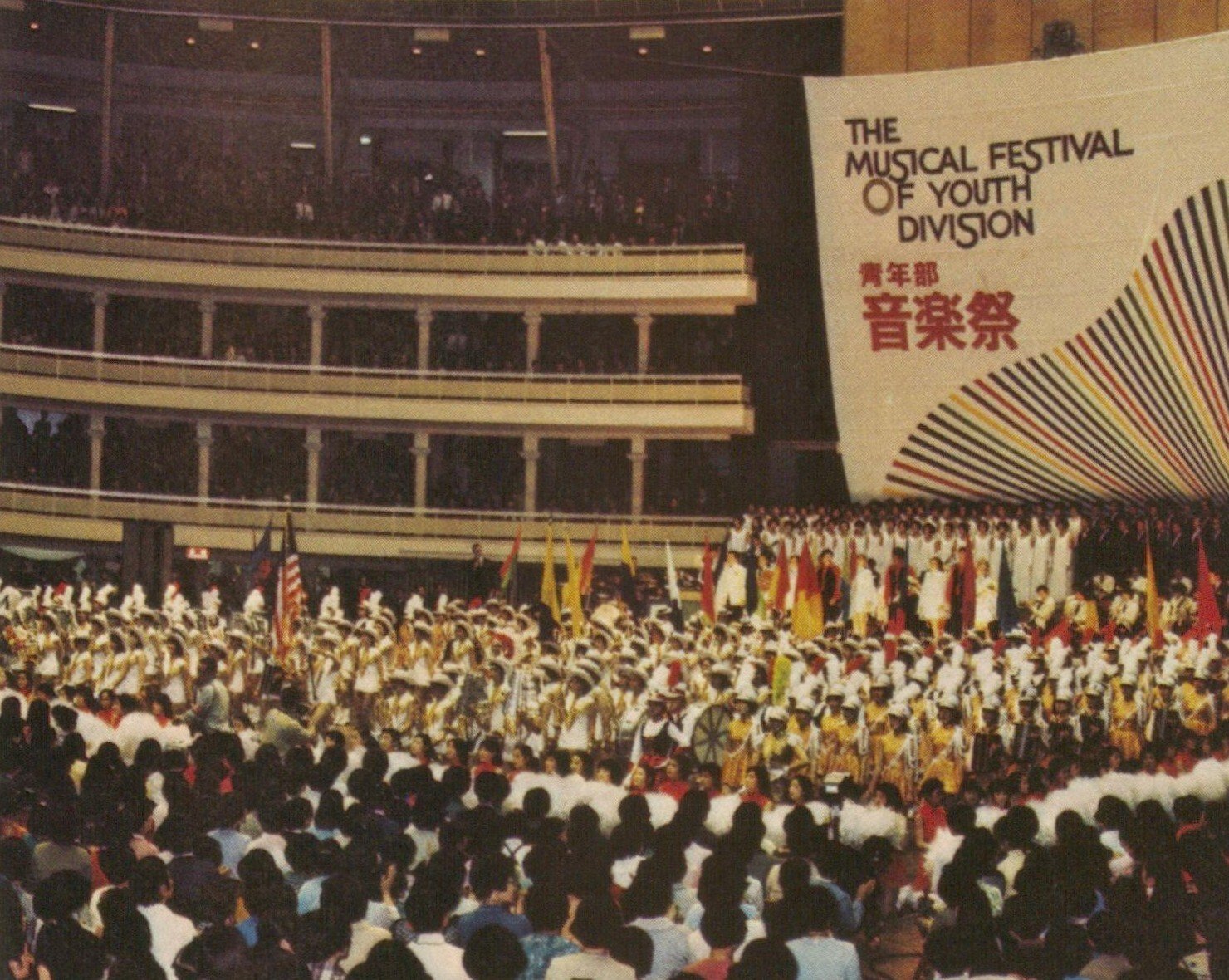
The tenth inaugural anniversary of President Ikeda came in the midst of the May Pilgrimage. NSA representatives heard a stirring one hour, forty-five minute speech by him outlining the future goals of this organization. After attending the 34th General Meeting in Tokyo, they were guests in Japanese homes, went to local discussion meetings and, of course, spent several exciting days at Daisekiji where they saw the Dai-Gohonzon and heard lectures by top senior leaders. While in Osaka, they toured Expo '70.
A group of men in white walking outdoors.An auditorium stage with a banner reading 1st International Student Peace Conference.Rows of seated attendees in an auditorium.
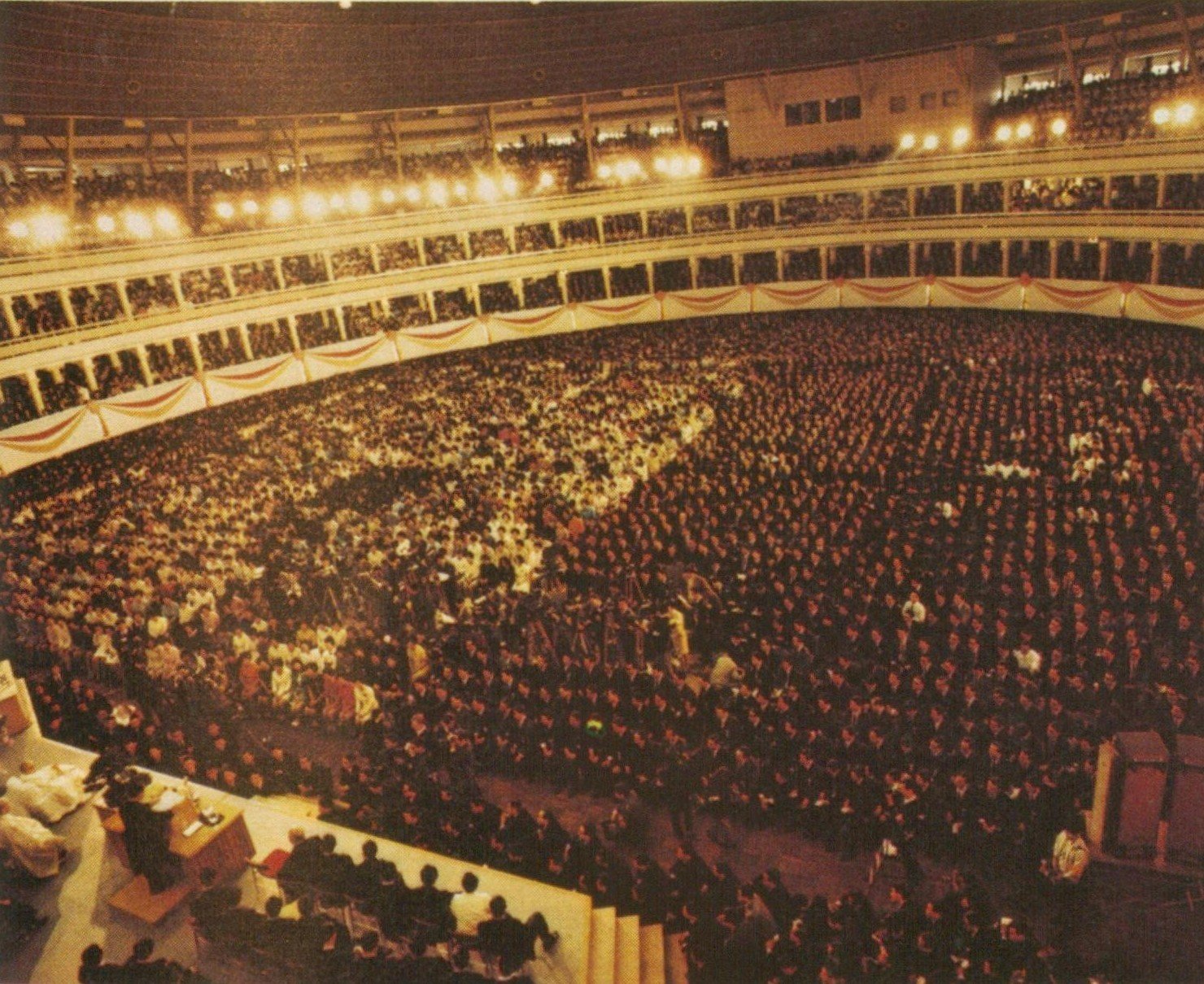
A packed stadium interior with a large 10th anniversary banner.An aerial view of a stadium filled with rows of seated members.
A modern exposition building complex.A stadium stage with a banner reading The Musical Festival of Youth Division.
October 1970
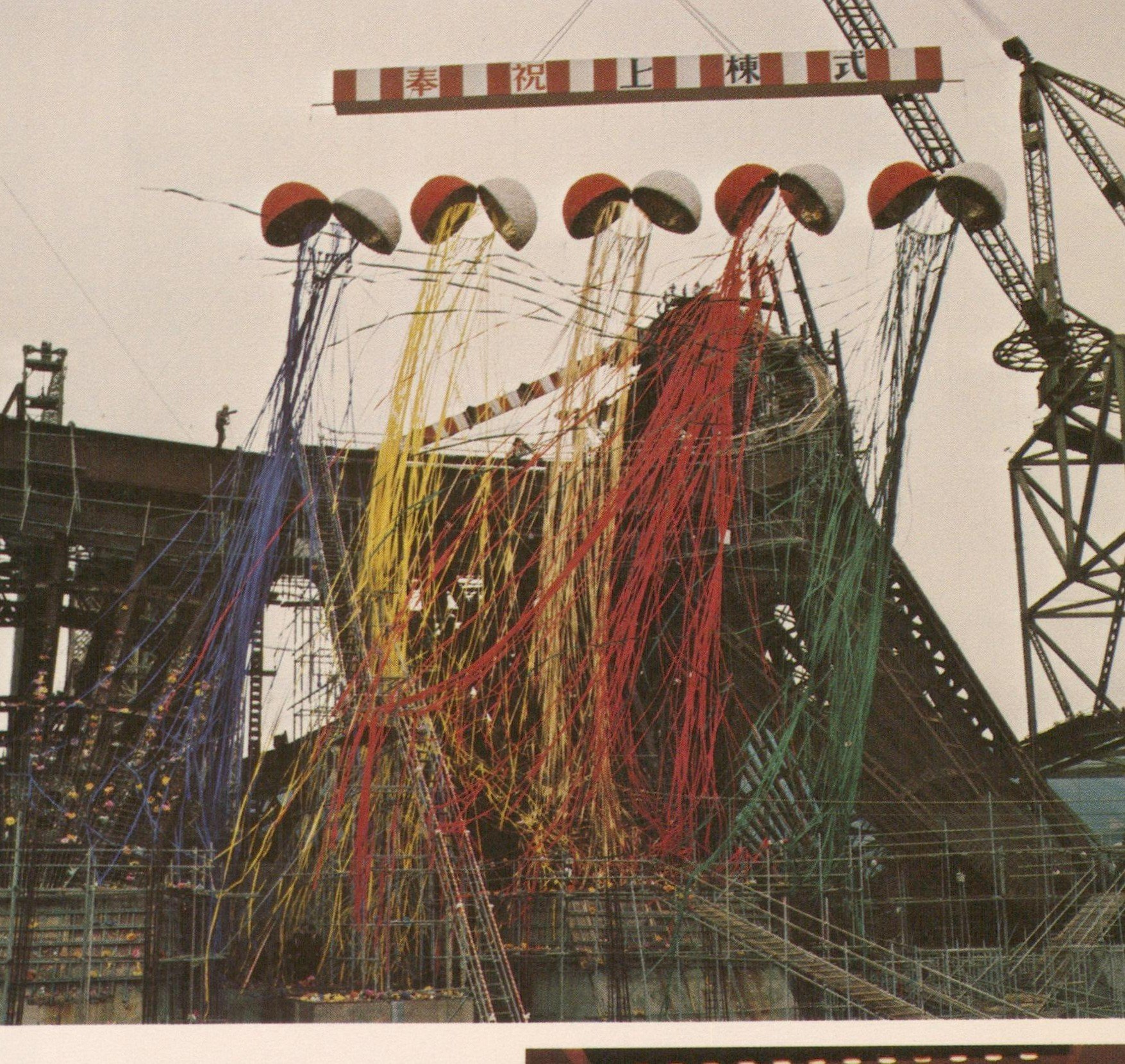
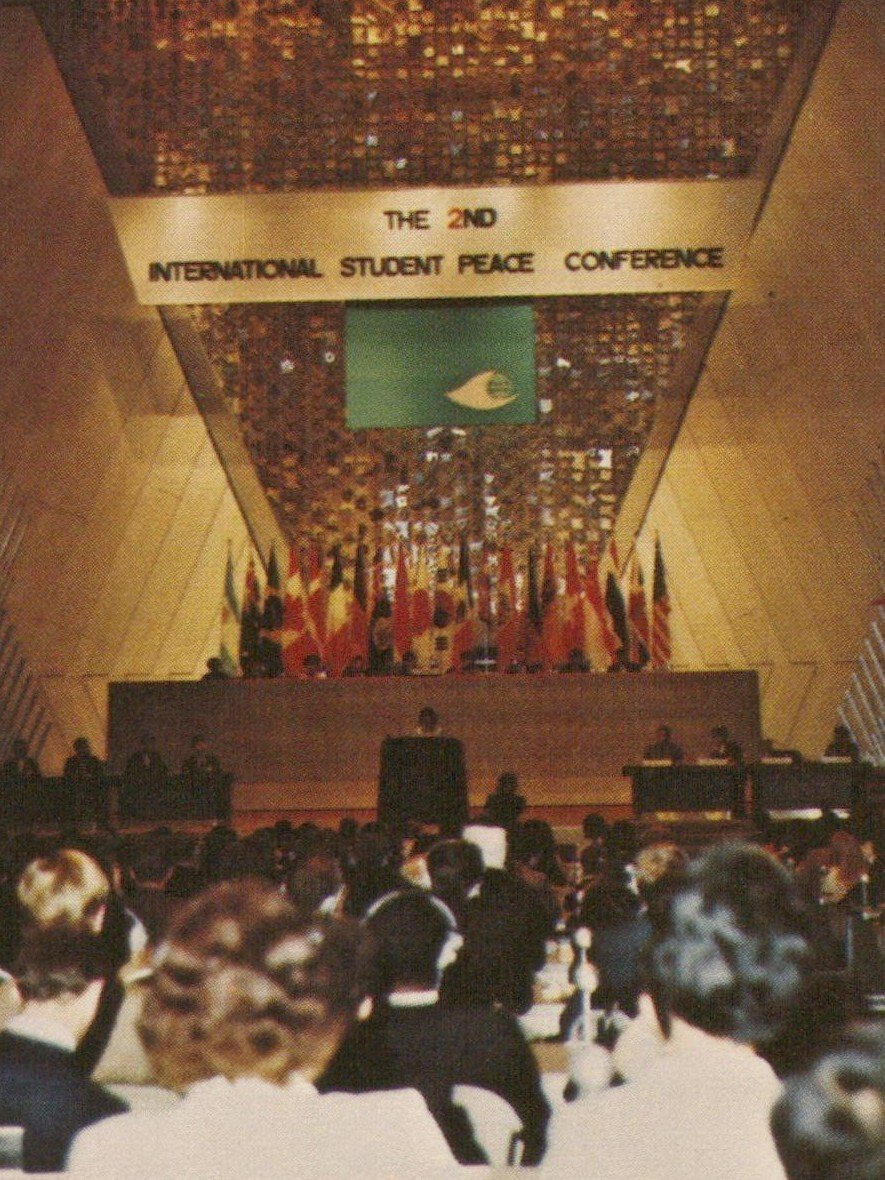
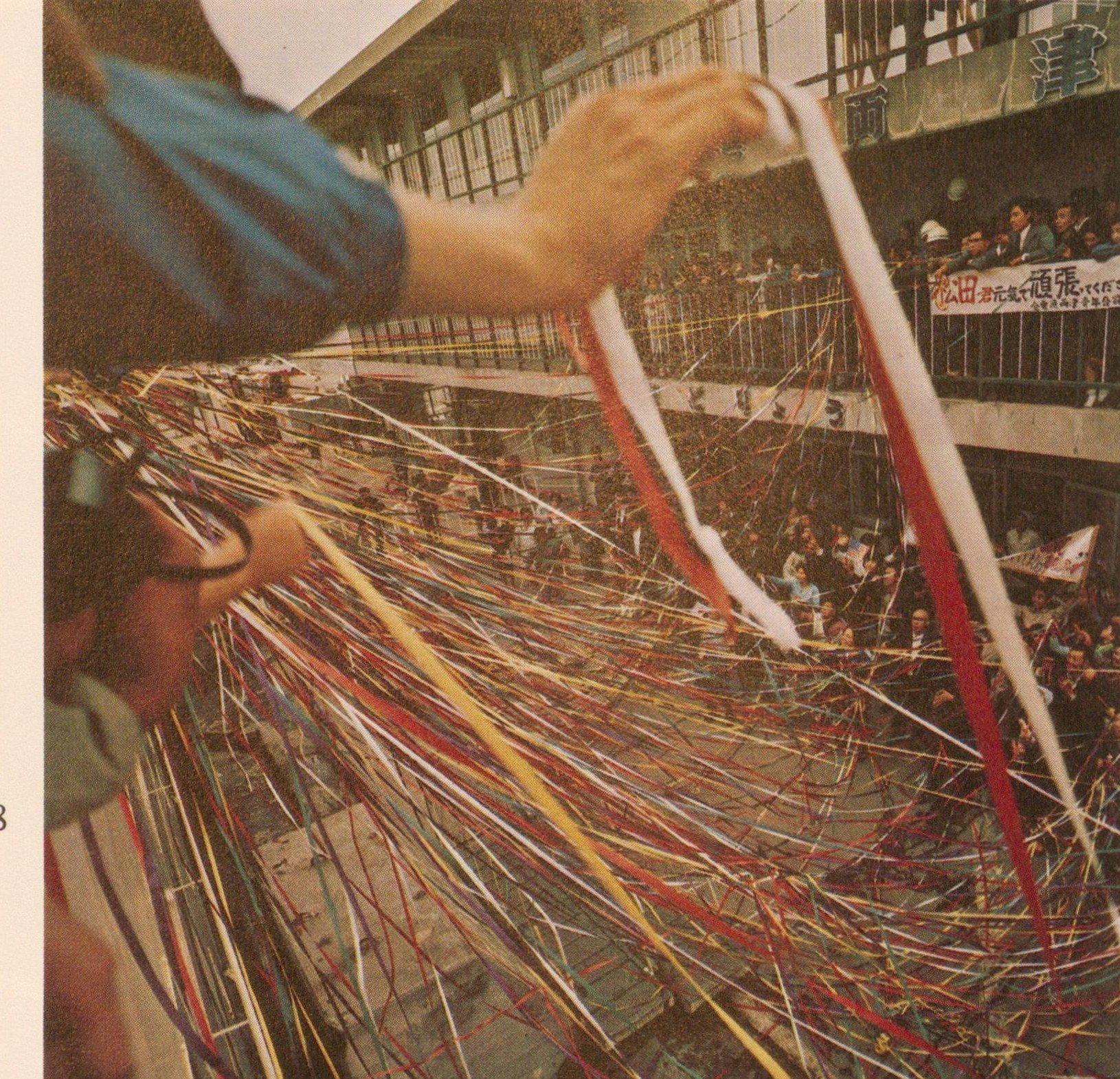
A Framework Completion Ceremony for the Sho-Hondo on October 12 brought the massive structure to within two years of final completion. The dramatic ceremony was witnessed by 485 Americans. Journeying south to the Kansai area, they were the guests of Japanese families and attended the 2nd International Student Peace Conference in Kyoto before going on to Daisekiji.
A construction site with colorful ropes hanging from a crane, part of the Sho-Hondo build.
A conference hall with a banner reading The 2nd International Student Peace Conference and rows of international flags on stage.

126–127


October 1971
This month coincided with the 700th anniversary of Nichiren Daishonin's exile to Sado Island. A group of 50 Americans retraced his footsteps and were enthusiastically received by members there. At the Head Temple they took part in the Exterior Completion Ceremony of the Sho-Hondo.
Close-up of hands holding colorful streamers.
The massive scaffolded Sho-Hondo building with balloons released into the air above it, and a huge crowd gathered below on a plaza decorated with red and white bunting.

128–129


Past Conventions

Through the years, conventions have become a part of the American way of life — large numbers of people getting together to share ideas, returning to their home towns with a broader horizon of what's going on in other parts of the nation.

But an NSA Convention is so much more than what the word 'convention' suggests. It is a real celebration of the joy of living a happy and purposeful life. As thousands of members gather, each with his own experience of benefits from the practice of True Buddhism, there is a natural build-up of energy far above the normal level for such a crowd. This vitality leaves anyone with a lasting impression of NSA's positive and warm character.

Since the first All-America General Meeting in 1963, NSA Conventions have expanded to include far more than a simple meeting. In 1966, the general meeting was followed by a variety show; in 1967, a parade led into the meeting and a show followed it. These individual elements came together in the Hawaii Convention to create a huge mass movement which the entire community could see. For the past two years, the conventions have come to include a Student Congress, a massive Art Exhibition, Culture Festival and a parade.

Naturally, these large scale assemblies are a great encouragement for all of the members as well.

In each city, officials are astounded at the total impact of an NSA Convention. One supervisor at the Seattle Center exclaimed, "They're doing a show in the Opera House, a show in the Exhibition Hall, a show in the Coliseum … it's amazing! And they're doing it bigger and better than anyone else!"

130
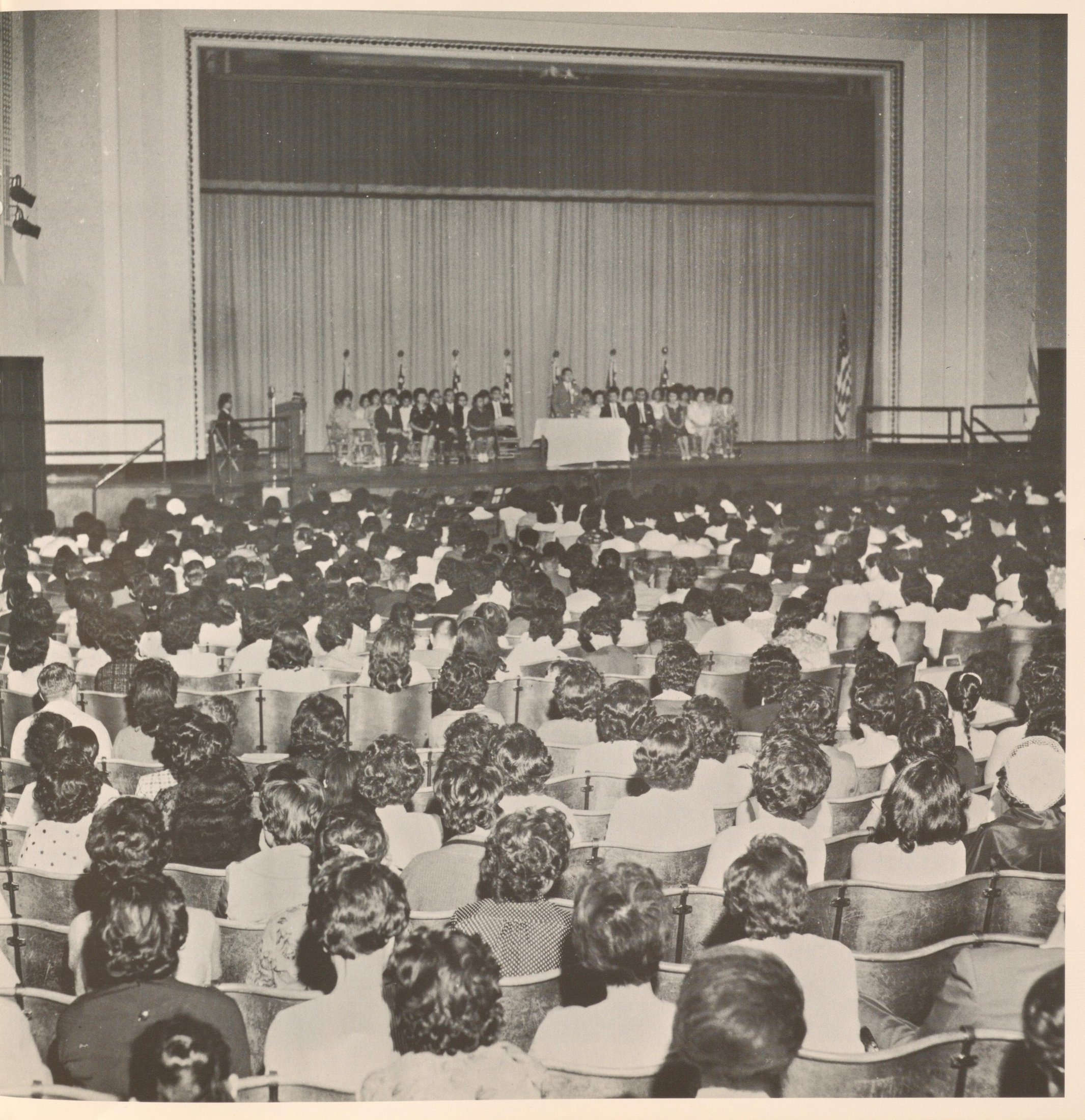
Chicago 1963
The first All-America General Meeting was held in Chicago at the Lane Technical High School on August 25th. A mere one thousand members met with senior leaders from Japan and the United States. At that time, Europe and all of the Americas were organized into one headquarters.
A black and white photo of a packed auditorium audience facing a stage with speakers, seen from behind the crowd.

130–131


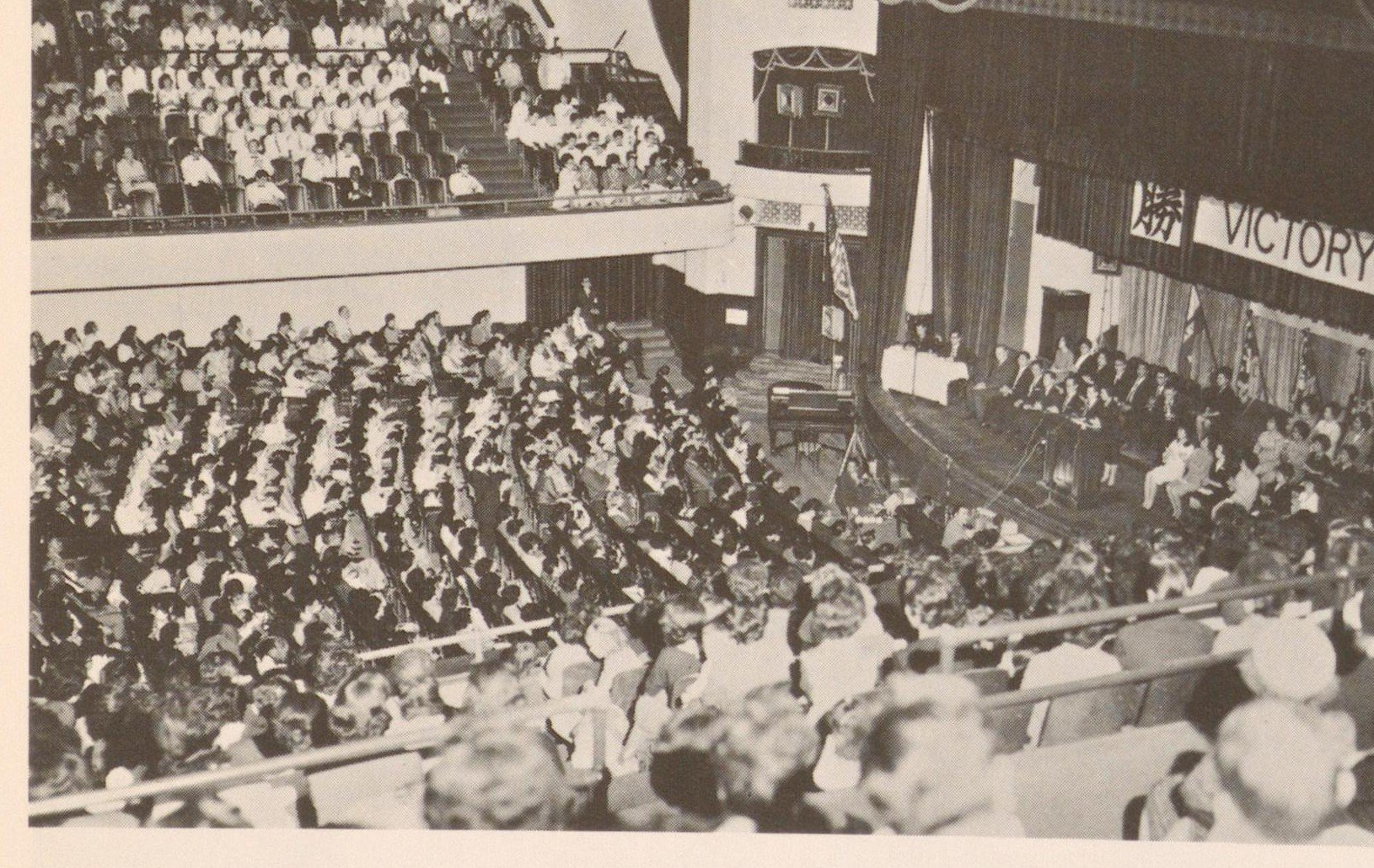
Los Angeles 1965
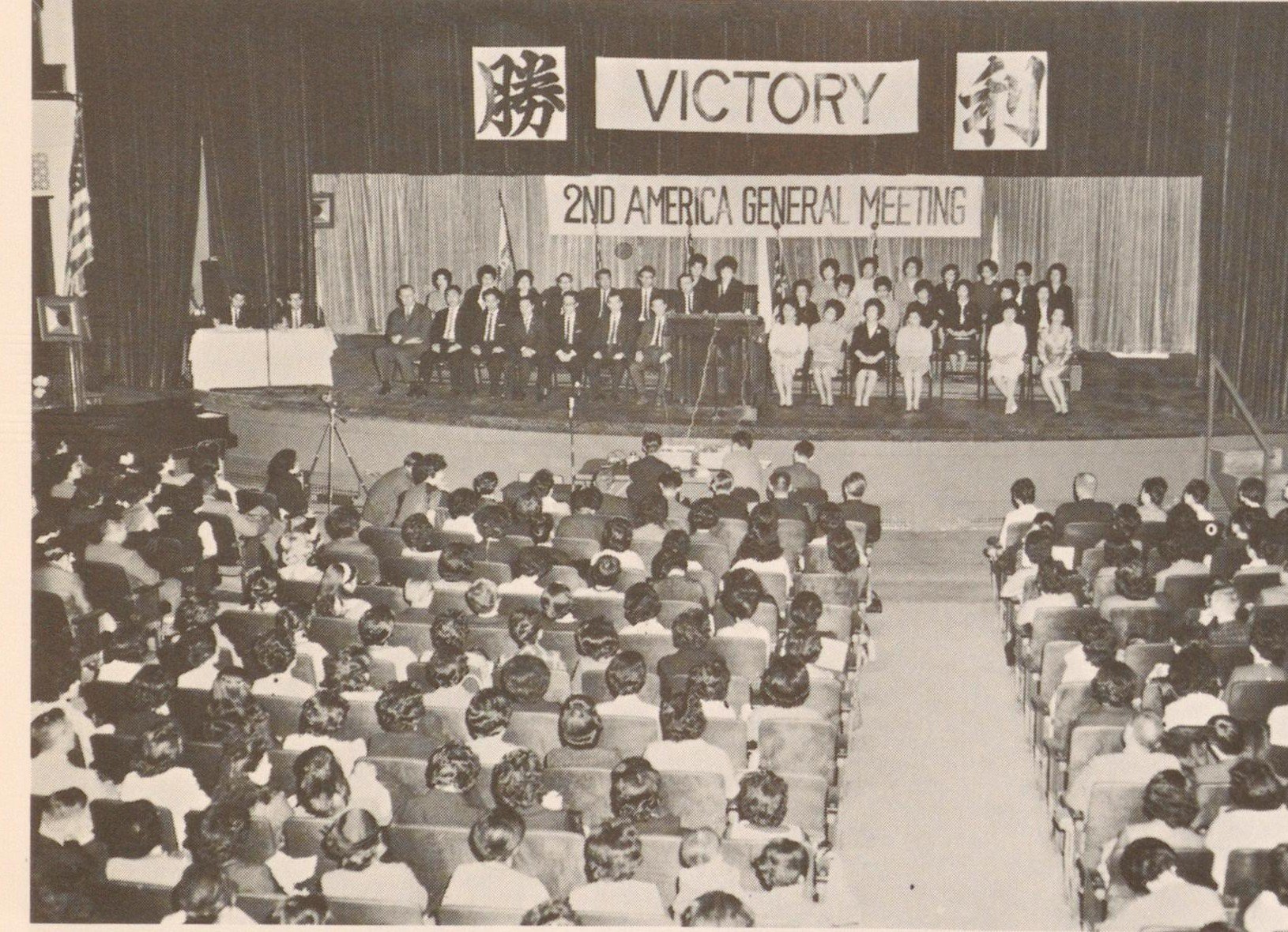
The number of attendants doubled by the following year. Two thousand people met at the Embassy Auditorium in Los Angeles for the Second All-America General Meeting. A small brass band and fife and drum corps made their debut.
A black and white photo of an audience with a Victory 2nd America General Meeting banner on stage.A black and white photo of a choir performing on stage before the audience.
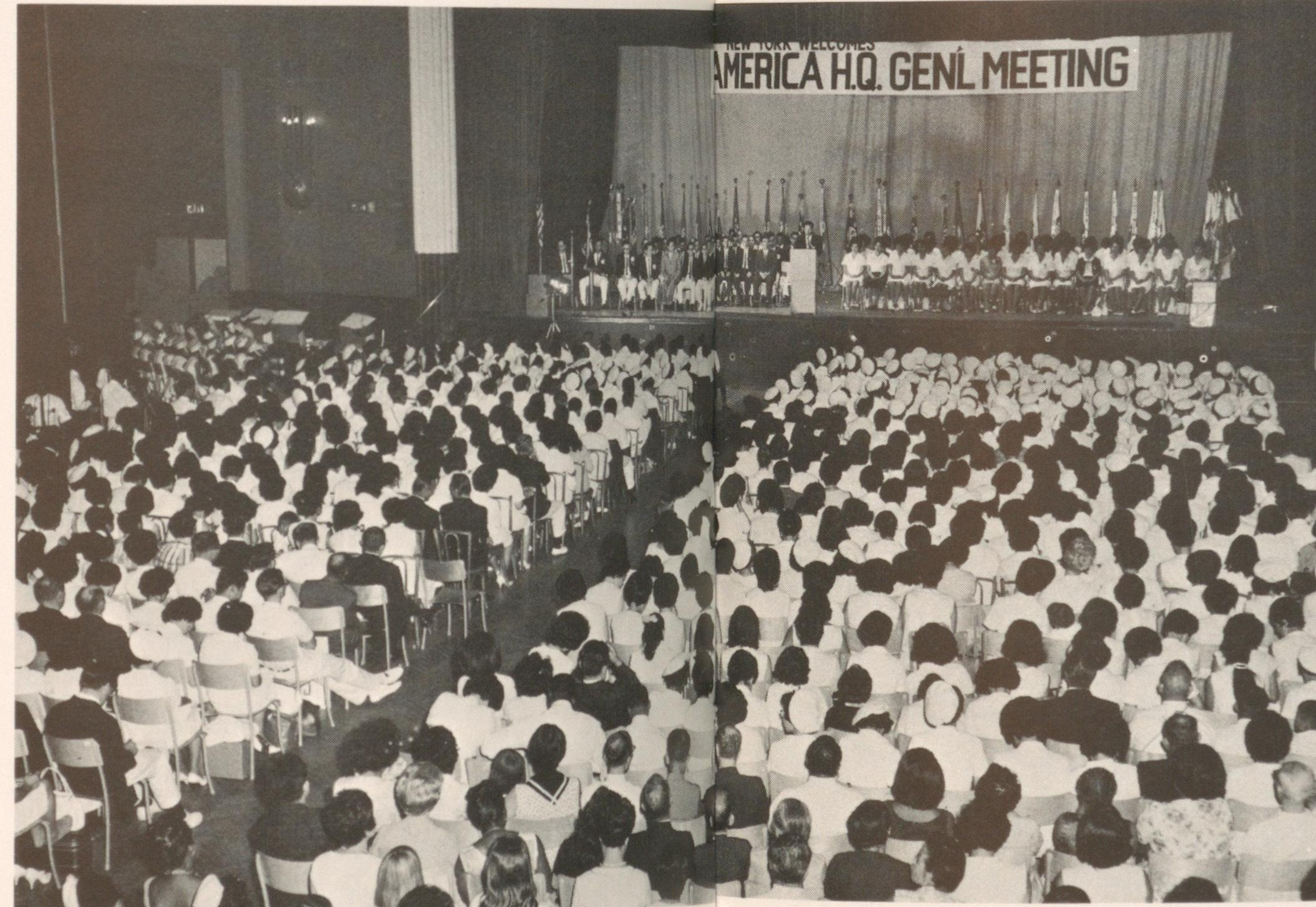
New York 1966
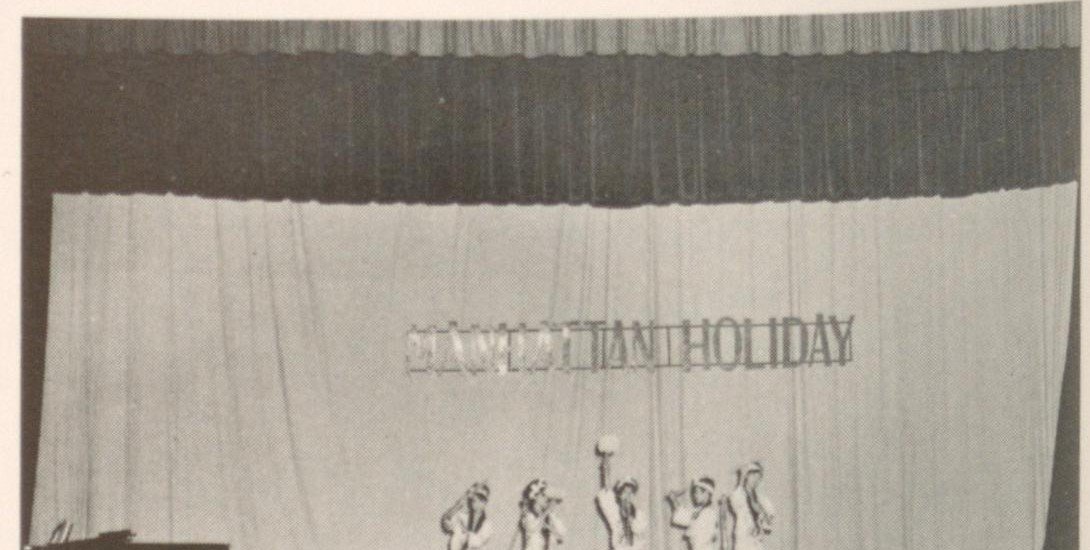
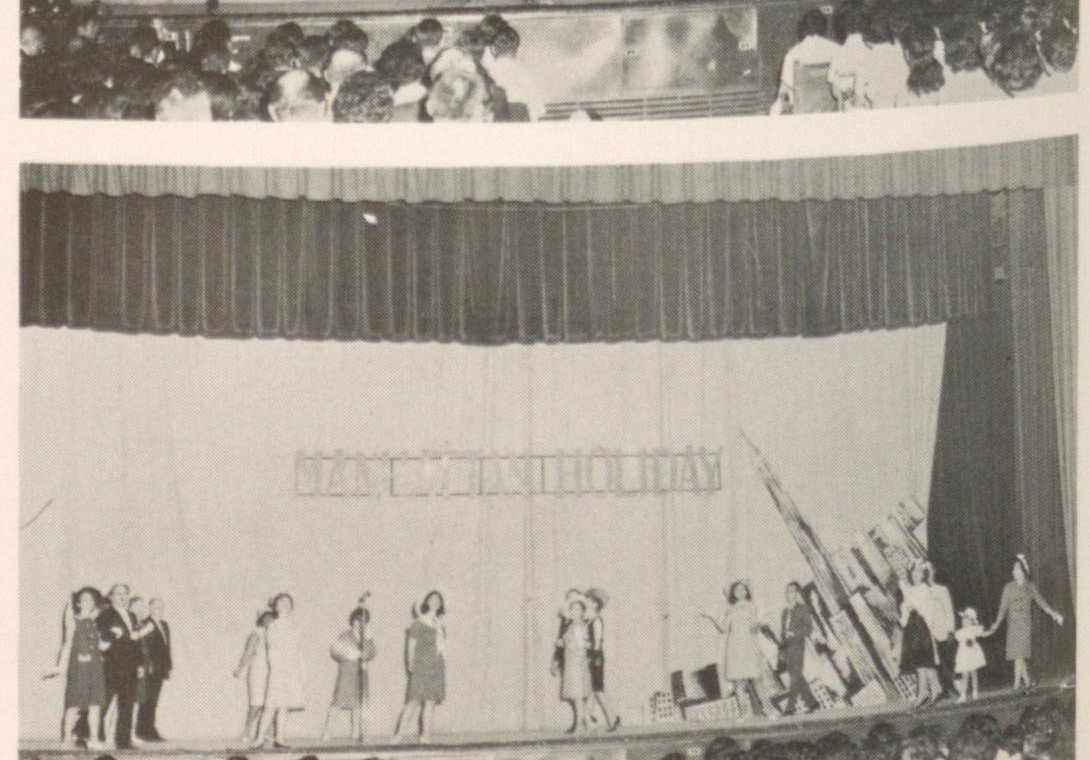
The Third All-America General Meeting topped off the Around the World Tozan for 289 members. Others came from throughout the continent, as well as 82 members from South America, with a total attendance of 4,000. For the first time, a variety show called Manhattan Holiday, was added to the general meeting.
A black and white photo of a large auditorium audience with a banner reading America HQ Genl Meeting.
A stage performance with a Manhattan Holiday banner.Another stage performance scene.
San Francisco 1967
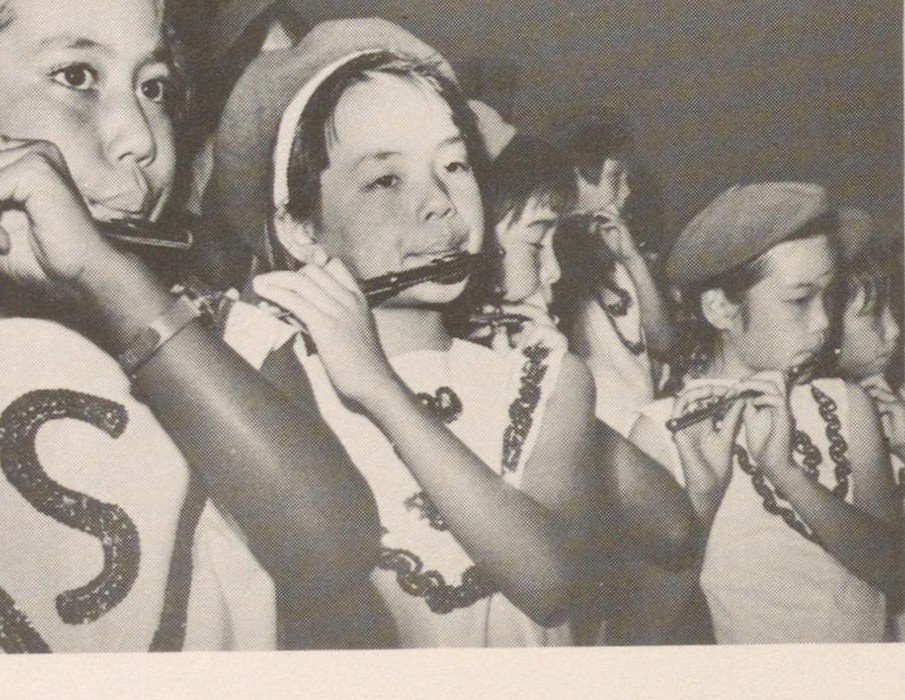
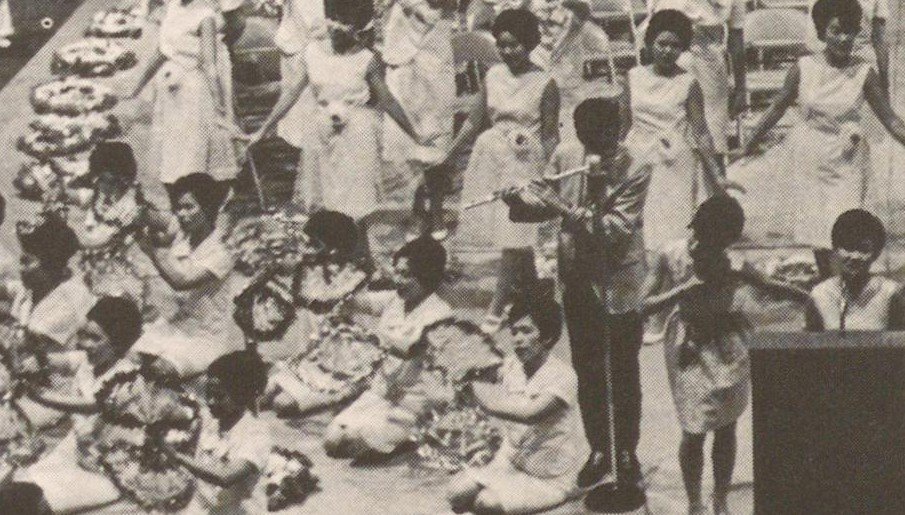
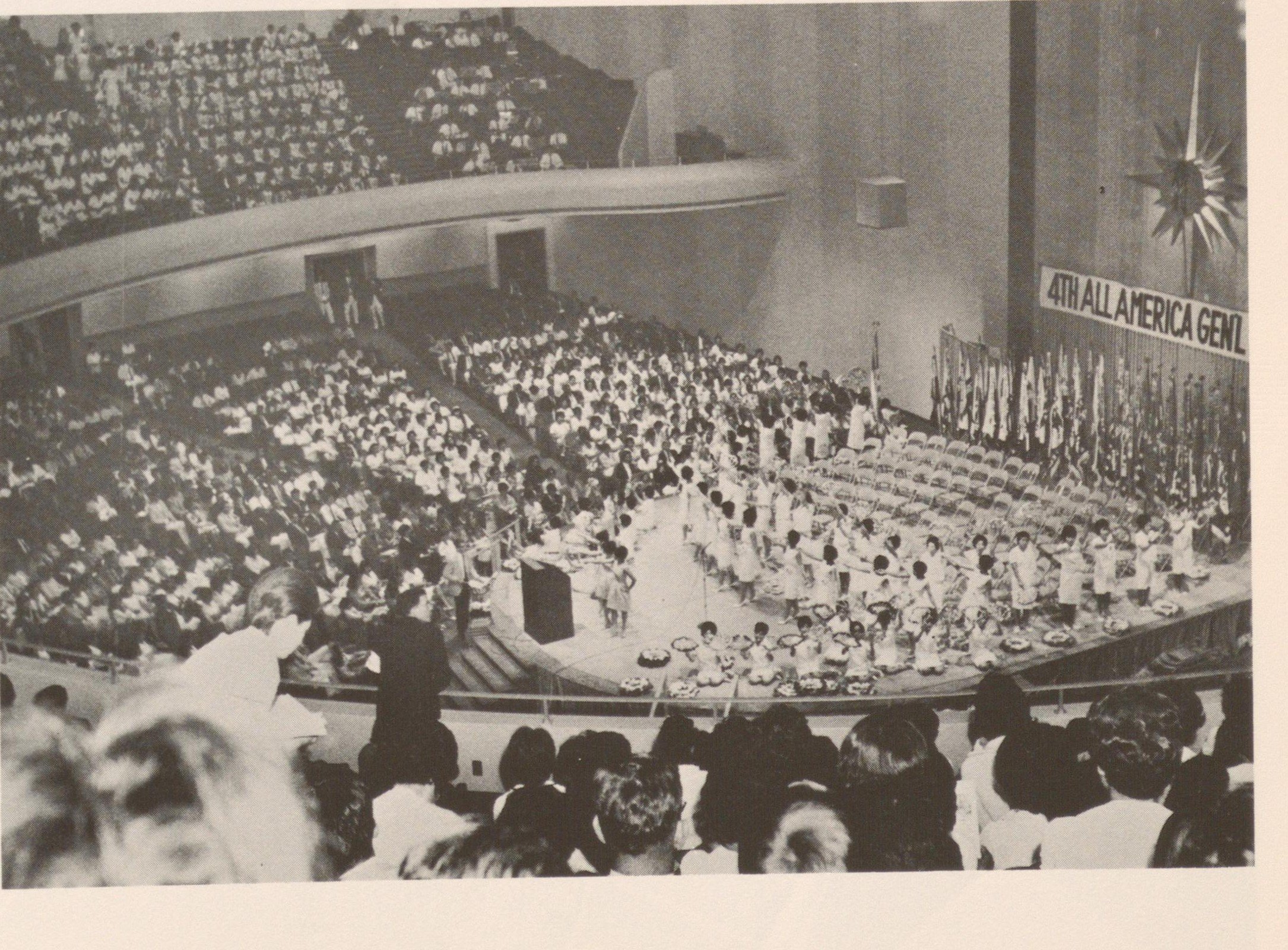
On August 17th, a parade initiated the Fourth All-America General Meeting. Four thousand members met at the Masonic Auditorium in San Francisco. By that time, America Hdqrs. had become a Joint Hdqrs. and several community centers had opened throughout the nation.
Two children in parade costume.Another close-up of children in parade costume.
A black and white photo of a packed auditorium with a 4th All America Genl banner on stage.

132–133


Hawaii 1968
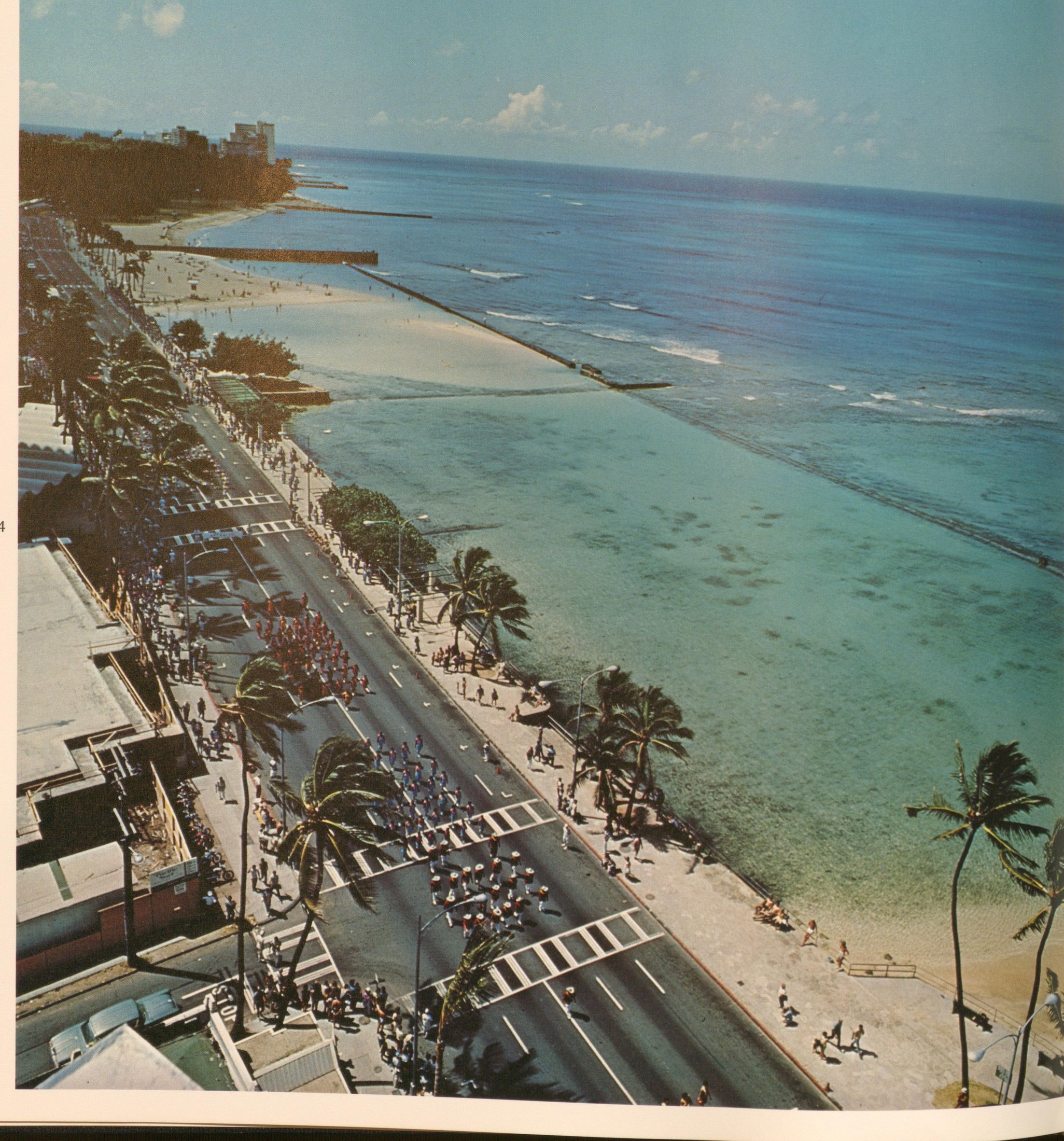
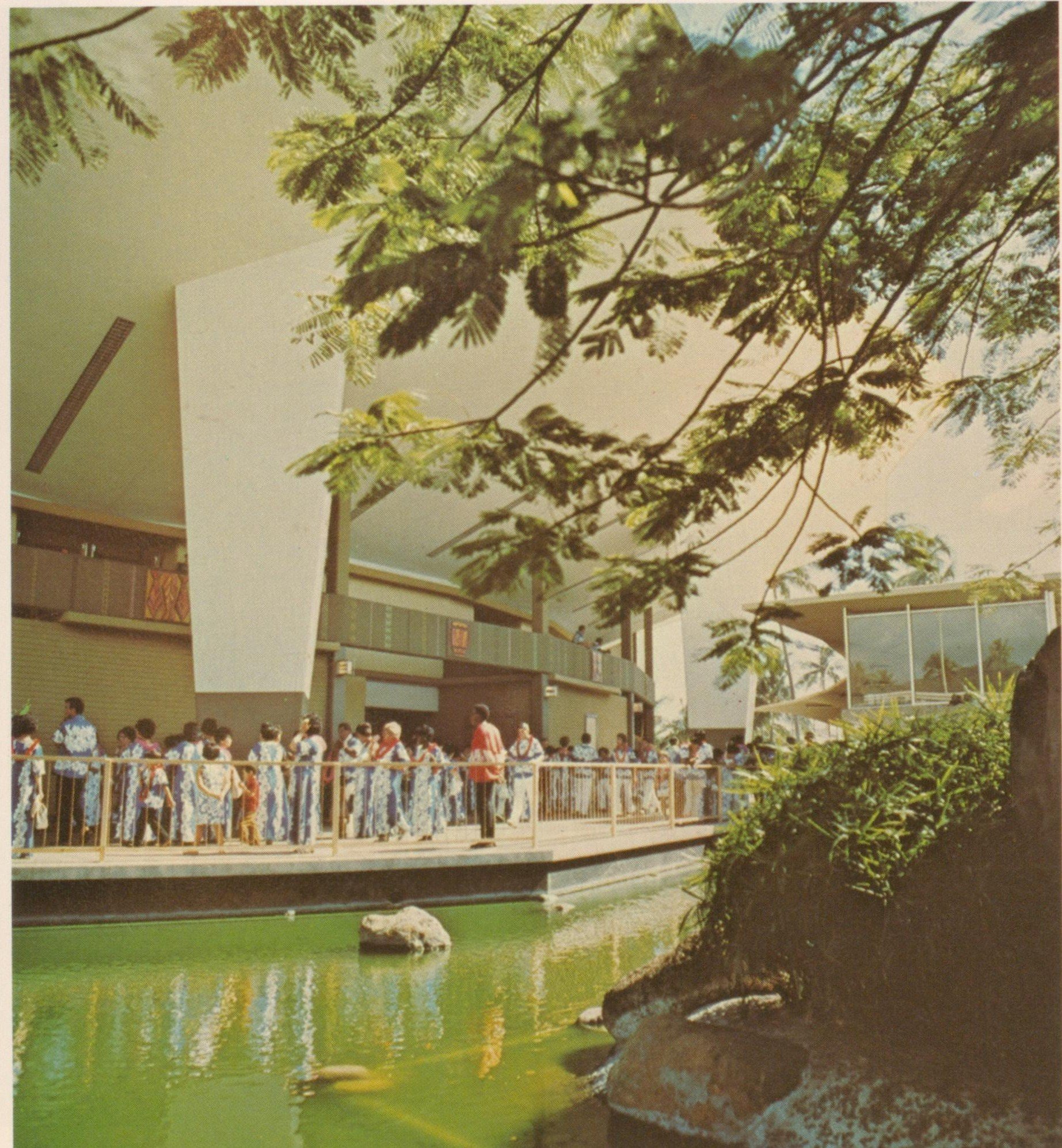
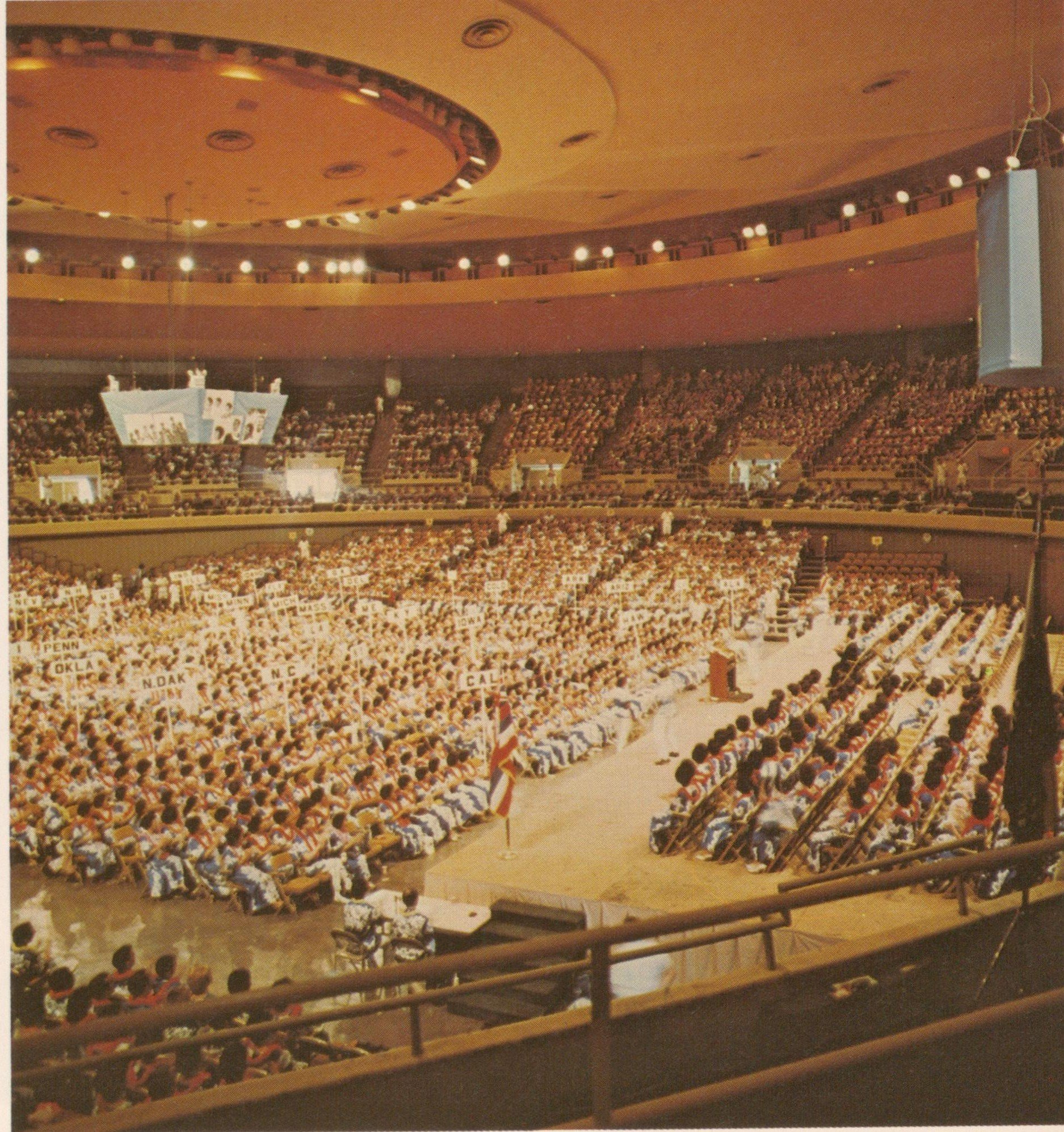
This was the year that the word 'convention' was first used — and with good reason. The Hawaii Convention was far more than one meeting; it featured a full parade down Kalakaua Avenue plus a show depicting the culture of the islands. Some 5,000 mainland members flew in and were lodged in temporary quarters built on the waterfront. It was the largest mass movement NSA had ever attempted.
An aerial view of Waikiki Beach with a parade marching along the waterfront street, palm trees lining the road, and the ocean beyond.
A group of people on a boardwalk over a koi pond, framed by a large tree.An auditorium filled with a seated audience, viewed from above.

134–135


Washington D.C. 1969
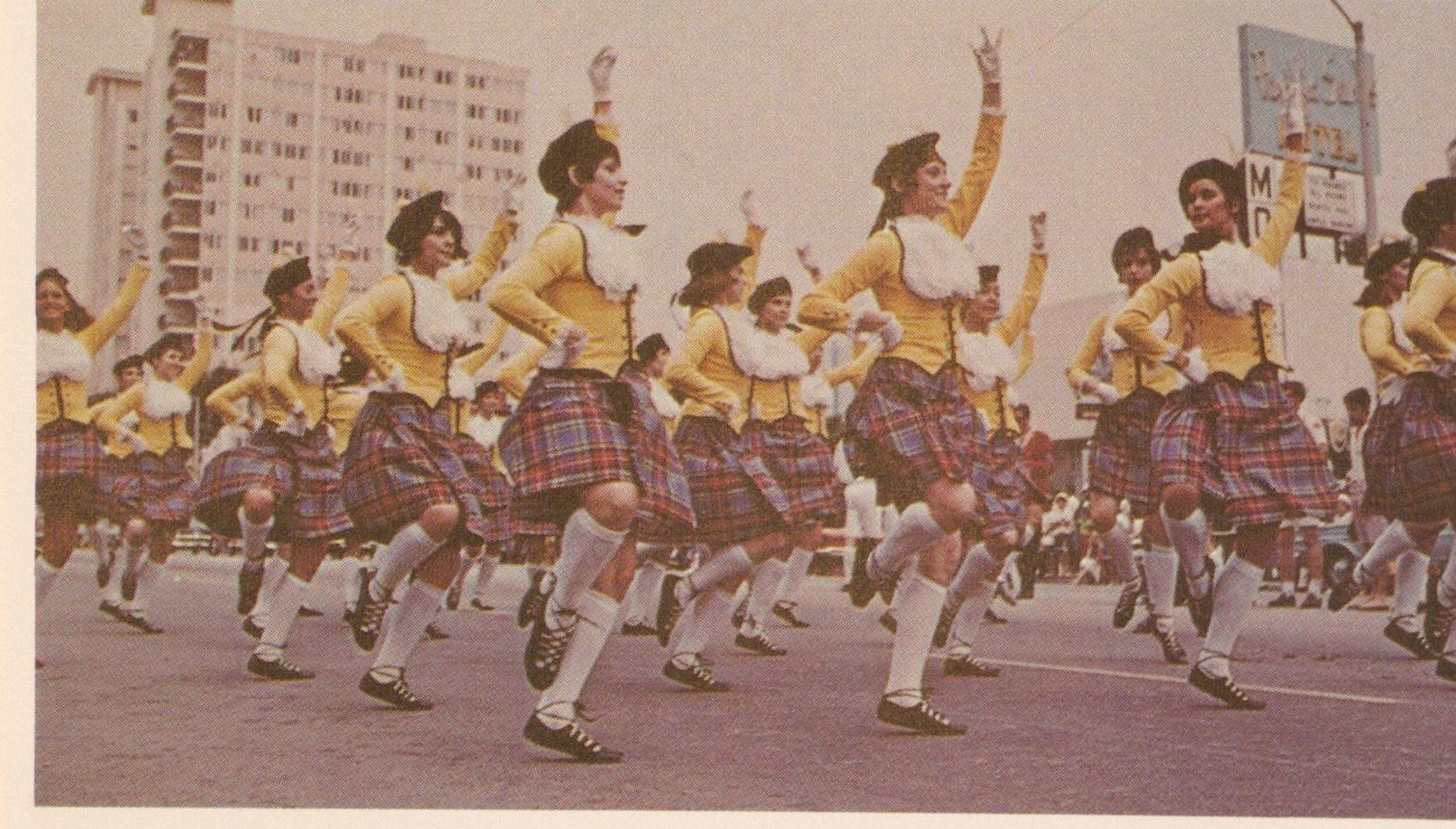
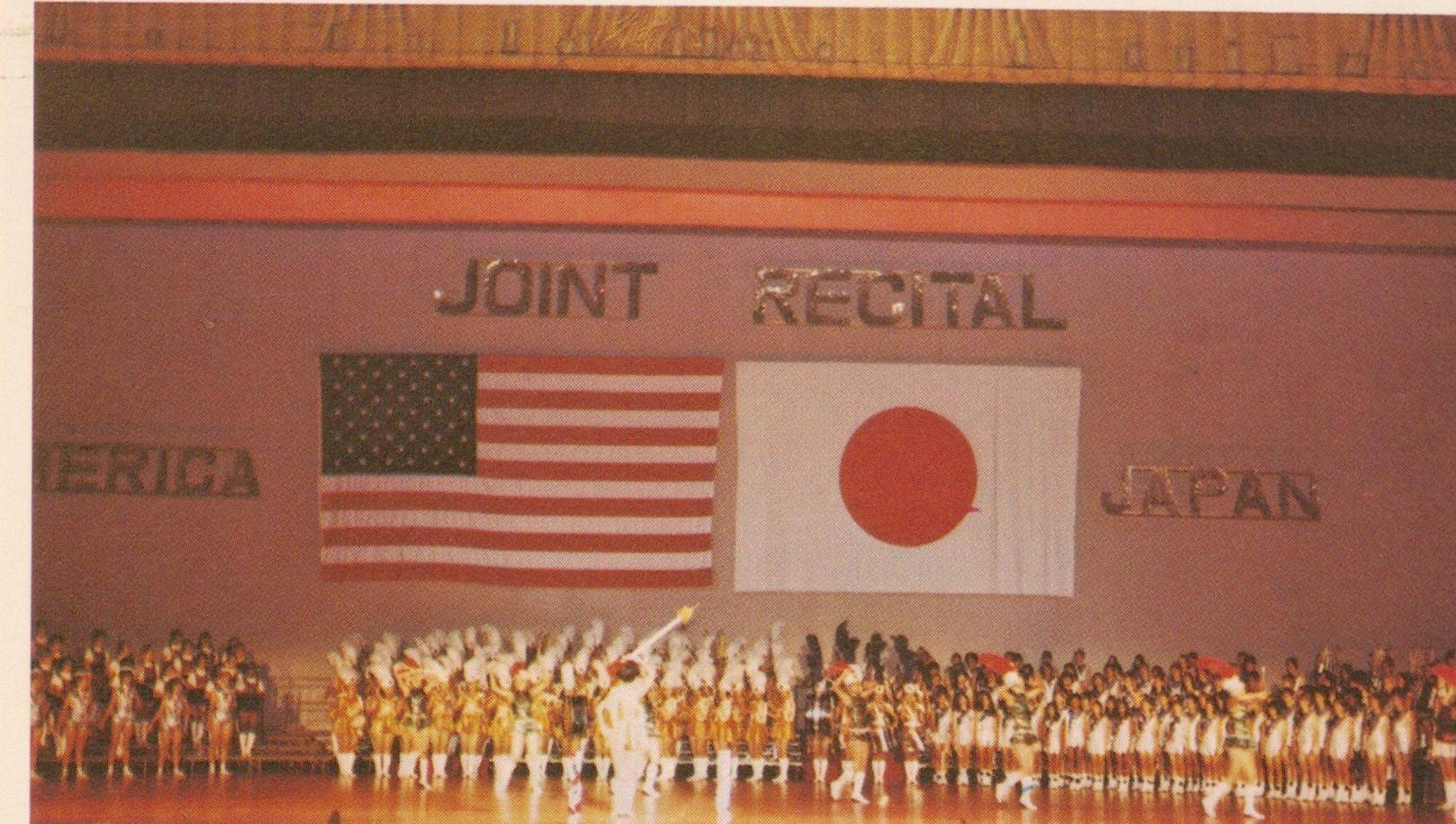
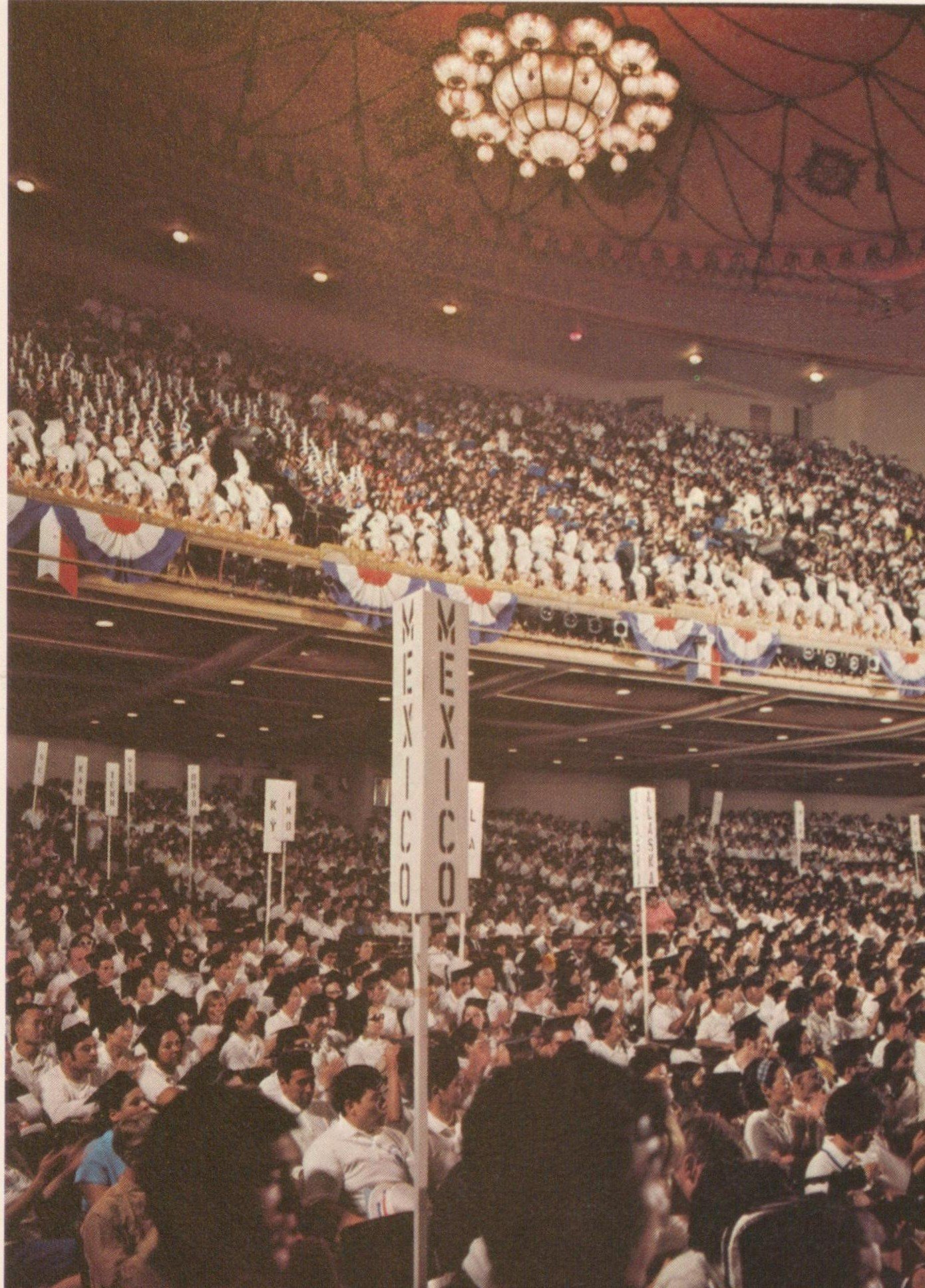
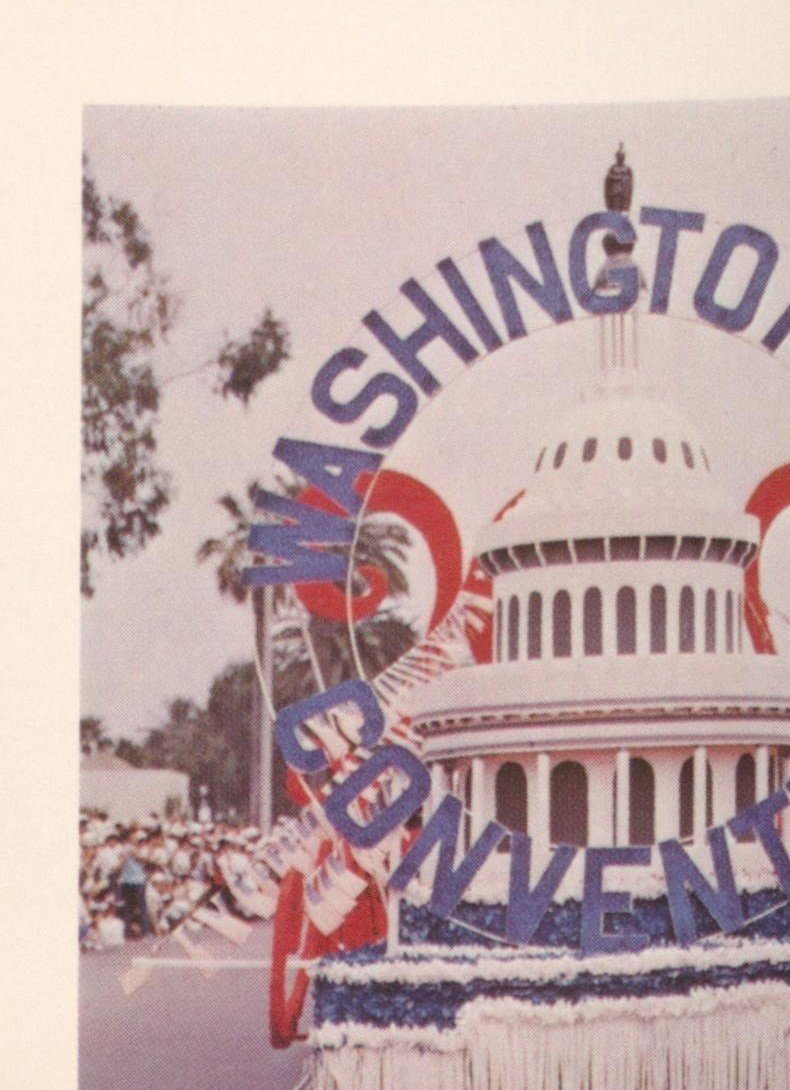
The theme of the Washington D.C. Convention at Santa Monica was the history and greatness of America. The Parade of Happiness had tens of groups with a variety of costumes from the nation's different cultural backgrounds. In addition, President Ikeda sent the Fuji Kotekitai as his representatives. All together, some 10,000 people participated.
Dancers in yellow and plaid kilts performing a parade routine.A joint recital on stage with American and Japanese flags.
A large convention hall filled with a seated audience beneath a chandelier.
A parade float decorated with a Washington D.C. Convention banner and a model of the Capitol.
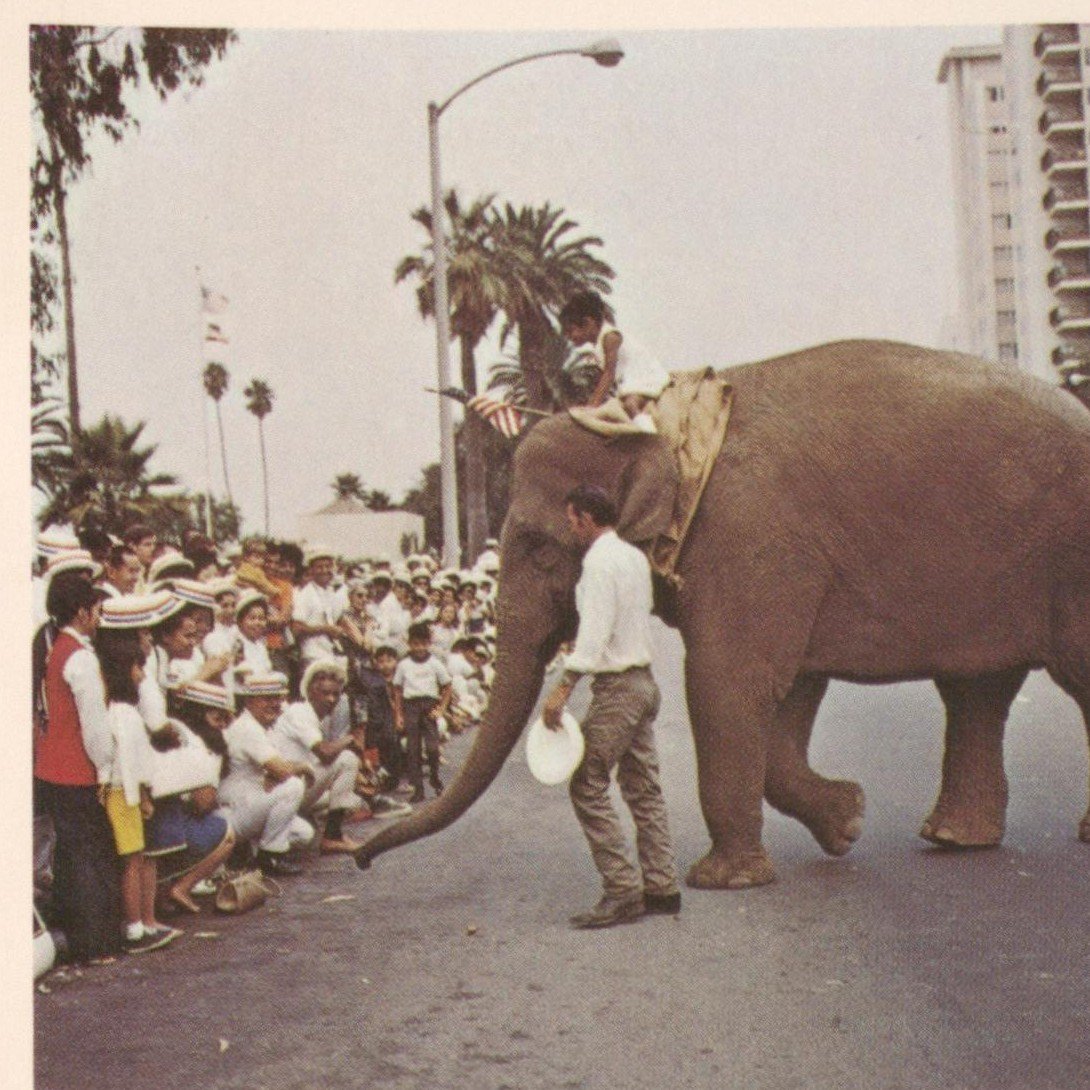
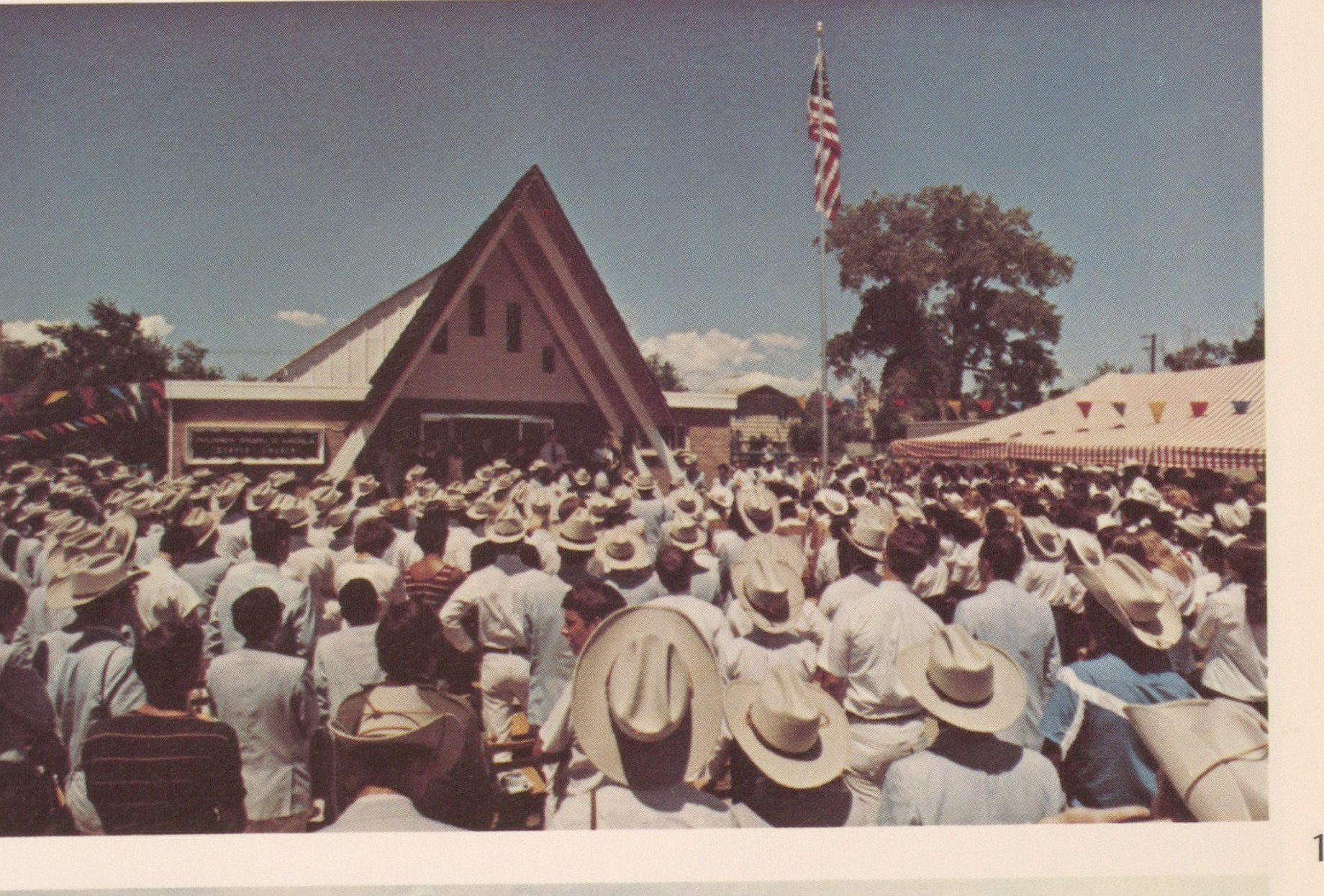
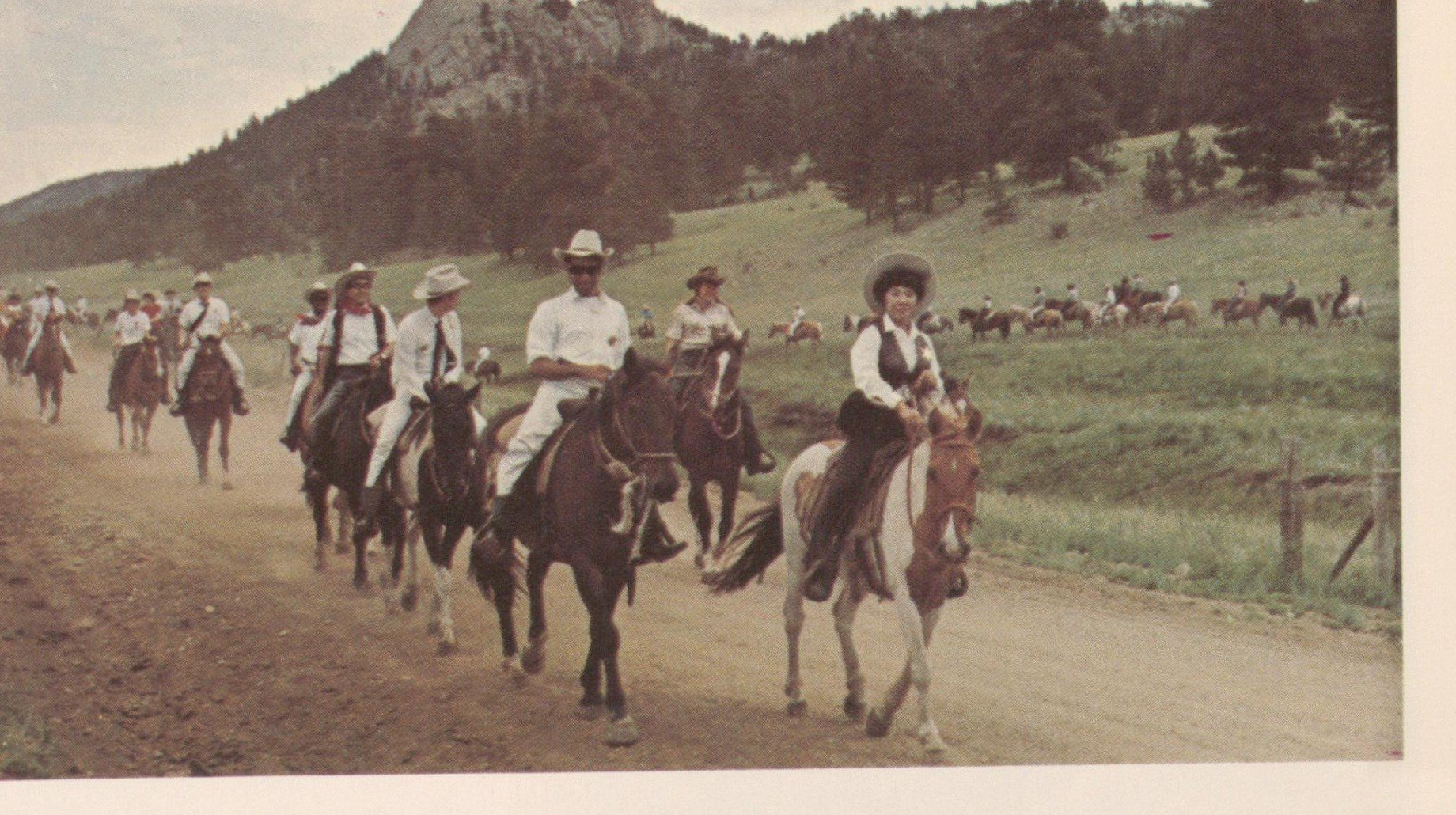
Denver 1970
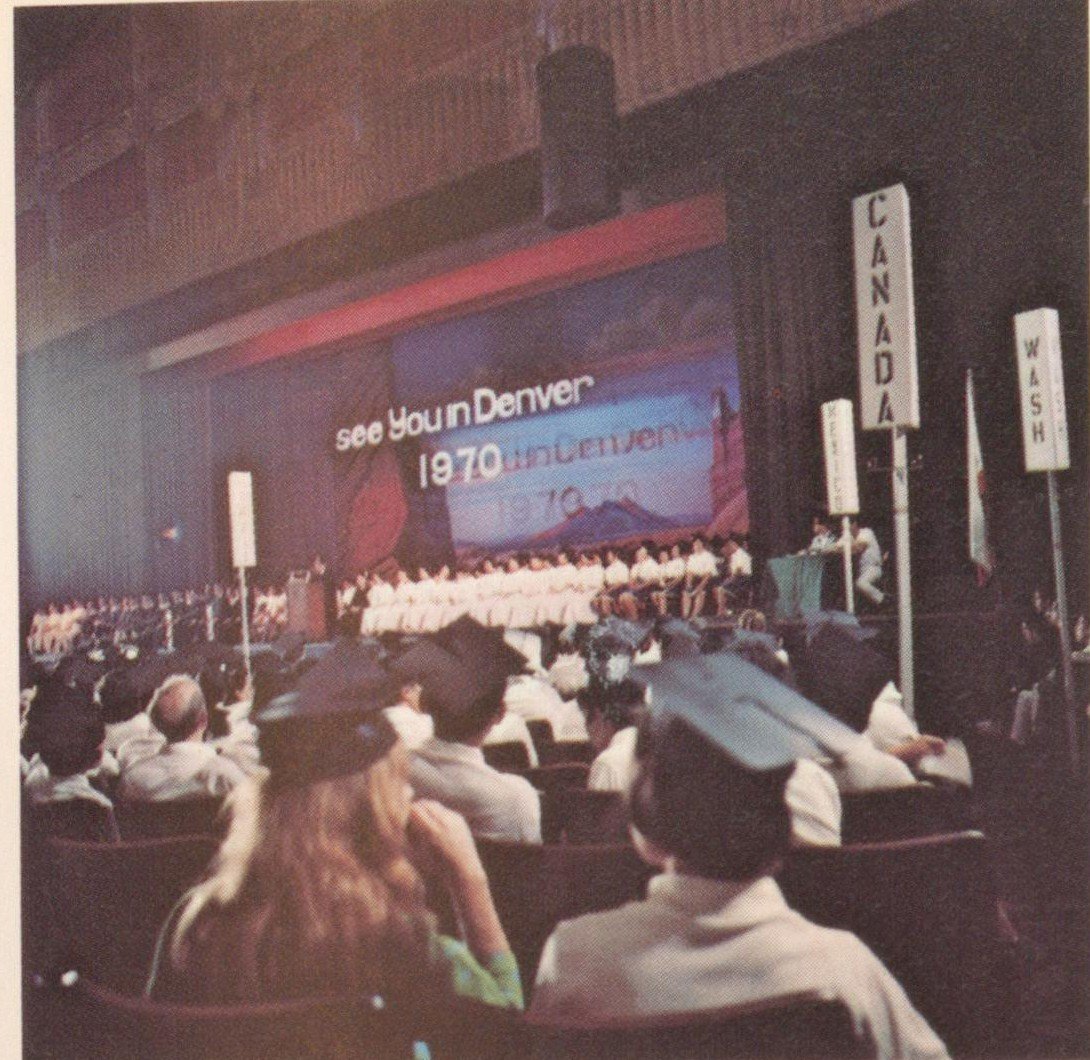
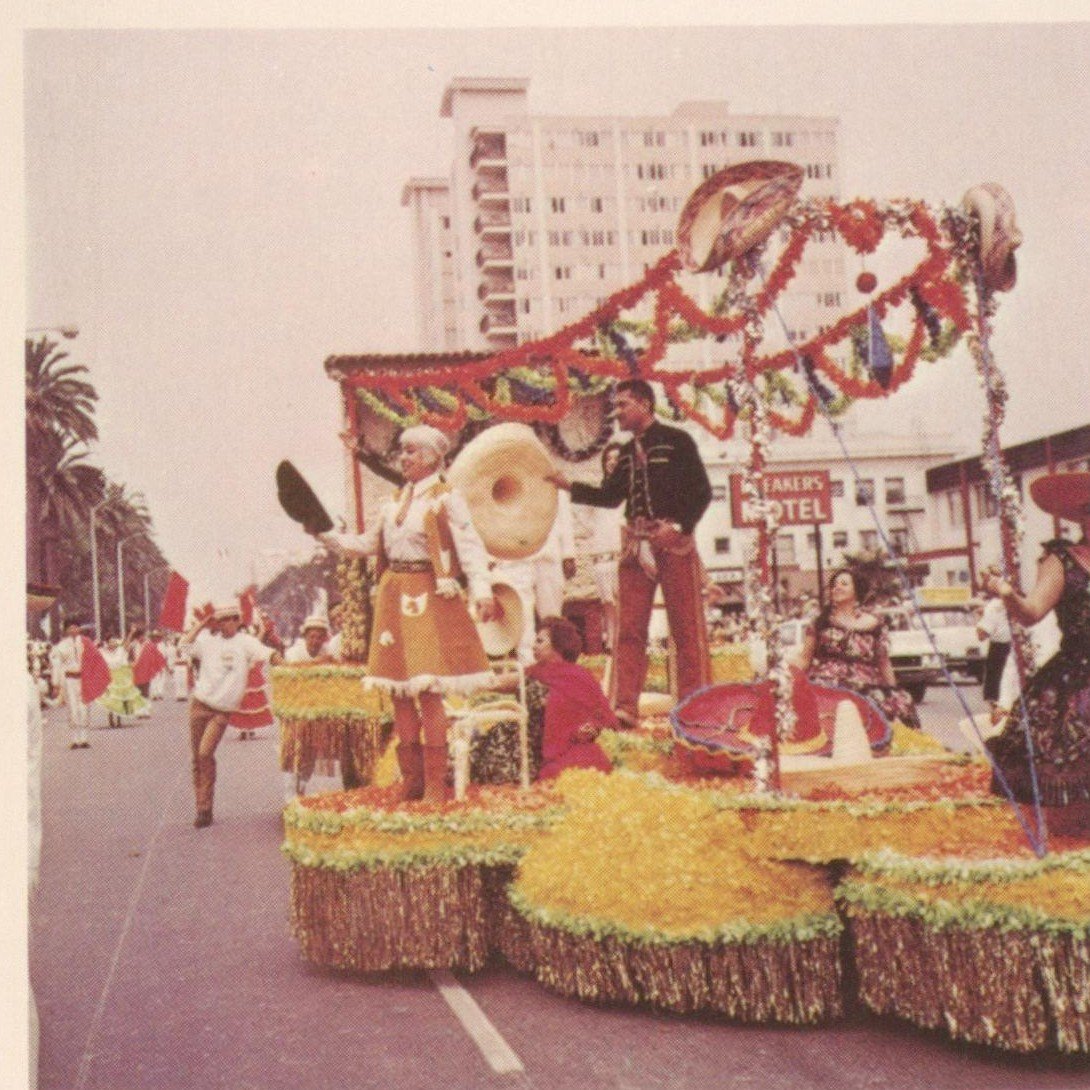
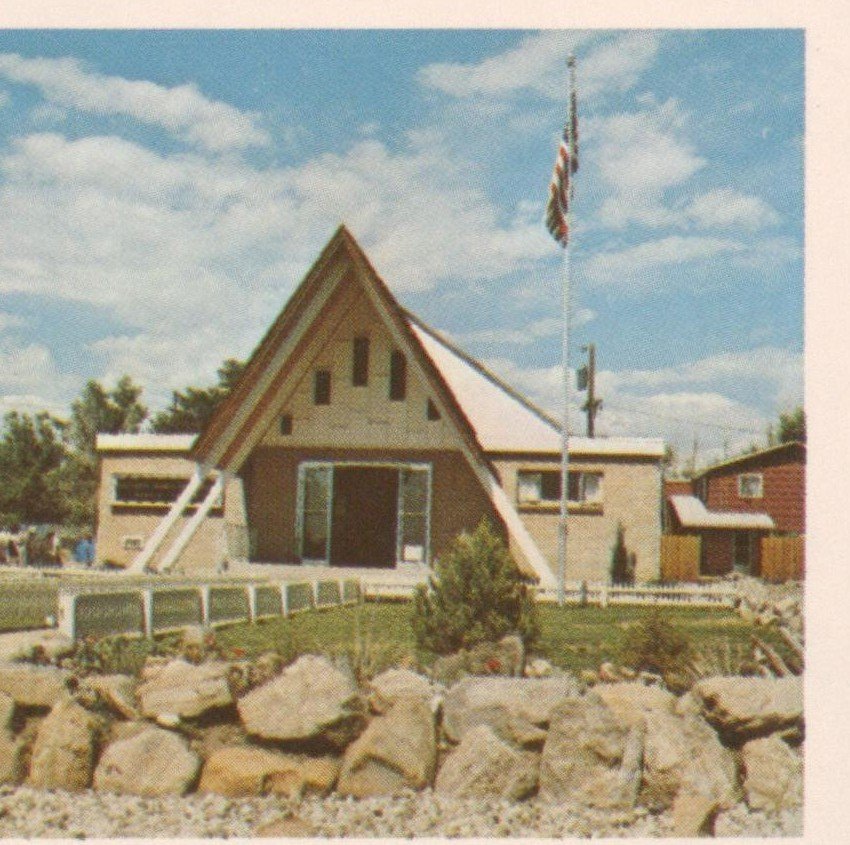
The Seventh Convention was smaller in scale and stressed the pioneering mood of the Old West. Representatives participated in the opening of the Denver Community Center and rode into the Rockies on horseback.
An audience seated indoors with a Denver 1970 banner visible on screen.A performer on a flower-decorated parade float.An elephant being led down a parade street.
A crowd gathered outside an A-frame community center building with an American flag.Three riders on horseback in the Rocky Mountains.

136–137


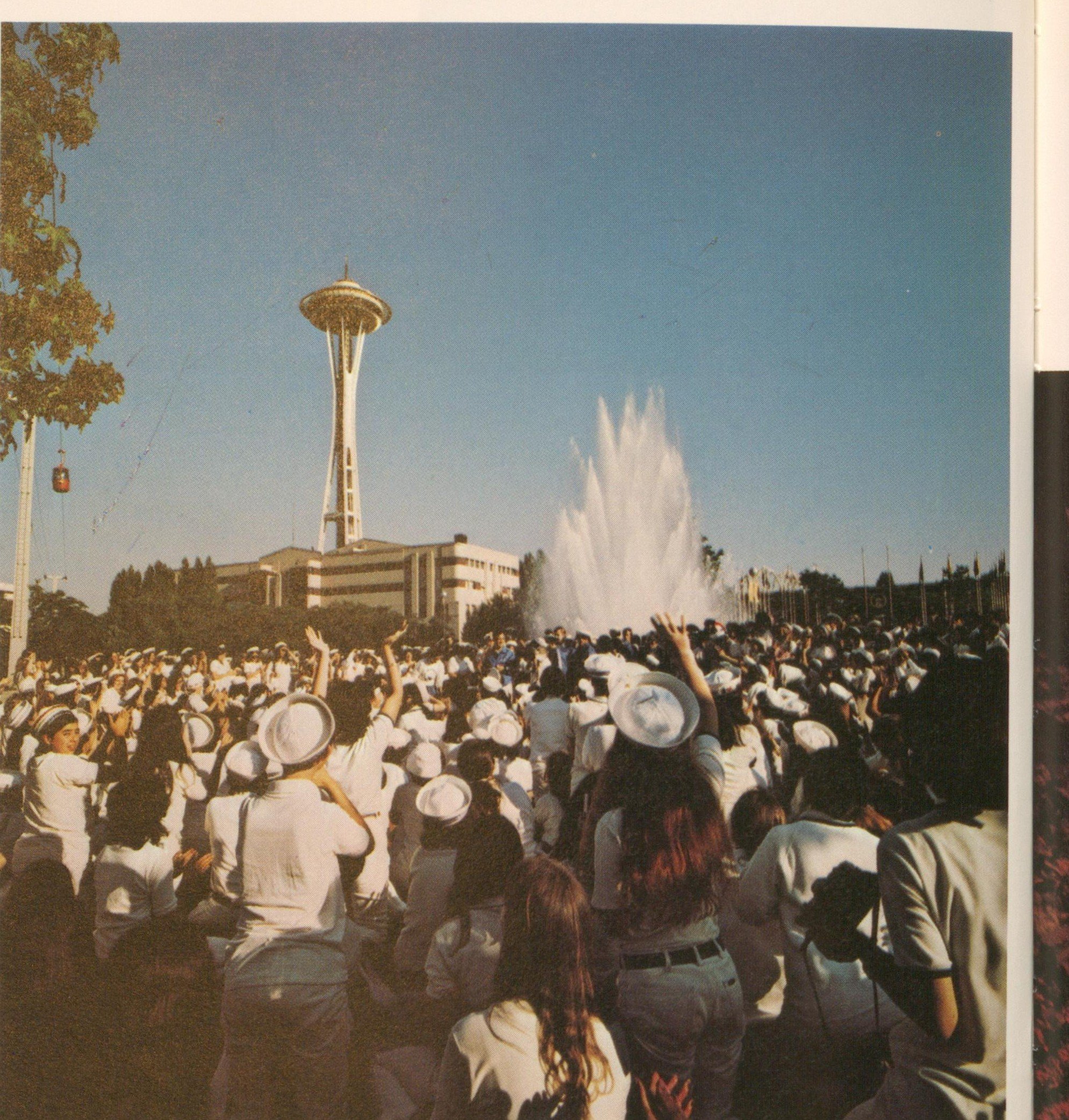
Seattle 1971
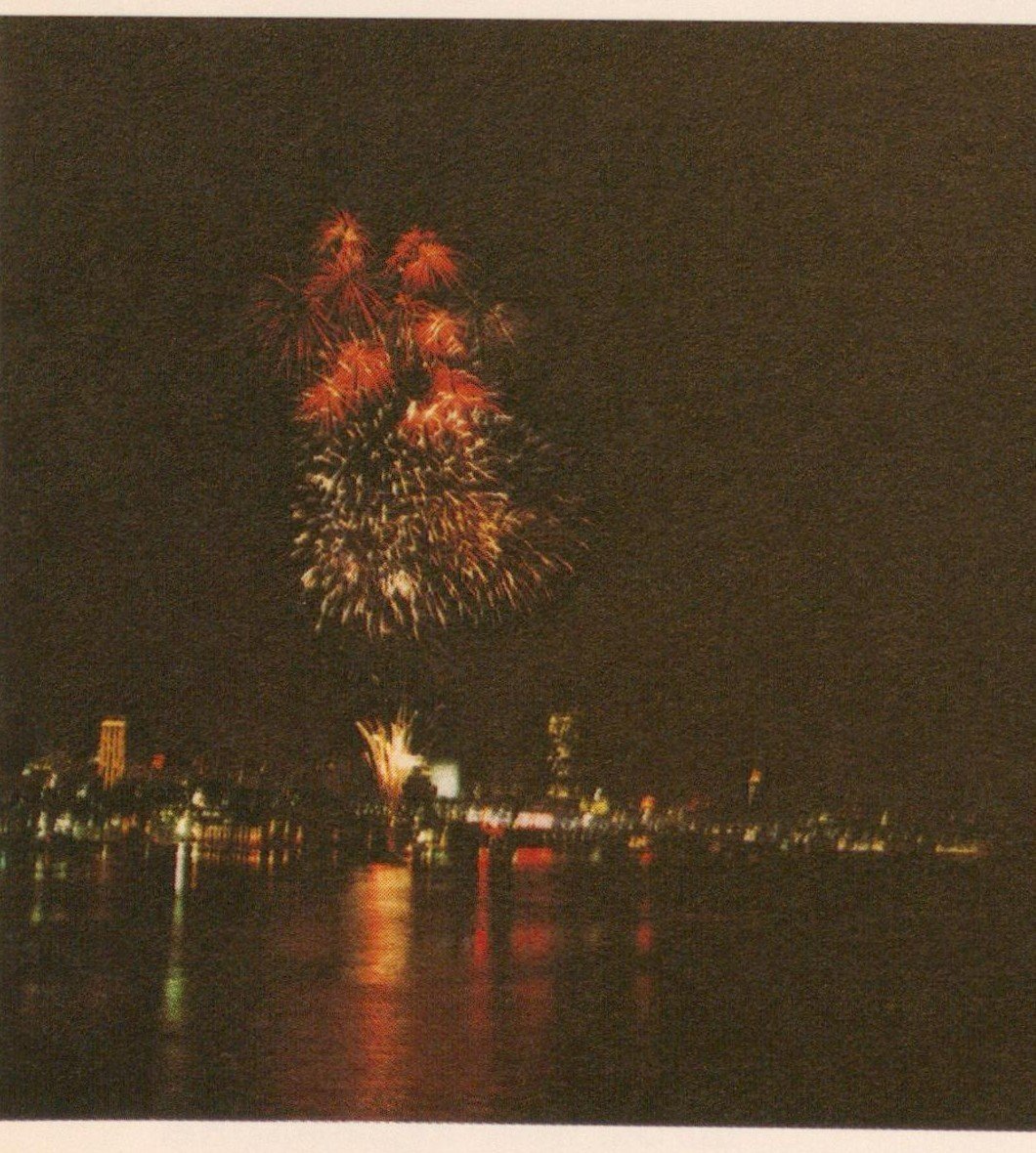
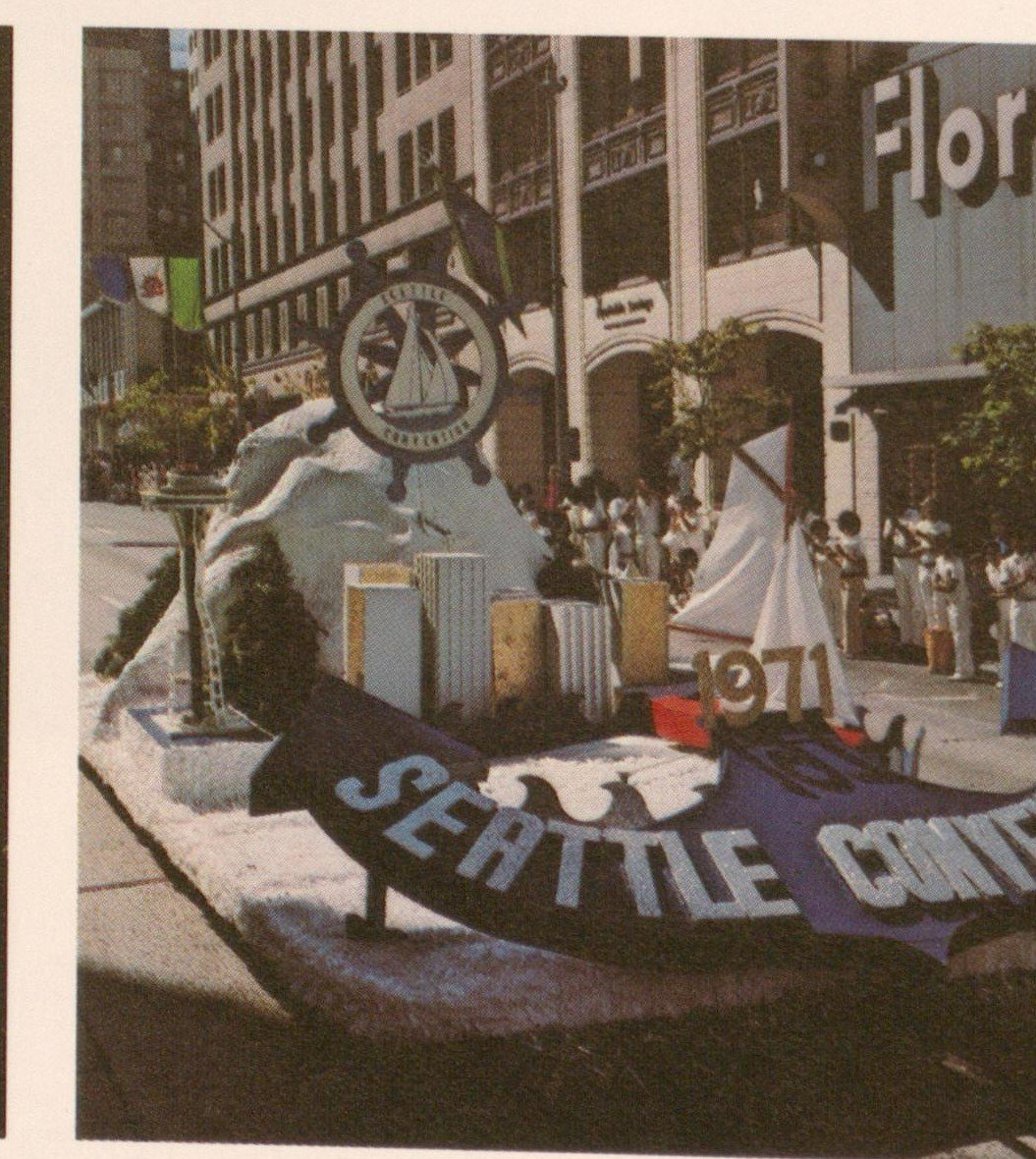
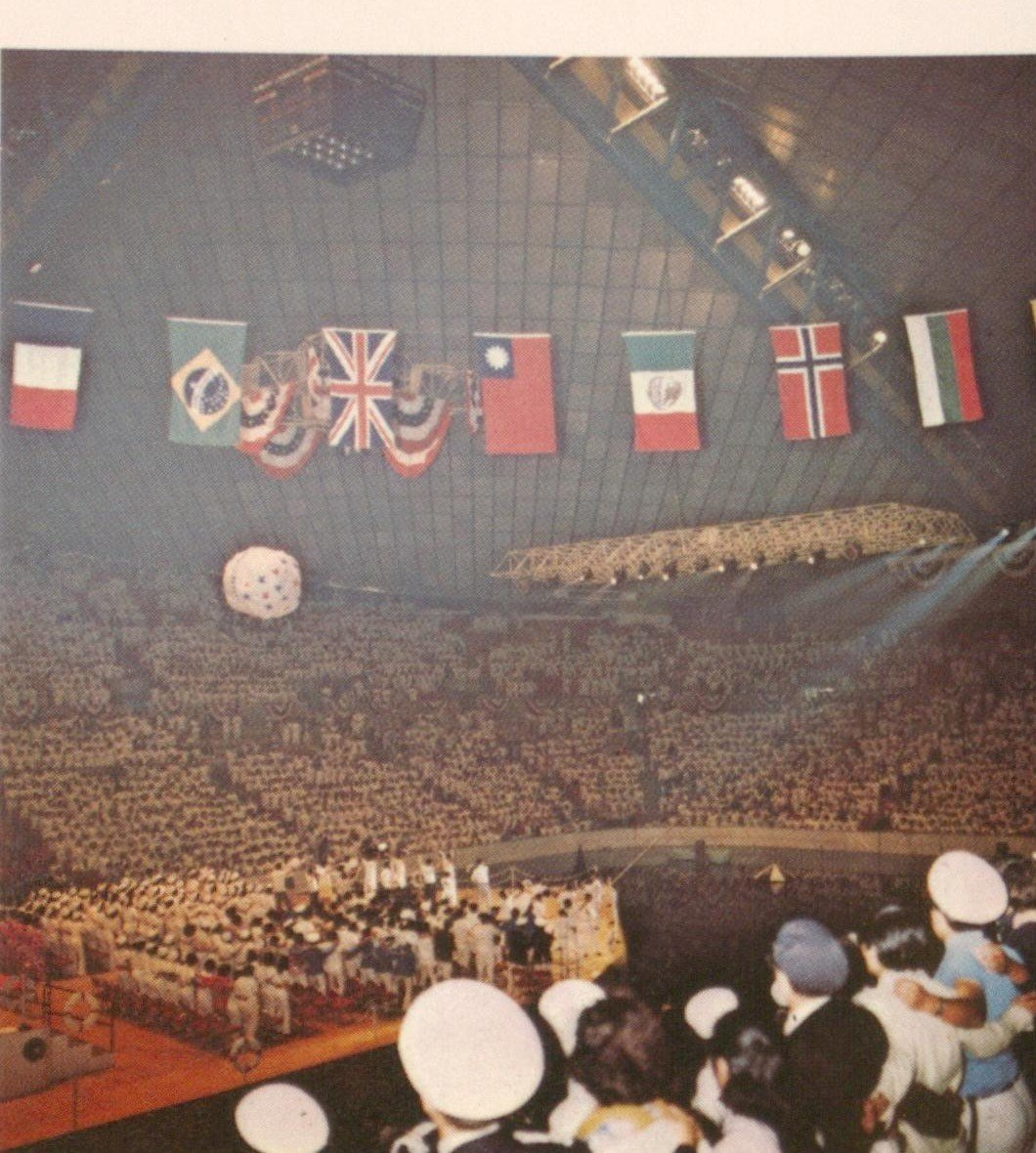
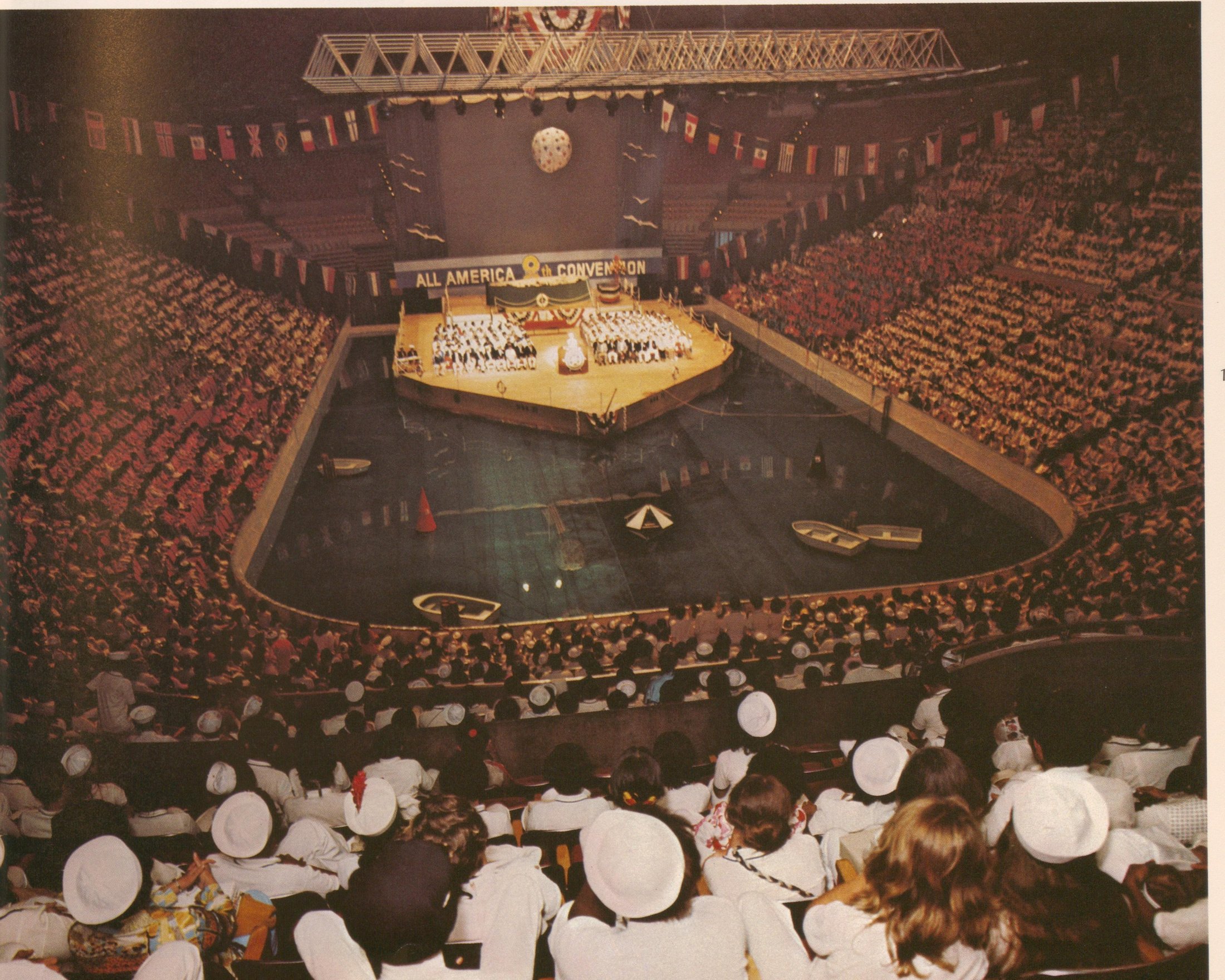
The Seattle Convention was bigger and better than ever. A parade and a show had already become a traditional part of NSA conventions; this time, the Student Congress, Art Exhibition and fireworks show were added. For the weekend of July 22nd and 23rd, NSA provided enjoyment for the entire city of Seattle. The proof came in the year following the convention, when the membership in the northwest area showed a tremendous increase.
A crowd with the Seattle Space Needle and fountain visible in the background.
Fireworks over the water at night.A parade float with a Seattle Convention banner.A view of an arena decorated with international flags.
An overhead view of a packed arena with a central stage reading All America Convention, surrounded by rows of seated attendees.

138–139

Past Parades
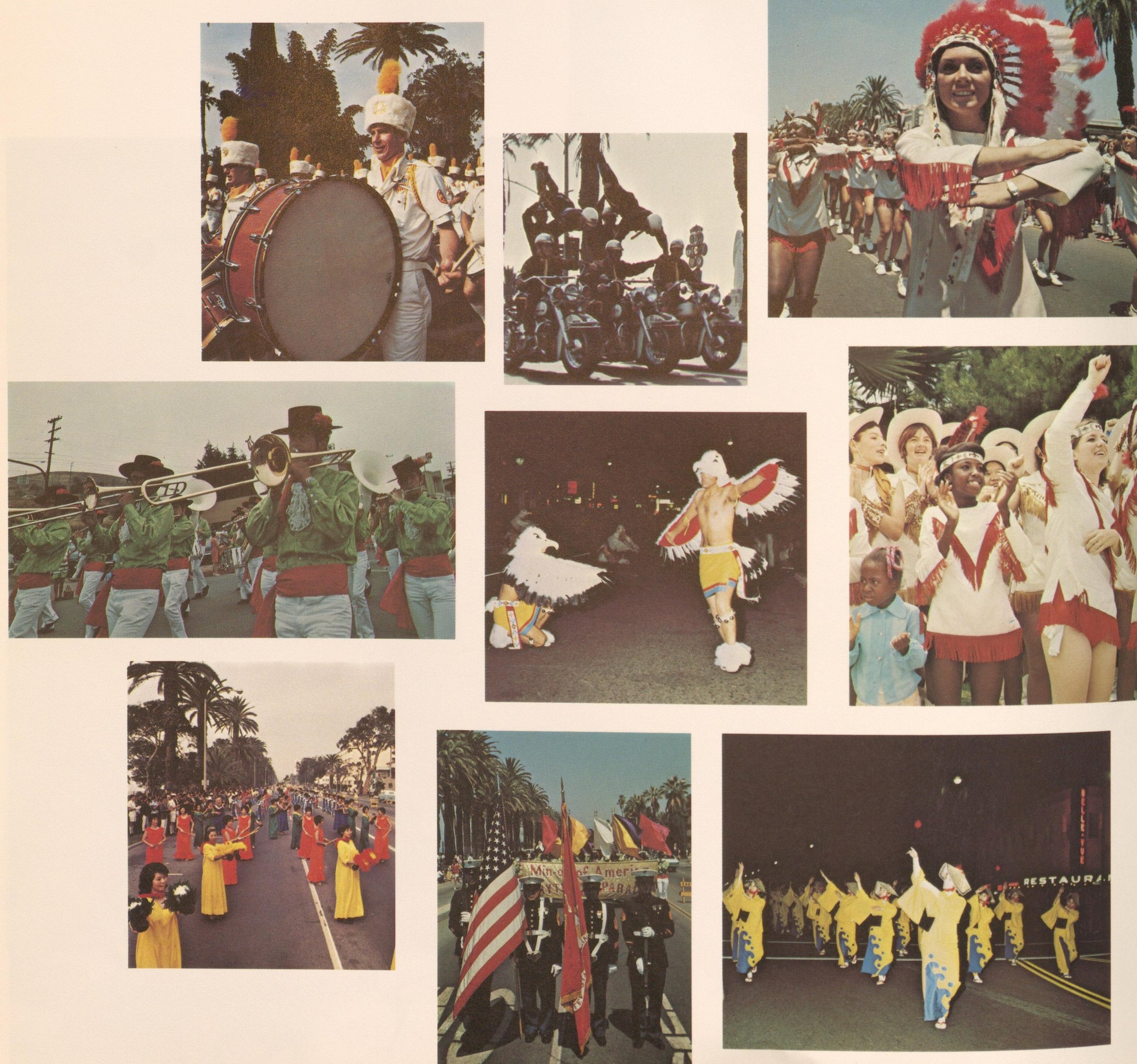
A collage of nine parade photos: a drummer, motorcycle riders, a Native American-costumed marcher, trombone players, a dancer in an eagle costume, feathered-costume dancers cheering, colorful robed dancers on the street, flag bearers, and yellow-robed dancers marching at night.

140

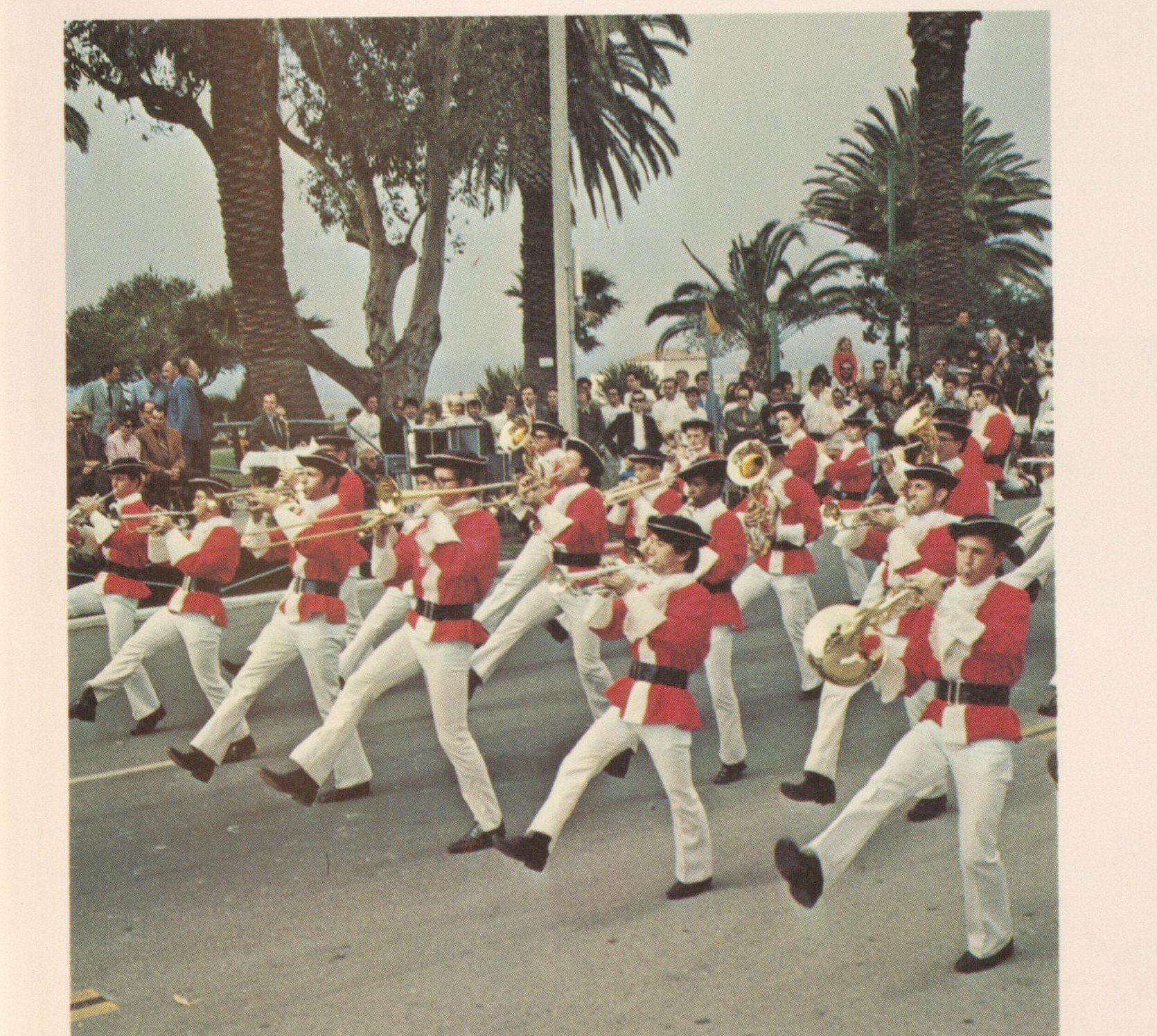
A marching band in red uniforms.
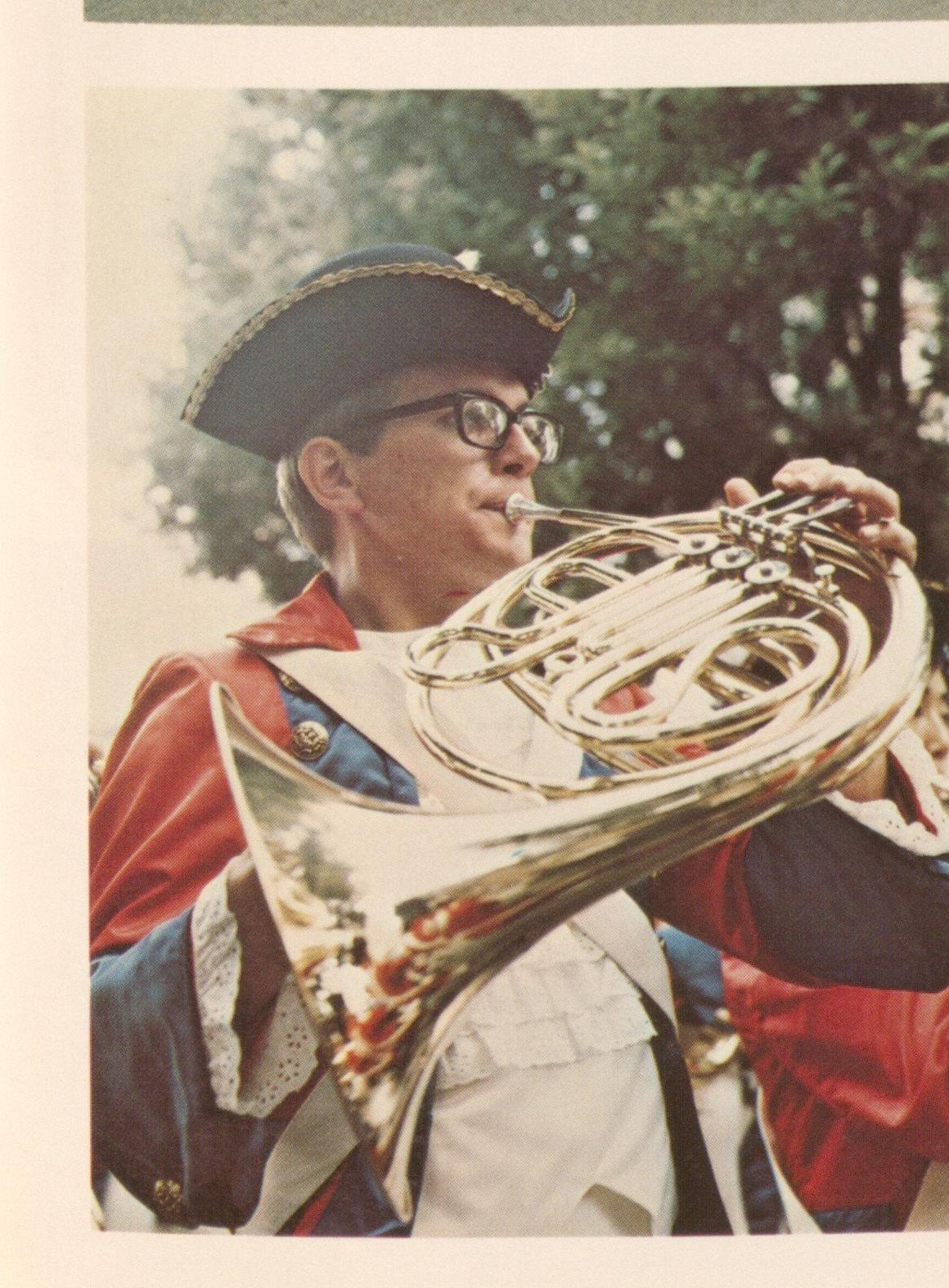
A close-up of a French horn player in colonial-style costume.
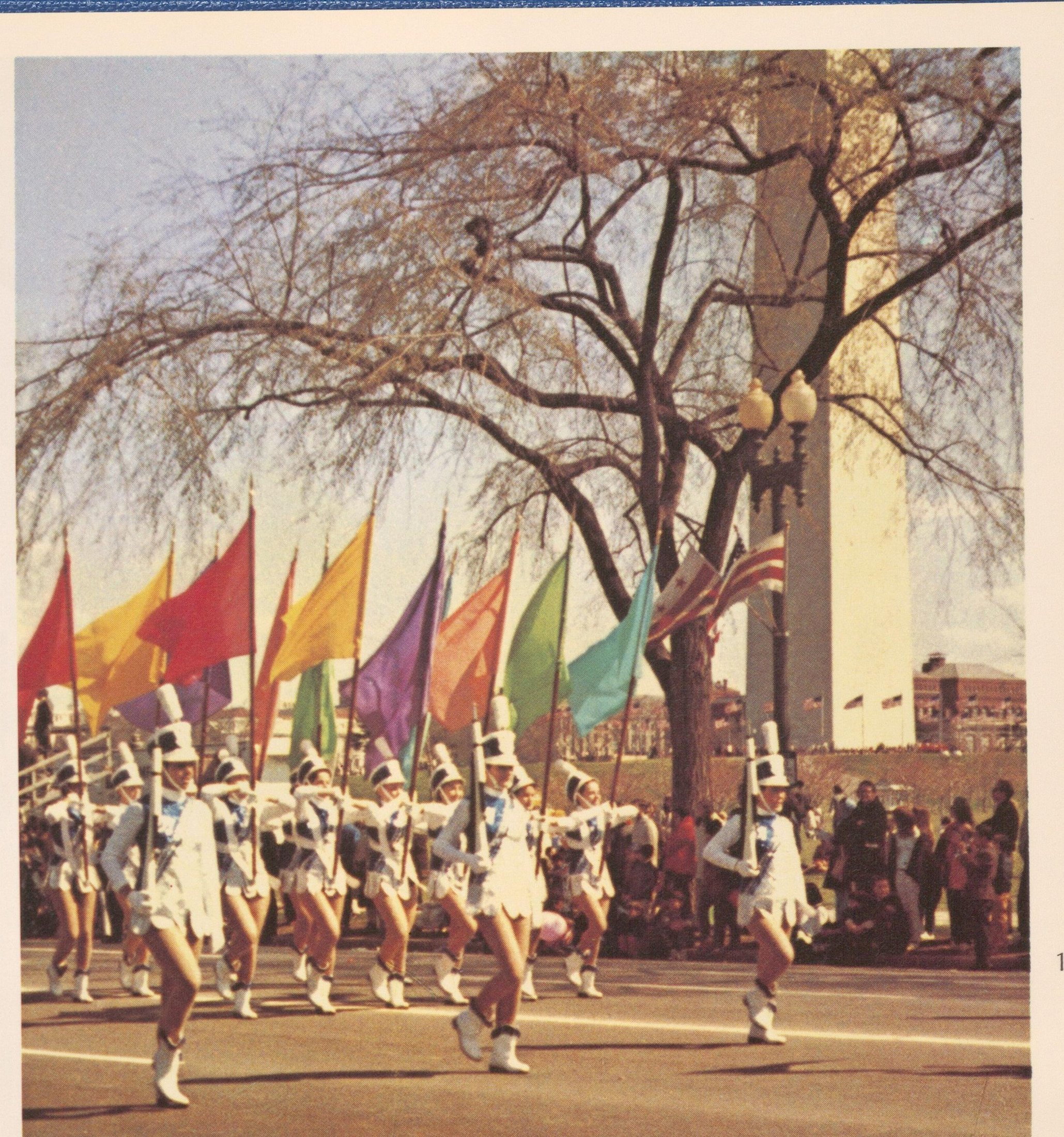
A marching band carrying colorful flags past the Washington Monument during the Cherry Blossom Parade.

In April, 1971, NSA won top honors among 500 entrants at the Cherry Blossom Parade in the capital.

Parades have become a frequent and popular activity in the cultural aspect of NSA since the first brief but exciting one preceding the 1967 general meeting in San Francisco. In the four ensuing years, NSA has produced many of its own parades on such special occasions as annual conventions and on New Year's events such as the Aloha Week Parade in Honolulu and the Cherry Blossom Festival in Washington, D.C.

NSA has won top awards in categories of brass band, drill team and fife and drum corps. Younger members experience a great amount of personal development and sense of fulfillment as the musical training and exercise they reap from participating in these parades. Moreover, they radiate a feeling of hope to spectators watching a passing column of purposeful youth striving for a better world.

141
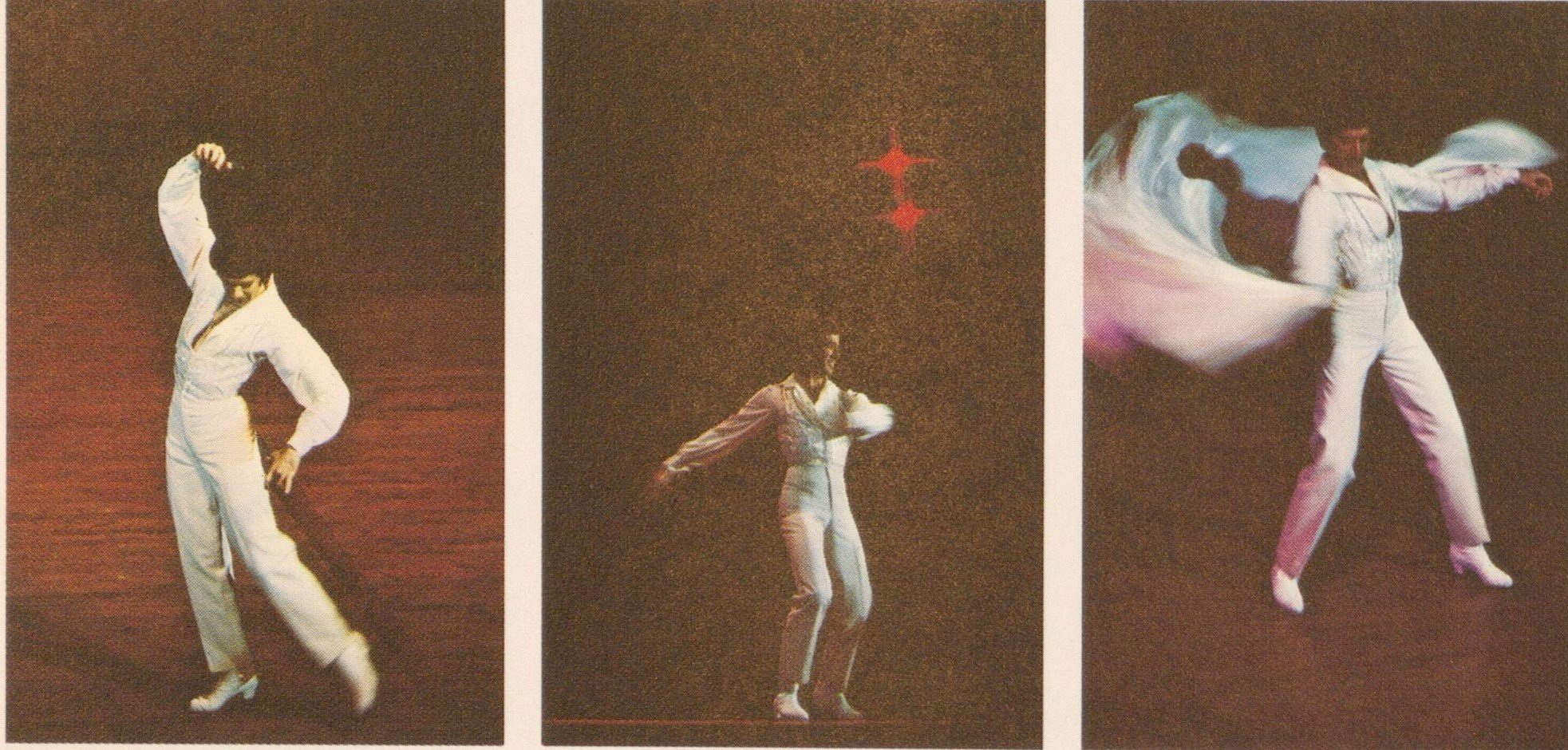

NSA Productions
Three photos of a dancer in dramatic poses against dark backgrounds.
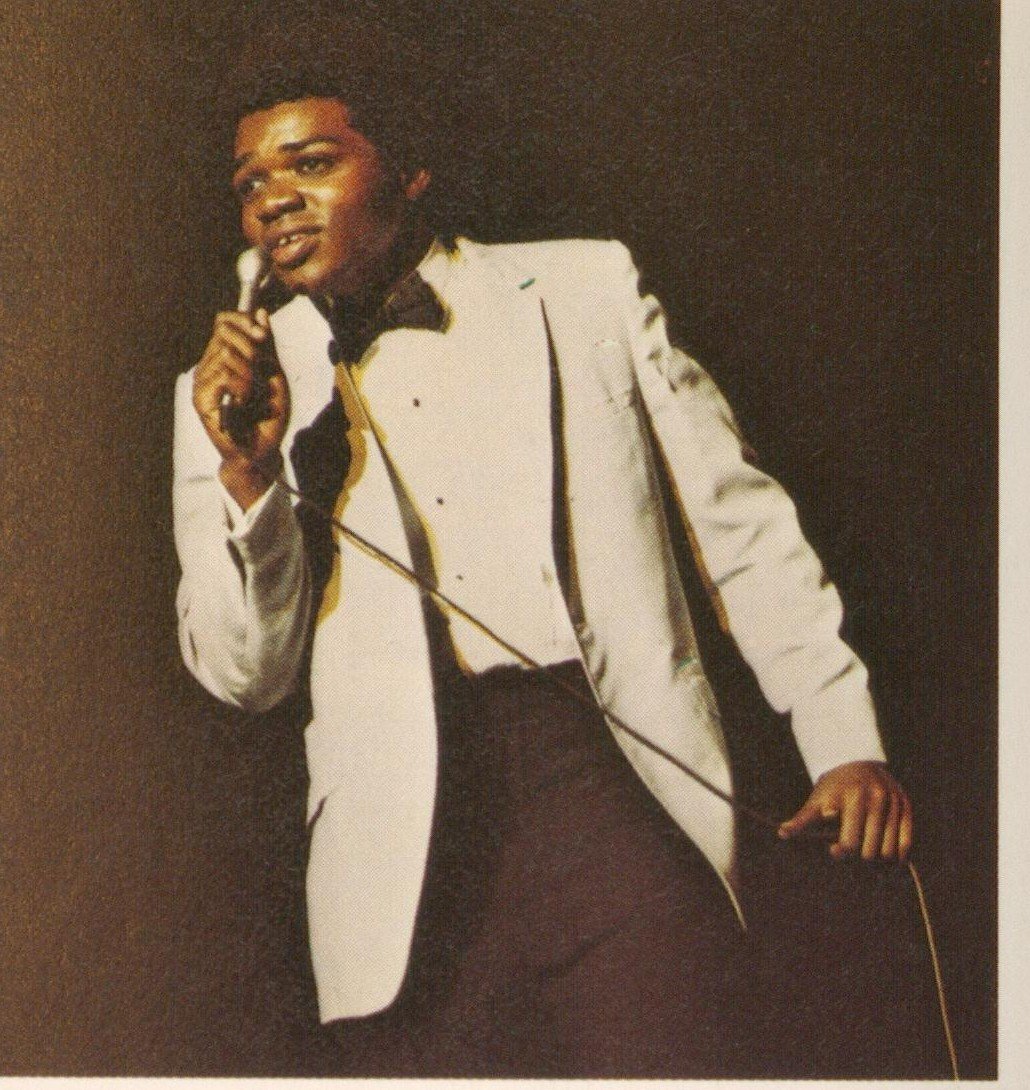
A male singer in a white jacket performing with a microphone.

NSA Productions is dedicated to encouraging music played, sung or danced from the hearts of people. It was founded to provide a trend of culture that would not only be inspirational, but would lead to a new era called the Third Civilization. Professionals and amateurs are involved in performances that eliminate any gap between those on stage and those in the audience.

Less than ten years ago, in September 1965, NSA Productions made its debut by inspiring a three-fold cultural movement involving musical education, cultural exchanges and public performances. Its approach to education is based on the assumption that everyone has some latent talent. Subsequently, prize winning brass bands, fife and drum corps, orchestras, bagpipe corps and dance groups have been fostered to develop the creative potential of individuals and provide a channel for natural energies.

International goodwill and cultural exchanges are a primary objective. Moreover, regular parades and concerts have become an integral part of the community affairs of many large cities. NSA Productions is demonstrating that the nation's culture should be formed from the ground up, that good music is derived from people who are developing their lives.
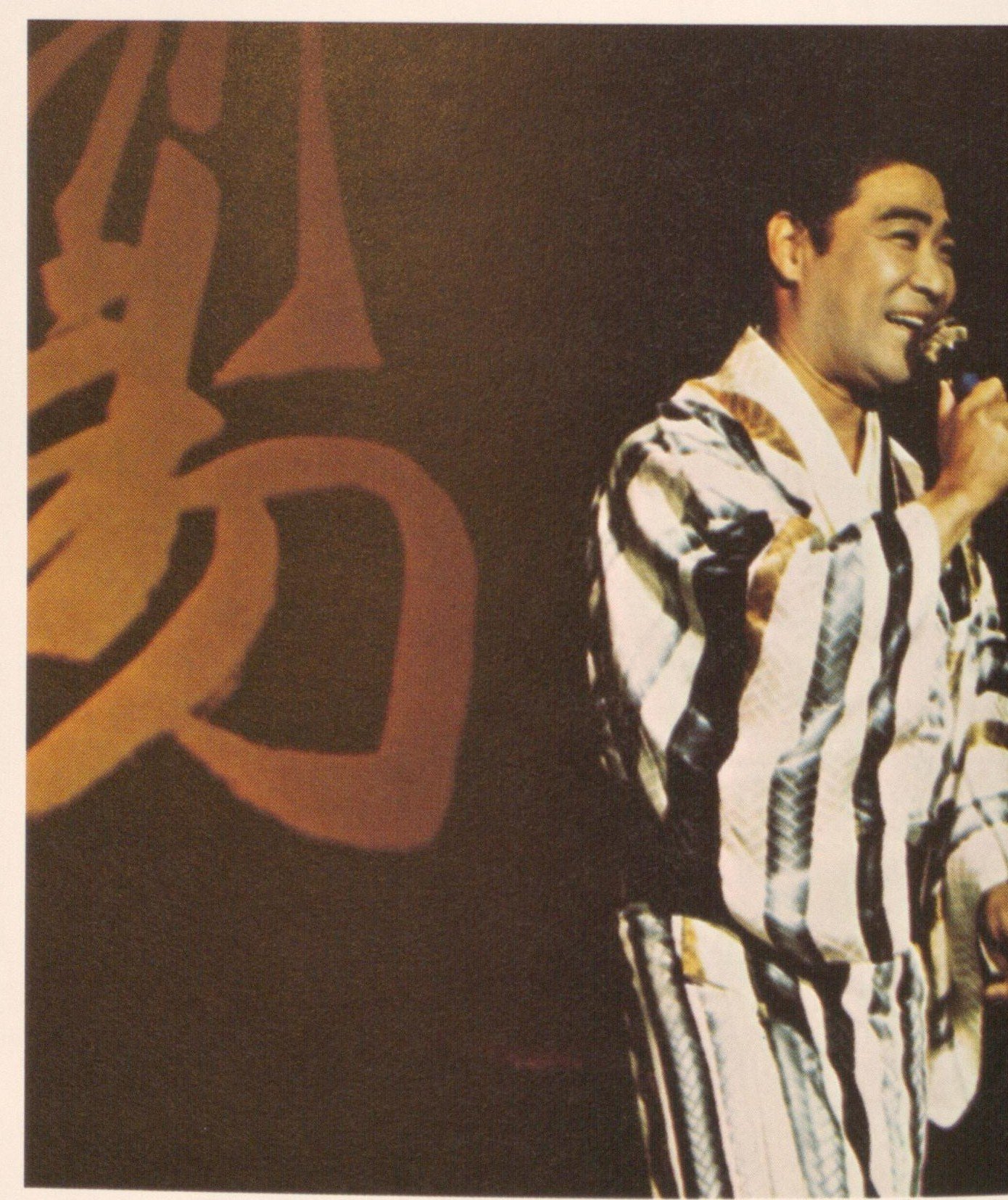
A male singer in a striped jacket performing on stage.
The Hollywood Bowl was sold out for the '71 Murata Hideo Show.

142

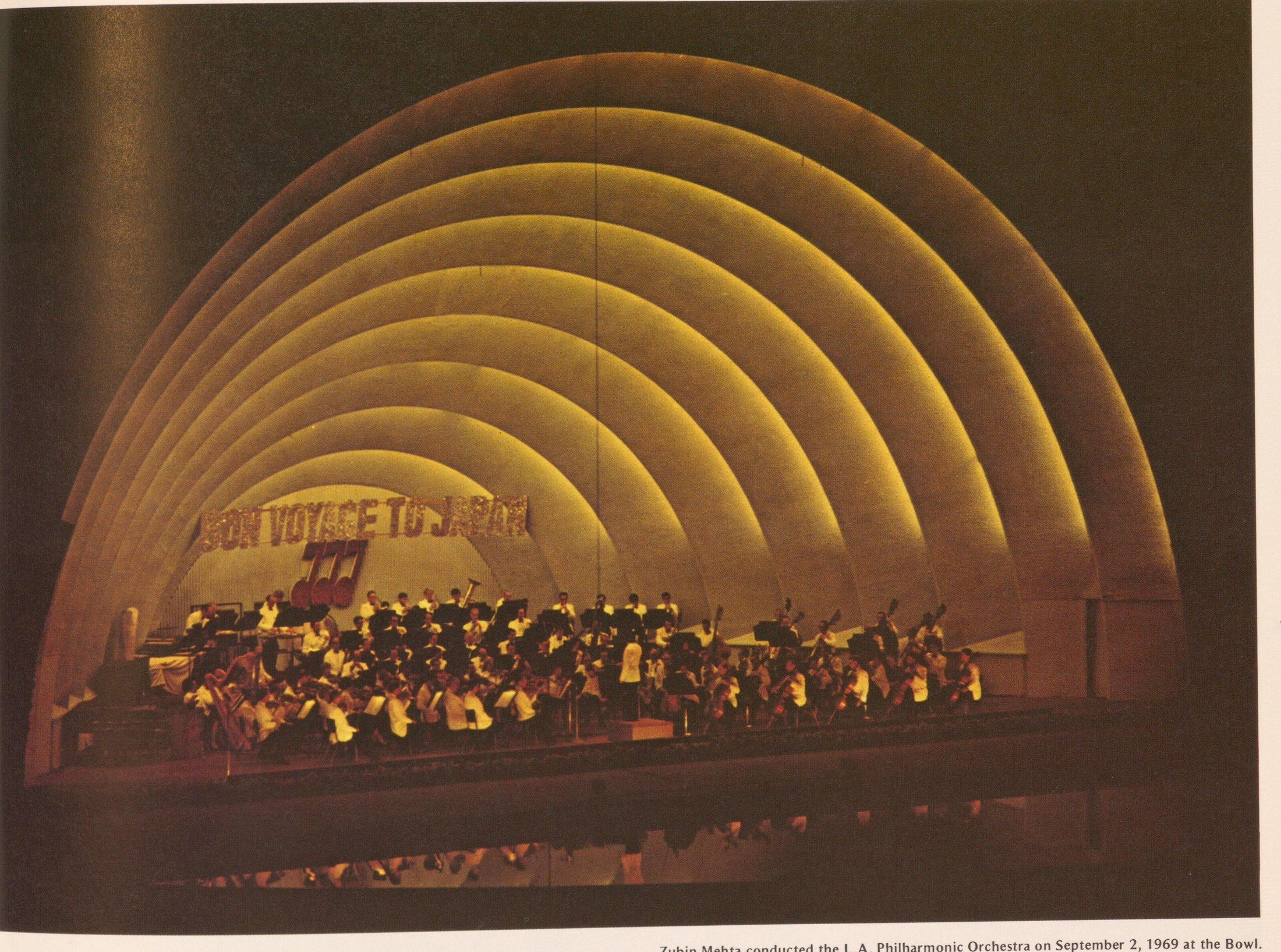
The Hollywood Bowl shell lit up at night, with an orchestra performing on stage beneath a banner reading Bon Voyage to Japan.

Zubin Mehta conducted the L.A. Philharmonic Orchestra on September 2, 1969 at the Bowl.
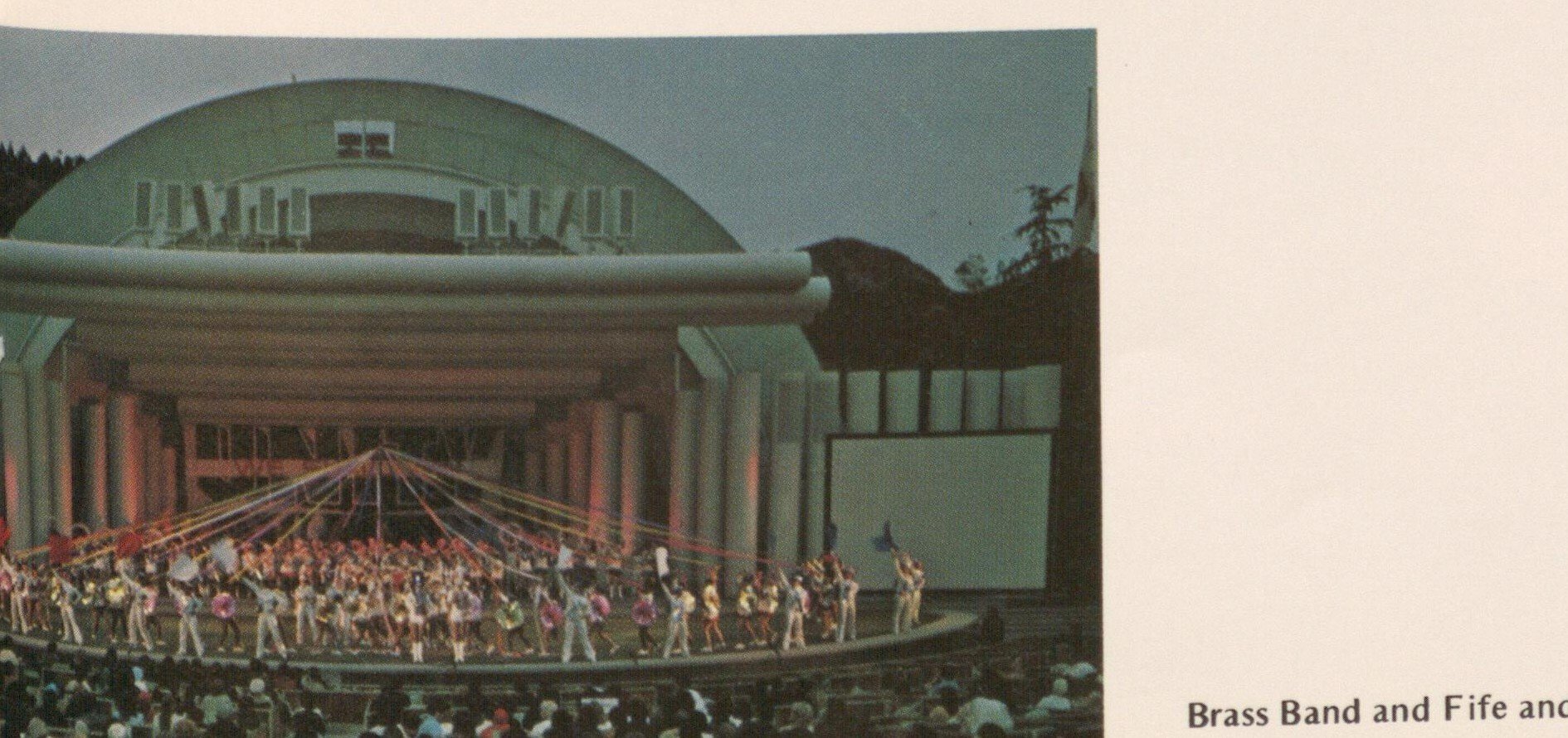
A nighttime performance of a brass band and fife and drum corps at the Hollywood Bowl.

Brass Band and Fife and Drum Corps in recital at Hollywood Bowl, May '71.

143
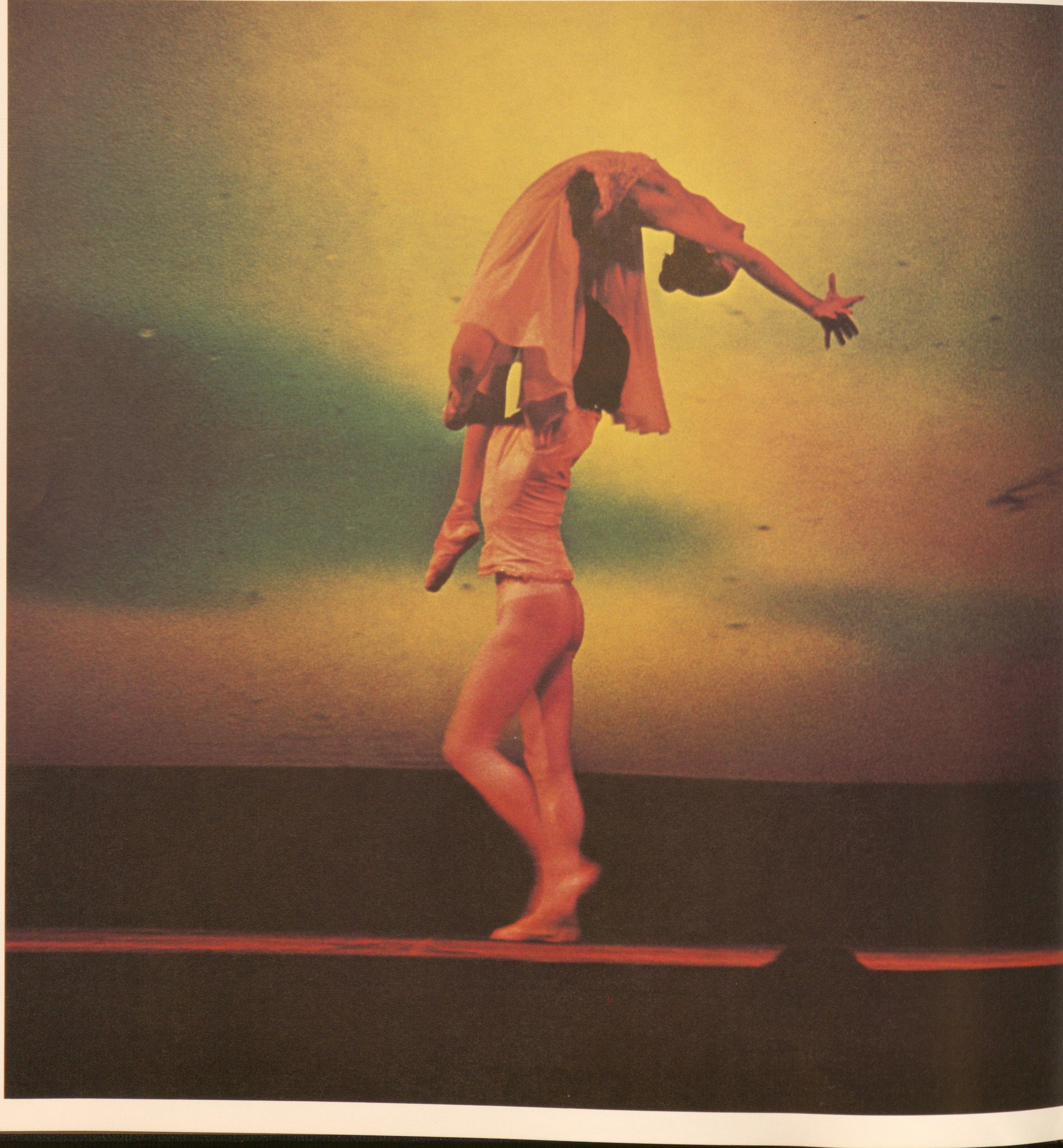

An artistic color-tinted photo of a dancer arched dramatically backward, lifted by a partner on a stage.

144

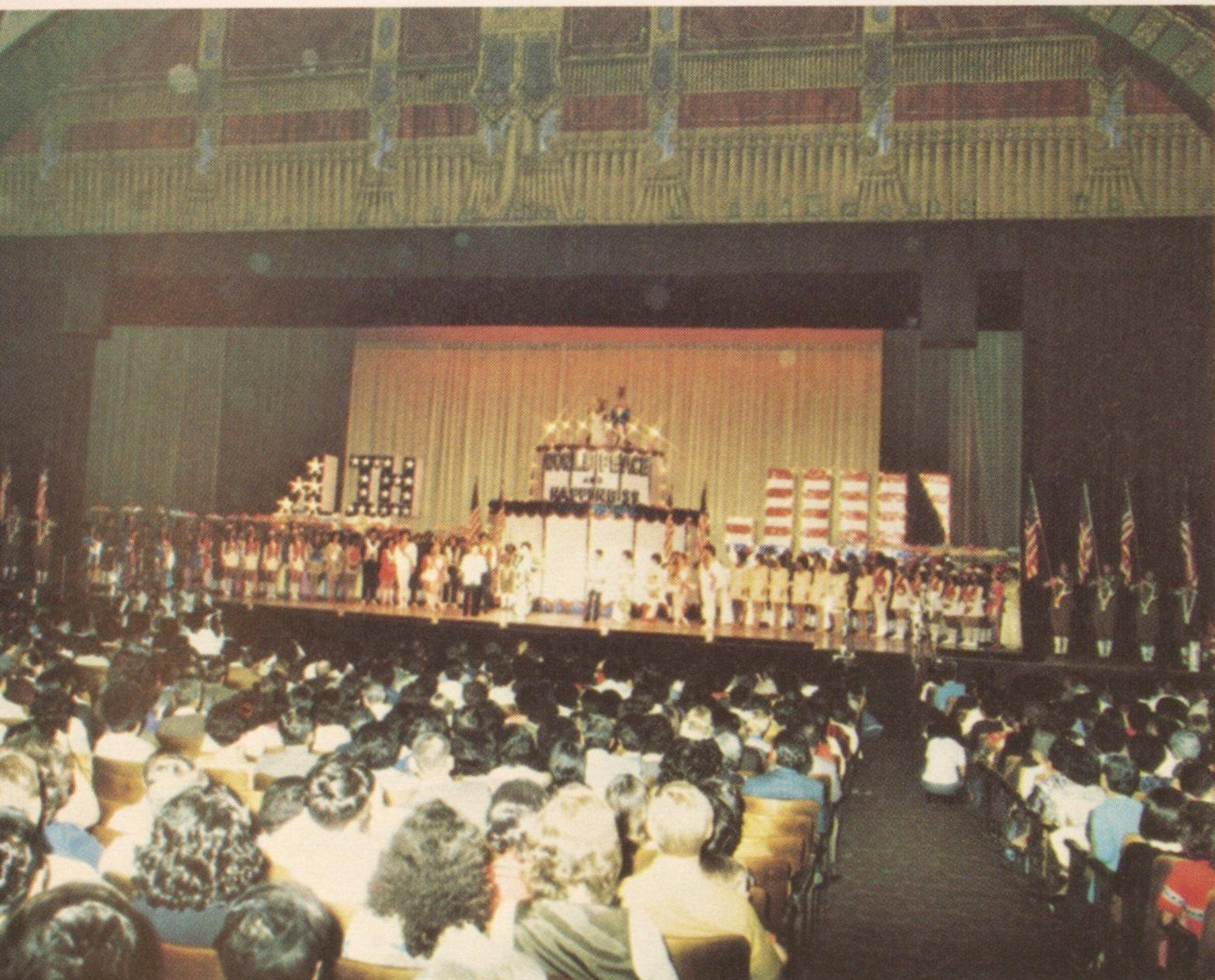
An arena stage set up for a patriotic-themed variety show.
The July 4th Shimakura Chiyoko Show in Los Angeles was a tribute to America.
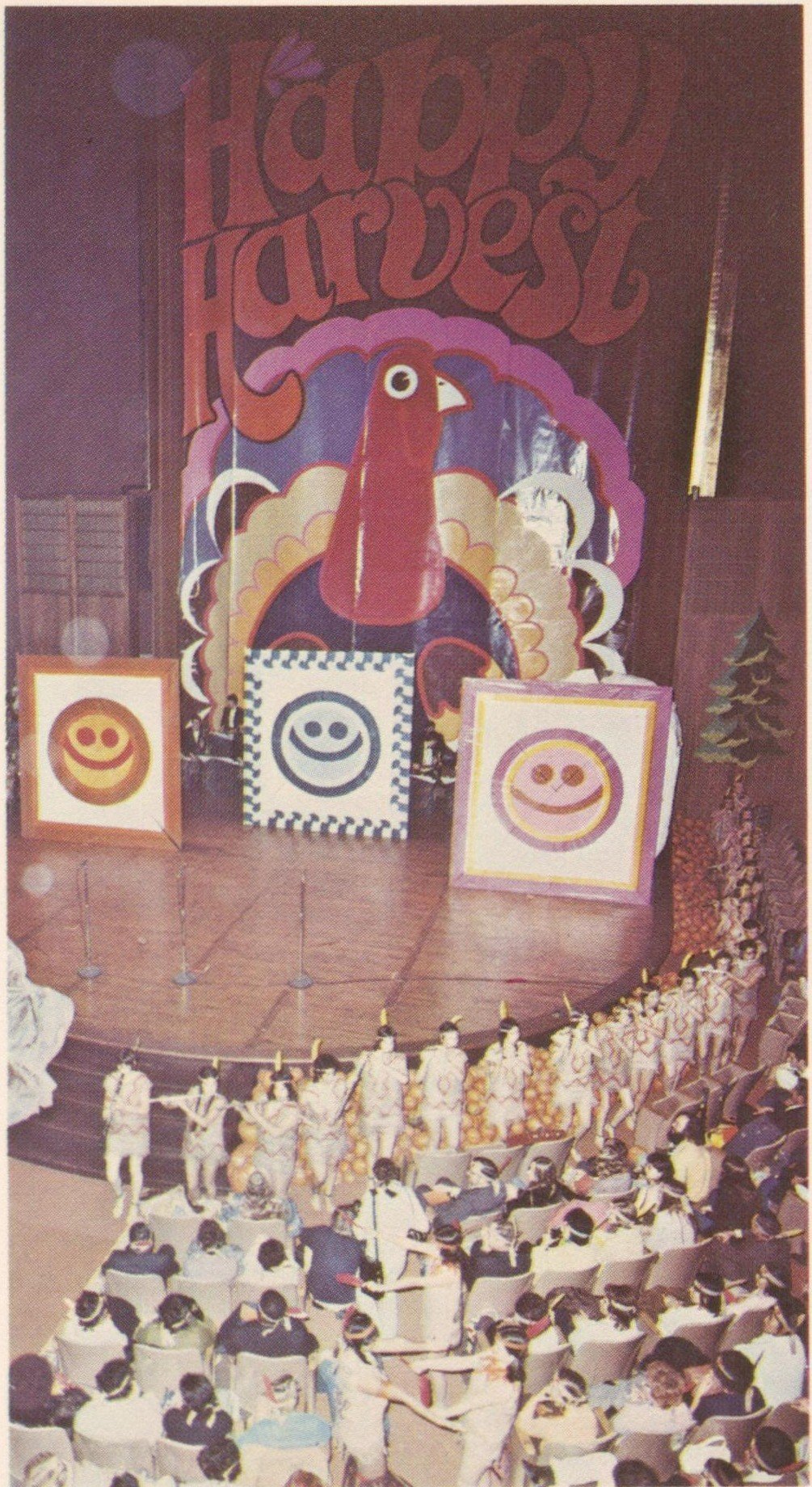
A colorful stage set with a large turkey graphic reading Happy Harvest.
The '71 Happy Harvest Festival in San Francisco.
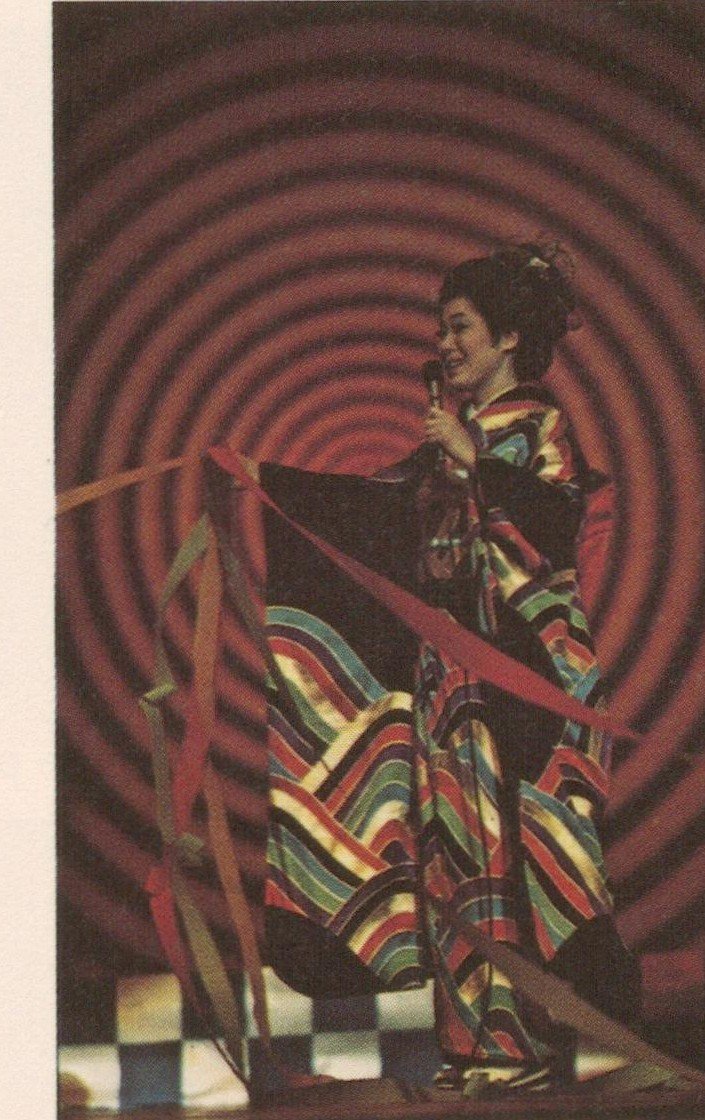
A performer in colorful kimono singing against a red spiral backdrop.
Shimakura Chiyoko appeared on the NSA stage summer of '72.
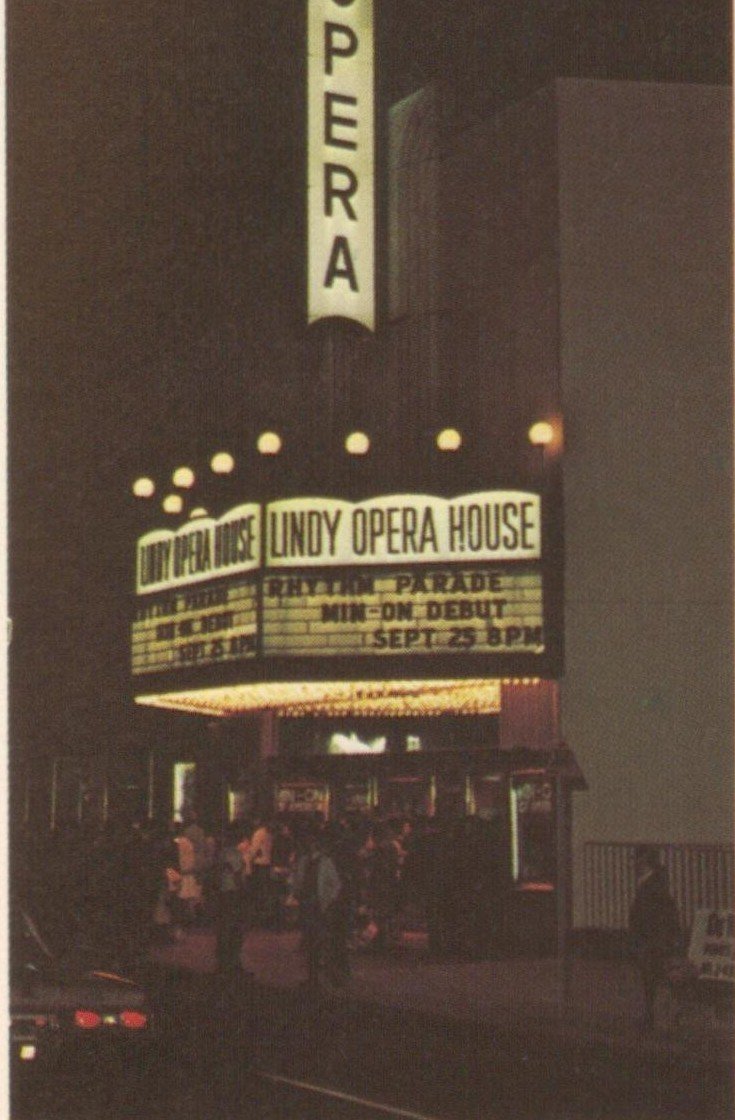
A nighttime photo of the Lindy Opera House marquee.
September, 1965 was the first NSA Production in Los Angeles.
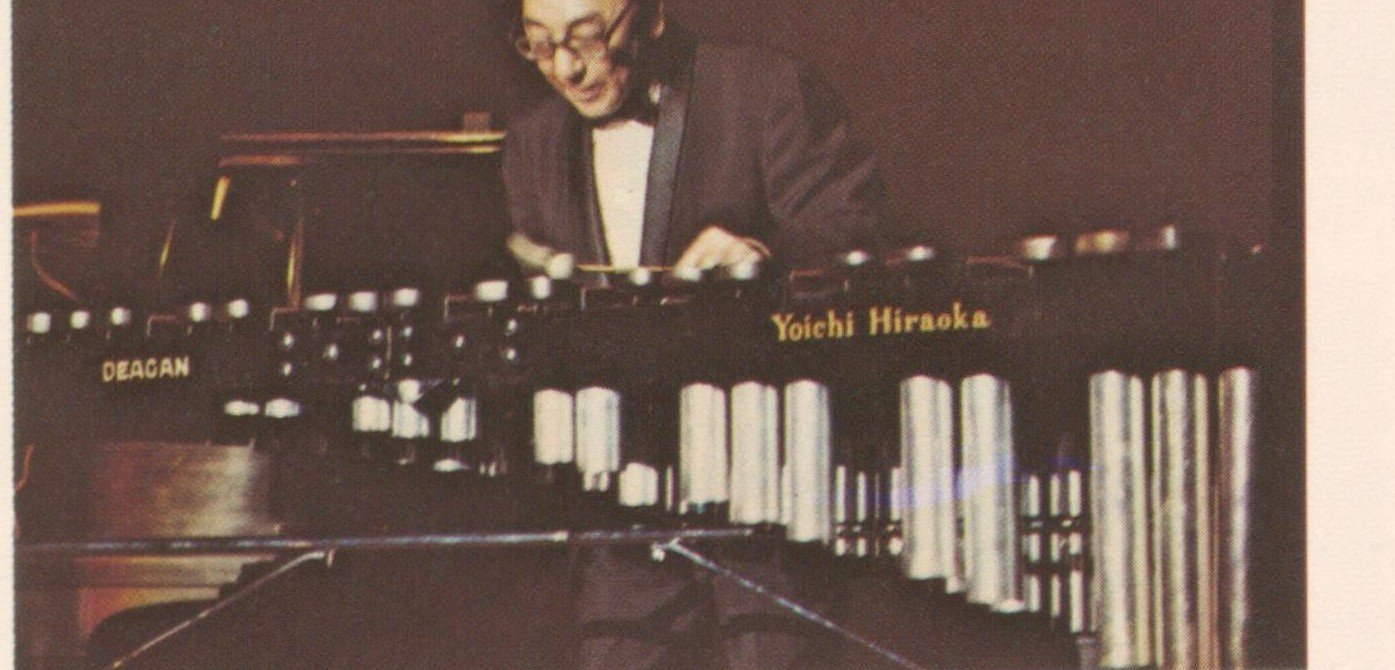
A man playing a xylophone labeled Yoichi Hiraoka.
Xylophone virtuoso Yoichi Hiraoka performed as a feature artist.
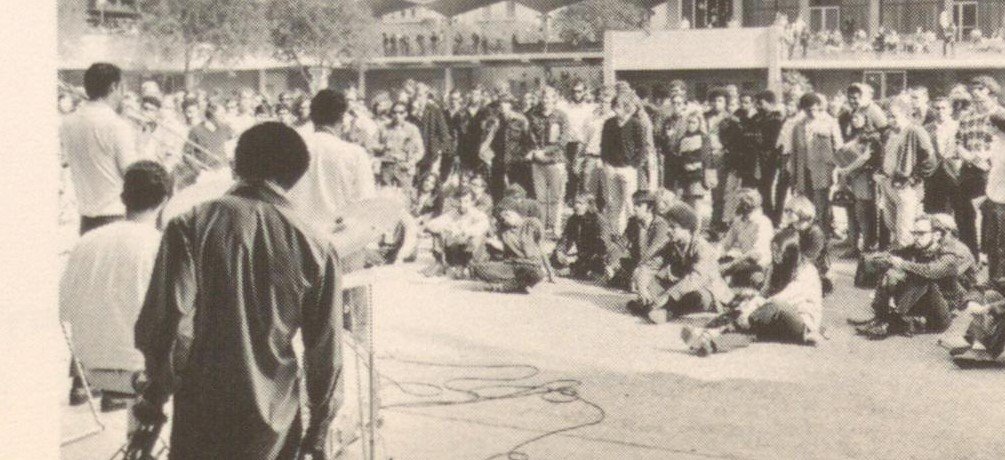
A black and white photo of a crowd seated on the ground outdoors.
'Carmina Burana' on the New York stage.
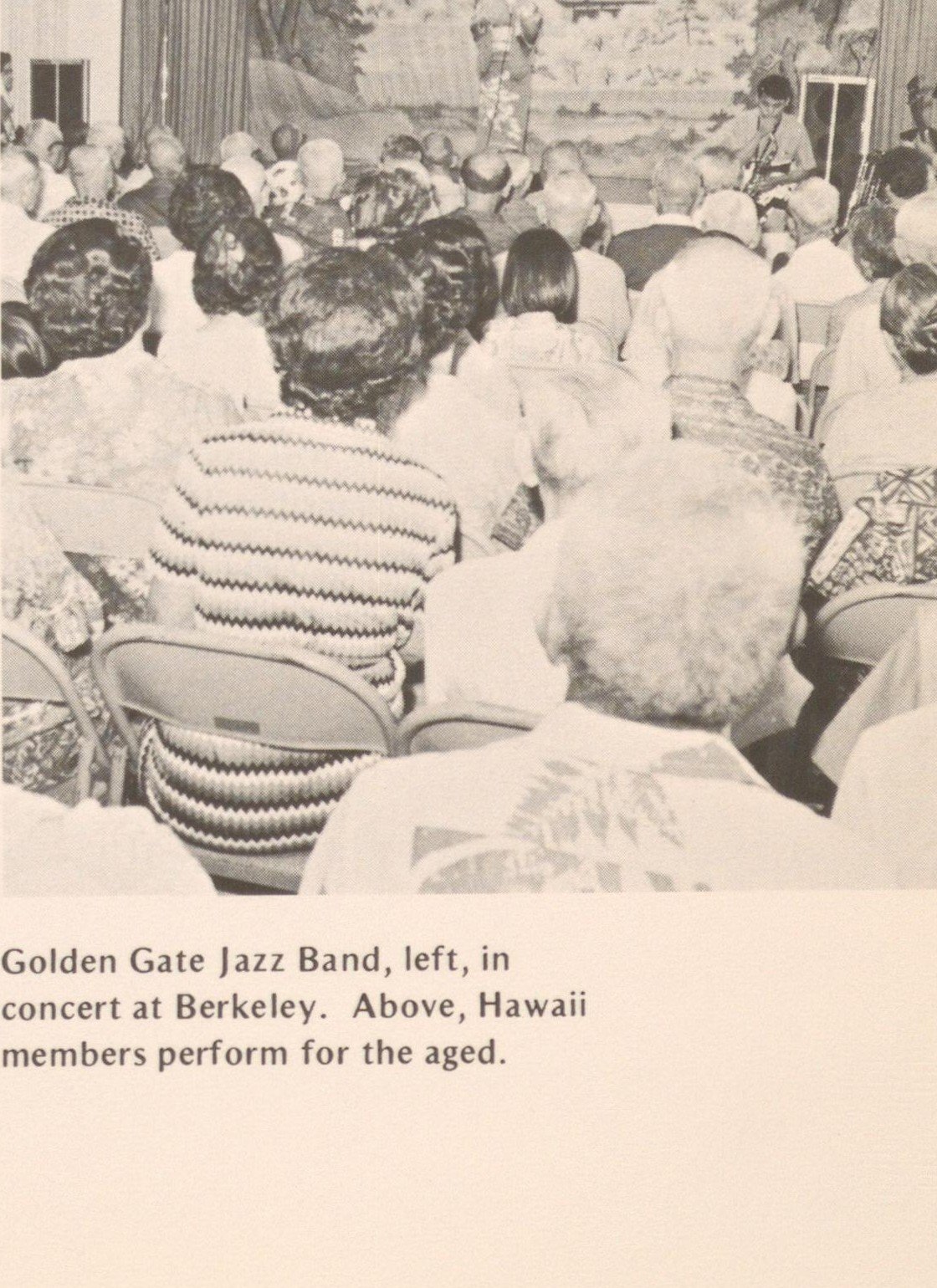
A black and white photo of an elderly audience with performers visible on a small stage.
Golden Gate Jazz Band, left, in concert at Berkeley. Above, Hawaii members perform for the aged.

145


University Seminar Program
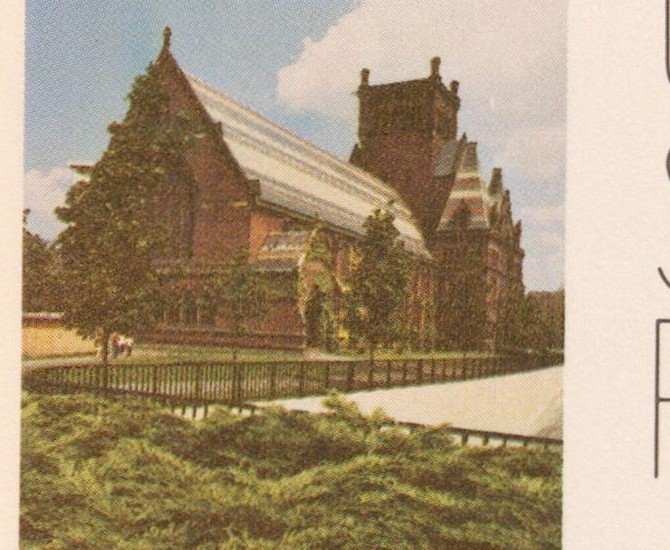
Harvard University campus with a Gothic building.
Harvard University, March, 1971
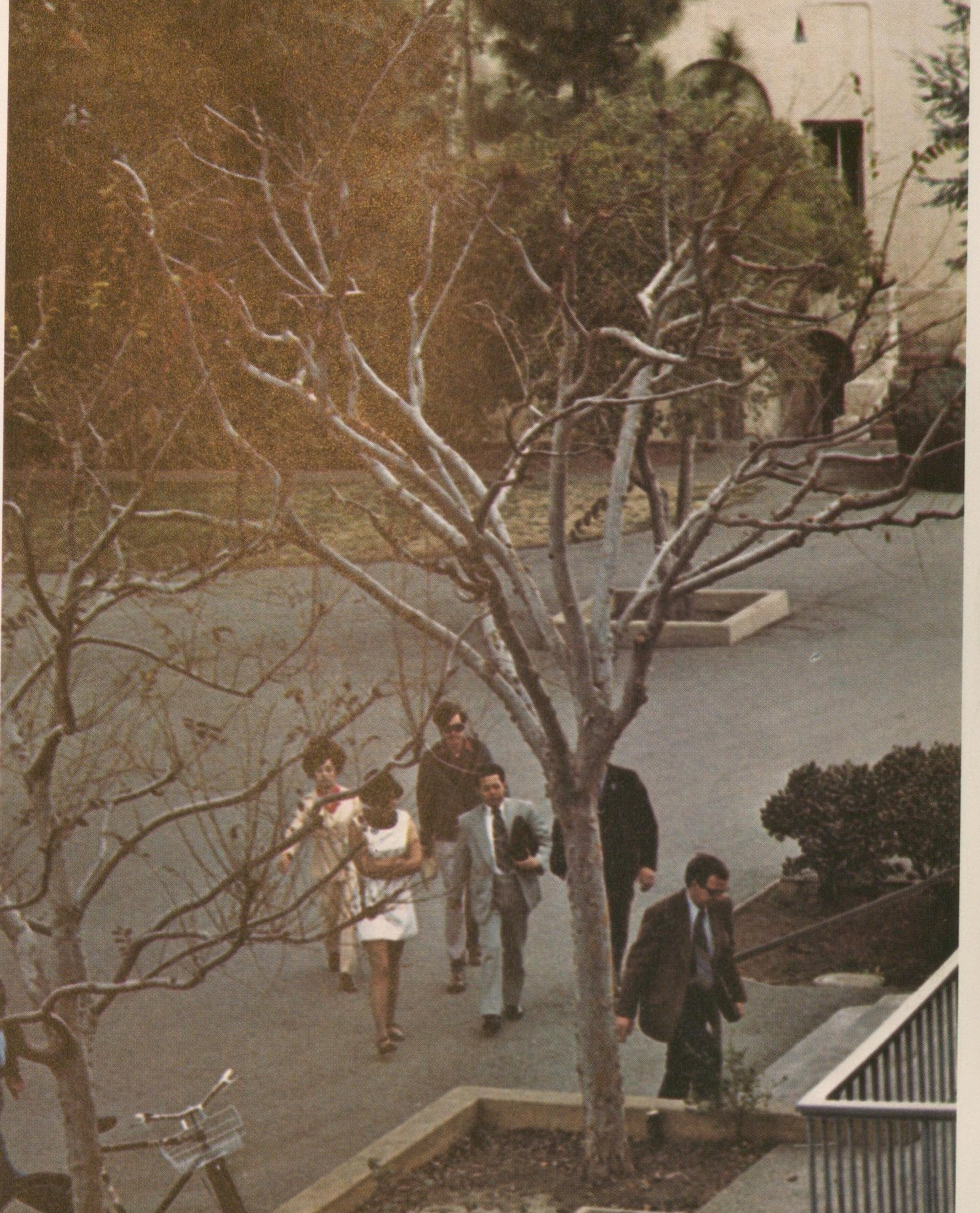
A small group walking on the Stanford University campus.
Professor George M. Williams (center) at Stanford University, February, 1972
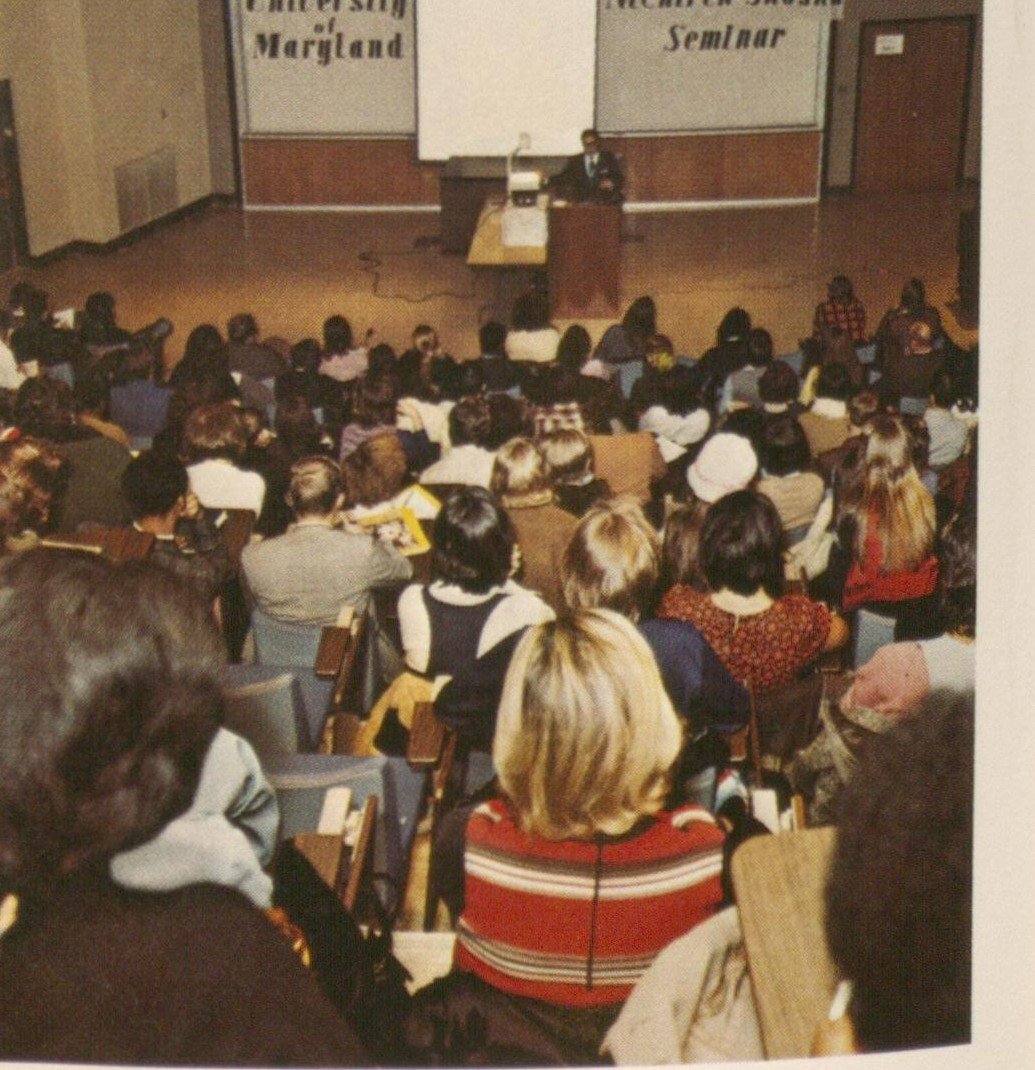
A lecture hall audience at University of Maryland.
University of Maryland, March, 1971

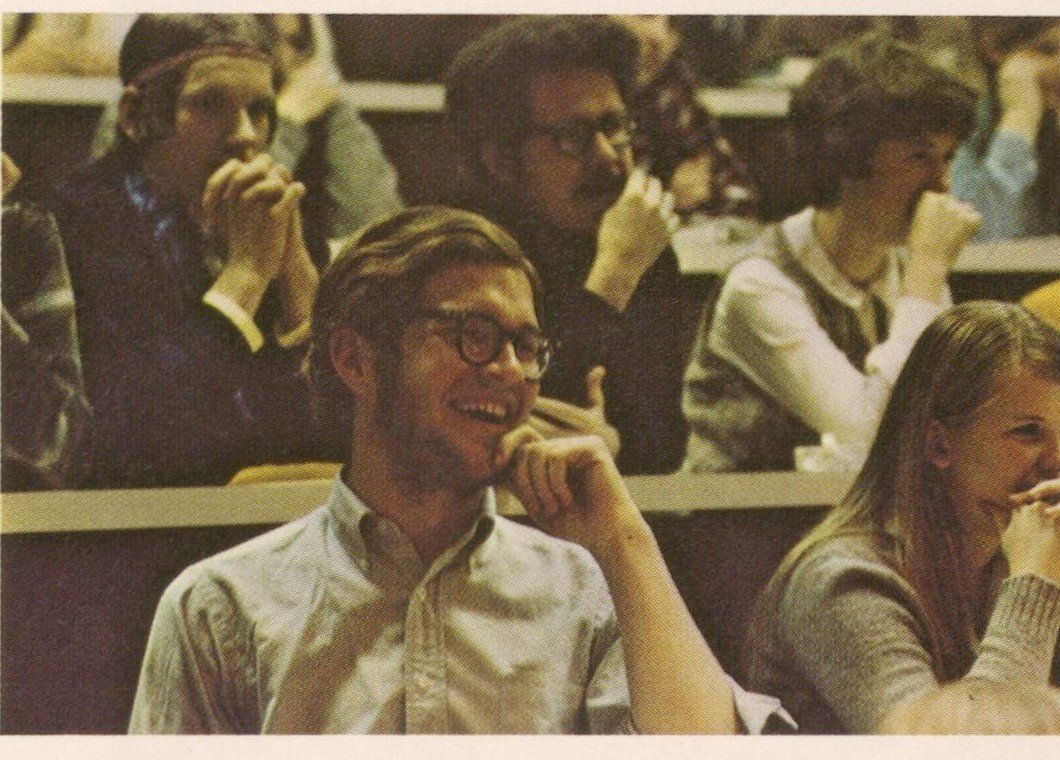
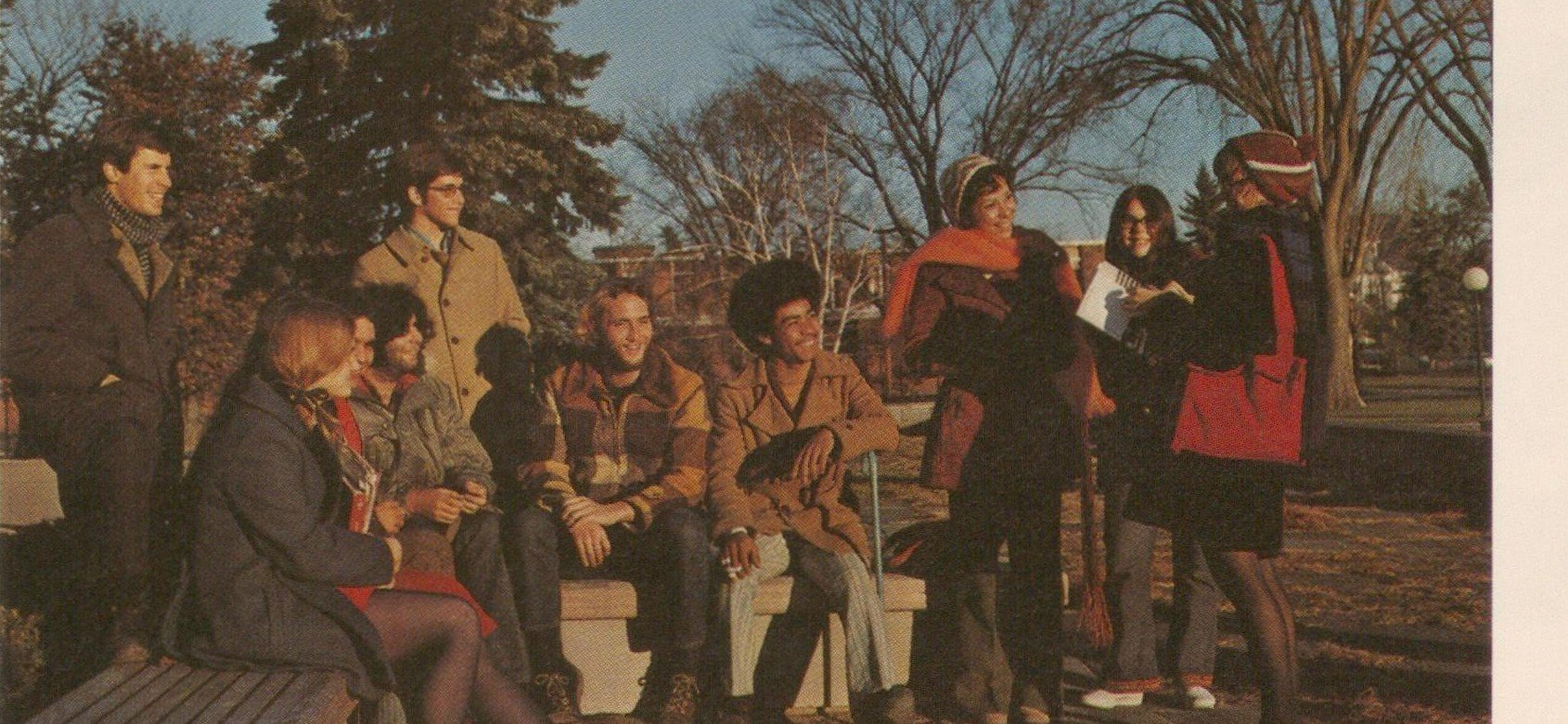
The passiveness and depression that rushed in to fill the vacuum after so many fruitless protests seemed to numb every student and etch away at the stature of our leading institutes of higher education. NSA began a series of seminars in 1968 to show young people how they can have a stake in future world events.

The simple formula of altering one's personal destiny to change the course of world events — that is the basic message delivered to thousands of students at nearly seventy seminars in universities across the continent. Professor George M. Williams points out in his lectures that humanism is the one vital factor missing in nearly all affairs of society. The rapid, quick growth of the NSA Student Division was a direct outcome of this popular seminar series.

The requests for seminars exceed what time will permit. Thus far, dozens of universities have begun incorporating studies of Nichiren Shoshu in their philosophy or religion classes.

146
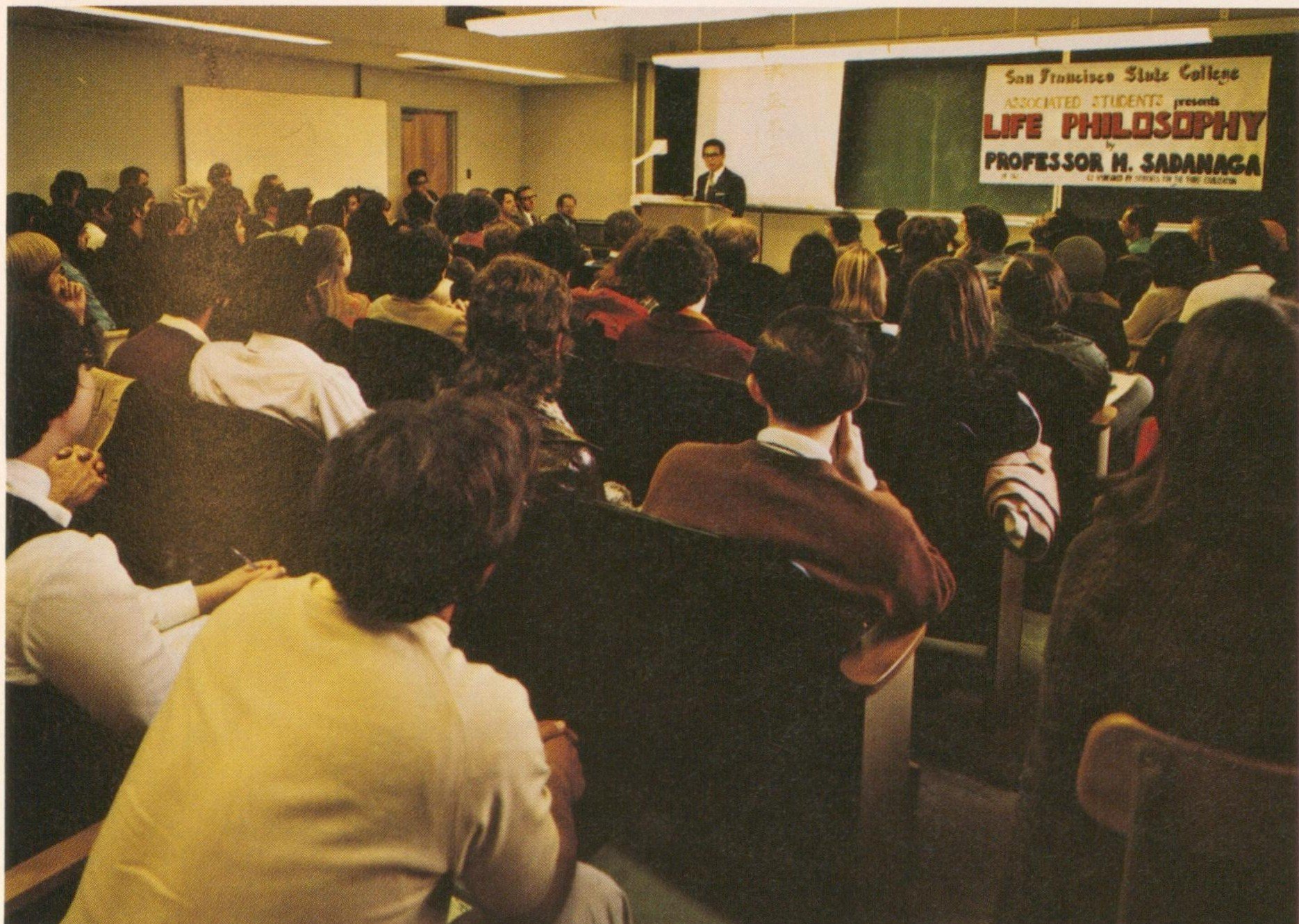
A seminar audience at San Francisco State University.
San Francisco State University, July 1970
A small seminar group at Oberlin College.
Oberlin College, March, 1969
A group seated outdoors at New York State University.
New York State University, Plattsburgh, November, 1971
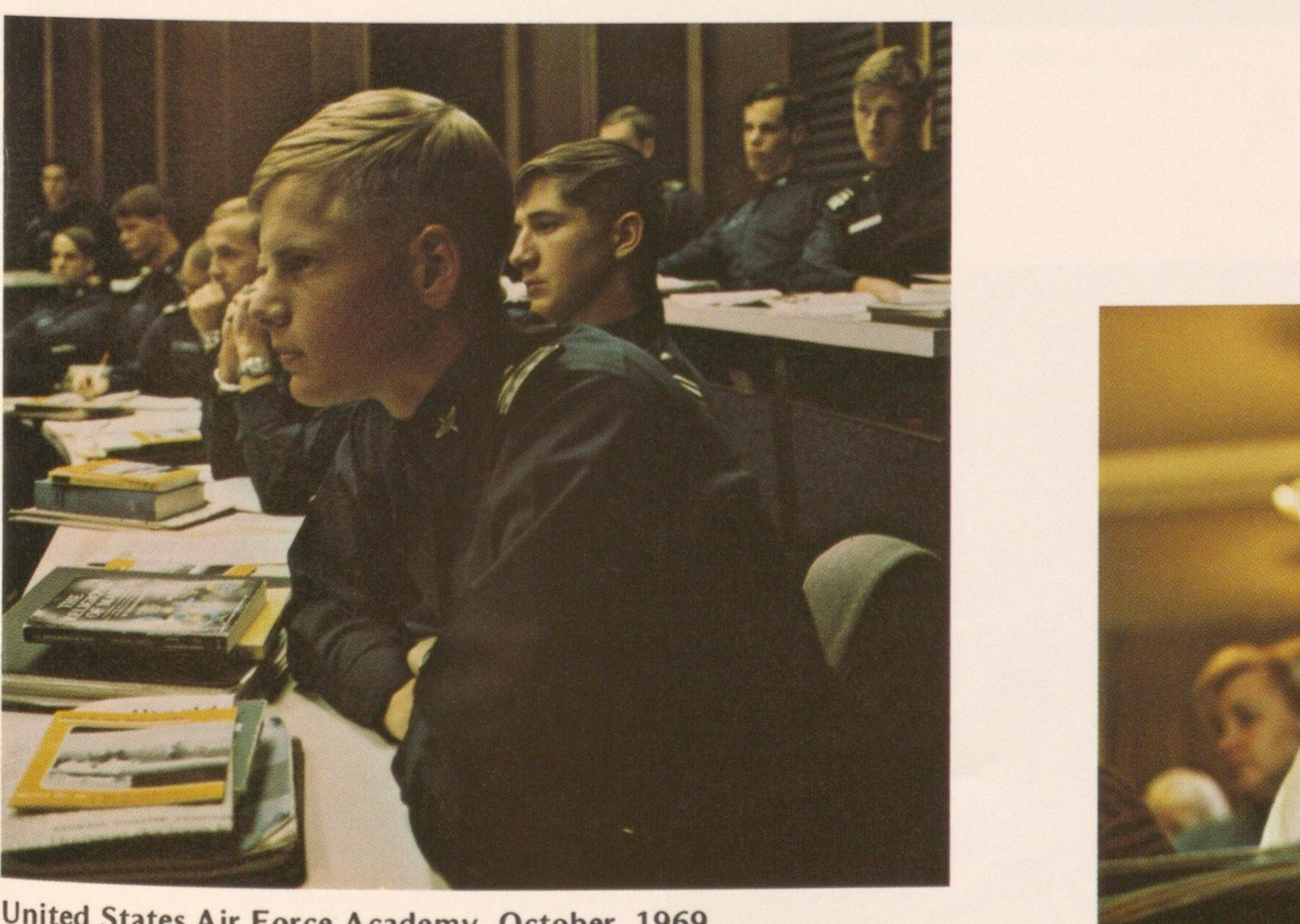
Cadets seated at desks at the United States Air Force Academy.
United States Air Force Academy, October, 1969
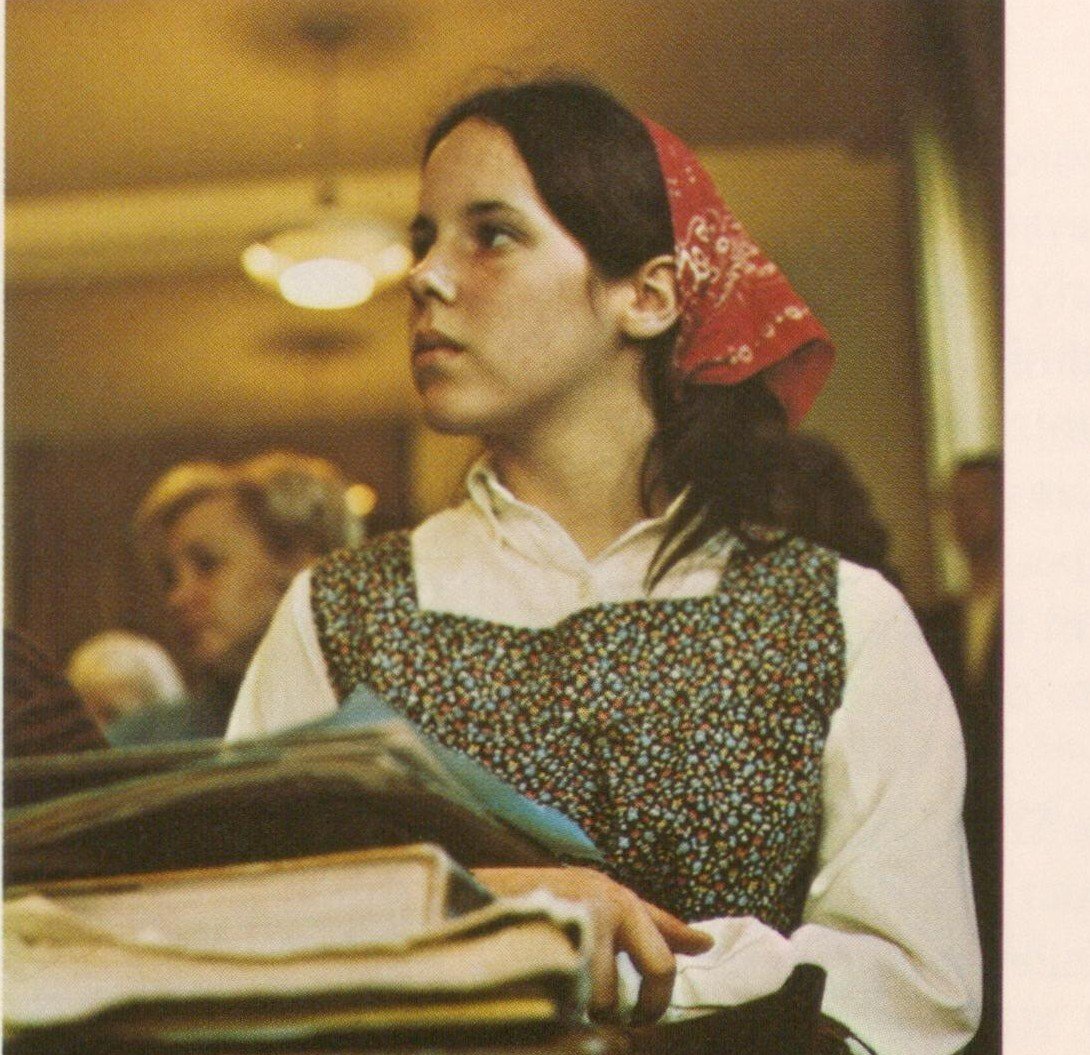
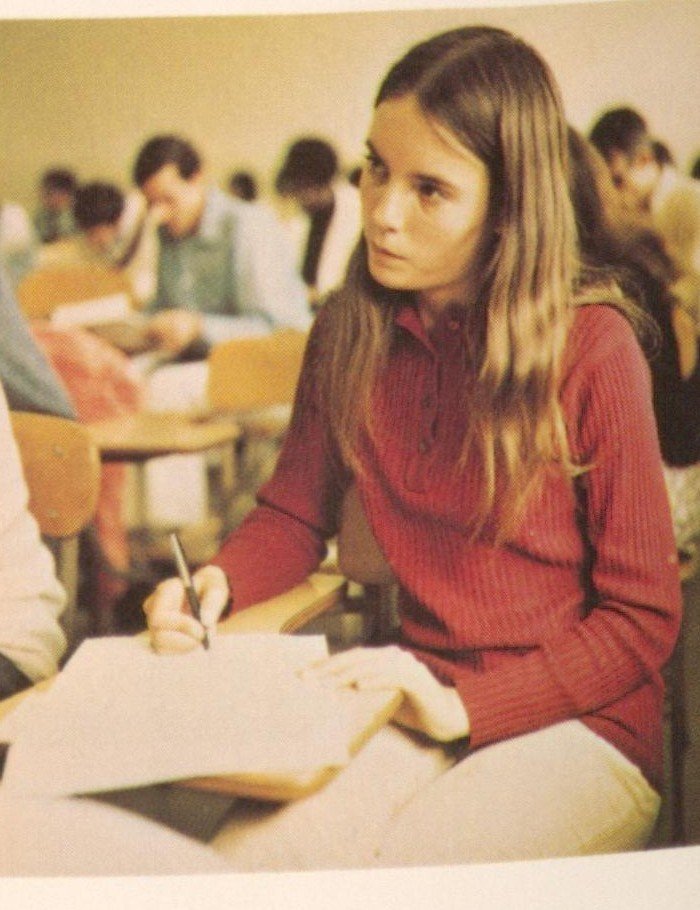
A young woman holding books, seated in a classroom.
University of the Pacific, February, 1972

147


NSA Study Academy
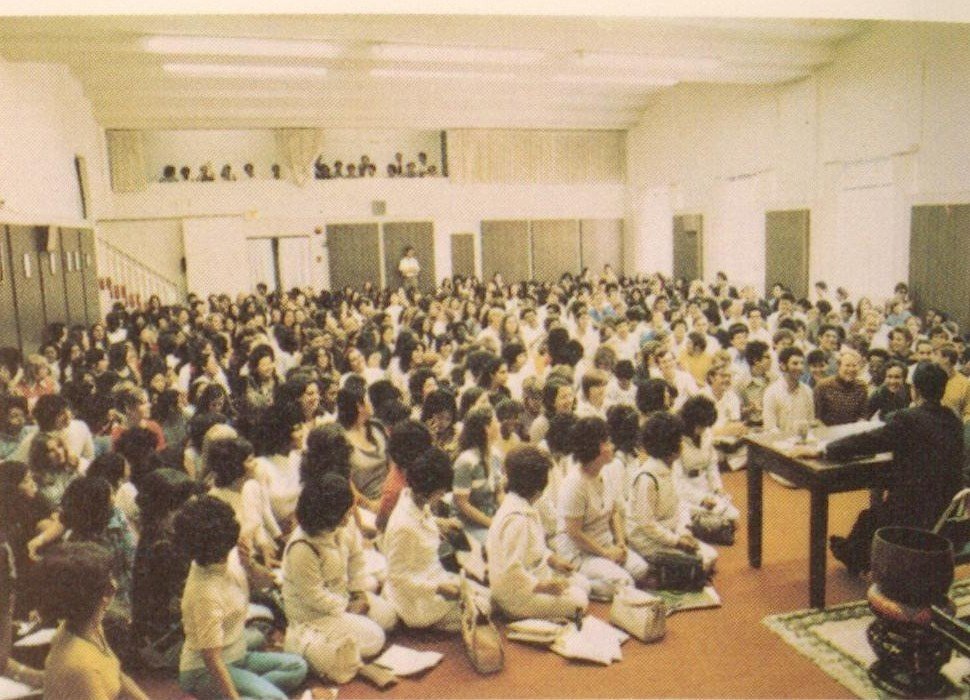
A large seminar hall filled with seated members.
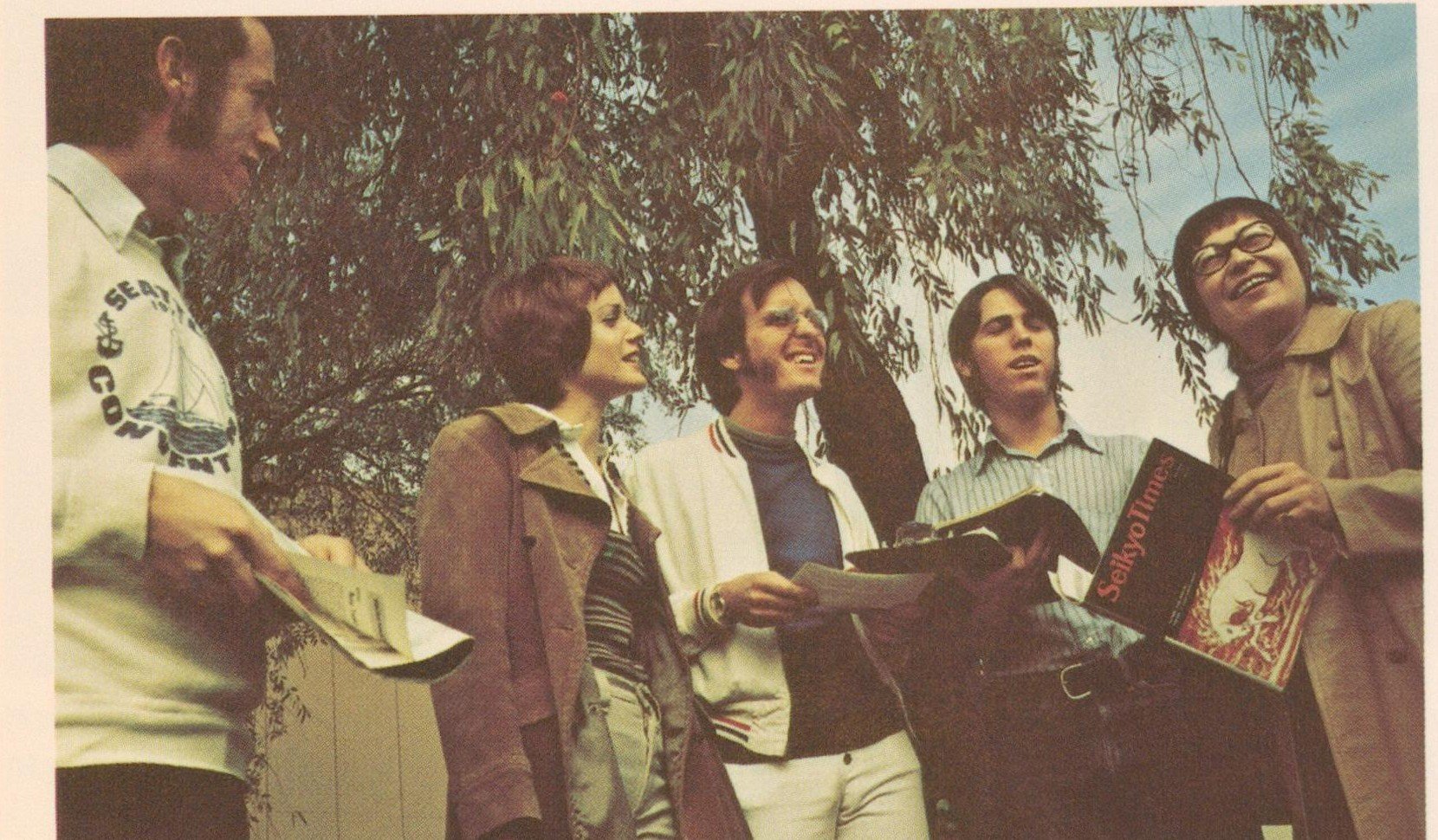
A small group discussing outdoors with books in hand.
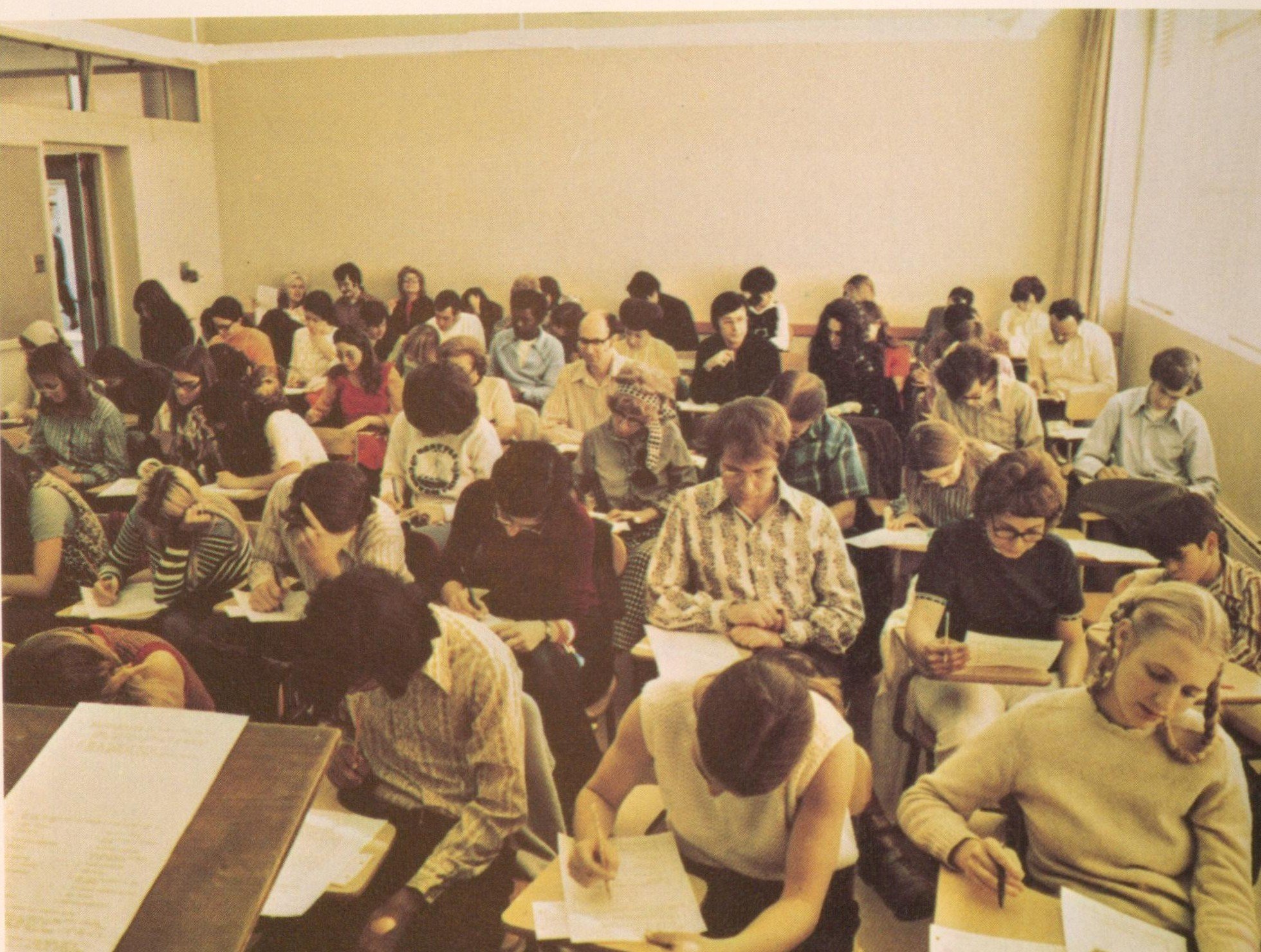
A large indoor study session with rows of people at tables.
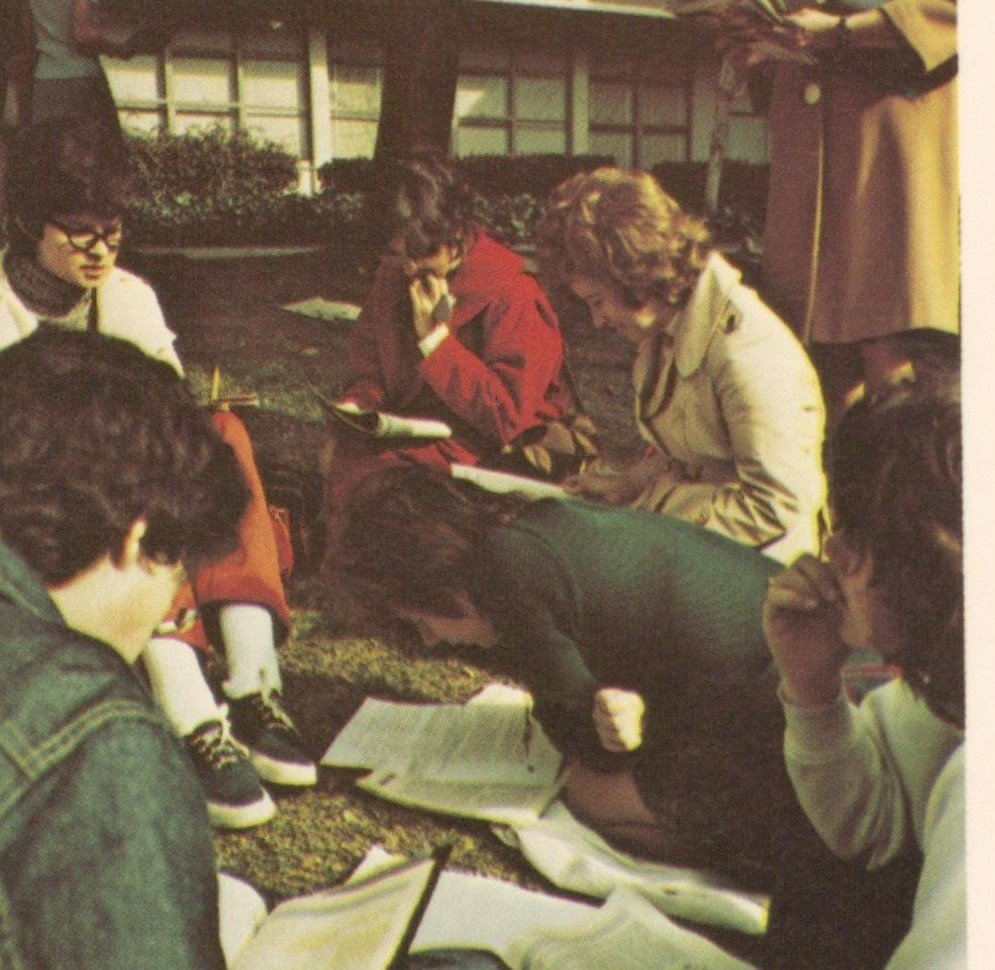
Two students studying together outdoors.
A young woman writing notes while studying.

Study of the Buddhist philosophy of life is a primary element of every NSA member's practice. Yearly examinations qualify candidates for admission and advancement in the organization's Study Academy. Regular lectures and study sessions not only prime people for the exams, but acquaint them with principles that, when put into practice, better their lives.

Higher positions in the Study Academy entitle a person to conduct lectures and aid newer members in understanding the value and application of Nichiren Daishonin's philosophy.

148
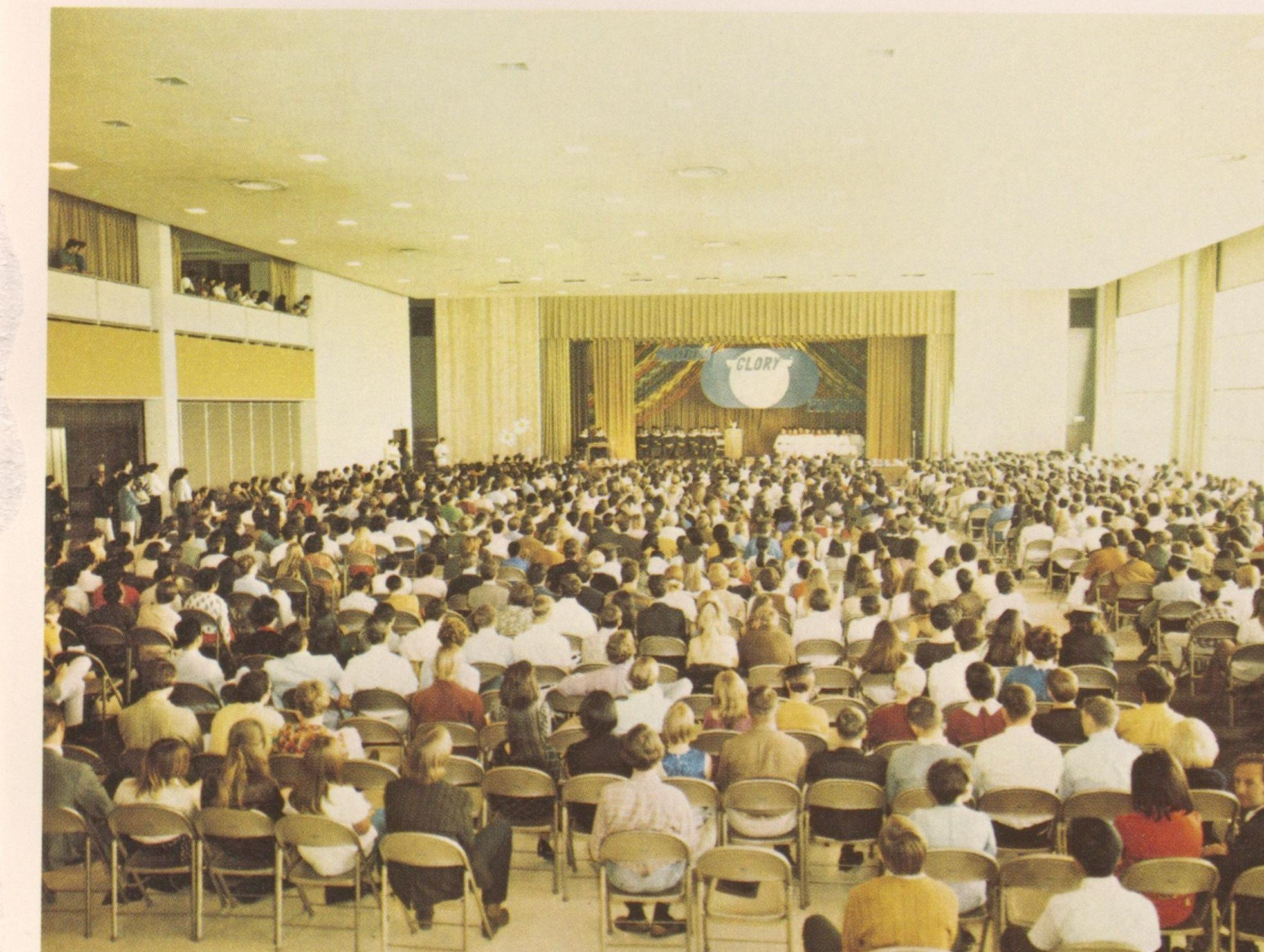

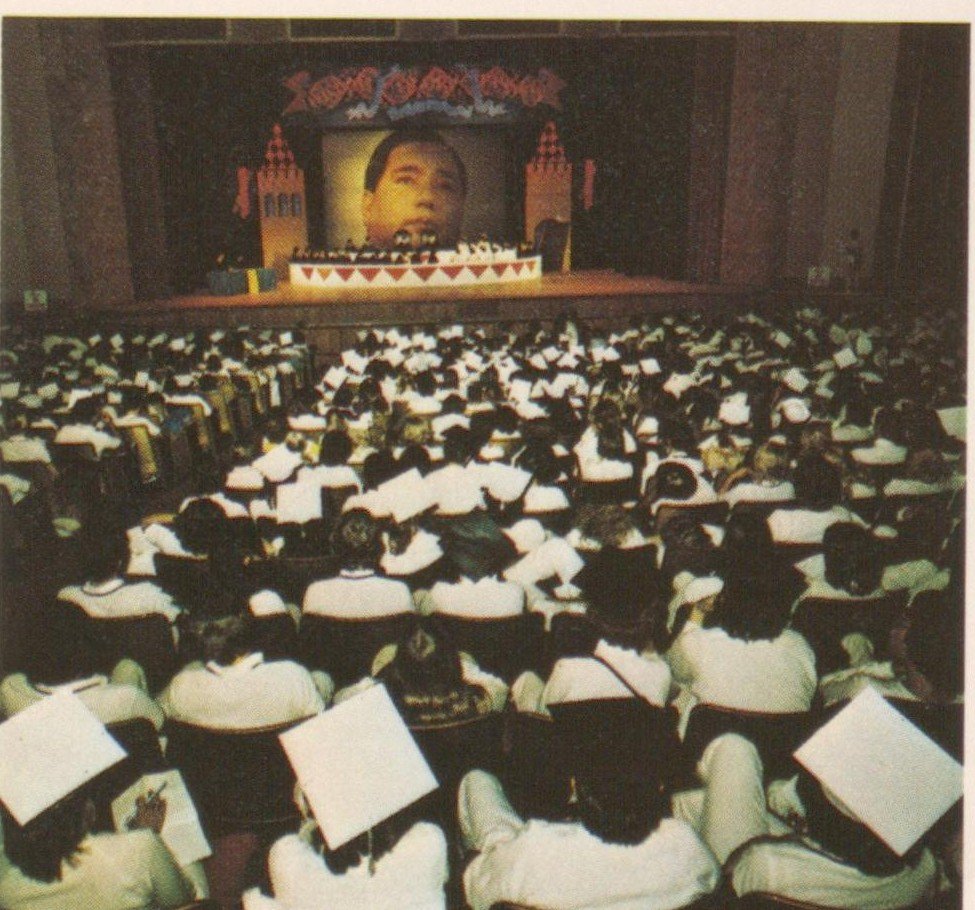
A large auditorium audience at the 1st Student Congress at UCLA.
Over two thousand students attended the 1st Student Congress in 1969 at UCLA.
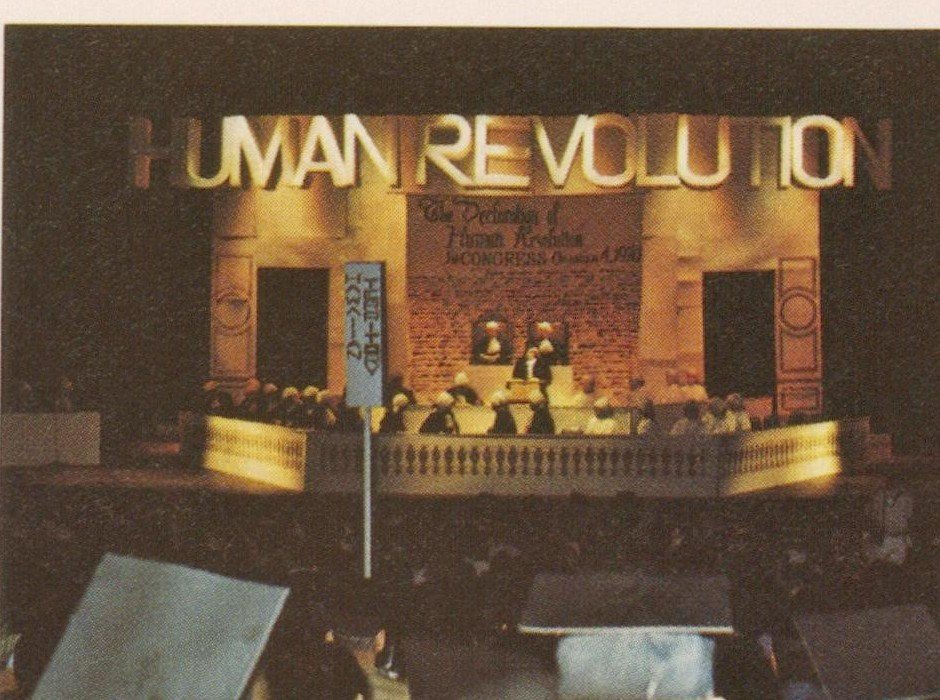
A stage with a banner reading Human Revolution.
UC Berkeley hosted the 2nd Student Congress.
An outdoor performance at UC Berkeley.
The Youth Division performing at Berkeley.
An auditorium audience at the 3rd Student Congress at the Seattle Convention.
3rd Student Congress at the Seattle Convention.
Student Congress

The Student Division of NSA is comprised of members studying at several hundred colleges and universities throughout the Western Hemisphere. Their growth has been charted by an annual Student Congress usually held in conjunction with NSA conventions. The first Student Congress was staged at UCLA; the second at UC Berkeley where thousands of young people adopted the Declaration of Human Revolution. On the same day, the first Third Civilization Art Exhibition was held. The third Student Congress was held during the Seattle Convention.

The four successive Student Congresses owed much of their success to the seminars that exposed students across the nation to Nichiren Daishonin's philosophy. The 1973 Student Congress will convene at Soka University in Japan and boast a theme of international unification and goodwill.

149
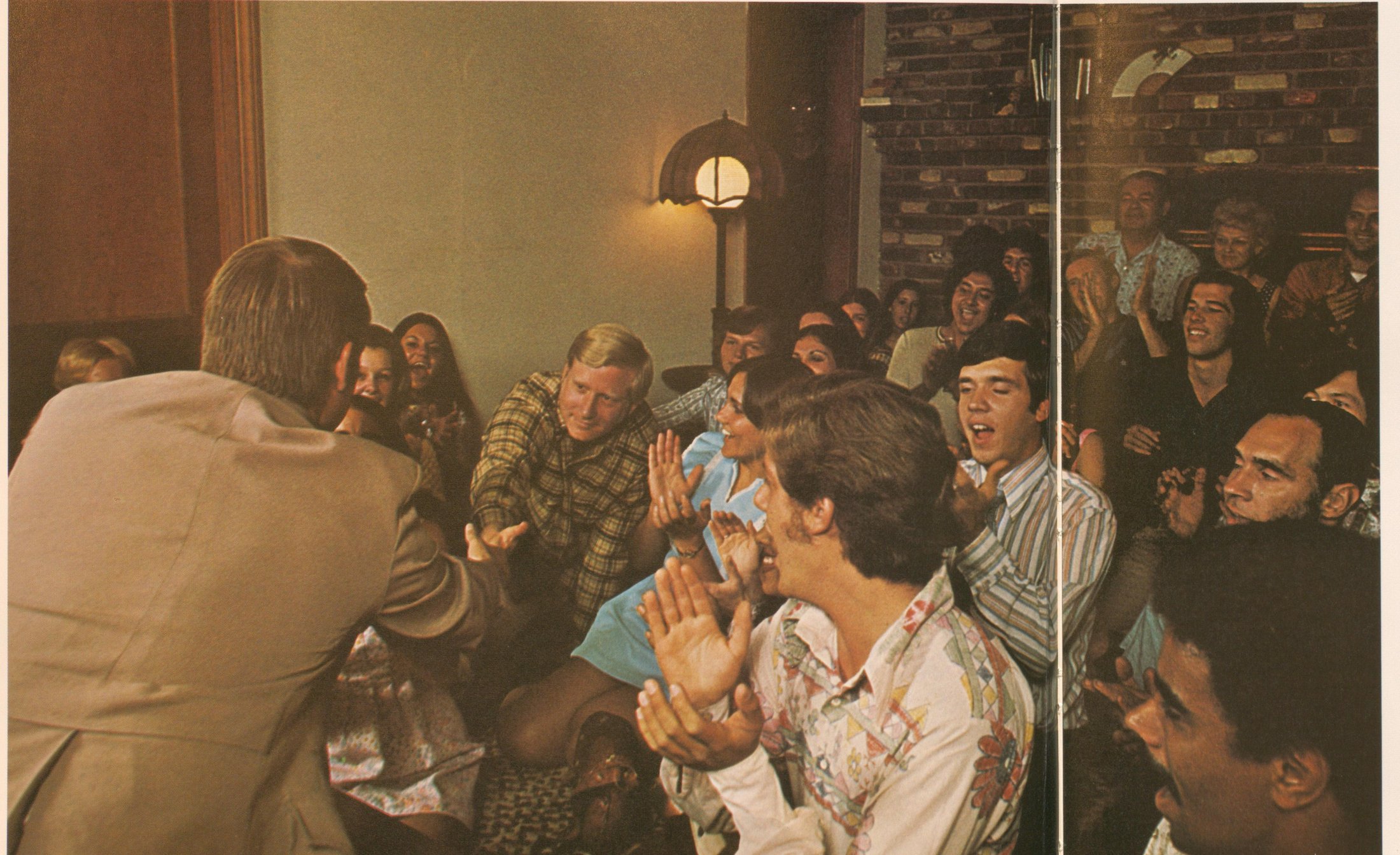

Discussion Meetings
An intimate discussion meeting in a living room, with a man leading a group in chanting, hands raised in applause and enthusiasm.

150

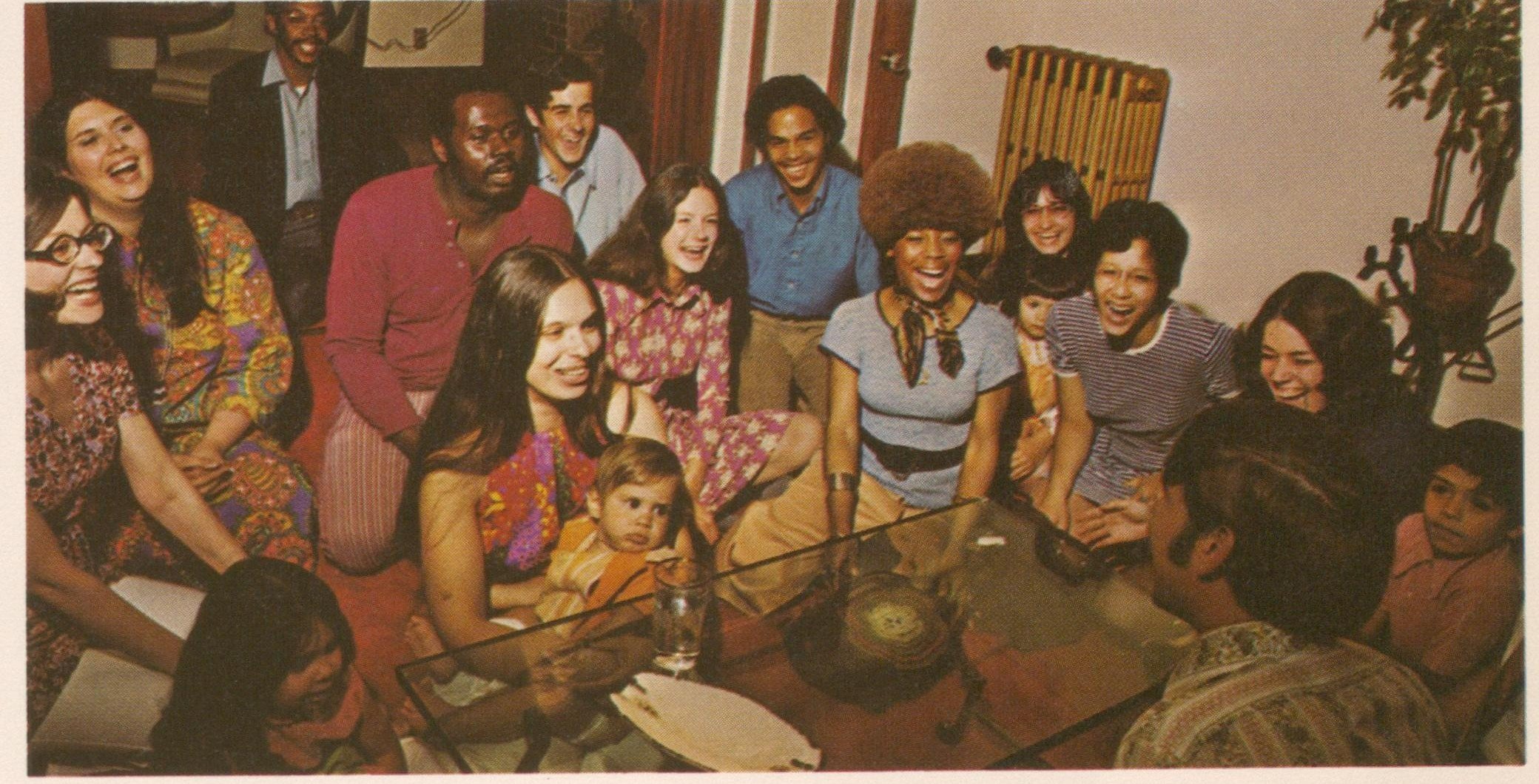
An informal group photo of a diverse group of young people gathered together, smiling.

Discussion meetings are an essential part of the Buddhist practice — an 'arena of world peace' said President Ikeda. The focus of the organization is directed toward the human being first. Through person-to-person communication, regular discussion meetings introduce the philosophy to others.

New and old members are encouraged to attend as many meetings as possible. The most enjoyable practice becomes one that is in unison with others who are also seeking happiness by accomplishing their own human revolution.

Discussion meetings are a truly humanistic form of social intercourse on the subject of True Buddhism where a guest can discover a great opportunity for a totally new life. The new member then can learn how to practice Nichiren Daishonin's life-philosophy and receive considerate encouragement from more experienced members whenever he meets difficulty.

The entire direction of the organization is toward life-to-life communication with these meetings serving as tributaries of guidance from President Daisaku Ikeda to the members. The meetings are informal and are held in the homes of individual members in an atmosphere of friendliness and frankness.

It is through these unique activities that Nam-myoho-renge-kyo is being spread all over the globe on every social level and to every race in hopes of creating a world of harmony and peace.

151
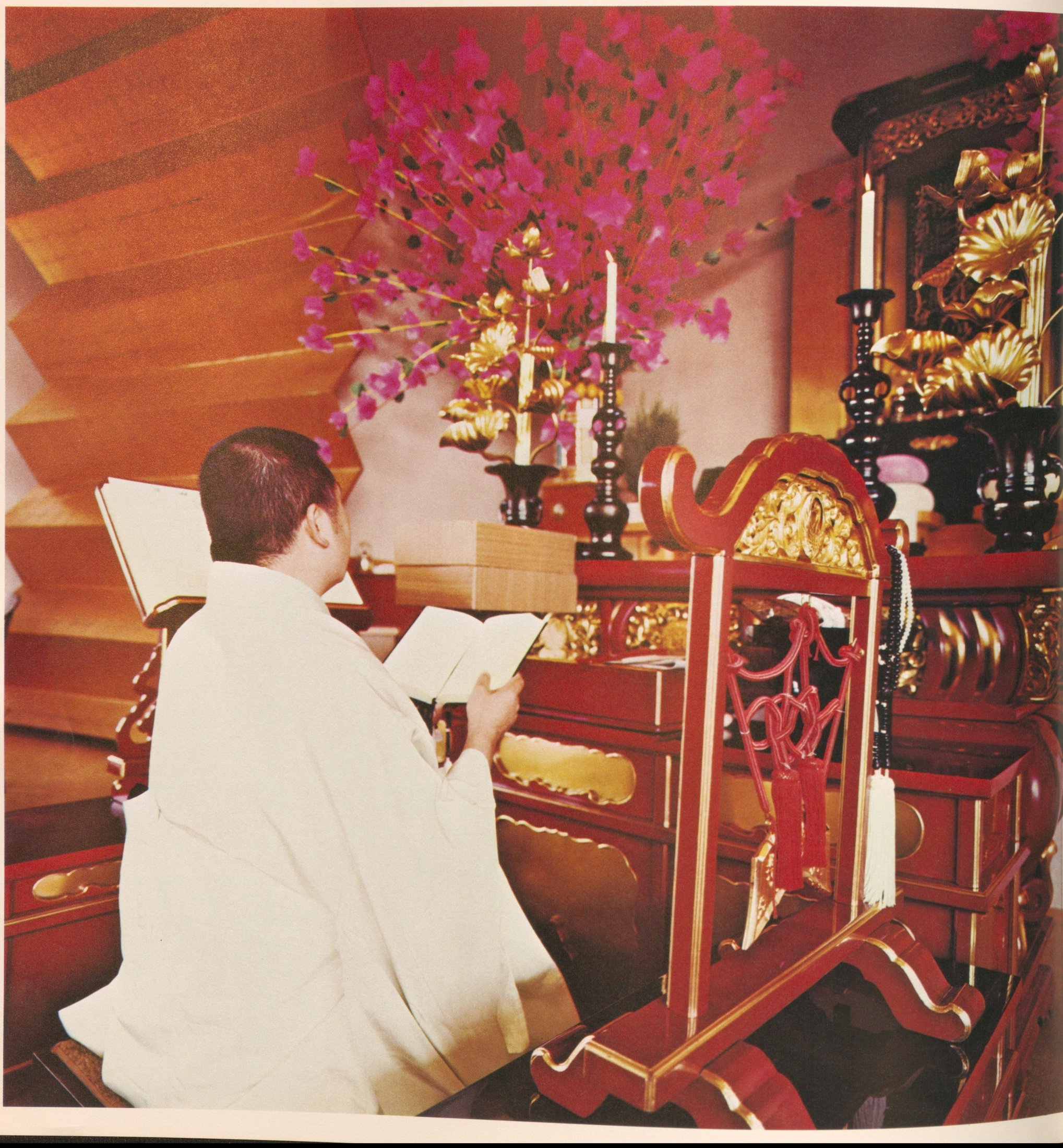

A priest in white robes reading scripture before an ornate red and gold altar decorated with pink flowers and candles.

152

Nichiren Shoshu Temples
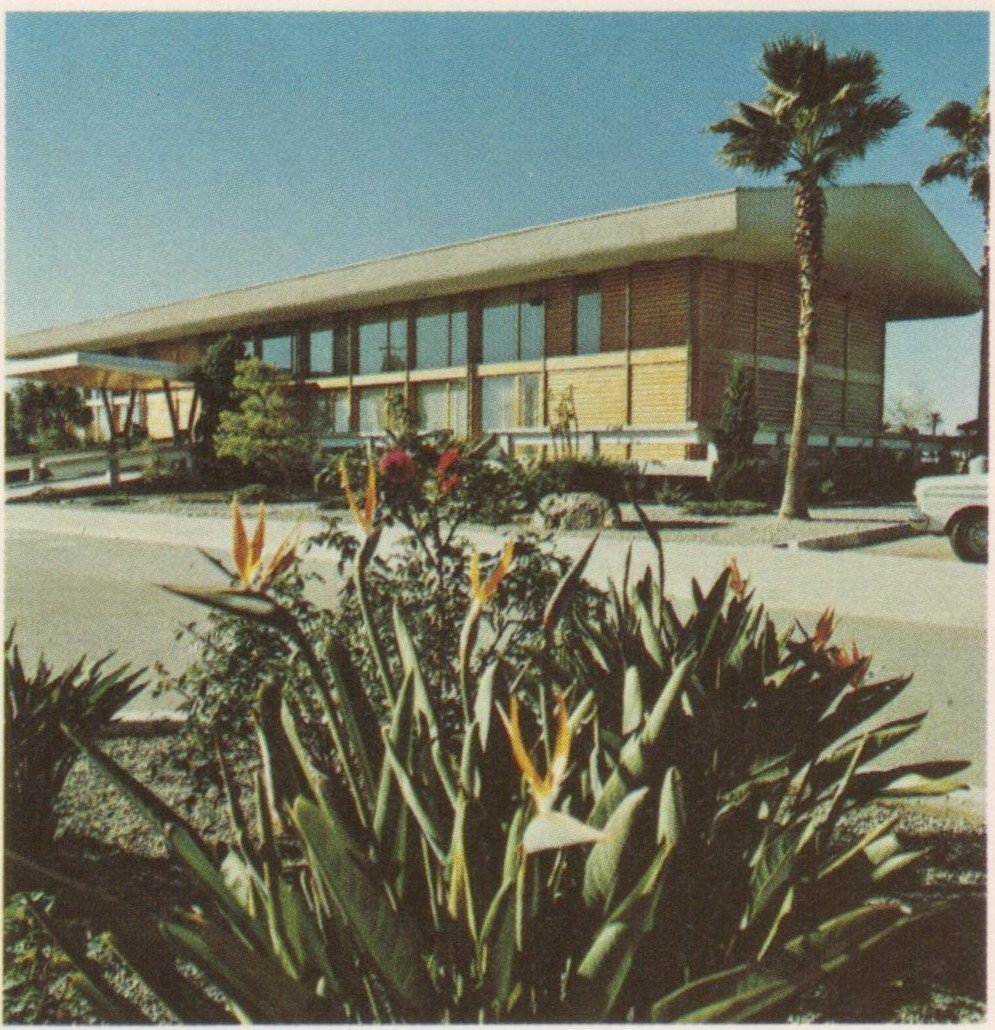
A modern mid-century temple building surrounded by tropical plants.
Enichizan Myohoji Temple near Los Angeles
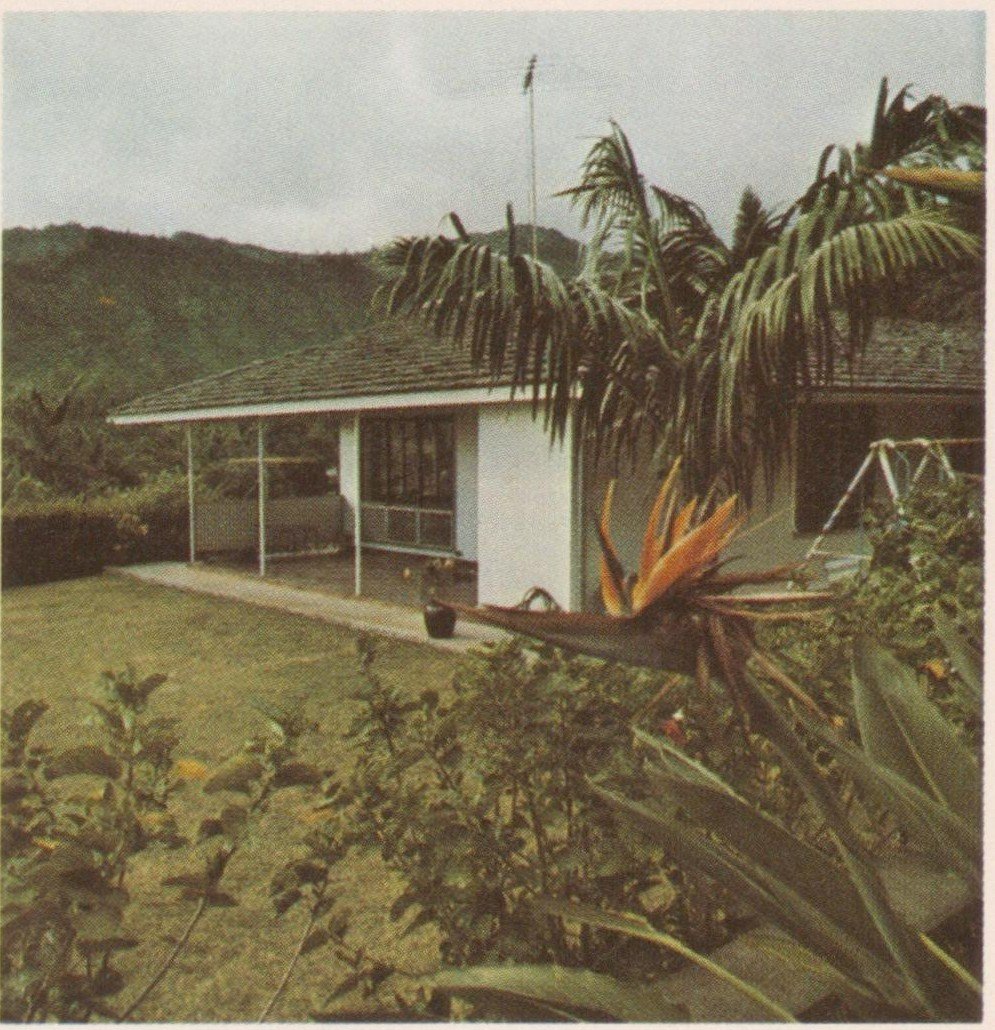
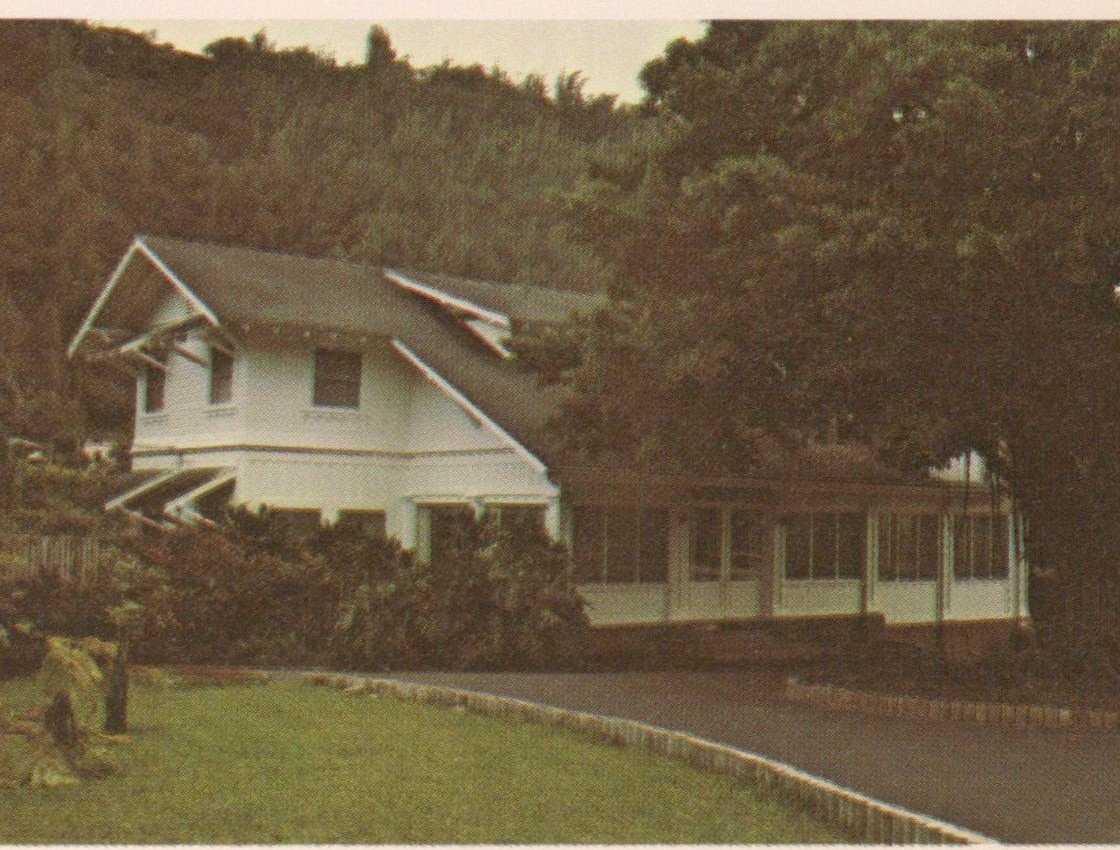
A white temple building nestled in a hillside surrounded by palm trees.
Jakkozan Honseiji Temple in Honolulu
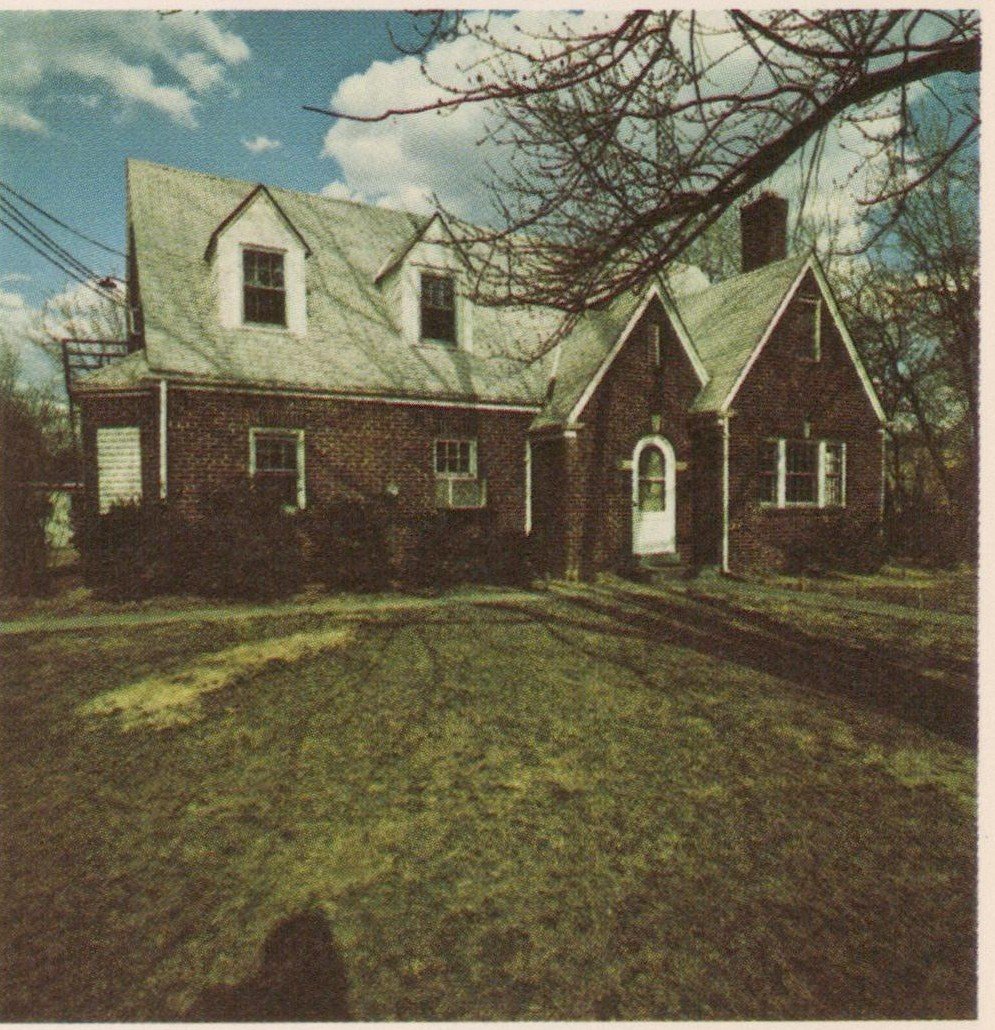
A brick temple building resembling a colonial cottage with dormer windows.
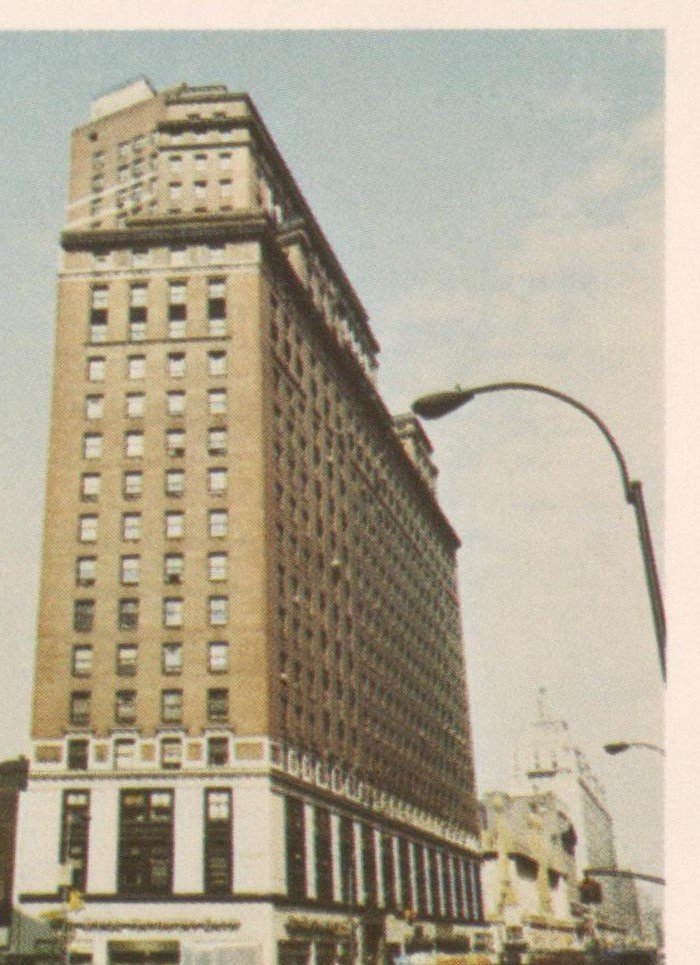
Ashuzan Myosenji Temple in Washington, D.C.
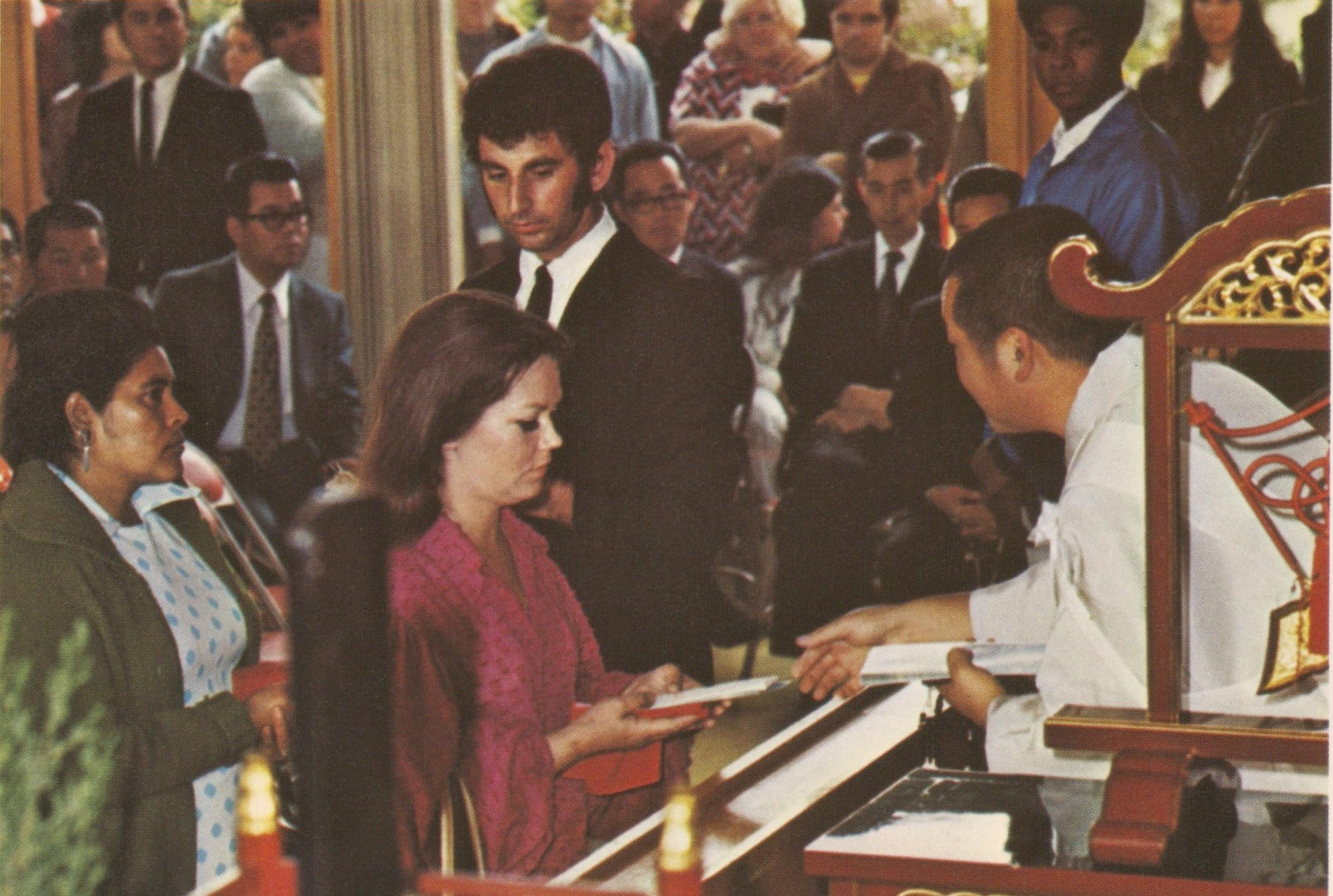
A crowd of people receiving the Gohonzon at a ceremony, with a priest at a lectern.

In response to the needs of a vastly growing membership, the Head Temple of Nichiren Shoshu established its first overseas branches in early 1967. The opening of these temples in Los Angeles and Honolulu was followed, in 1971, by the establishment of another in the nation's capitol. On weekends they are thronged by new members receiving the Gohonzon. Weddings and other religious ceremonies are also part of their function.

153
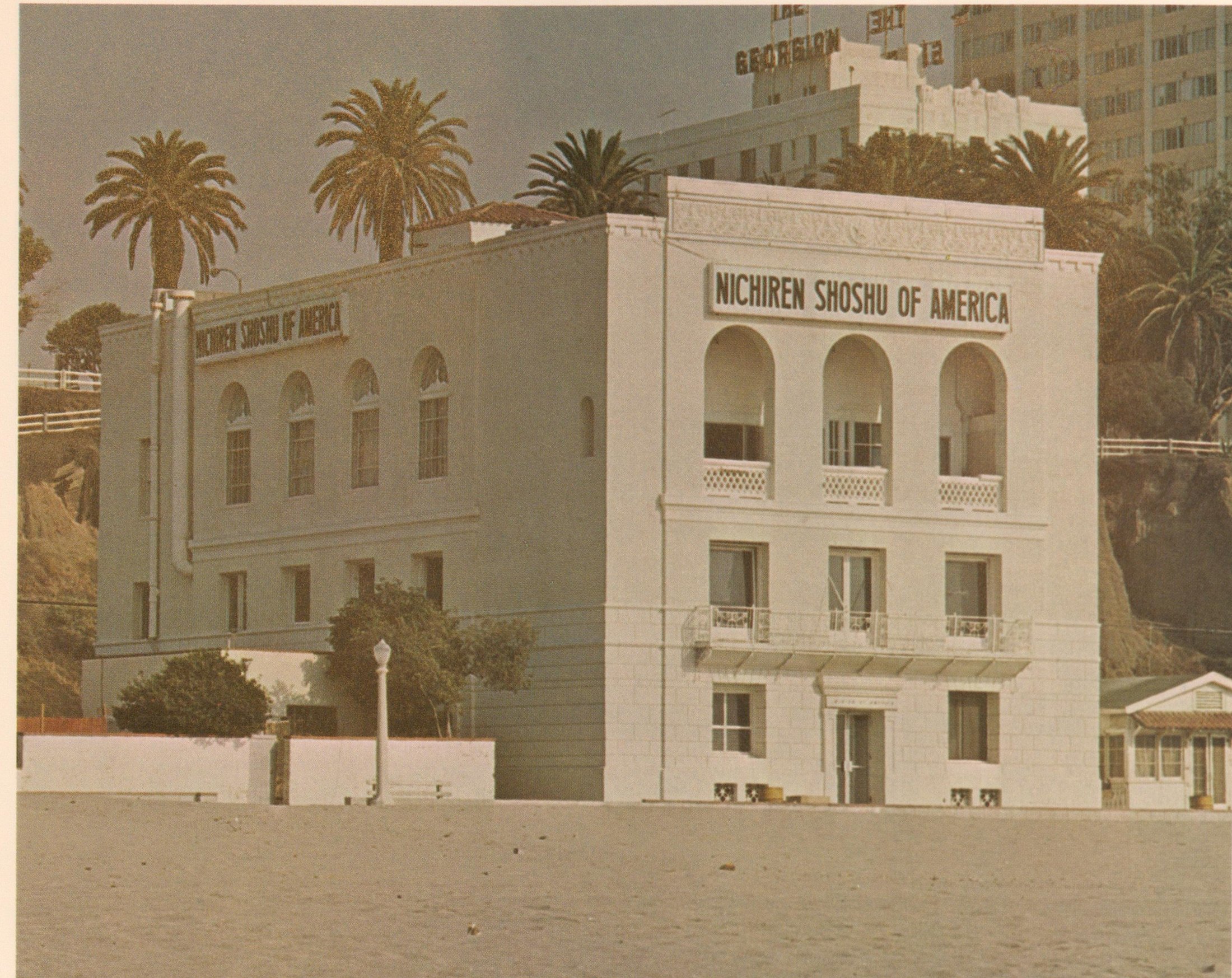

Headquarters in North America
The America Headquarters Building, a large white classical-style building with palm trees.
America Headquarters Building
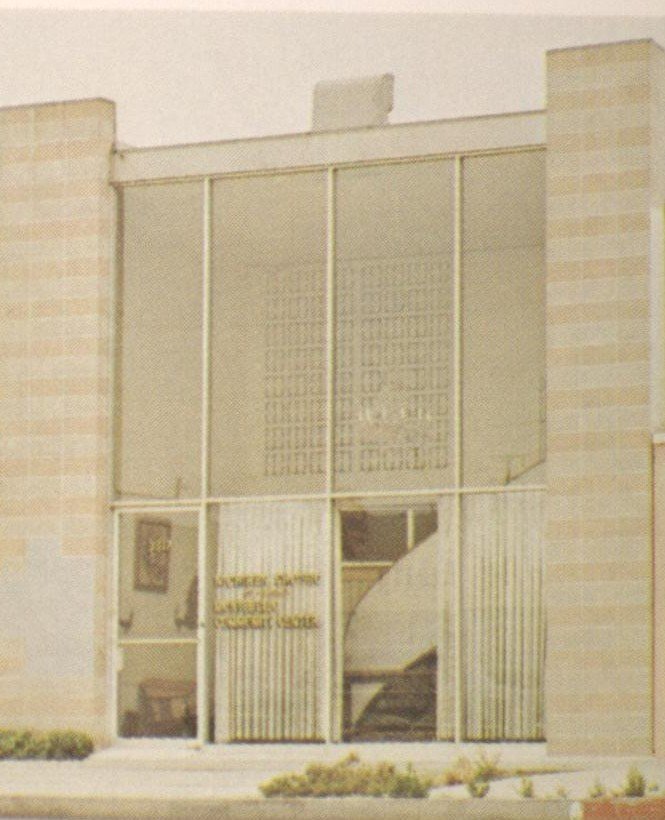
Los Angeles No. 3 Community Center building.
Los Angeles No. 3
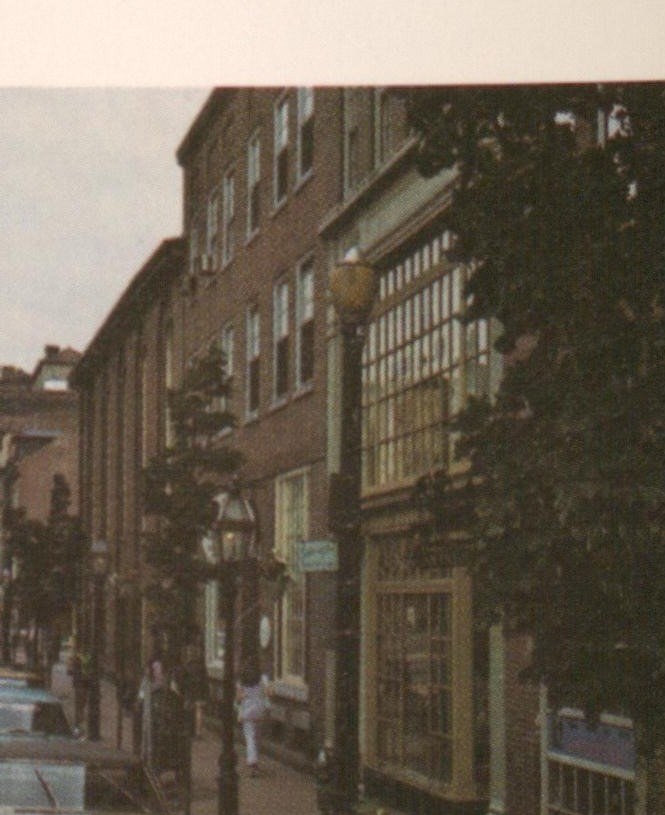
Boston Community Center building.
Boston
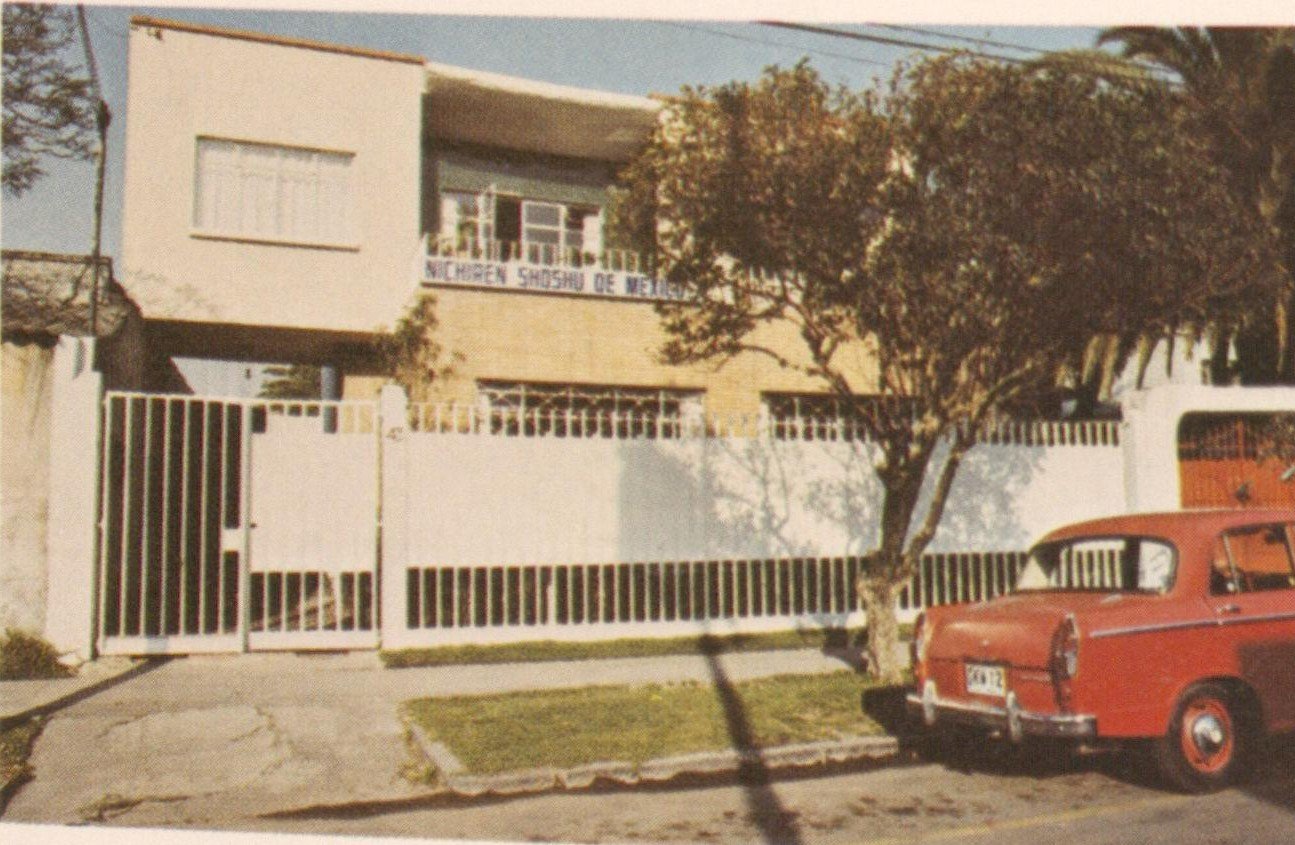
Mexico Community Center building.
Mexico
Seattle-Tacoma Community Center building.
Seattle-Tacoma
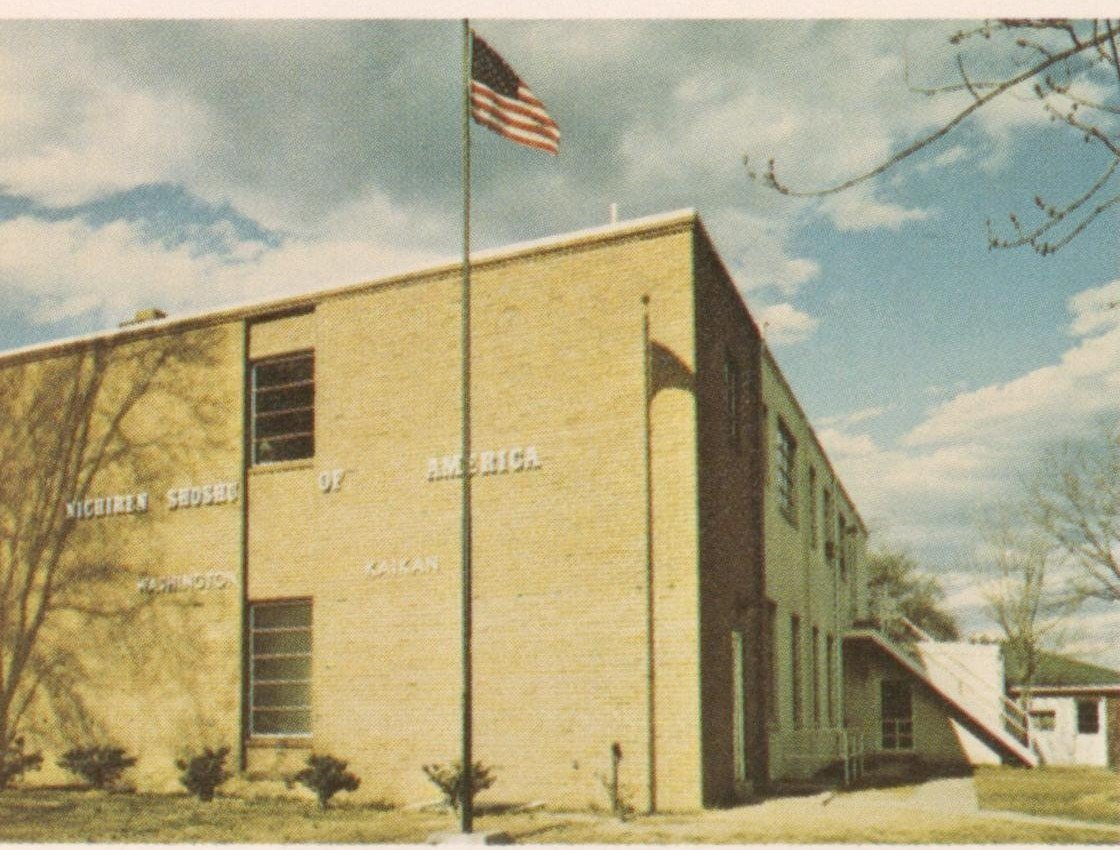
Washington, D.C. Community Center building.
Washington, D.C.
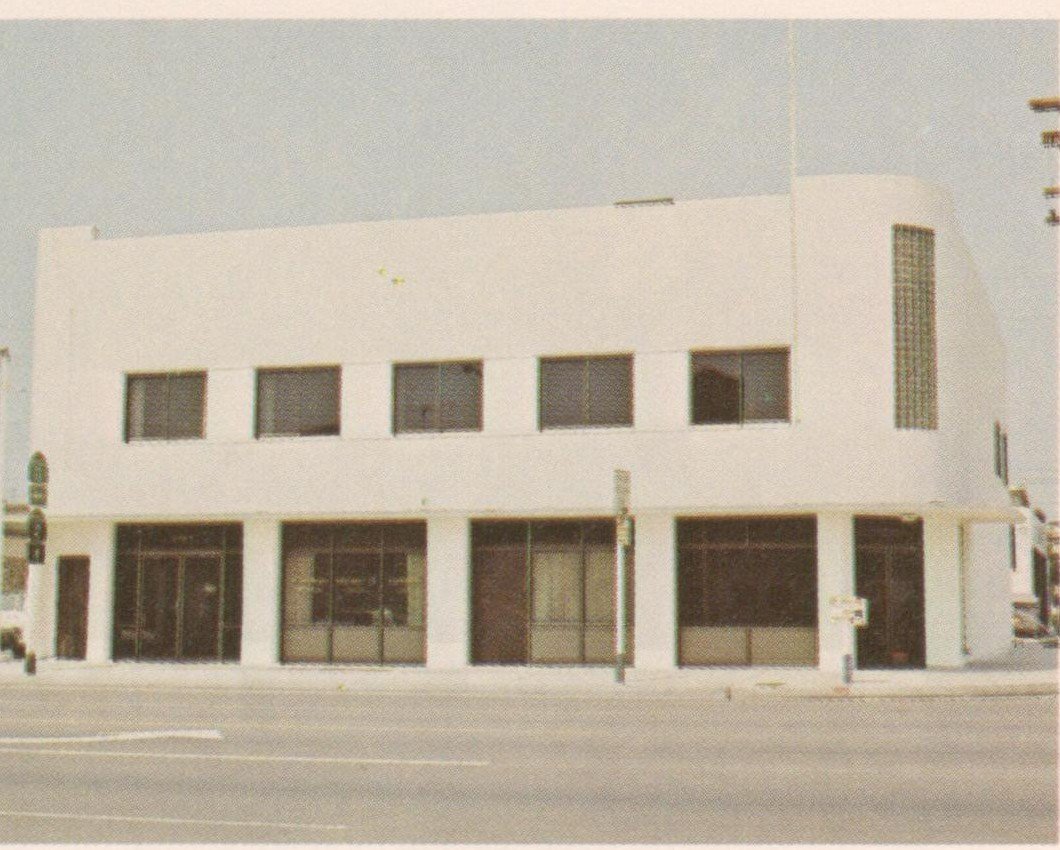
Los Angeles No. 1 Community Center building.
Los Angeles No. 1
Hawaii Community Center building.
Hawaii
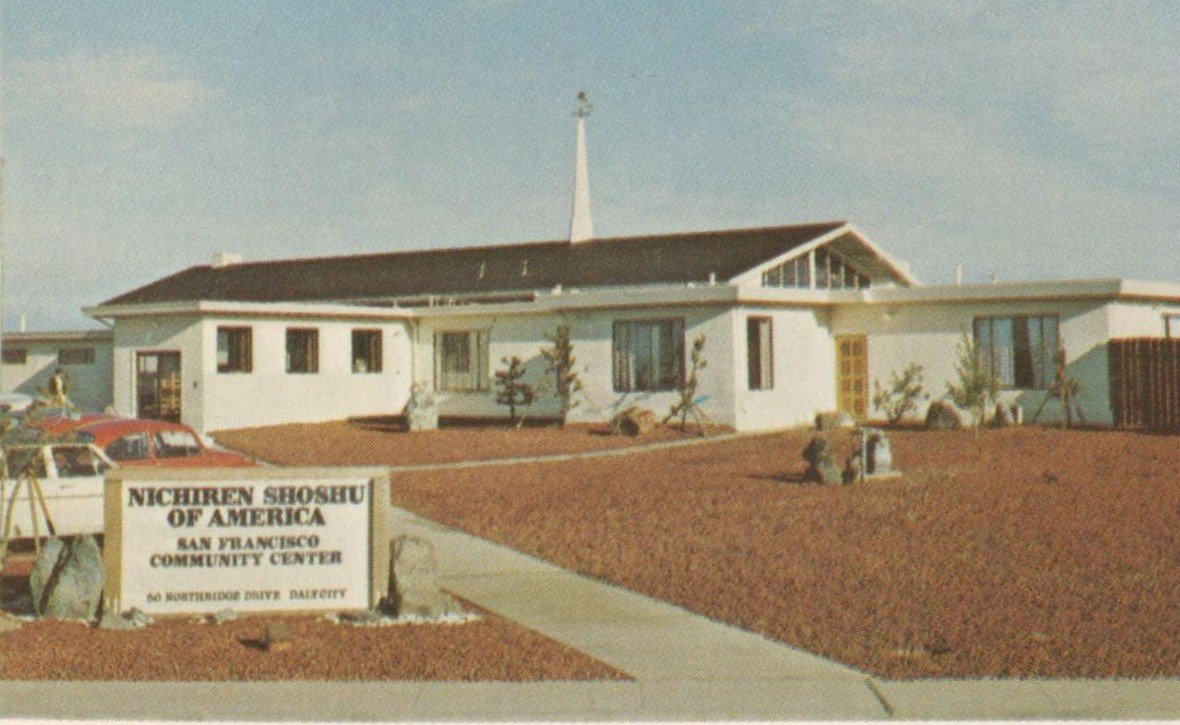
San Francisco Community Center building.
San Francisco
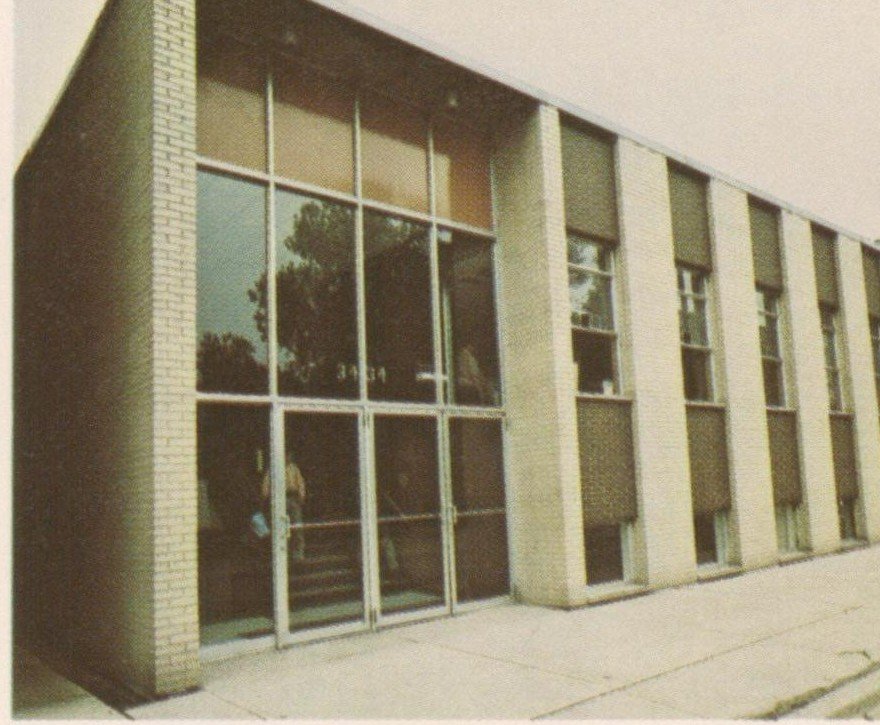
Chicago Community Center building.
Chicago
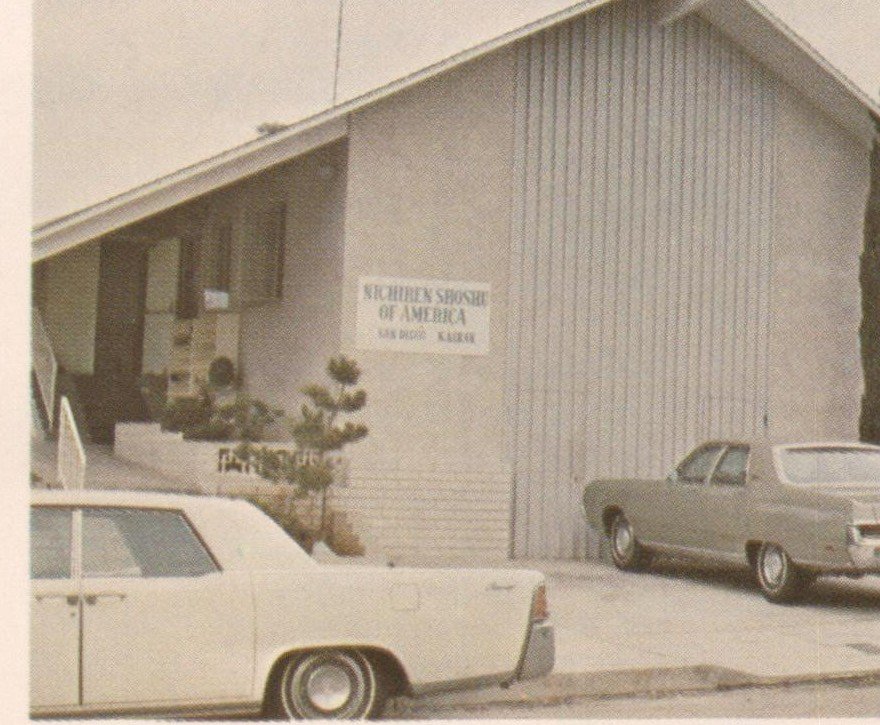
San Diego Community Center building.
San Diego
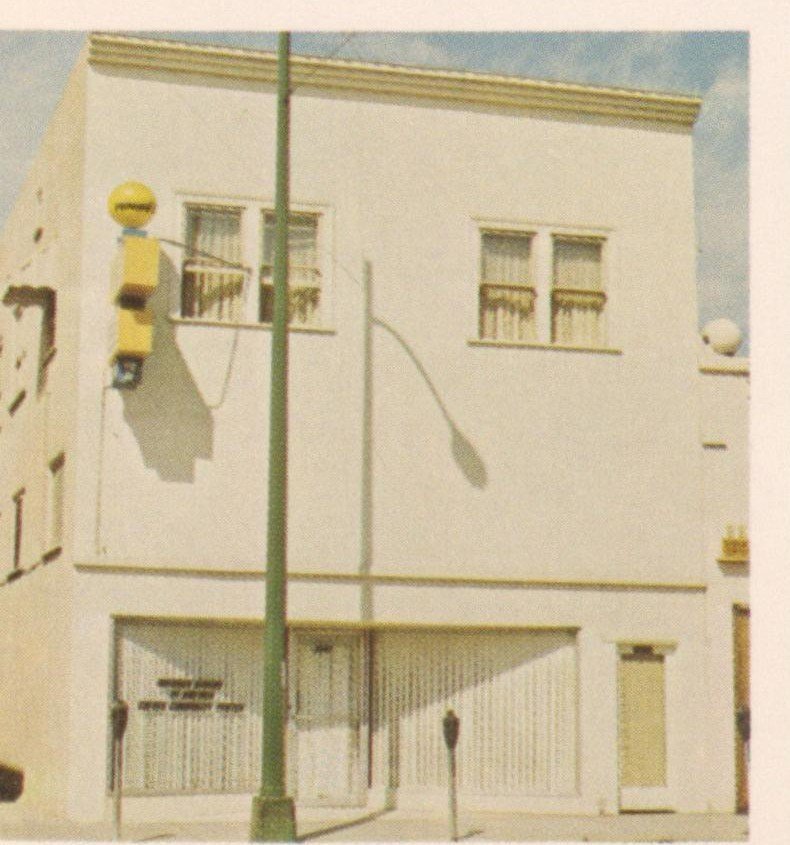
Los Angeles No. 2 Community Center building.
Los Angeles No. 2
New York Community Center building.
New York
Denver Community Center building.
Denver

NSA activities are coordinated through the America Headquarters overlooking the Pacific Ocean in Santa Monica, California. Community Centers in major cities give members a gathering place for lectures, guidance meetings and group rehearsals for cultural programs. These buildings are used seven days a week by the members and serve as the liaison point between NSA and the local community.

154–155
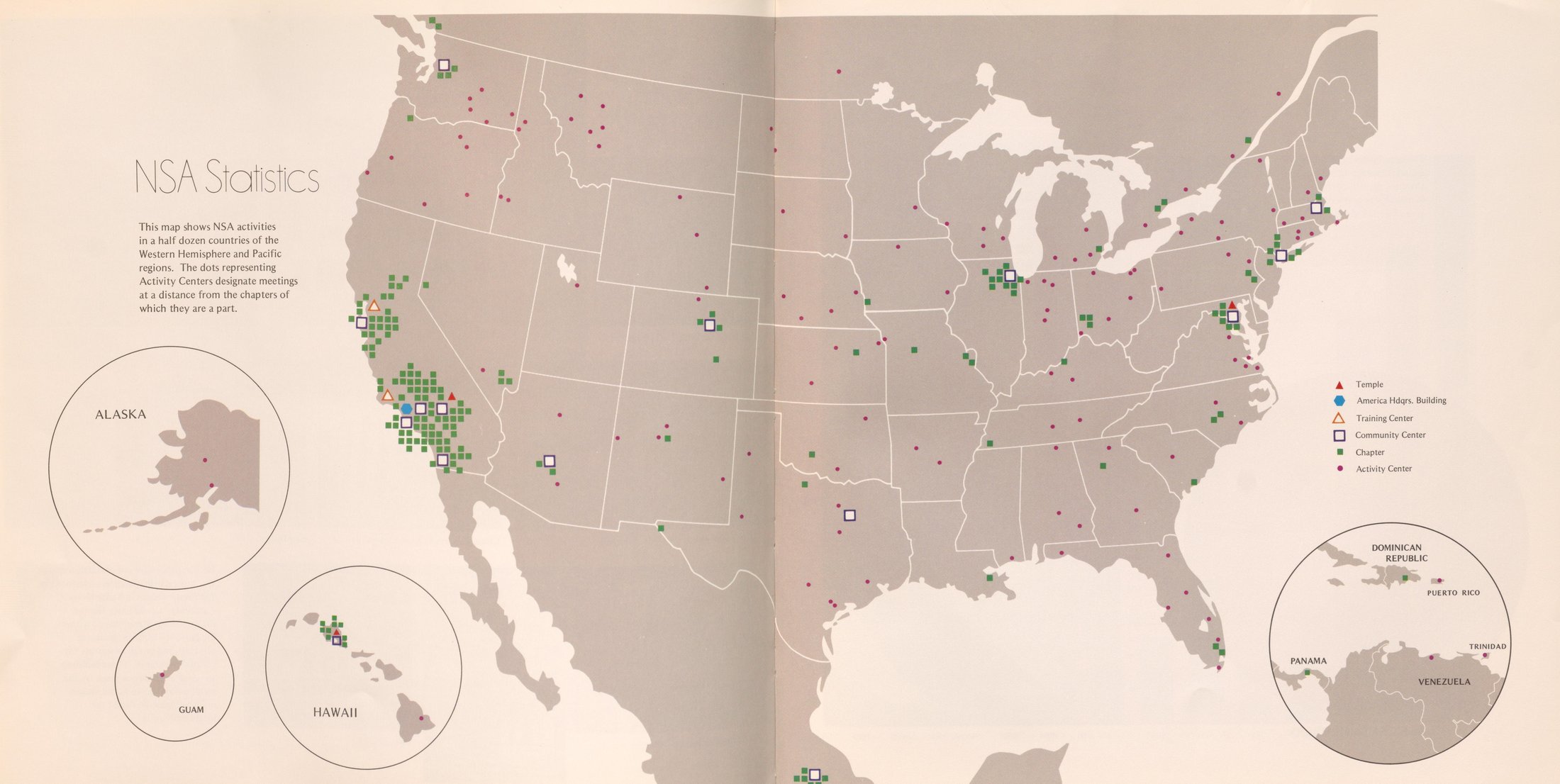

NSA Statistics
A map of the western United States, Alaska, Hawaii, Guam, and parts of the Caribbean and South America, marked with dots and icons representing NSA temples, headquarters, training centers, community centers, chapters, and activity centers.

This map shows NSA activities in a half dozen countries of the Western Hemisphere and Pacific regions. The dots representing Activity Centers designate meetings at a distance from the chapters of which they are a part.

156–157


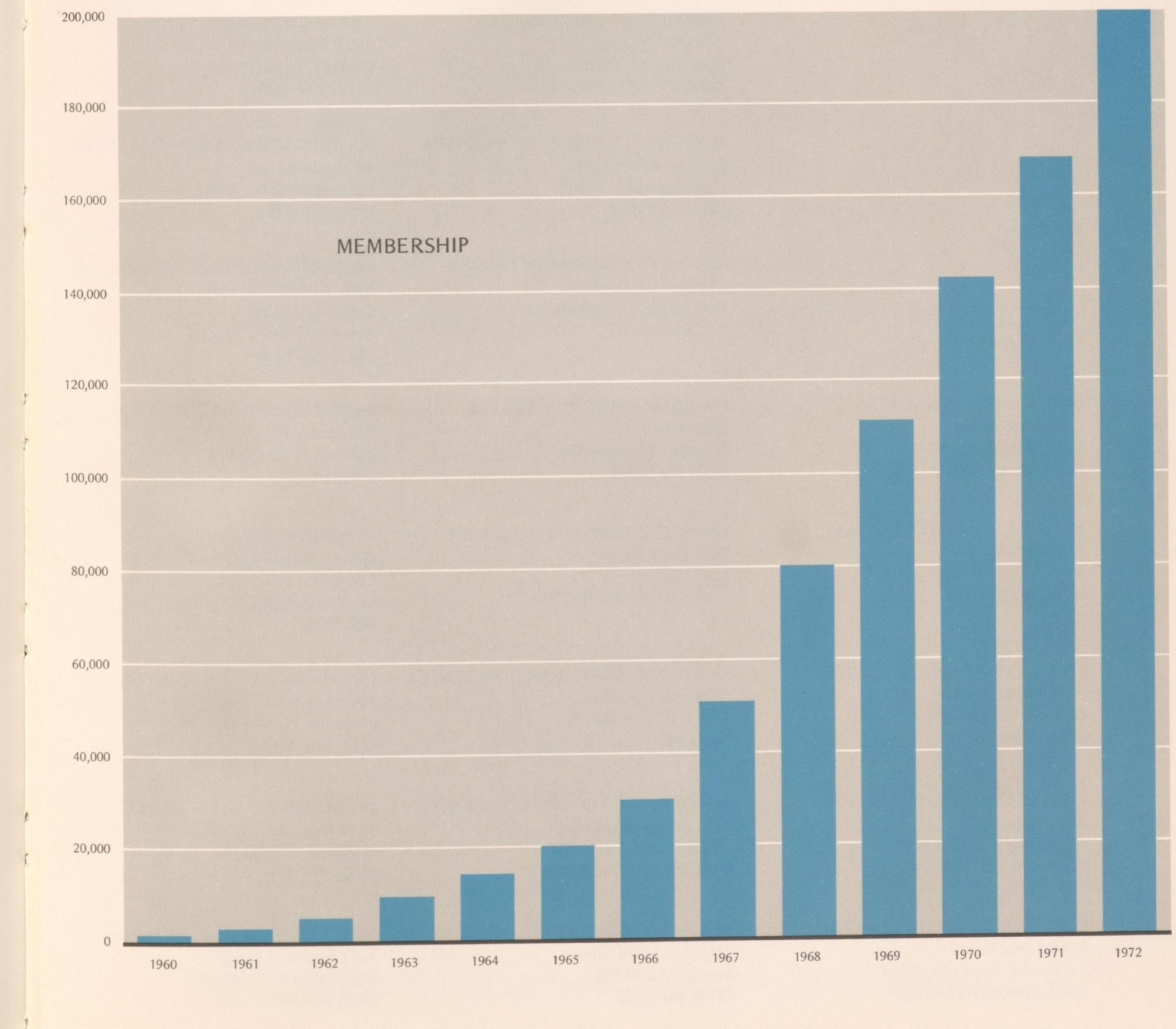
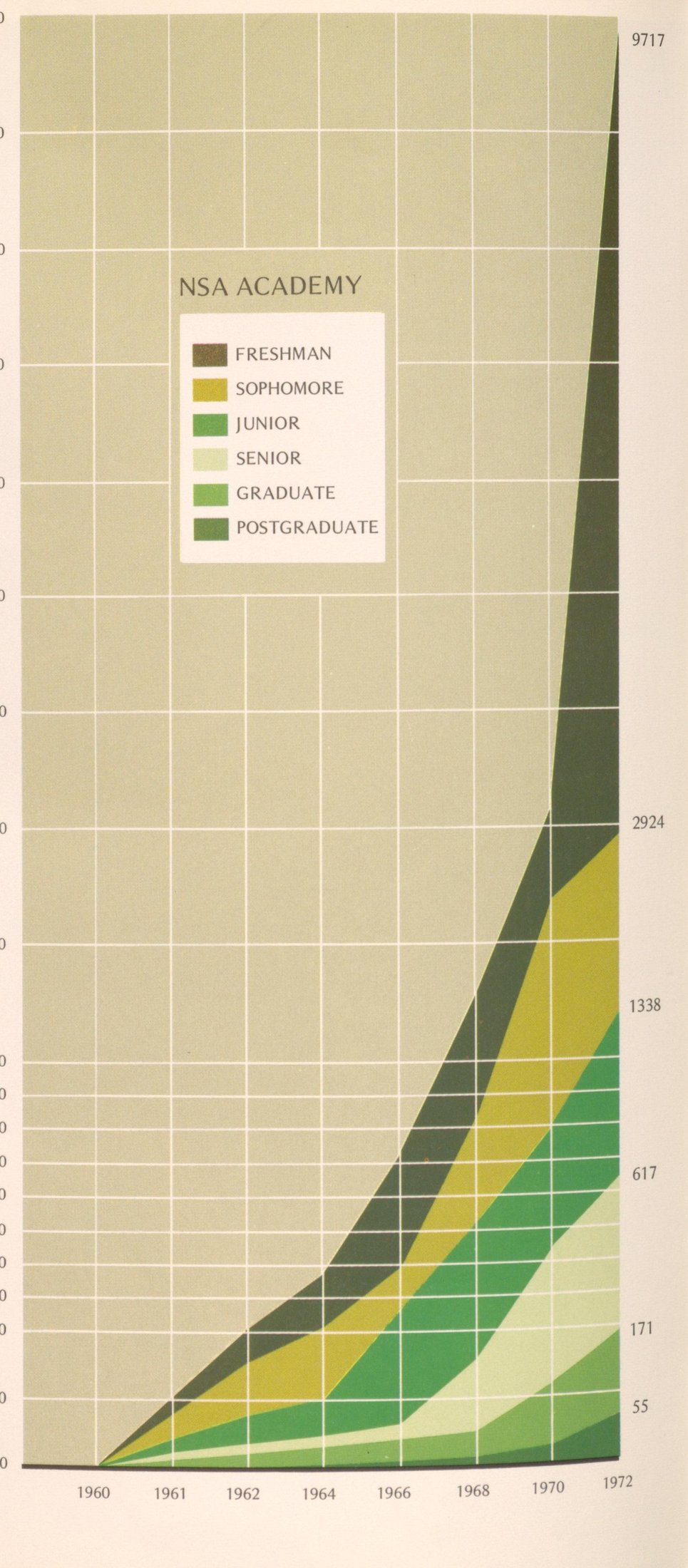
The accompanying graphs show the constituency of NSA and chart the growth of the organization in overall size and within the area of Buddhist study.
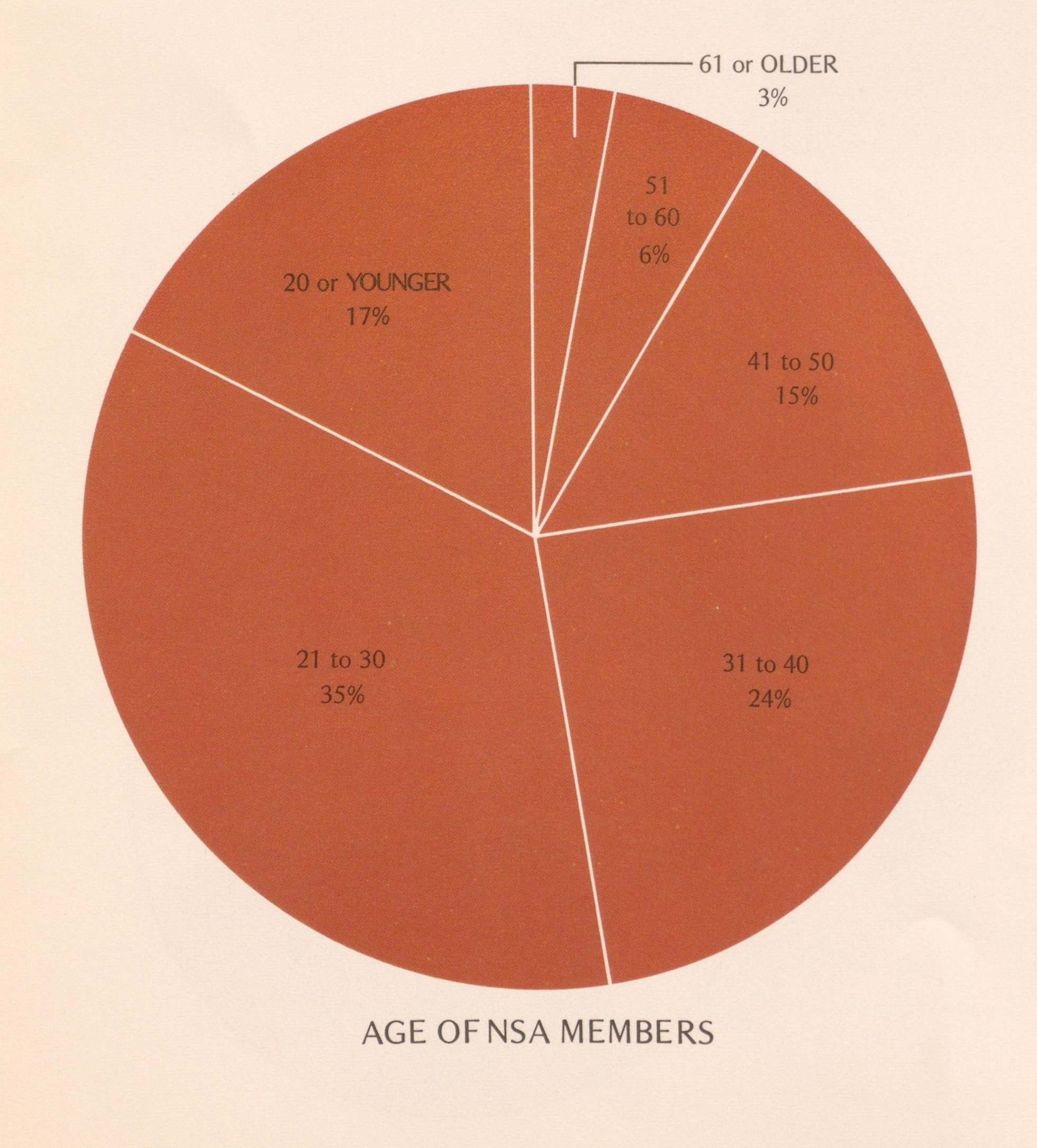
A pie chart titled Age of NSA Members: 20 or younger 17%, 21 to 30 35%, 31 to 40 24%, 41 to 50 15%, 51 to 60 6%, 61 or older 3%.
A stream graph titled NSA Academy showing enrollment growth from 1960 to 1972 by class: Freshman, Sophomore, Junior, Senior, Graduate, Postgraduate, reaching 9,717 by 1972.
A bar chart titled Membership showing NSA growth from under 5,000 in 1960 to approximately 200,000 by 1972.

158–159


NSA Directory
AMERICA HEADQUARTERS
1351 Ocean Front
Santa Monica, Ca. 90401
(213) 451-8811/870-7373
BOSTON COMMUNITY CENTER
82 Charles Street
Boston, Mass. 02114
(617) 723-6420
CHICAGO COMMUNITY CENTER
3434 Foster Avenue
Chicago, Illinois 60625
(312) 463-4321
CULVER COMMUNITY CENTER
3841 Main Street
Culver City, Ca. 90230
(213) 836-7291/836-8092
DENVER COMMUNITY CENTER
1545 Tabor Street
Lakewood, Colorado 80215
(303) 238-0621/238-7543
HAWAII COMMUNITY CENTER
2729 Pali Highway
Honolulu, Hi. 96817
(808) 595-6324/595-6072
MONTEBELLO COMMUNITY CENTER
3317 W. Beverly Blvd.
Montebello, Ca. 90640
(213) 685-4990
NEW YORK COMMUNITY CENTER
250 W. 57th Street No. 521
New York, N.Y. 10019
(212) 246-2215
PHOENIX COMMUNITY CENTER
1221 Alta Vista
Phoenix, Arizona 85040
(602) 268-7058
SAN DIEGO COMMUNITY CENTER
2825 Cadiz Street
San Diego, Ca. 92110
(714) 224-2934/222-0713
SAN FRANCISCO COMMUNITY CENTER
50 Northridge Drive
Daly City, Ca. 94015
(415) 992-1316
SANTA MONICA COMMUNITY CENTER
1757 Lincoln Boulevard
Santa Monica, Ca. 90404
(213) 393-0614/870-7859
SEA-TAC COMMUNITY CENTER
3505 So. 146th Street
Seattle, Wa. 98168
(206) 244-0268
TEXAS COMMUNITY CENTER
1026 Shorecrest Drive
Garland, Texas 75640
(214) 272-1824
WASHINGTON COMMUNITY CENTER
4603 Eastern Avenue
Washington D.C., 20018
(301) 779-3255
NICHIREN SHOSHU DE MEXICO, A.C.
Calle Asturias, No. 43, Colonia Alamos
Mexico 13, D.F., Mexico
(905) 538-1276
PANAMA COMMUNITY CENTER
P.O. Box 7609, Zona 5
Panama, R. de Panama
60-0719
DOMINICAN REPUBLIC
Calle 6, No. 28 ESQ-Puerto Rico, Ensanchez Alma Rosa
Santo Domingo, Rep. Dom.
688-7284
ENICHIZAN MYOHOJI TEMPLE
7576 Etiwanda Avenue
Etiwanda, Ca. 91739
(714) 987-4661
JAKKOZAN HONSEIJI TEMPLE
3151 Kaohiana Drive
Honolulu, Hi. 96817
(808) 595-4974
ASHUZAN MYOSENJI TEMPLE
4601 Eastern Avenue
Washington D.C., 20018
(301) 864-3911

160

← Sec 3: President Ikeda Closeup ↑ Back to 1972 NSA Photo Album