 BuddhaJones Archive ProjectFree Nichiren Buddhism
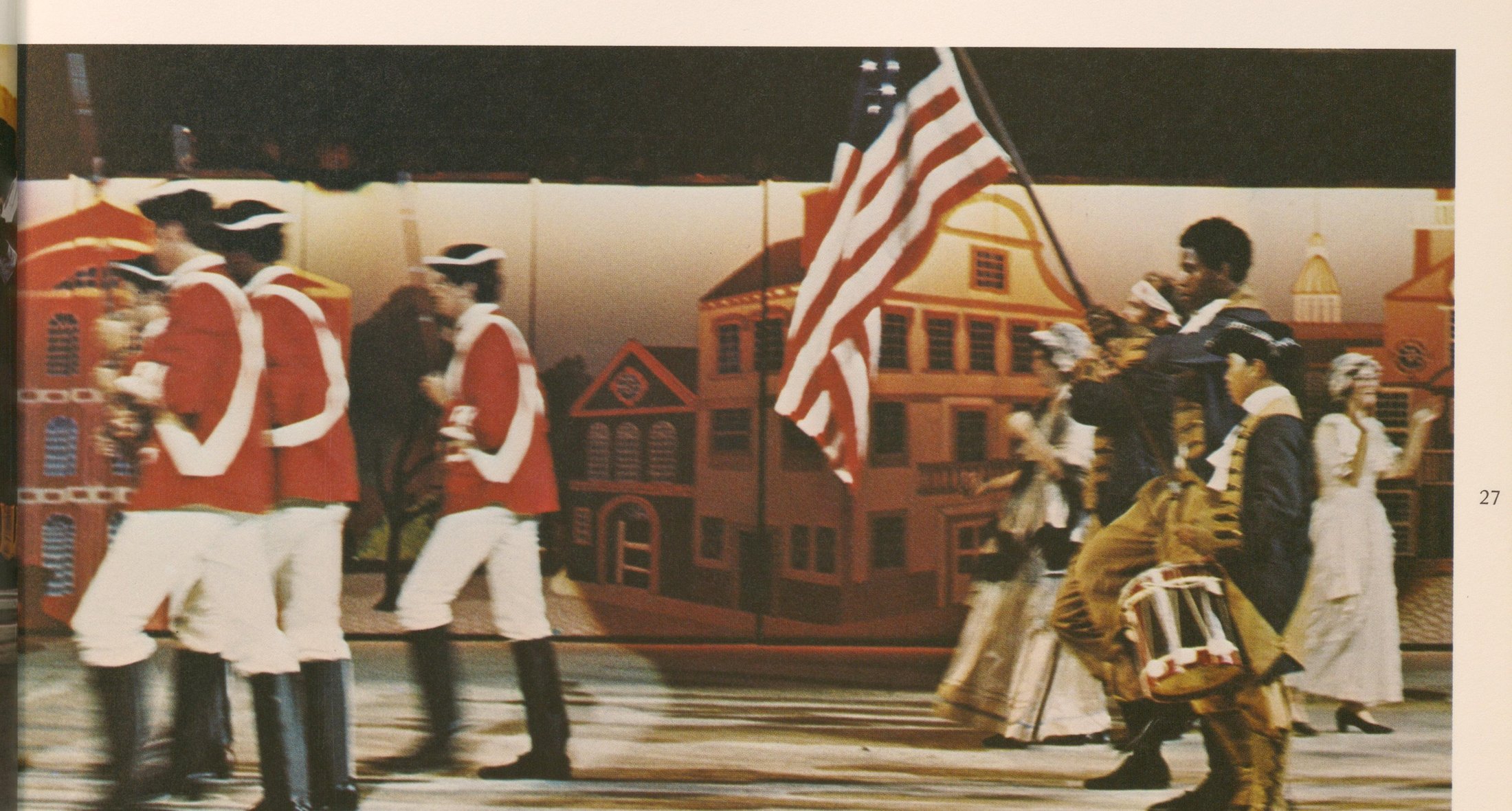
NSA undertook the fulfillment of a dream. It was the same vision of peace and a united mankind that had shaped the American tradition. The Los Angeles Convention rekindled that dream and made it live. For the thousands of witnesses to this pageant, history took on a new meaning.
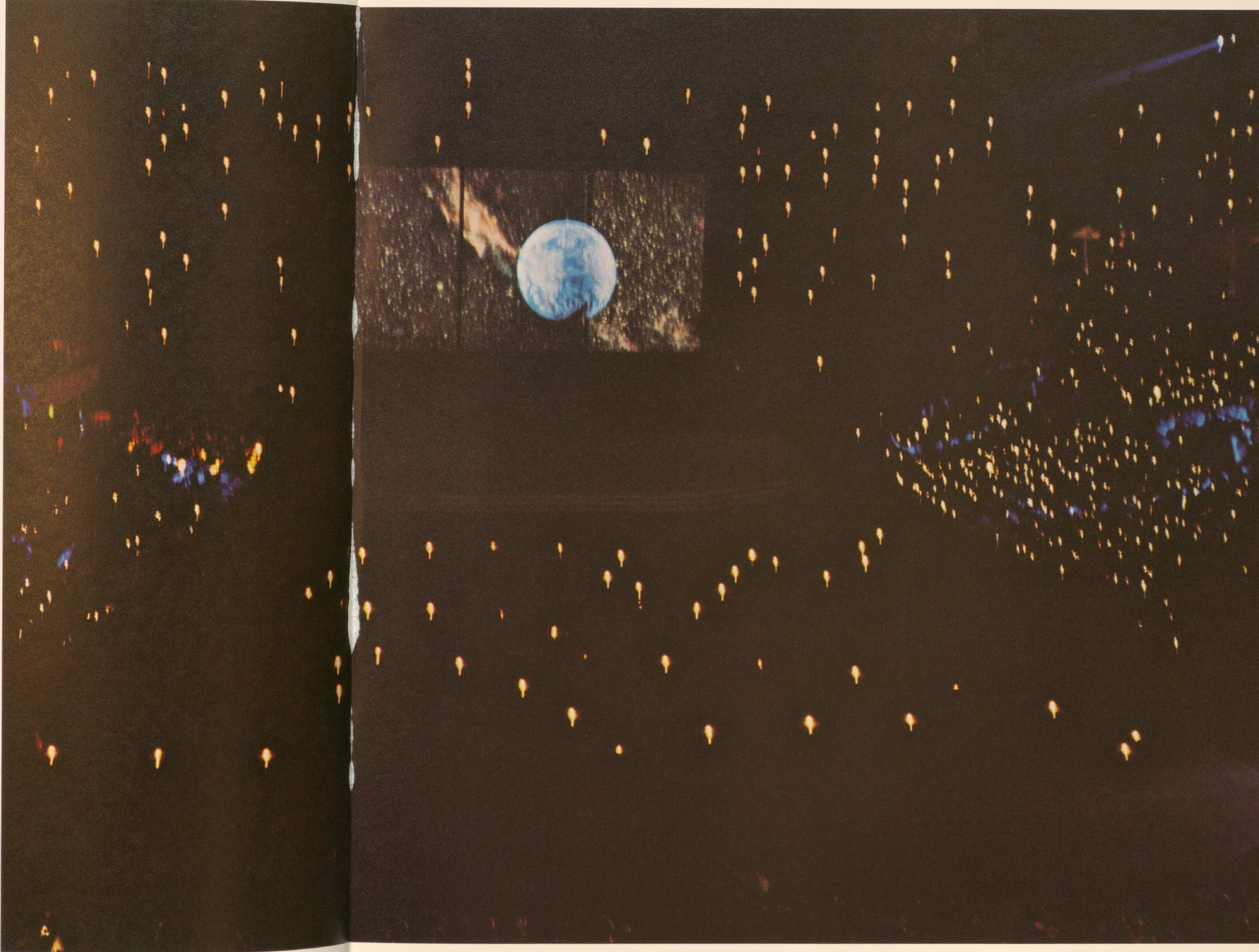
Within the boundless universe lies a beautiful blue oasis...earth...home for the family of man...as we approach the 21st Century, humanity reaches out to grasp the stars...yet the search for man's inner life is still the greatest frontier to be explored...The discovery of man's life and the awakening of true humanism was the theme of the 1972 World Peace Culture Festival.
24–25
26
27
28
29
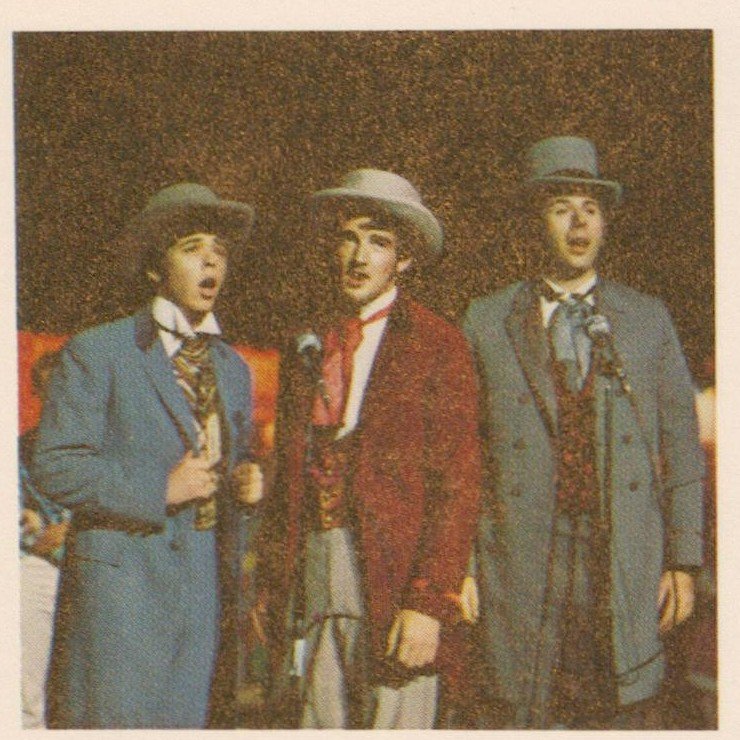
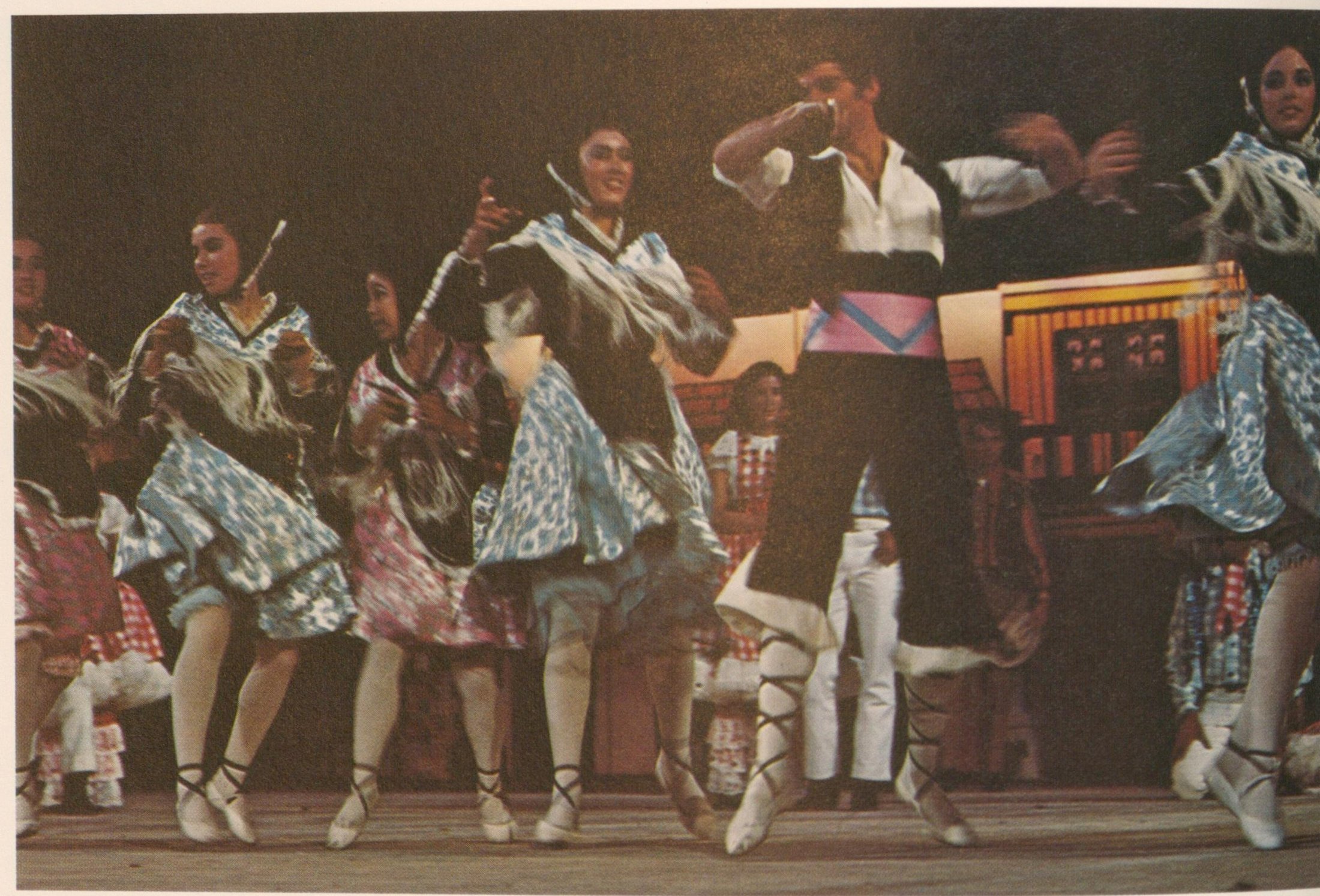
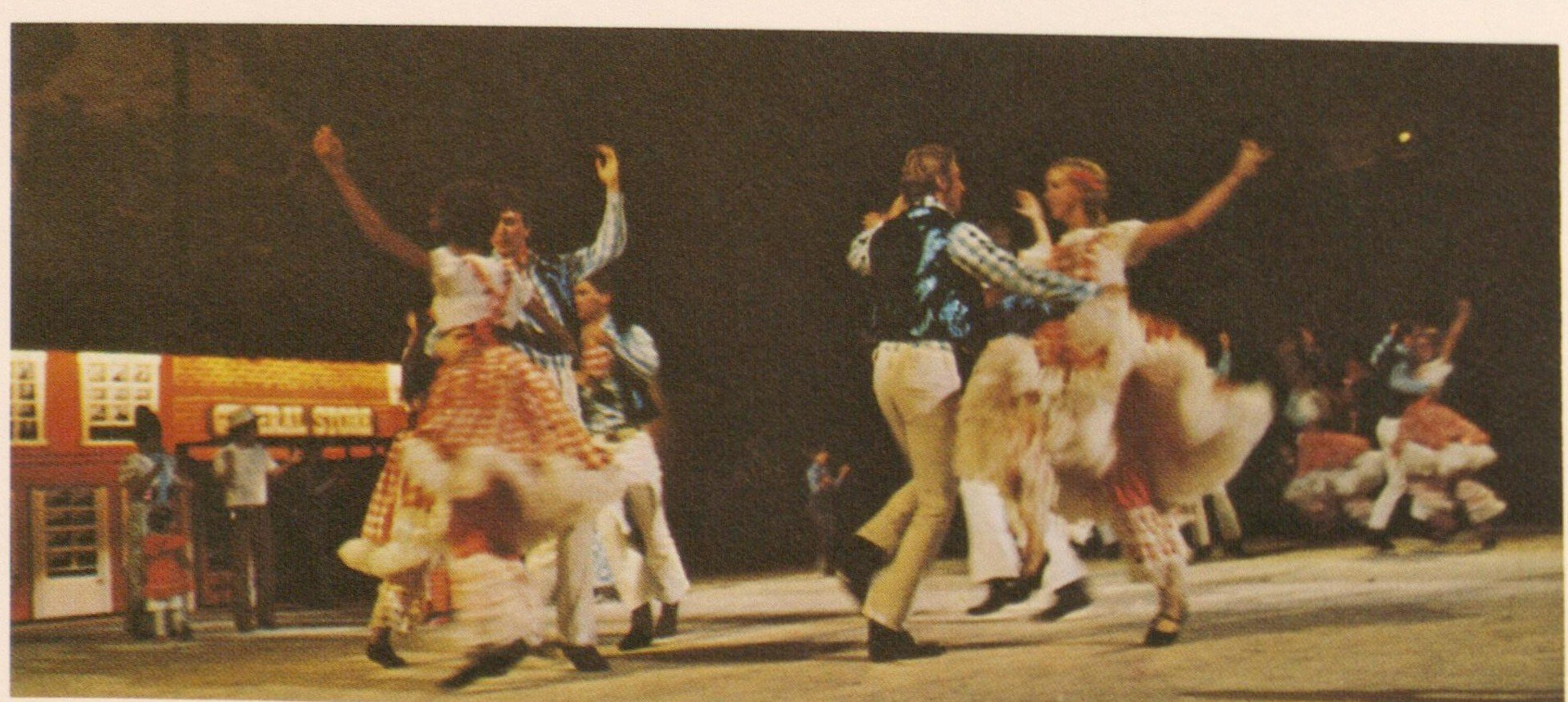
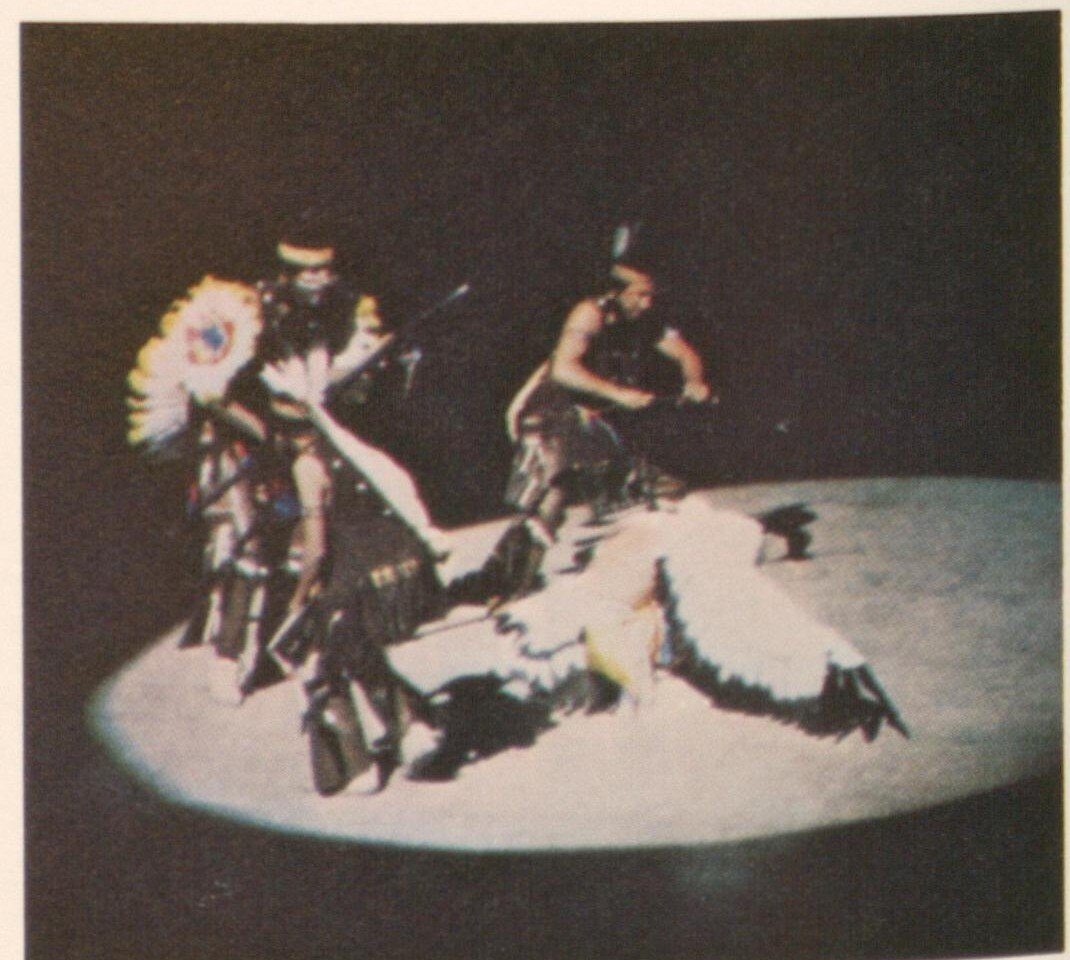
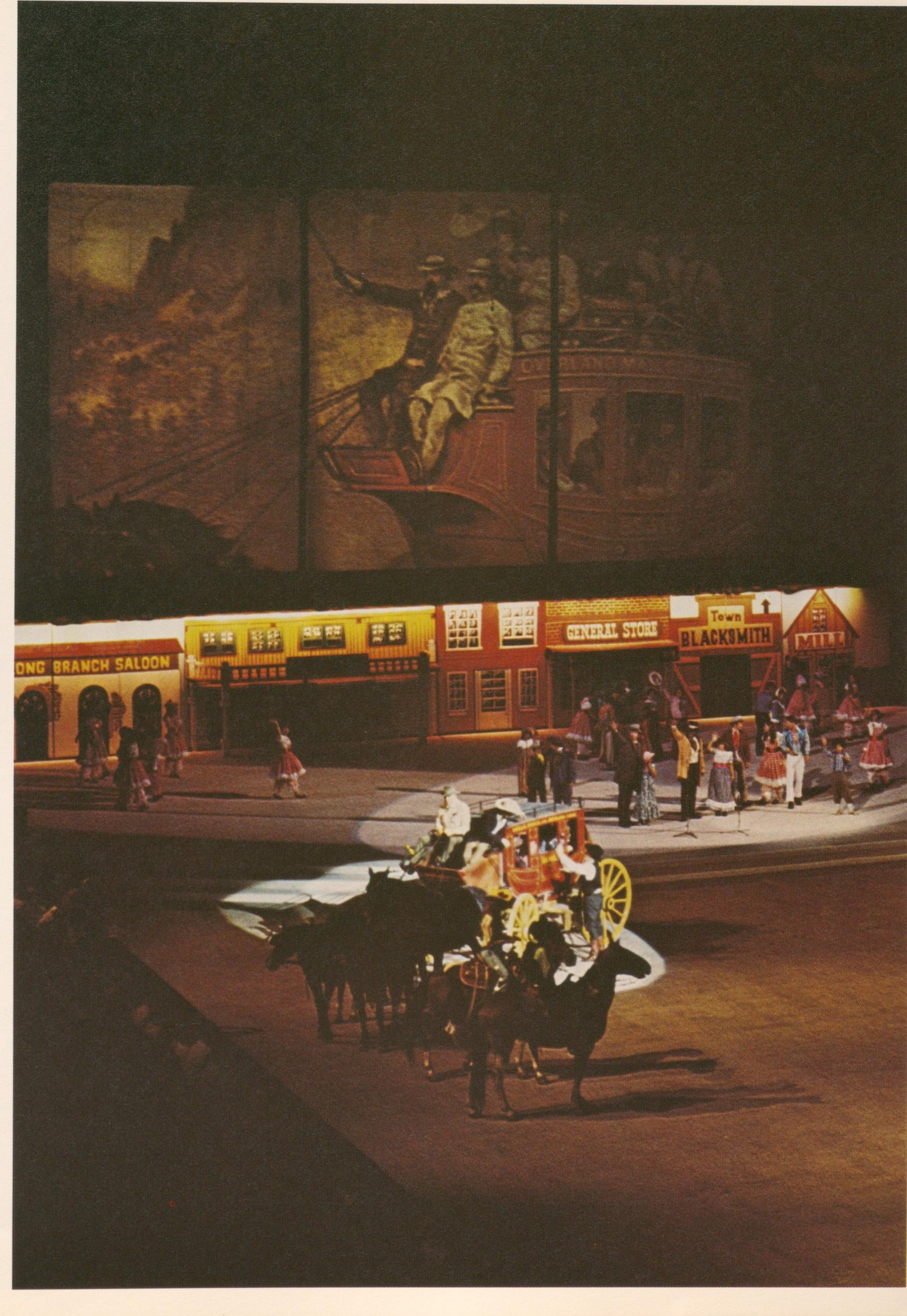
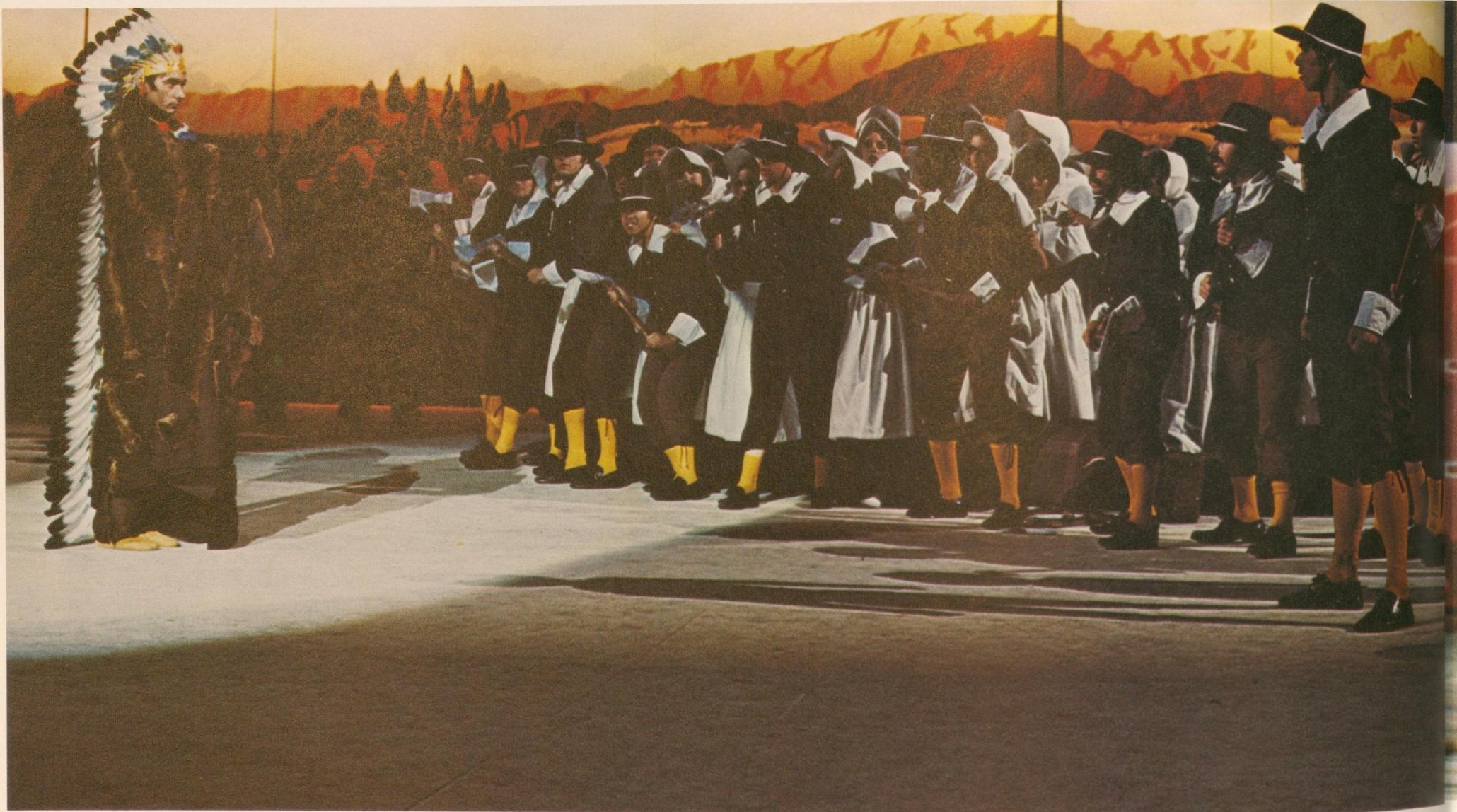
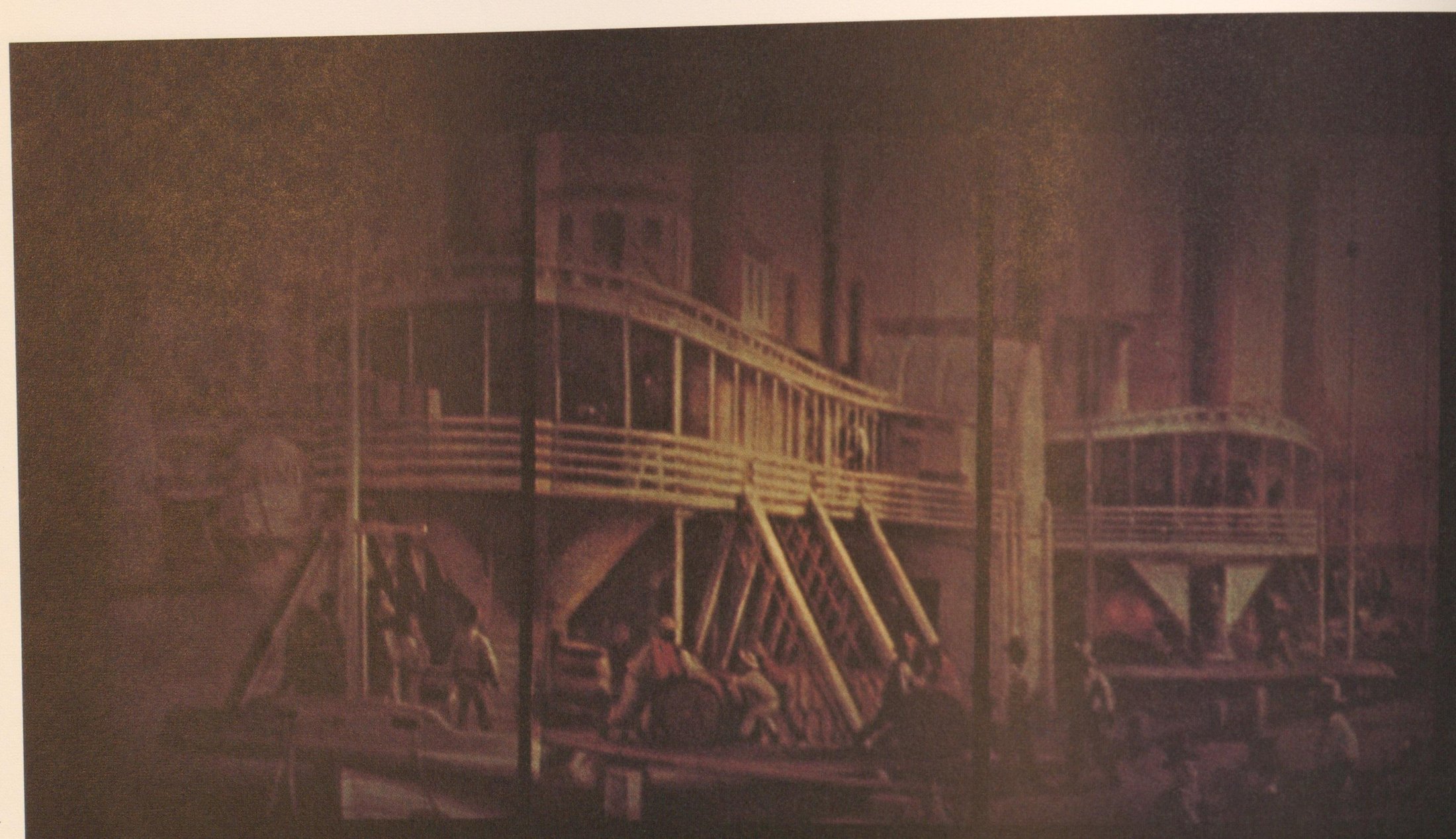
A new birth of freedom opened the land from the Atlantic to the Pacific...new horizons awaited those who had the strength to carve out their destiny...
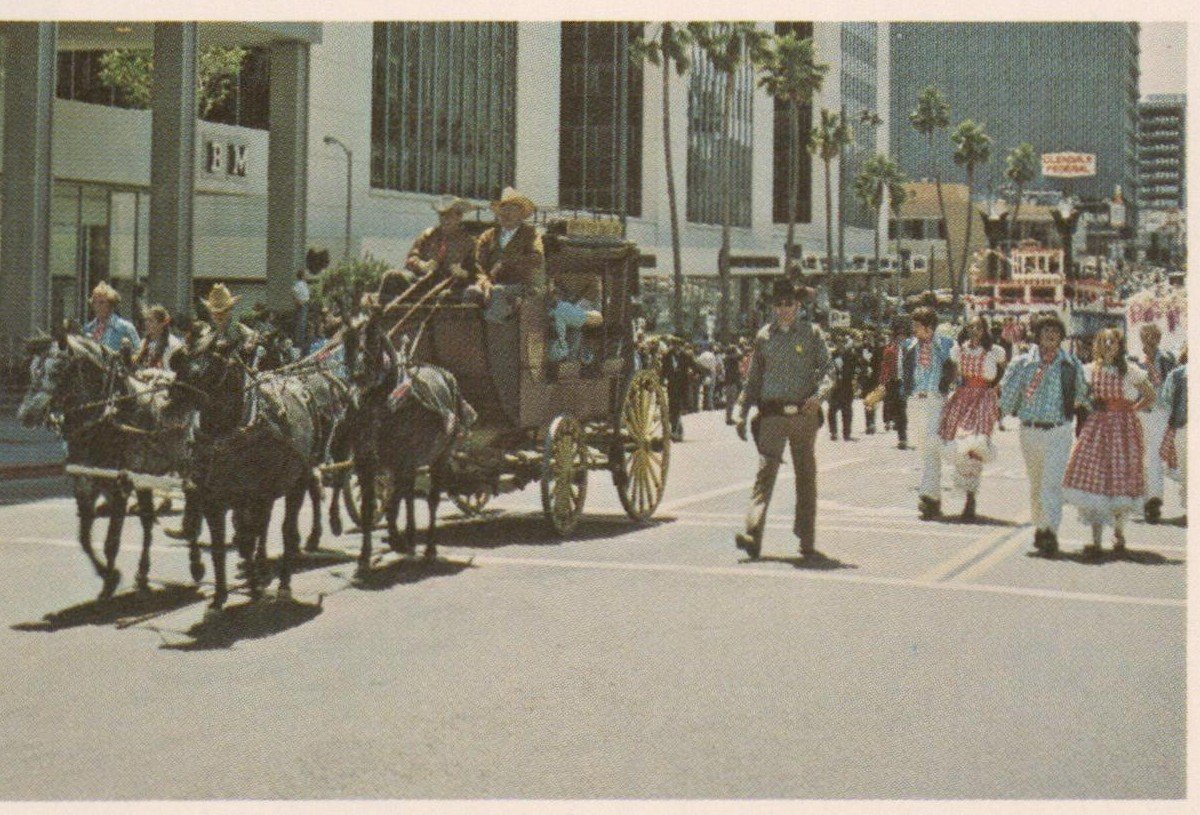
Life was lonely in the American west...towns were often hundreds of miles apart...their only links to the outside world were the occasional traveler, the pony express and the stagecoach...
30–31
32–33
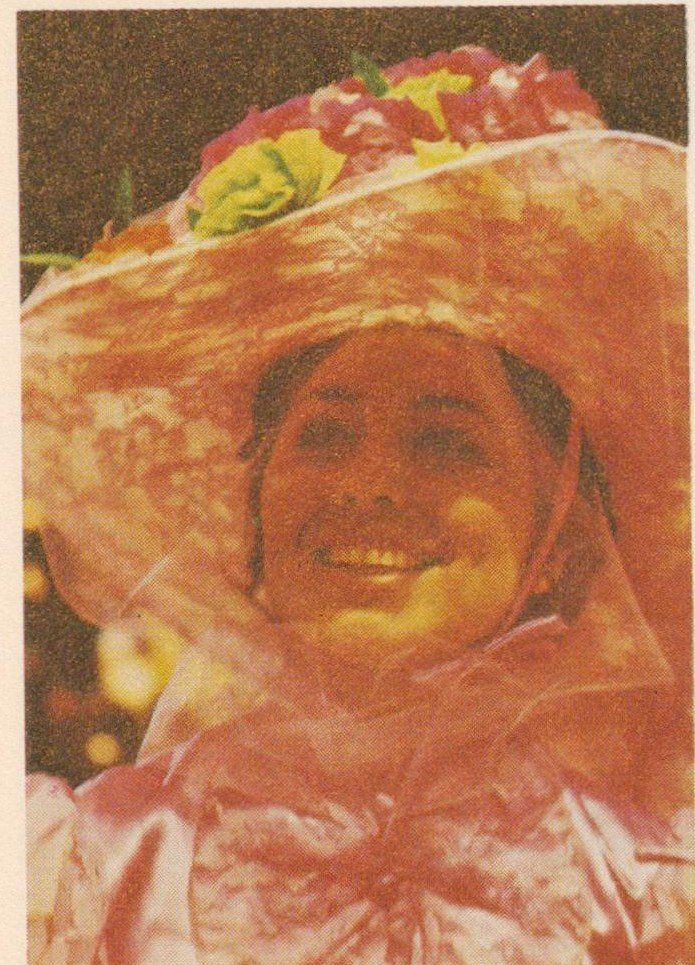
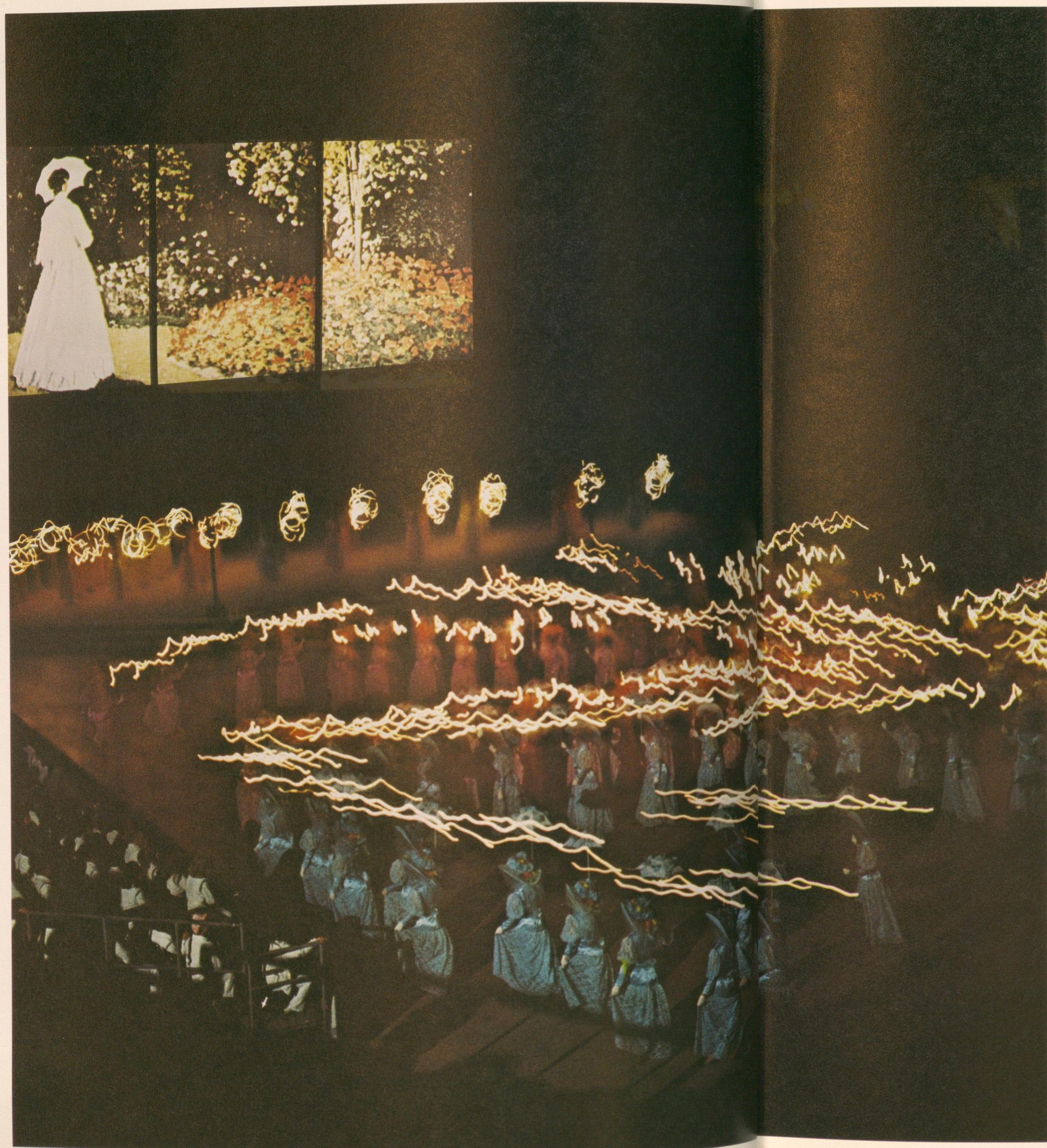
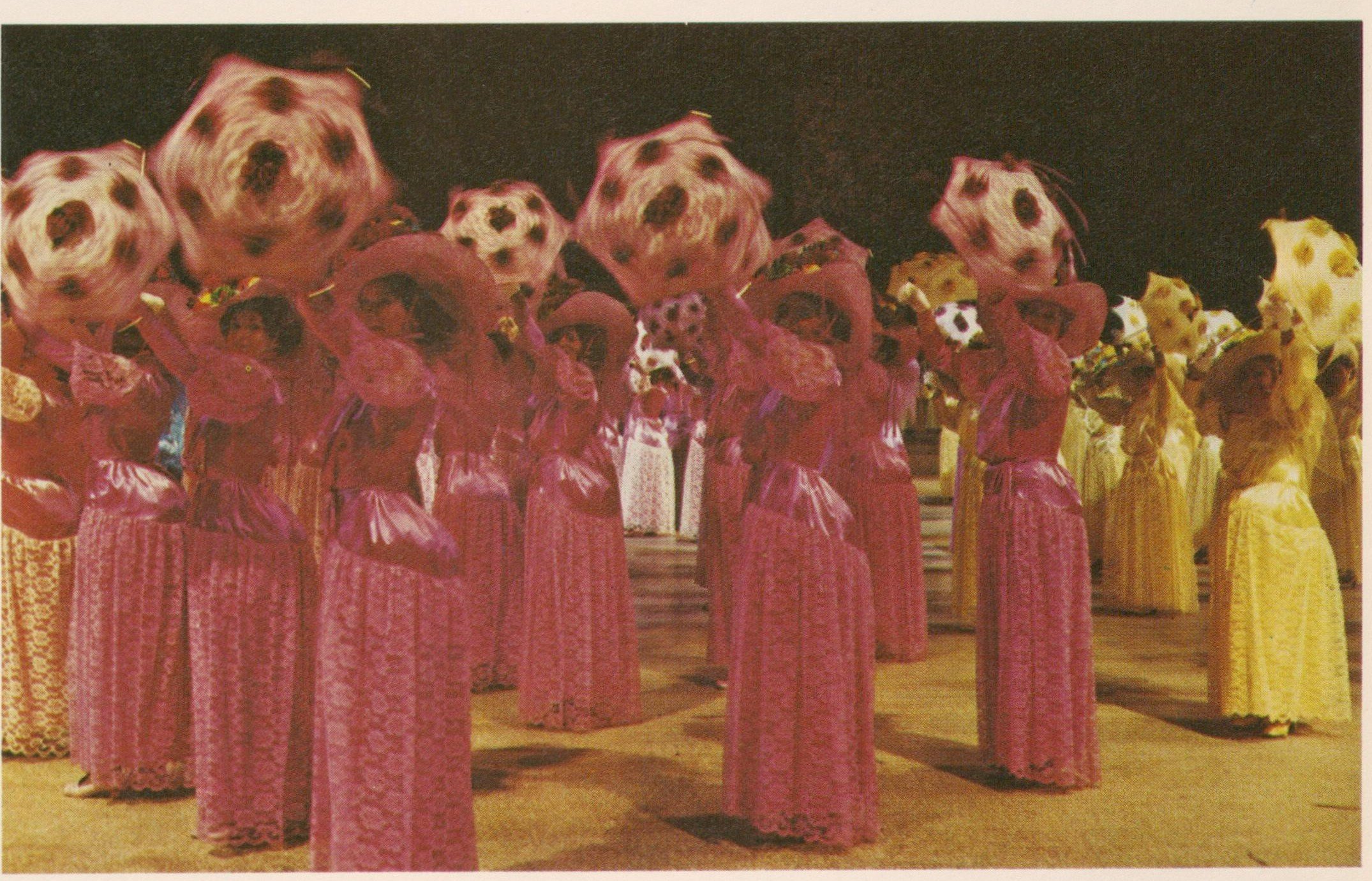
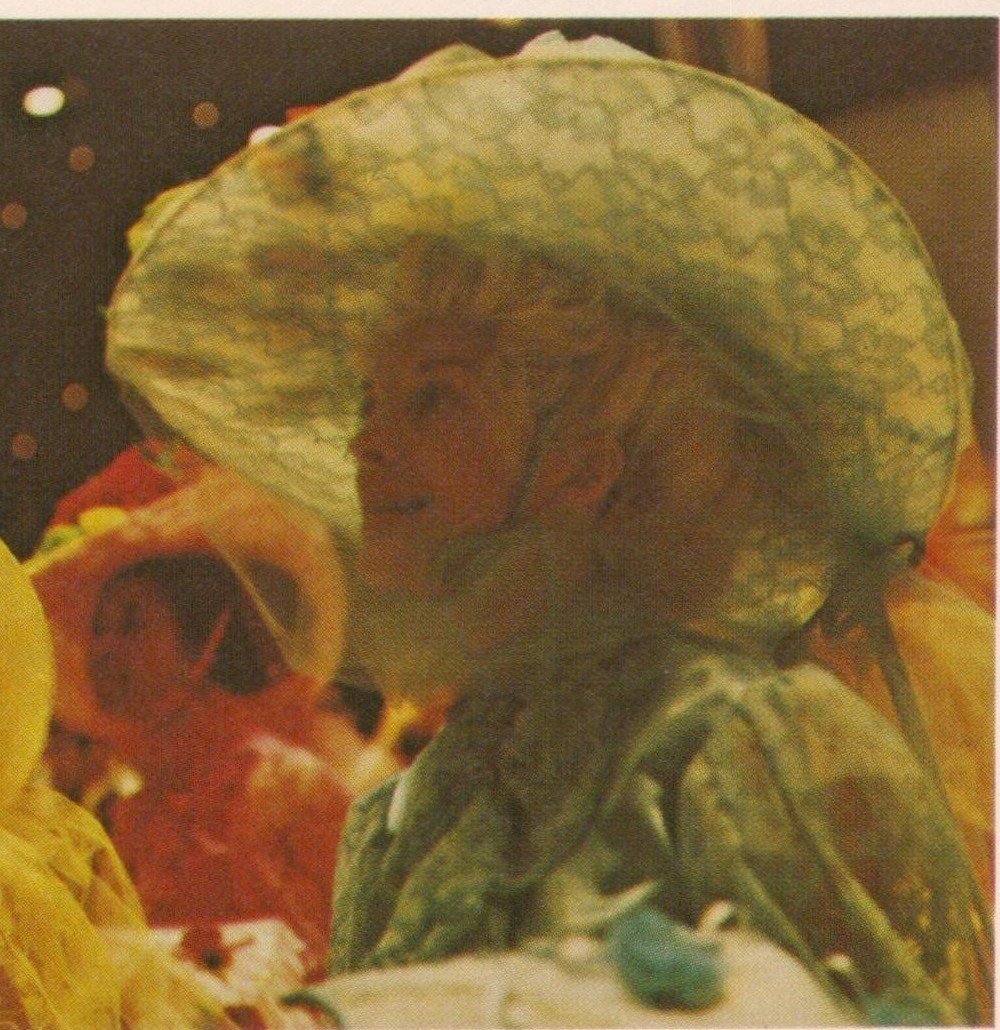
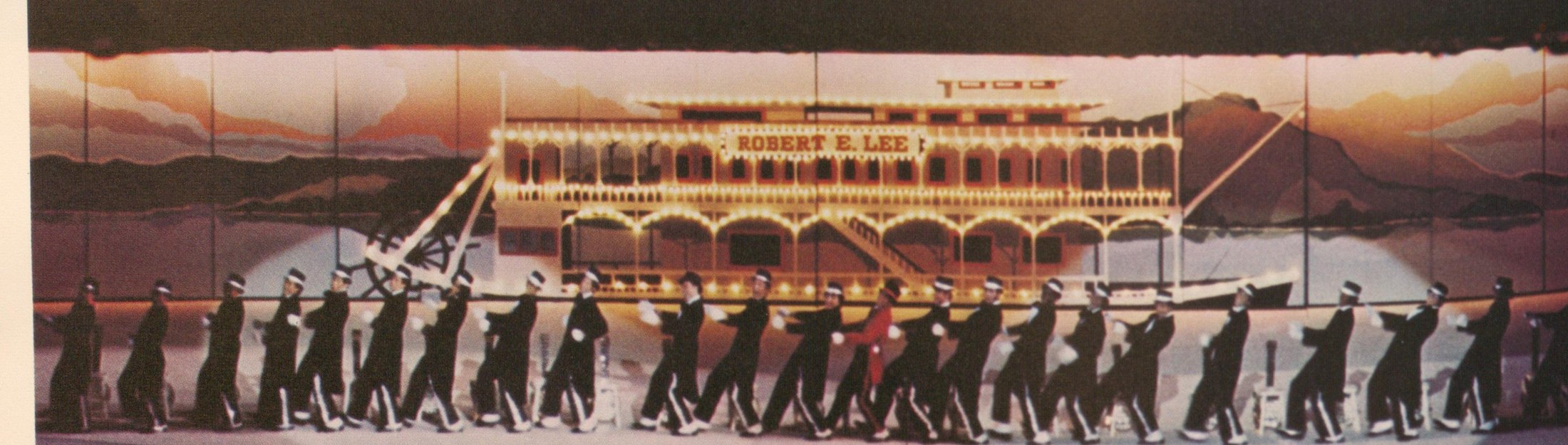
In 1904, the World's Fair gave the world a sample of American scientific achievement and culture...those were the good old days.
34–35
36
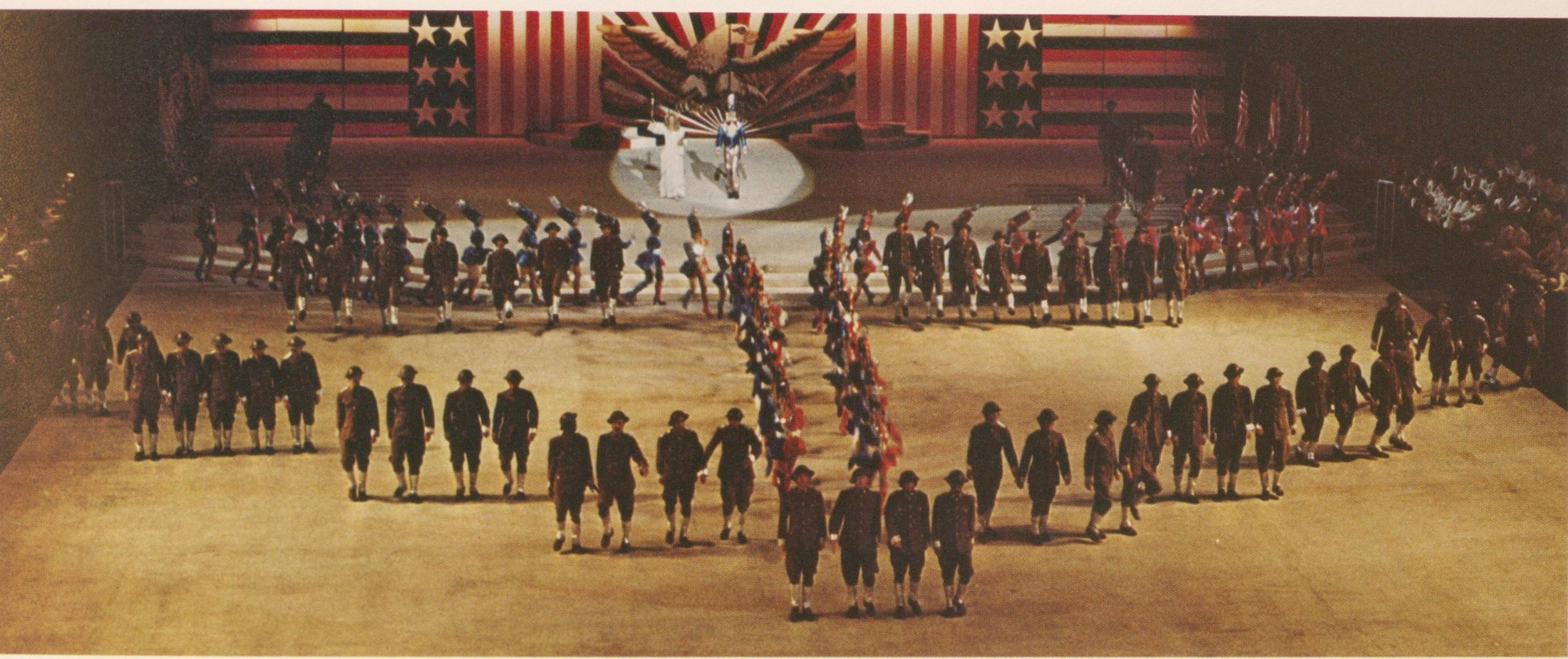
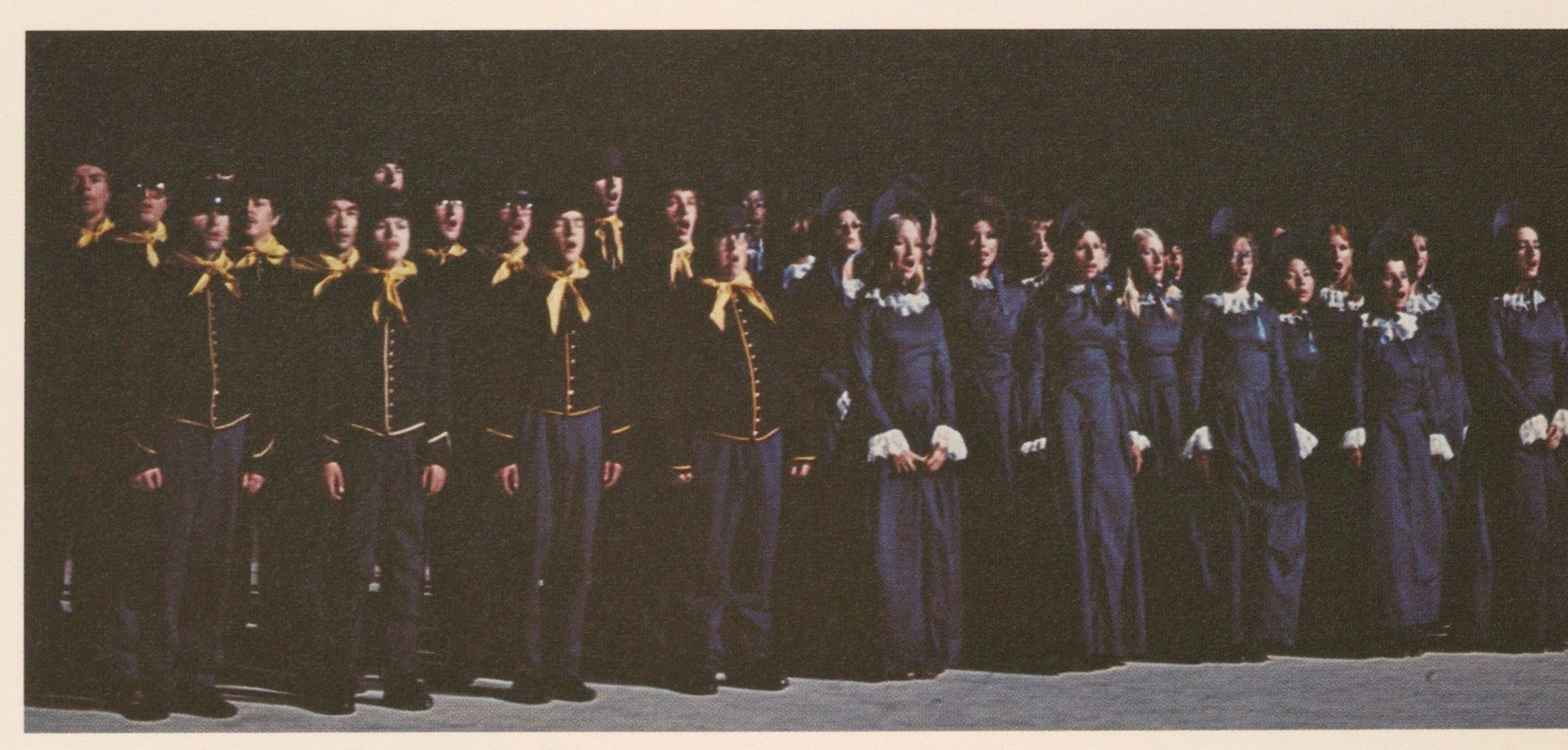
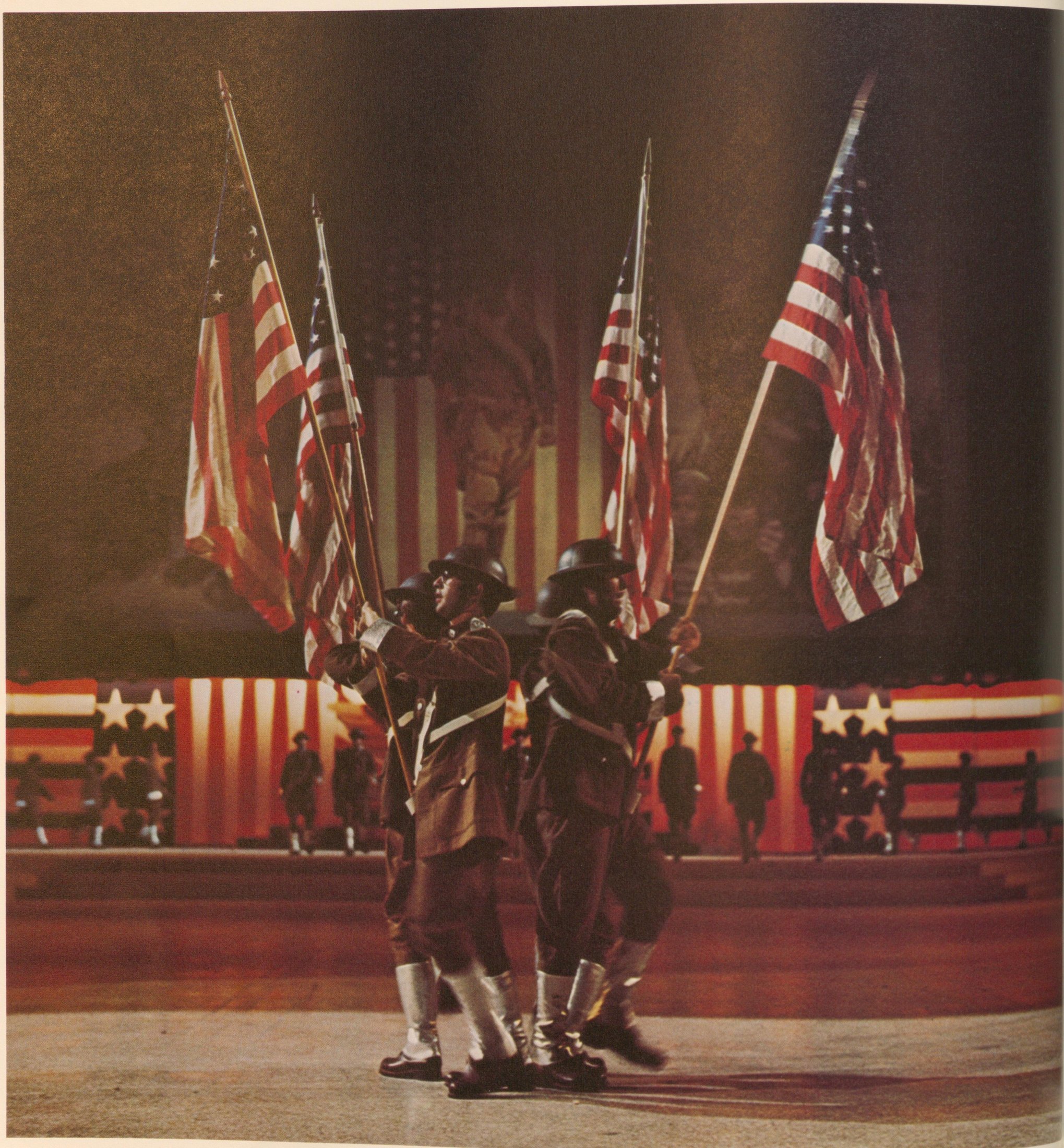
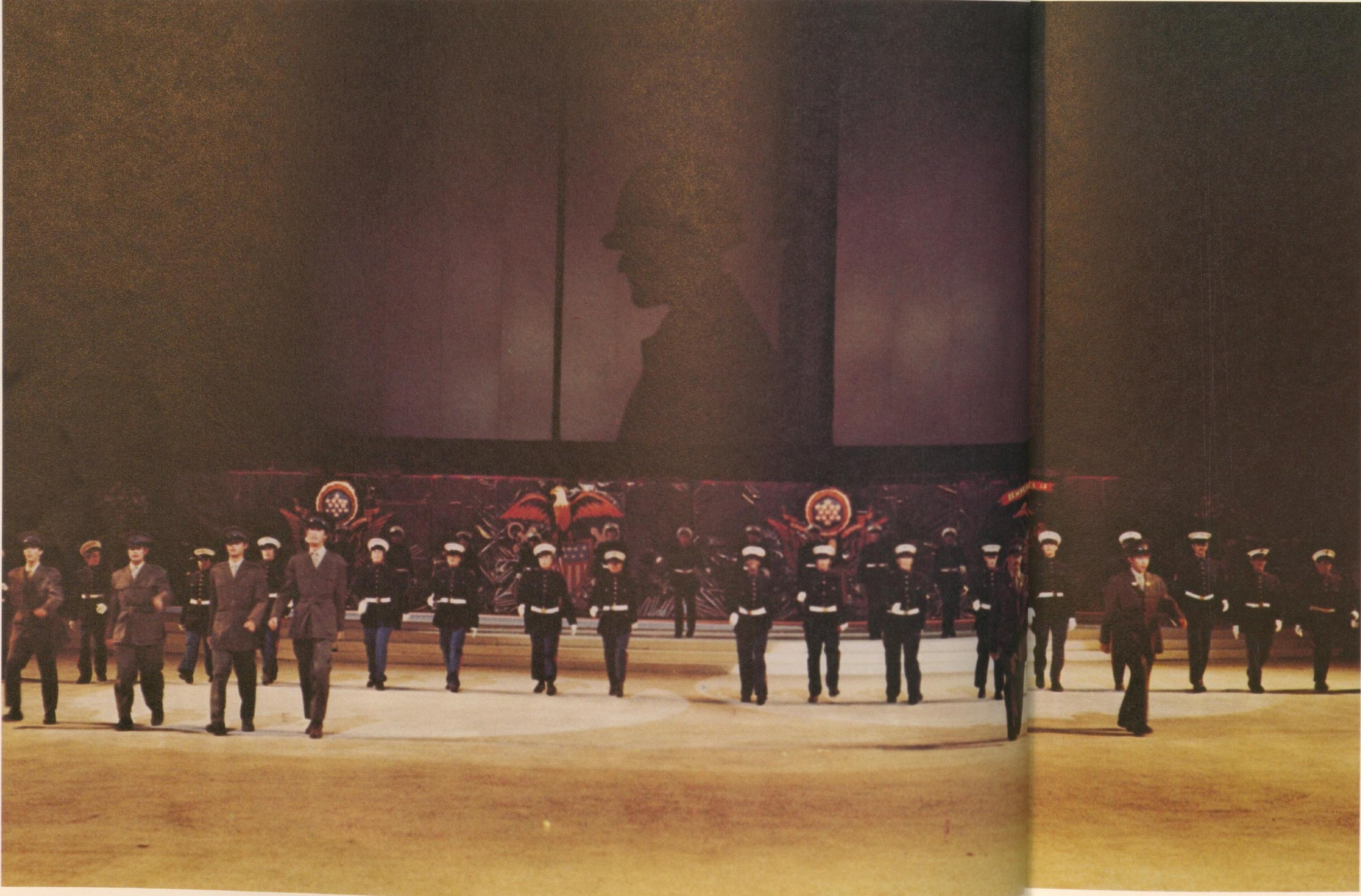
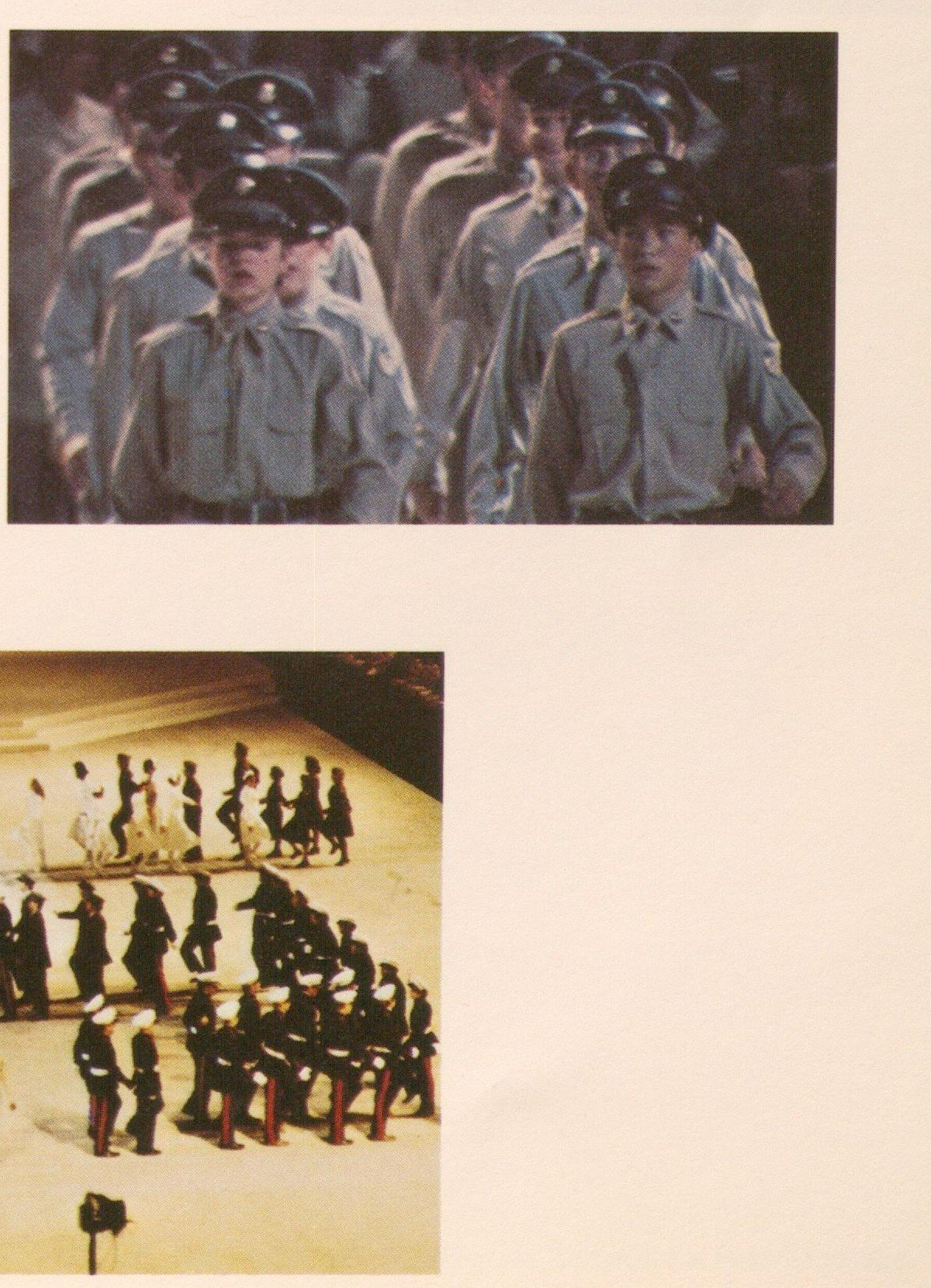
All eyes turned to the other side of the Atlantic...Europe was in trouble...the entire nation was united and mobilized hundreds of thousands of men to fight over there.
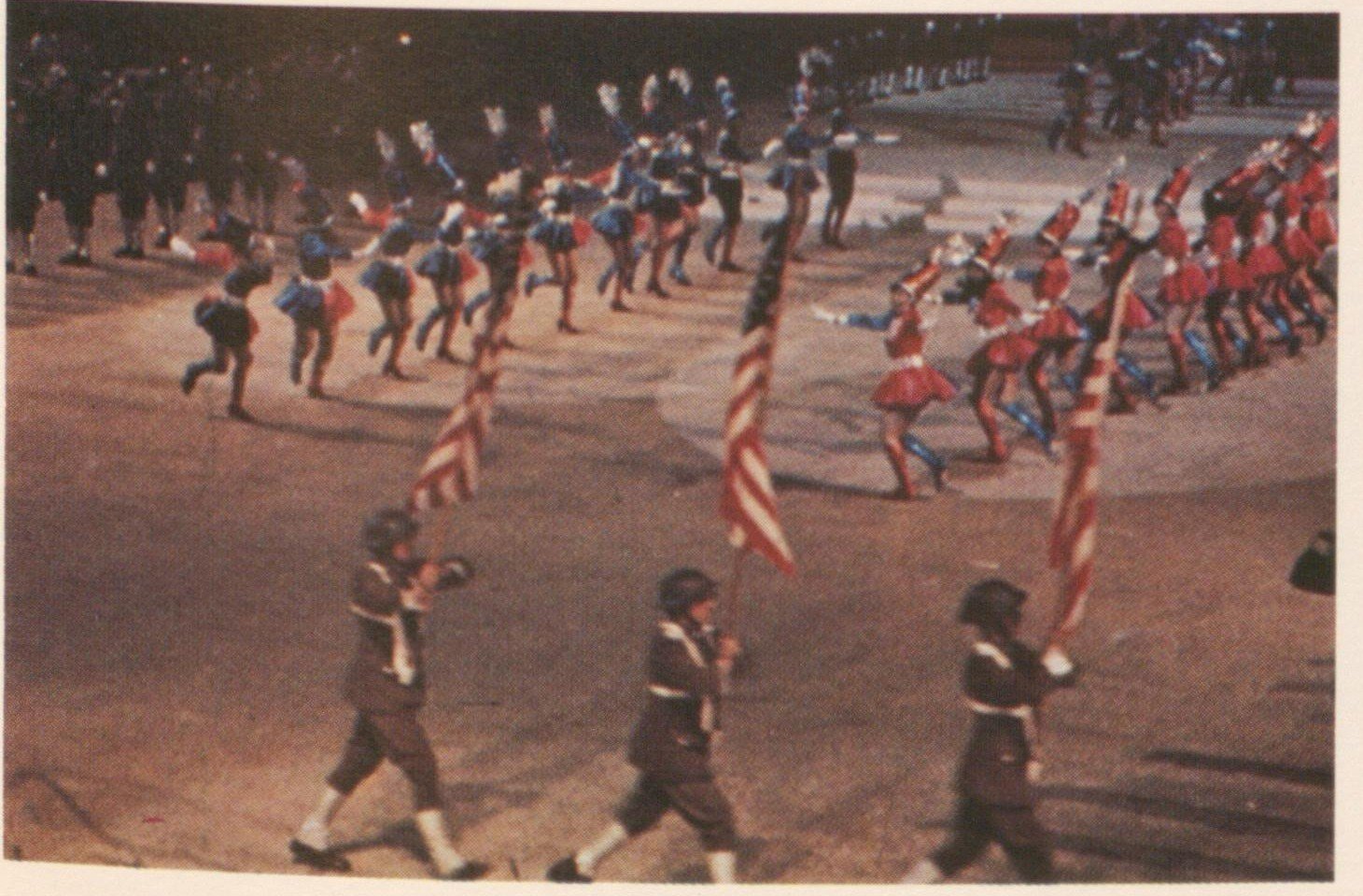
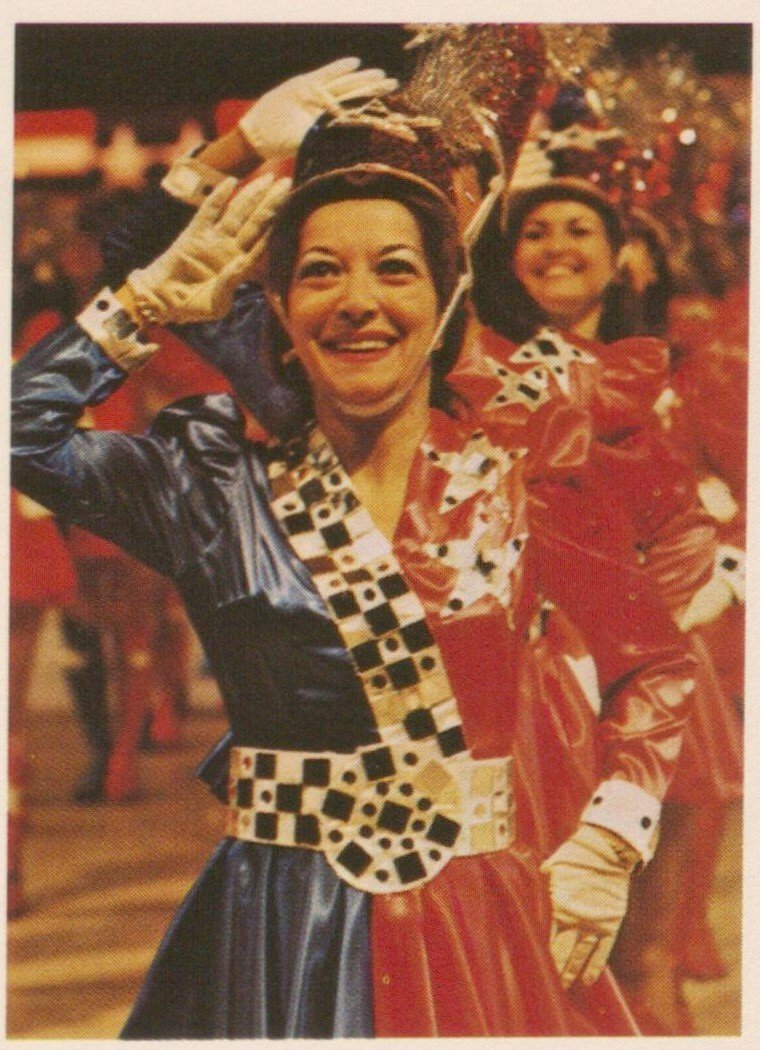
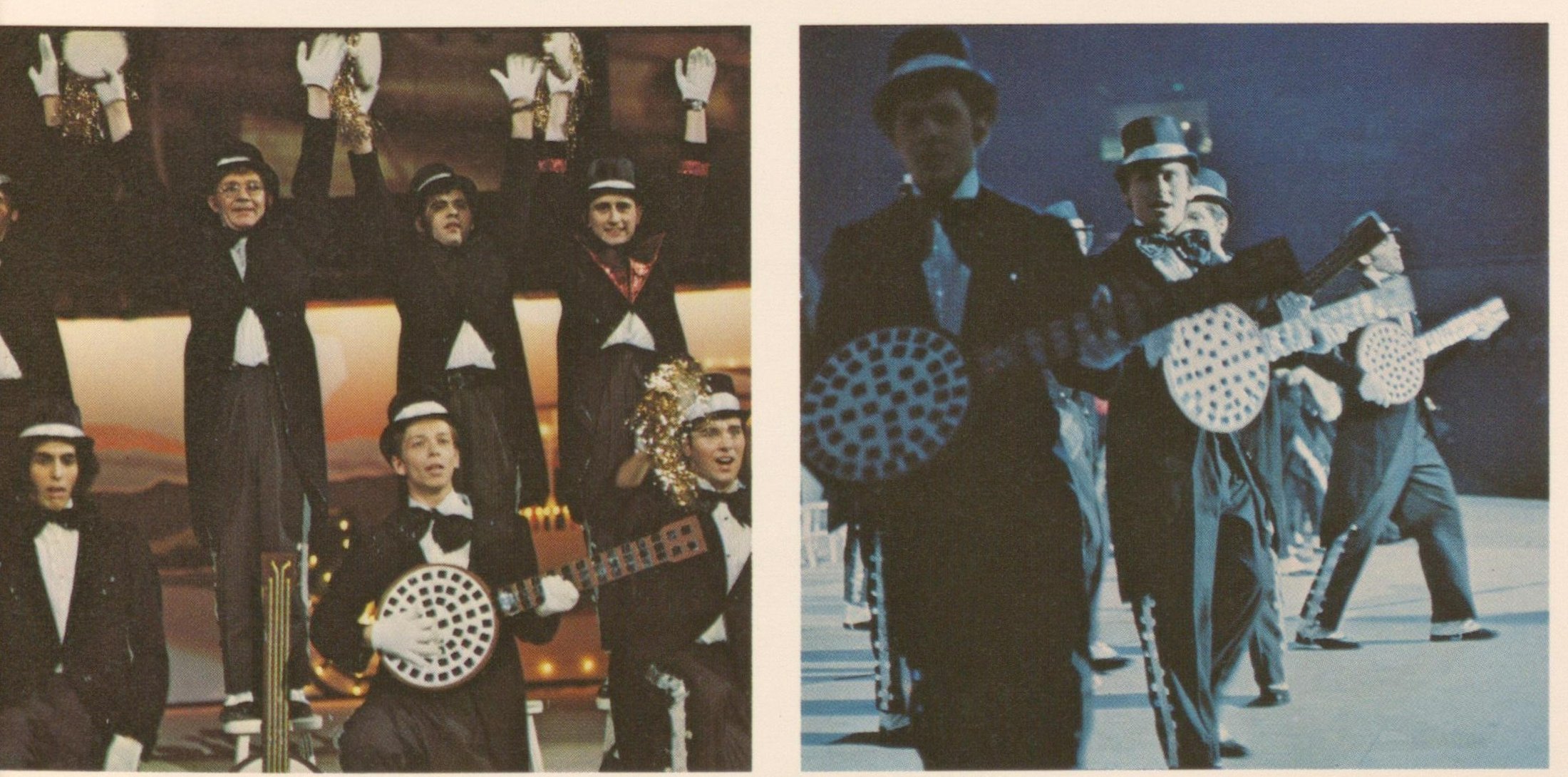
Doughboys, tap dancers and George M. Cohan's OVER THERE recall the stirring patriotism of an innocent period.
37
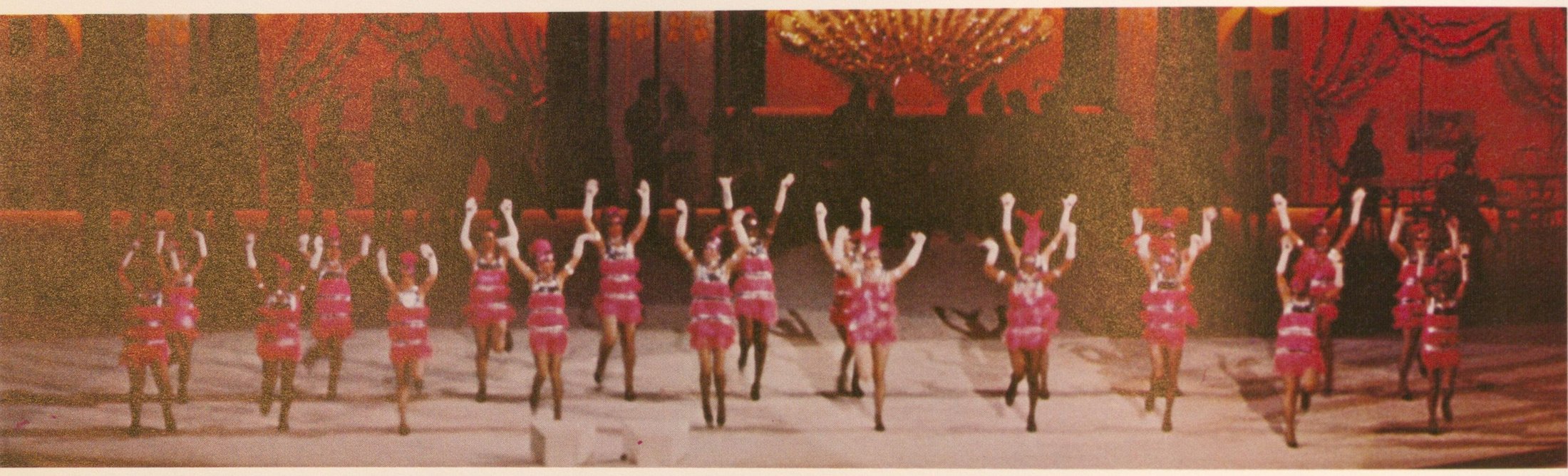
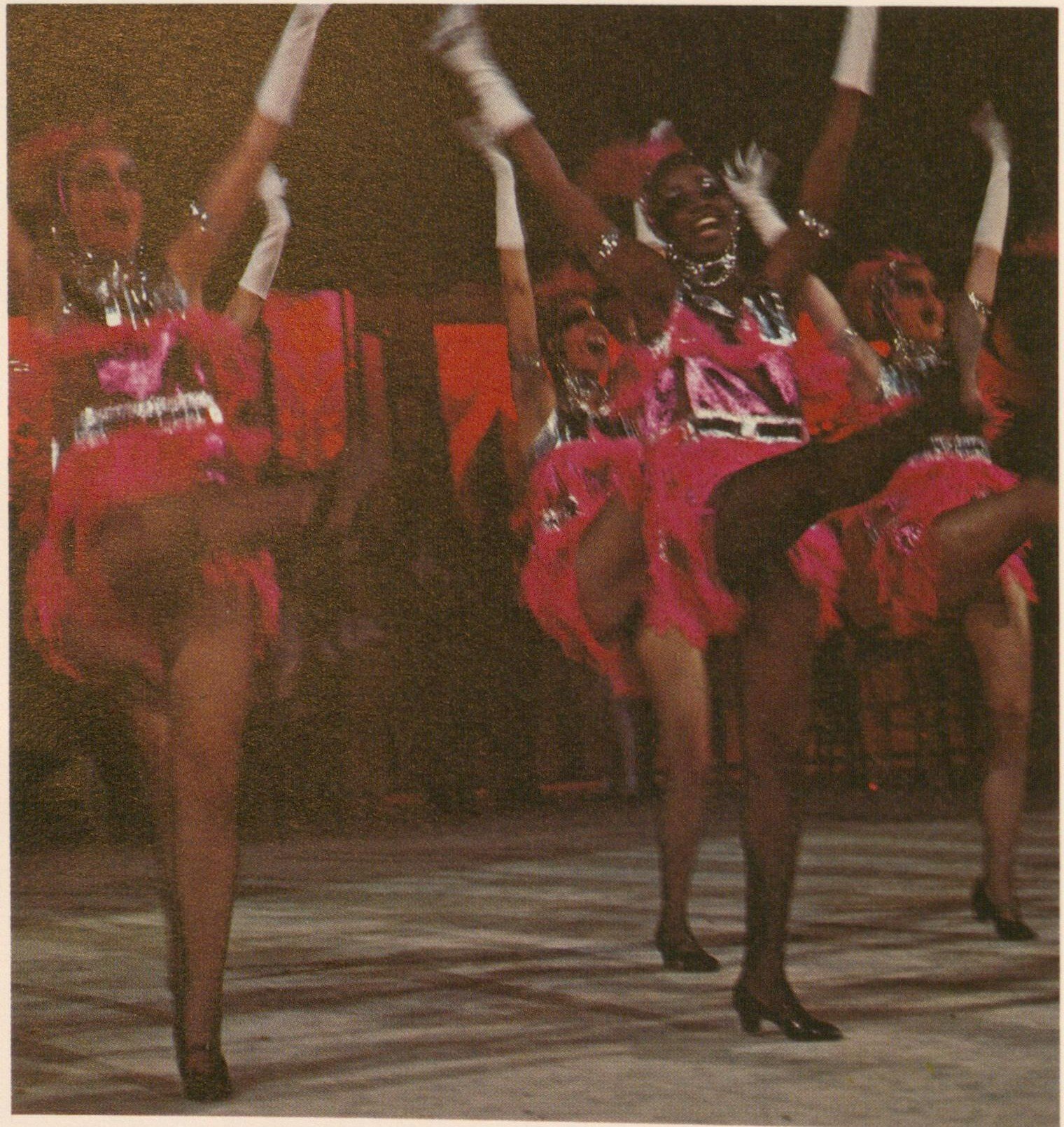
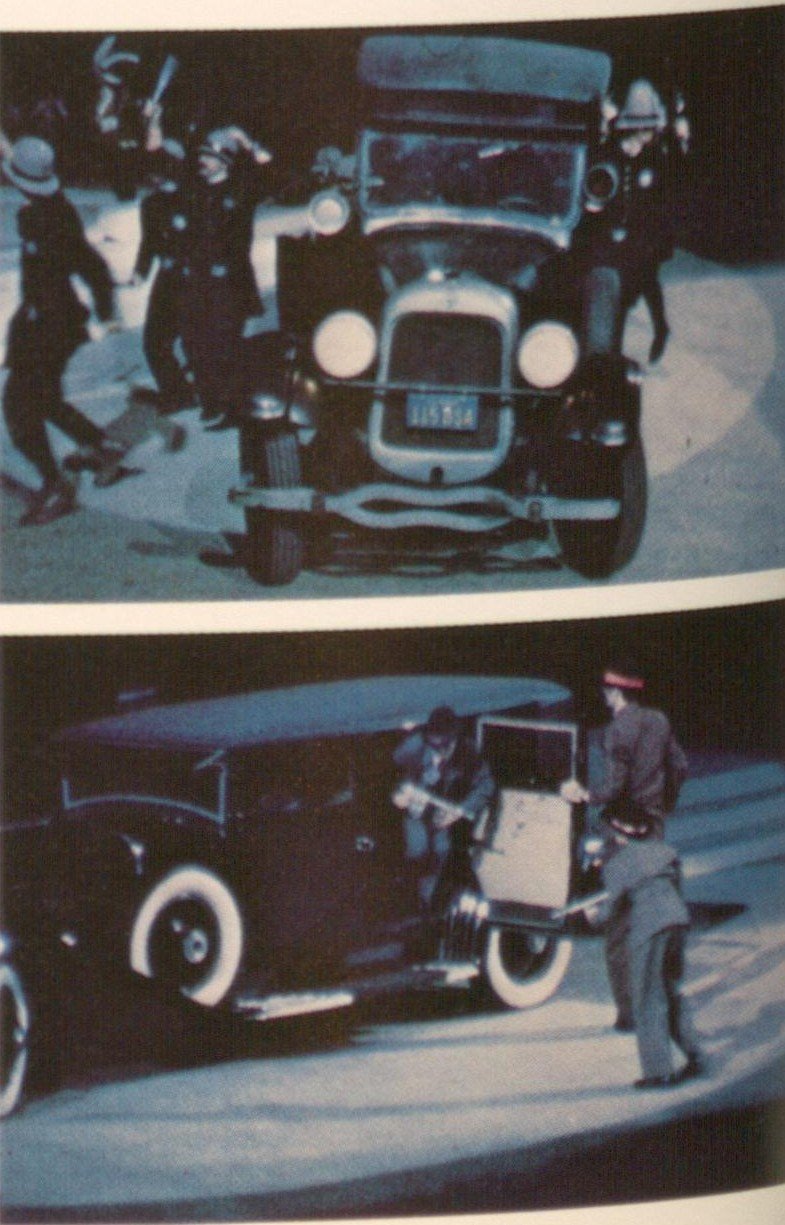
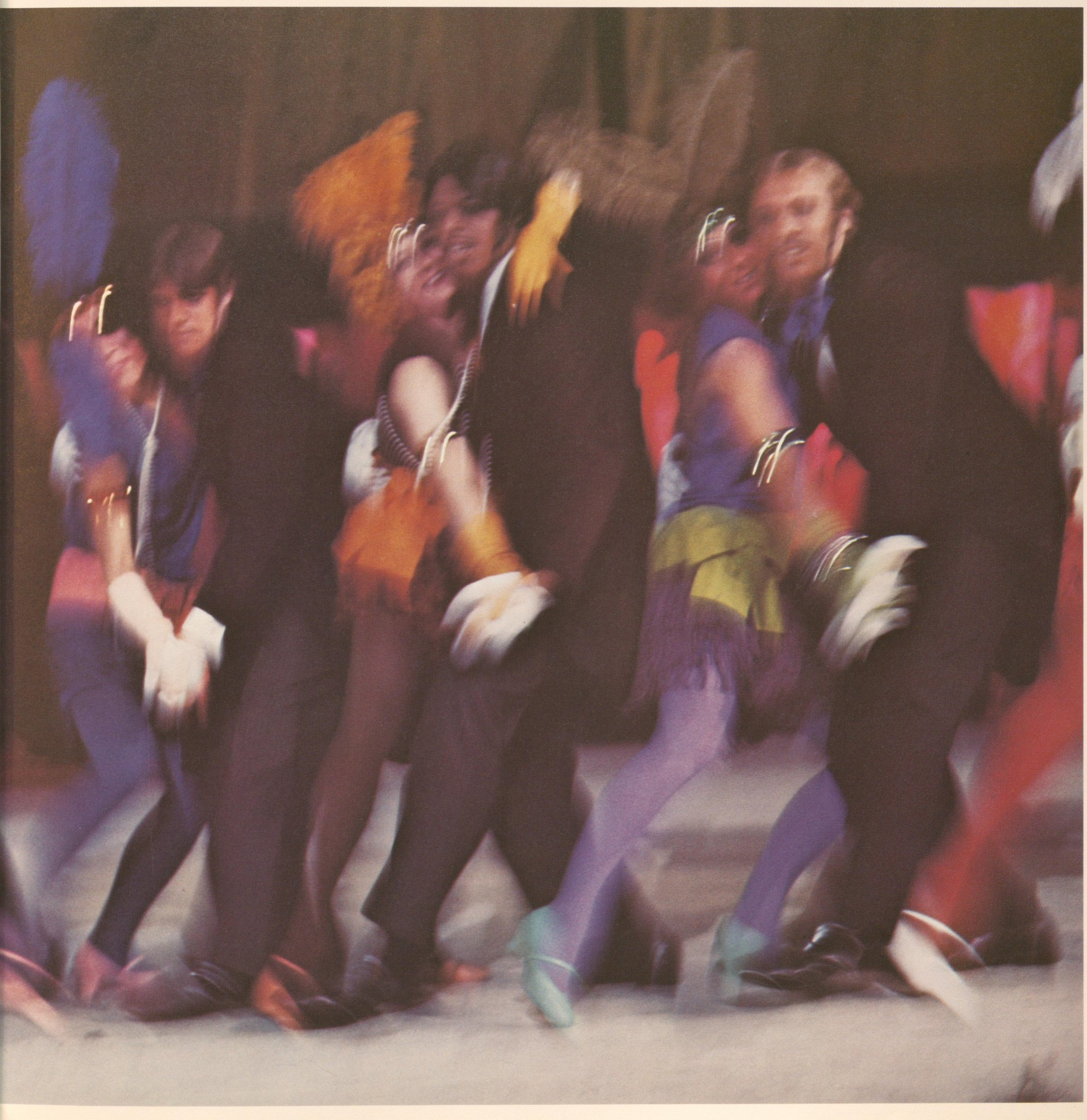
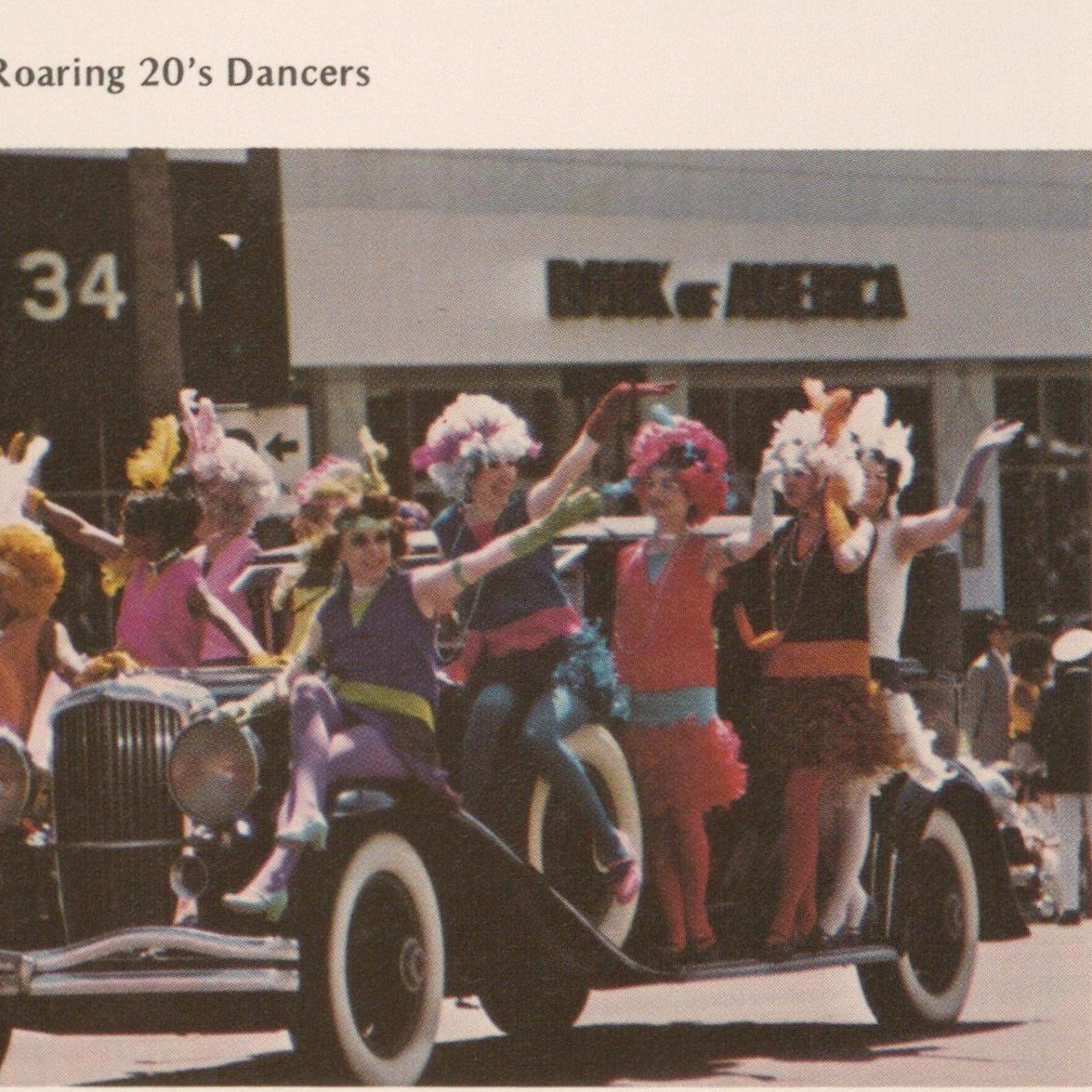
The Roaring Twenties were the carefree years...flappers, raccoon coats, jazz, dance marathons, Hollywood's silent films, gangsters, Prohibition was repealed and the depression...among the young people there was a desire to swing with the times.
38
39
40
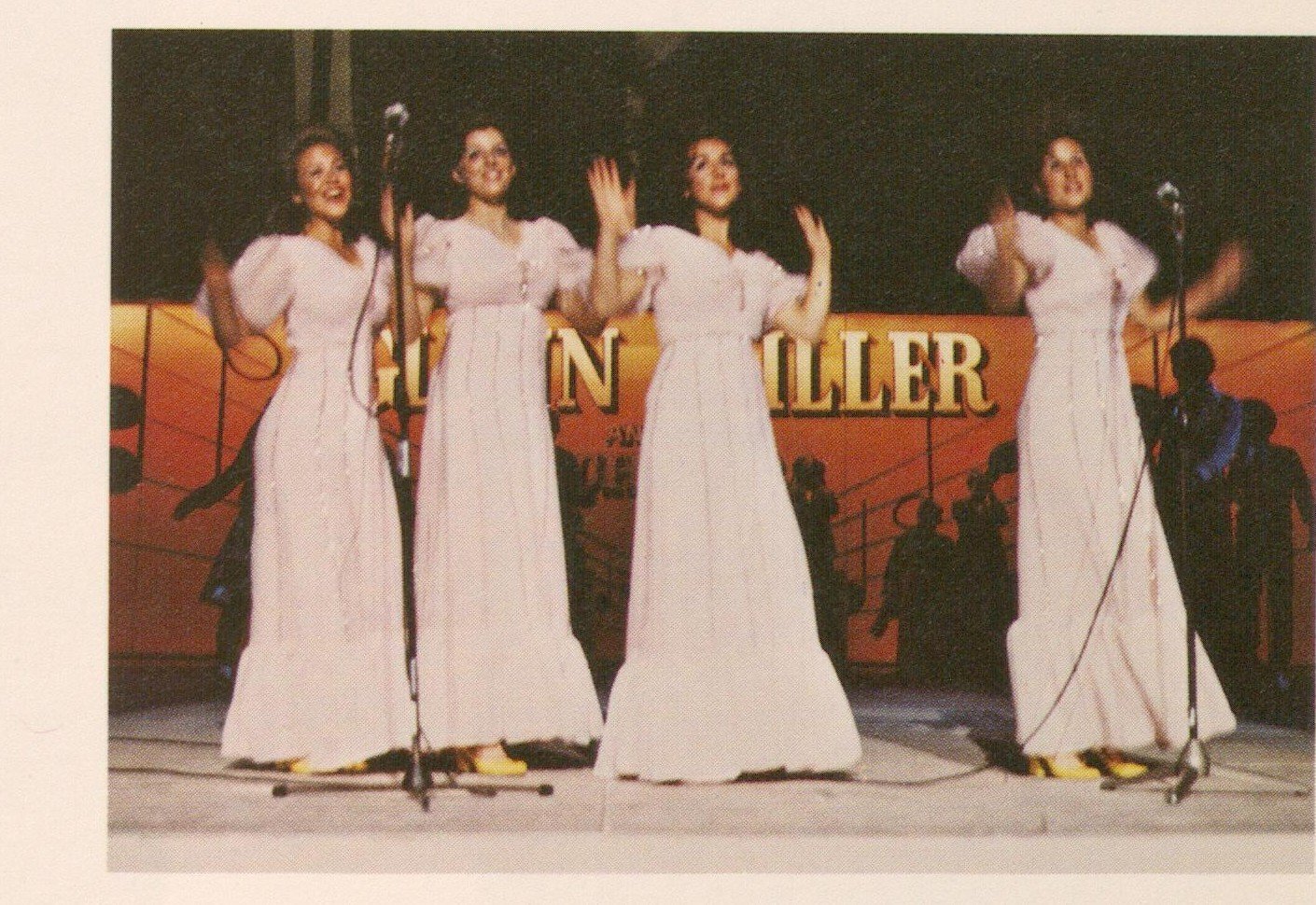
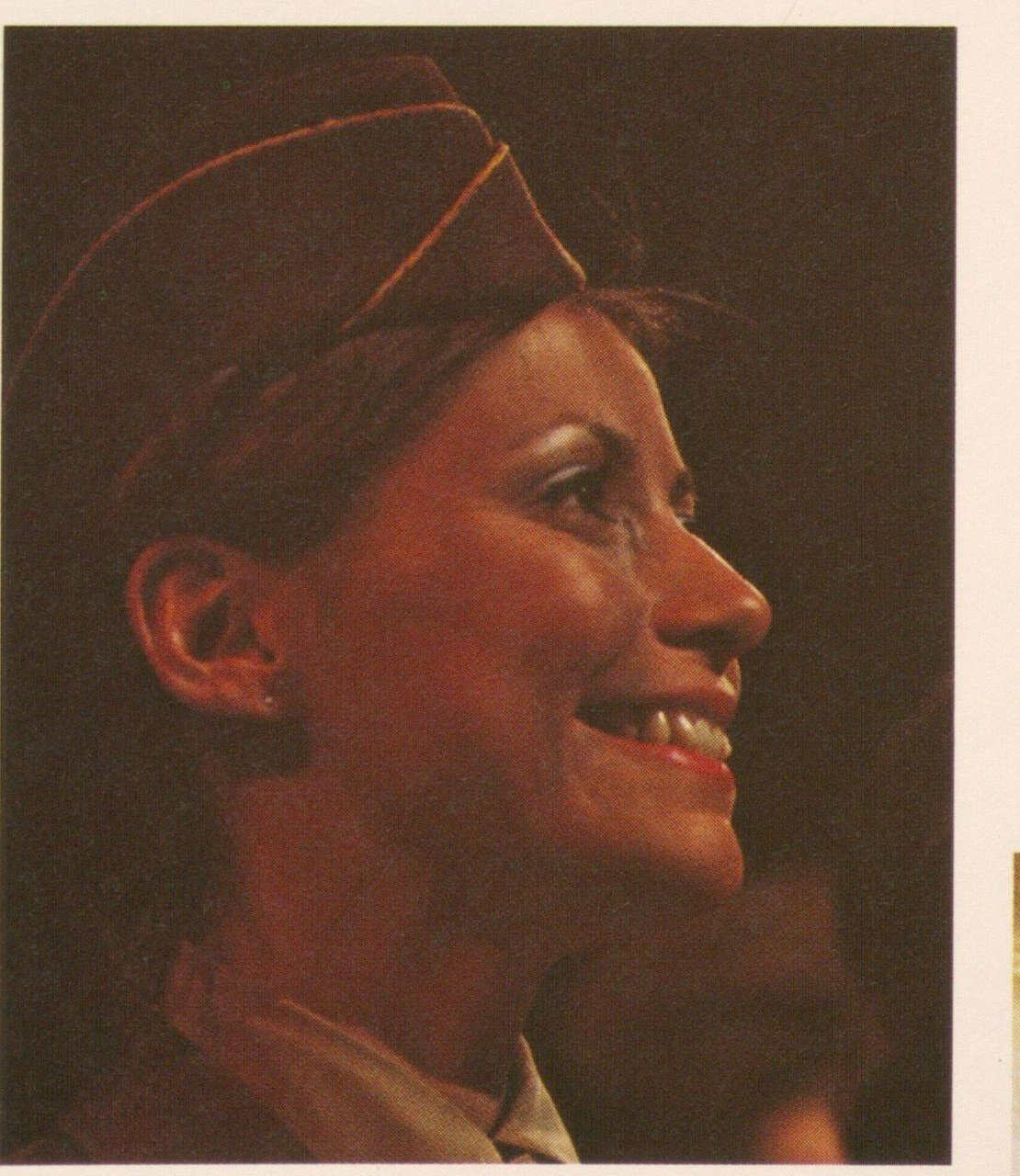
During the fifties, all ages were pacified by a new entertainment media...television...the war babies grew up and their rejection of established values reflected in art, fashion and music...out of frustration, they struck out against social injustice and inequality.
41
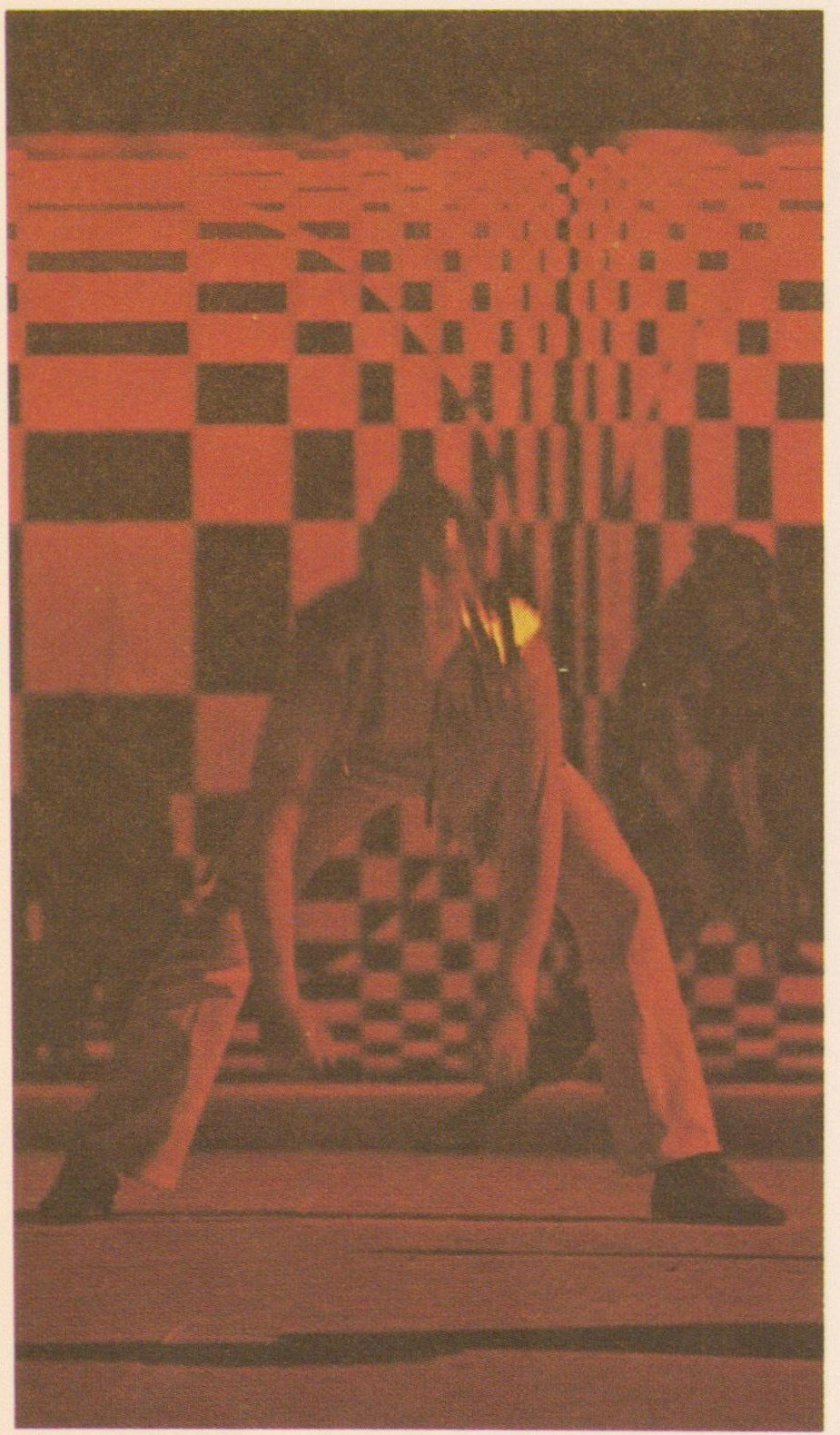
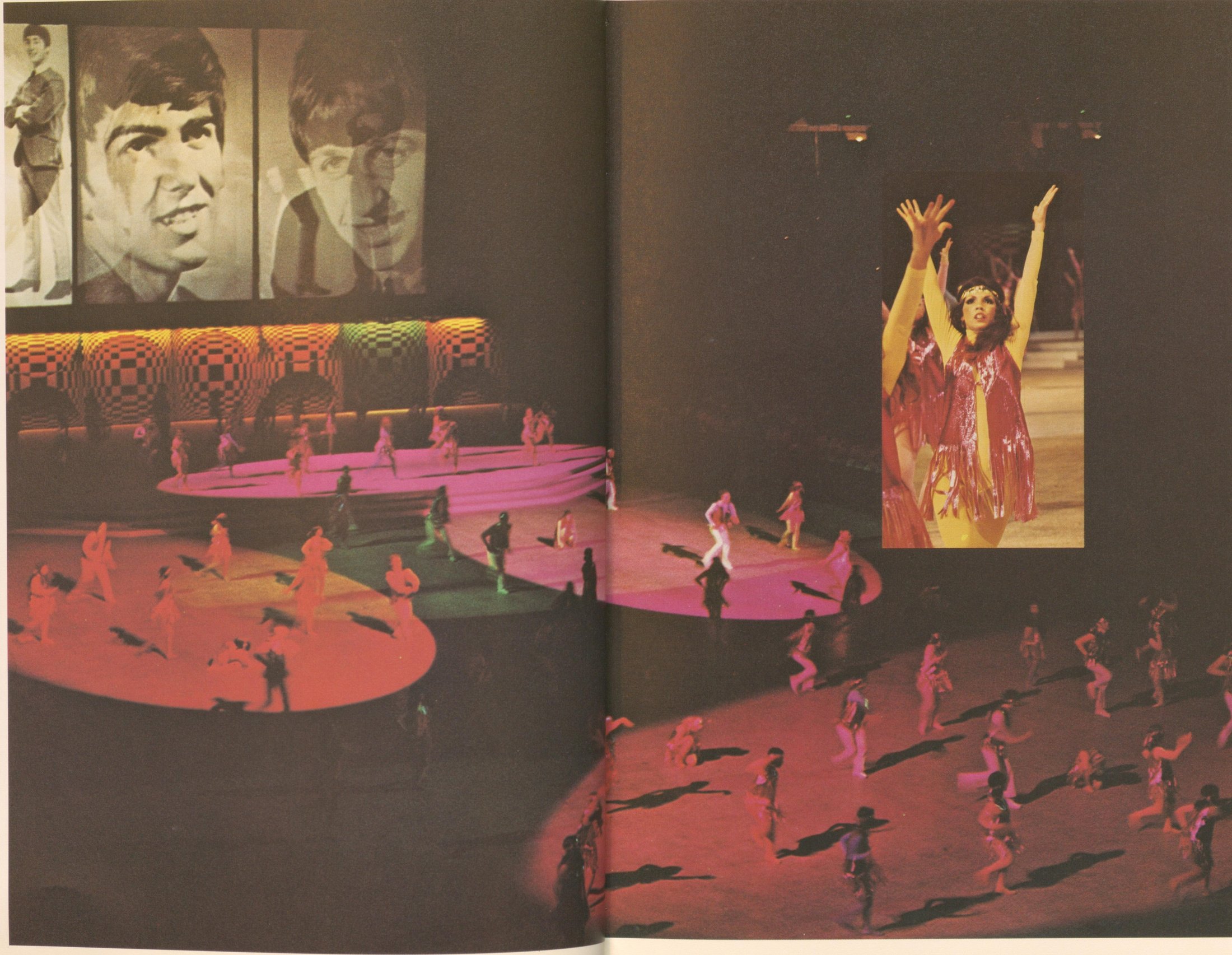
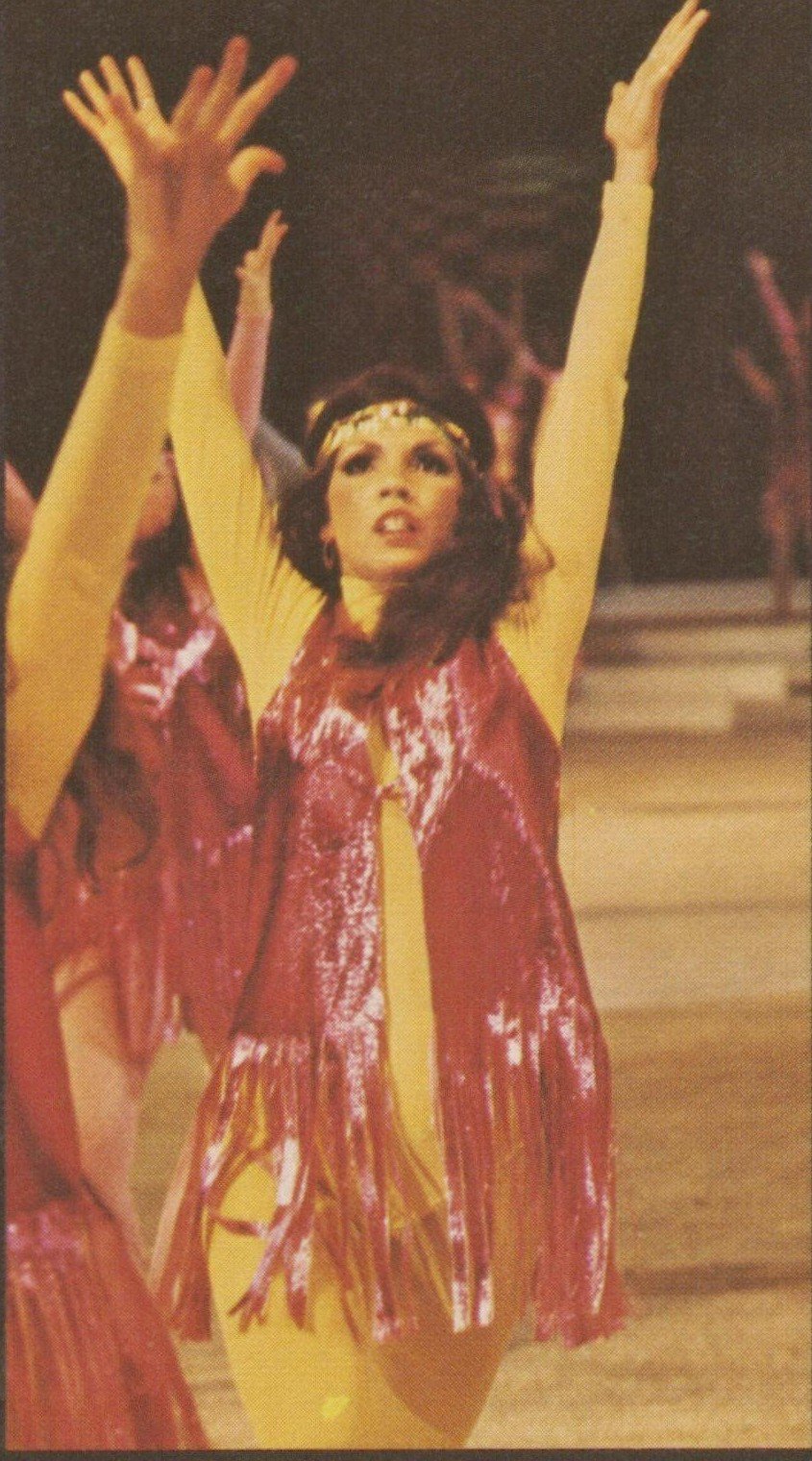
HELP, the music of the Beatles, bespoke a frustrated age.
42–43
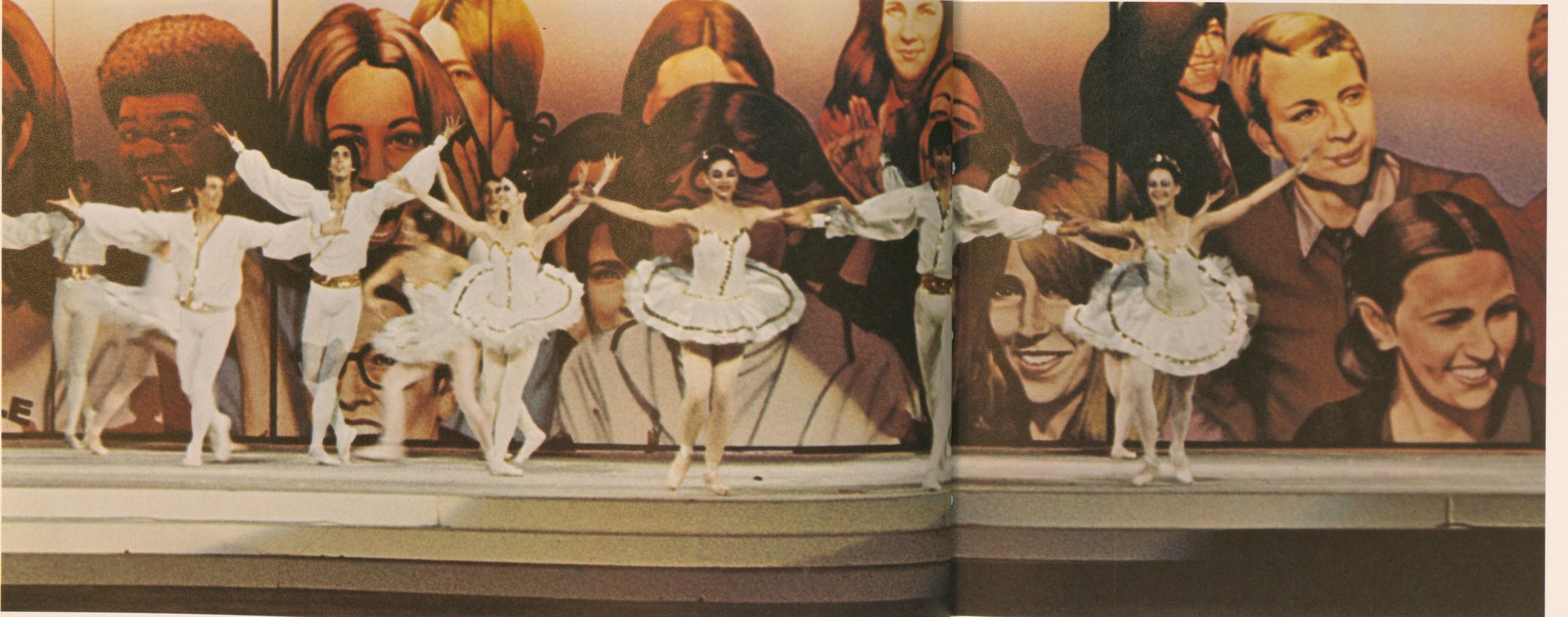
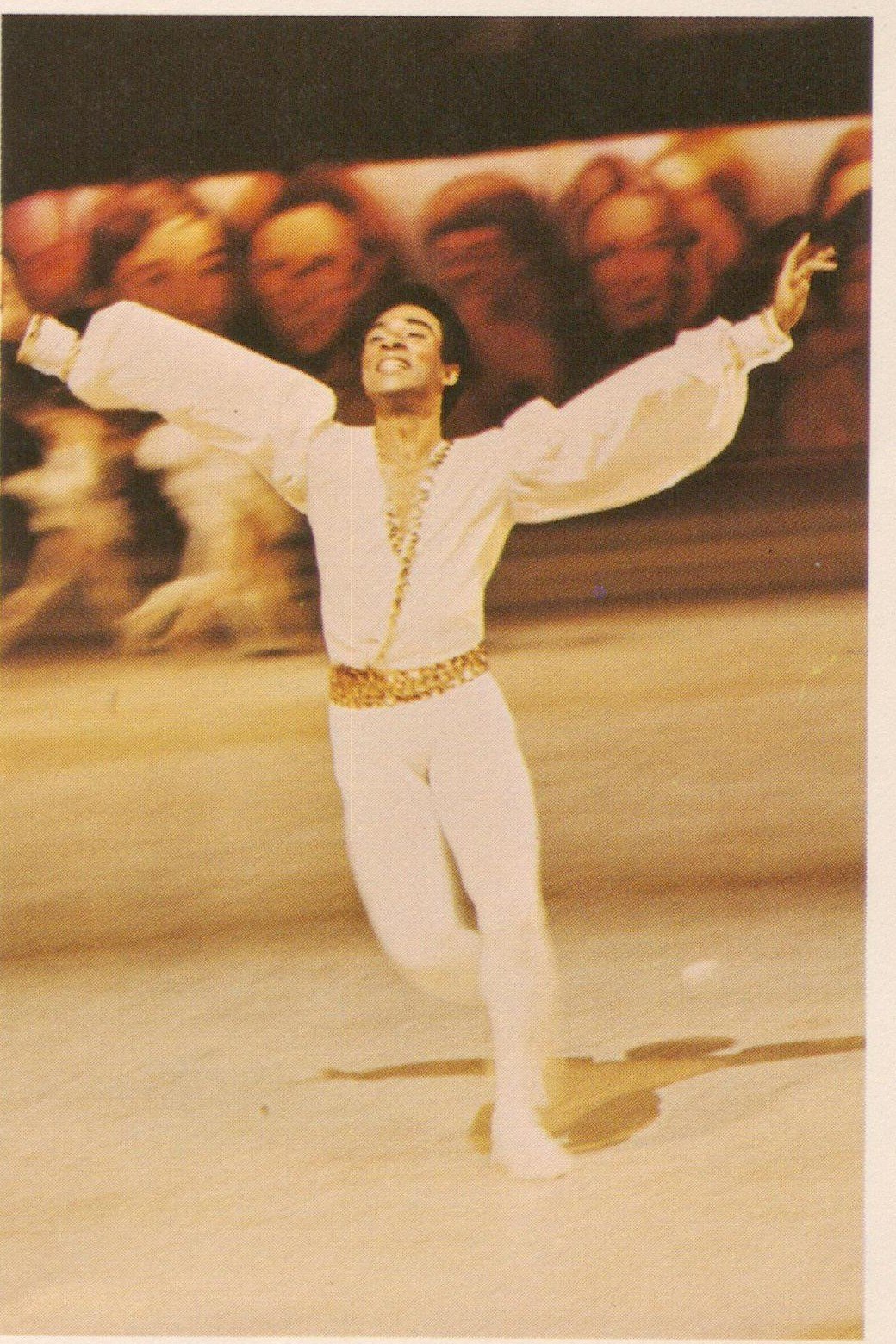
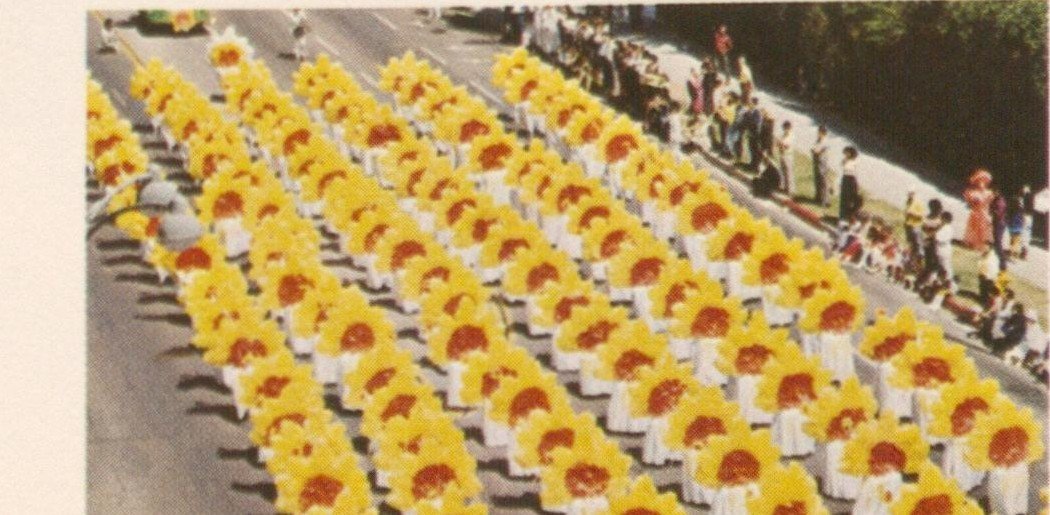
The flower of world peace had begun to bloom...the whirlpools of Shakubuku grew rapidly, extending one's happiness for the benefit of others...thousands joined NSA each month...proof of the power of humanism.
44–45
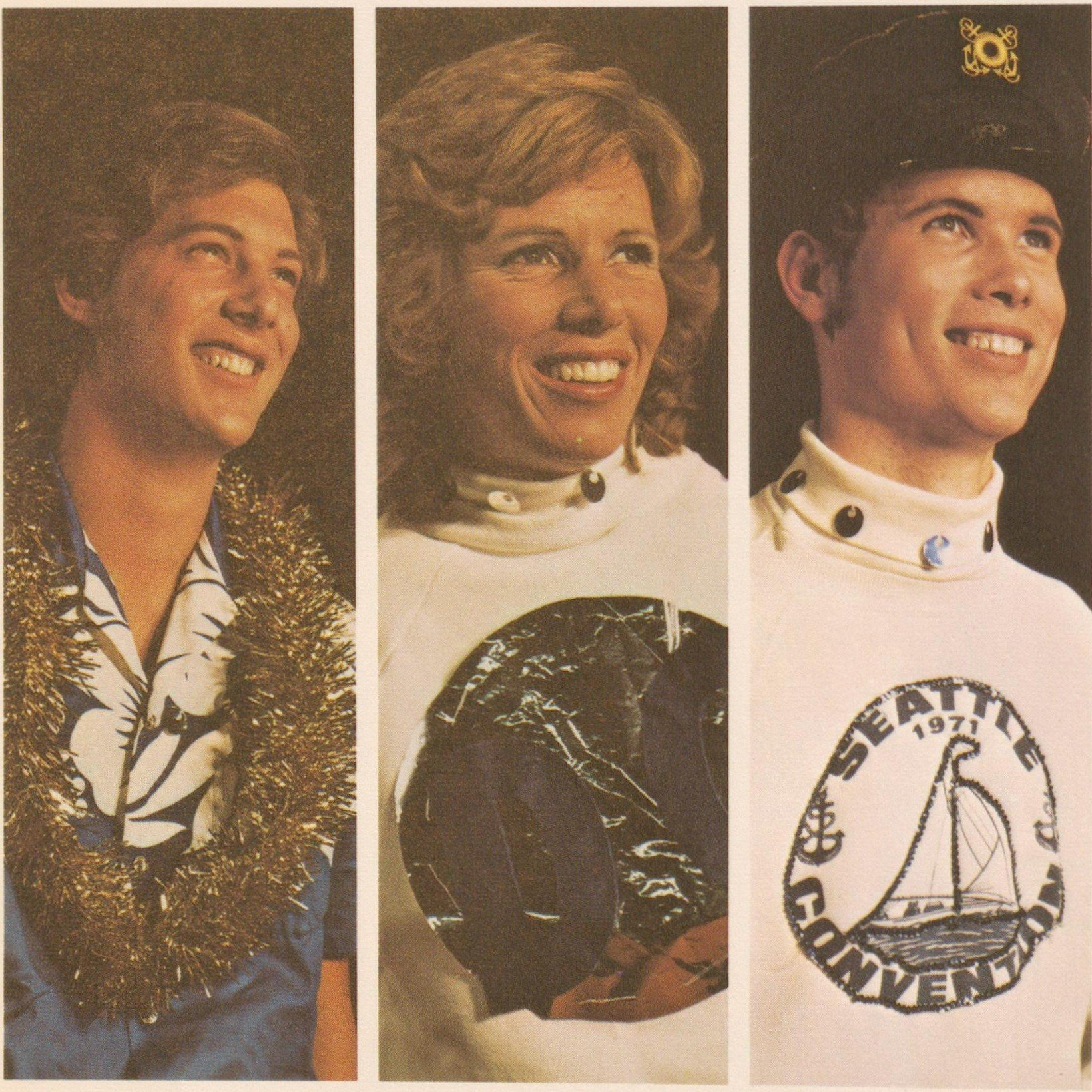
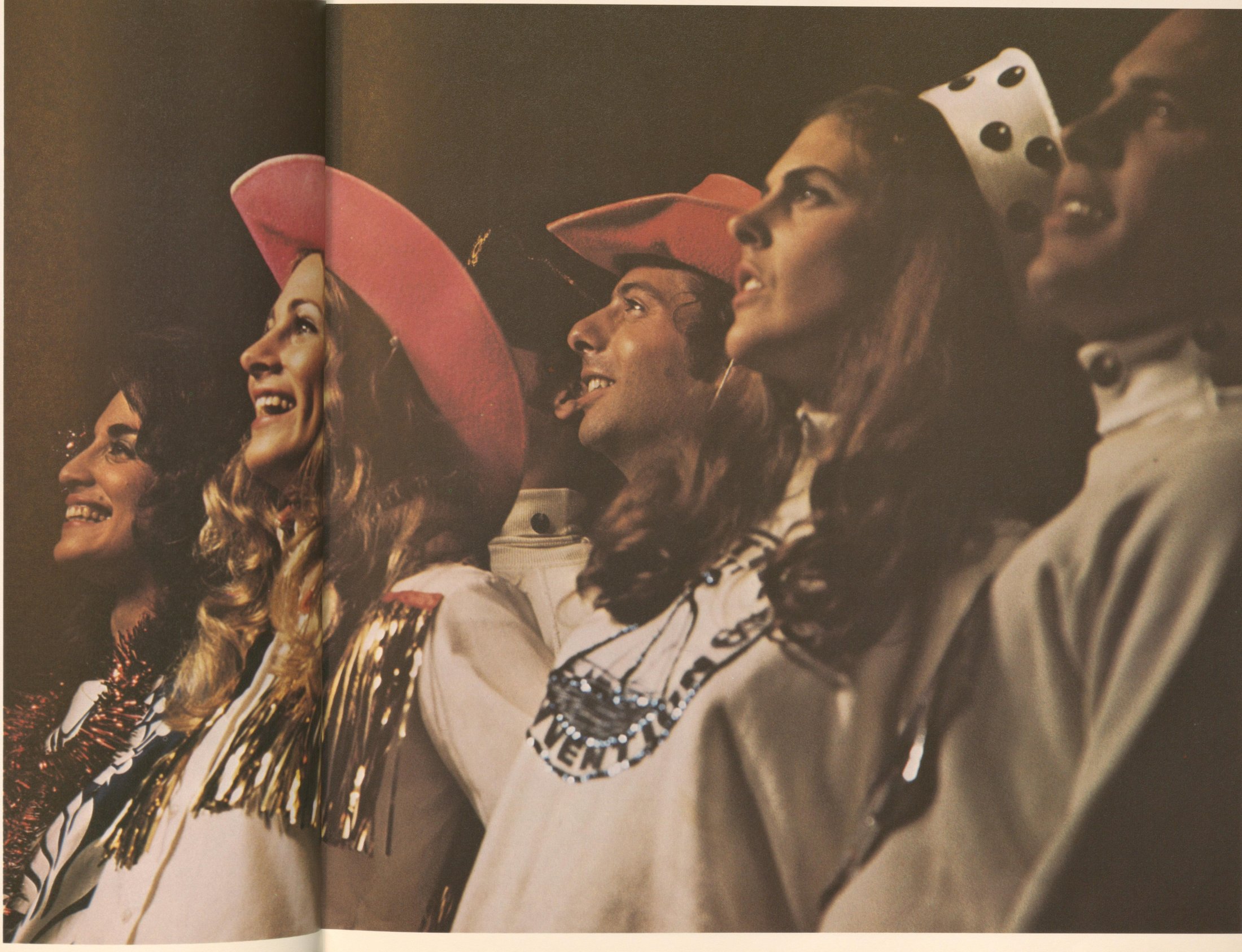
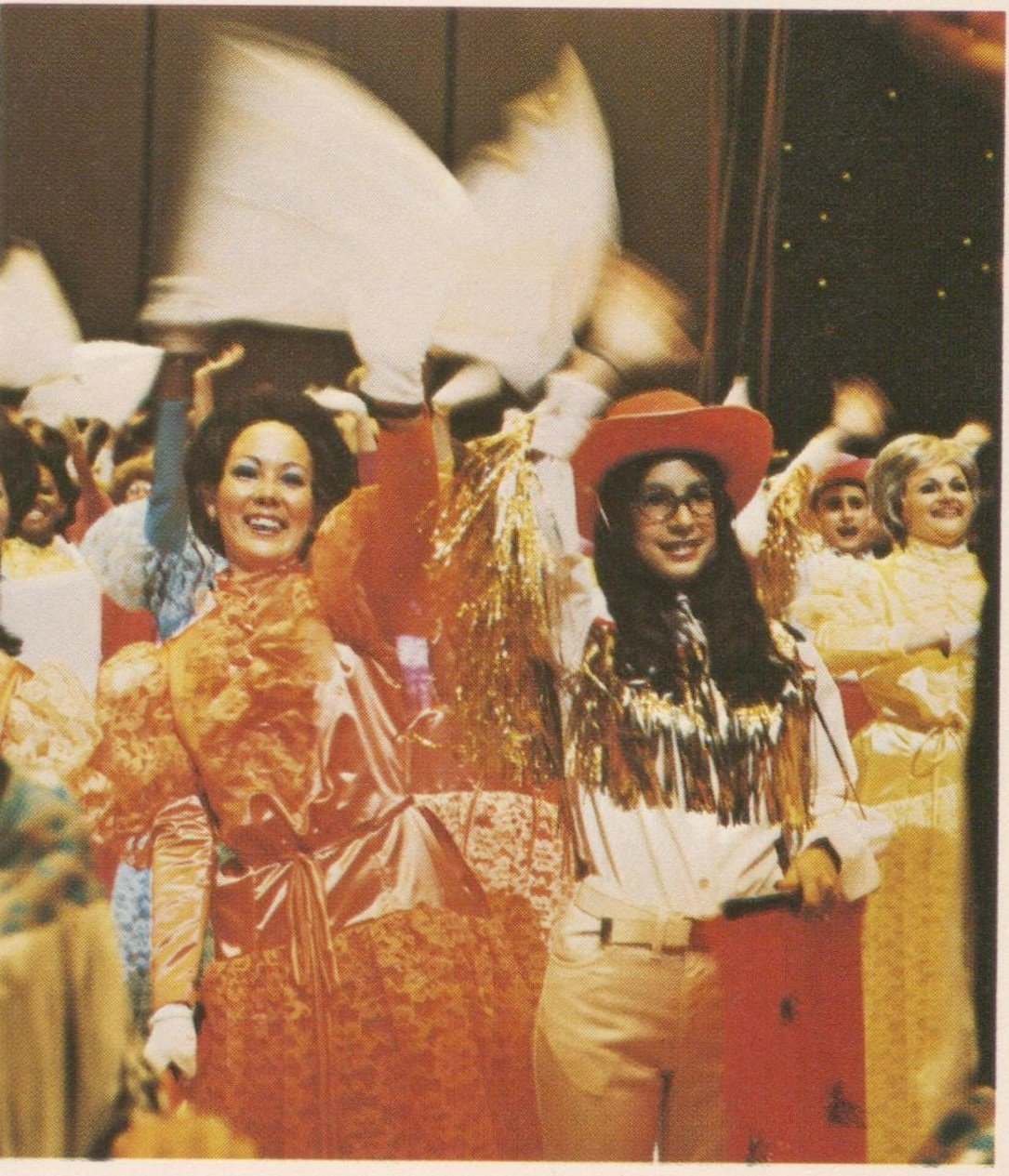
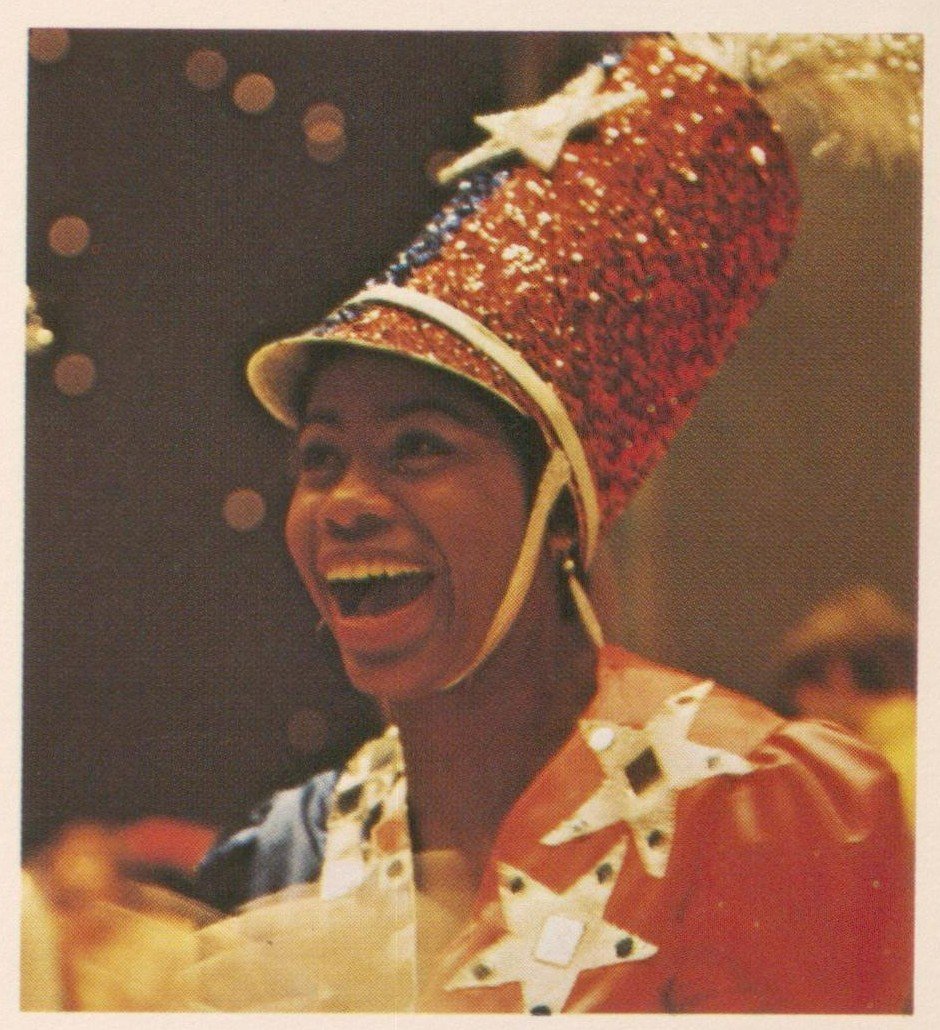
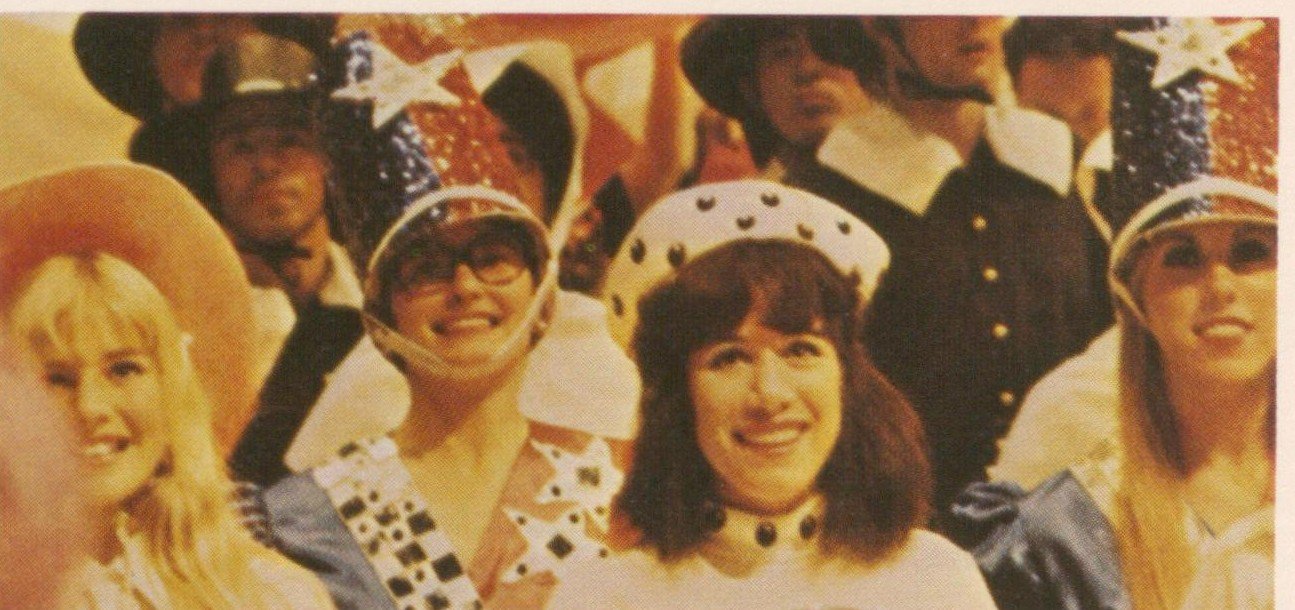
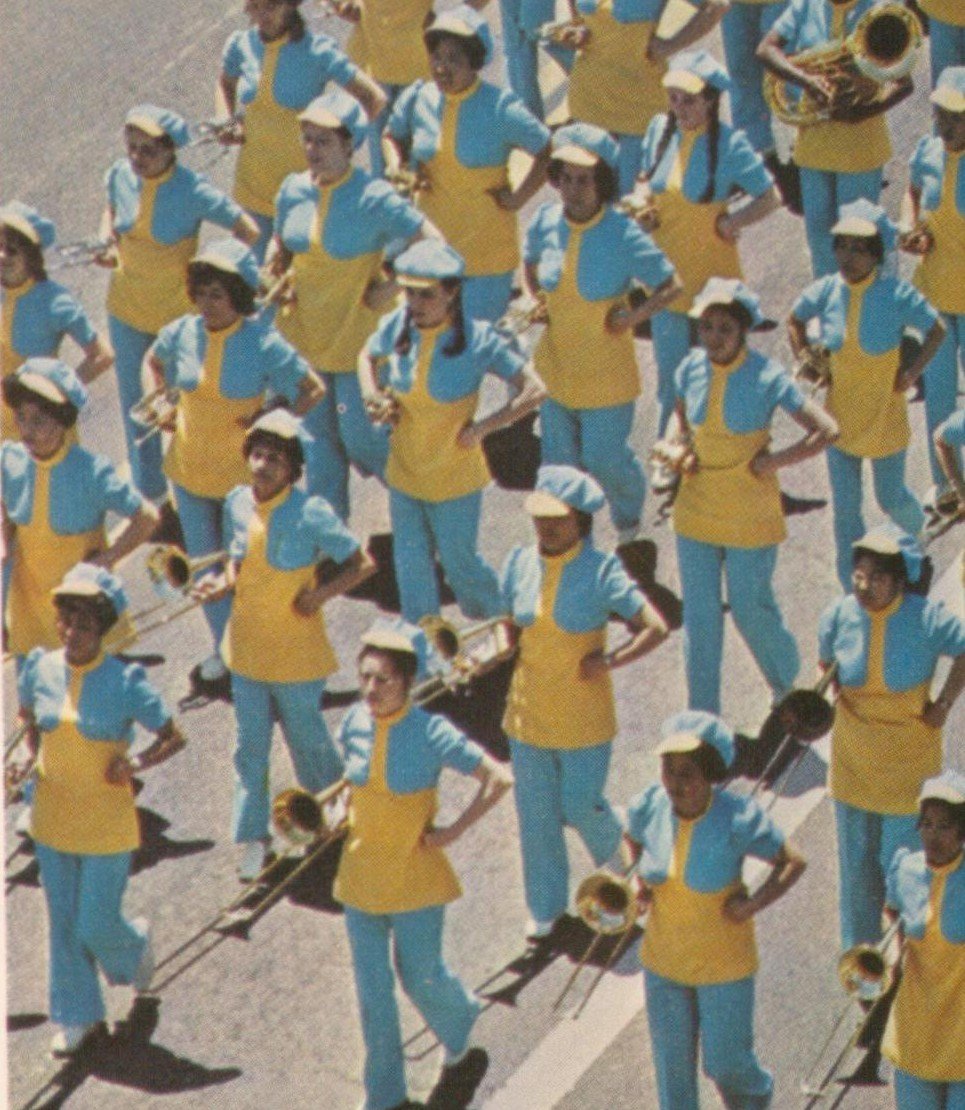
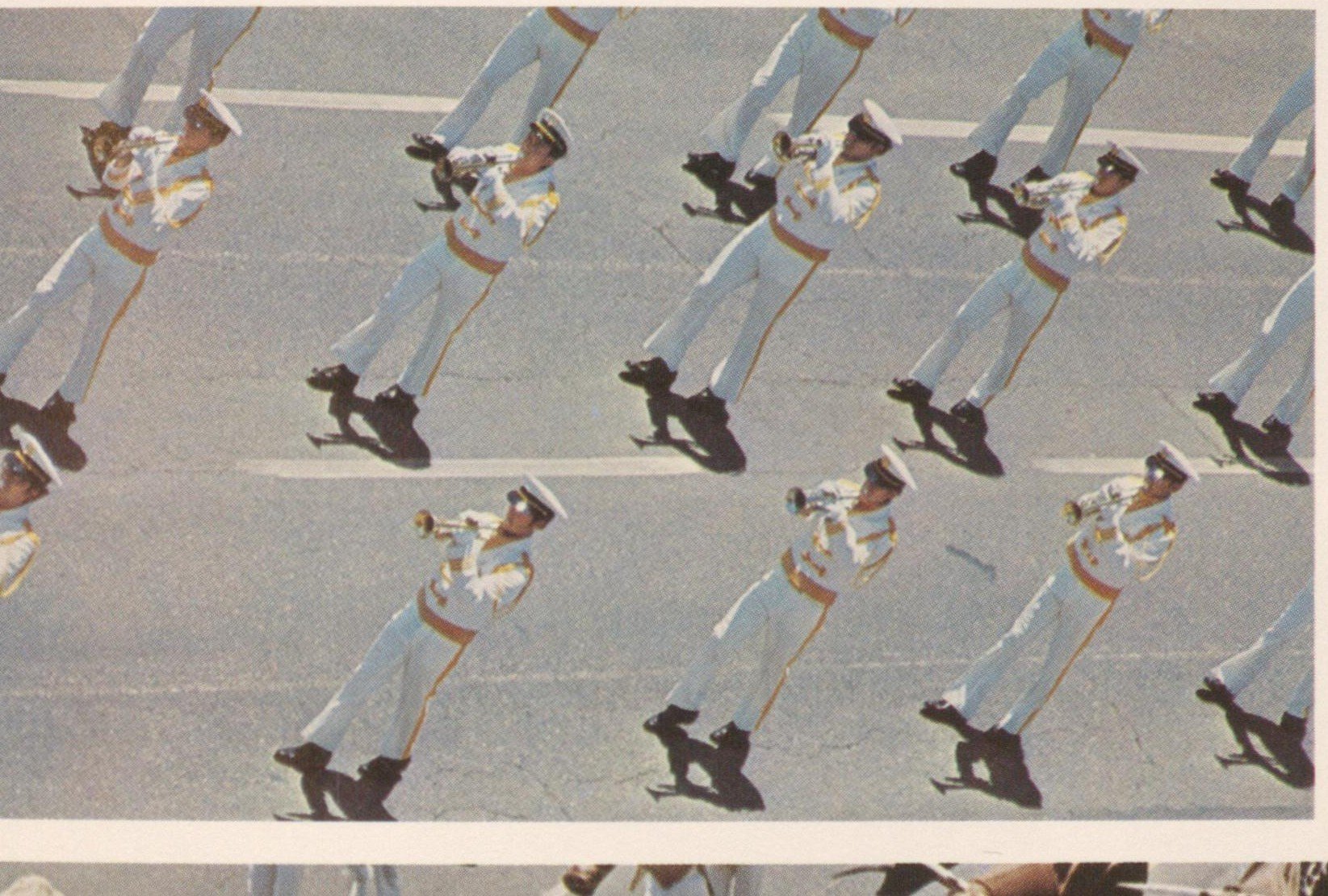
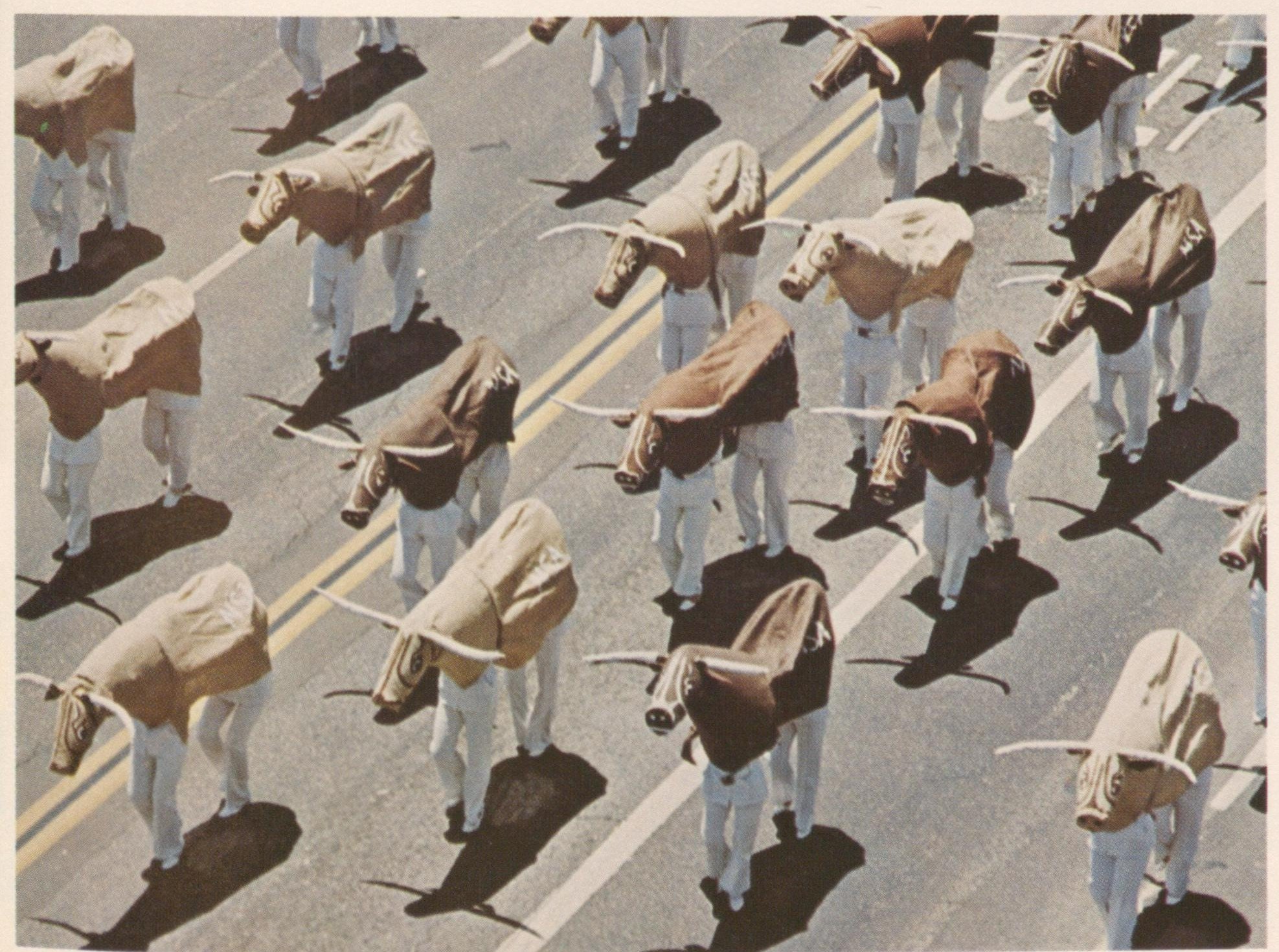
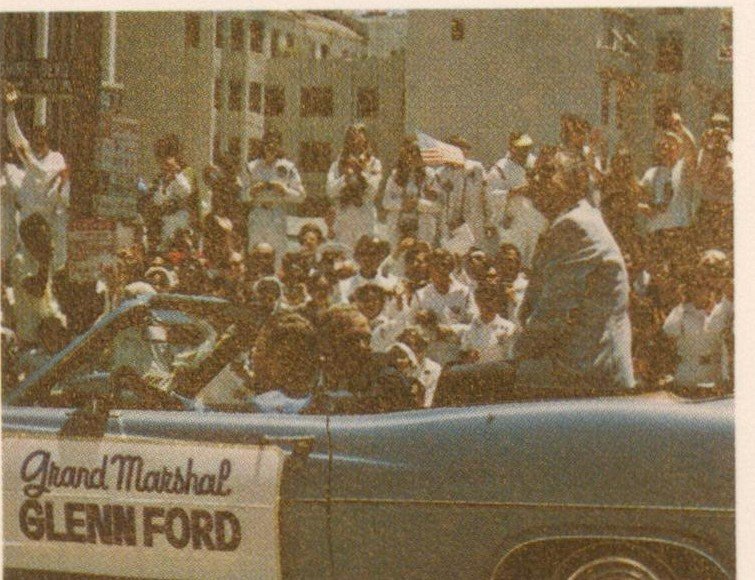
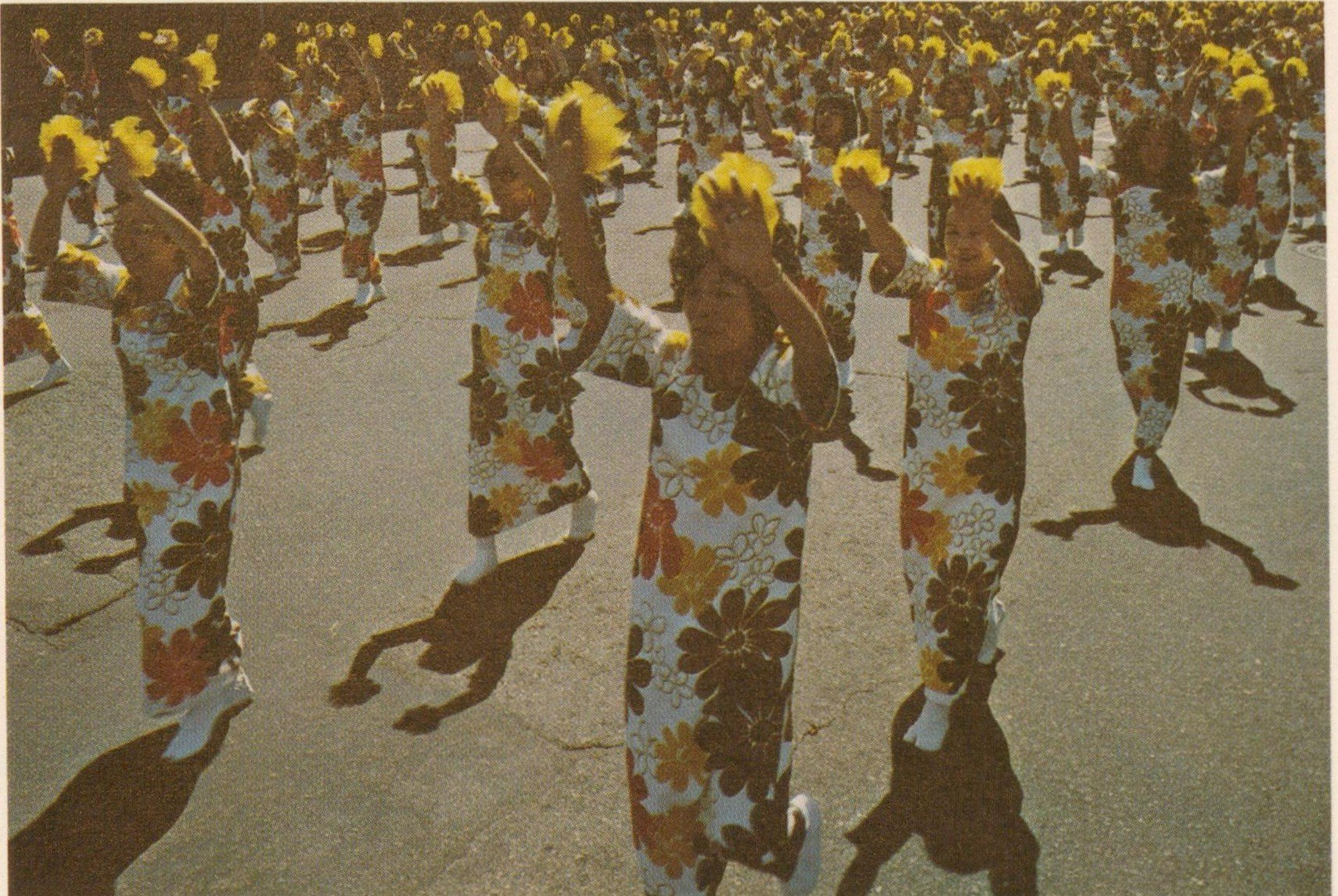
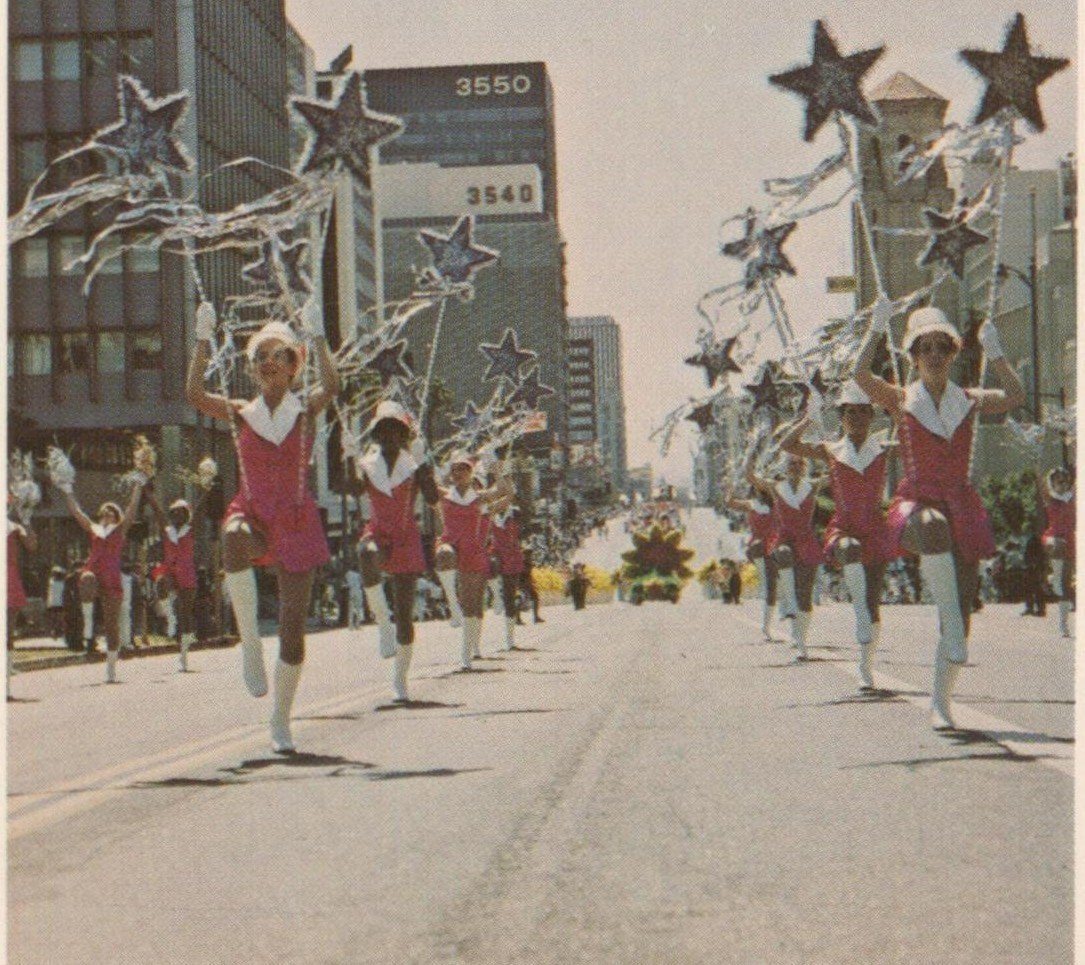
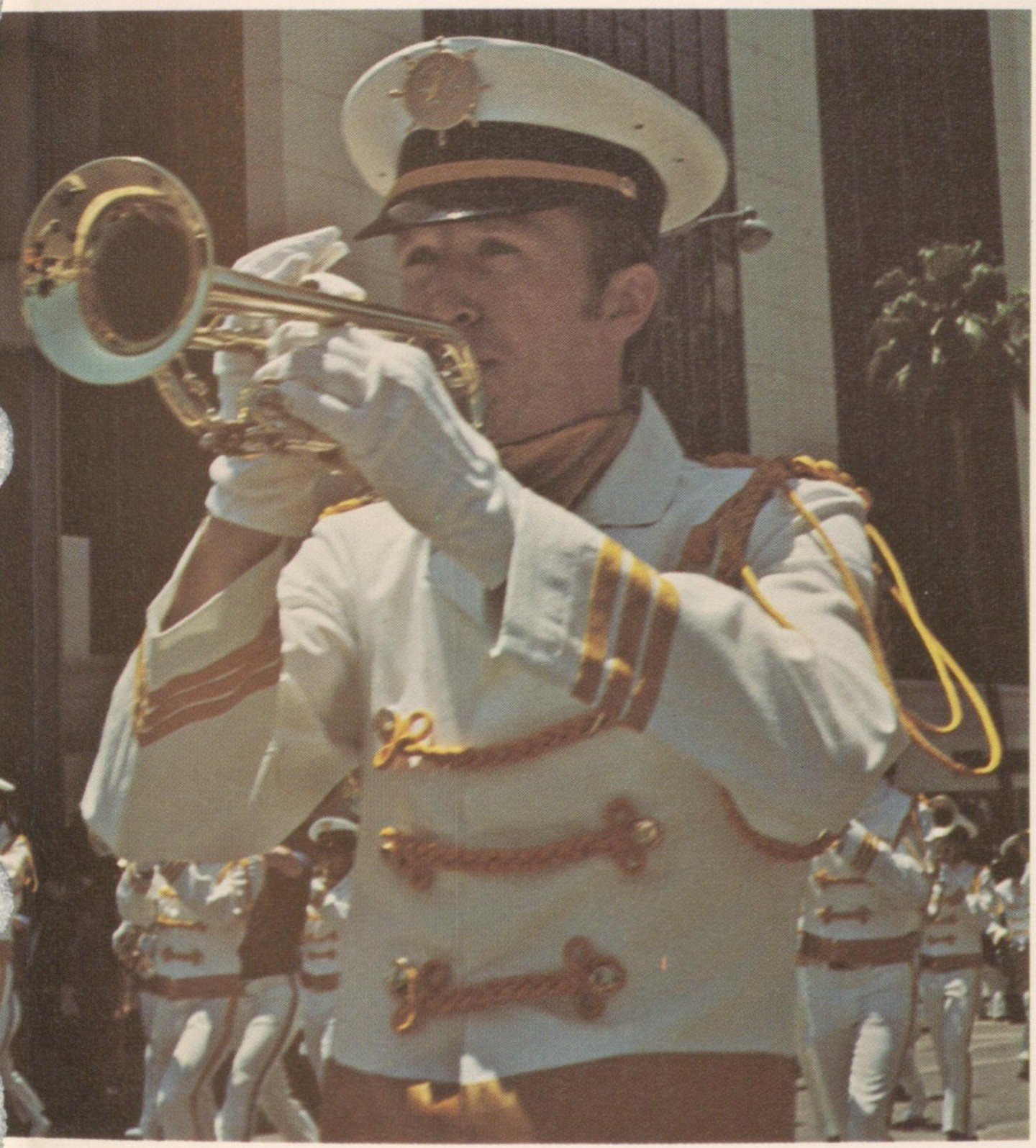
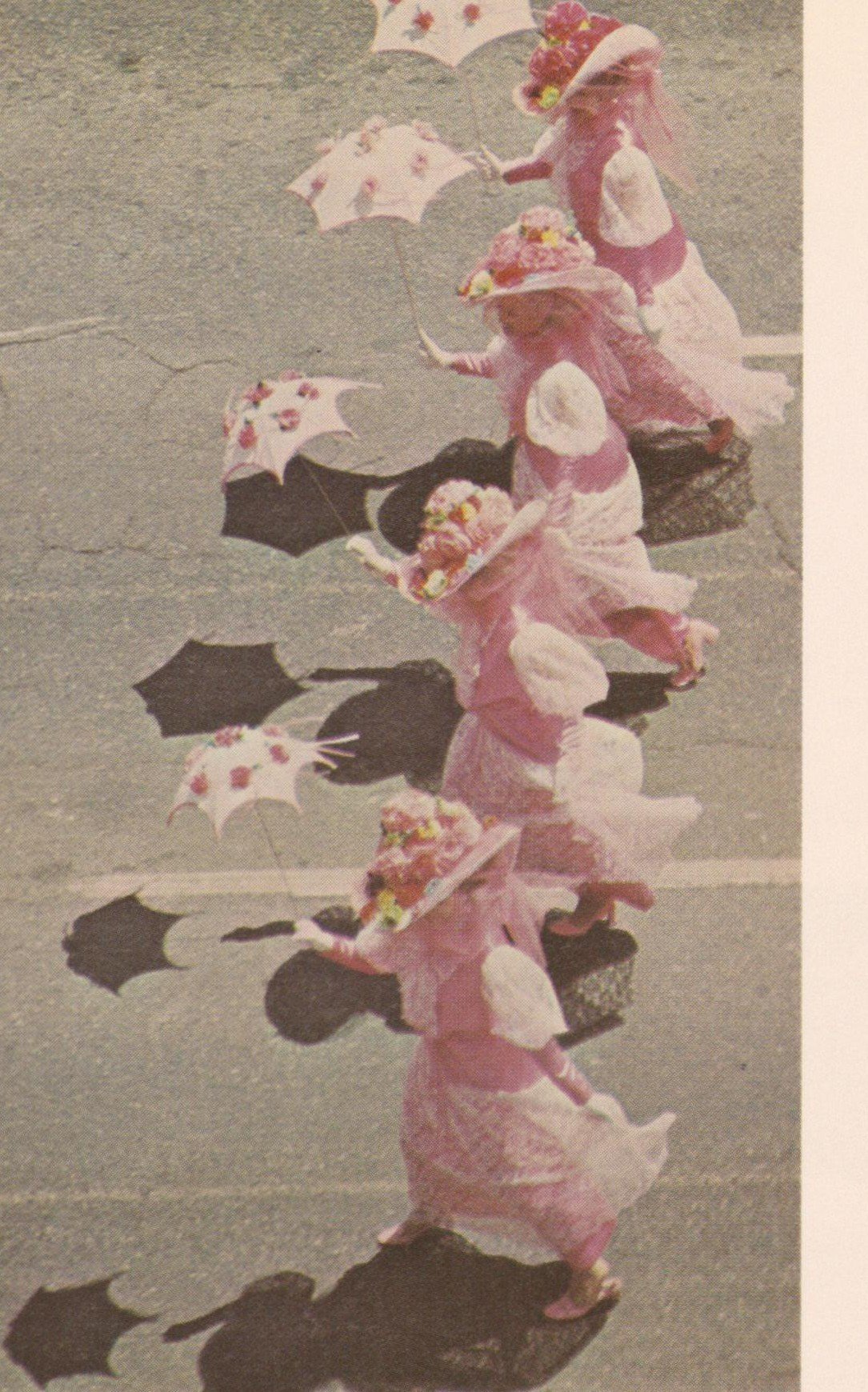
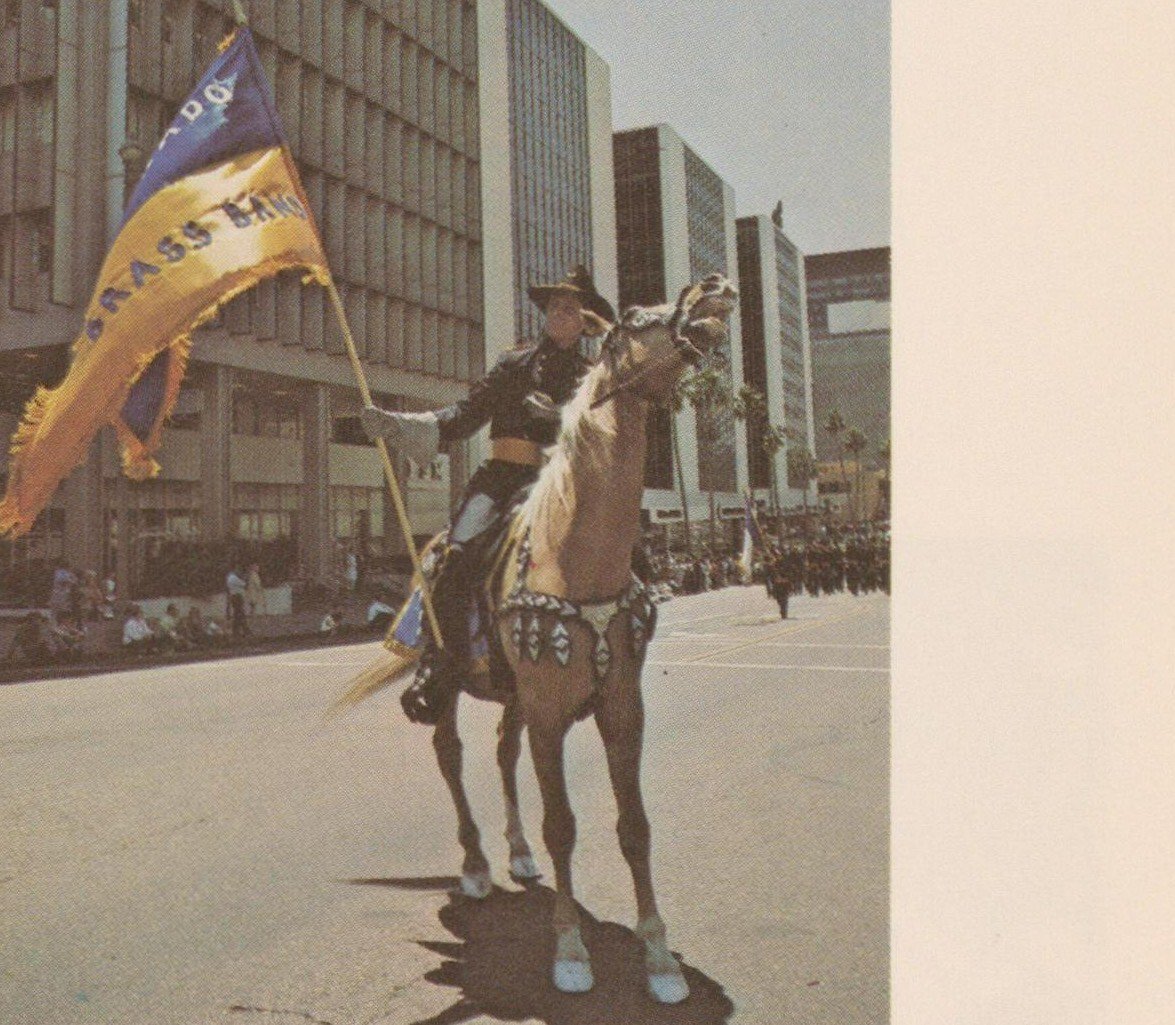
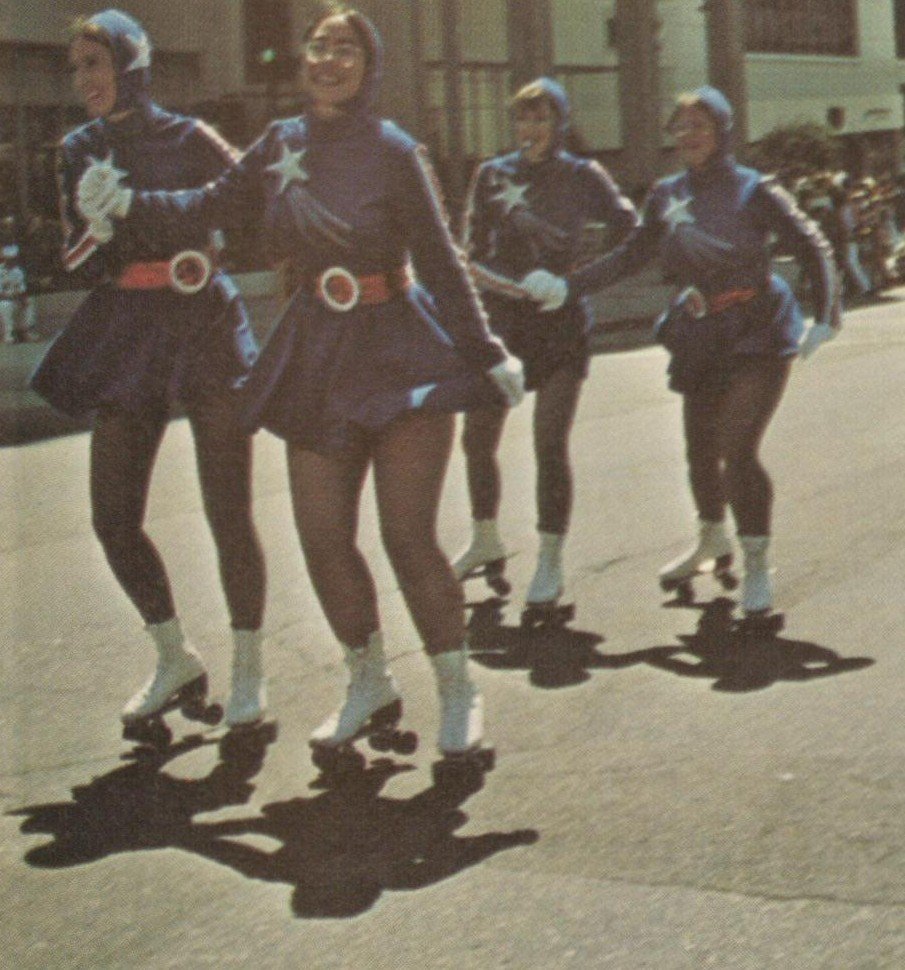
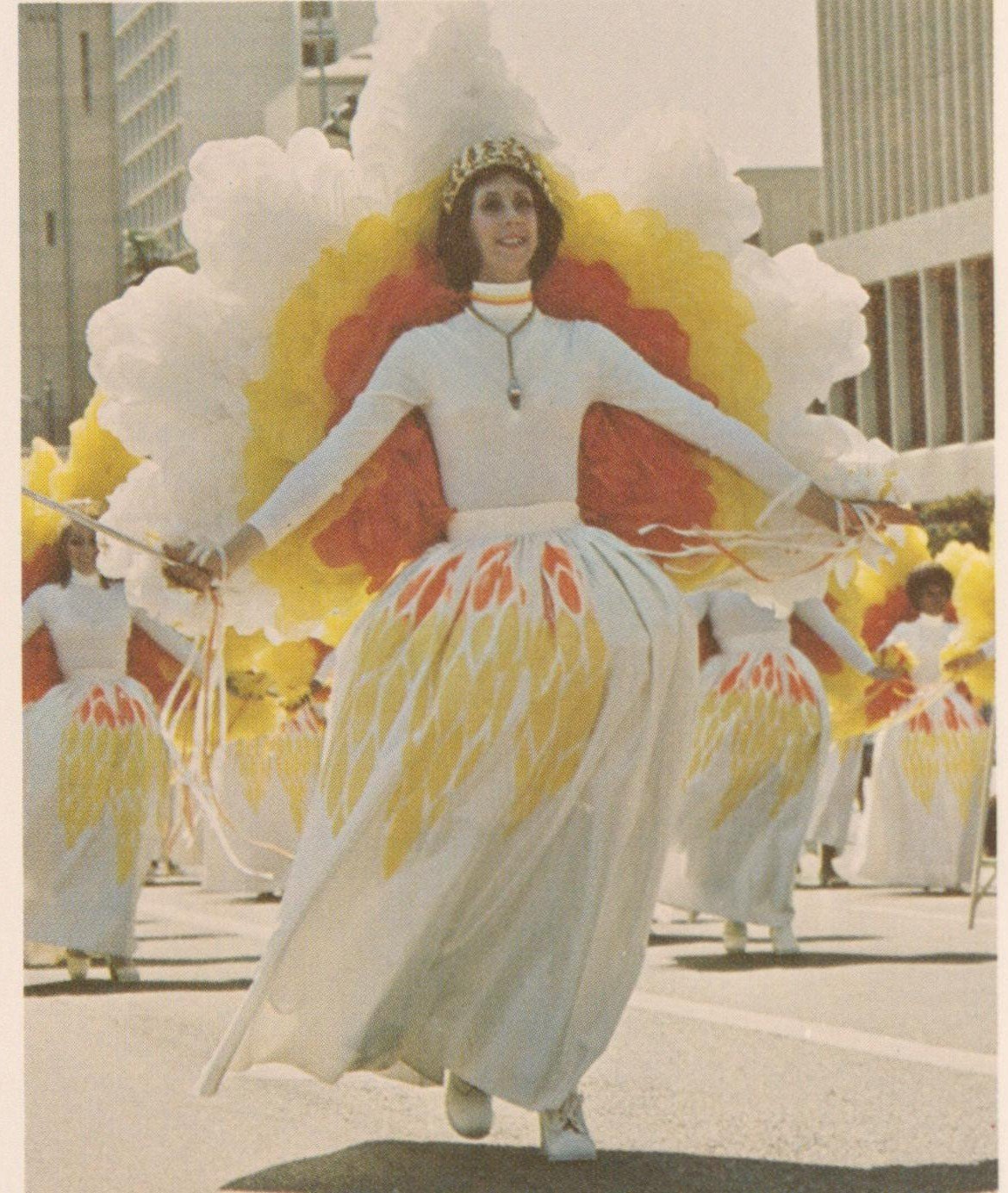
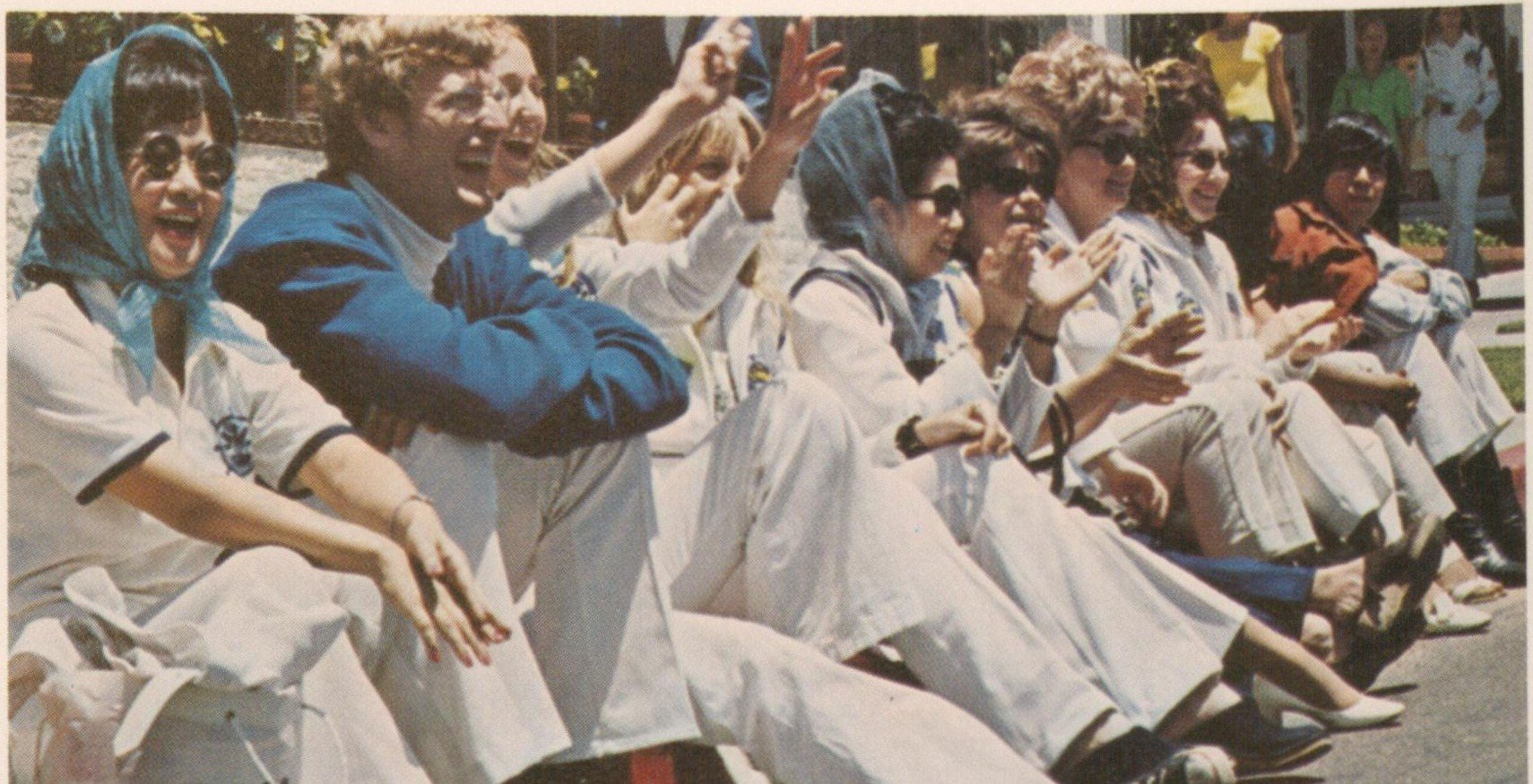
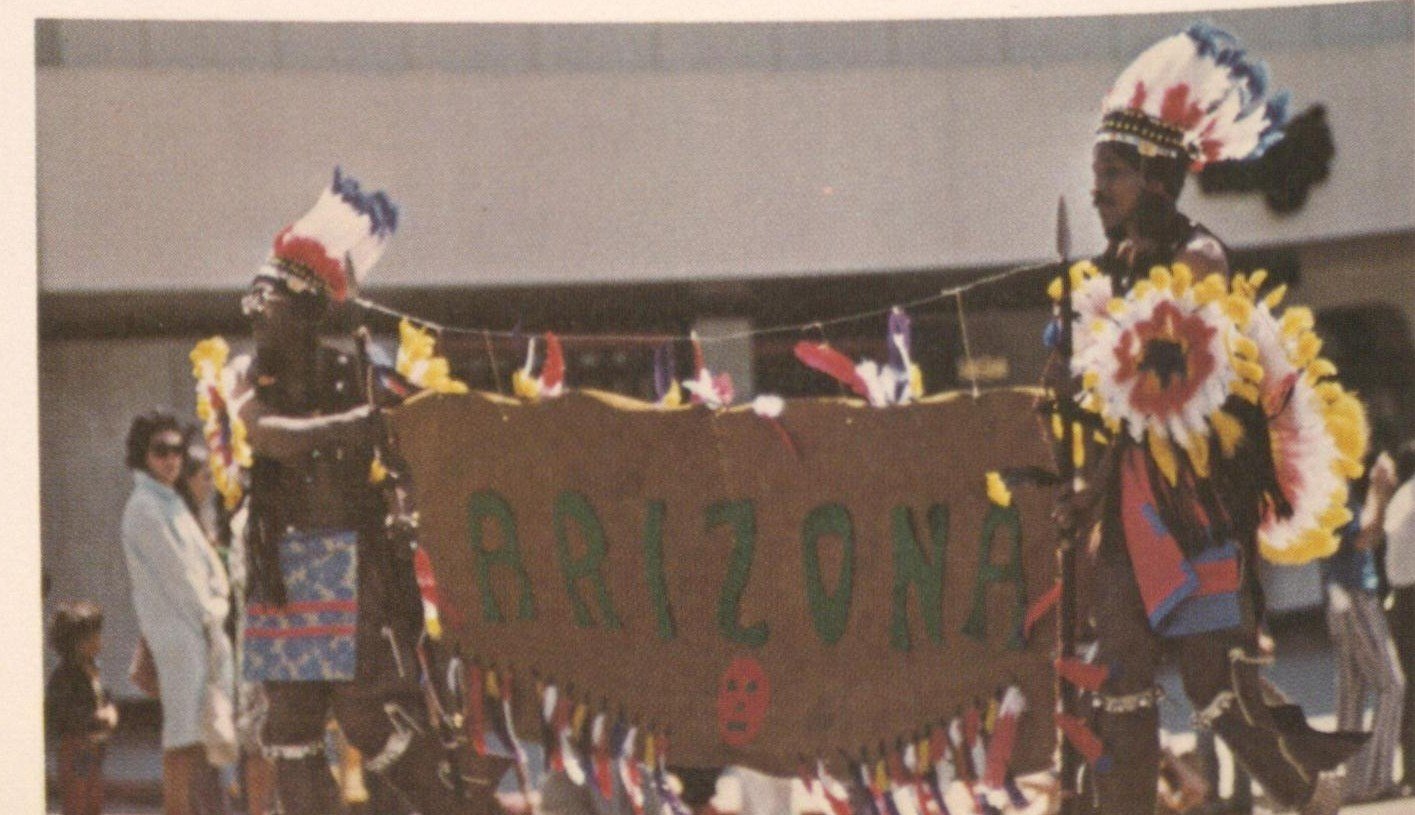
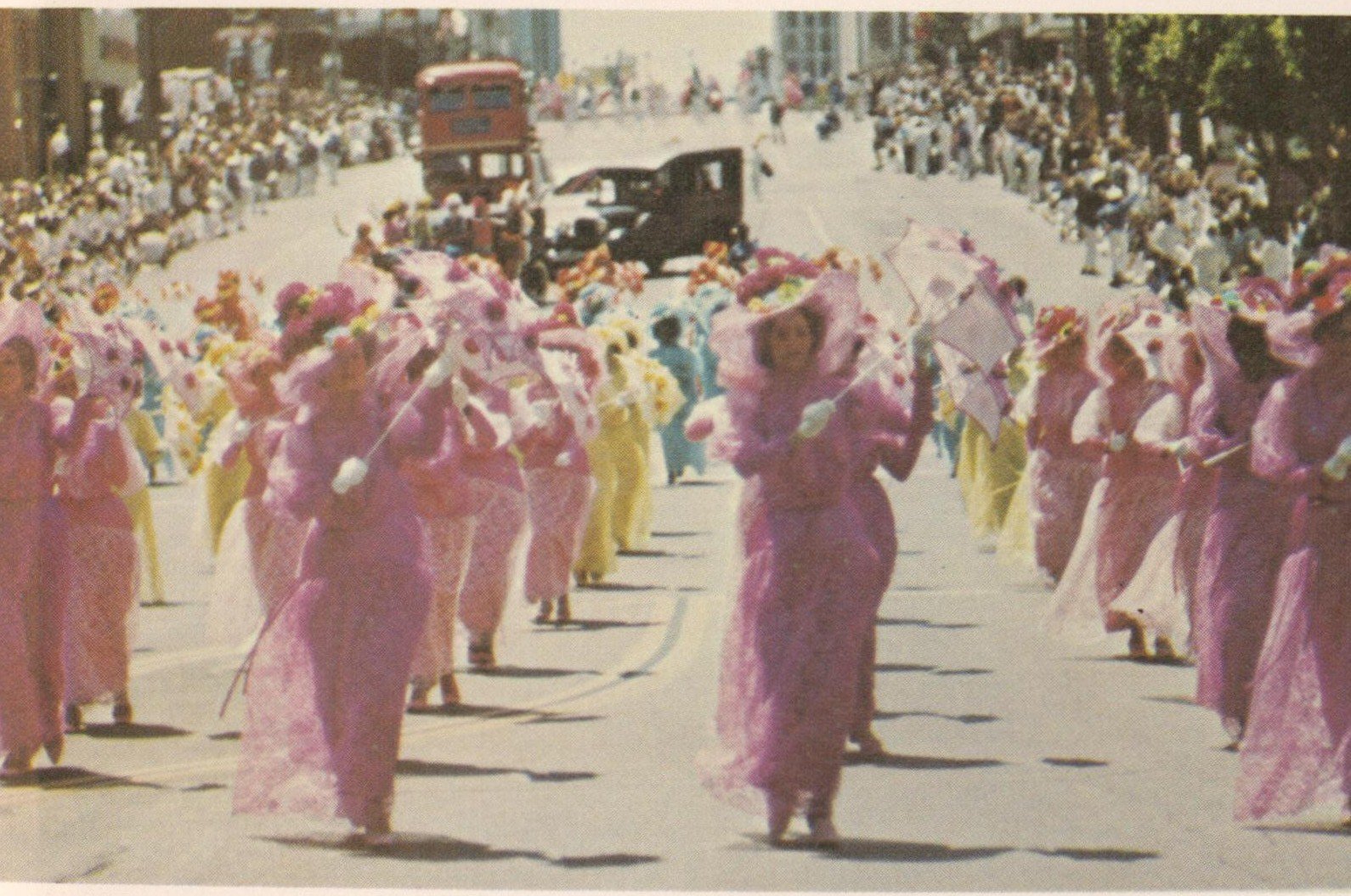
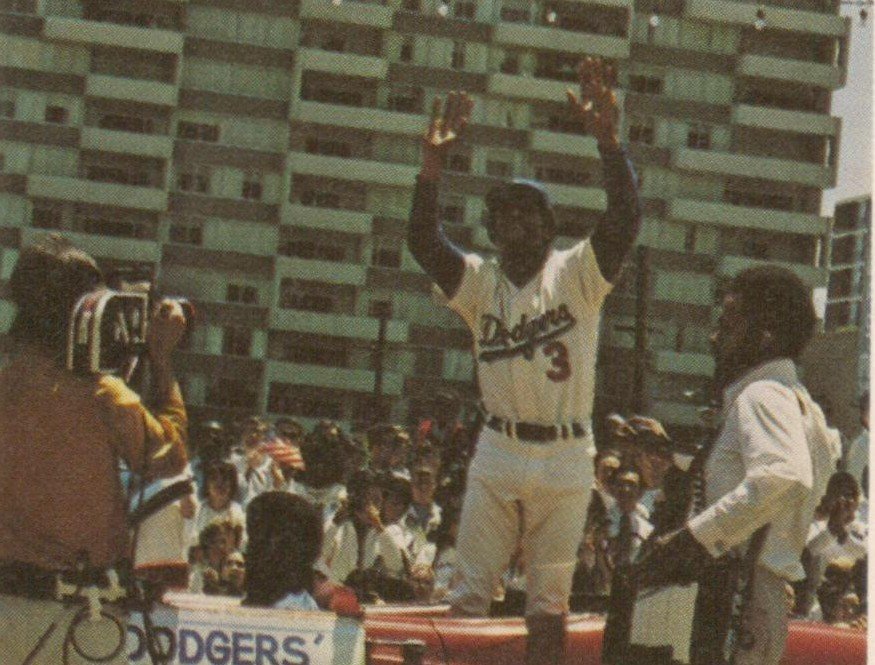
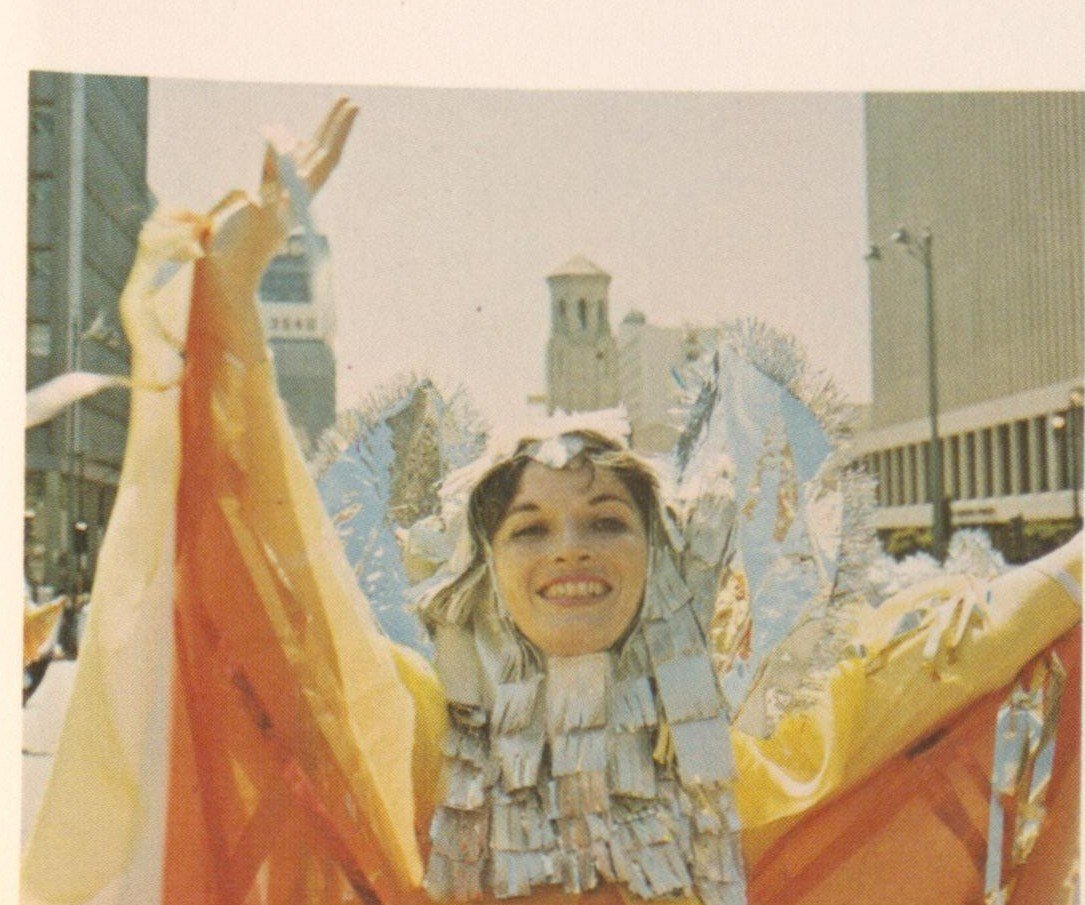
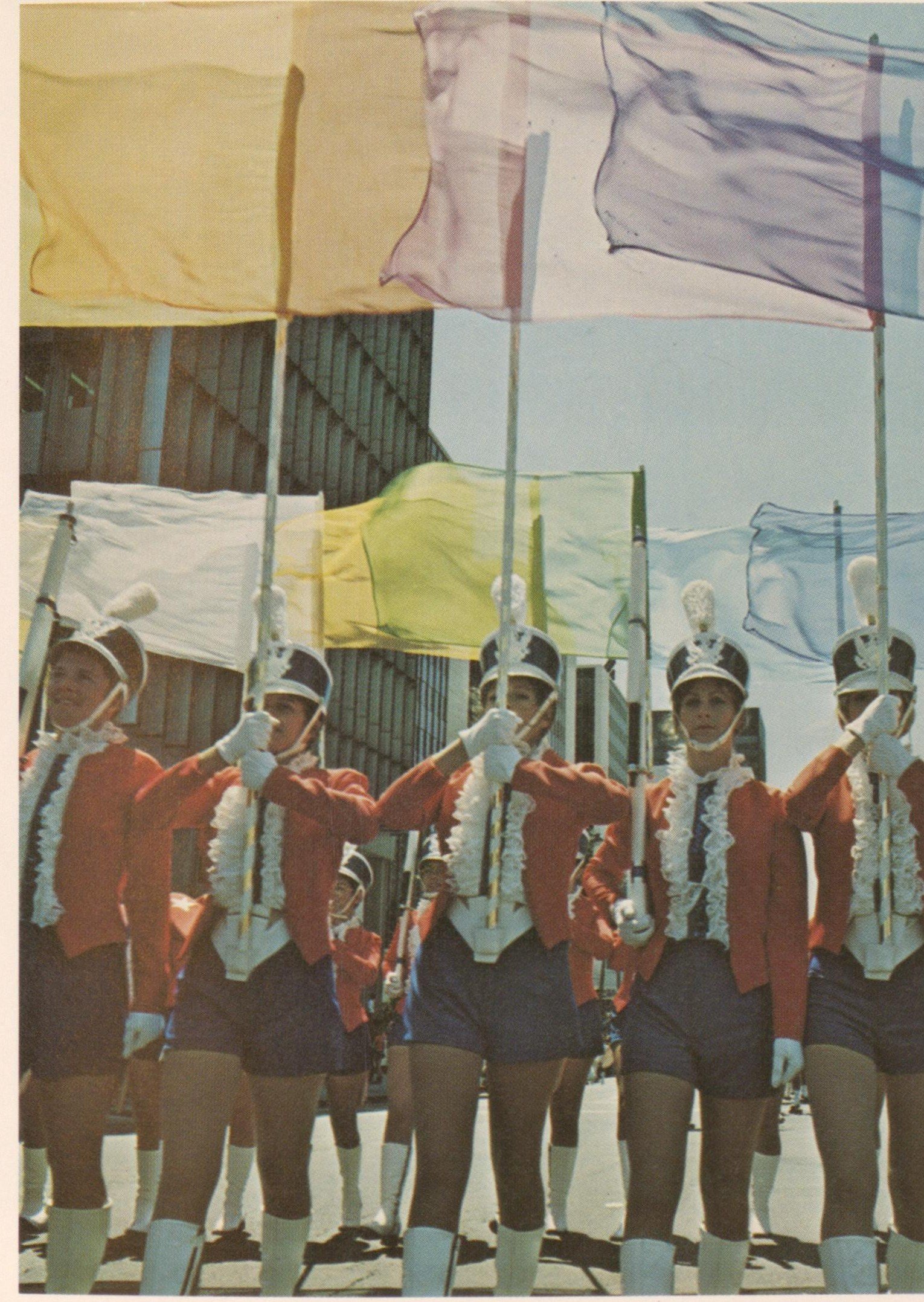
Pioneering spirit was reborn through each NSA Convention...in 1968, 10,000 members met in Hawaii...The parade of happiness marched on to Santa Monica in 1969, Denver in 1970, Seattle in 1971 and Los Angeles in 1972 where every member became a 'Yankee Doodle Dandy'.
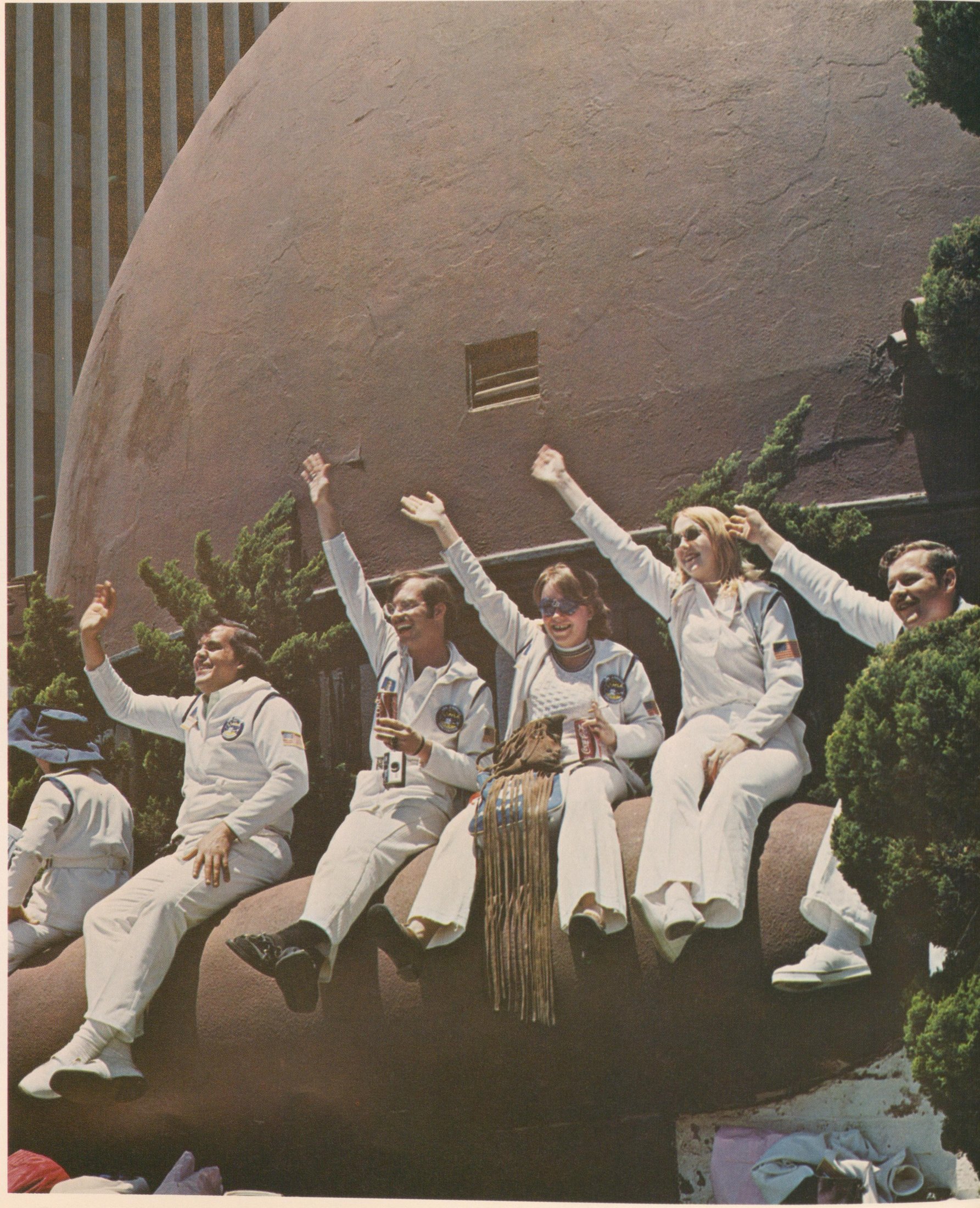
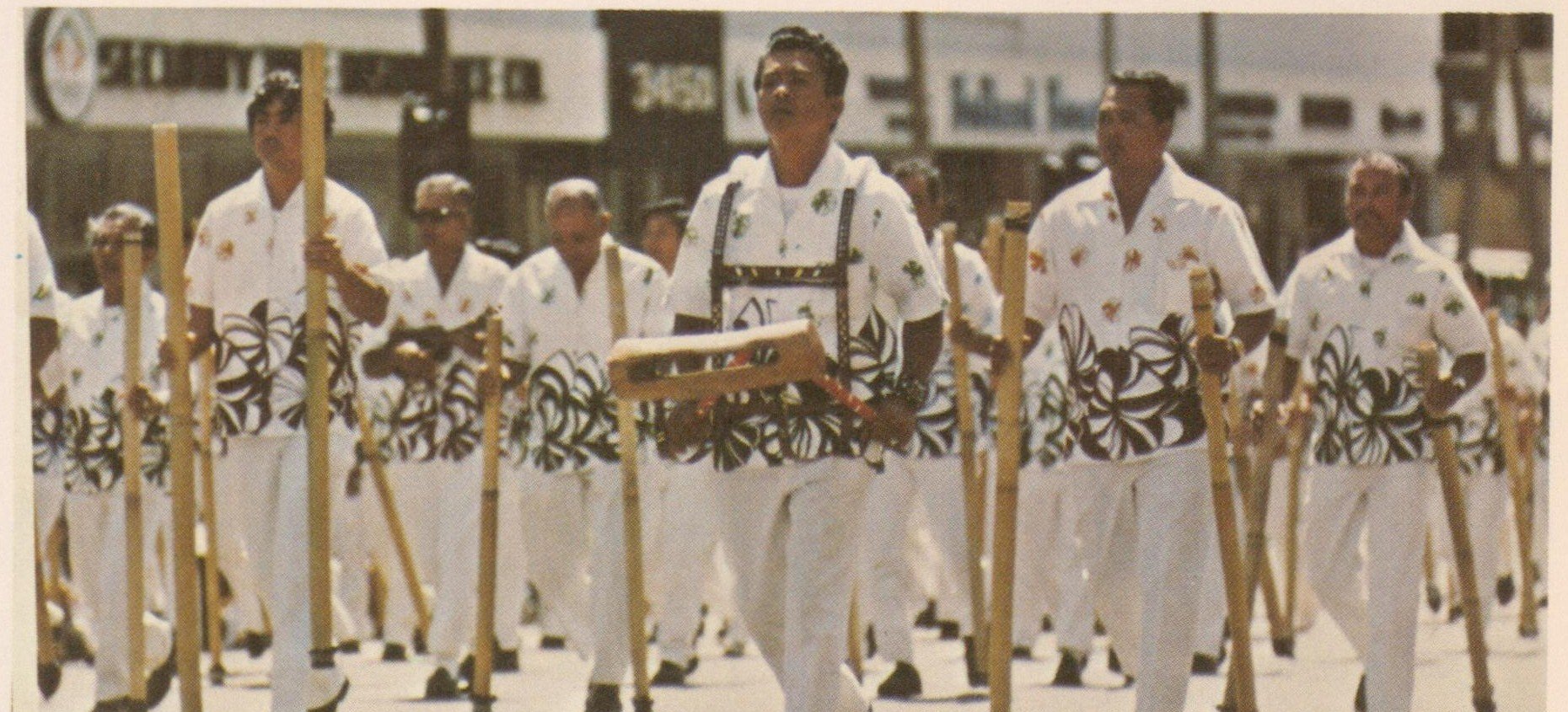
Yearly NSA Convention themes are identified by Aloha shirts, cowboy and seafaring garb and space jackets.
46–47
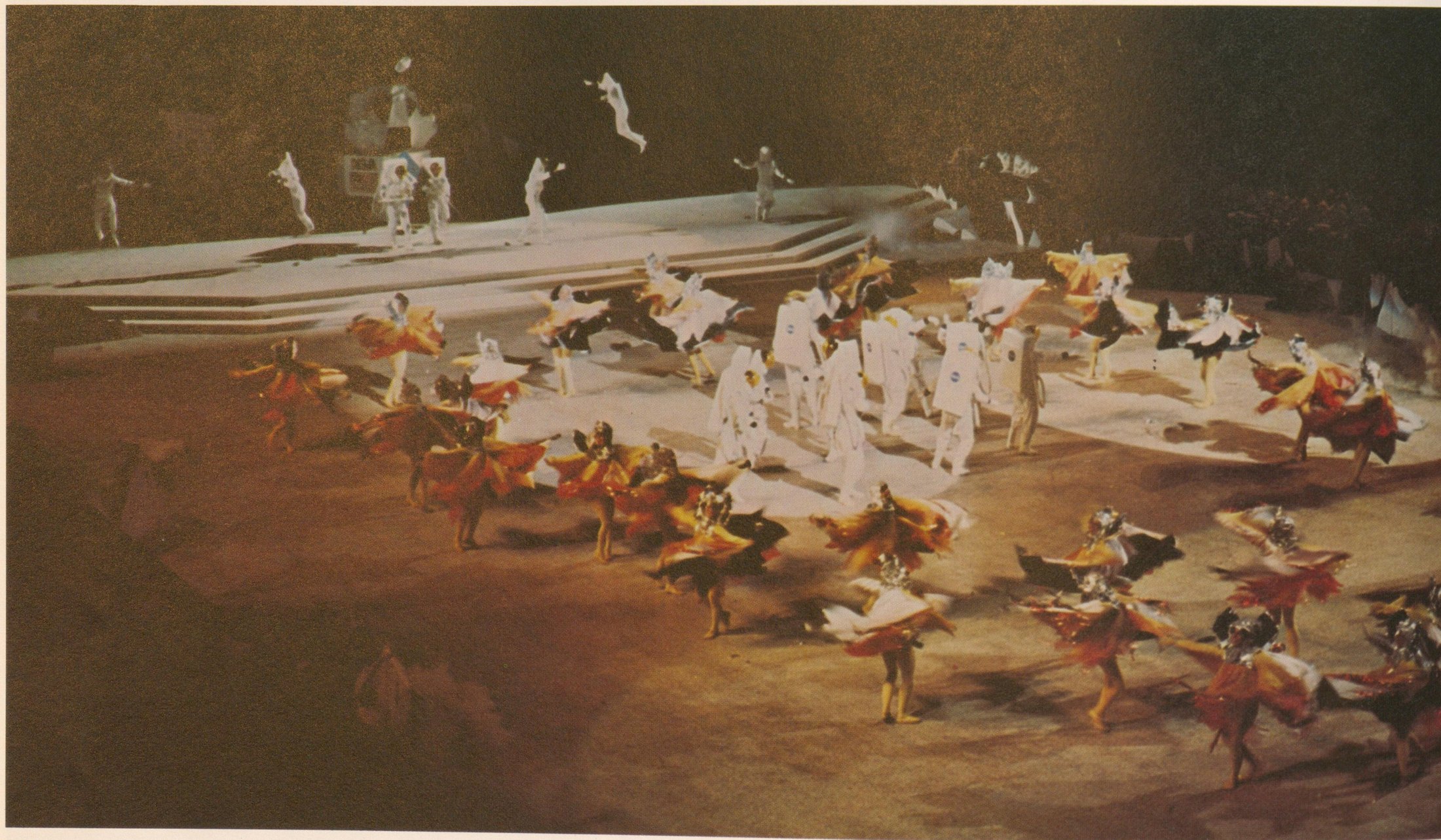
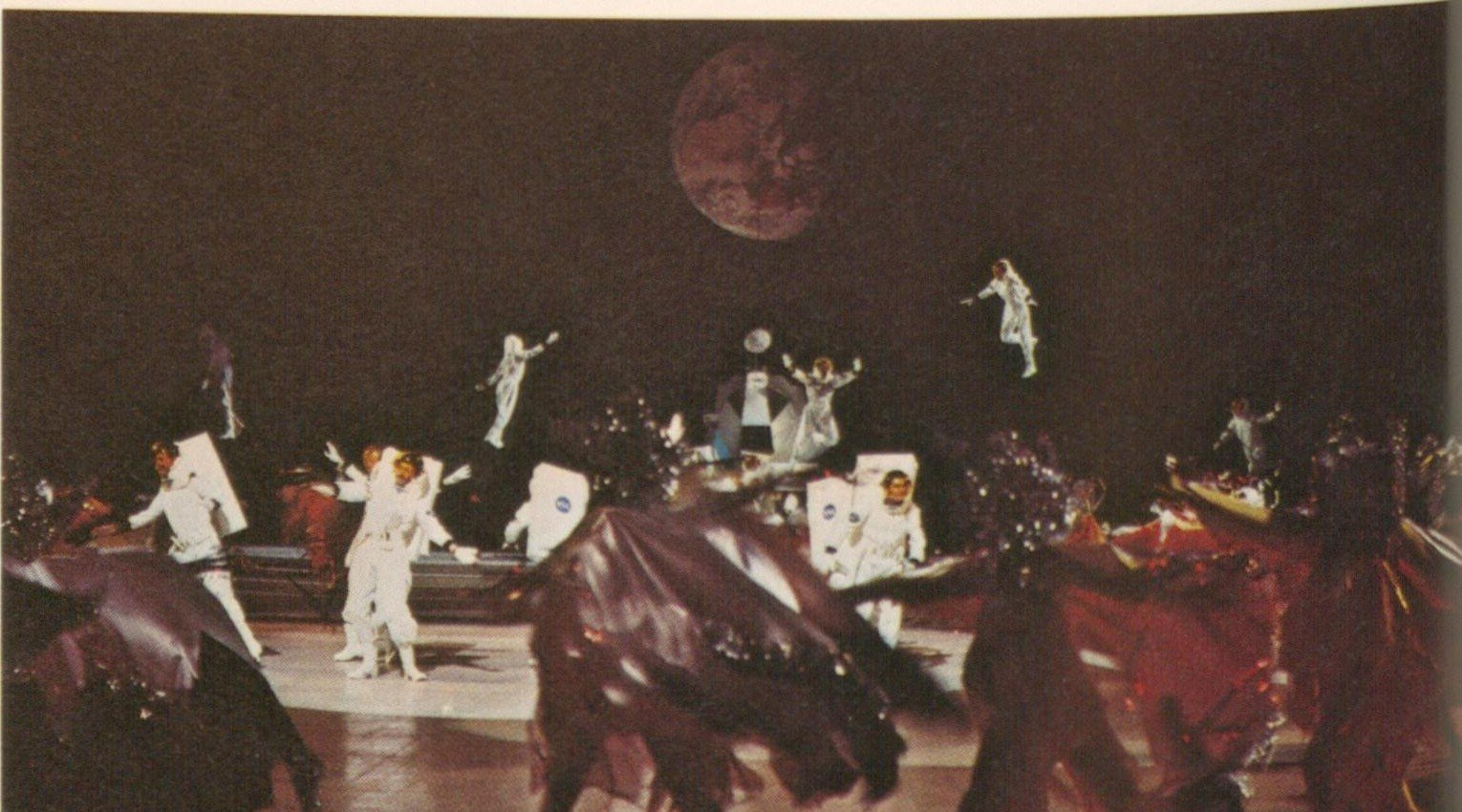
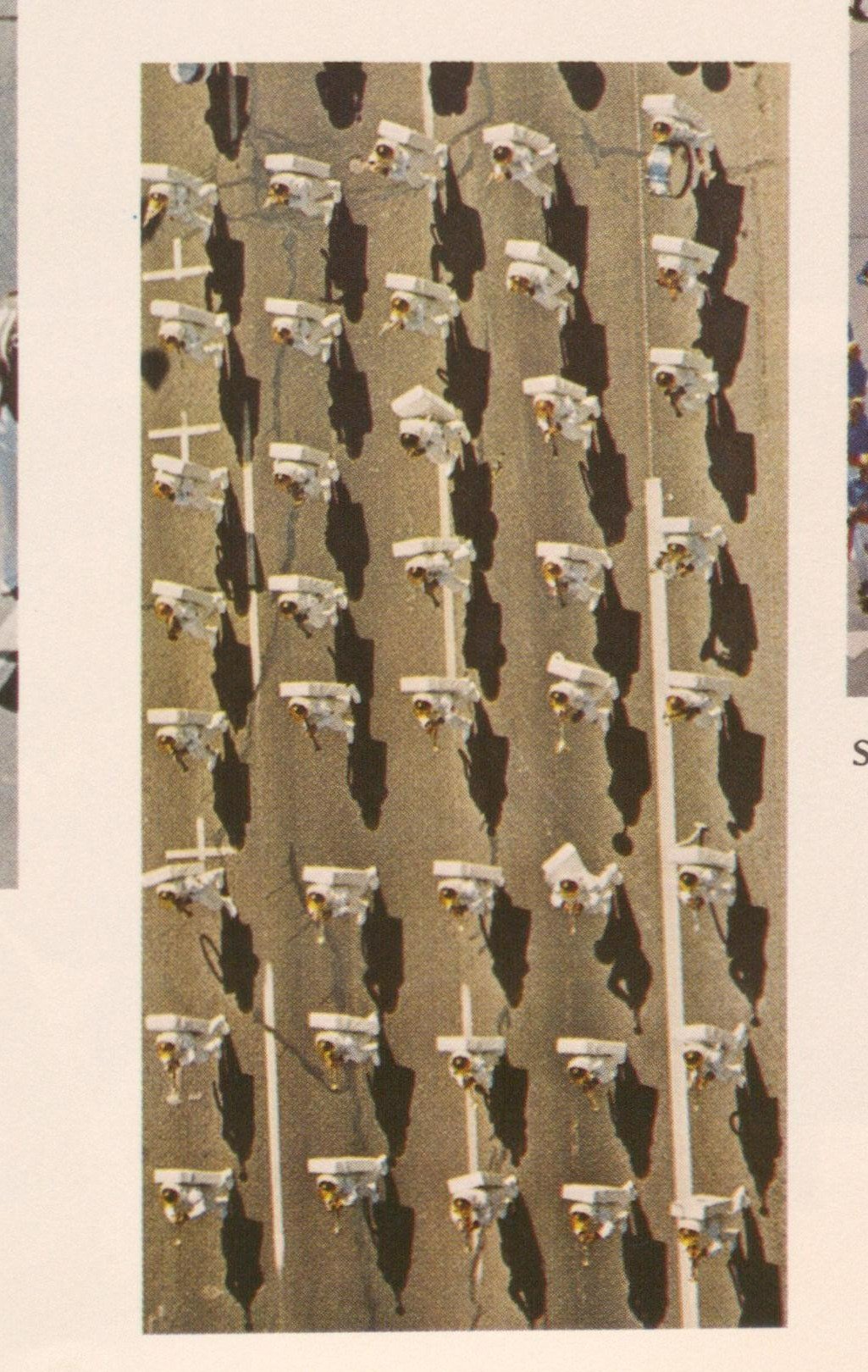
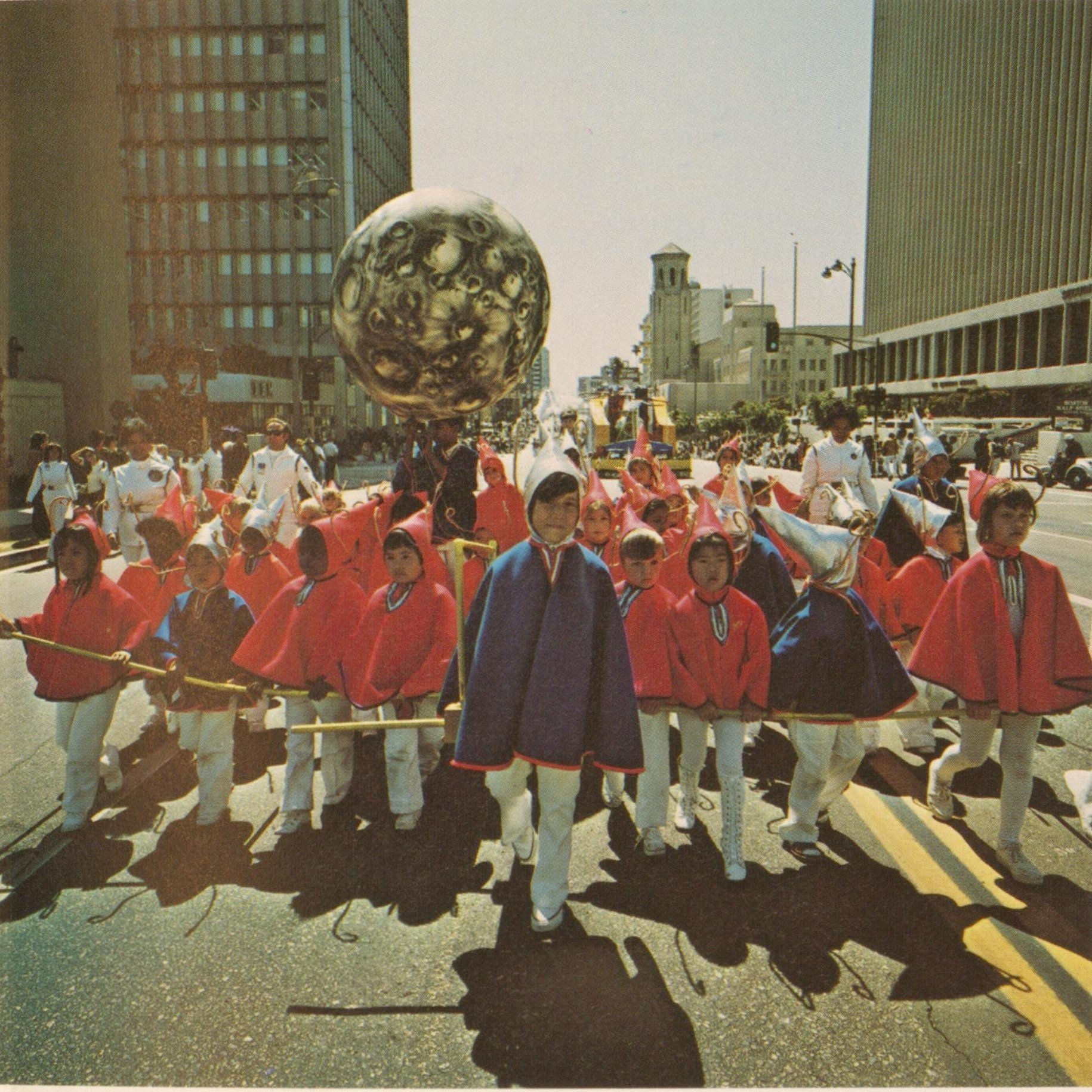
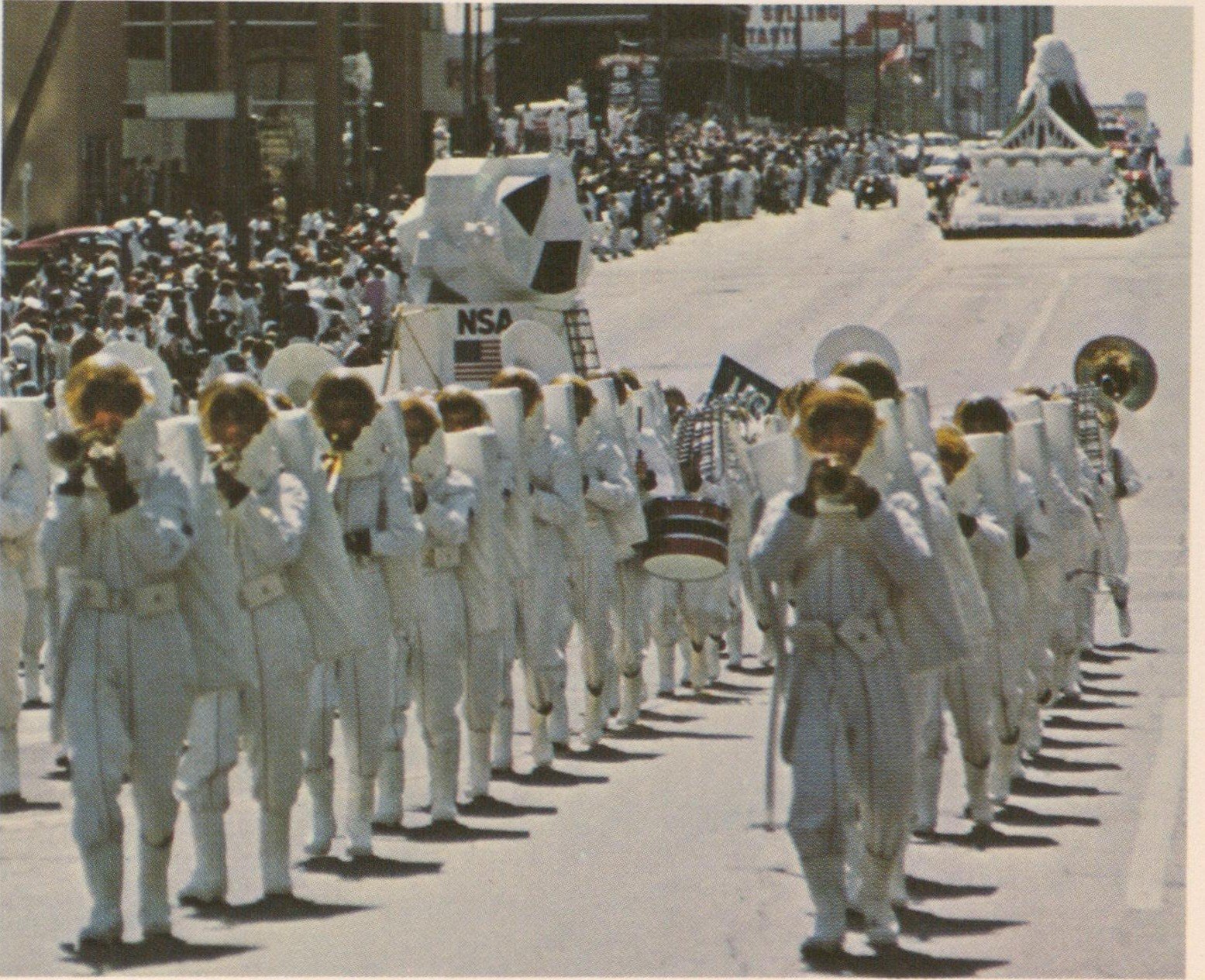
A replica of the lunar module descends behind a whirling space ballet.
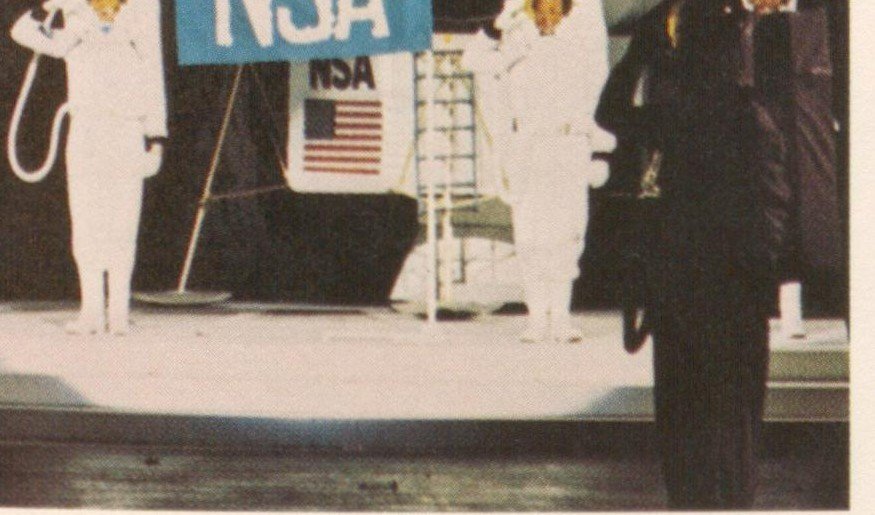
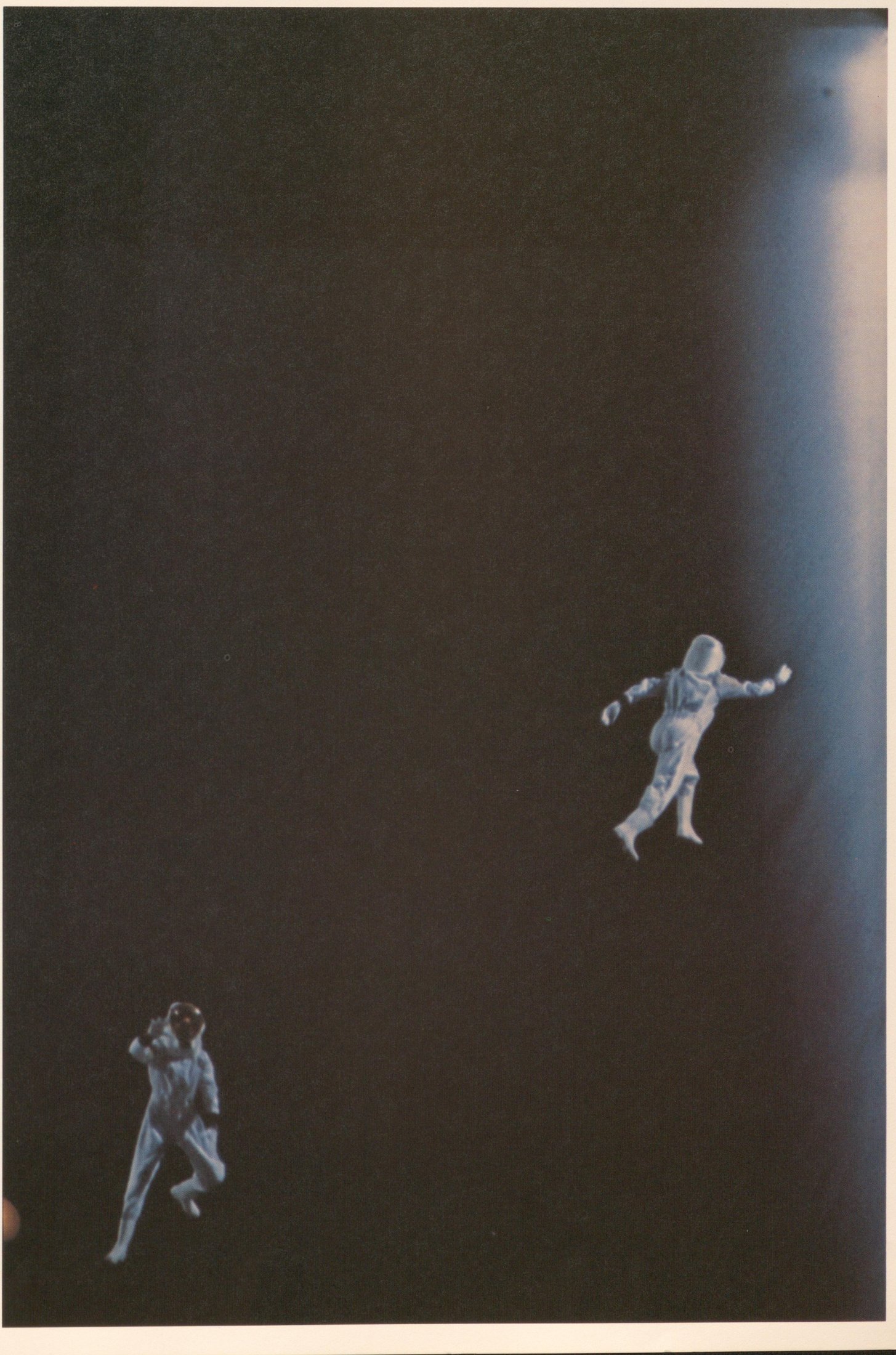
Since the beginning of recorded history, man has searched for happiness...reaching into the vastness of the universe...now man has finally discovered a philosophy based upon the dignity of human life...which is spreading from country to country.
48–49
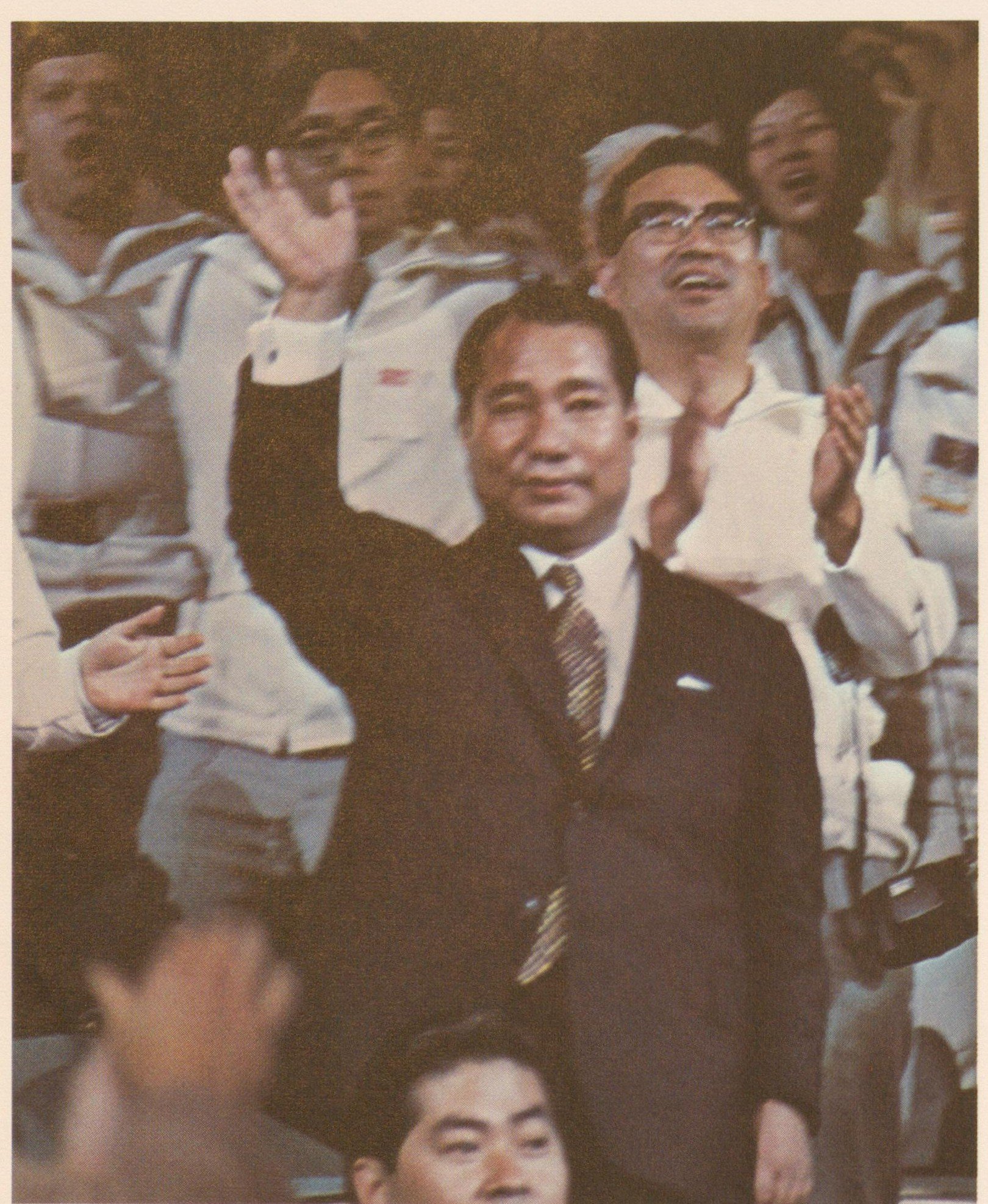
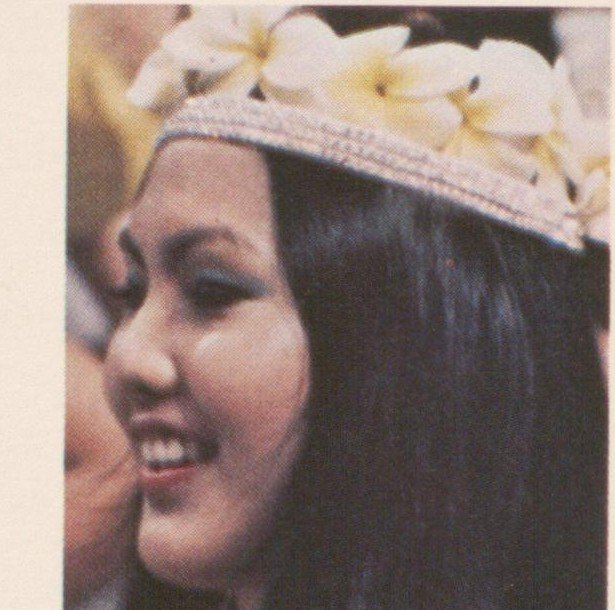
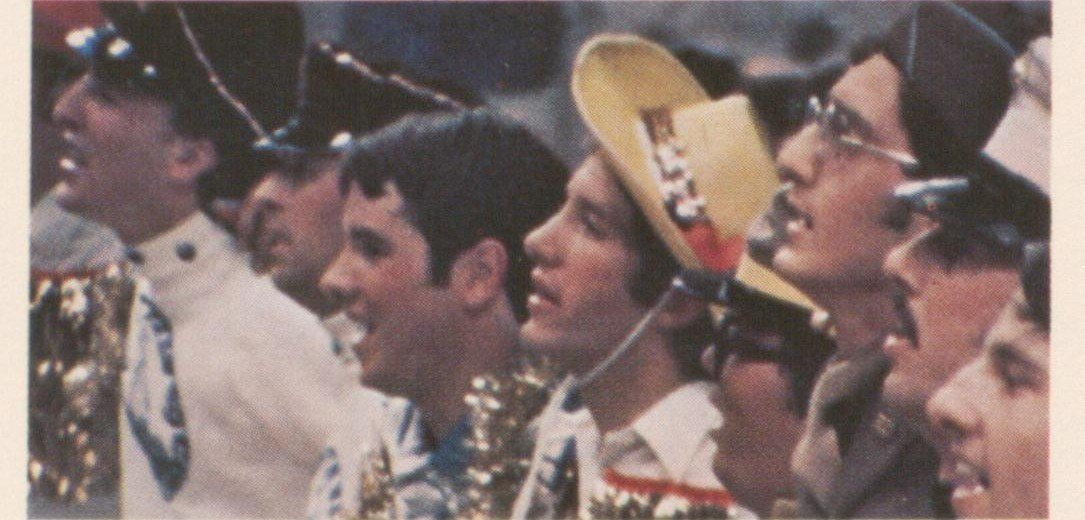
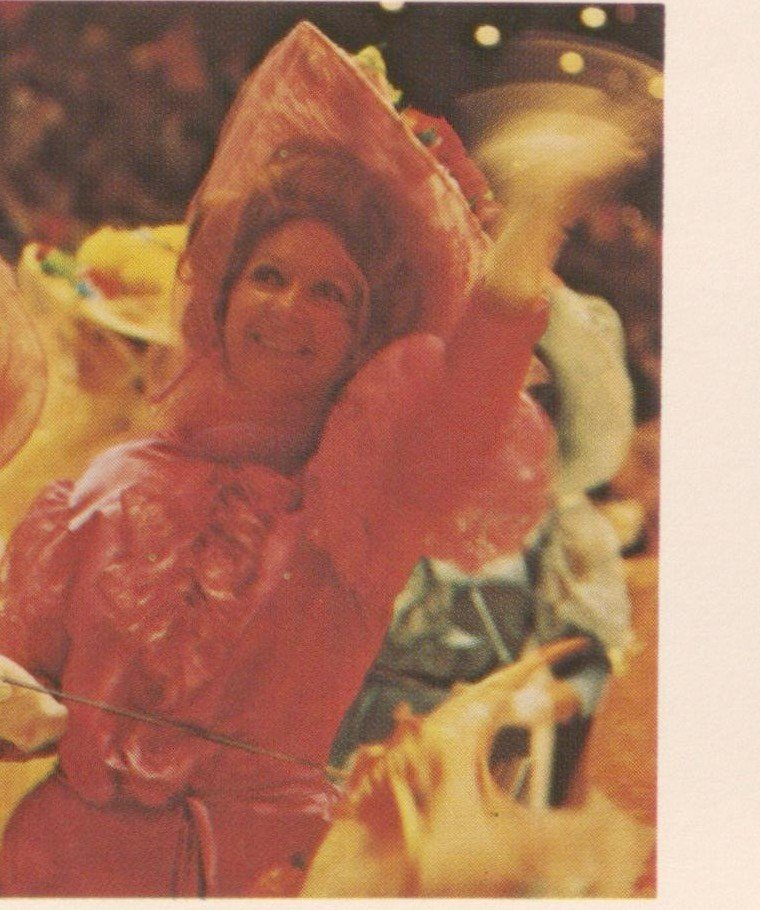
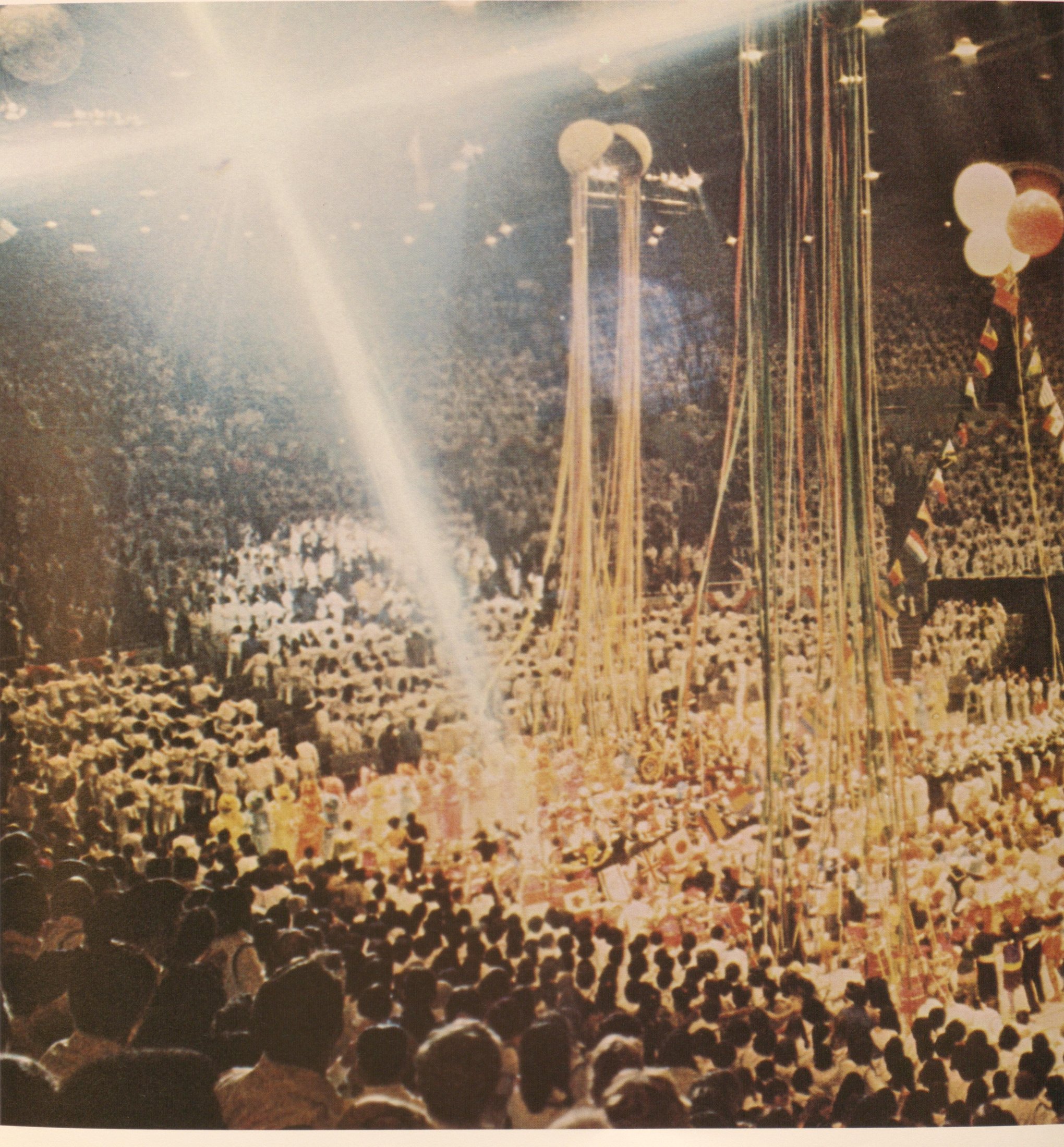
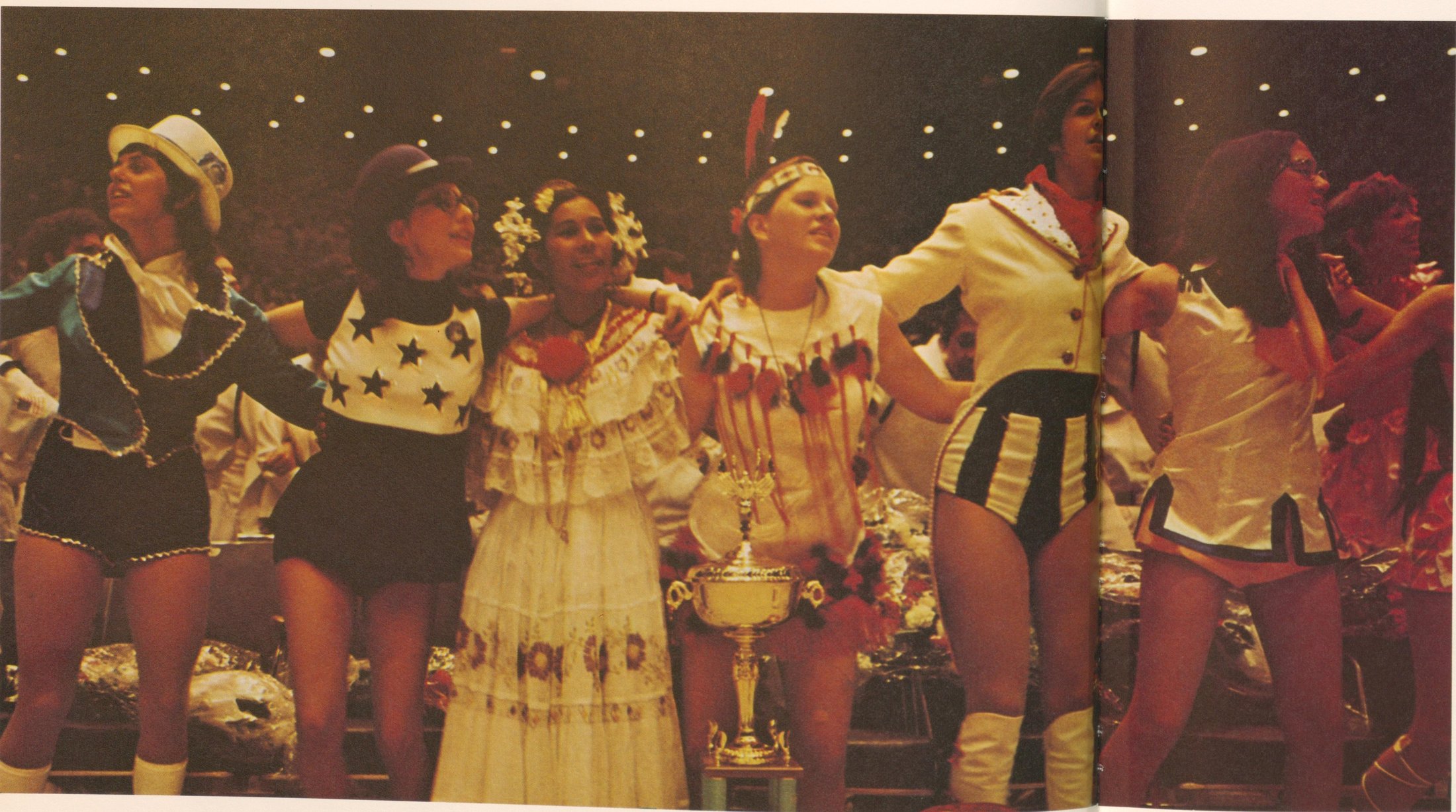
Showers of confetti and lights flooded the Culture Festival finale with color. The brilliant costumes of performers melted into an ocean of hues as thousands faced Daisaku Ikeda standing in the south end of the arena.
It was a demonstration of hope and courage. This two hour pageant had been five months in the making, and the final moment of triumph was recorded on every face.
Though the scope was grand and magnificent, it was a realm of personal struggle and victory. Its strong, human element meant that the World Peace Culture Festival truly belonged to the people. Each participant was the star.
50
53 (gatefold)
54
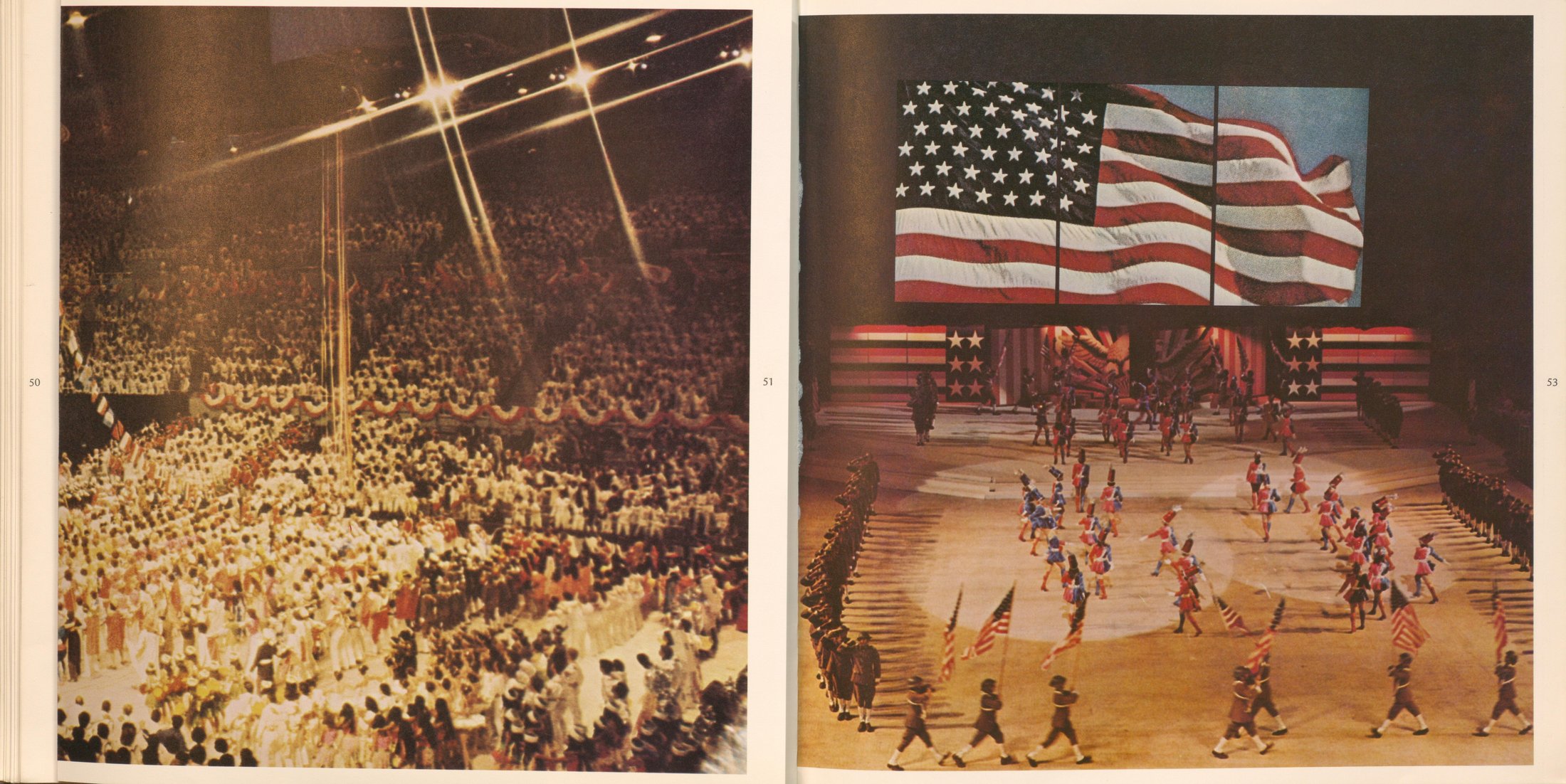
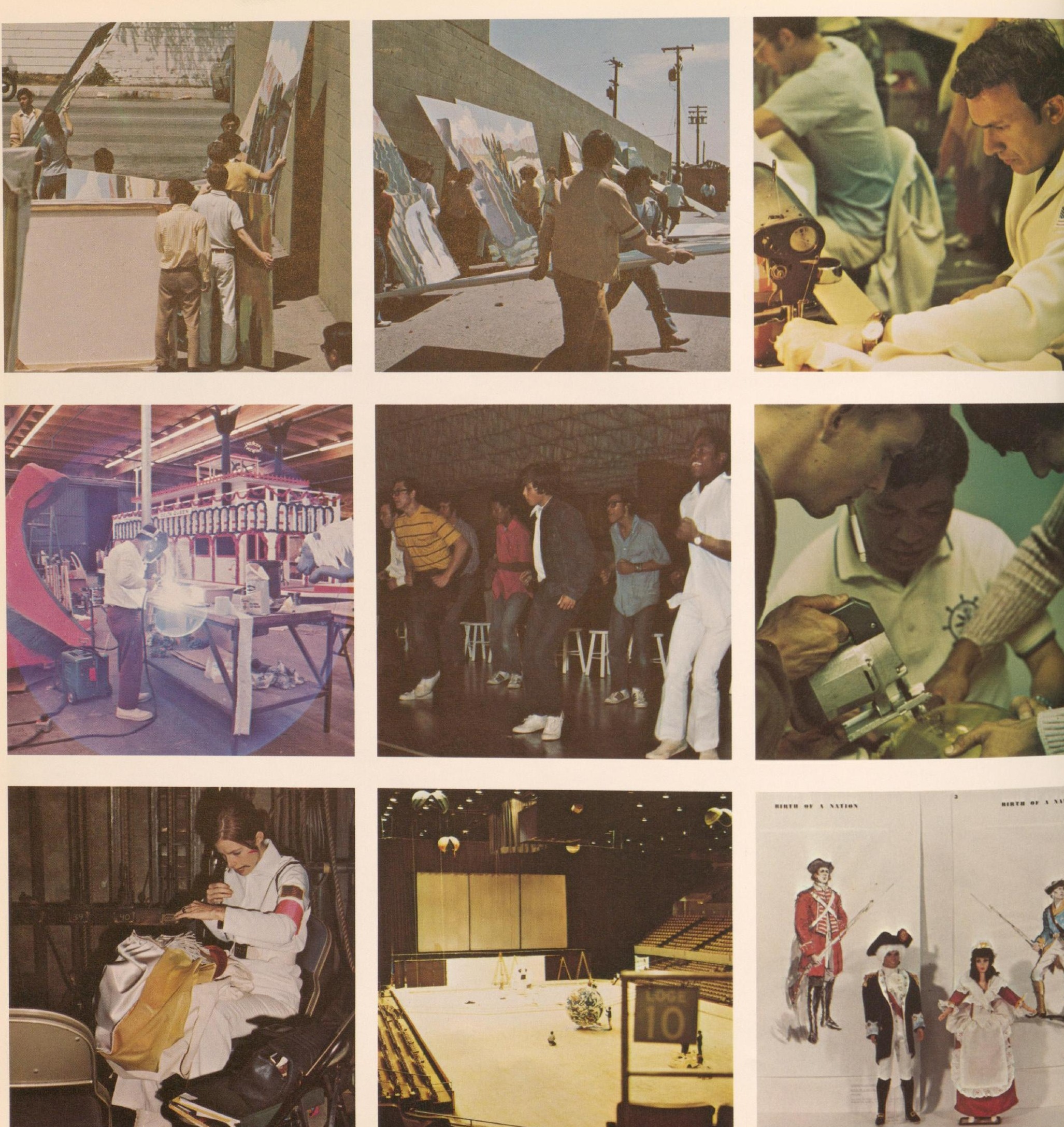
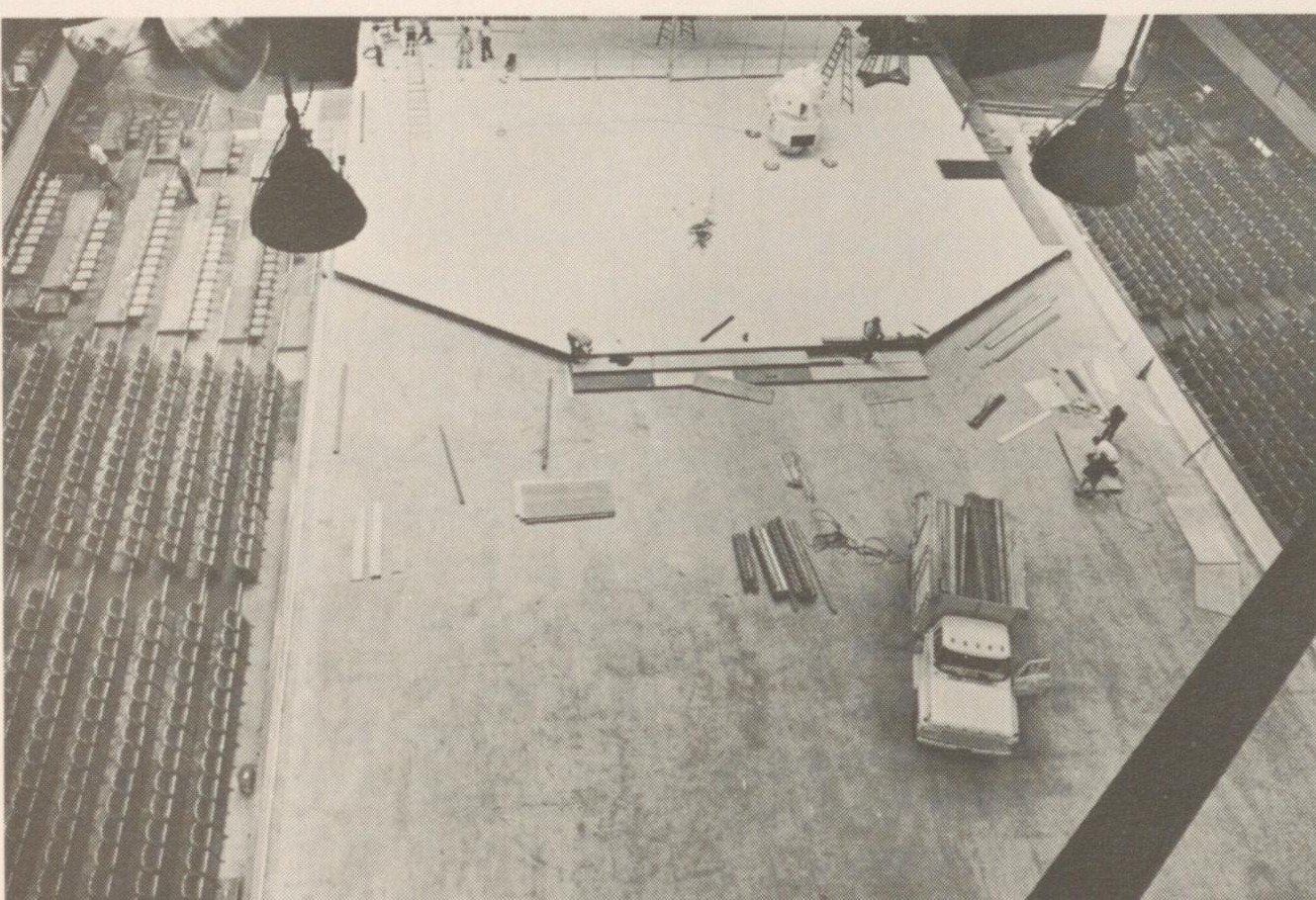
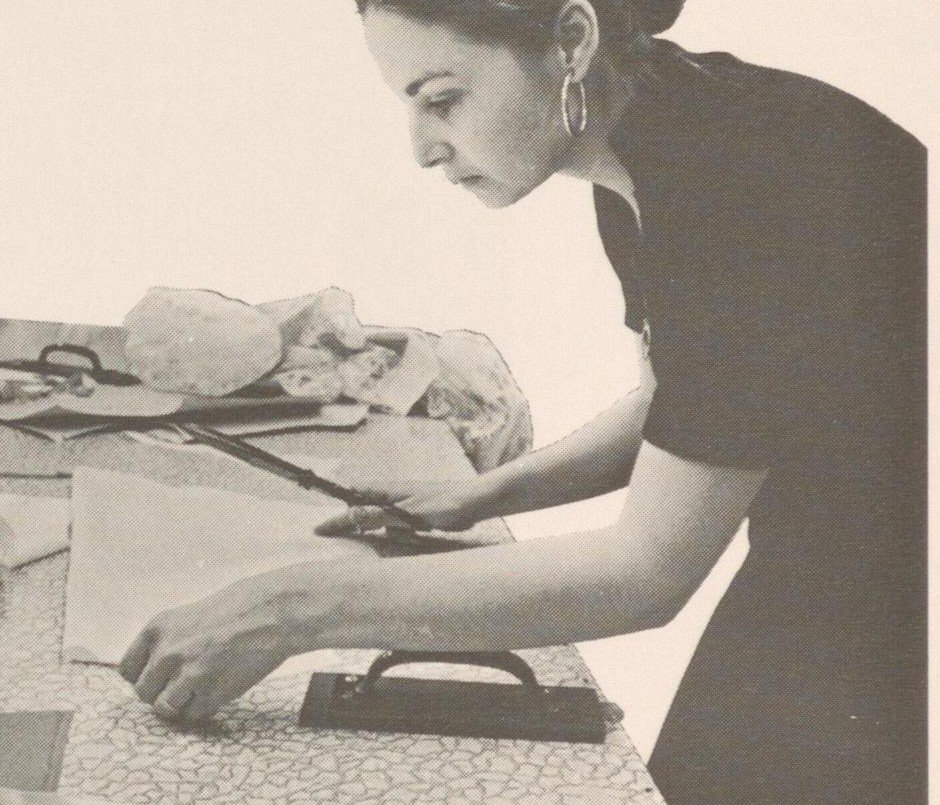
Designing, casting, choreographing, orchestrating and costuming a production the size of the World Peace Culture Festival involved untold man hours and taxed the ingenuity of hundreds of people. Statistics of the two-hour show add up to an impressive list of men and material.
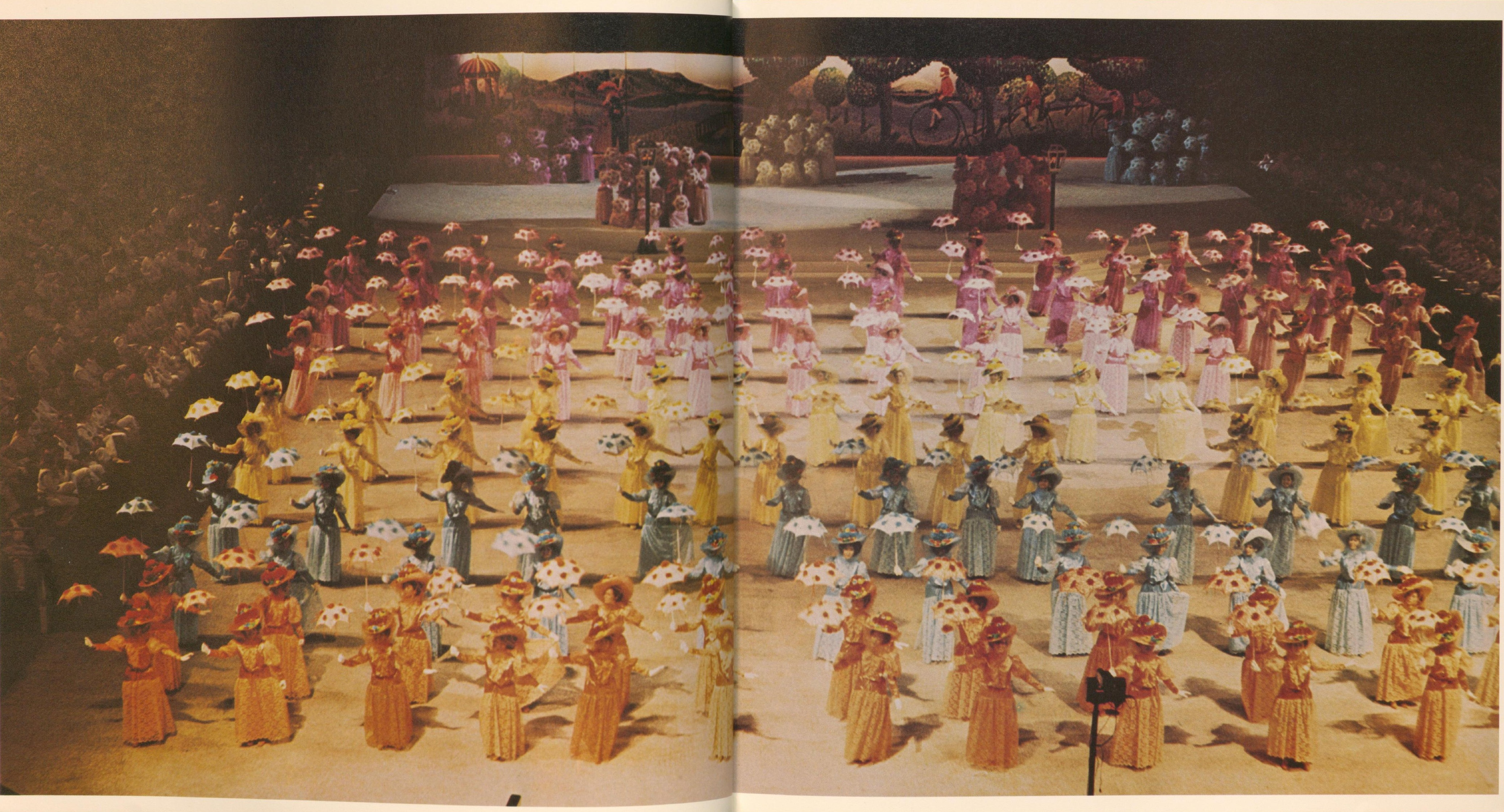
Fifteen hundred performers were dressed in two thousand specially made costumes. An additional three hundred military uniforms were rented. The gowns for the St. Louis dance routine required two thousand yards of fabric. Off stage, a ninety-two member orchestra and a choir of two-hundred-seventy-four underscored the action.
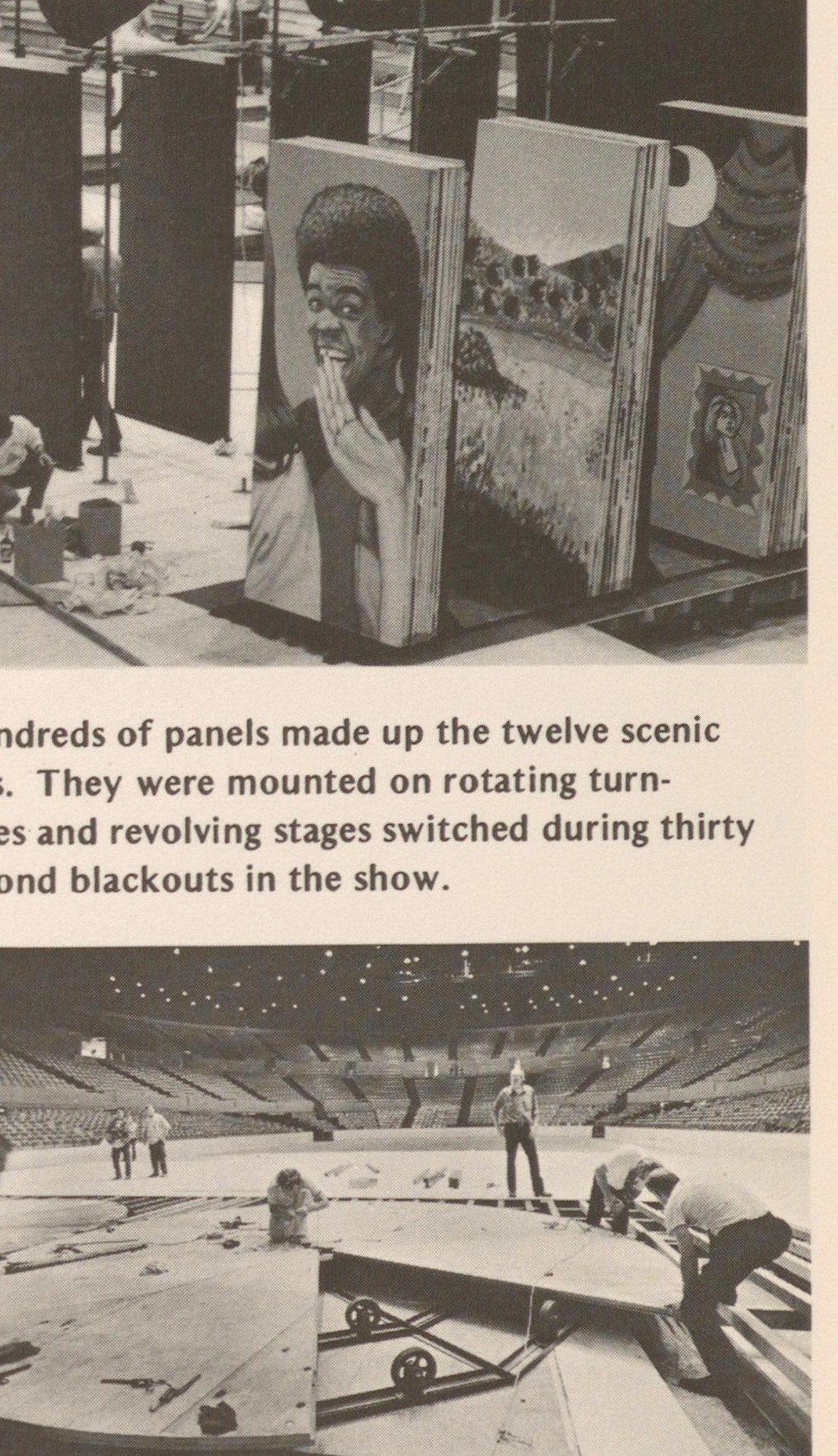
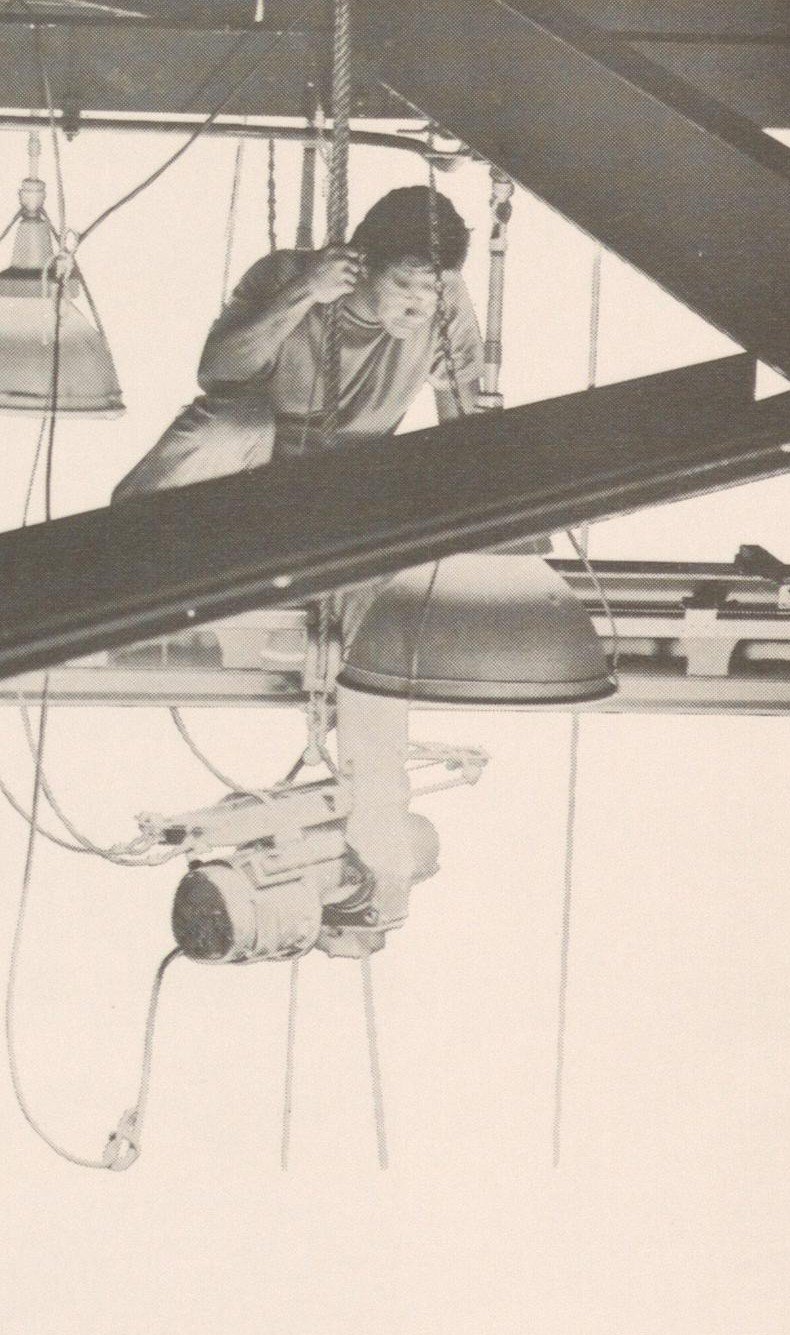
Two revolving platforms on either side of the 60' by 80' stage facilitated rapid set changes. A stage crew of seventy-two made the split second scene and prop cues. Behind them, an eighteen thousand square foot black curtain cordoned off the unused end of the oval Sports Arena.
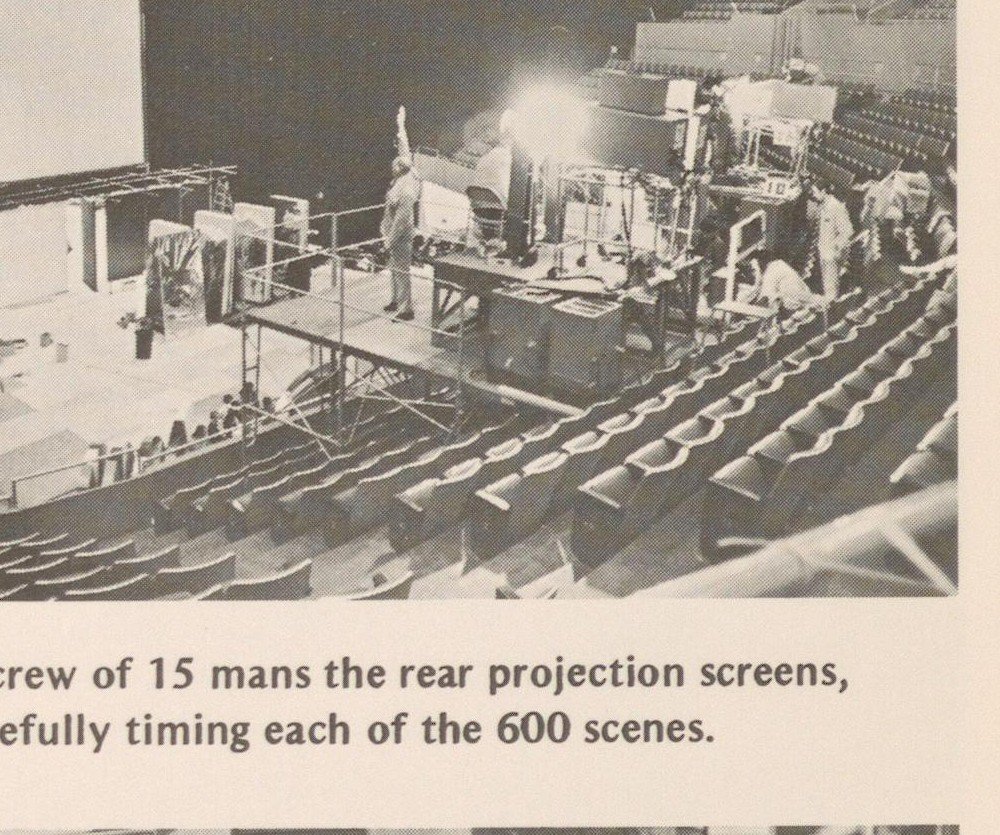
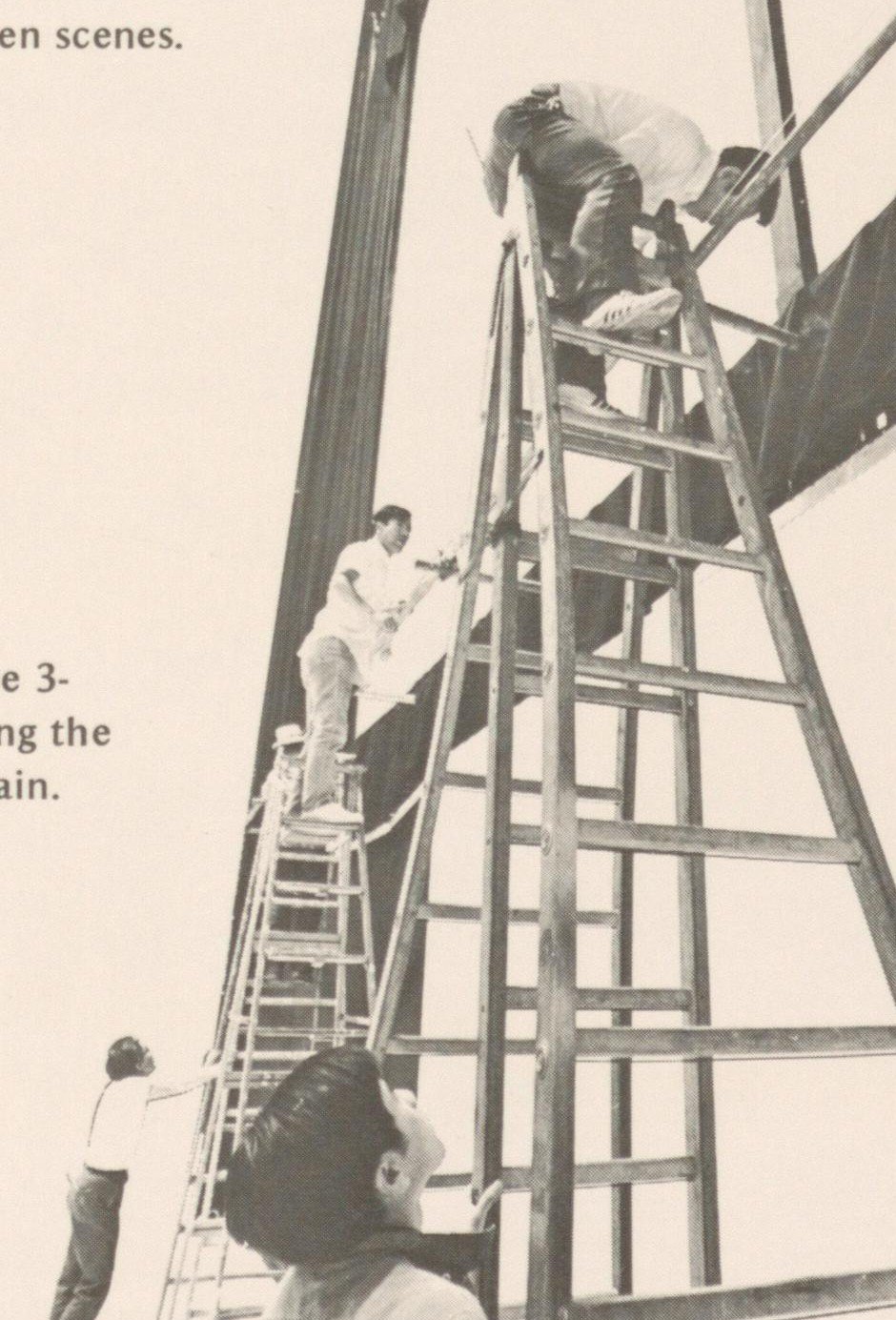
Much of the realism of the show can be attributed to the intricate system of rear projection. Nearly six hundred slides and short film clips were sequenced and timed by a custom designed computer. Projectors with a total twenty-thousand watt throw filled the huge 30' by 60' screen, said to be the largest ever built.
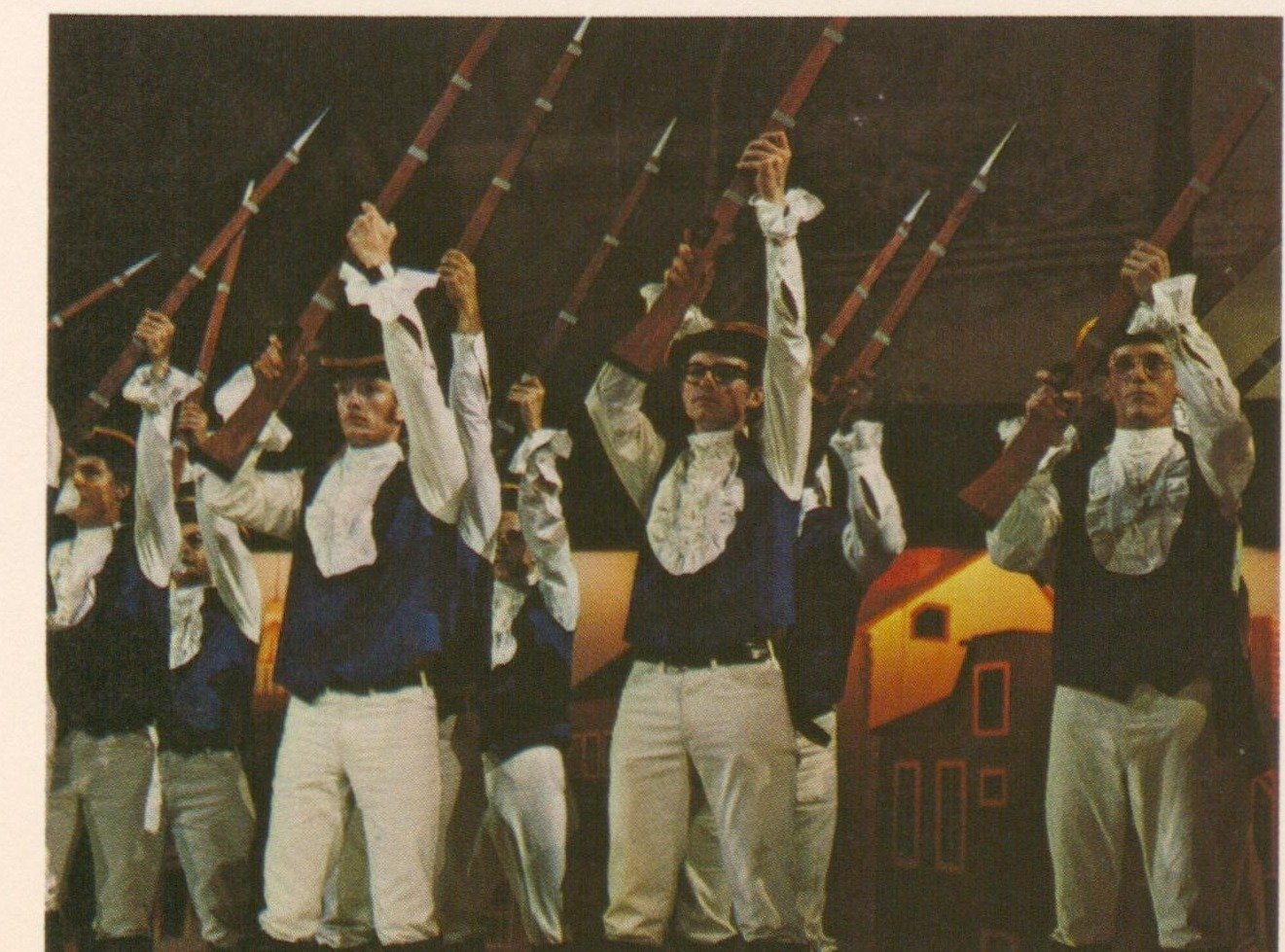
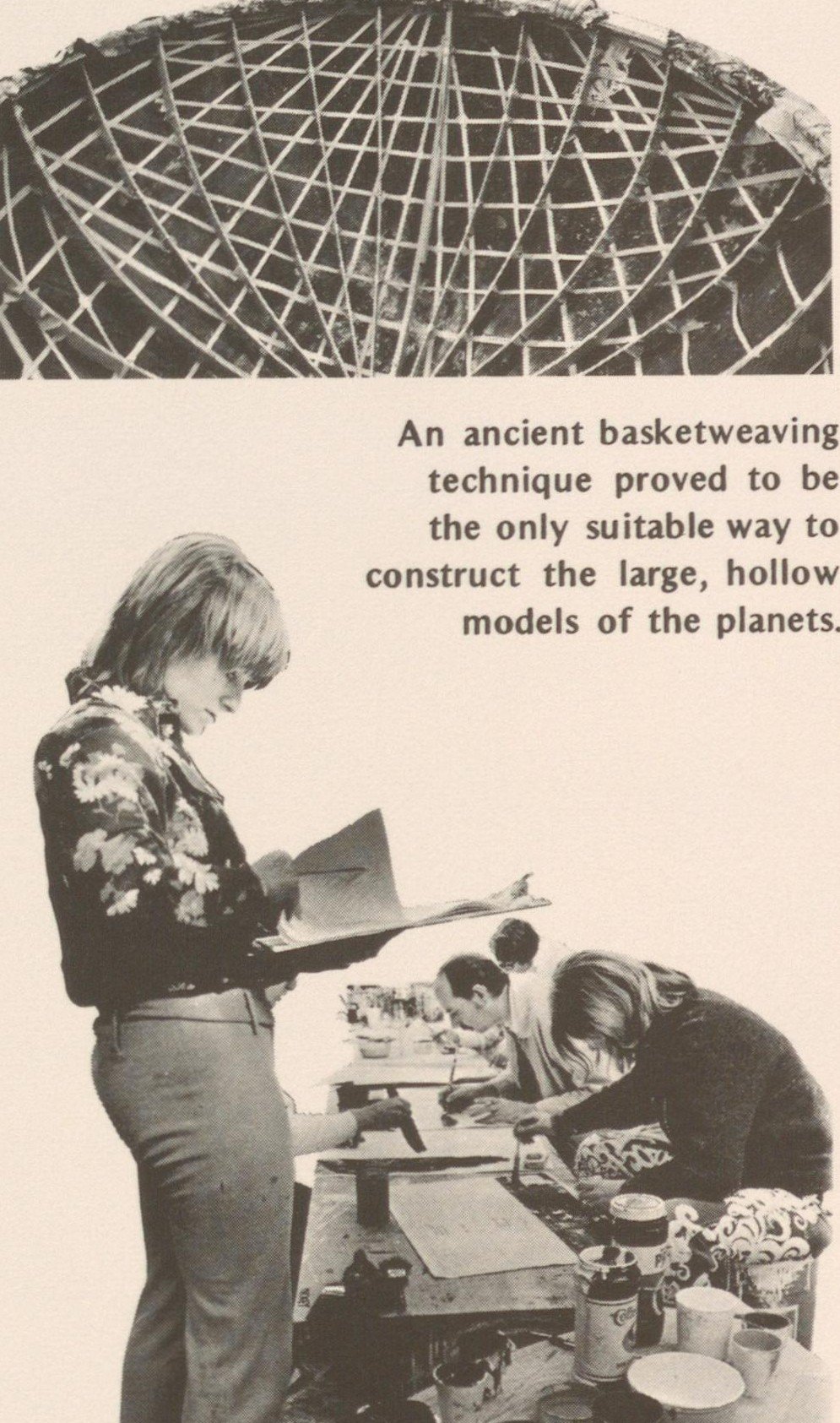
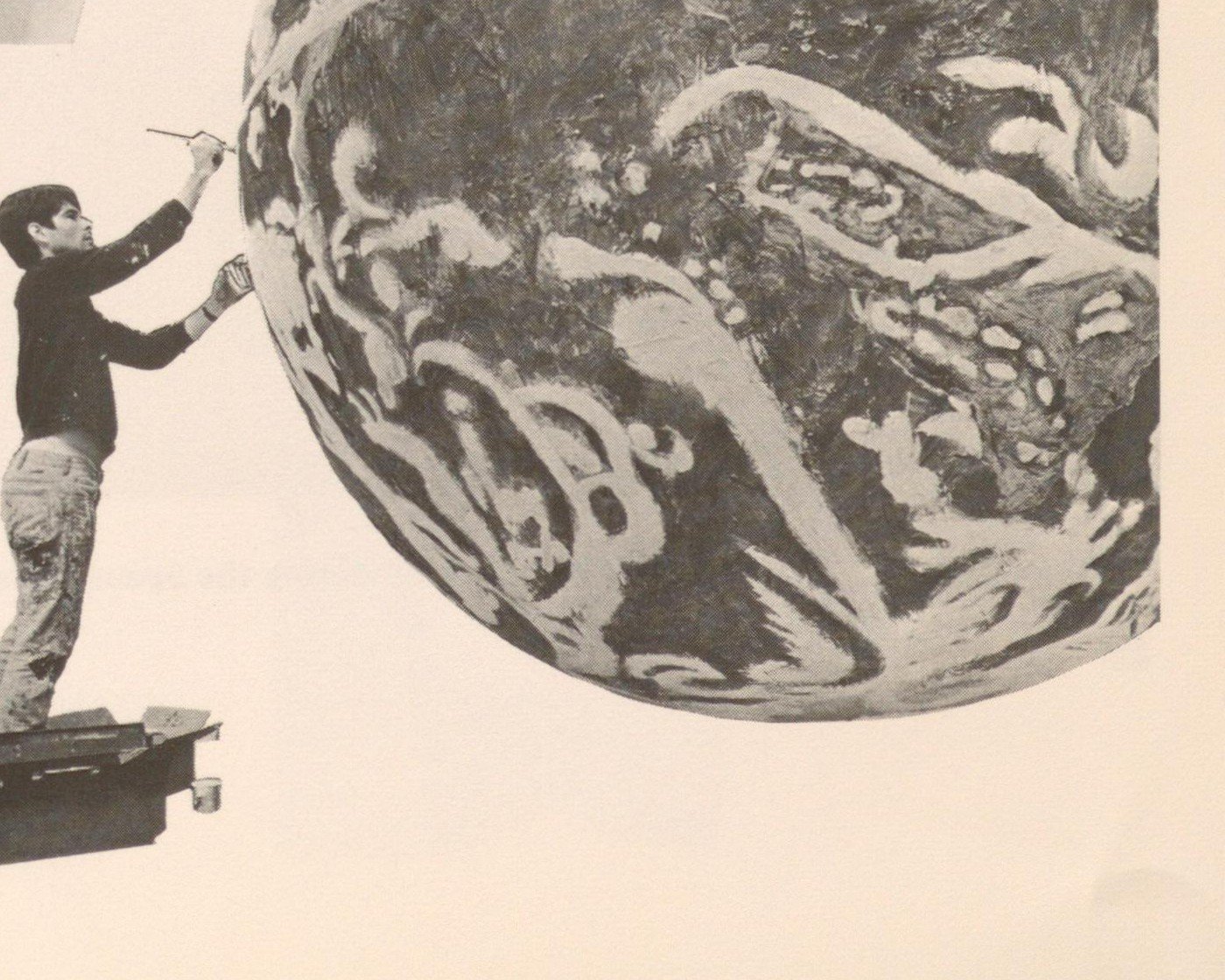
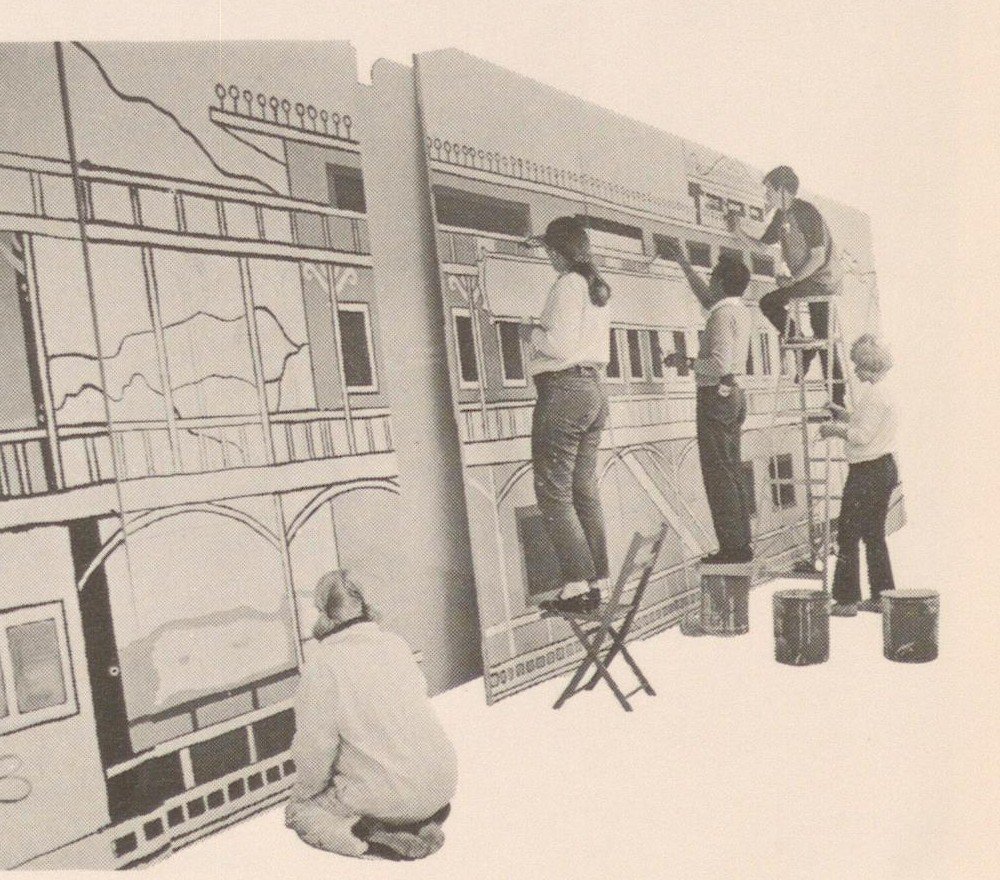
Thirty-eight-thousand watts of dimmer-controlled spots and ten arc lights flooded the arena floor. A unique four-thousand watt amplification system was wired to localized speakers ringing the audience. During five months of preparation, one hundred seamstresses, dozens of writers, technicians, carpenters and cast coordinators worked steadily behind the scenes to create the twelve sketches that portrayed a 200-year history of our country.
55
55 (cont.)
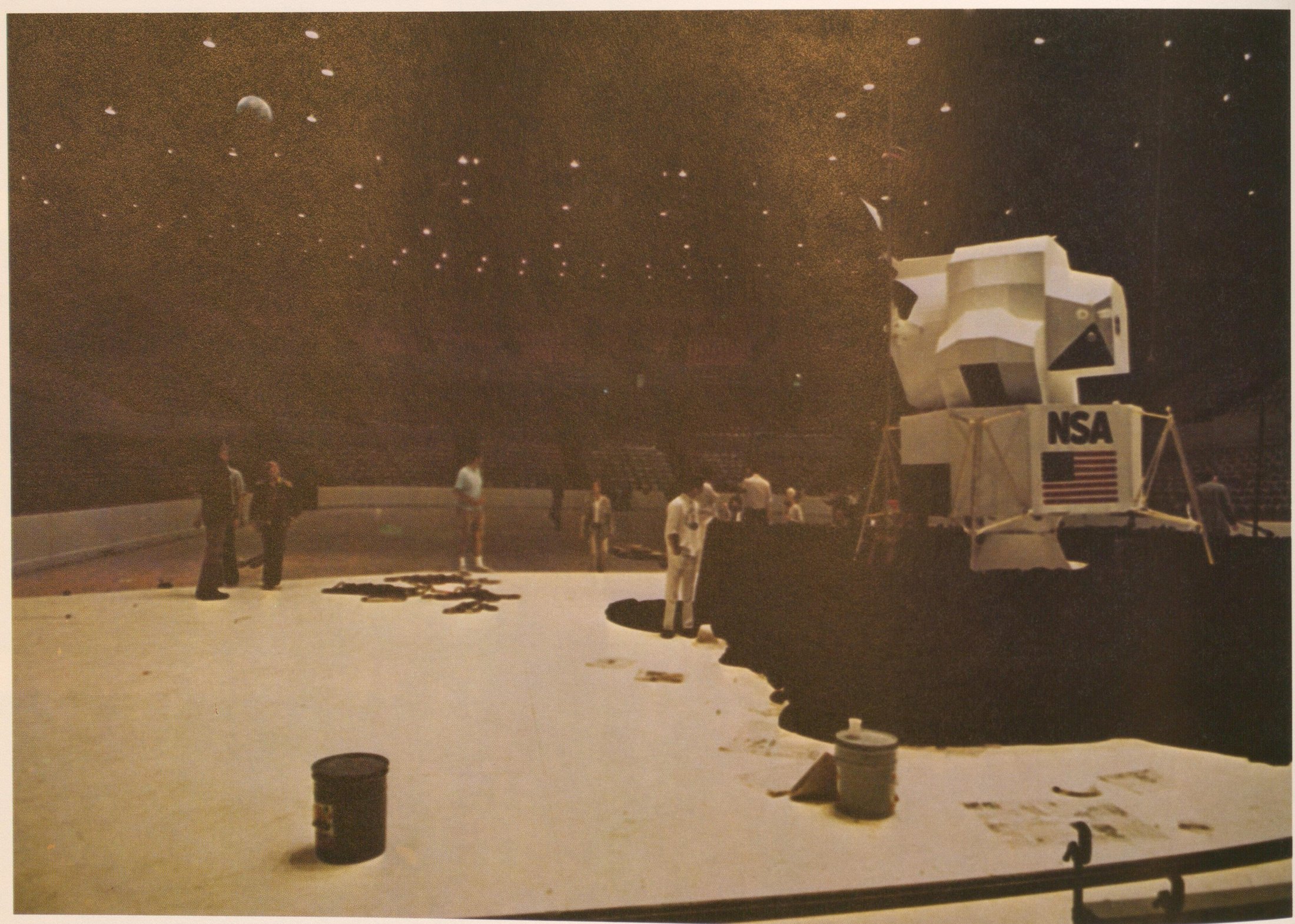
A scale model of the lunar module descended during the Space Ballet.
56
57
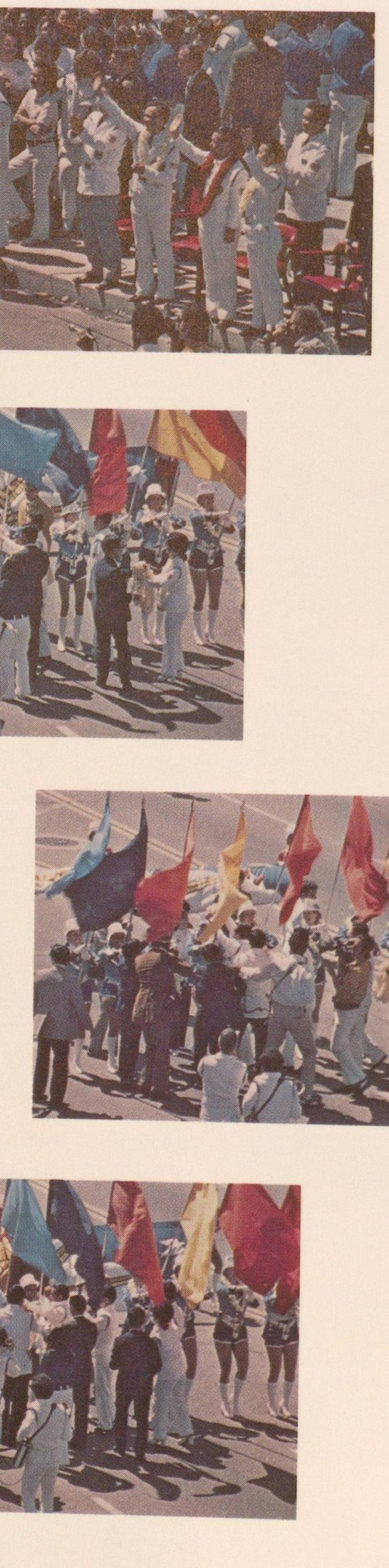
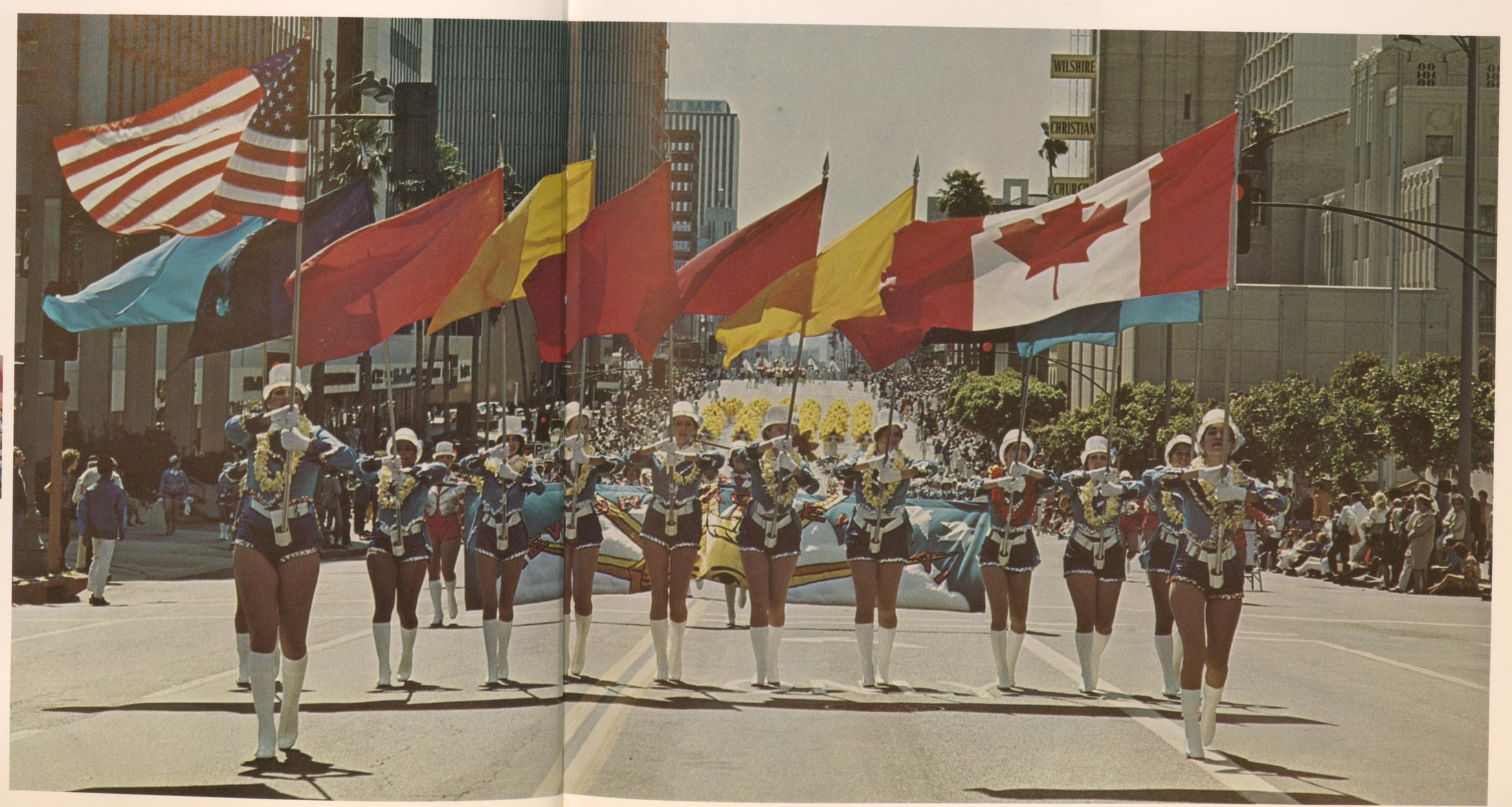
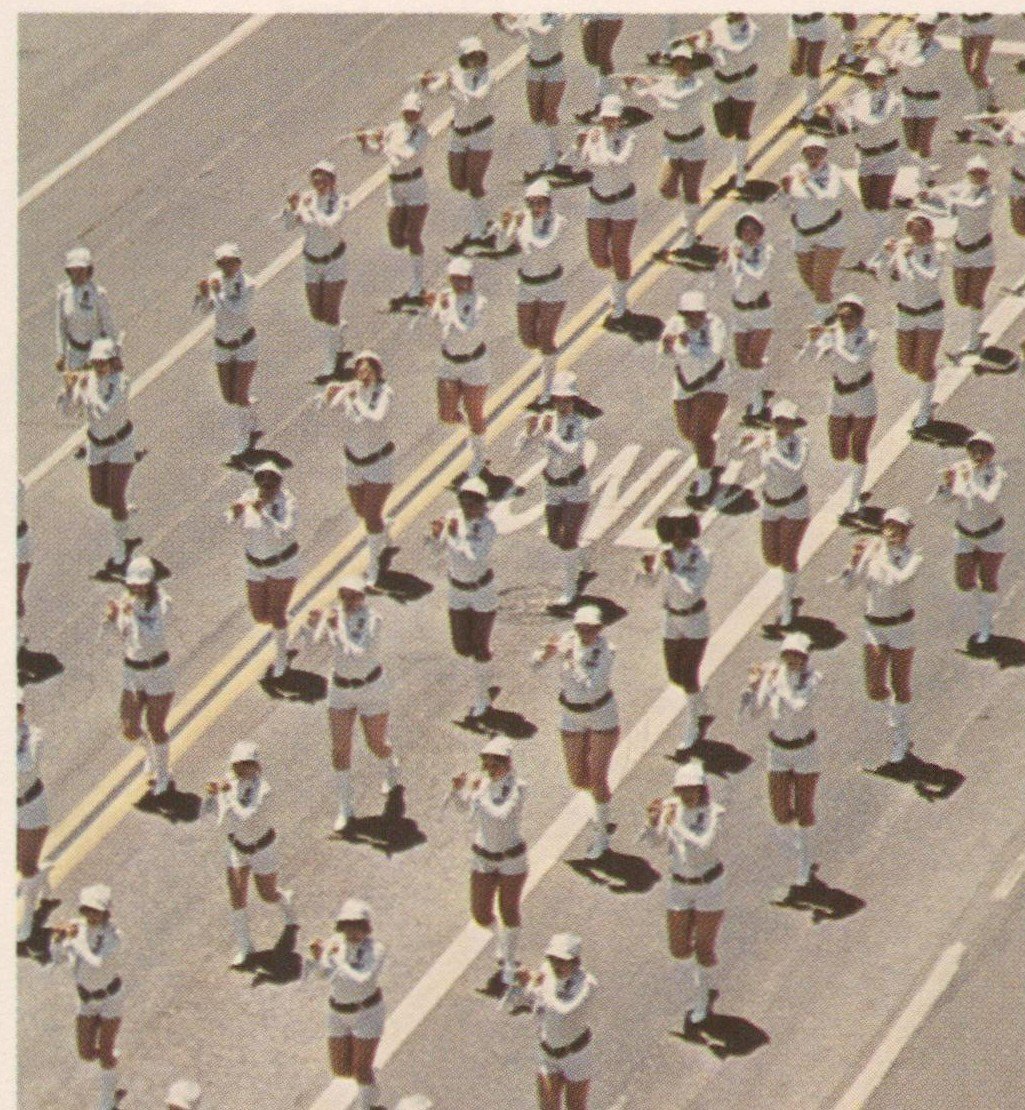
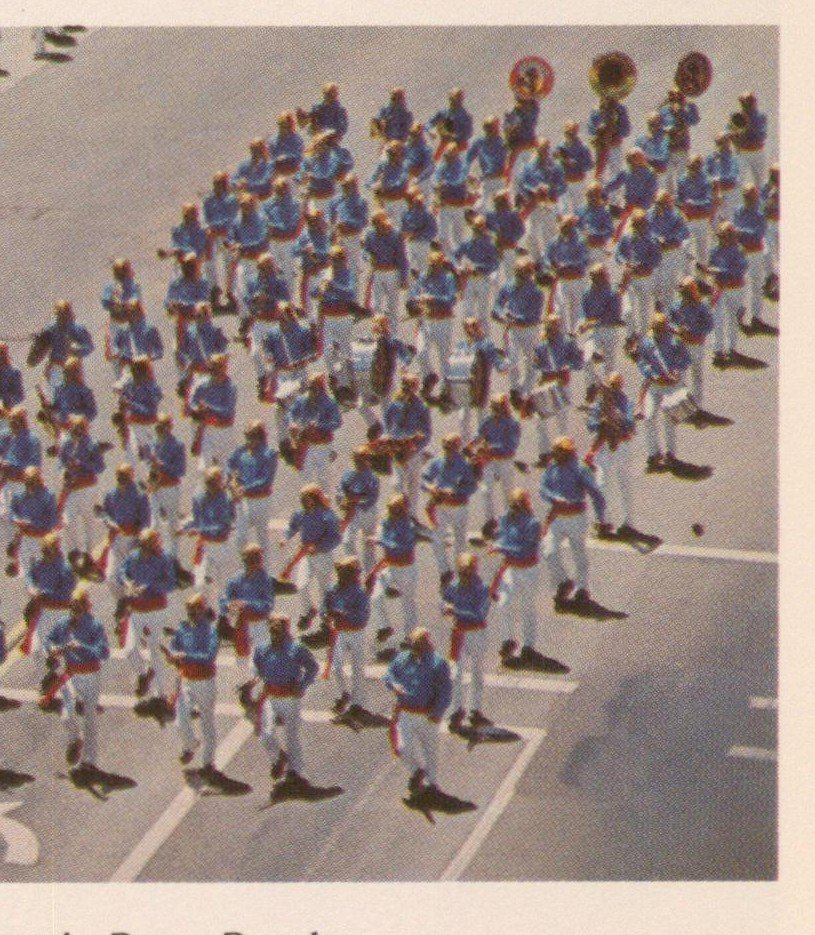
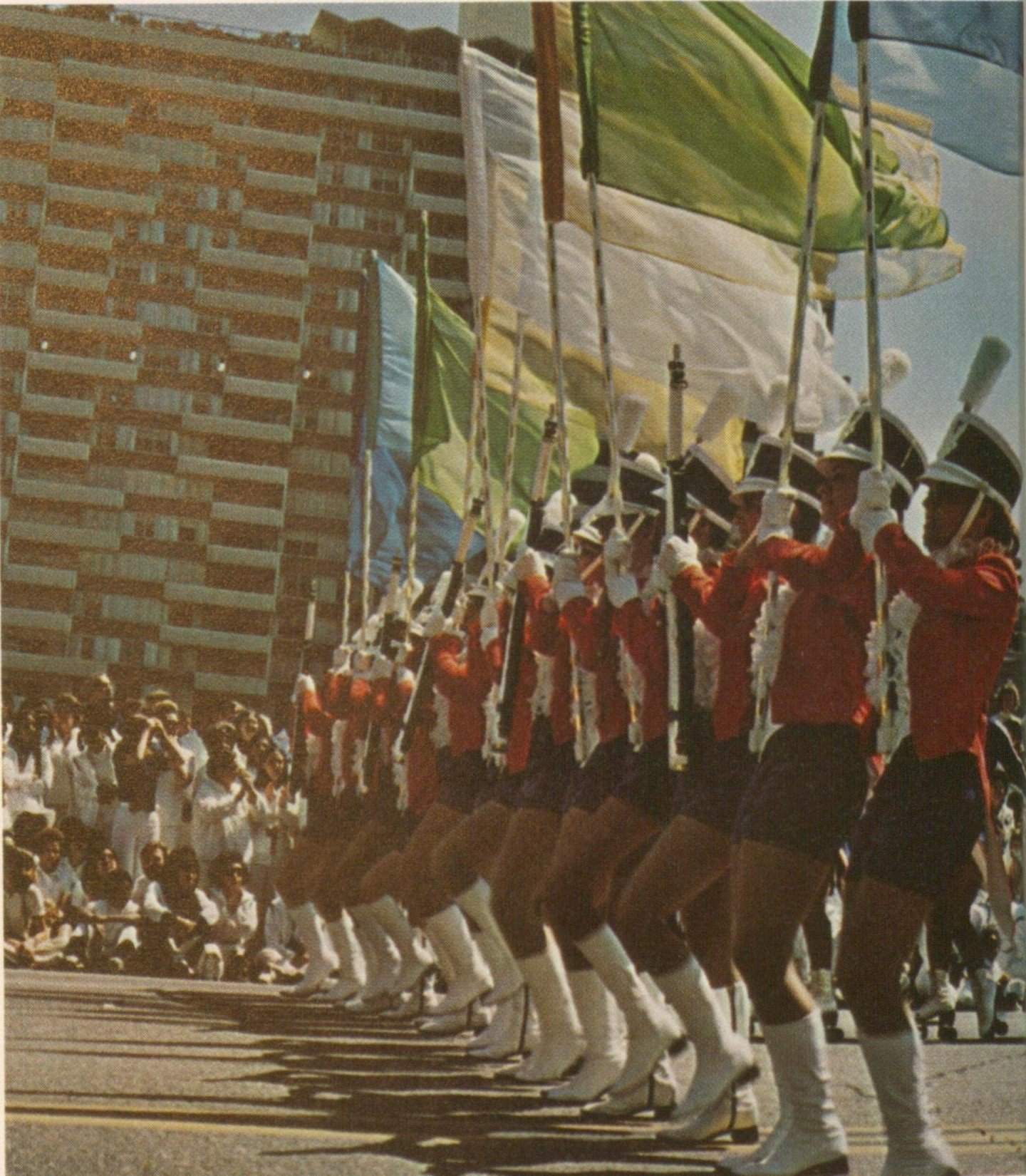
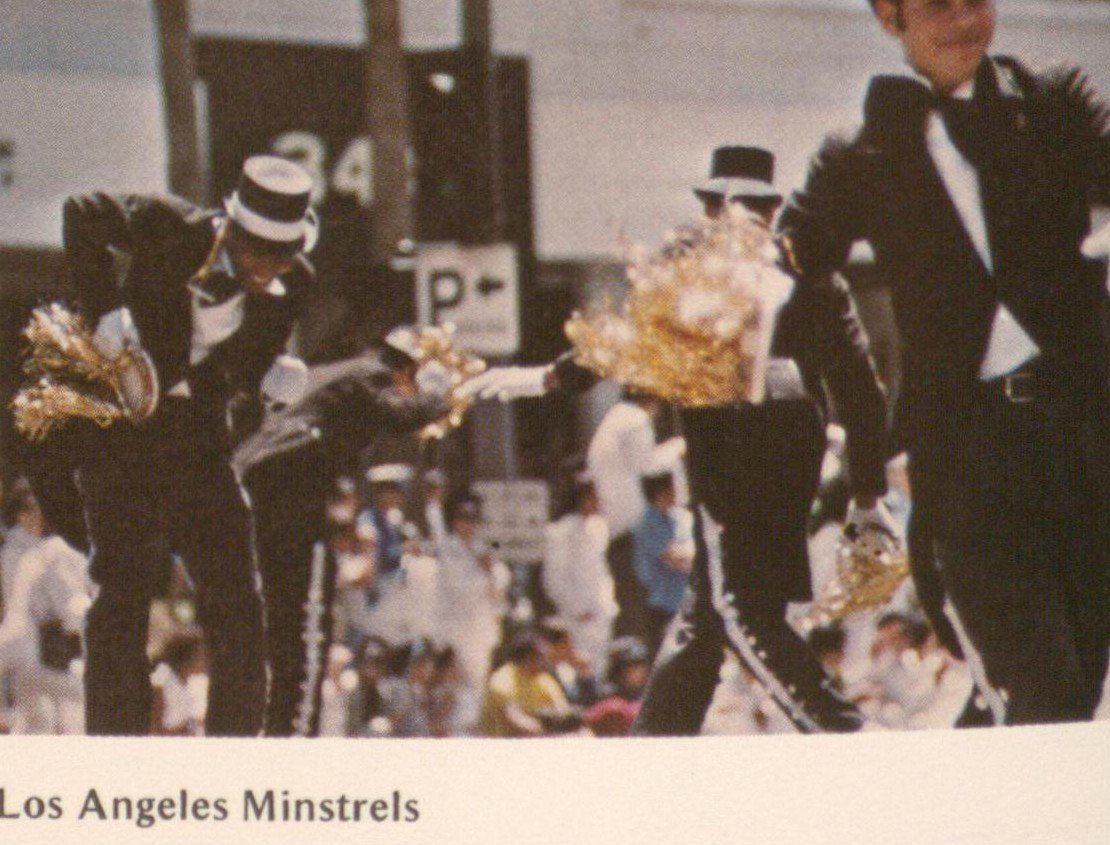
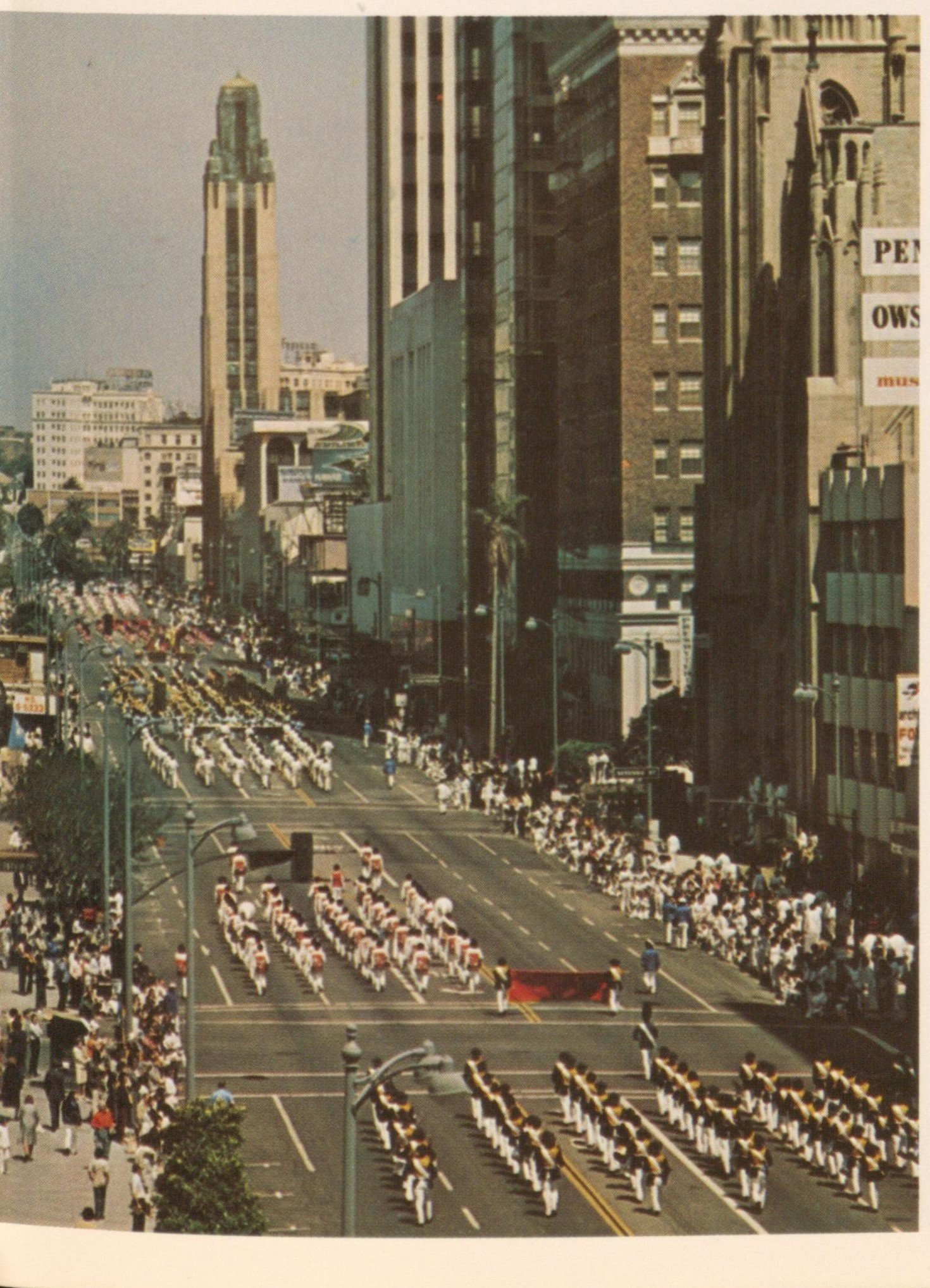
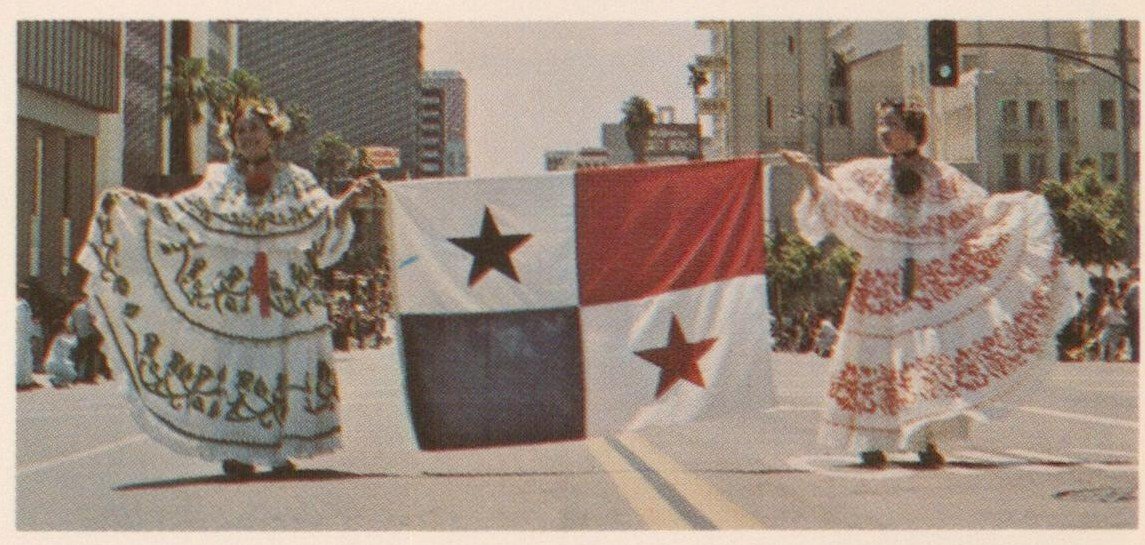
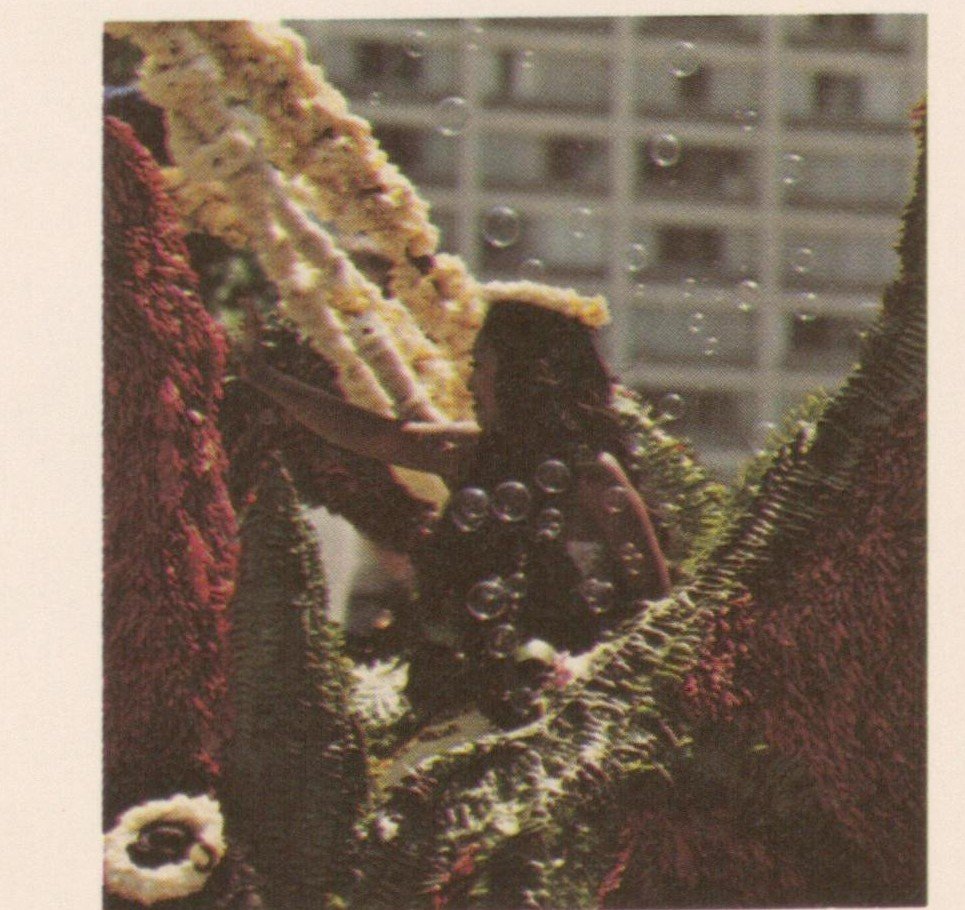
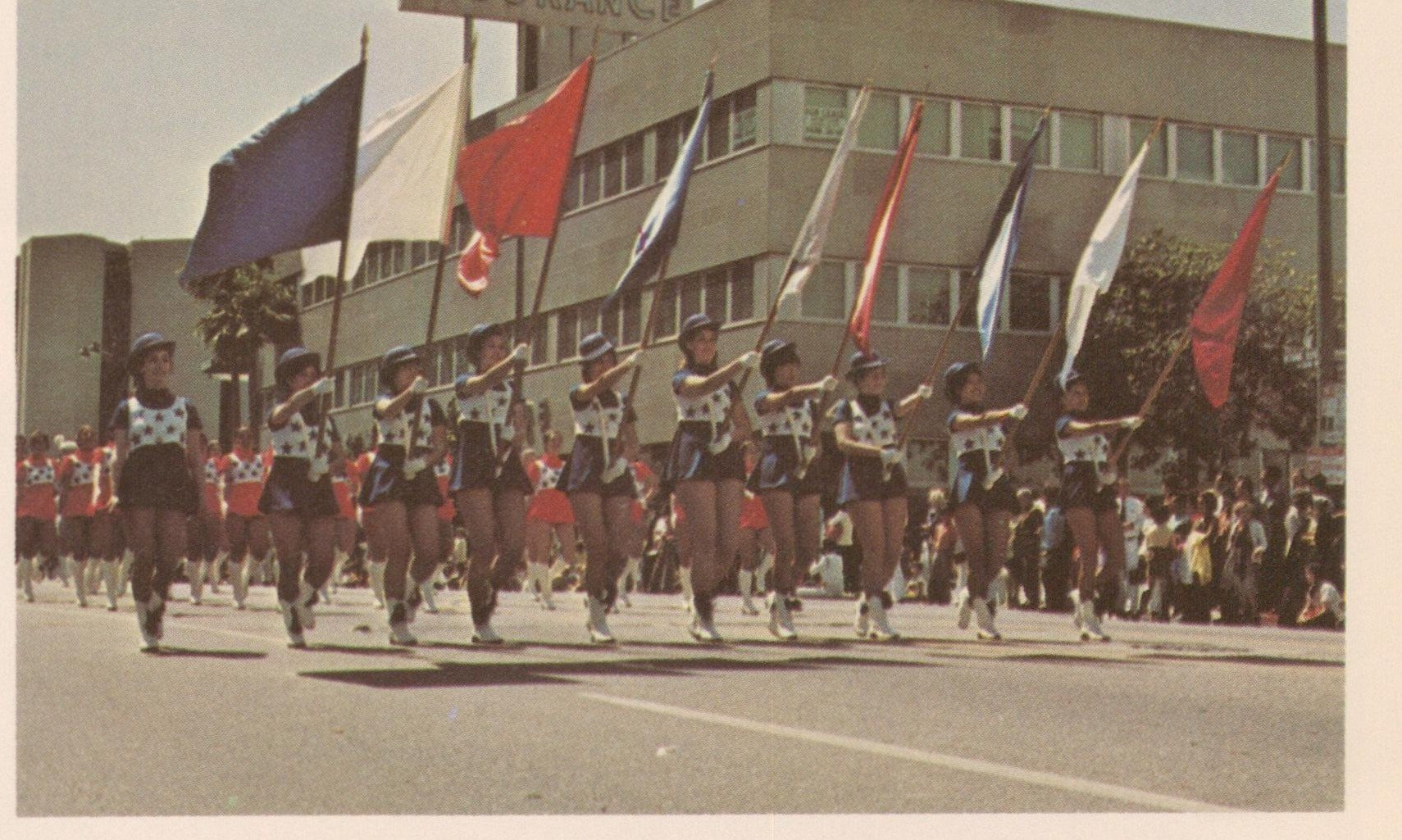
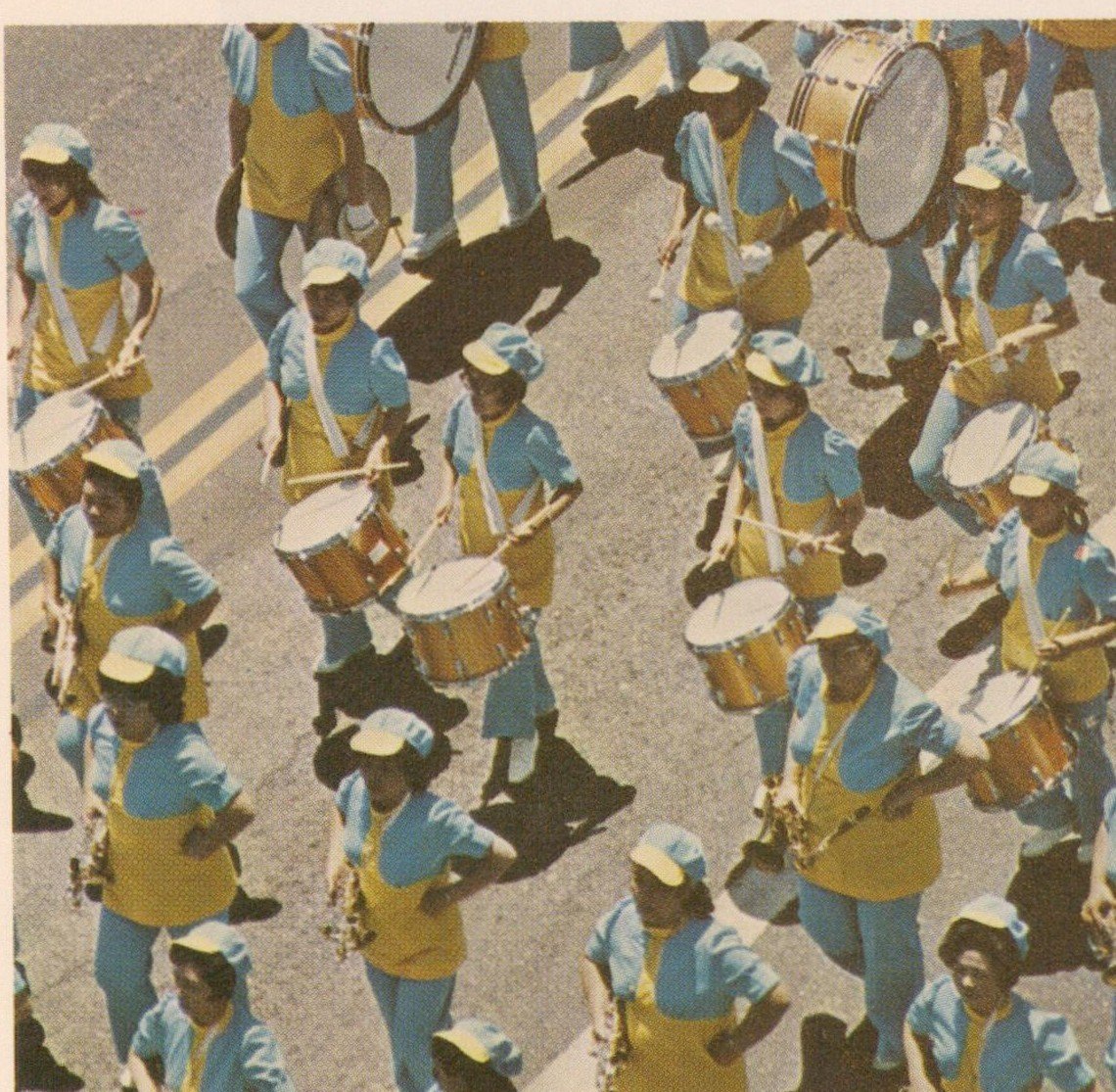
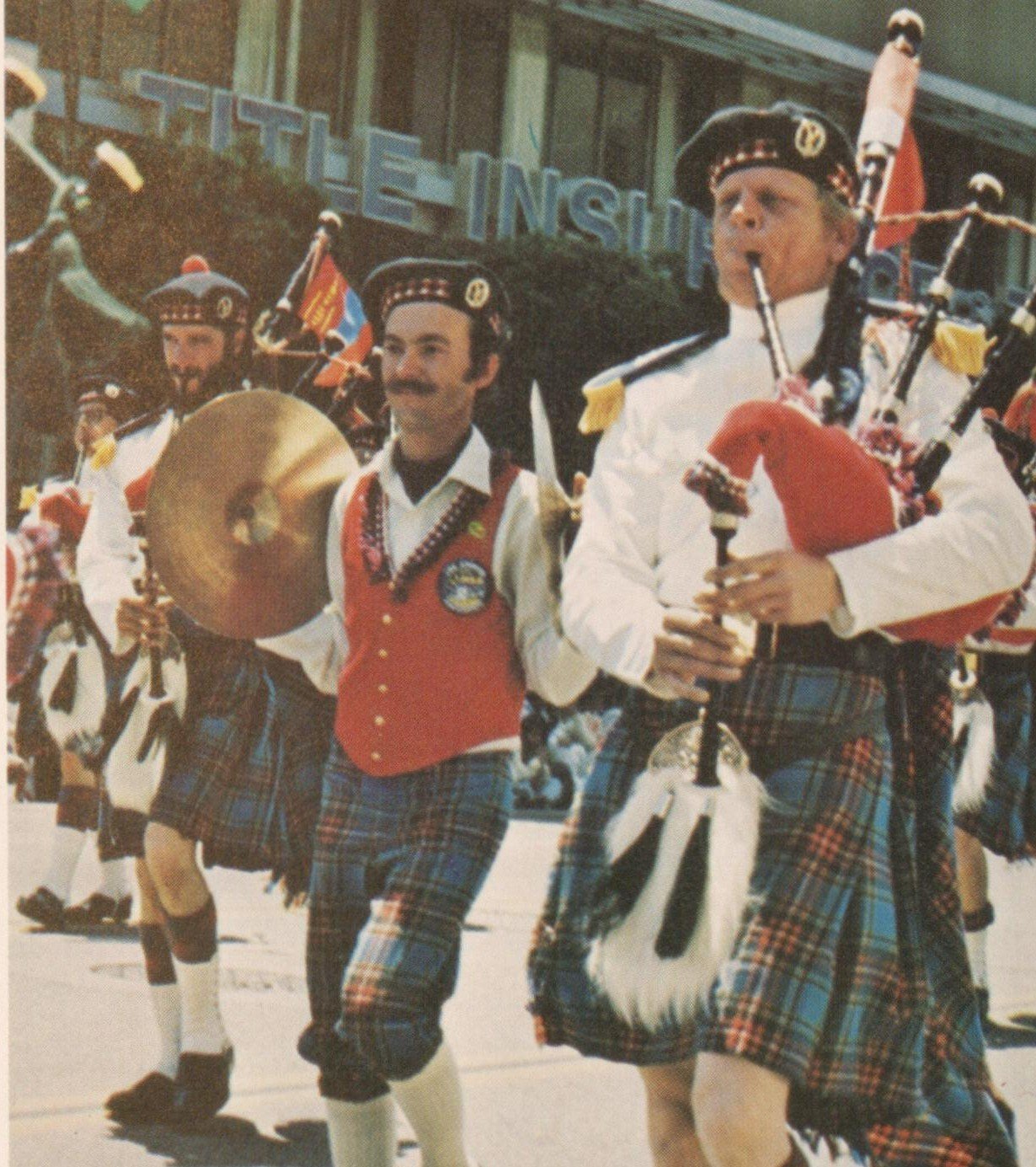
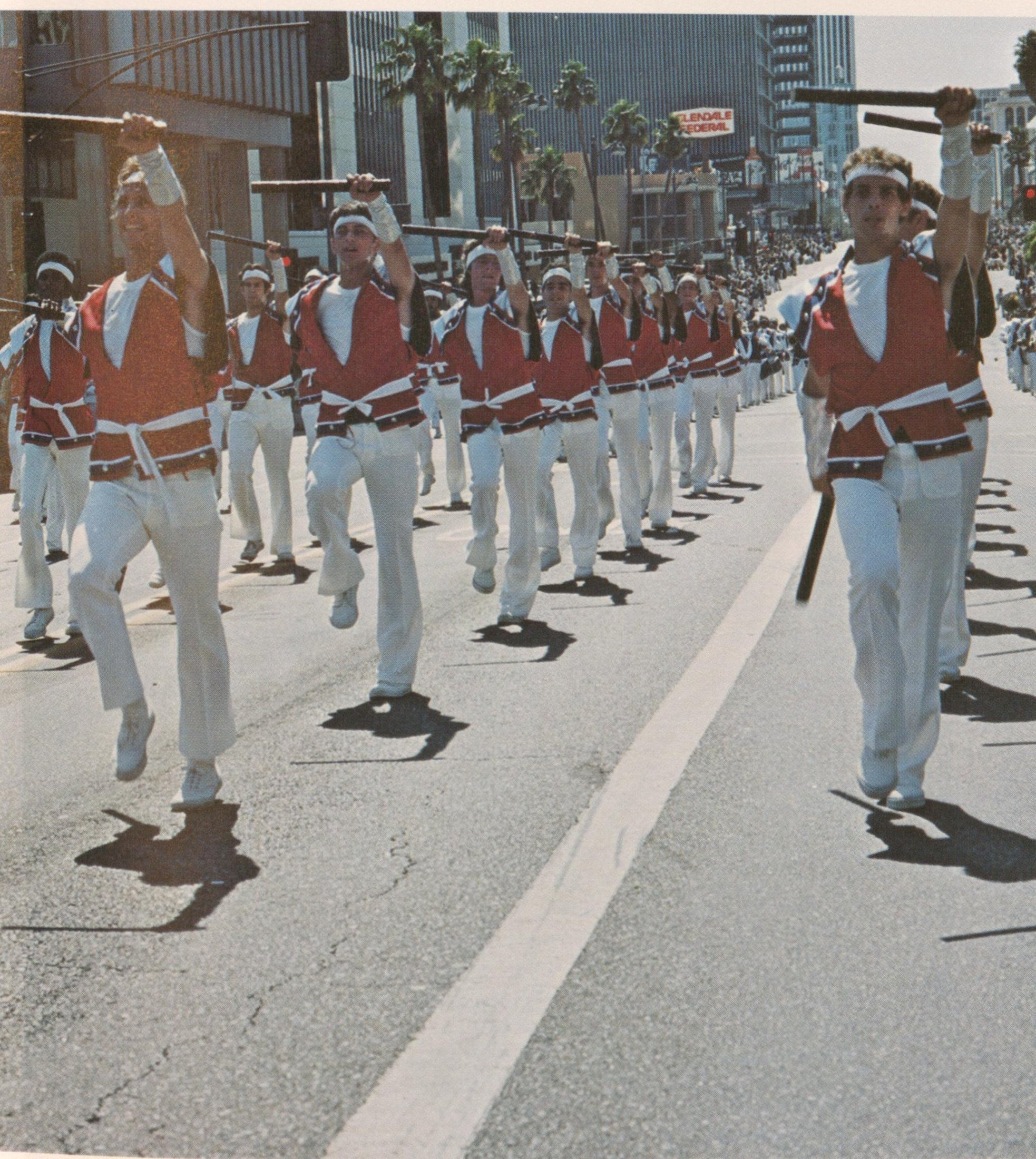
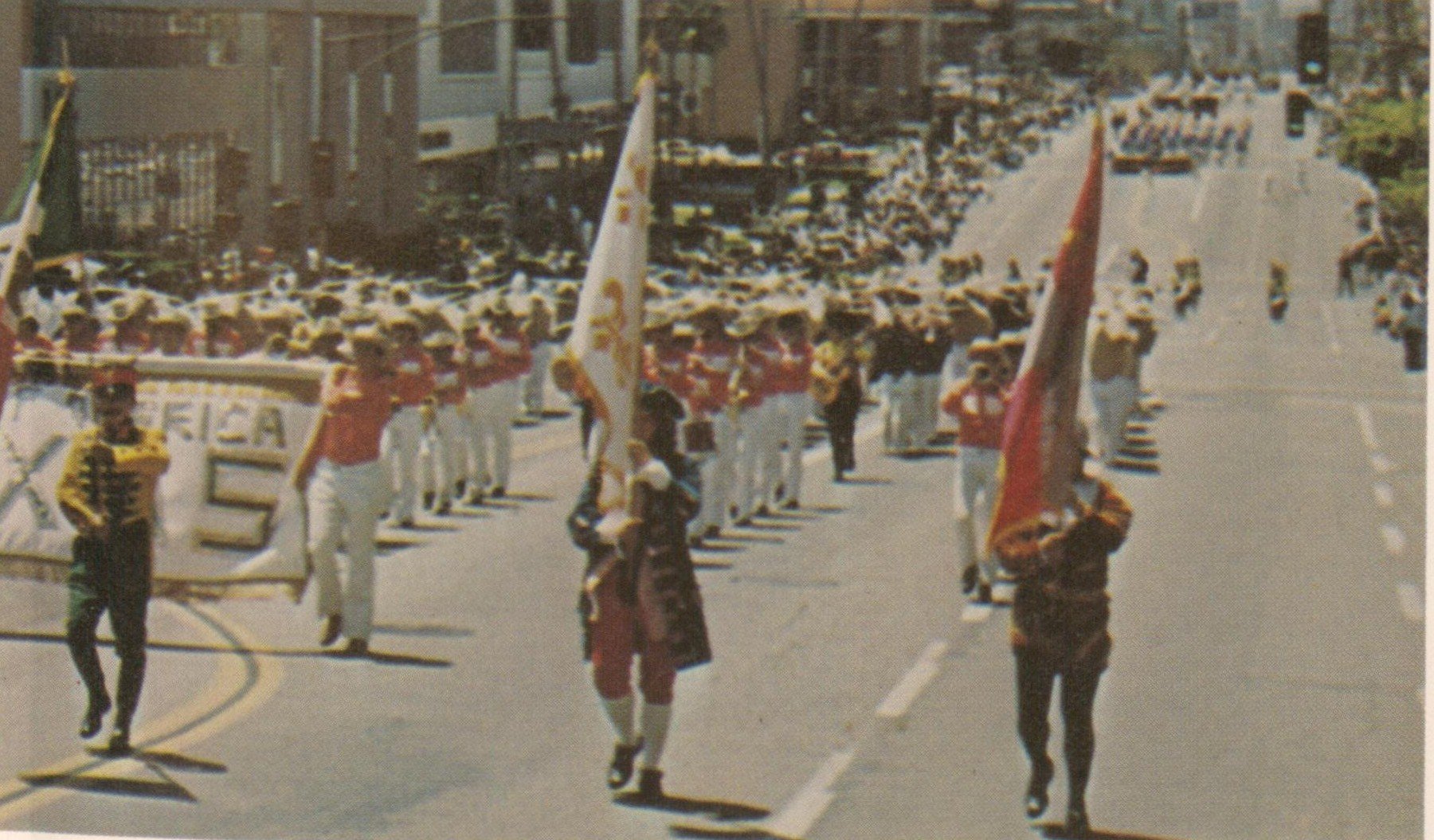
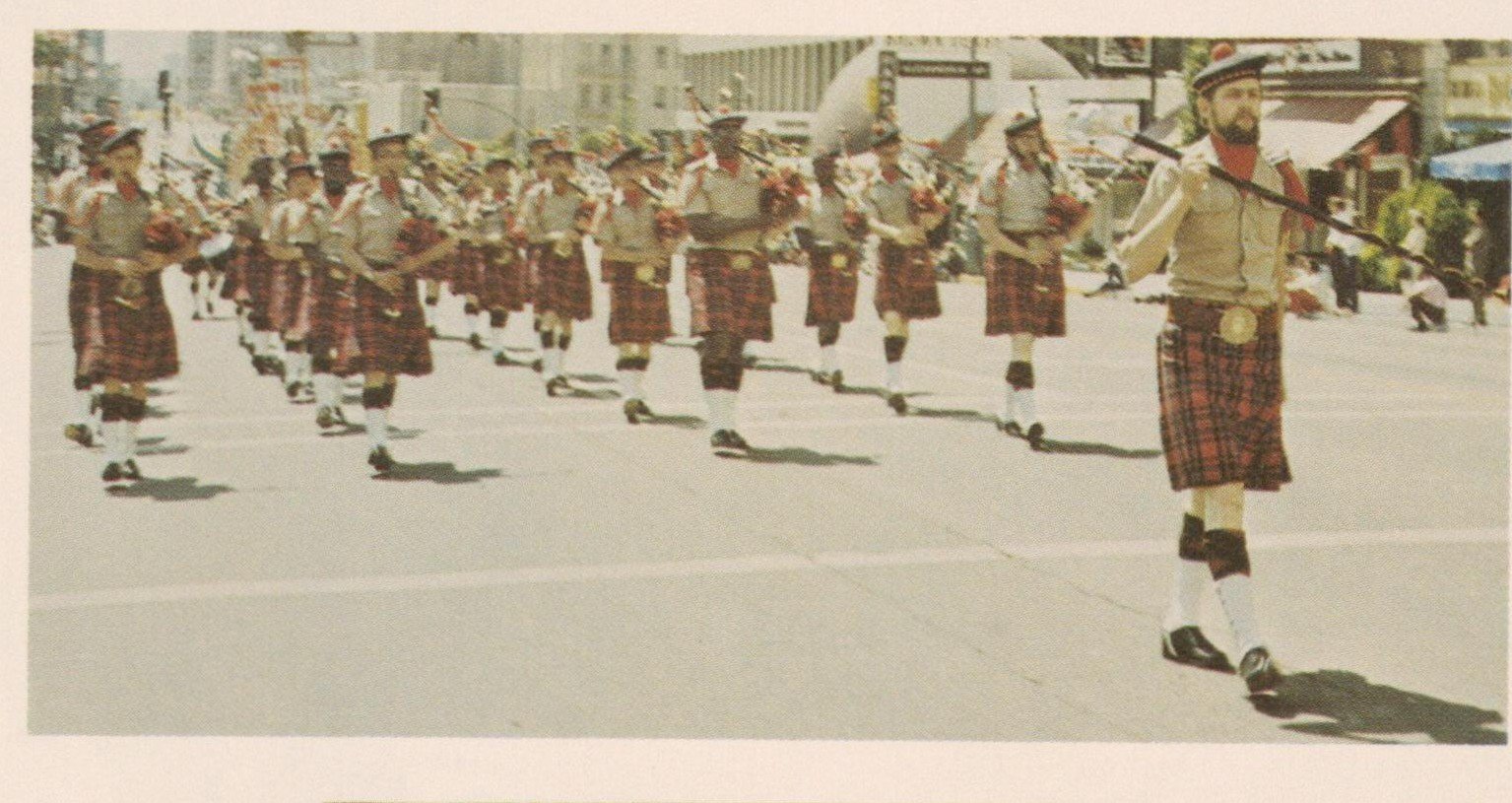
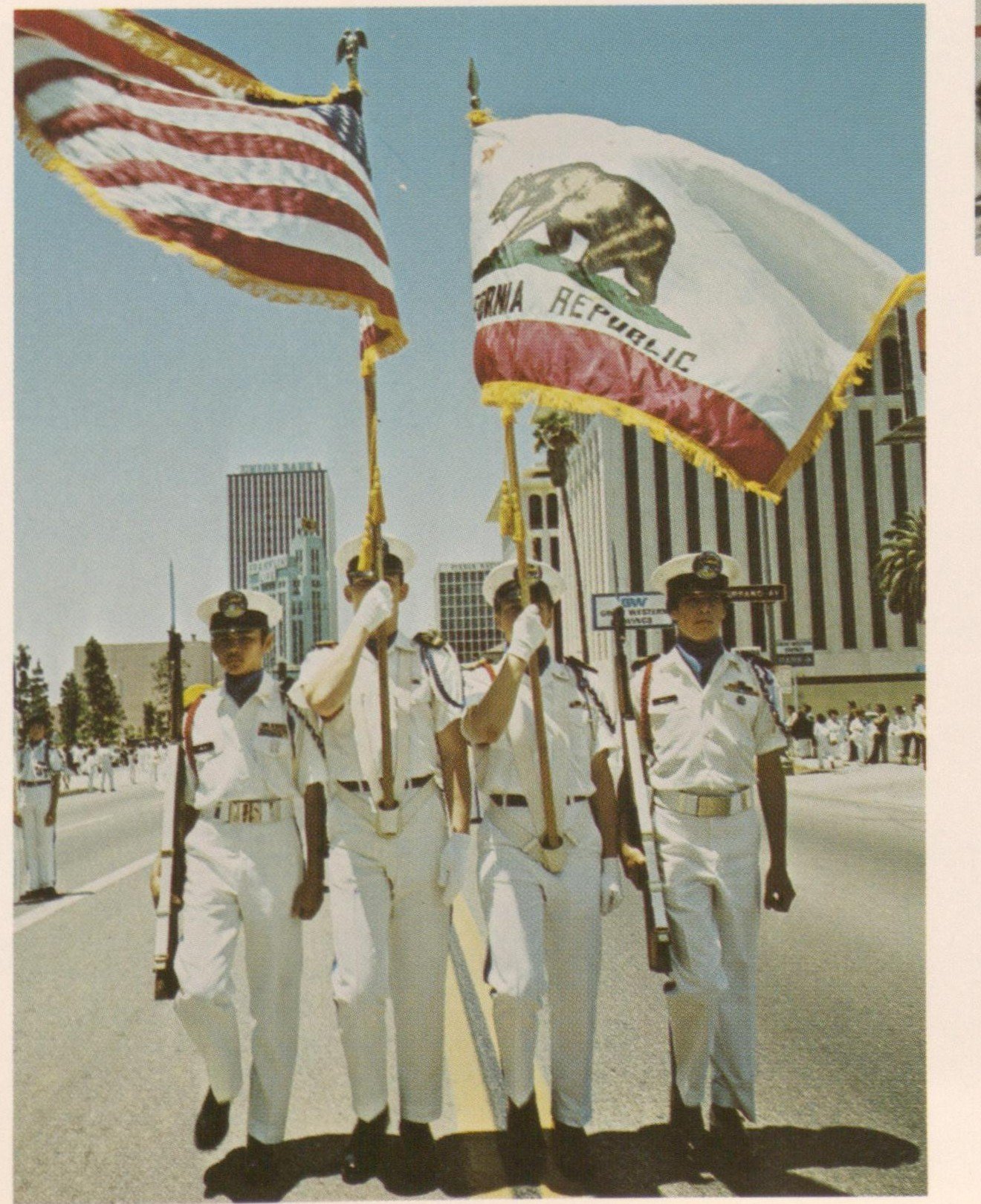
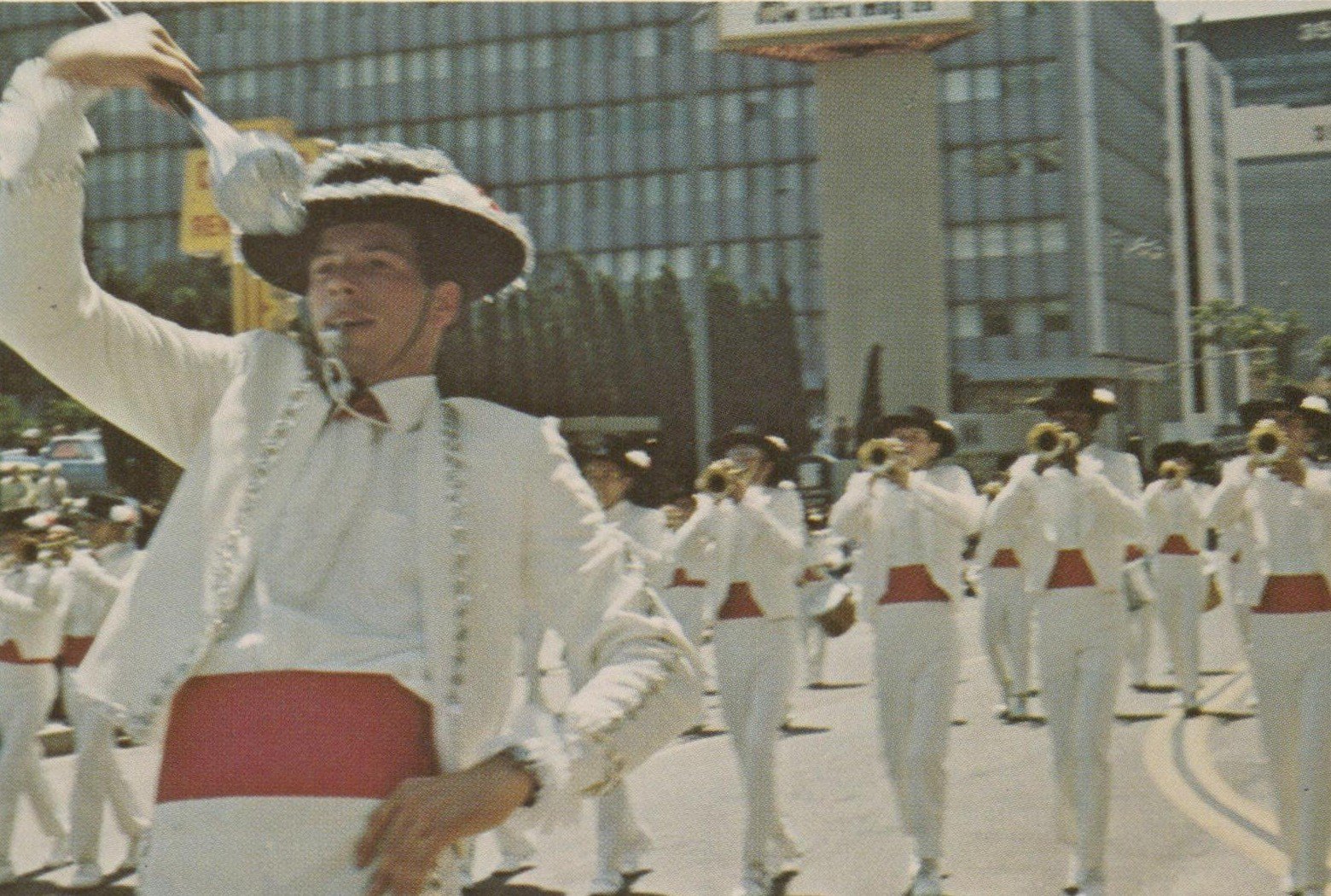
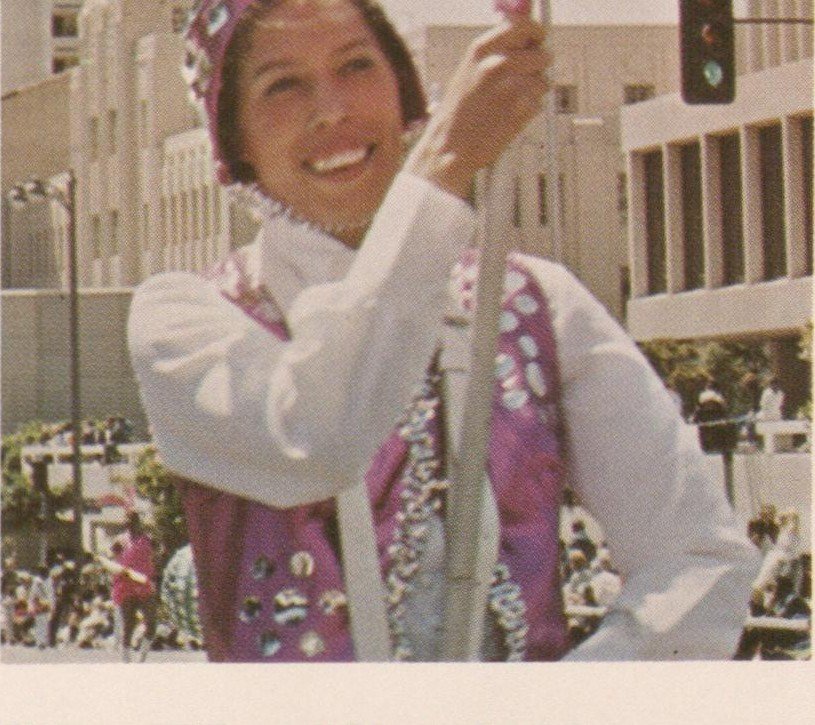
New York Fife and Drum Corps standard bearers were presented with floral leis by President Ikeda as they paraded past the Wilshire Boulevard reviewing stand on July 21.
58–59
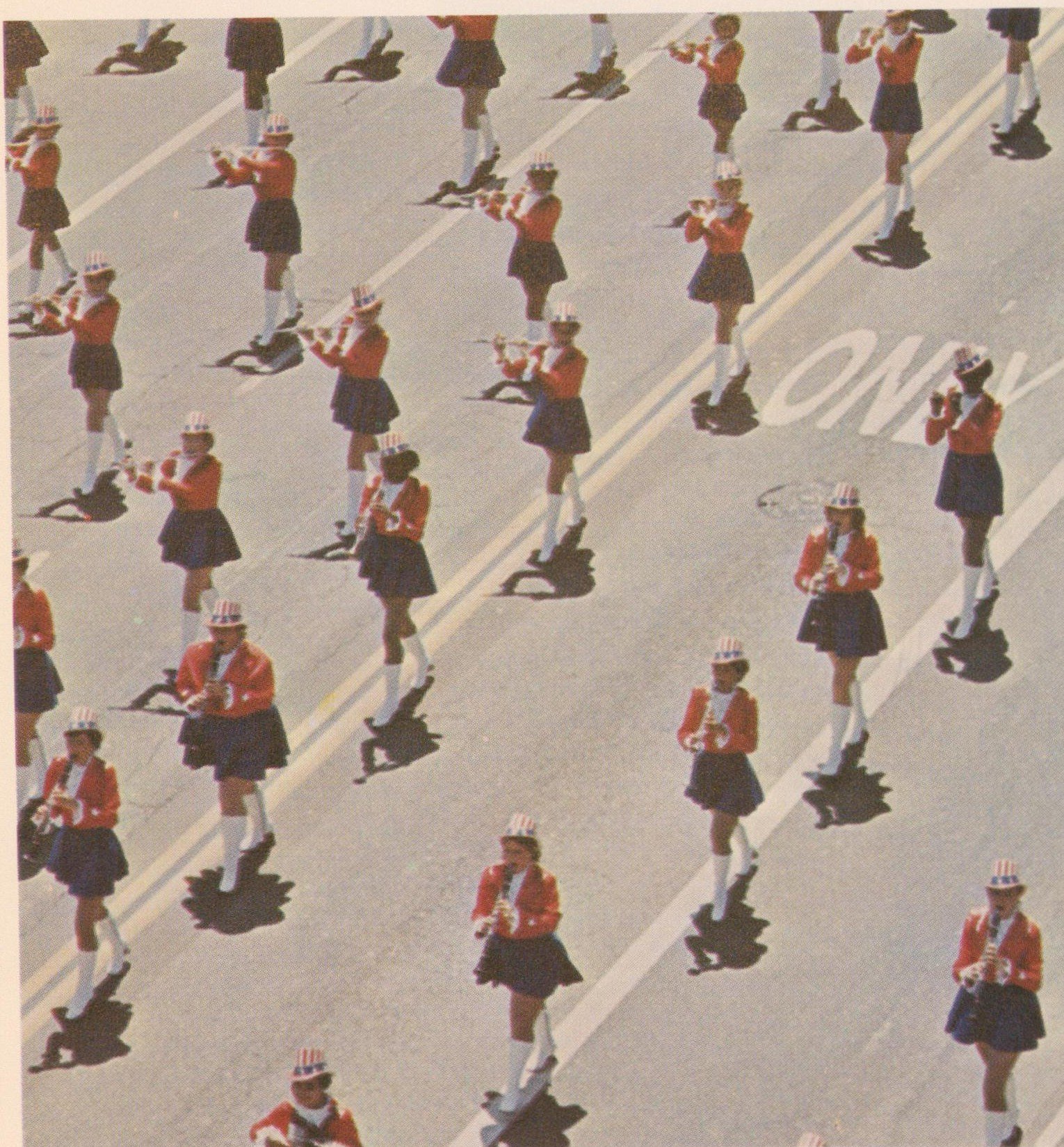
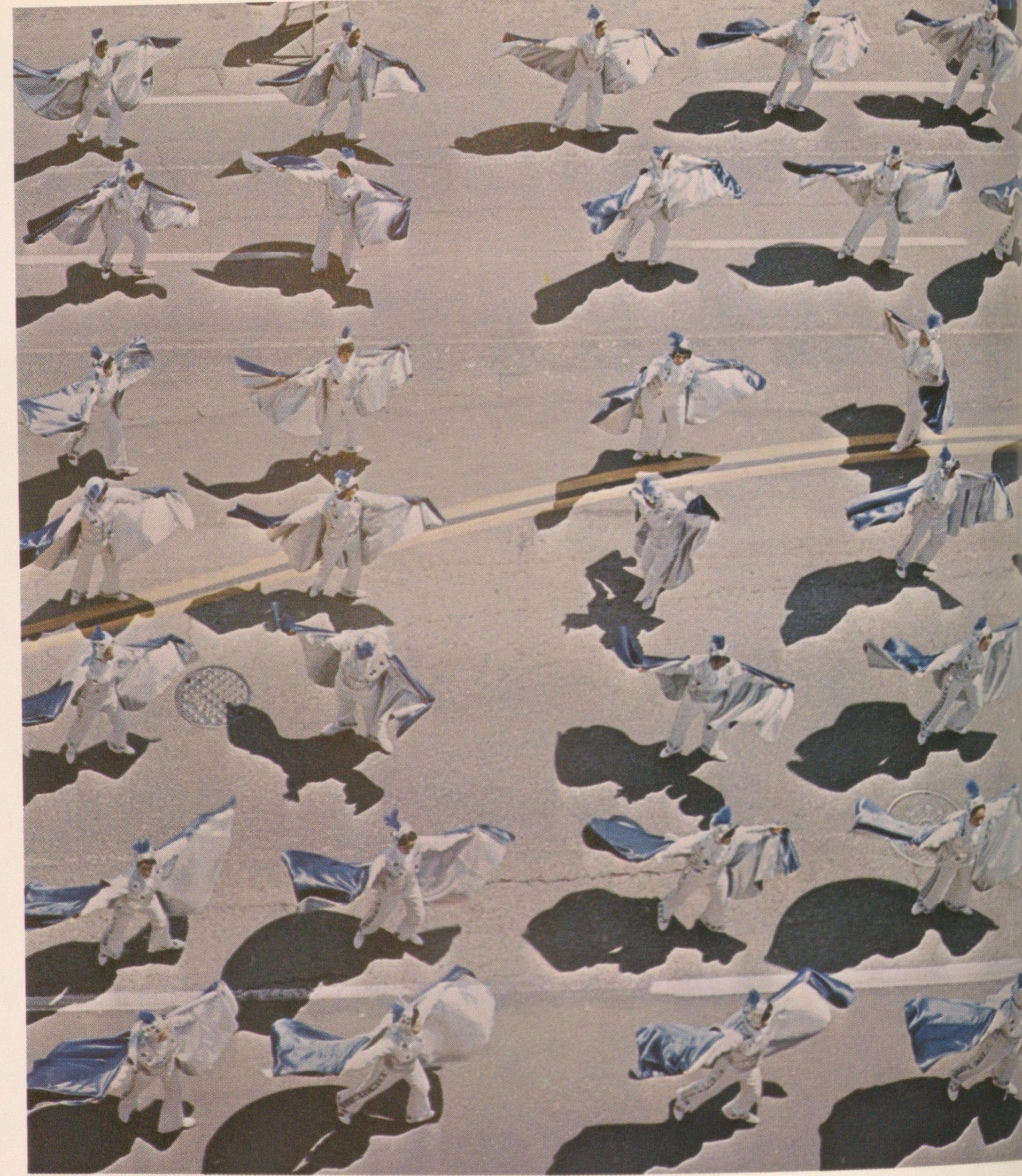
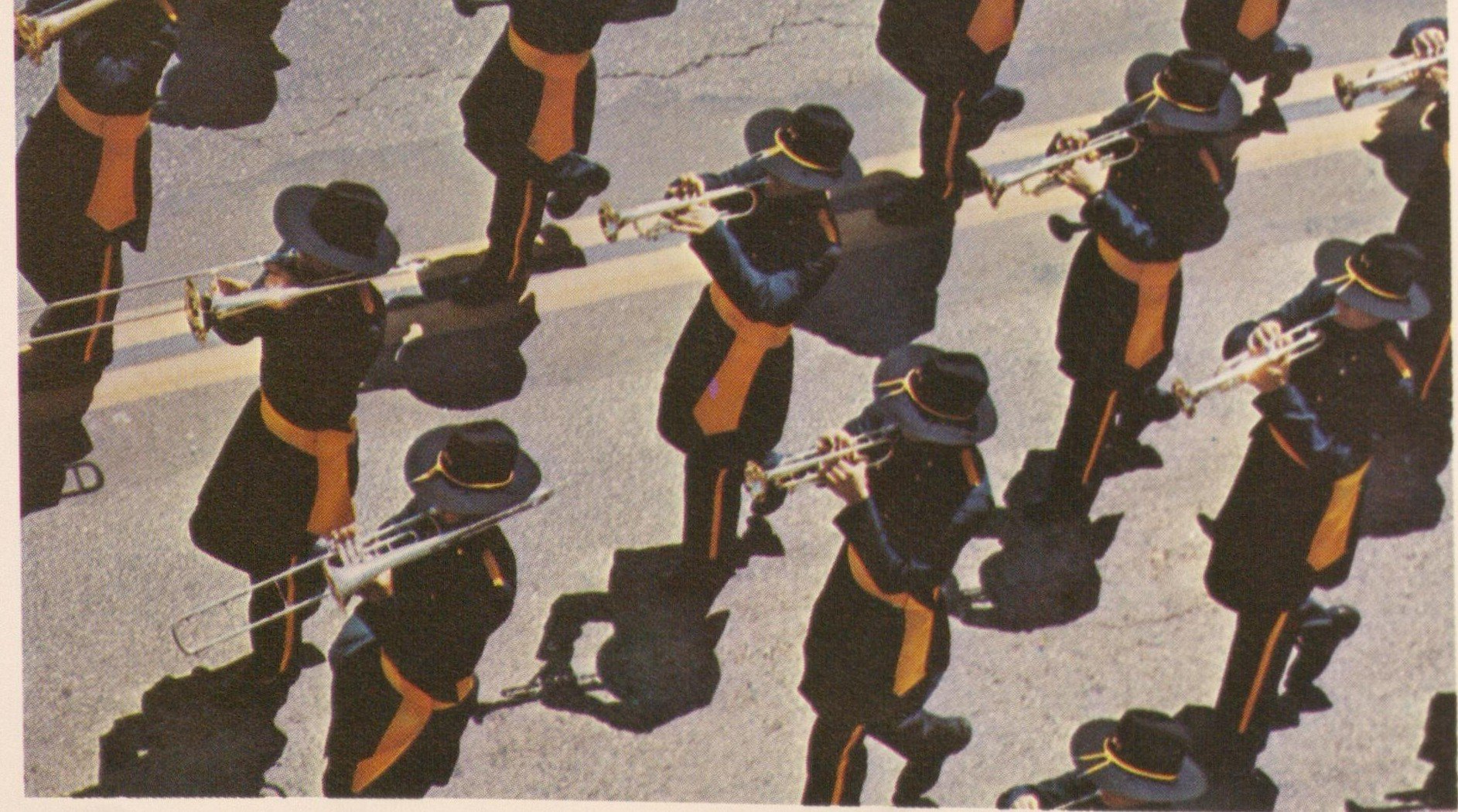
60–61
62–63
64
65
66–67
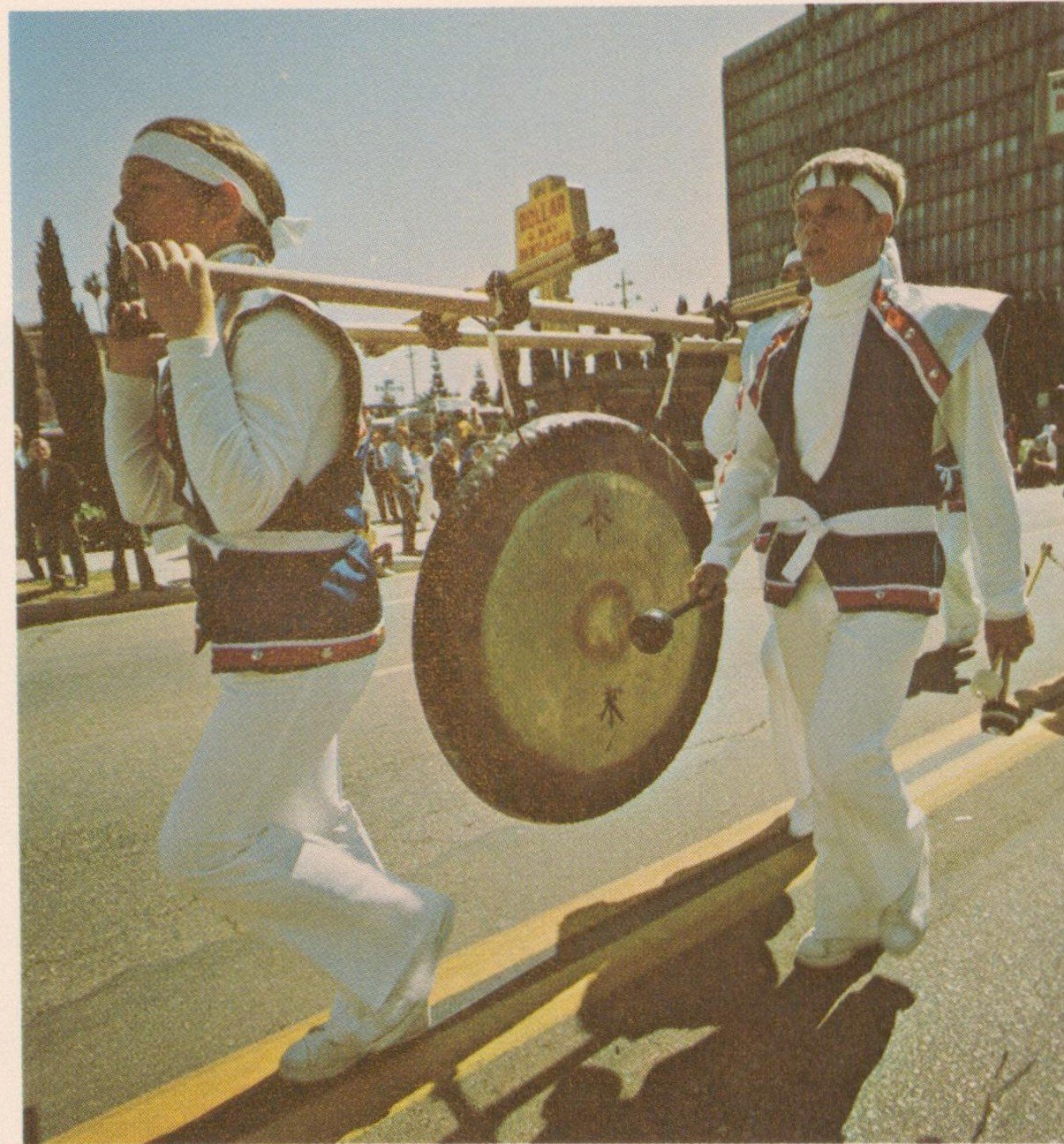
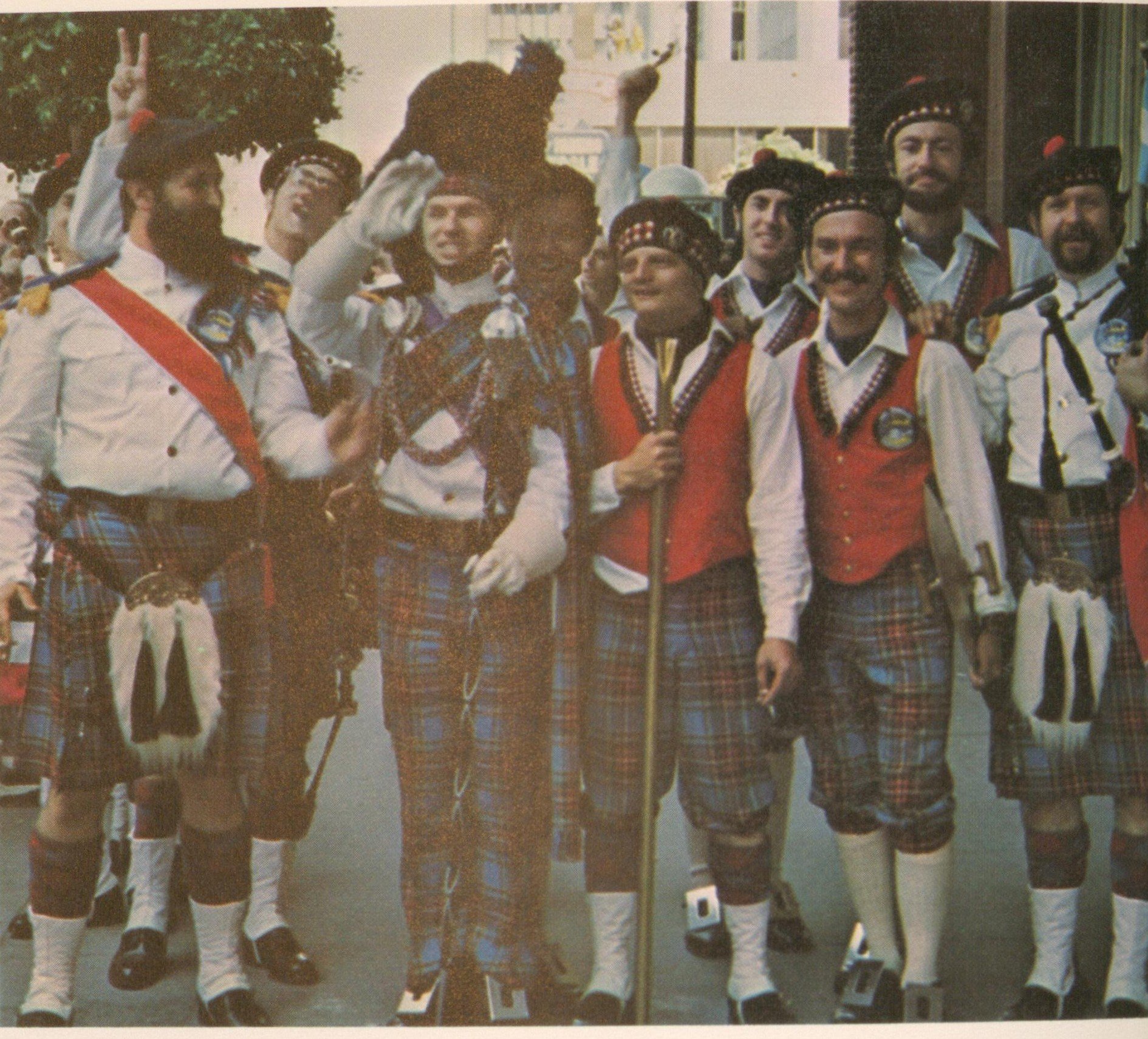
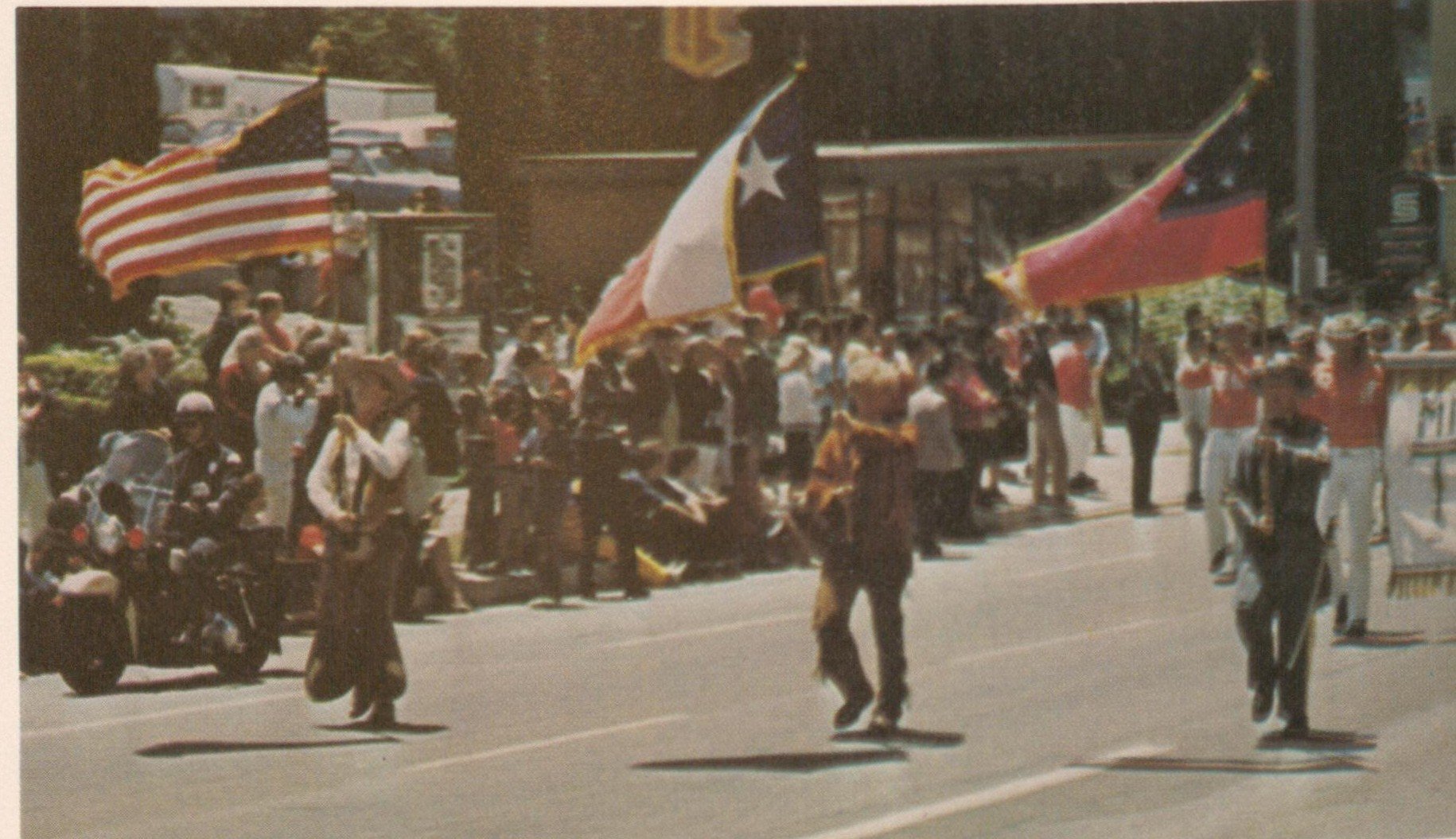
68–69
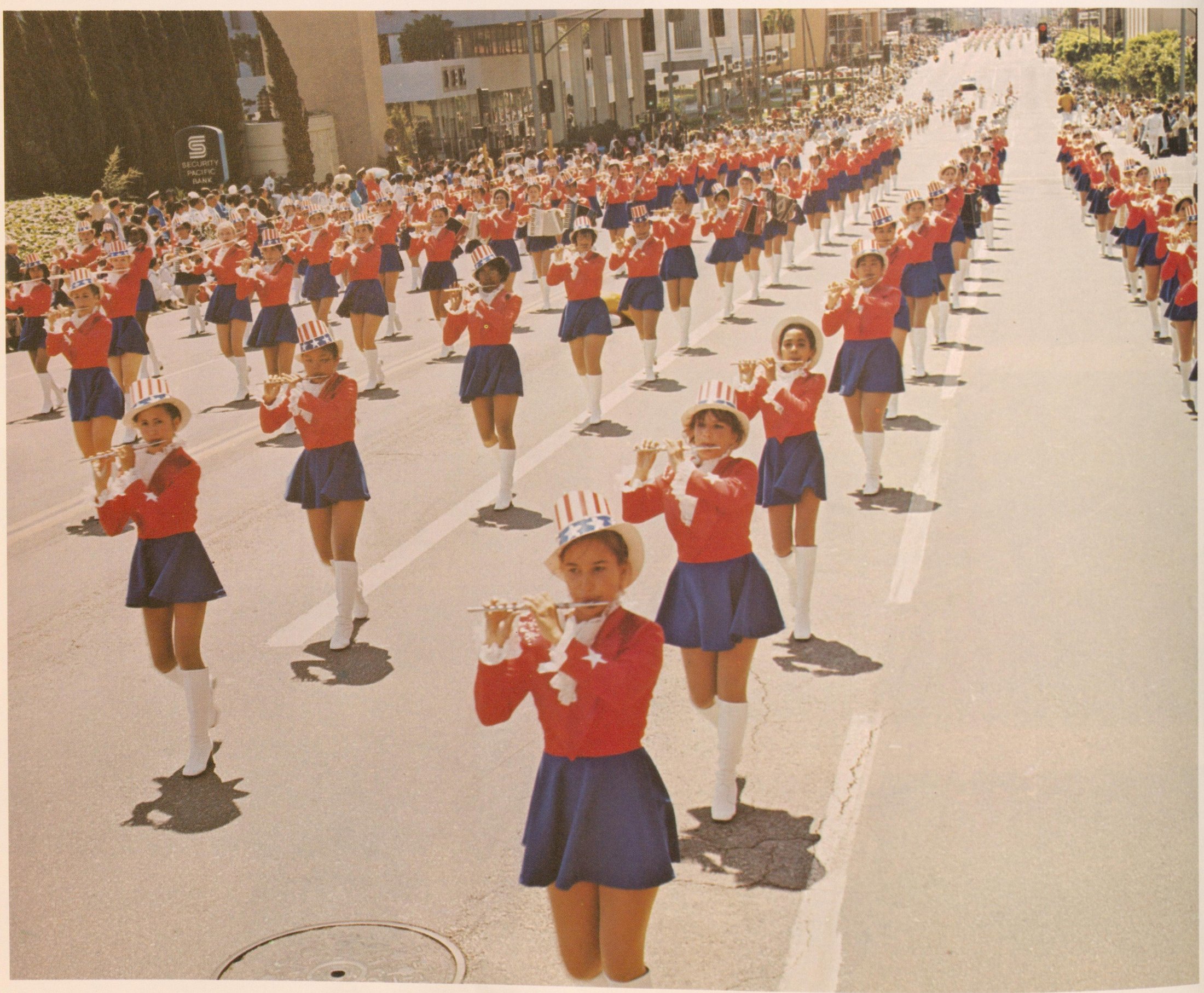
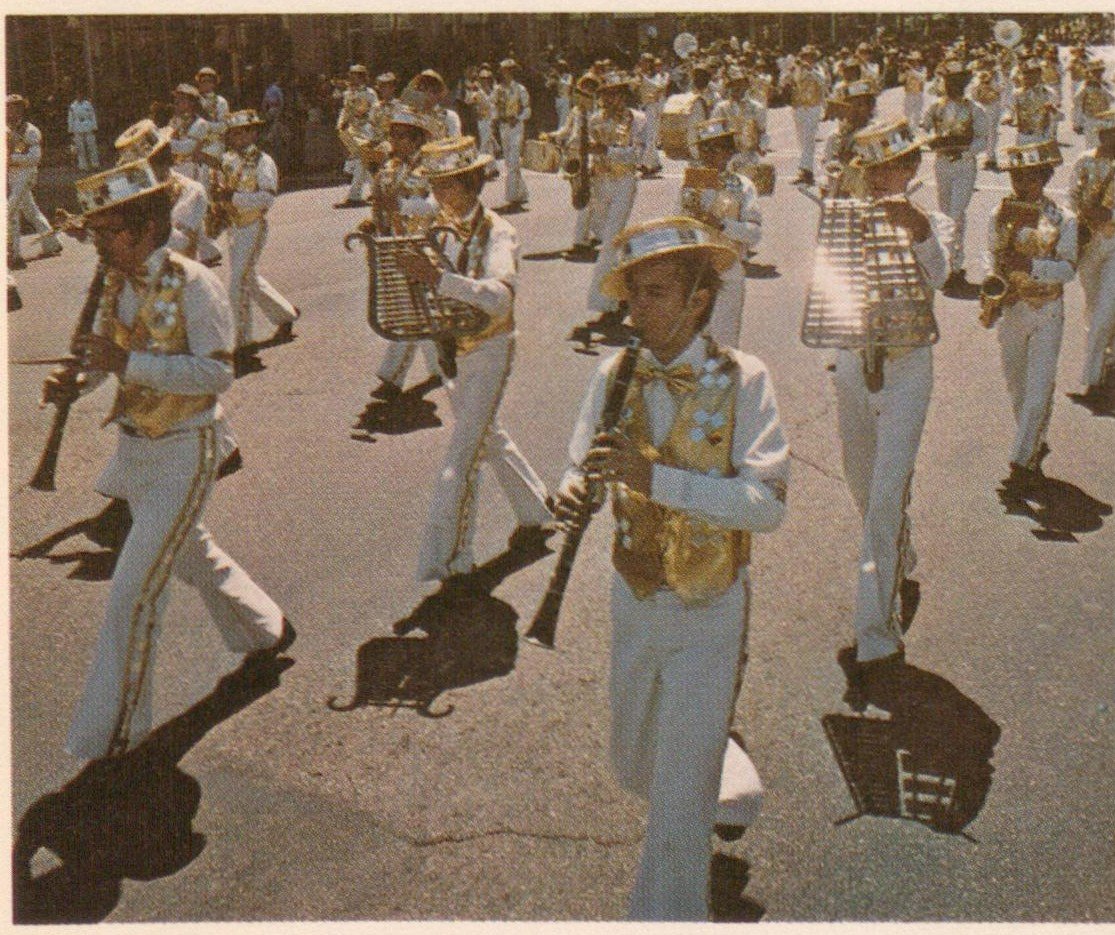
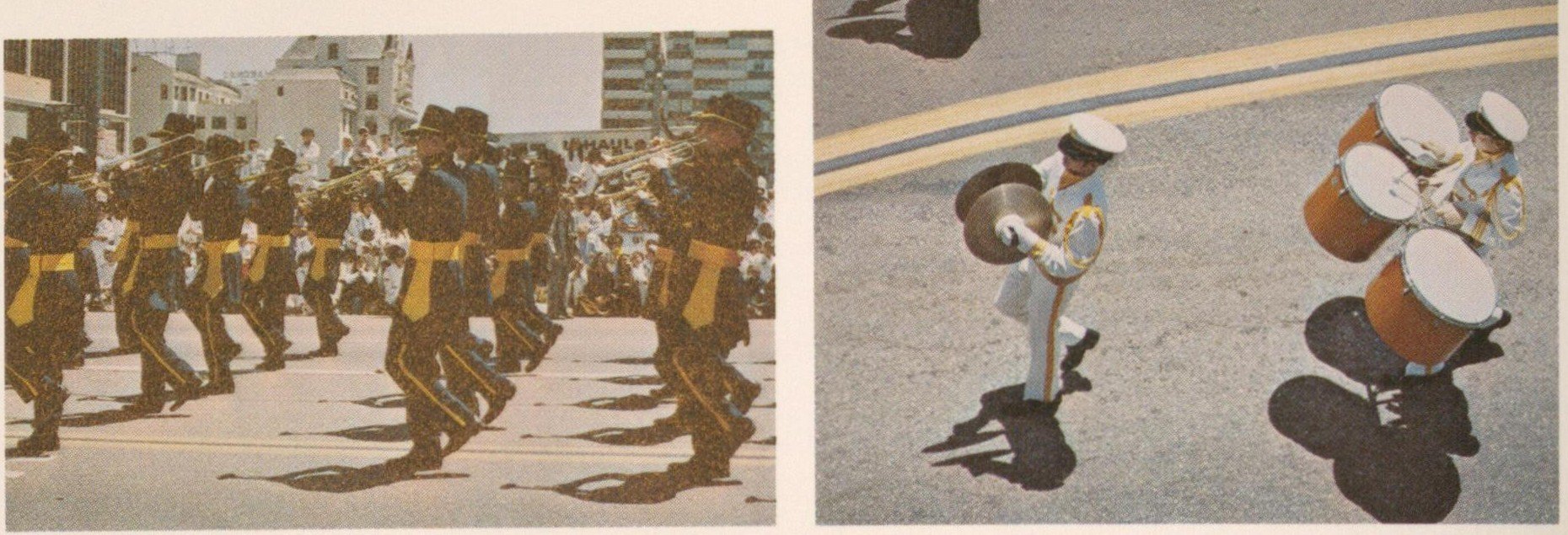
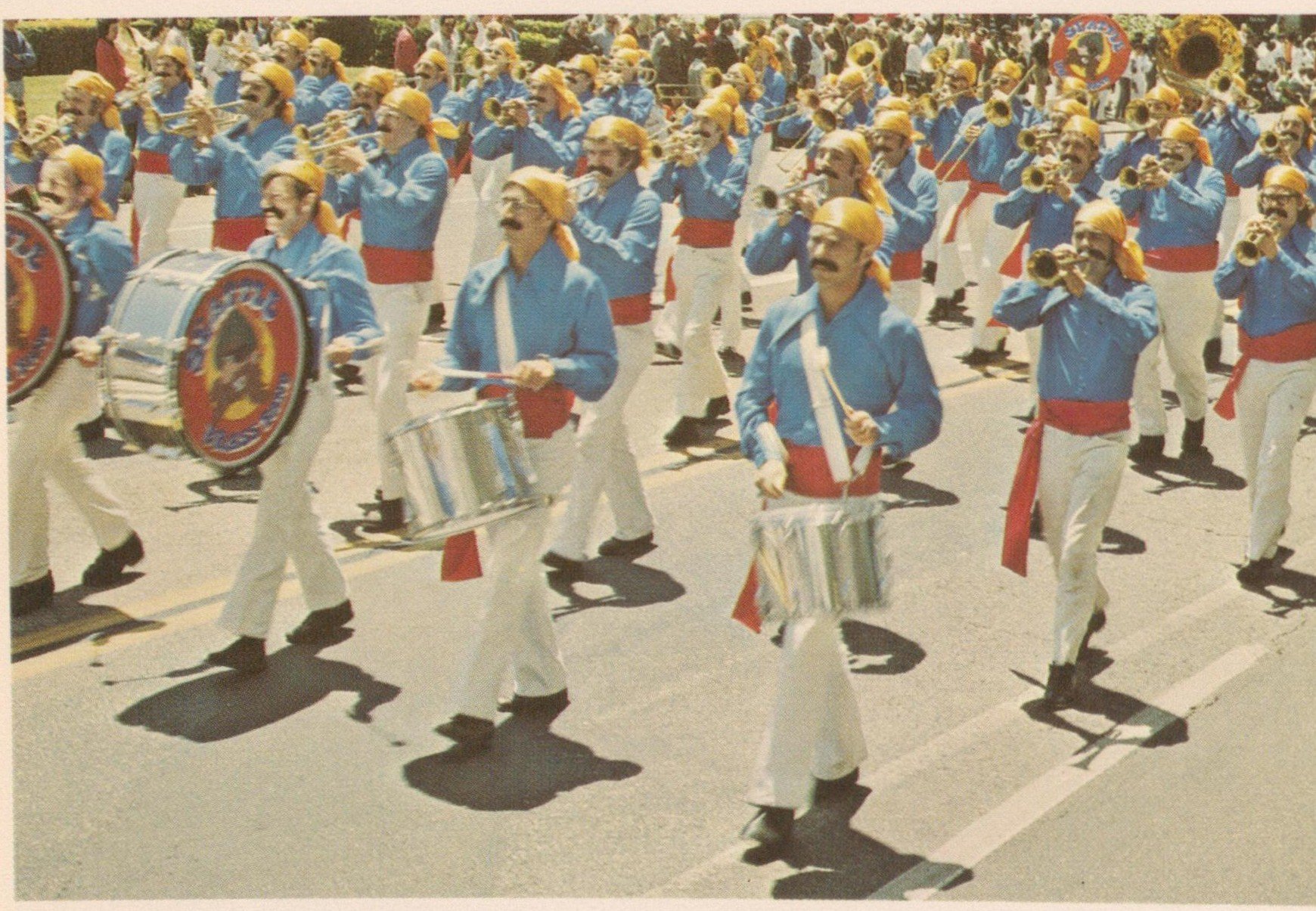
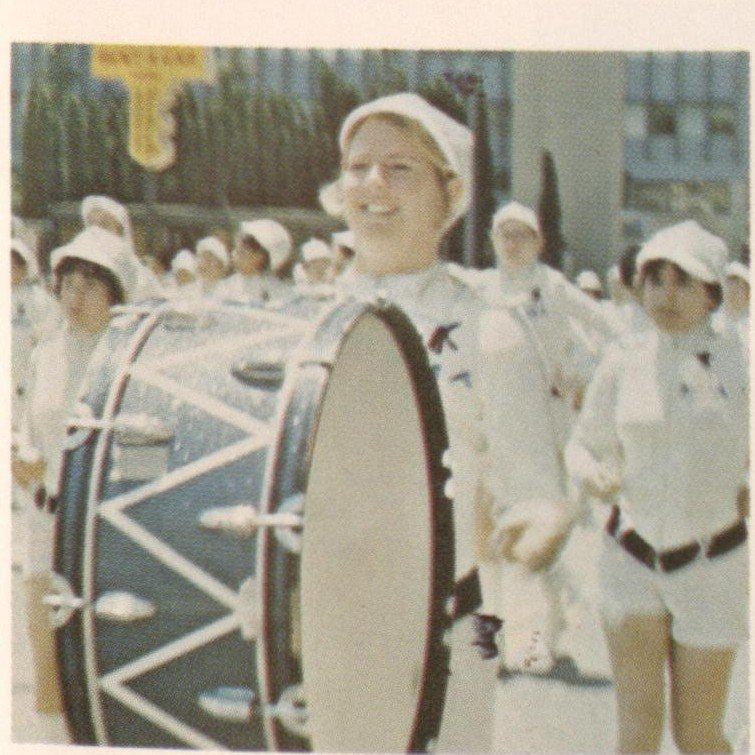
Los Angeles Fife and Drum Corps
70
71
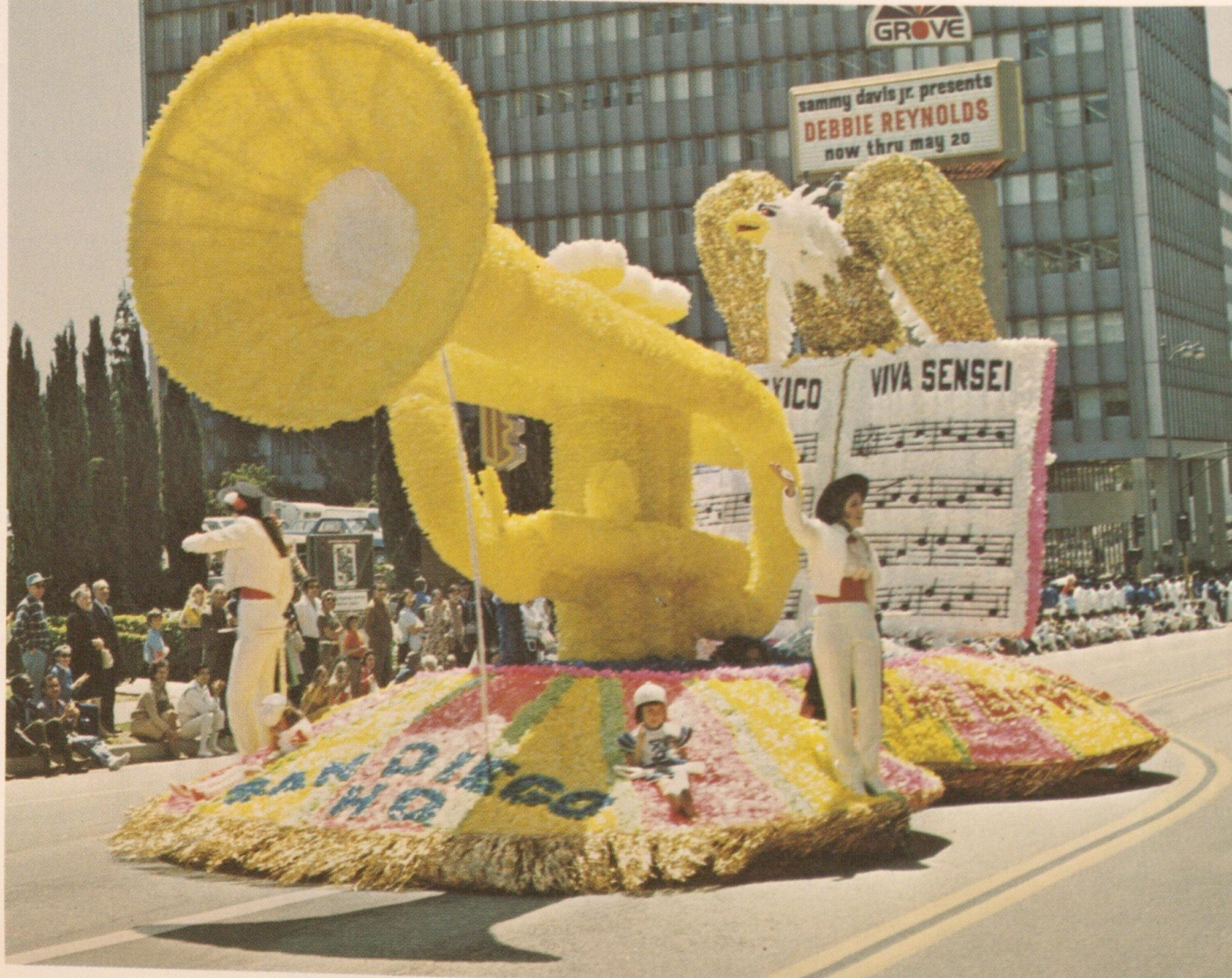
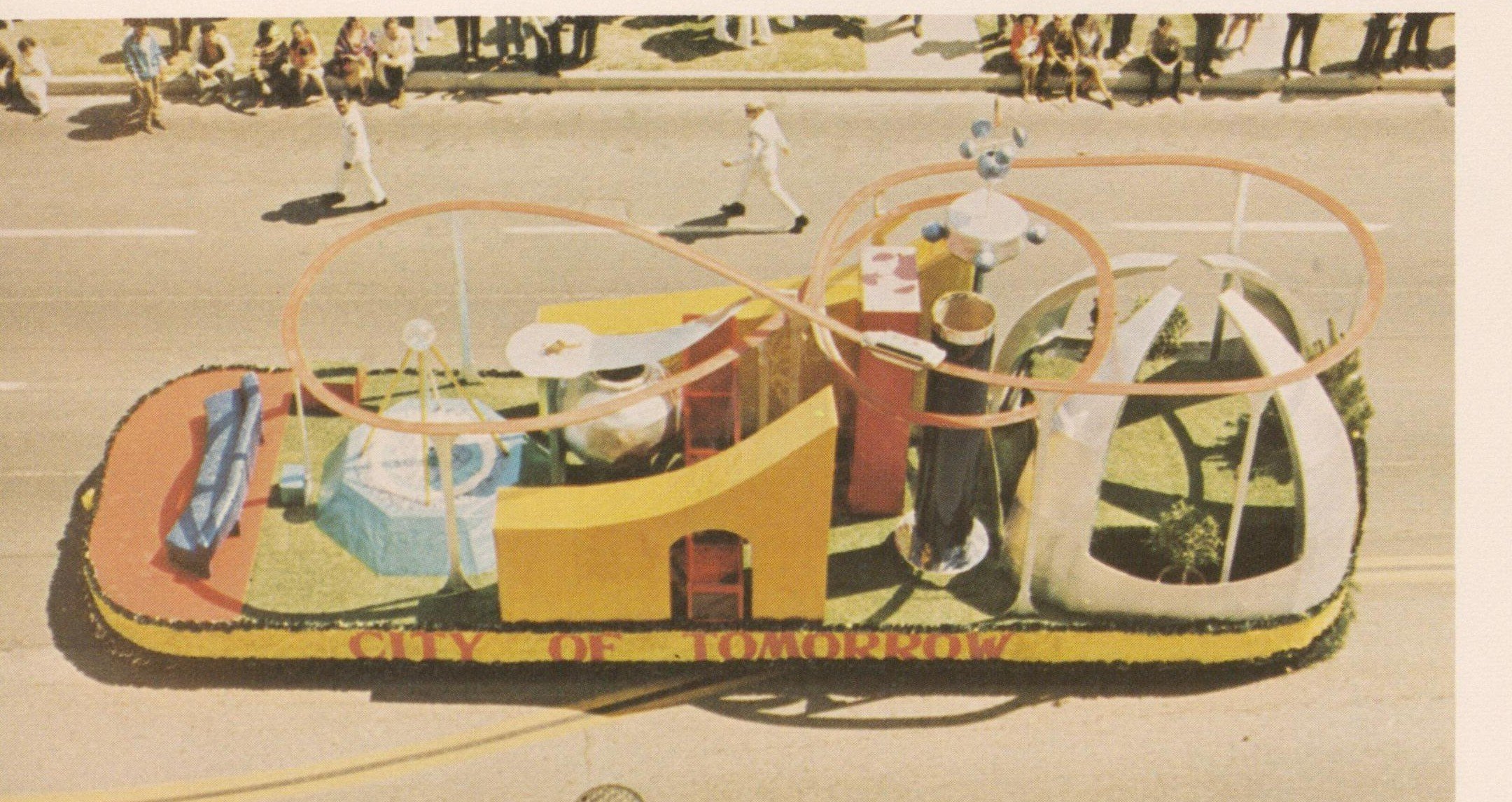
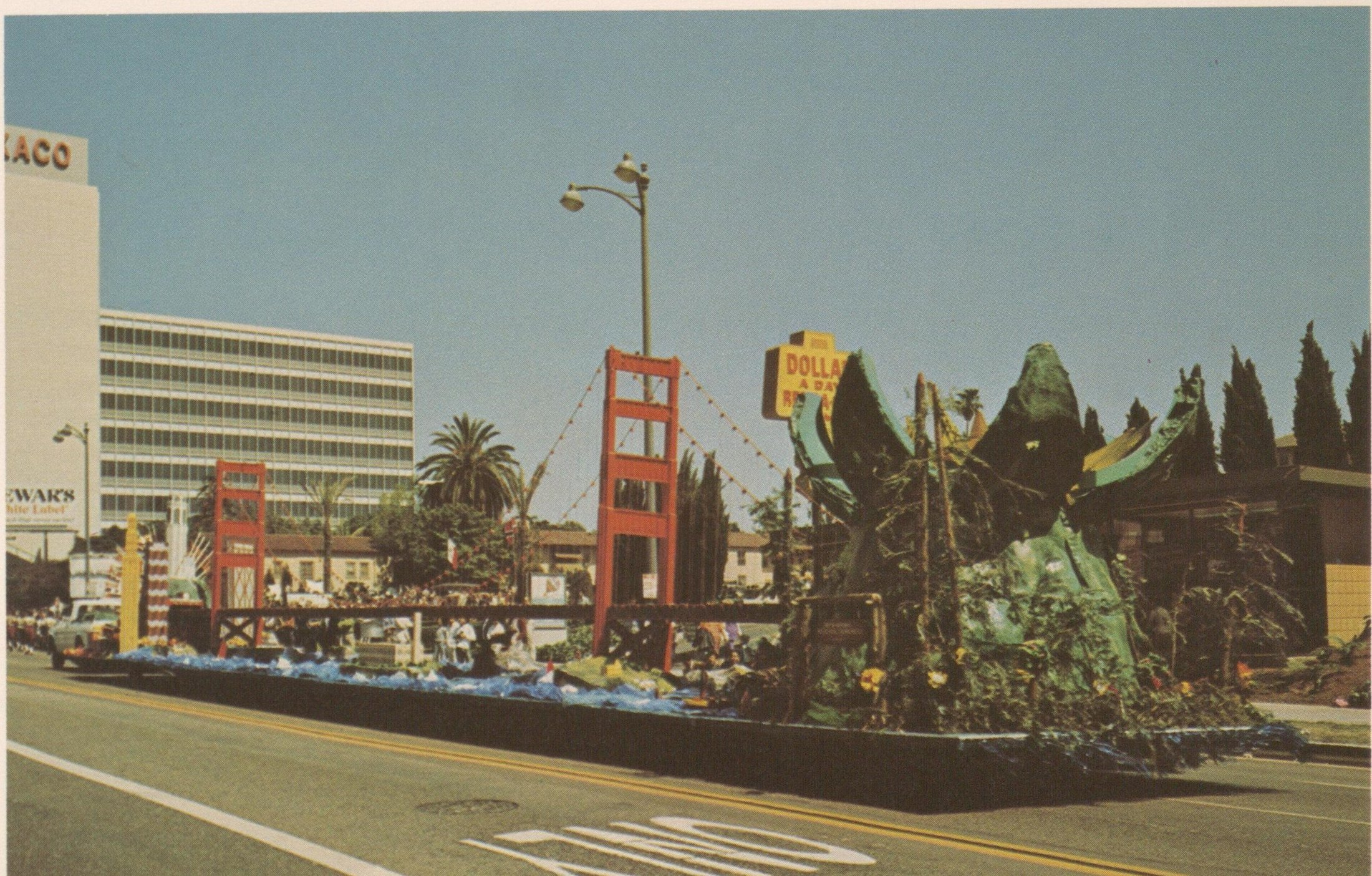
72–73
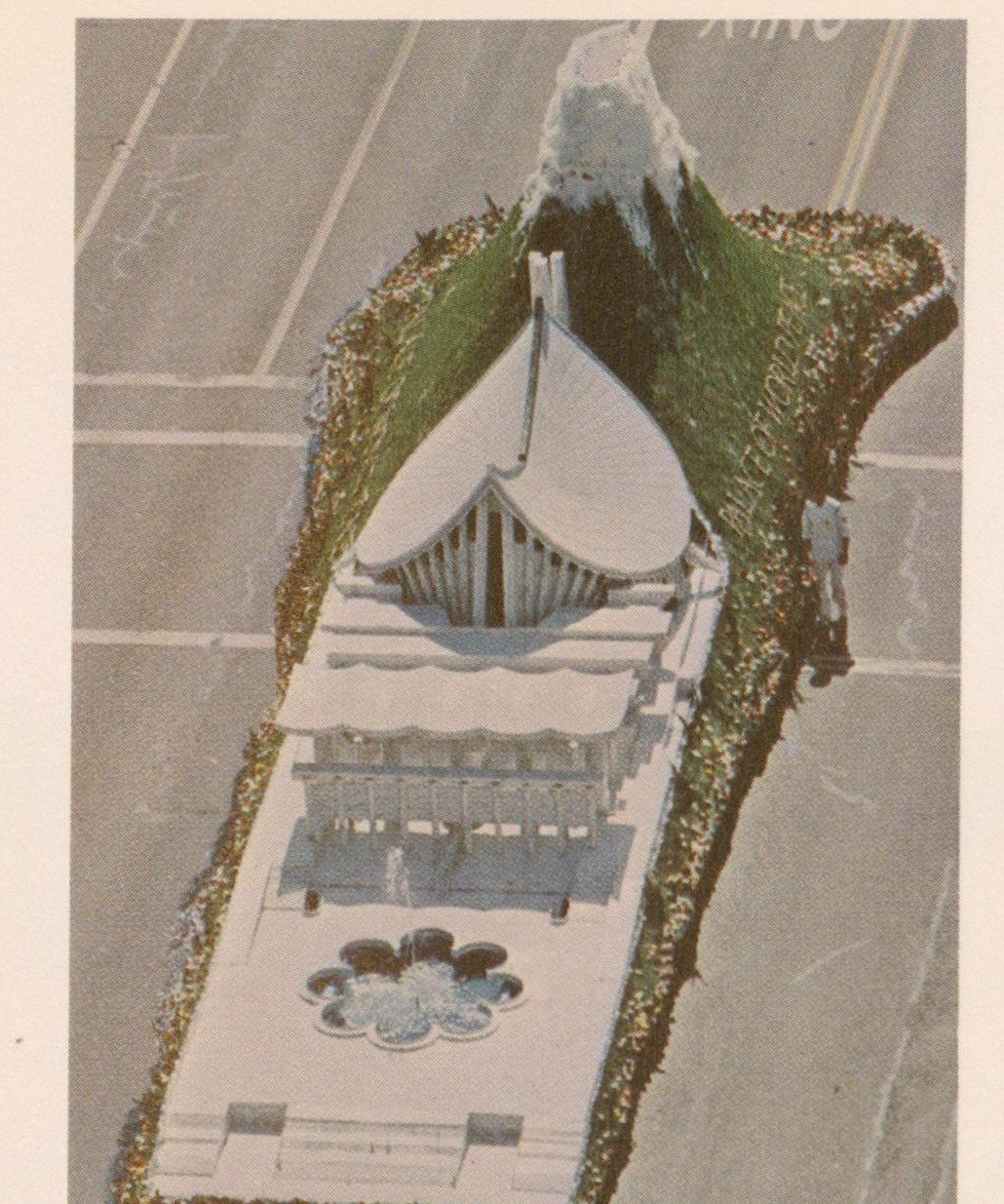
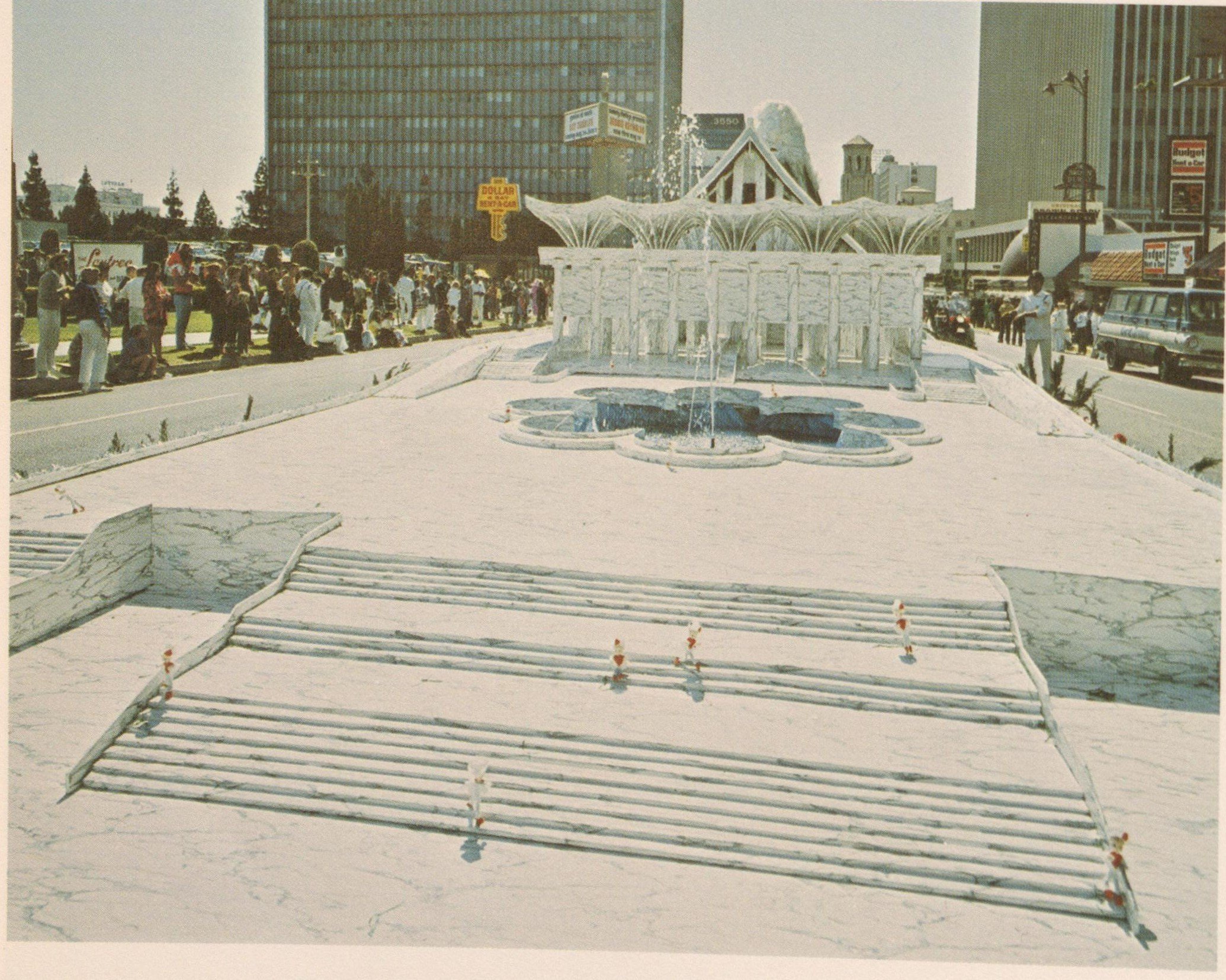
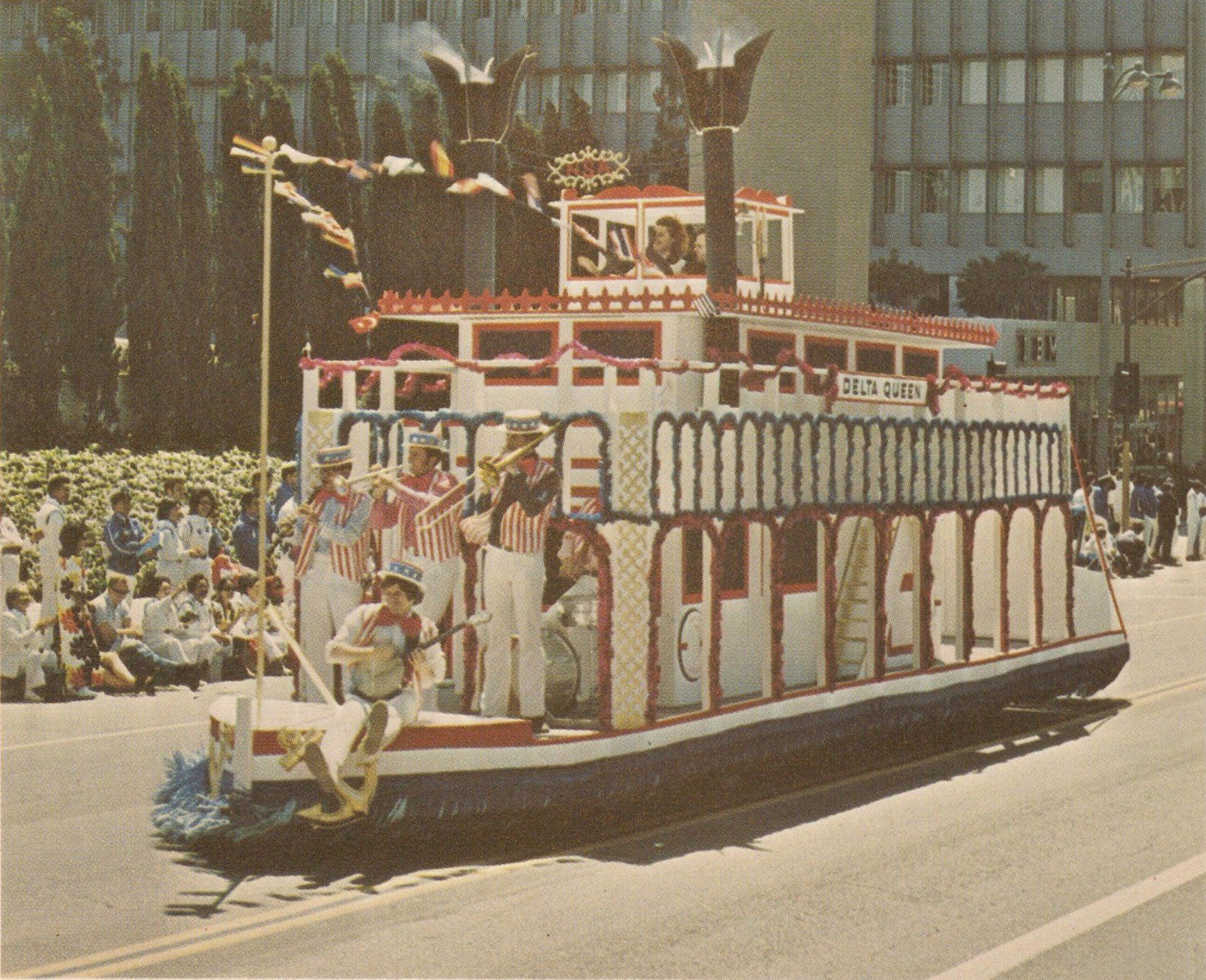
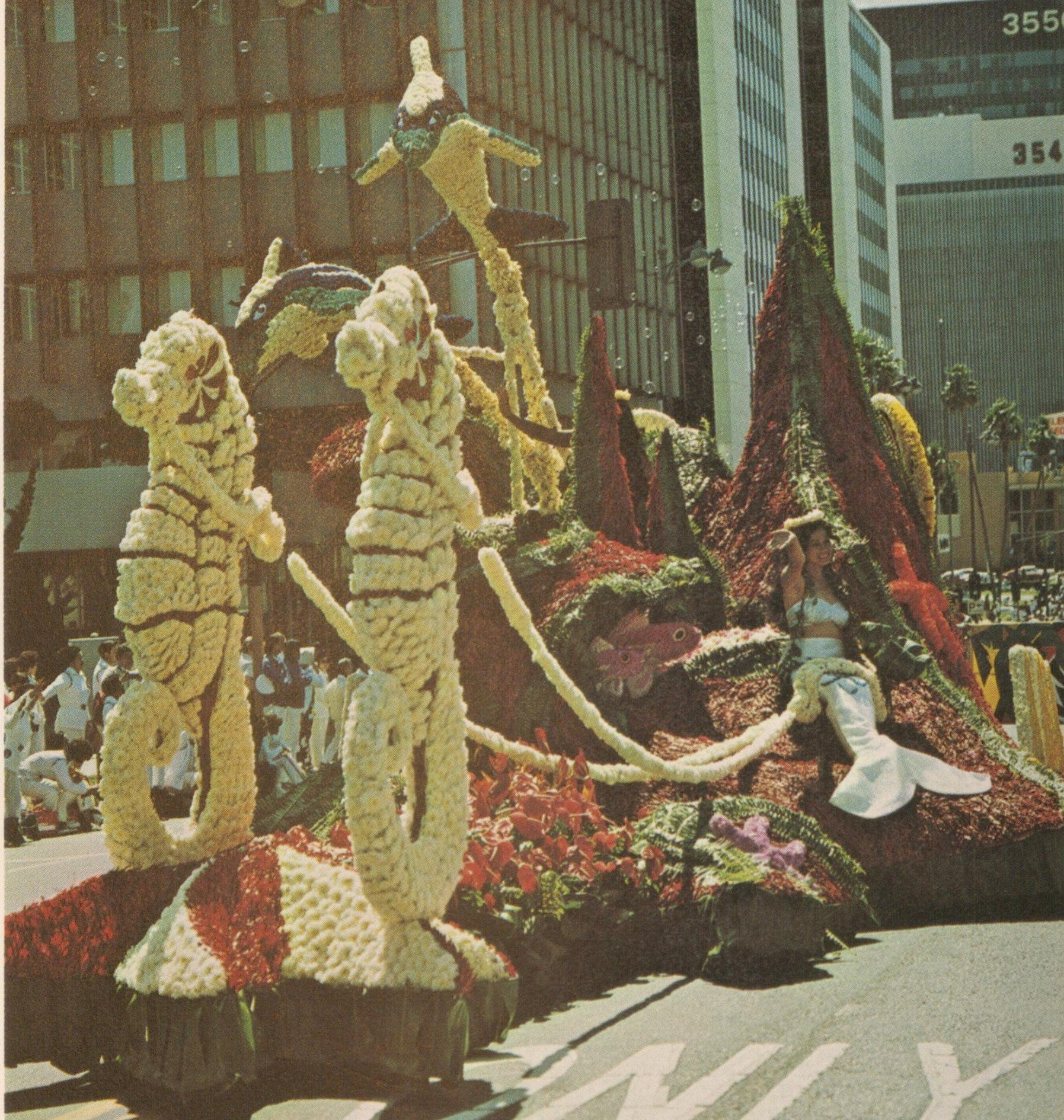
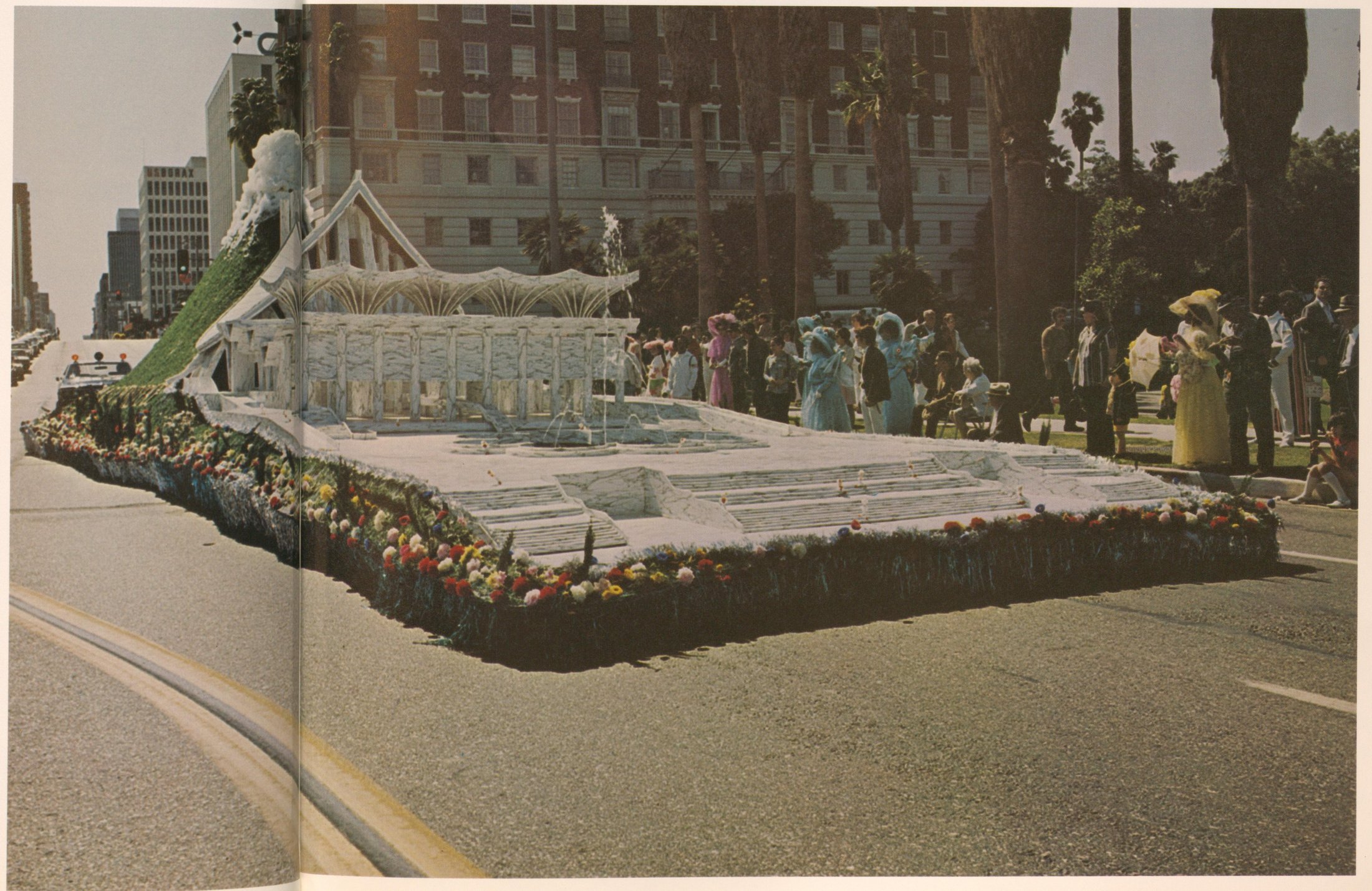
A model of the SHO-HONDO, the Grand Main Temple, won top honors in the Float category for Los Angeles 2nd Hdqrs.
74–75
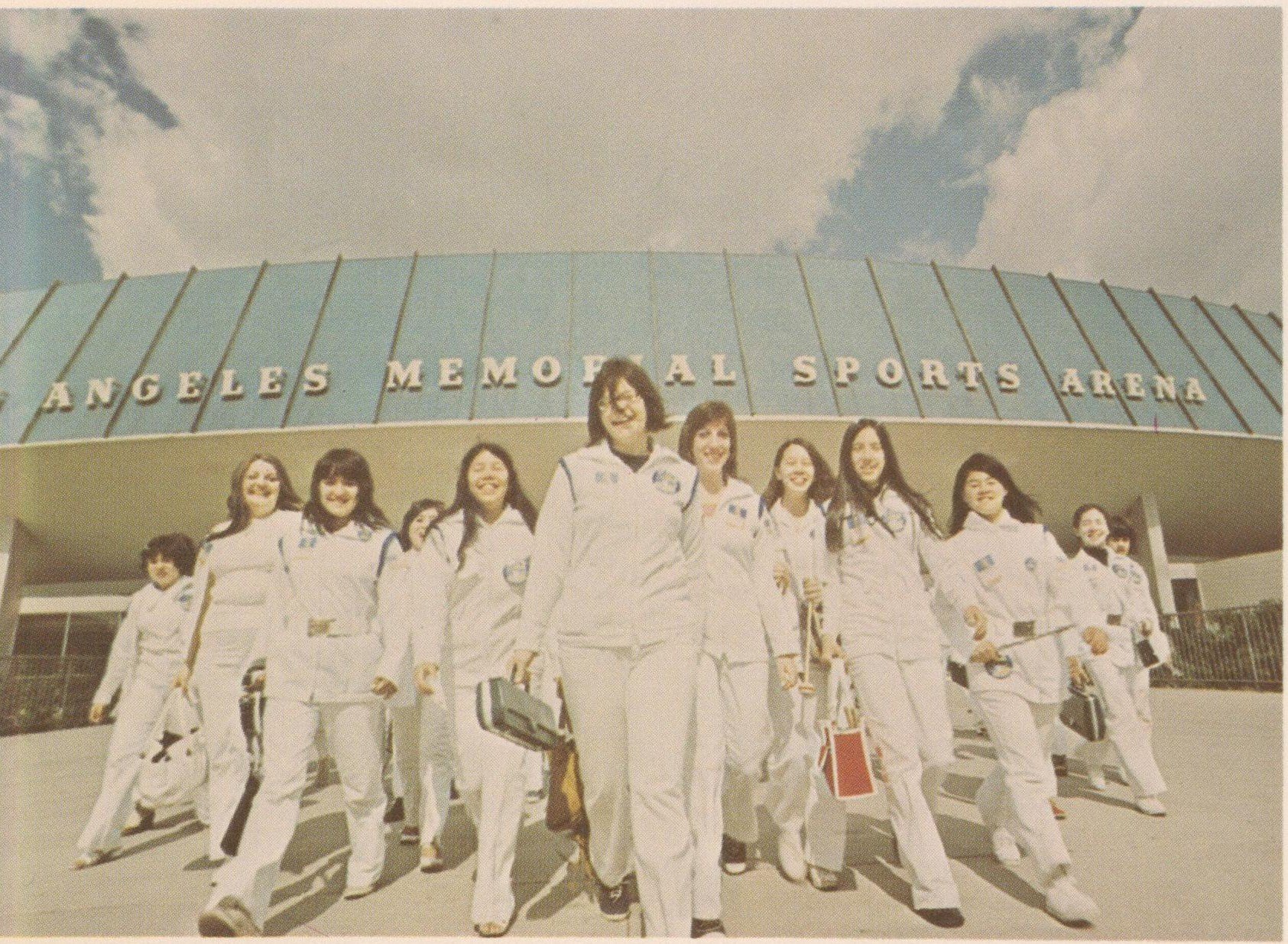
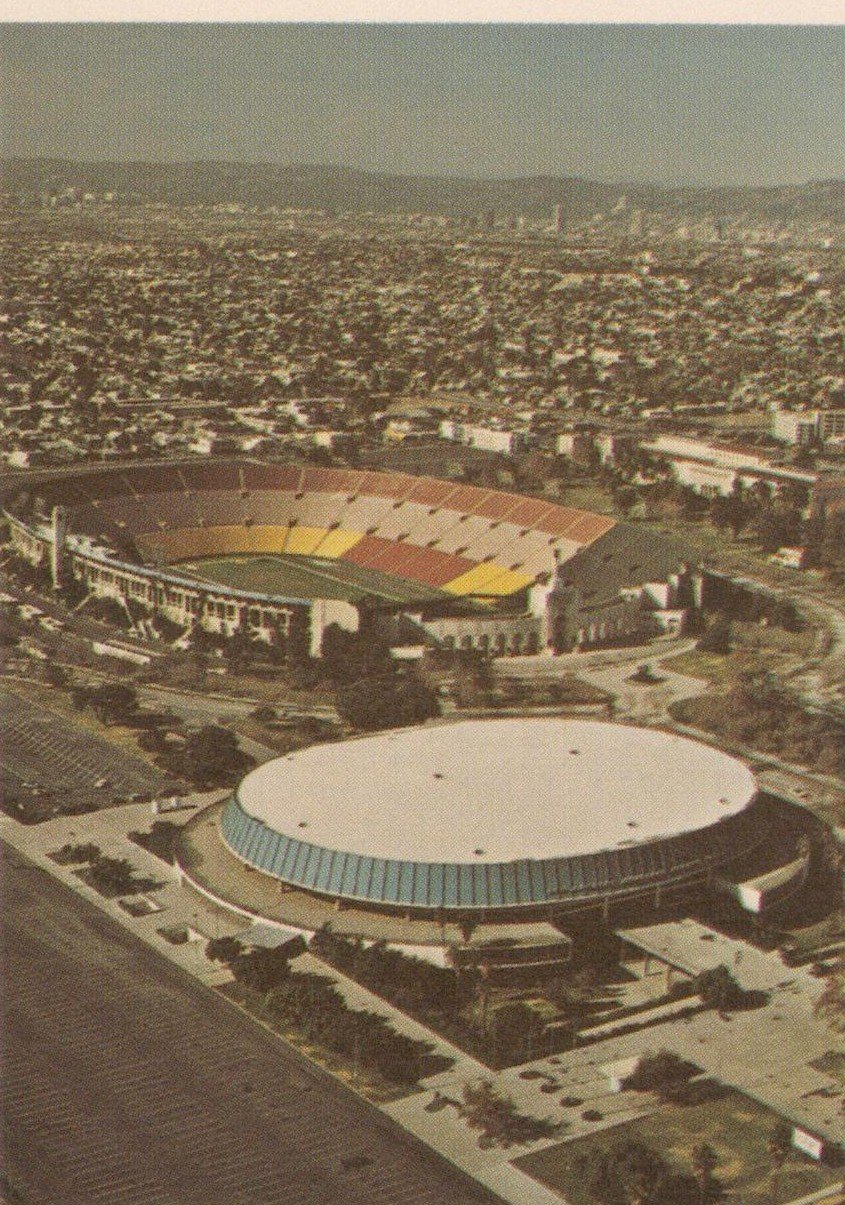
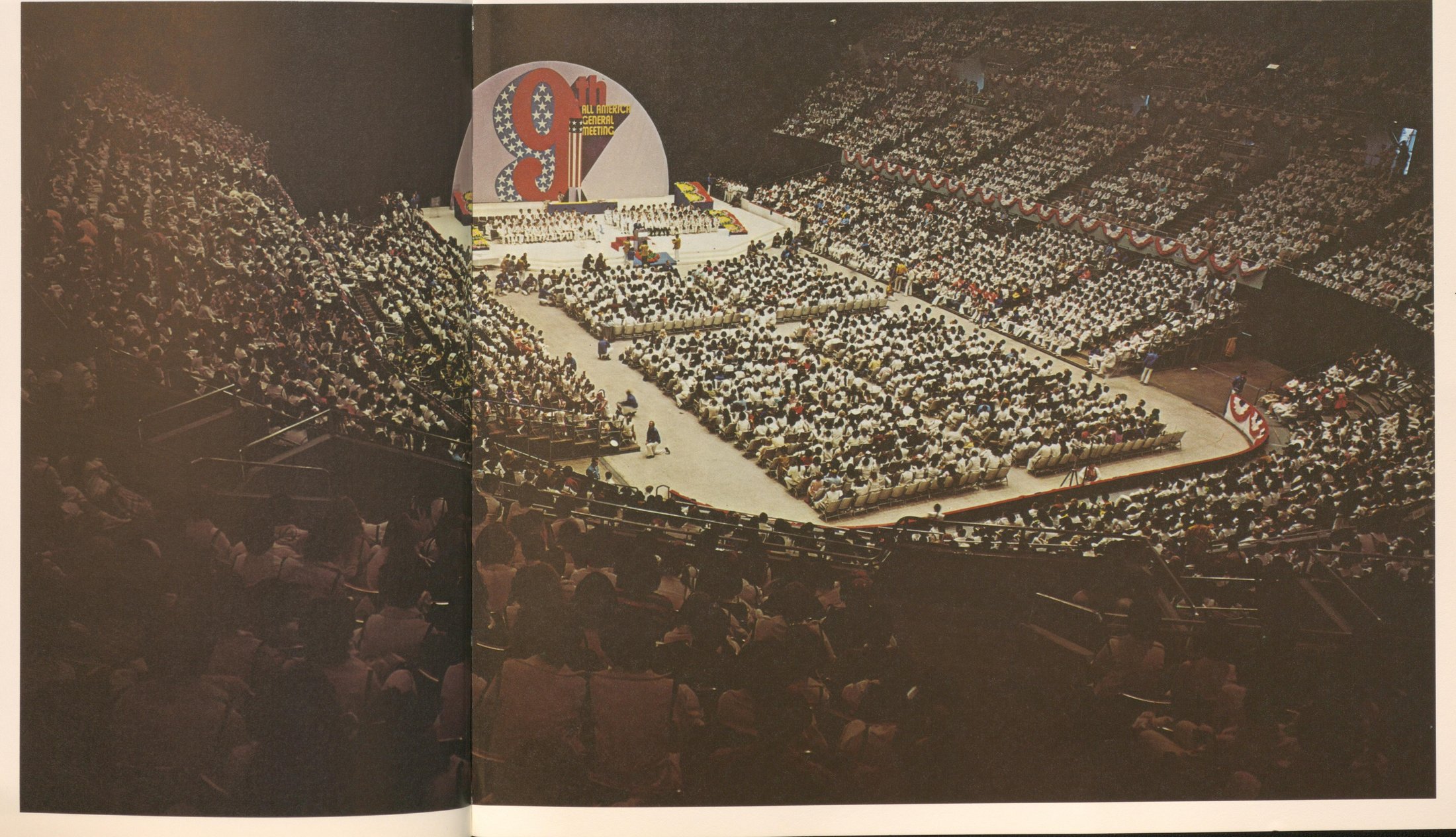
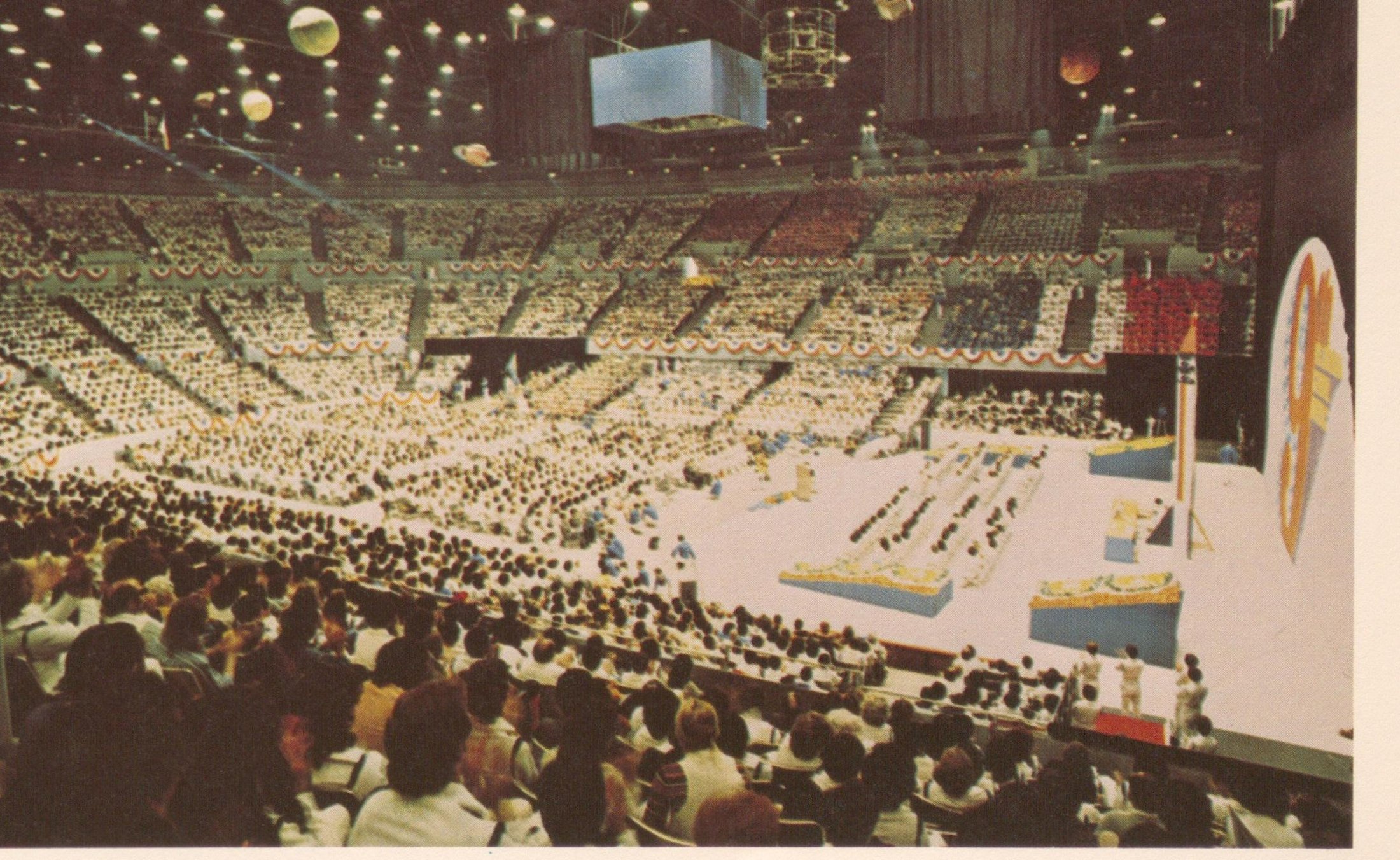
On July 21, 1972, fifteen thousand members of NSA gathered at the Los Angeles Sports Arena and resolved to continue their campaign for a happier society.
76–77
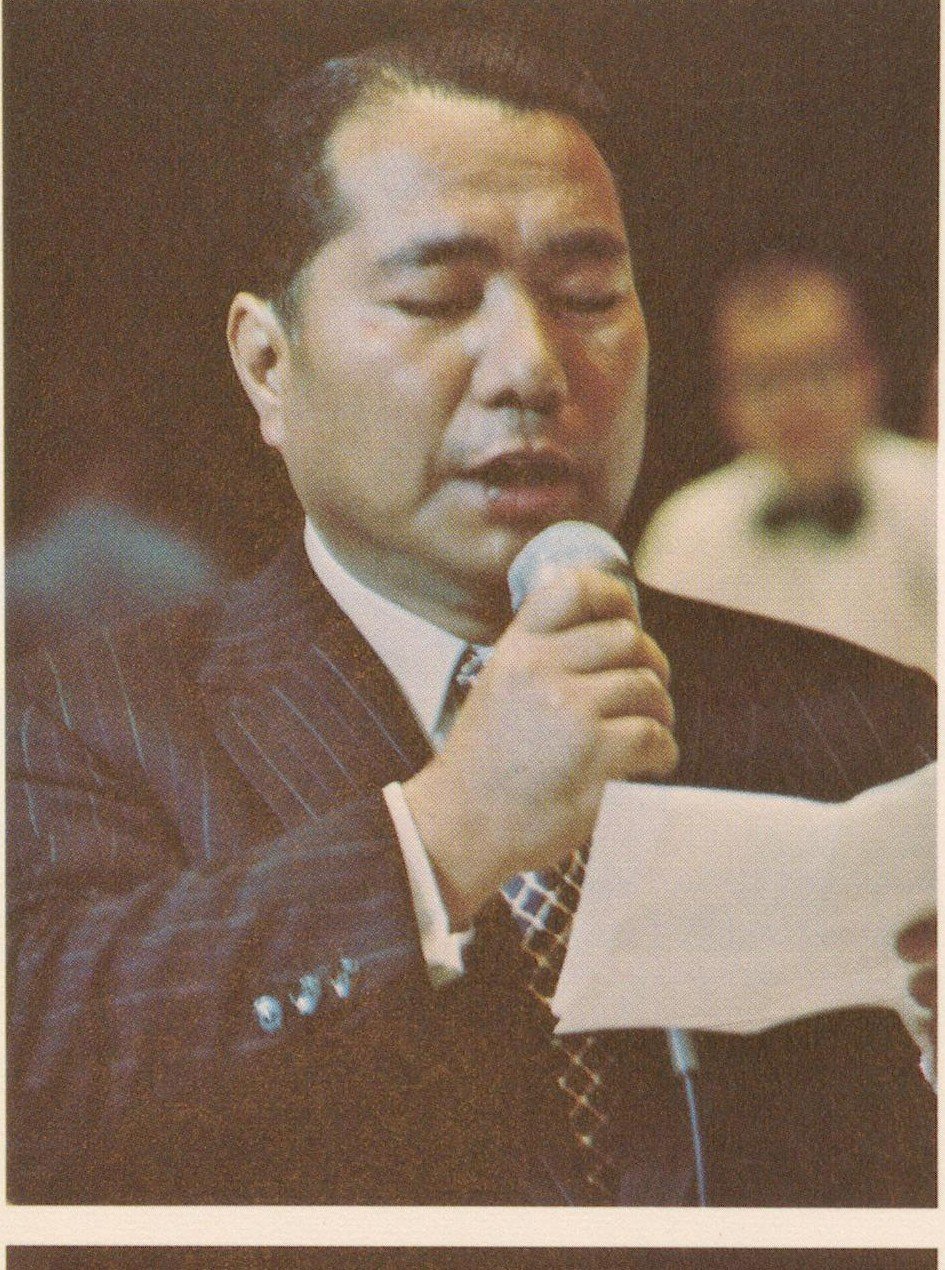
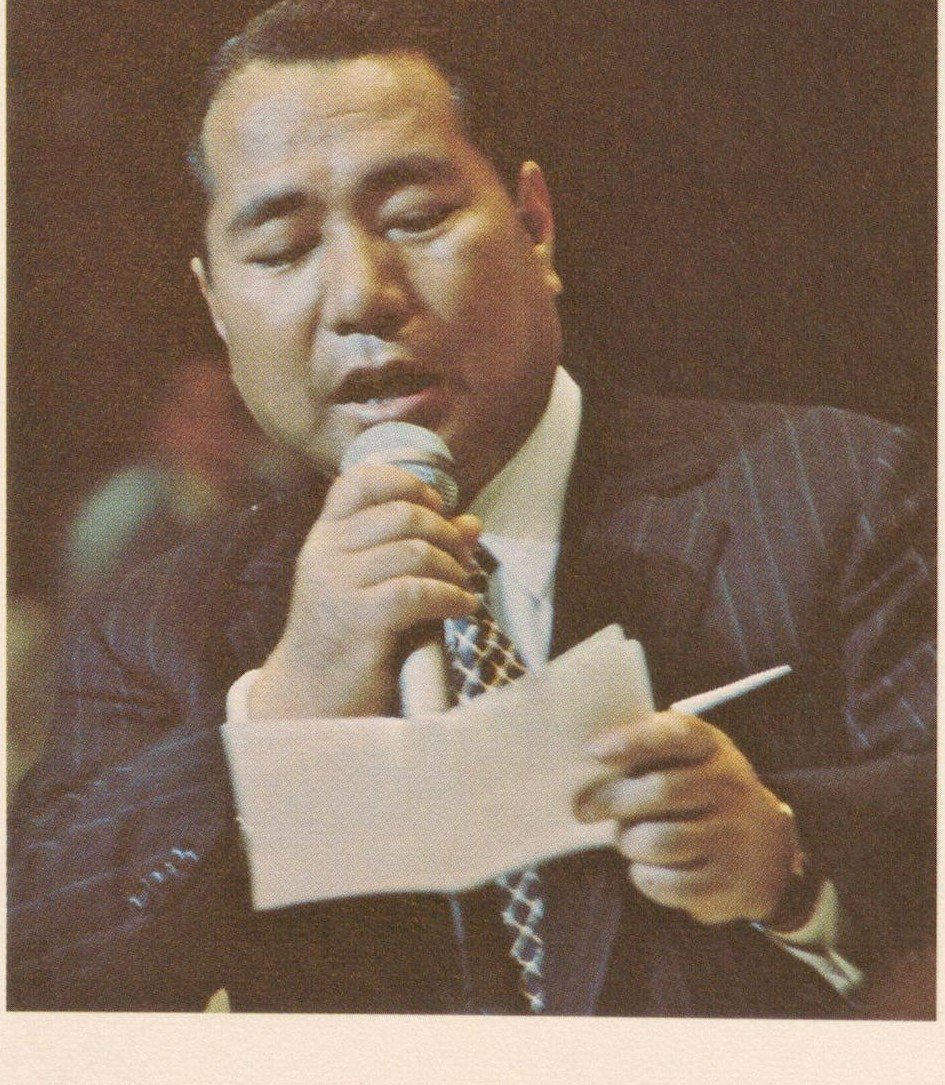
Good evening!
Are you happy?
My dearest NSA fellow members:
I would like to commend you on the success of the Ninth All-America Convention — Congratulations!
Winter is over
And spring has come
And sunshine is within our hearts.
After seeing your convention with my own eyes, I am strongly convinced that true world peace is right here! I can say without reservation that your courageous and sensible campaign in the past ten years centering on George M. Williams was truly outstanding.
Yesterday I observed the superb Culture Festival. Also today, I witnessed the magnificent, happy and bright parade toward world peace. And now I am attending the Ninth General Meeting here.
Every single face is filled with joy. Your eyes are glittering purely. And life pulsates purely and jubilantly.
I strongly believe that in this world exists the true peace, the true happiness and the prime point of creation.
Having observed yesterday's Culture Festival and today's parade, one of the distinguished guests said: "I would like all Americans to be able to see this movement of true peace and culture." Moved by the march of peace and happiness, he said this to me. I was very happy.
In a way, Nichiren Daishonin's Buddhism originated in Japan. Seven hundred years ago, Nichiren Daishonin already left Buddhism for the world and for the salvation of mankind. I want you to know that Nichiren Daishonin's Buddhism is not only for Japan.
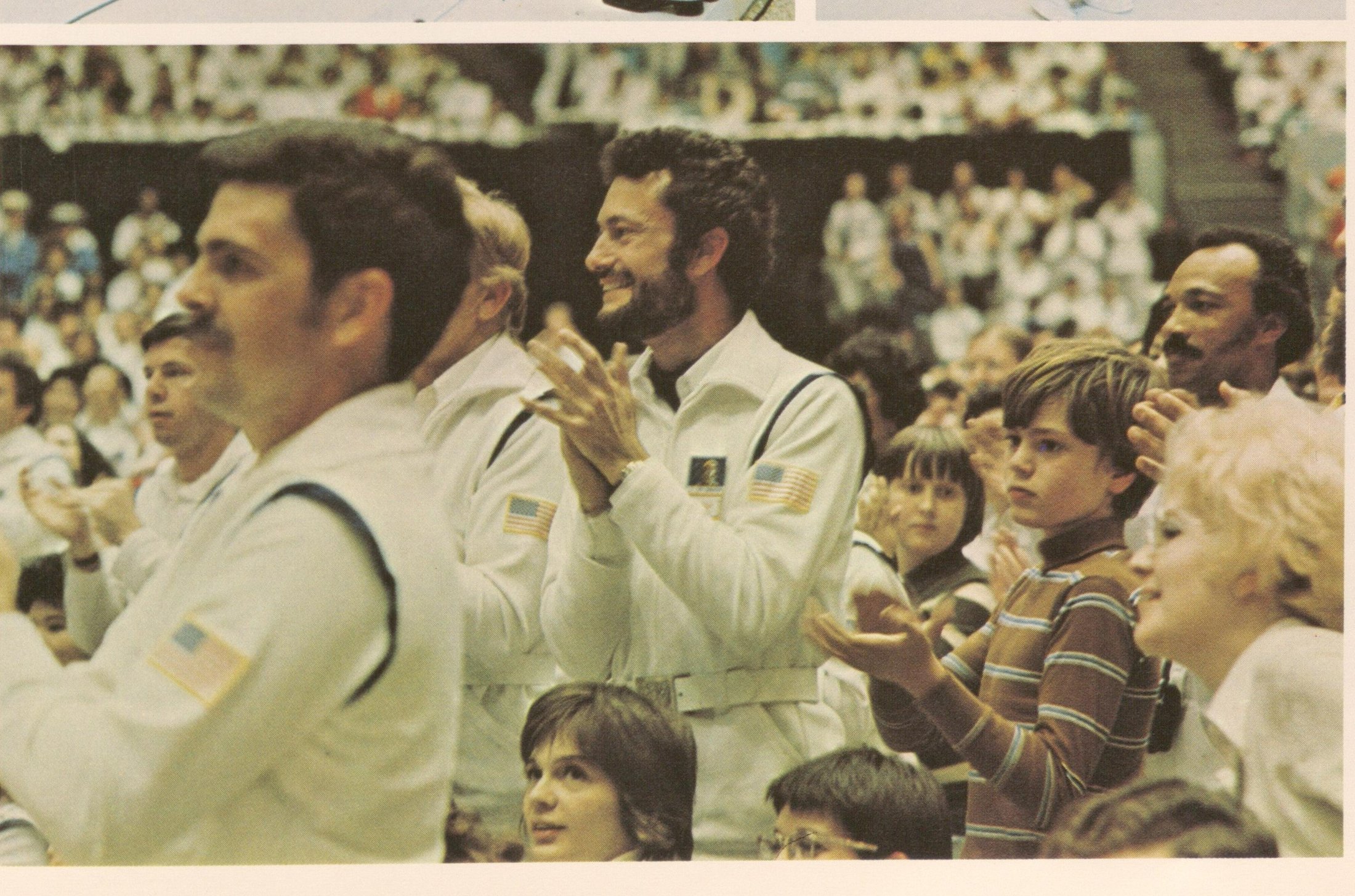
NSA has grown so much in the last ten years. Twenty, thirty or fifty years in the future, the progress of NSA will be so immeasurably great that all people will applaud in appreciation. History will show the proof of your growth.
A short while ago, I had a full four-day meeting with the world famous historian and philosopher, Arnold Toynbee. At that time, Dr. Toynbee said, "How great is the essence of oriental Buddhism." At the end of the meeting, I asked him, "What is the motto of your life?" Citing an old Roman story, he said, "So let us continue our job." Therefore, I conferred with General Director Williams to find an application for the story.
Although his may be a theoretical approach, ours is no mere theory. Our motto will be, "Let us continue to advance for the true cultural campaign of world peace" — for human revolution, for the salvation of all people and for world peace. Even when we feel in pain, sad or happy, let us work for world peace. With this motto, let us continue to advance.
Anyway, I want you to wave high the flag of peace — the flag of culture — the flag of humanism — and the flag of 'Myoho' in America — together with my most trusted George M. Williams.
I will close with my prayer that:
My friends — let them have glory;
My friends — let them have fortune;
My friends — let them have great happiness.
See you in Japan at the Sho-Hondo!
Thank you very much.
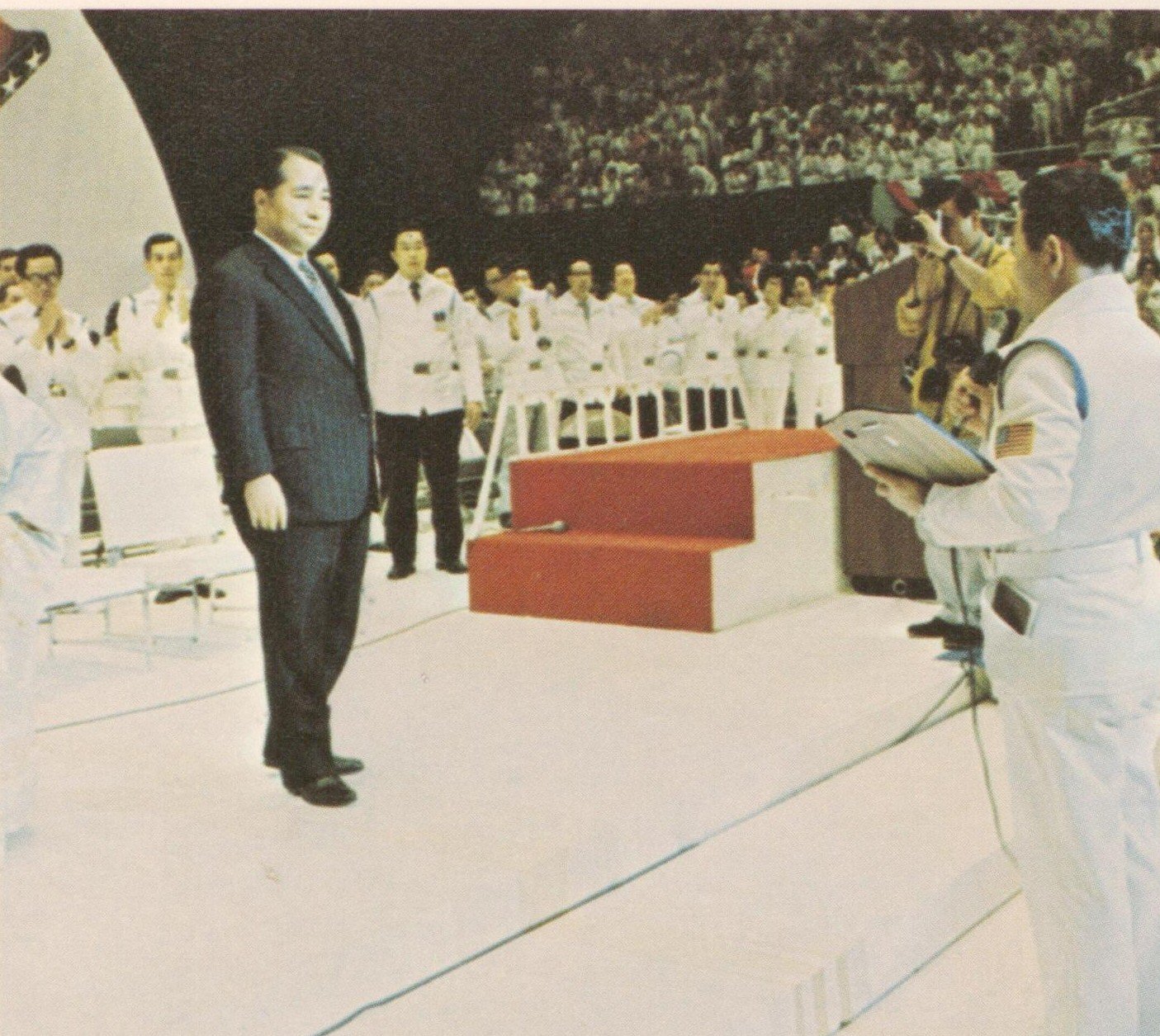
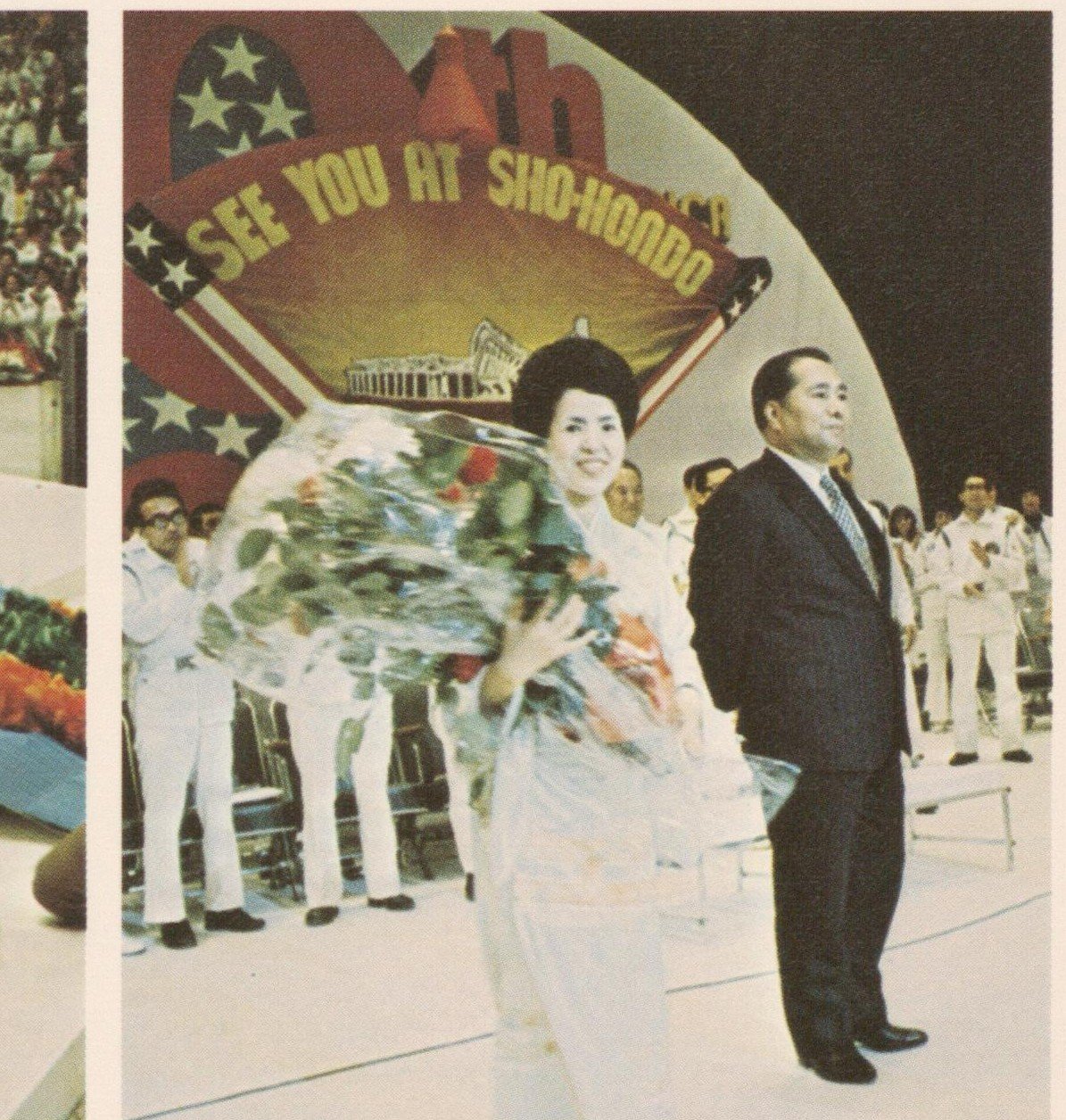
As a gesture of gratitude for his encouragement and guidance, President Ikeda was offered a plaque by General Director George M. Williams on behalf of all NSA members. The wording on the gleaming brass trophy included a pledge to continue on in the struggle for world peace.
78
79
80
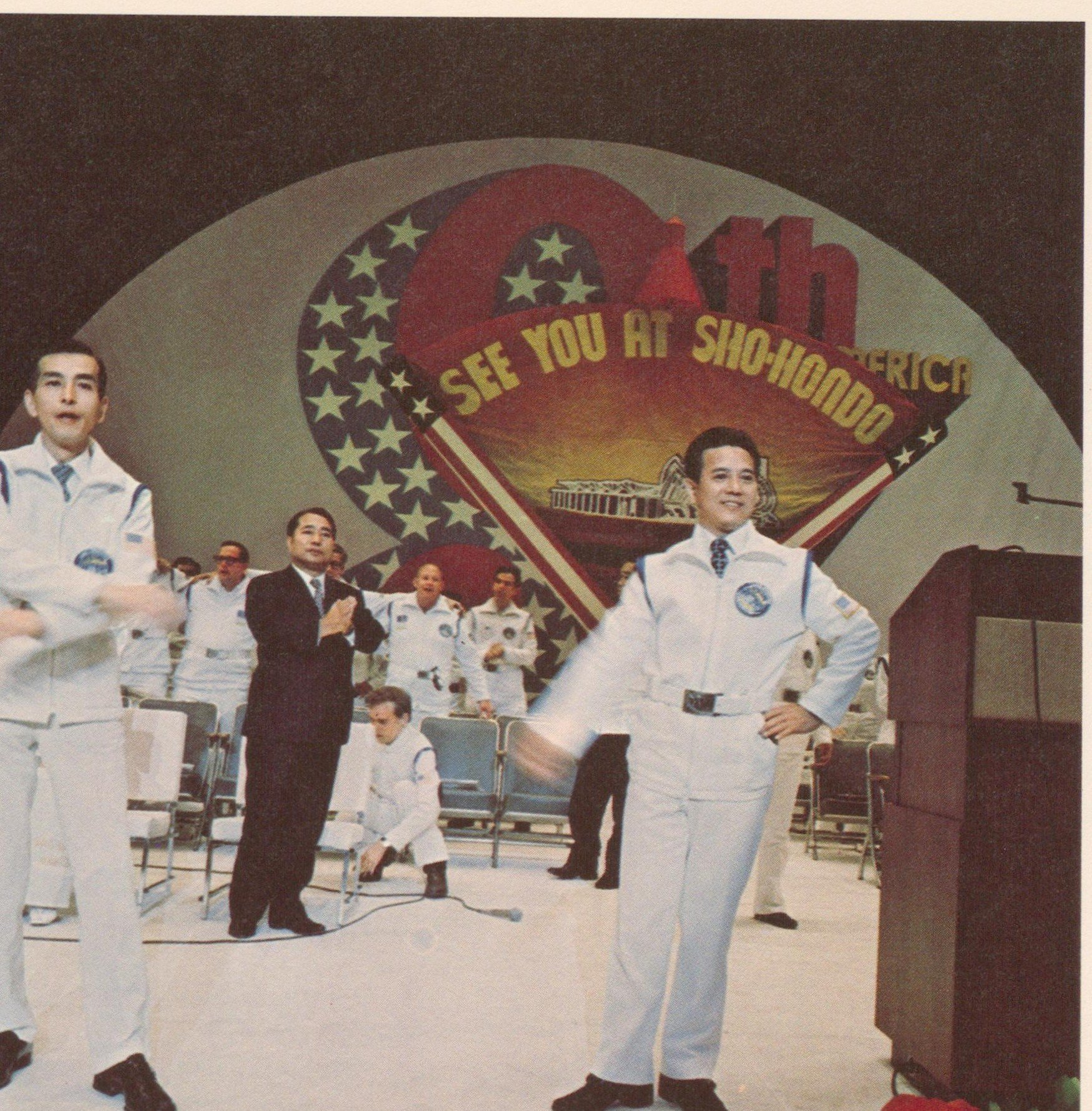
In his address, General Director Williams called for iron unity and an awareness of NSA's role in creating a happier, sounder society. He recalled President Ikeda's first visit to America and the subsequent development of American members. The hope for a rich and fulfilling decade ahead depends on members infusing humanism into all affairs of society.
81
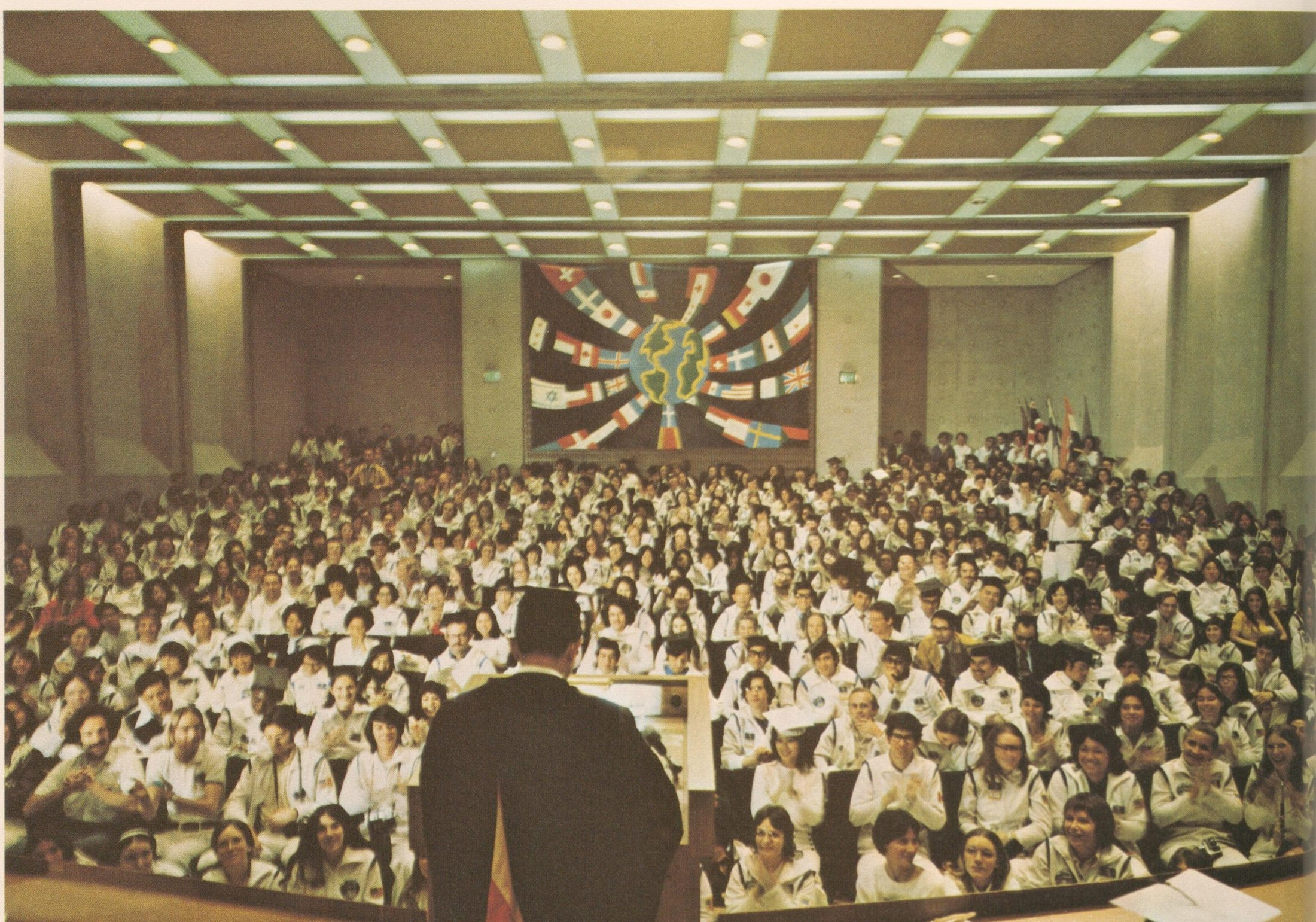
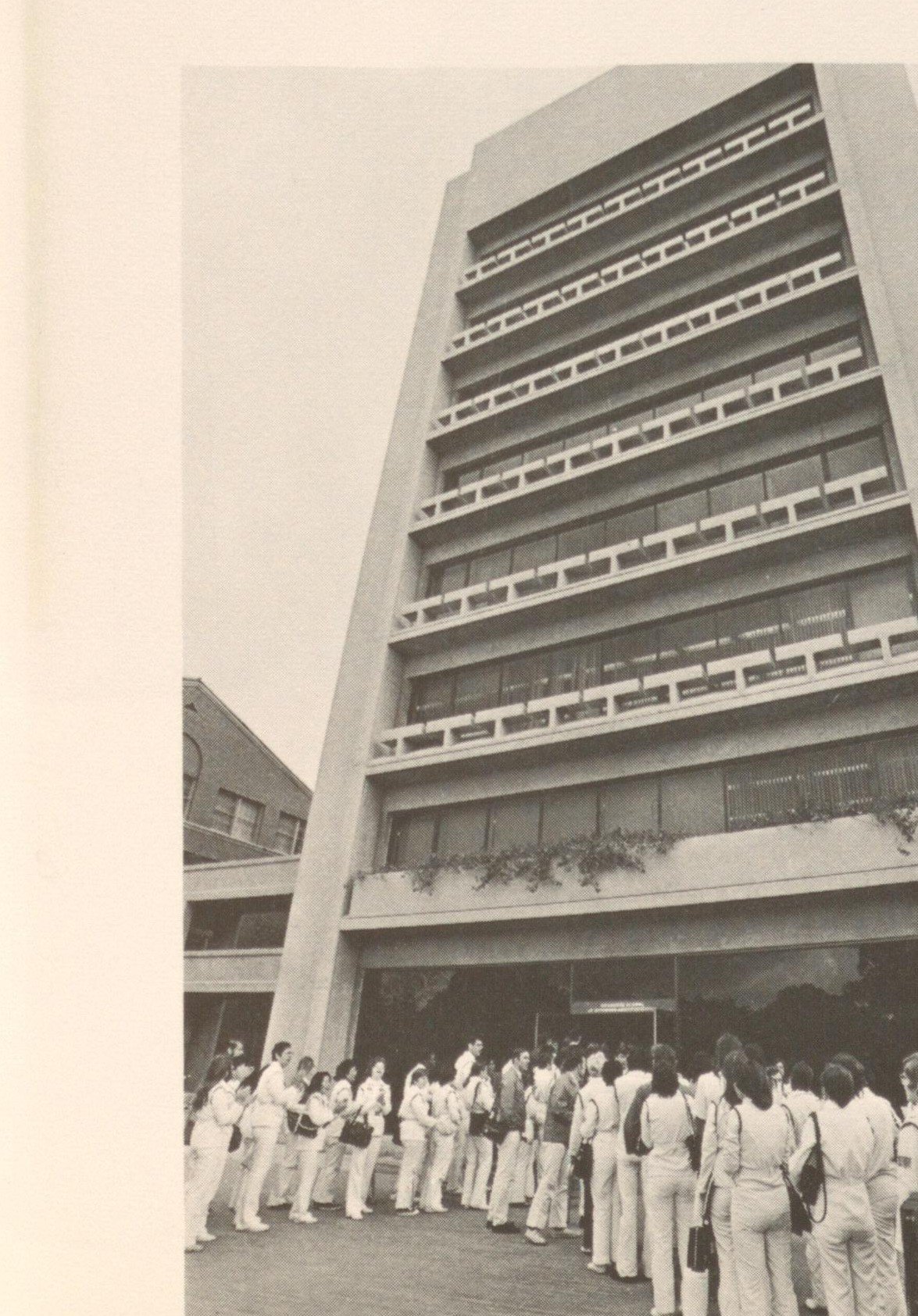
Students representing over 100 different colleges in the nation attended the first event of the convention — the 4th NSA Student Congress. Over 450 students crowded into USC's modernistic Hoffman Hall to renew their determinations to become ideal students and citizens in reply to President Ikeda's expectations.
82
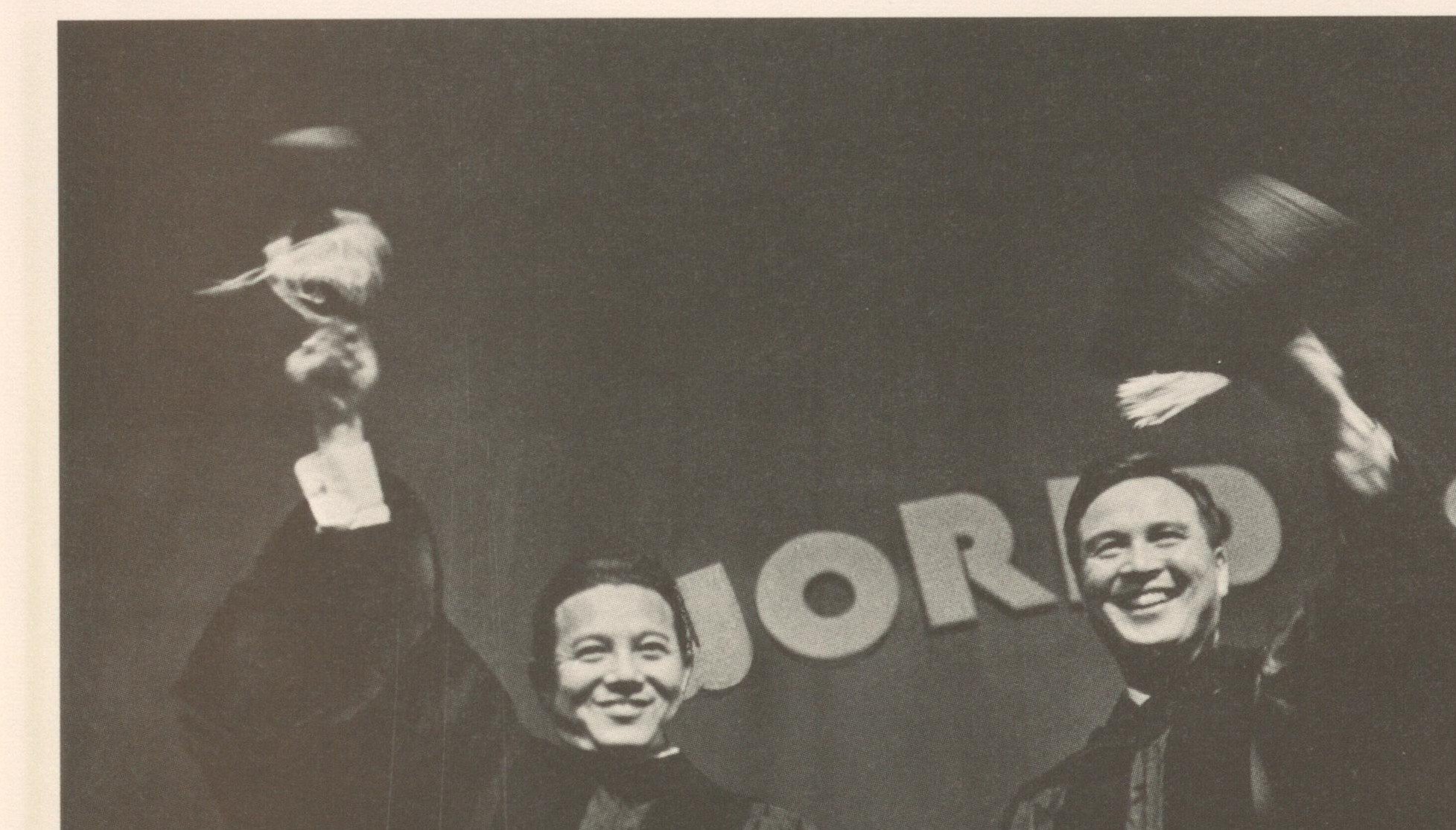
On behalf of the entire Nichiren Shoshu Academy, I would like to commend you on this most meaningful 4th NSA Student Congress. Congratulations to all of you!
A philosopher once said that education is the mother of a nation and its culture. I feel very fortunate this year to have visited the mother of universities — Cambridge and Oxford in England — accompanying my Master, President Ikeda on May 7th and 10th. Seven hundred years of history and tradition are deeply rooted in this beautiful vast green campus outside of London.
Countless great leaders in the past graduated from these schools. There Byron found the stimulus for the passions of his poetry. There John Locke made the foundation of philosophy that was to influence the fight for independence in America and revolution in France. There William Penn formulated the ideals that led him to settle in a new land — Pennsylvania, USA.
However, I really felt that one important thing was missing, and that was a new hope for the future of mankind.
A scholar once said that what is traditional is not always worthy of respect.
In contrast with those universities that follow age-old traditions, President Ikeda two years ago established a new type of university — Soka University in Tokyo. The motto of this school is:
"Be the highest seat of learning of human education. Be the cradle of a new culture and the fortress of peace for mankind."
We should use the same slogan here at the NSA Student Congress, don't you think so? We have no campus, we have no buildings — but we do have the most important thing of all — we have students throughout all of America, Canada, Mexico, Panama, Venezuela and the Dominican Republic. We are united together throughout all the campuses and call ourselves the NSA Student Congress.
What unites us is our common goal of world peace and prosperity for all mankind, through achieving a humanistic system of education for the 3rd Civilization. We base our hopes on Nichiren Daishonin's True Buddhism and the guidance of President Ikeda who always encourages us. He tells us that the true value of life can only be created by saying, "For what purpose do you cultivate your mind?" Always remember this.
We must keep our hopes high for the future. We shall overcome the turmoils of today's world, the crisis of today's world and the confusion of today's world. We shall carry a high torch for life, liberty and the pursuit of happiness.
† from address by George M. Williams
83
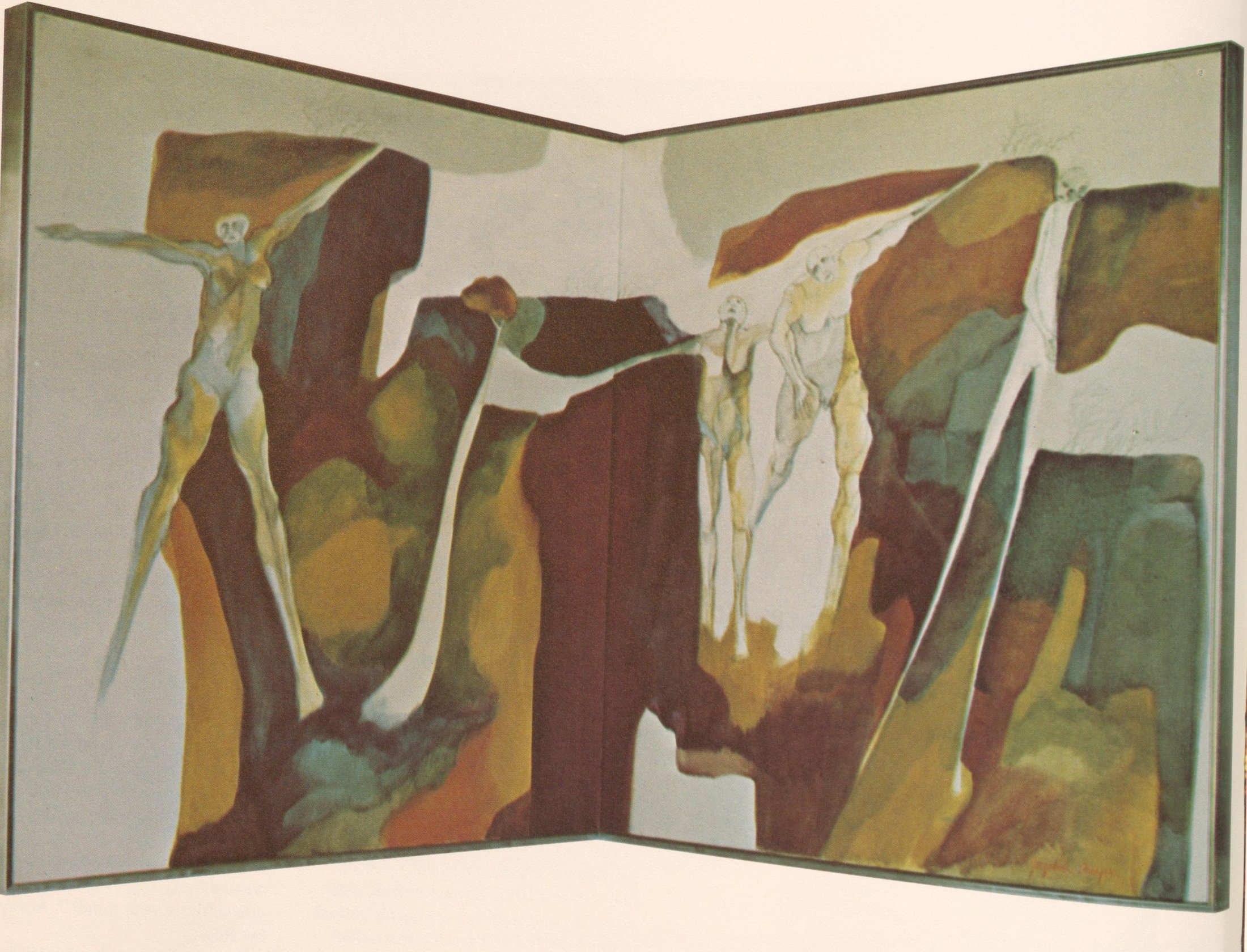
Painting: President's Award and First Place — 'Farther Than Those Hills', Jacquie Dreager
84
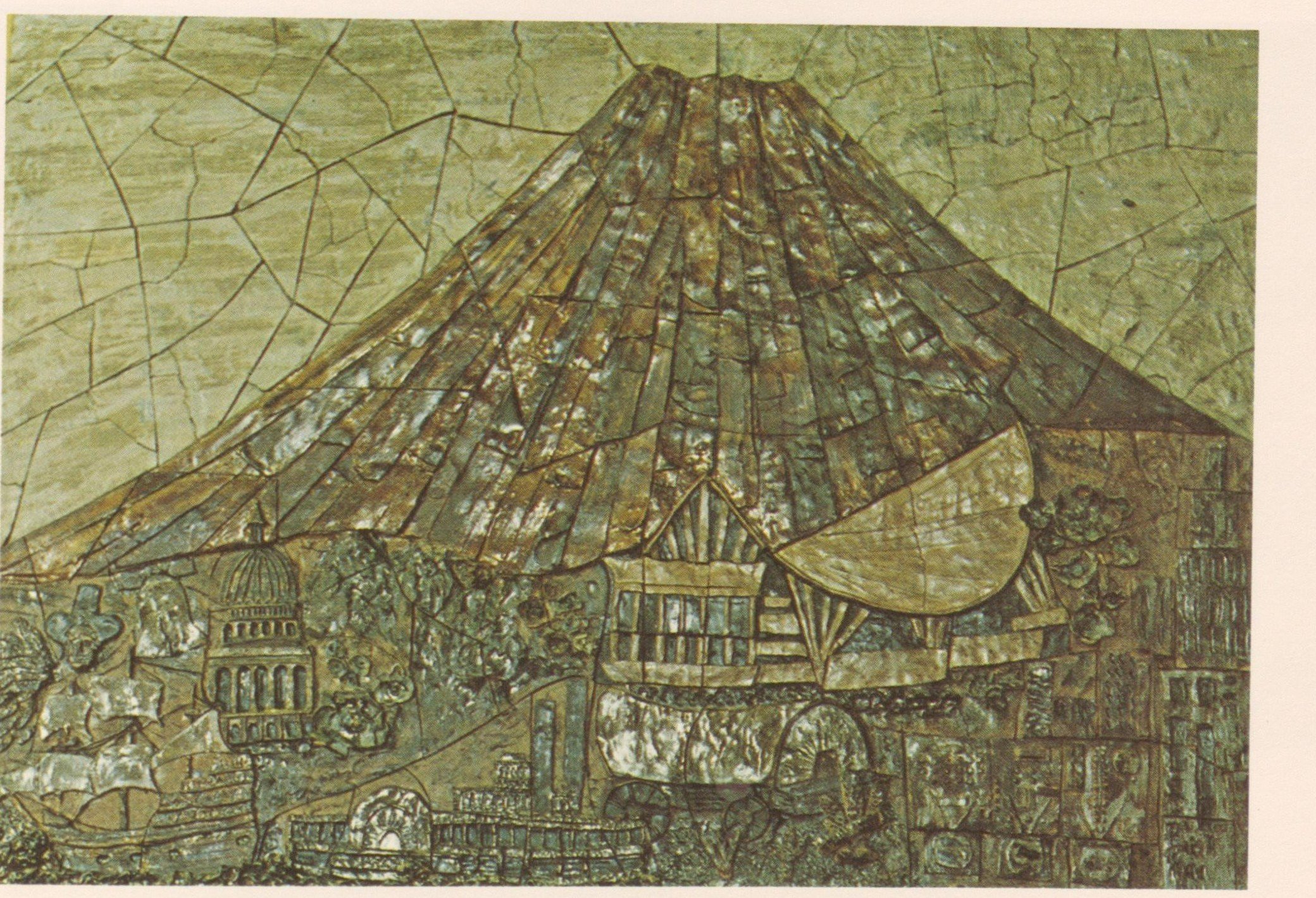
Sculpture: Best Effort and First Place Awards — 'The Vision', Barbara Coffey
Over two thousand entries in the Third Art Exhibition vied for top honors in five of the seven categories. Humanism and the concept of the Third Civilization was the theme of this, the largest art exhibit so far.
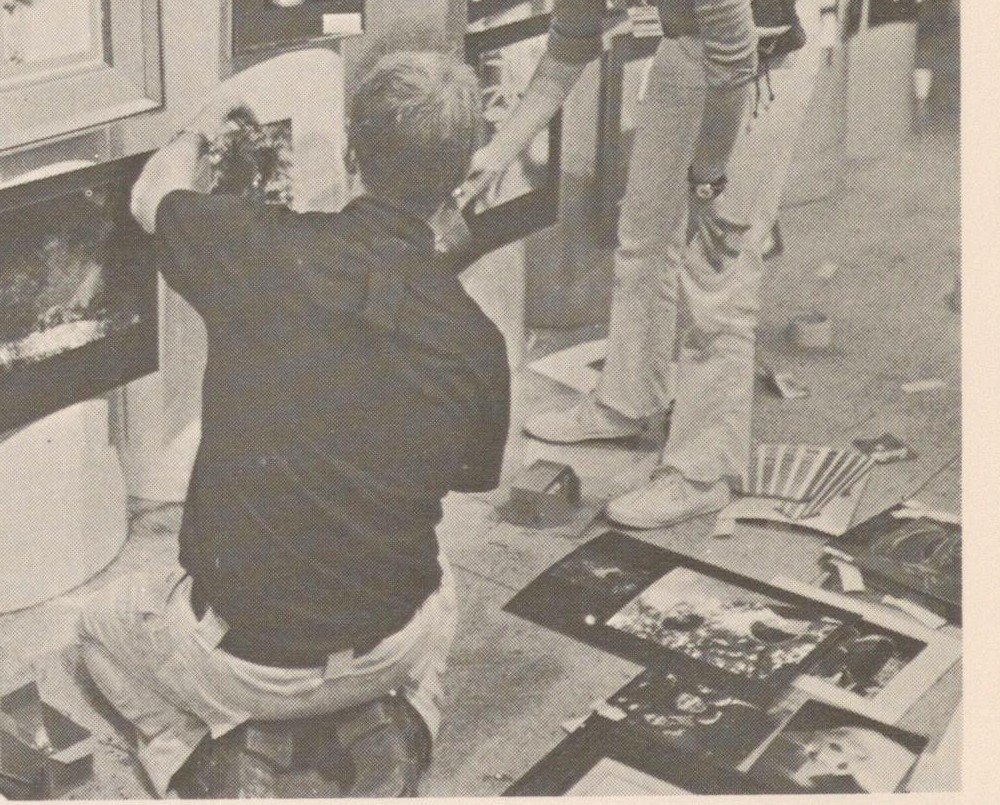
Members from all over the United States, including Mexico, Canada, Panama and Japan participated in the art exhibit. It was an extra task for all the outlying areas to crate and pack the artwork. Some were pre-shipped by truck; others came together with the members on the charter flights, and still others were assembled at the concourse in the Sports Arena. It was a beautiful joint effort by each member, and the outcome was very obvious.
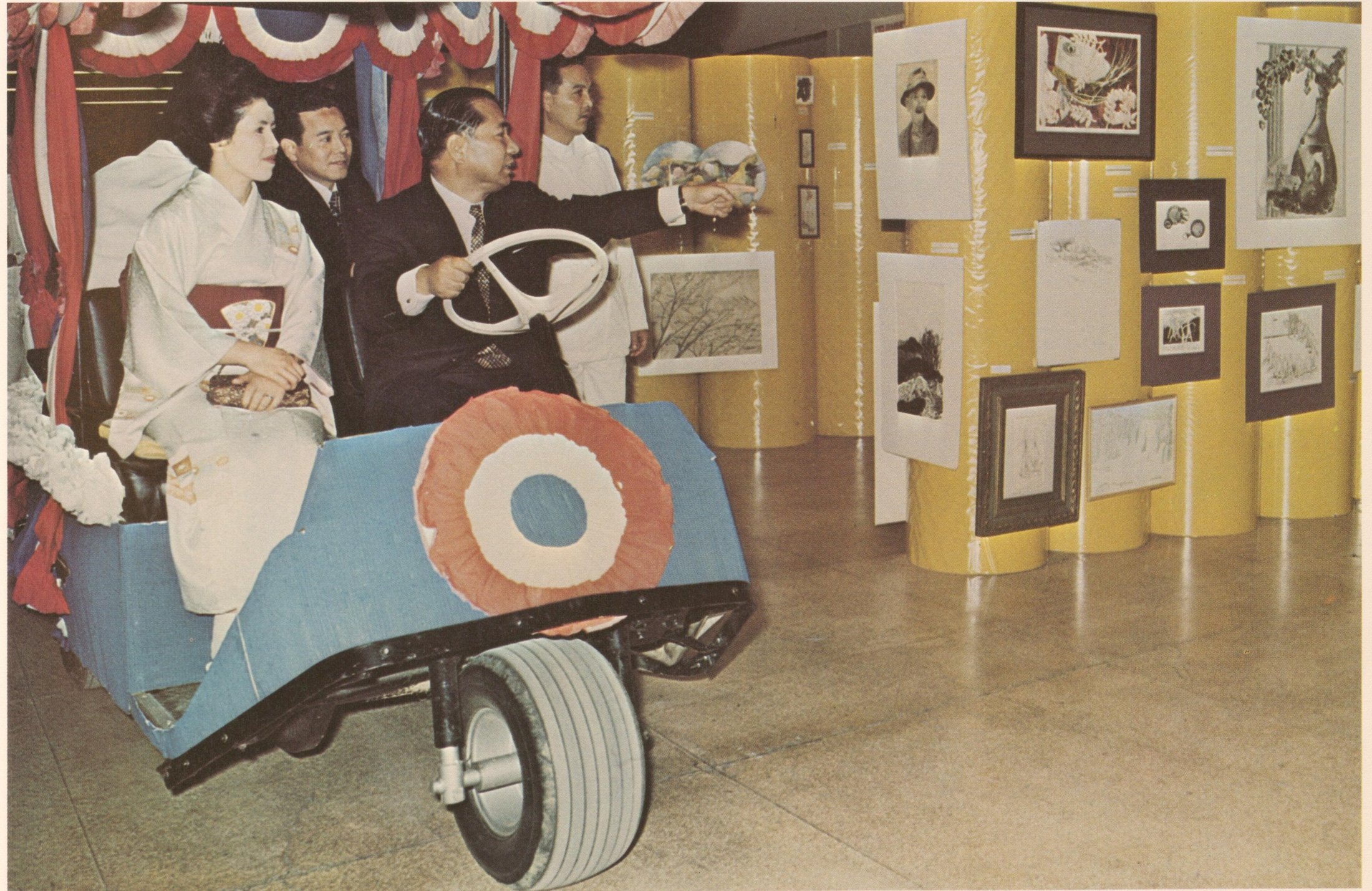
Nearly three hundred large tubes ringed the Sports Arena Concourse and formed a multicolored, continuous and flowing movement for the display. Taller tubes were covered with paintings and photographs, while shorter ones served as sculpture stands and bases for floral arrangements and handicrafts.
The exhibit was too large and the variety too numerous for only one judge to evaluate. Three judges, each assigned to different categories, circled the concourse several times before making their final decisions.
The Director of California Museum of Science and Industry, William McCann, judged the Photography, Sculpture and Handicraft sections. He commented: "I am overwhelmed by the variety and workmanship of the exhibit. It shows great effort and there is a feeling of unity among the works that is undefinable. I am truly impressed."
Professor George DeGroat, who teaches at the Otis Art Institute in Los Angeles, and has participated in many exhibits himself, was especially interested in the paintings. He too had a hard time picking a winner, and said: "Each one of these paintings, even the unprofessional looking ones have a tremendous warmth about them."
Miss Hisako Asano, who is on the Fine Arts Faculty at USC, judged the flower arrangements. What impressed her most was the lack of artificiality in each arrangement, and she mentioned how she felt that real flowers instead of plastic or dried ones, enabled the exhibit to vibrate with life. The winning floral arrangement, flown in a day previous to the opening of the exhibit from Japan, was made up of live pine trees and pine cones. It had a feeling about it that was clearly portrayed in its title — 'Time: Eternal Happiness'.
85
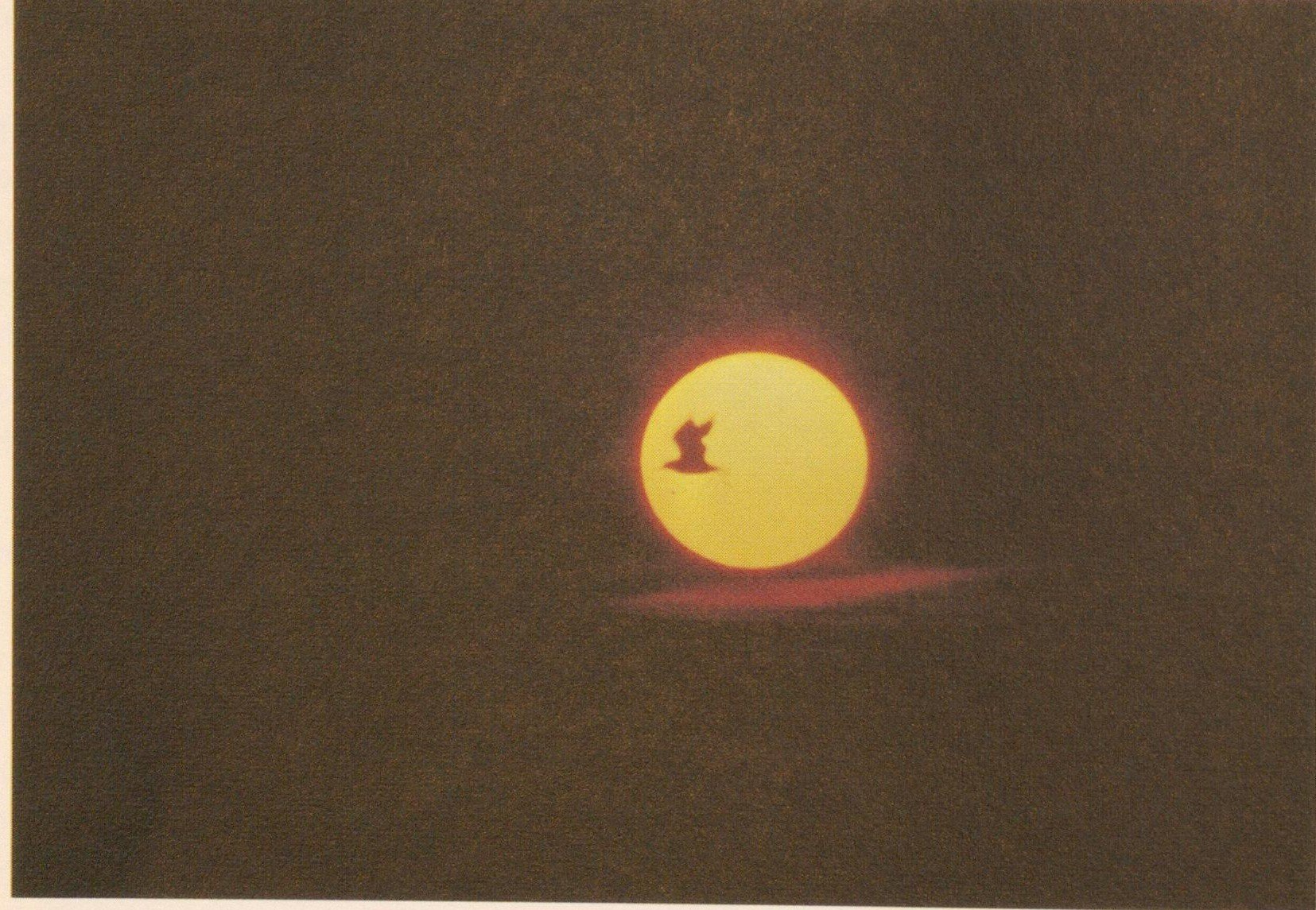
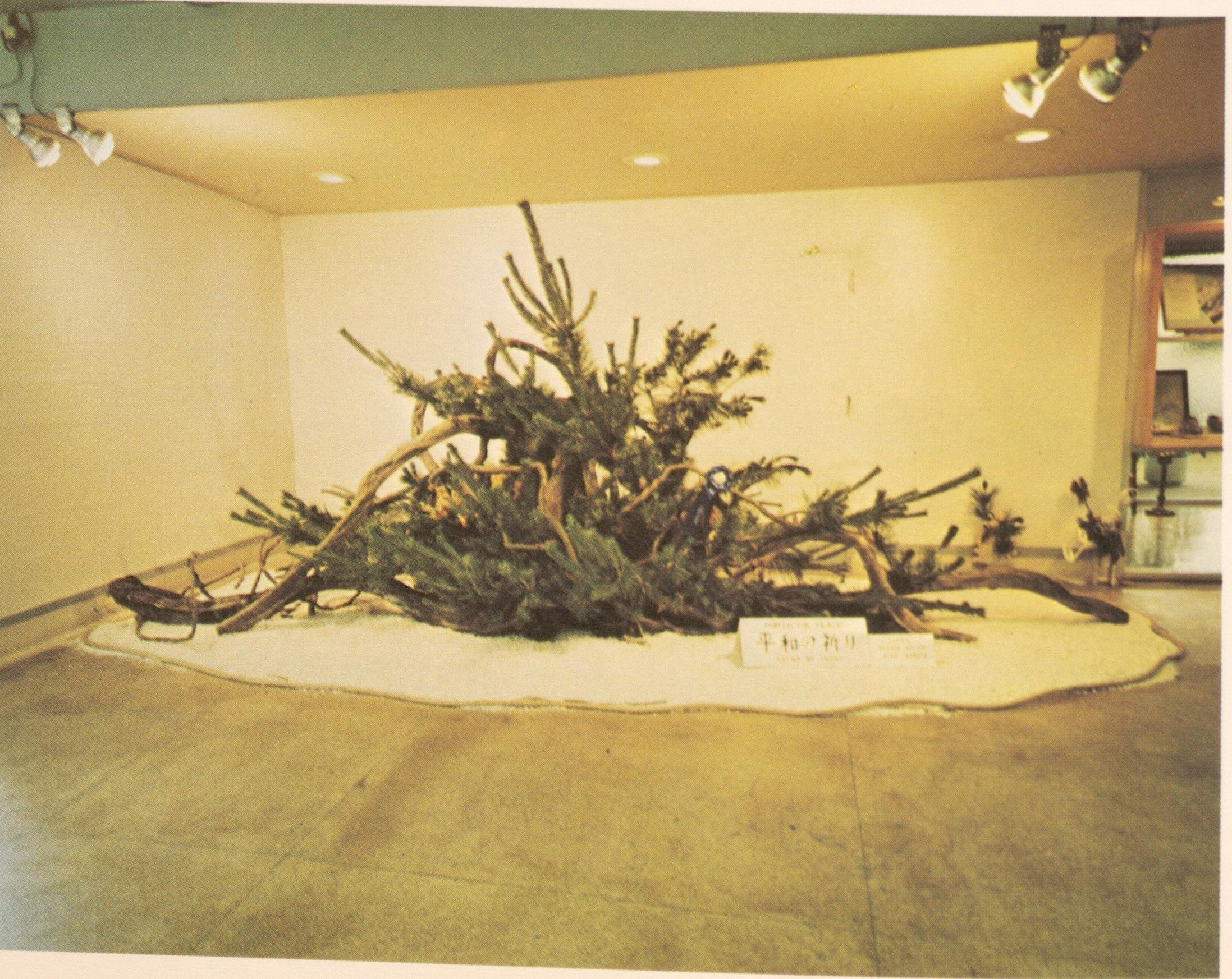
A broad cross-section of people viewed the show. Another heartening fact was the variety of people who submitted works. For the most part they were not professionals but people involved in every walk of life.
On the opening day of the exhibit, President Ikeda made a complete circuit around the concourse in a golf cart, stopping every so often to admire a particular work. He was very impressed by the overall depth of the works.
Year by year, the number and calibre of entries reflects the trends of development in NSA. From the first modest exhibit in Berkeley, California, the Third Civilization Art Exhibit has grown to become a meaningful channel for common people with a desire to communicate their joys and sentiments.
86
87
88
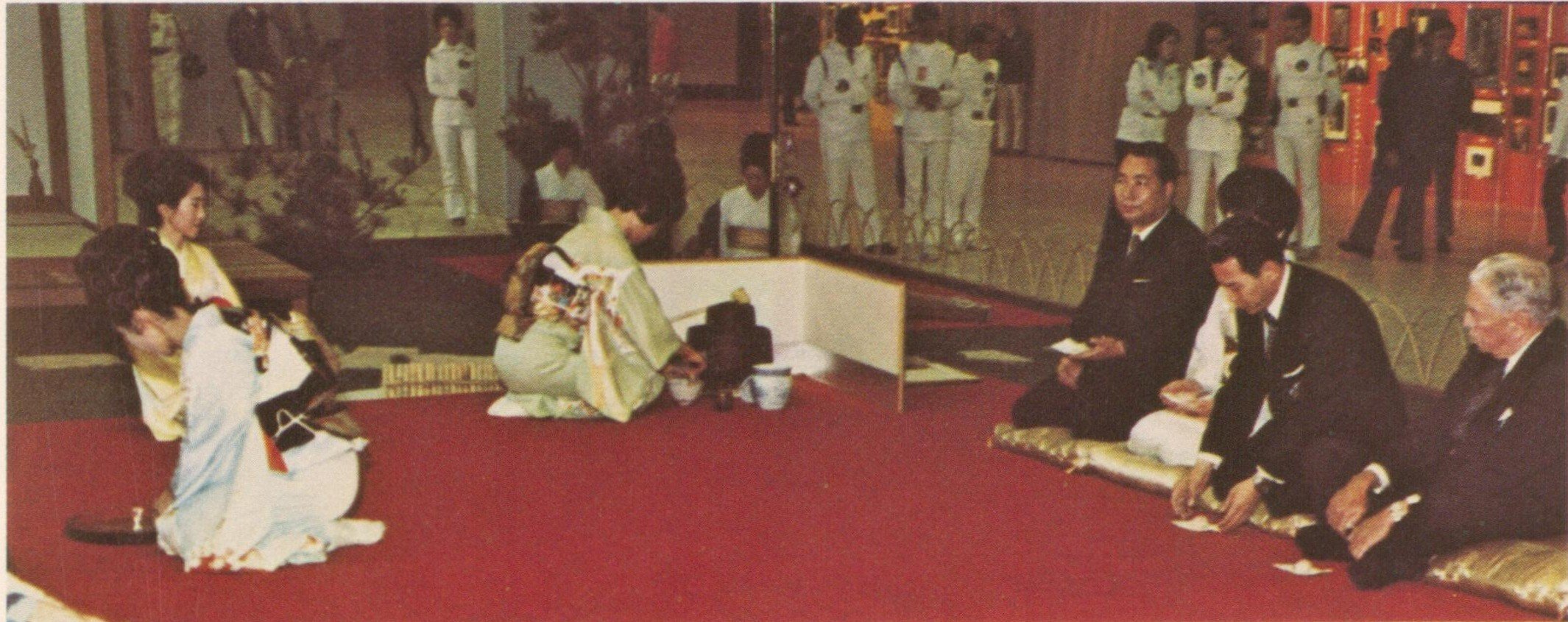
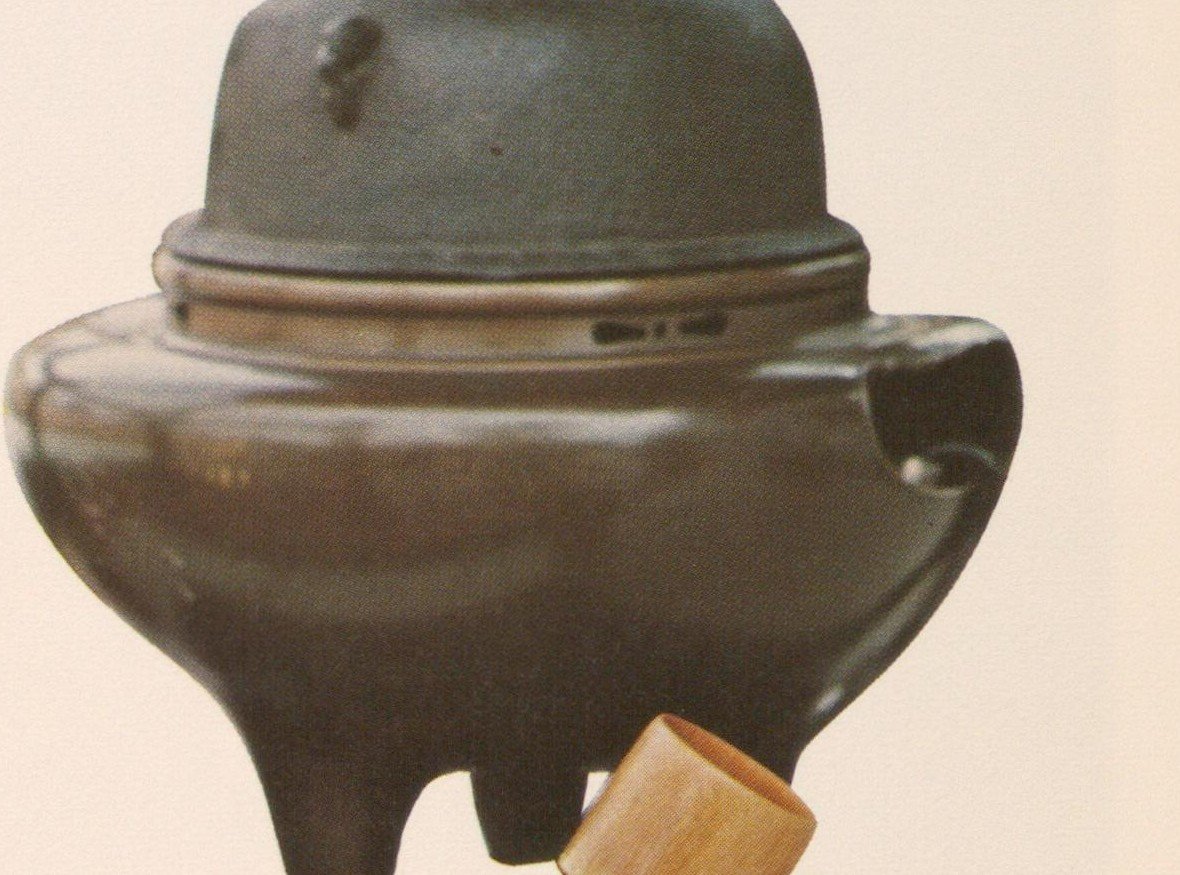
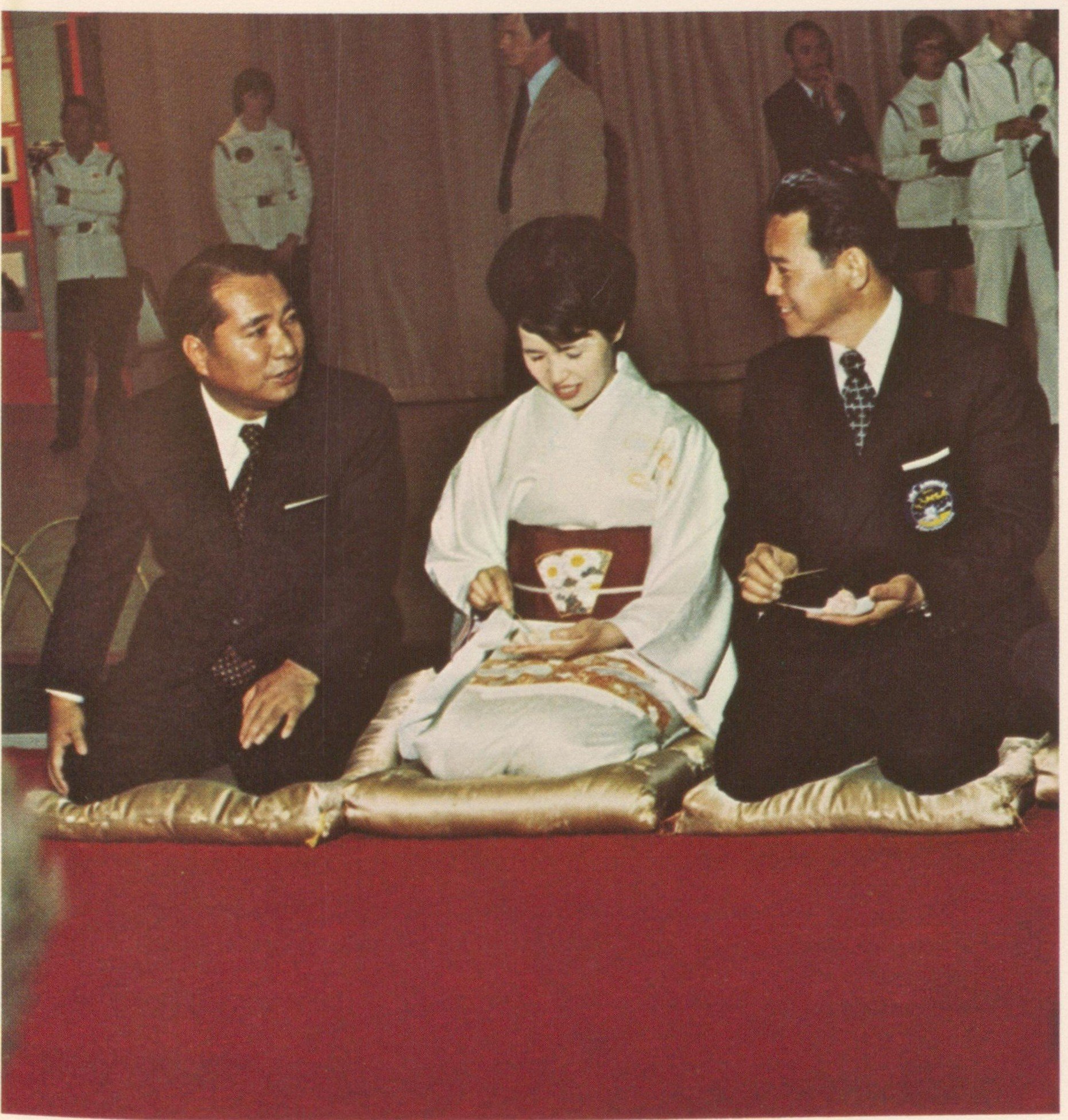
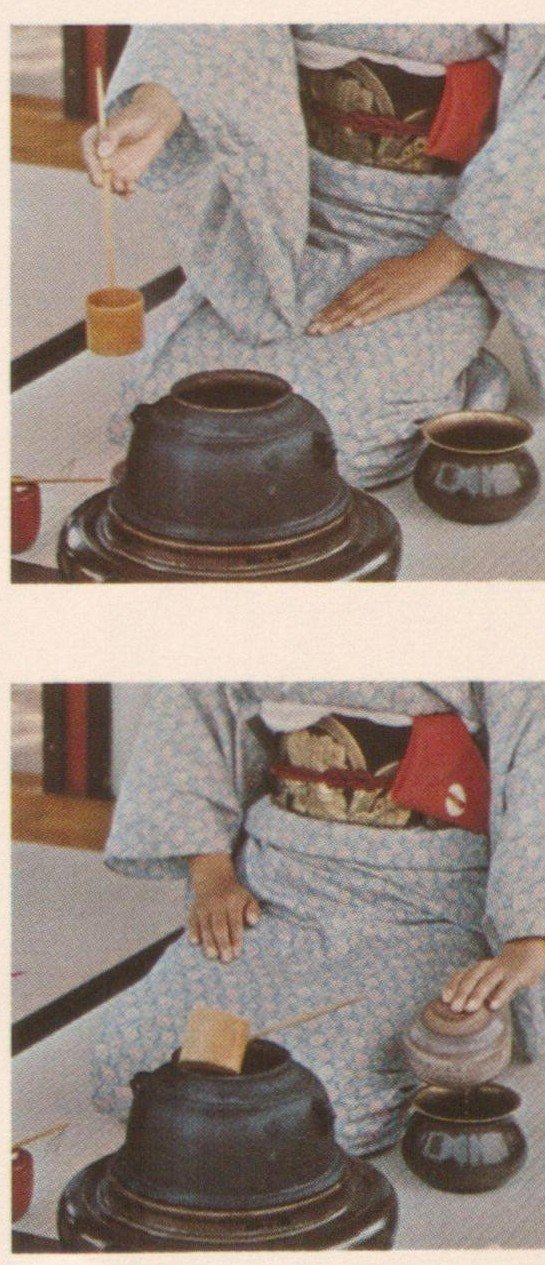
The Tea Ceremony is almost as old as Japan. It heightens the senses — is the ultimate expression of refinement and good taste — it allows one to savor nature.
President Ikeda invited a score of dignitaries to experience this touch of oriental hospitality usually reserved for special occasions. The ceremony was conducted throughout the convention so that members could observe and participate in the authentic teahouse prepared as part of the Third Civilization Art Exhibit.
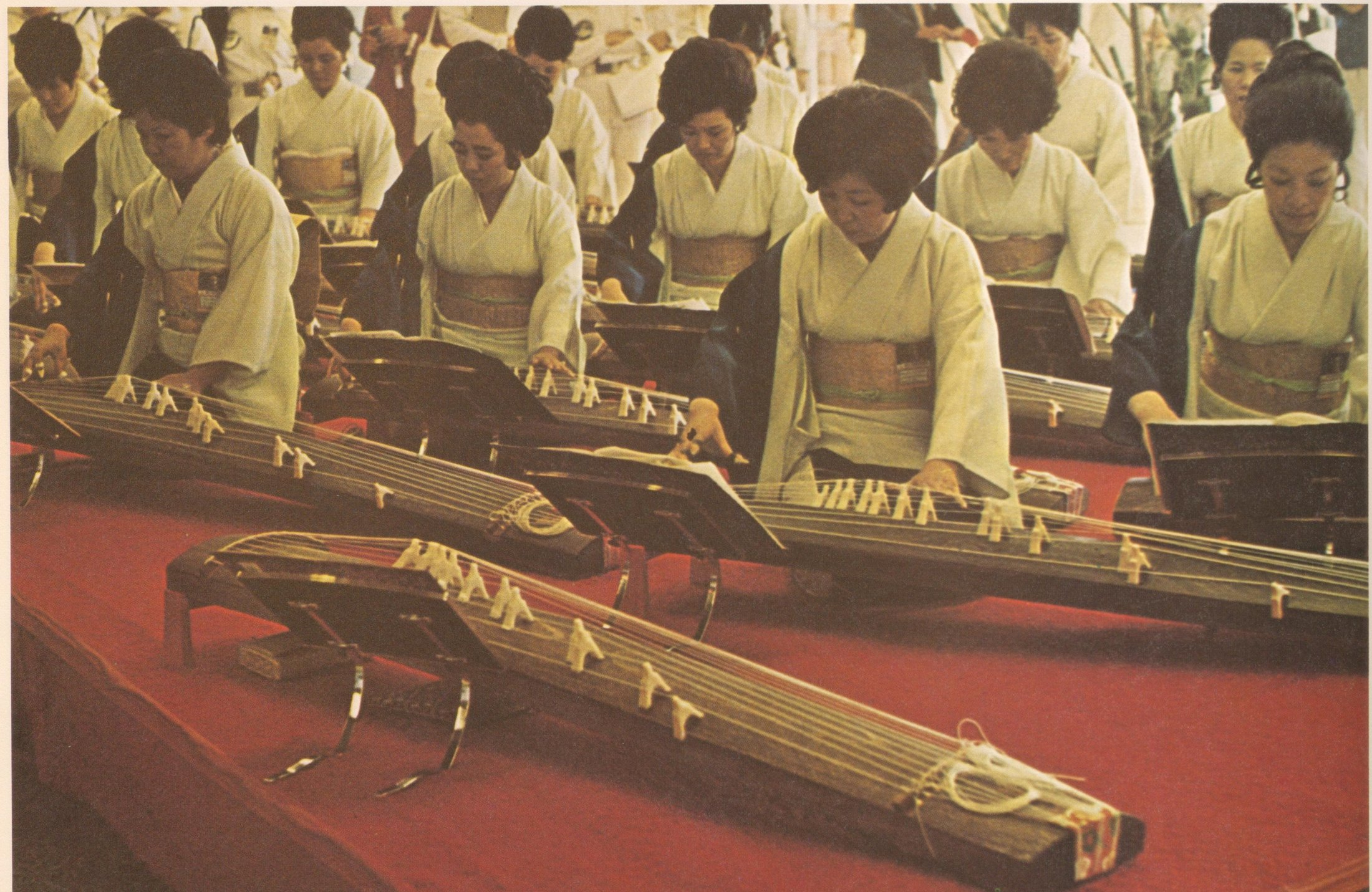
They heard the sound of the Koto, and the bubbling of water in the brazier. They tasted the slowly prepared tart brew. And they experienced the ancient ritual that symbolized the four cornerstones of a bygone culture — Harmony, Respect, Cleanliness and Tranquillity.
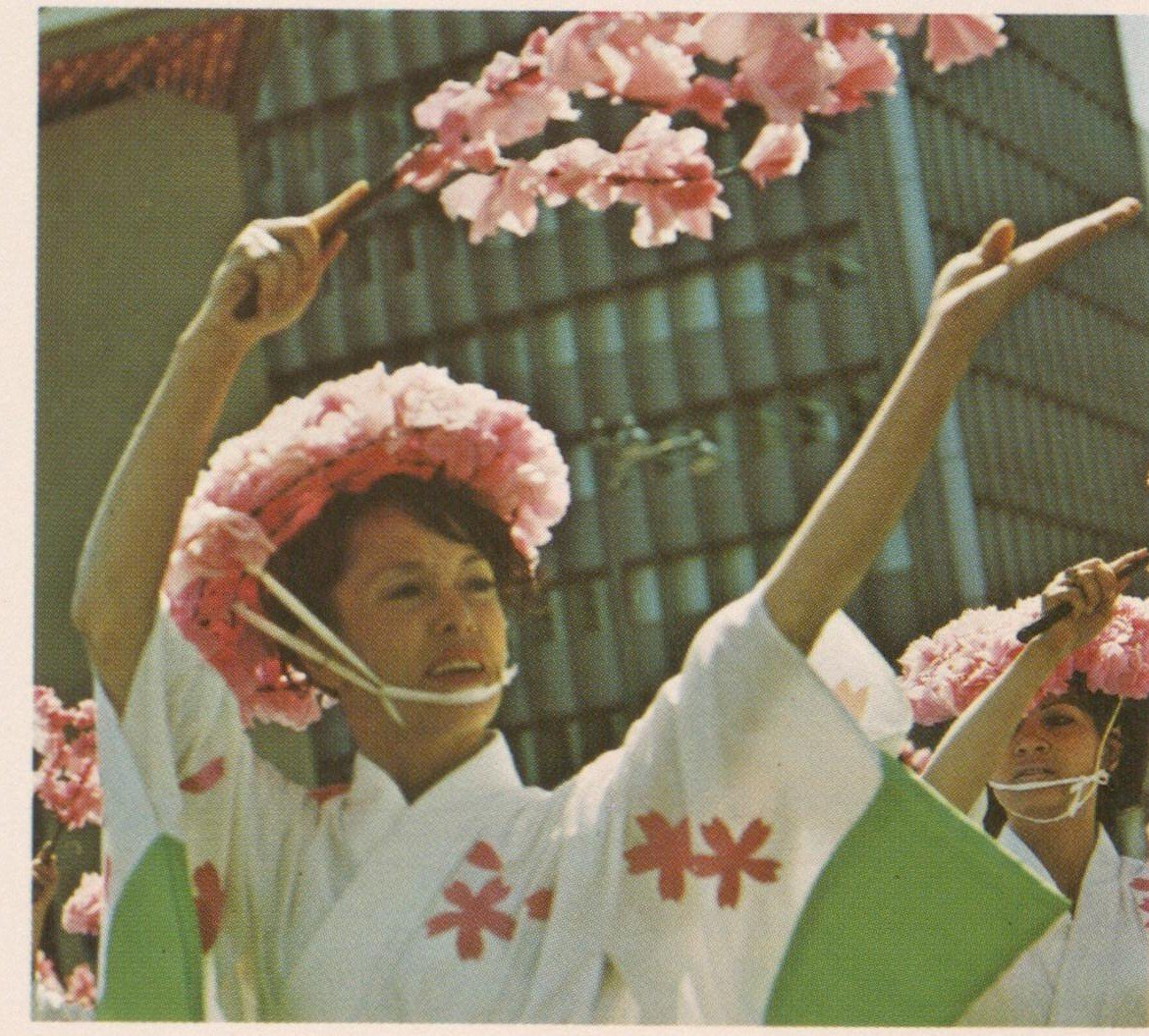
Women in bright kimonos used hand-wrought utensils and played ancient-styled kotos. The setting was worlds apart from the nearby Third Civilization Art Exhibition with its largely modern depiction of reality.
89
90–91
92 (blank — end of Section 2)
BuddhaJones Archive Projectarchive @ buddhajones.orgAbout this project. BuddhaJones Archive Project seeks to collect and preserve information related to Nichiren Buddhism in America. All copyrighted content is presented here without permission under Fair Use guidelines, explicitly for the purposes of research, teaching, criticism, comment, and news reporting. This is a nonprofit, educational site unaffiliated with any religious organization or corporation.